7 Best Roof Waterproofing Coatings of 2026: A Professional Buying Guide | YURU
Introduction:
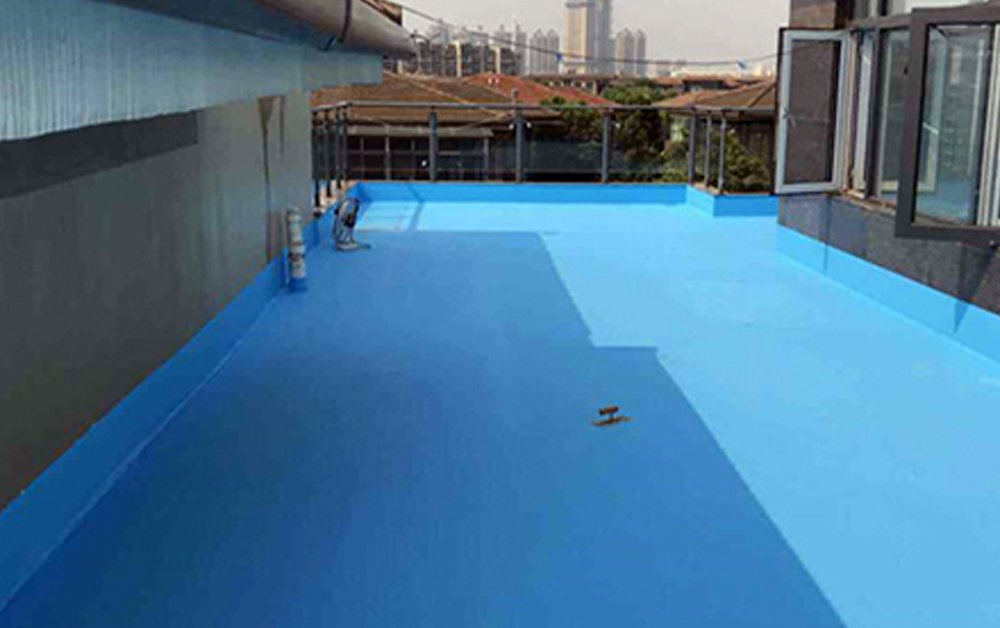
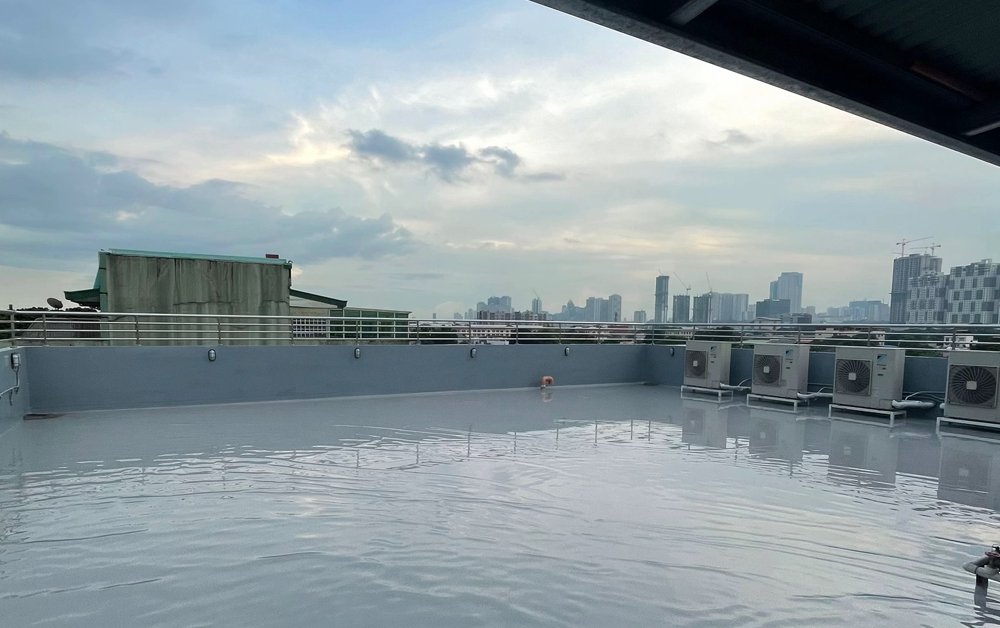
Roof waterproofing has moved far beyond basic leak prevention. In 2026, roofing systems are expected to withstand extreme temperature swings, stronger ultraviolet radiation, heavier rainfall, and longer service-life expectations from both commercial and municipal property owners.
At the same time, the global construction market is seeing a surge in roof renovation projects, lightweight steel structures, solar-integrated roofs, and large industrial facilities where roof failure leads to operational downtime rather than just cosmetic damage.
Choosing the right roof waterproofing coating is no longer a matter of price alone. It is a technical and financial decision that directly affects maintenance budgets, energy efficiency, and asset lifespan.
This professional buying guide reviews the 7 best roof waterproofing coating systems of 2026, explains how to evaluate them objectively, and helps contractors, distributors, and project owners select the most suitable solution for their specific roofing conditions.
How We Evaluate the Best Roof Waterproofing Coatings?
Before reviewing specific coating systems, it is important to clarify what “best” actually means in a professional context.
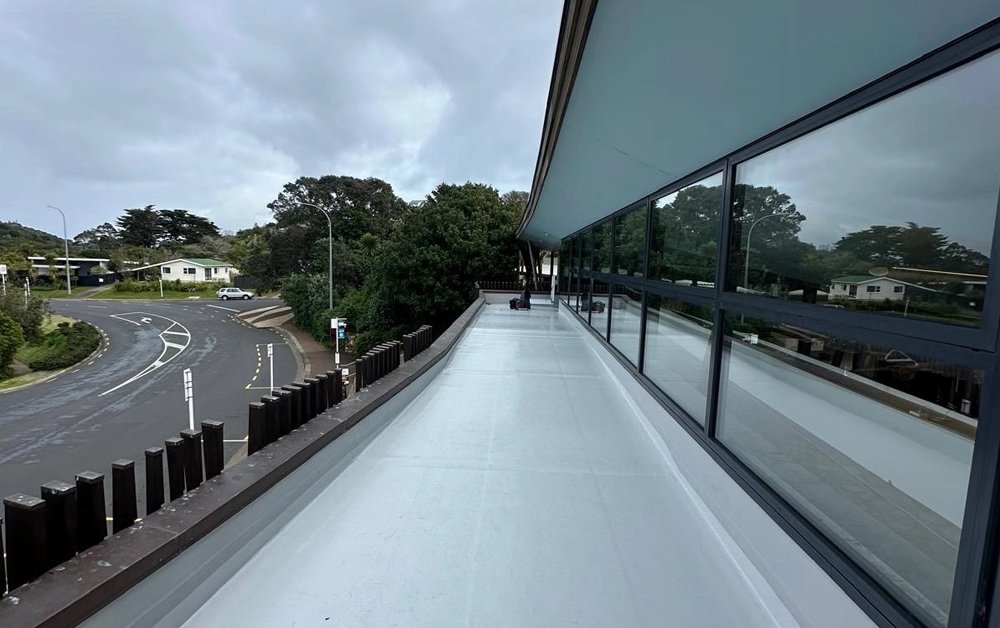
Key Evaluation Criteria Used in This Guide
- Weather Resistance – UV exposure, temperature fluctuation, rainfall.
- Elasticity & Crack Bridging Ability.
- Resistance to Ponding Water.
- Application Flexibility – spray, roller, brush.
- Maintenance Cycle & Repairability.
- Lifecycle Cost (Not Just Initial Cost).
A coating that performs well in one category but fails in others may not be suitable for long-term roof protection.
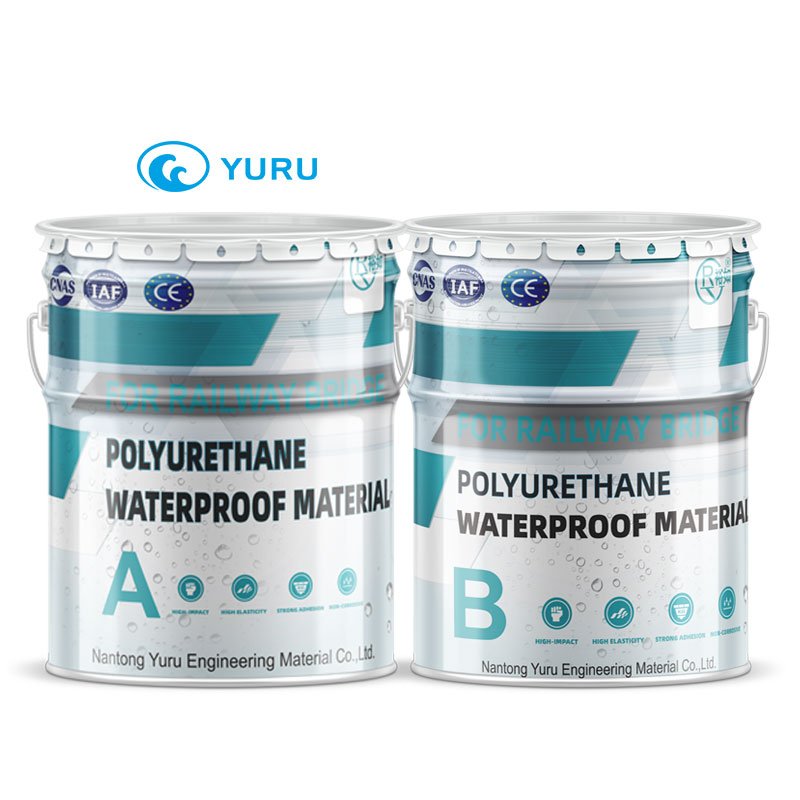
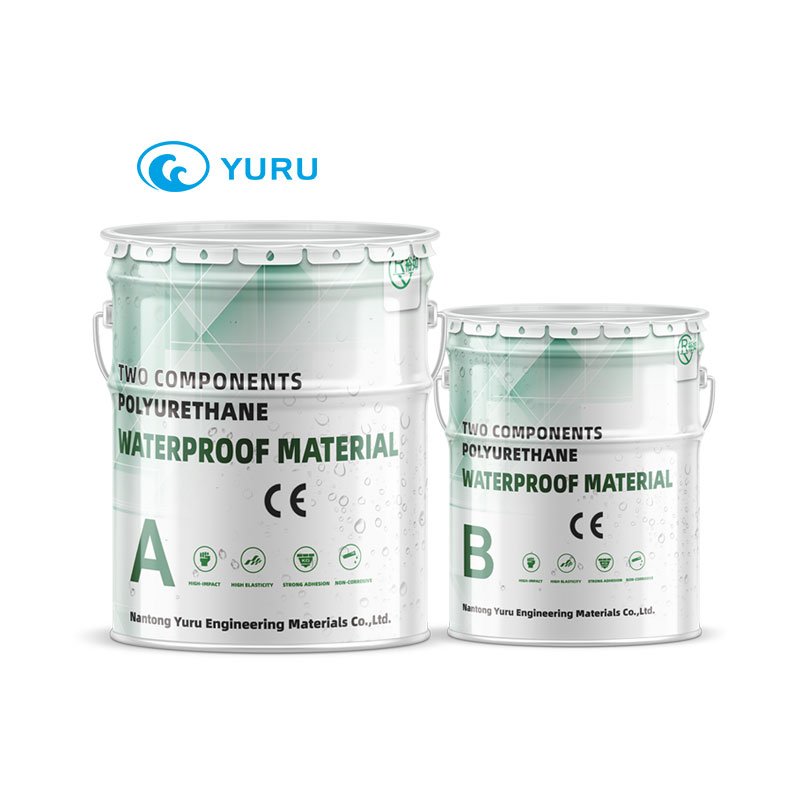
Best Roof Waterproofing Coating #1: Polyurethane Roof Waterproofing
Why Polyurethane Remains a Top Choice in 2026?
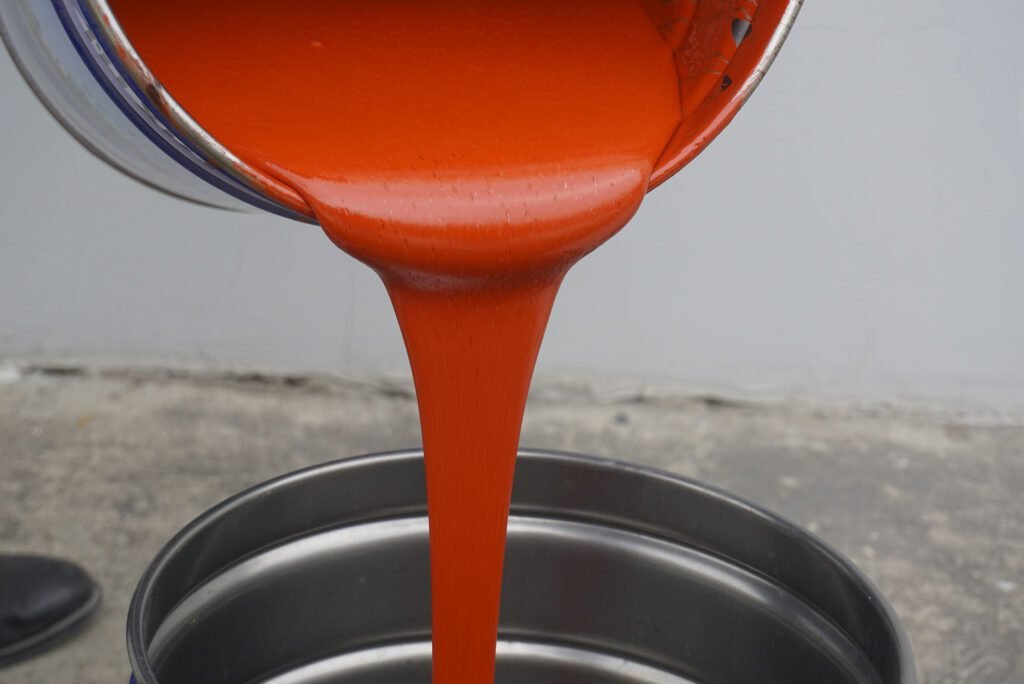
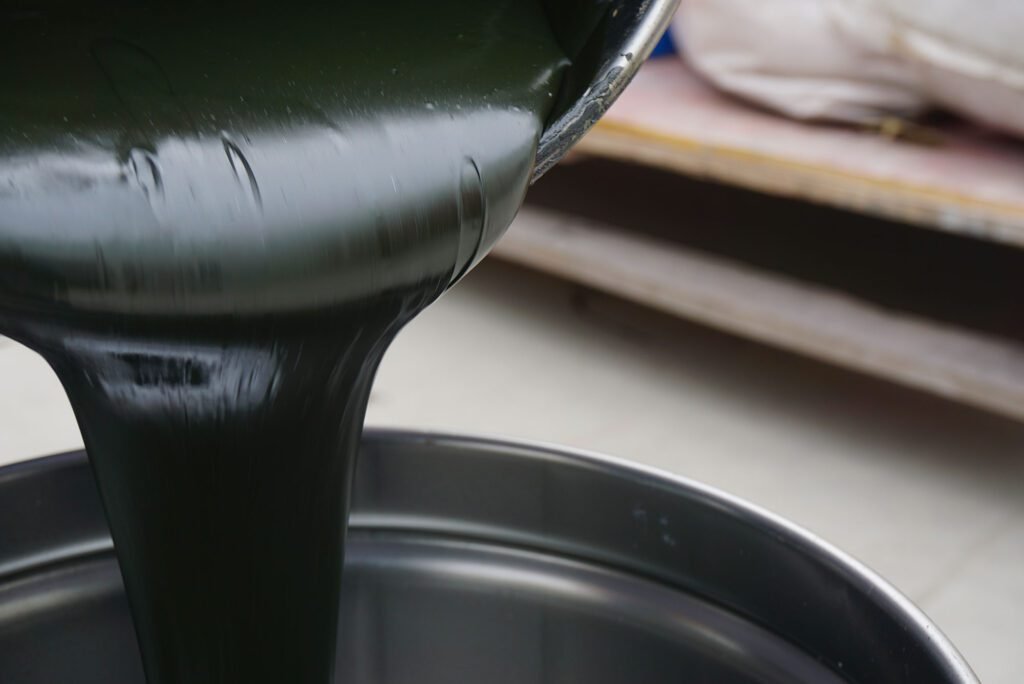
Polyurethane waterproofing coatings are widely recognized as one of the most versatile and durable roof solutions available today.
Key Advantages
- High elongation (often above 250%)
- Excellent crack-bridging performance
- Strong adhesion to concrete and metal substrates
- Seamless, joint-free membrane
Polyurethane coatings adapt well to structural movement, making them ideal for roofs to thermal expansion.
Limitations
- Sensitive to substrate moisture during application.
- Requires proper surface preparation.
Best Applications
- Concrete roofs
- Industrial facilities
- Roofs with frequent thermal movement
Best Roof Waterproofing Coating #2: Acrylic Waterproof Coatings
Cost-Effective and UV-Stable Roofing Solution
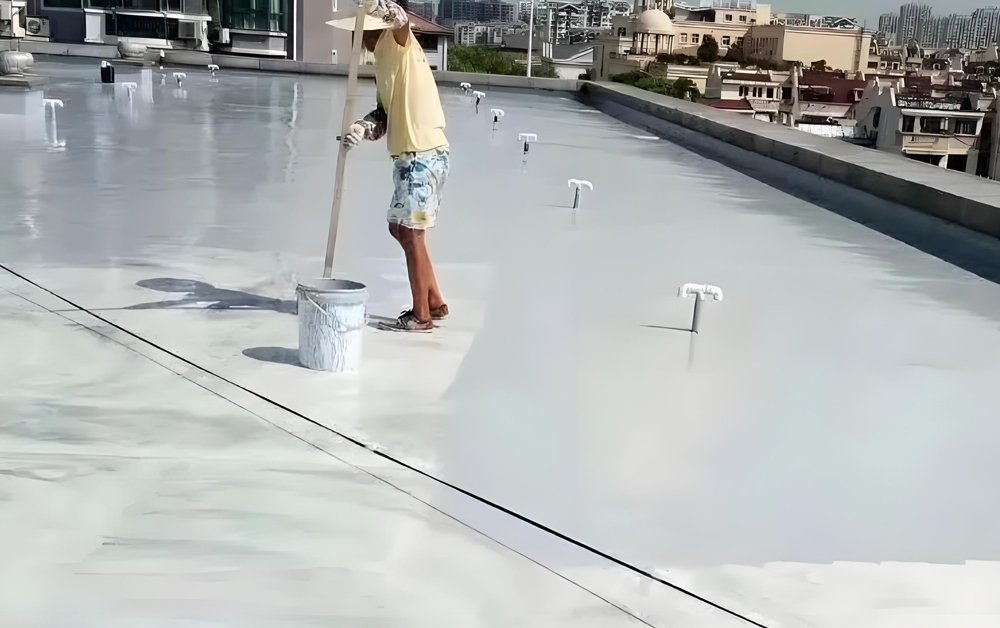
Acrylic roof coatings remain popular due to their water-based formulation, ease of application, and excellent UV resistance.
Key Advantages
- Environmentally friendly, low VOC.
- Excellent reflectivity for heat reduction.
- Easy maintenance and recoating.
Limitations
- Lower resistance to long-term ponding water.
- Shorter lifespan compared to polyurethane or polyurea.
Best Applications
- Metal roofs
- Residential and light commercial roofs
- Roof refurbishment projects
Roof Waterproofing Coating #3: Polyaspartic Roof Coating Systems
Fast-Curing Technology for Tight Schedules
Polyaspartic coatings represent a newer generation of roof waterproofing materials, combining fast curing with high durability.
Advantages
- Rapid curing (even in low temperatures)
- Excellent UV stability
- High abrasion resistance
Limitations
- Higher material cost
- Requires experienced applicators
Applications
- Commercial roofs requiring minimal downtime
- Roofs exposed to UV and mechanical wear
The Best Roof Waterproofing Coating #4: Spray Polyurea Roof Waterproofing
Extreme Protection for High-Risk Roof Environments
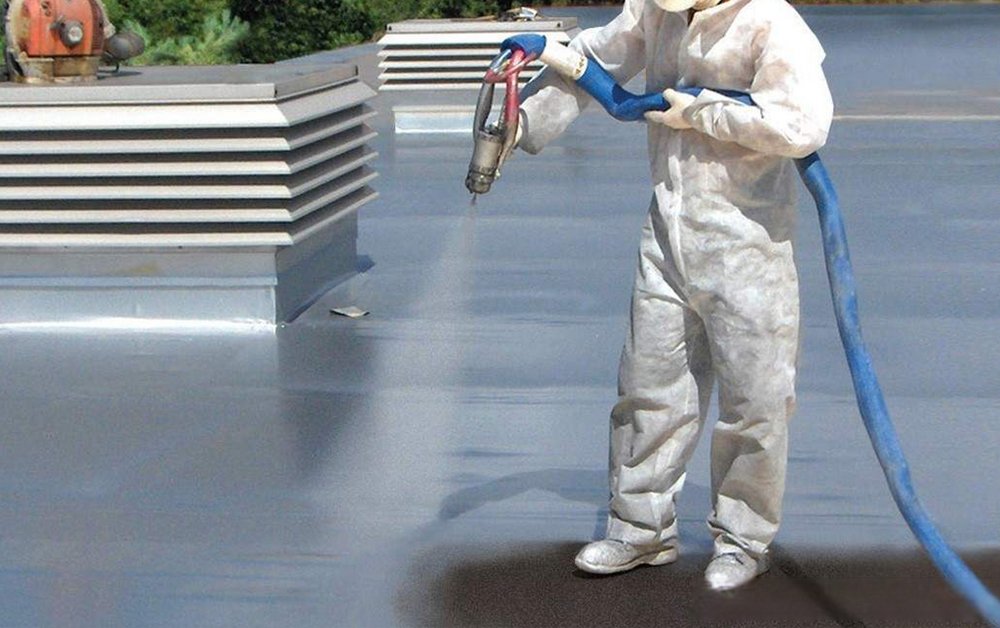
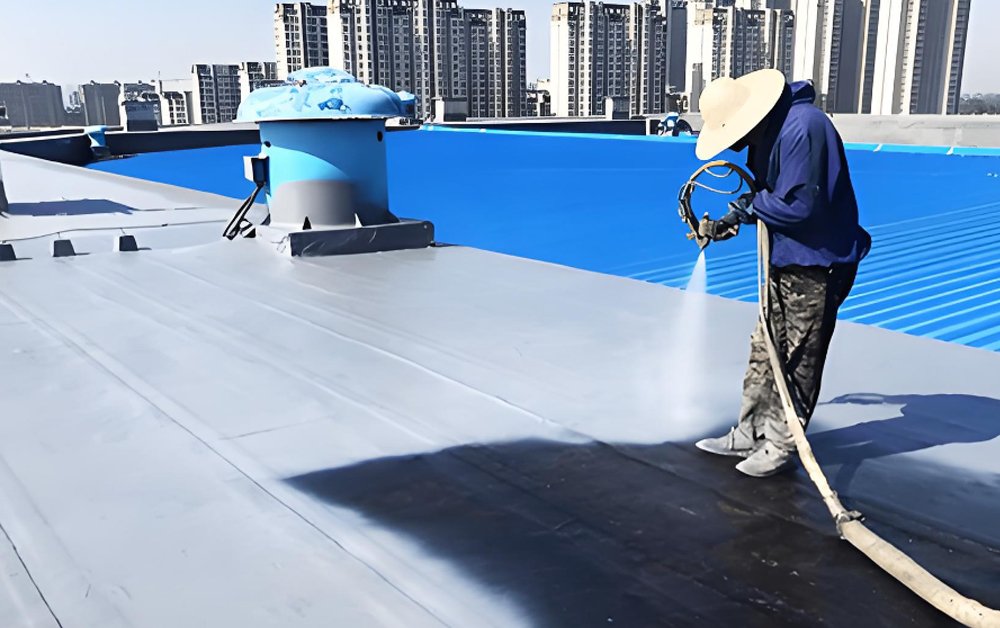
Spray-applied polyurea systems offer unmatched performance where durability is critical.
Key Advantages
- Instant curing
- Exceptional chemical and abrasion resistance
- Extremely high elongation
Advantages
- Instant curing
- Exceptional chemical and abrasion resistance
- Extremely high elongation
Limitations
- Requires specialized spray equipment
- Higher initial investment
Applications
- Industrial roofs
- Water parks and stadiums
- High-end commercial buildings
The Best Roof Waterproofing Coating #5: Silicone Roof Coatings
Superior Ponding Water Resistance
Silicone coatings are increasingly used where standing water is unavoidable.
Key Advantages
- Excellent resistance to ponding water
- UV stable without topcoat
- Minimal maintenance
Limitations
- Lower tensile strength
- Limited recoating compatibility
Best Applications
- Flat roofs
- Roofs with drainage challenges
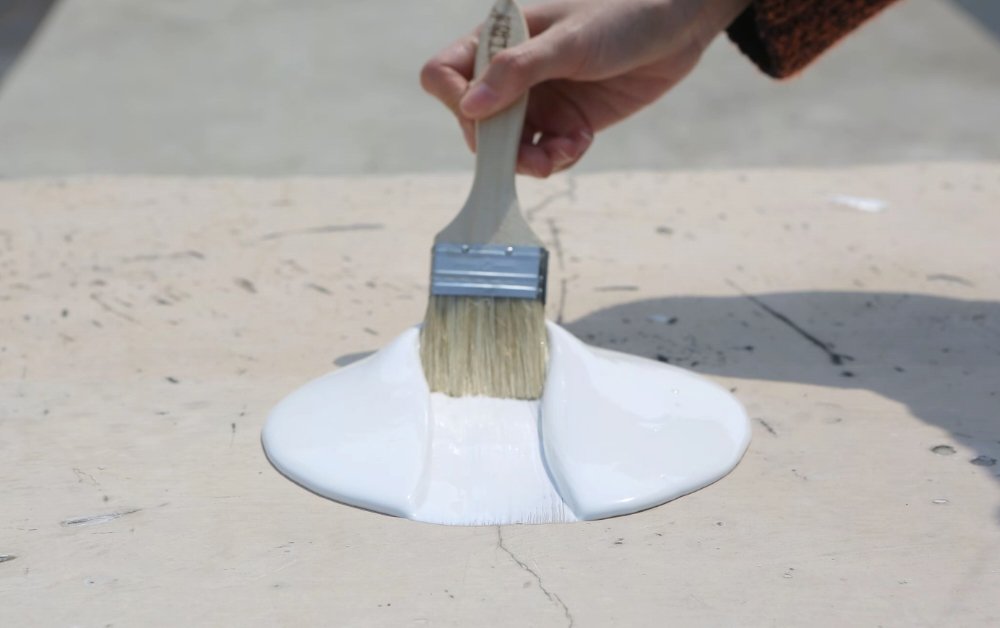
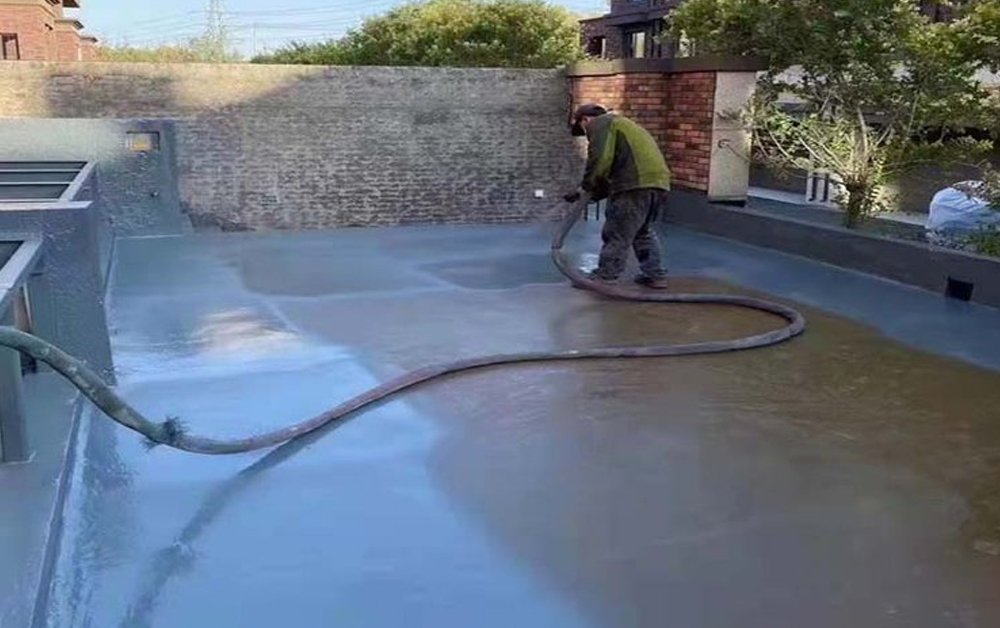
Roof Waterproofing Coating #6: Cementitious (JS & Crystalline) Systems
Reliable Bonding with Concrete Substrates
Cement-based waterproofing remains relevant for specific roof structures.
Key Advantages
- Strong bonding with concrete
- Can be applied on damp substrates
- Cost-effective for certain projects
Limitations
- Limited elasticity
- Not suitable for metal roofs
Best Applications
- Concrete roofs with tile finishes
- Utility structures
Waterproofing Coating #7: Hybrid Waterproofing Systems
Combining Strengths for Optimized Performance
Hybrid systems combine multiple materials to achieve balanced performance.
Examples
- Epoxy primer + polyurethane topcoat
- Polyurethane base + acrylic reflective top layer
Best Applications
- Large commercial roofs
- Projects requiring both durability and reflectivity
Matching Roof Conditions to the Right Waterproofing System
| Roof Condition | Recommended System |
|---|---|
| Structural movement | Polyurethane / Polyurea |
| High UV exposure | Acrylic / Polyaspartic |
| Standing water | Silicone |
| Industrial abuse | Polyurea |
| Budget refurbishment | Acrylic |
Cost vs Lifespan: Understanding True Roof Waterproofing Value
Initial material cost is only one part of the equation.
A roof coating with a higher upfront price but a 20-year service life often delivers better ROI than a low-cost coating requiring frequent repairs.
Professional buyers increasingly evaluate:
- Maintenance frequency
- Recoating intervals
- Downtime costs
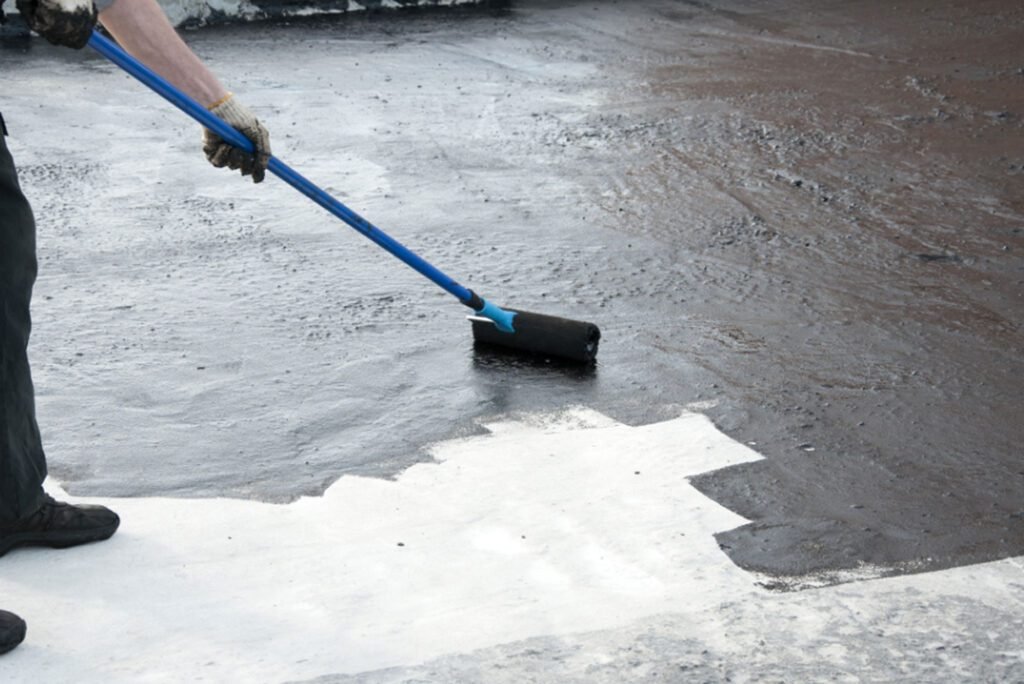
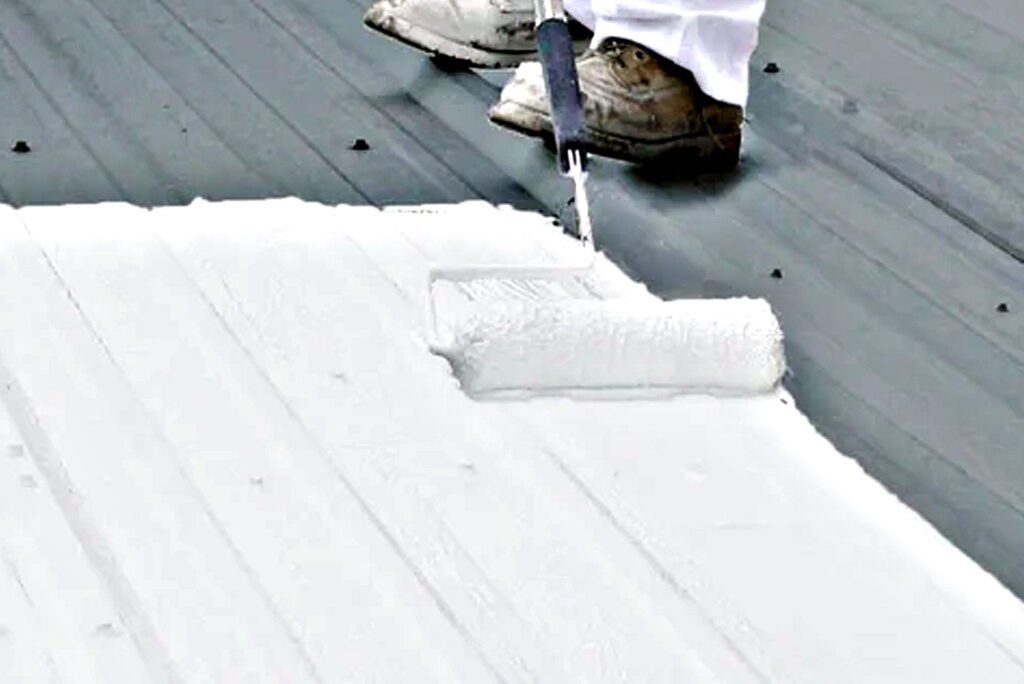
Why YURU Waterproof Is a Trusted Roof Waterproofing Manufacturer?
YURU Waterproof is a professional manufacturer offering a full range of roof waterproofing coatings, including polyurethane, acrylic, polyurea, polyaspartic, epoxy, and cement-based systems.
YURU’s Key Advantages
- Factory-direct supply
- Consistent quality control
- Multiple waterproofing systems under one roof
- Technical support for material selection
Unlike trading companies, YURU provides system-level compatibility advice, ensuring primers, membranes, and topcoats work together.
FAQs
1. Which roof waterproofing coating lasts the longest?
Polyurea and polyaspartic systems generally offer the longest service life when properly applied.
2. Is acrylic waterproof coating suitable for industrial roofs?
Acrylic is better suited for light-duty roofs. Industrial roofs require polyurethane or polyurea systems.
3. Can roof waterproofing coatings reduce heat?
Yes. Reflective acrylic and silicone coatings help reduce surface temperature.
4. How often should roof waterproofing be reapplied?
Depending on material type, recoating intervals range from 5 to 20 years.
5. Does YURU offer OEM or private labeling?
Yes. YURU provides OEM/ODM services for global distributors and brands.
Conclusion: Choosing the Best Roof Waterproofing Coating in 2026
The best roof waterproofing coating is not universal—it depends on roof structure, climate, usage, and budget.
In 2026, professional buyers prioritize durability, lifecycle value, and technical reliability over short-term savings.
Contact YURU Waterproof to receive expert guidance, system recommendations, or download the full roof waterproofing product catalog.
YURU Product solutions