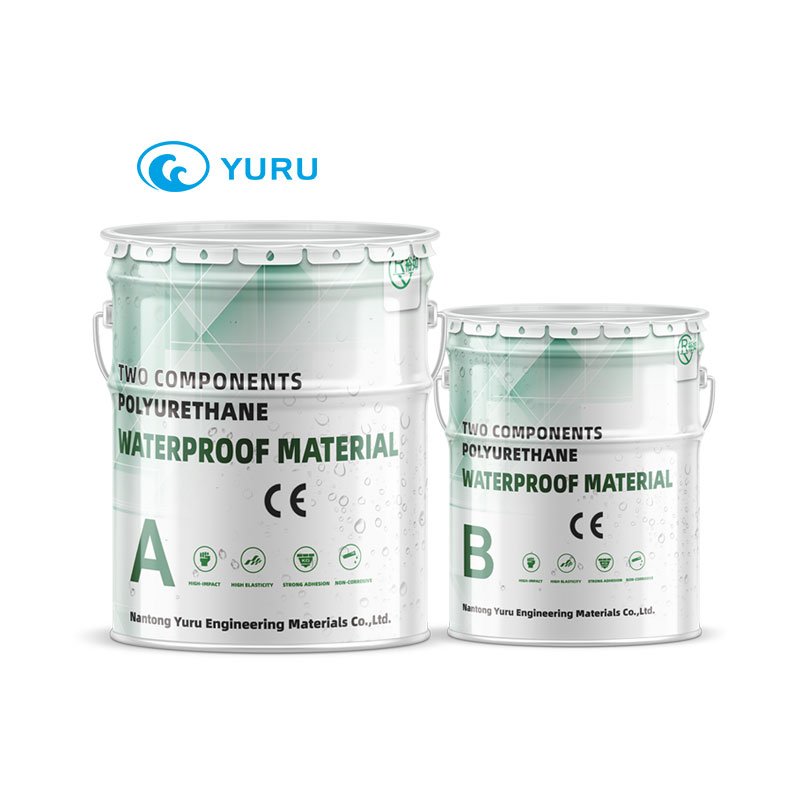
What Surfaces Need Waterproof Paint?
What Surfaces Need Waterproof Paint?
Waterproof paint plays a critical role in protecting surfaces from moisture, mold, and structural damage. Whether you’re working on a residential building, commercial facility, or industrial site, using the right waterproof coating on the right surface is essential.
Let’s break down the key areas where waterproof paint is most needed—and why.
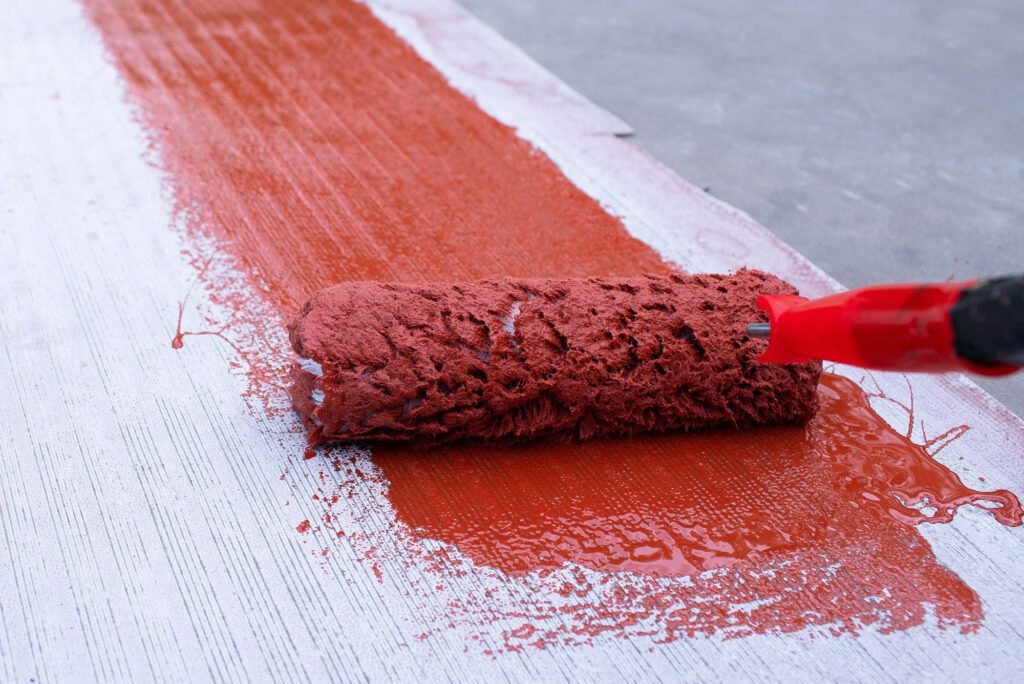
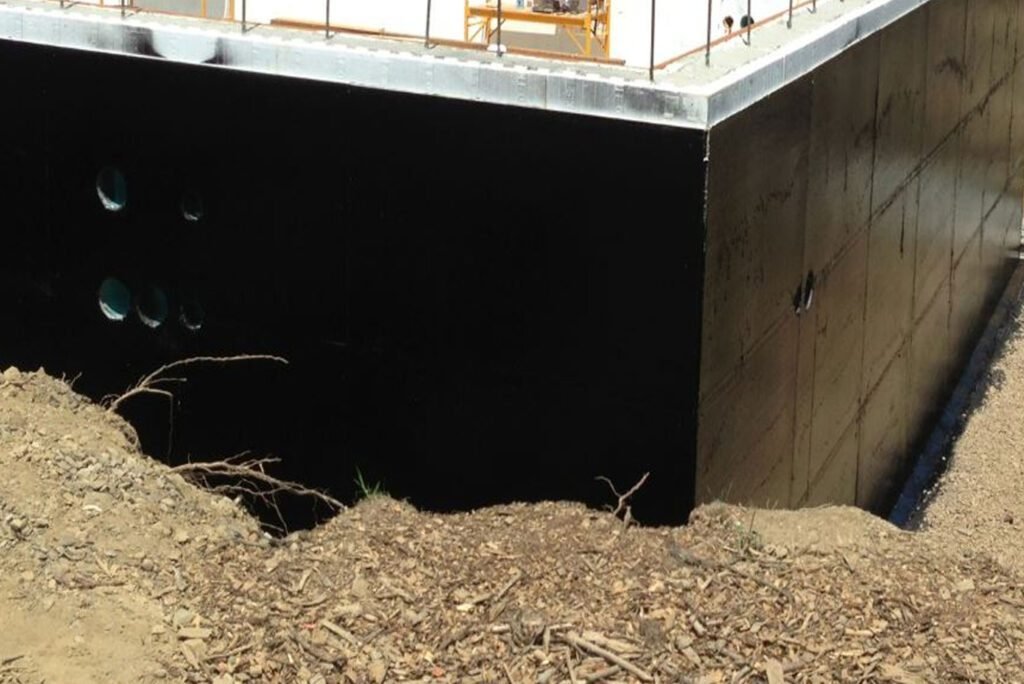
Common Areas Prone to Moisture
Moisture-prone areas are the first to benefit from waterproof paint. These typically include:
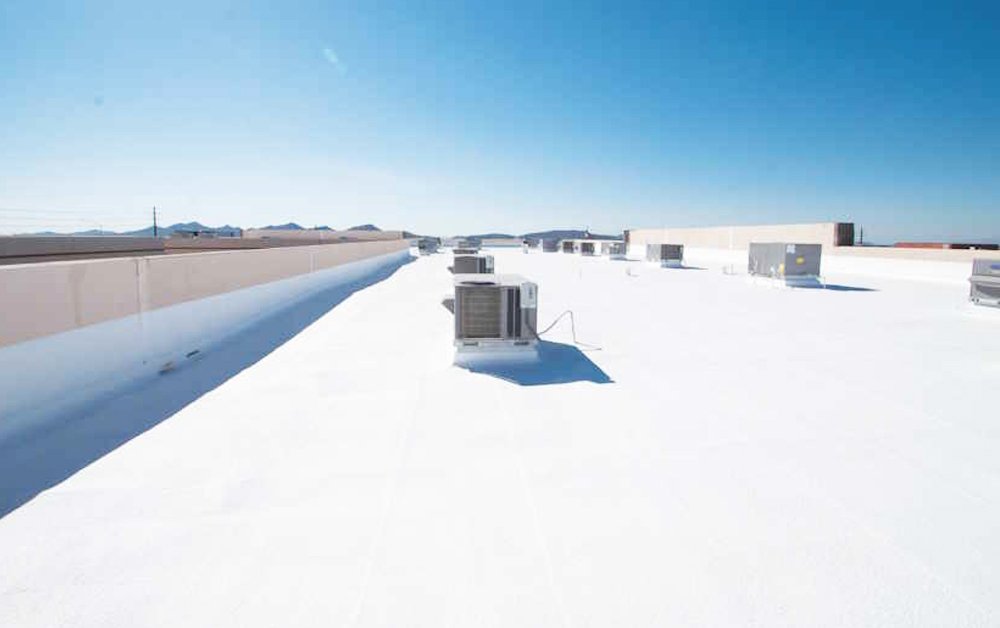
- Roofs: Constantly exposed to rain, UV rays, and temperature shifts.
- Exterior Walls: Vulnerable to driving rain and humidity.
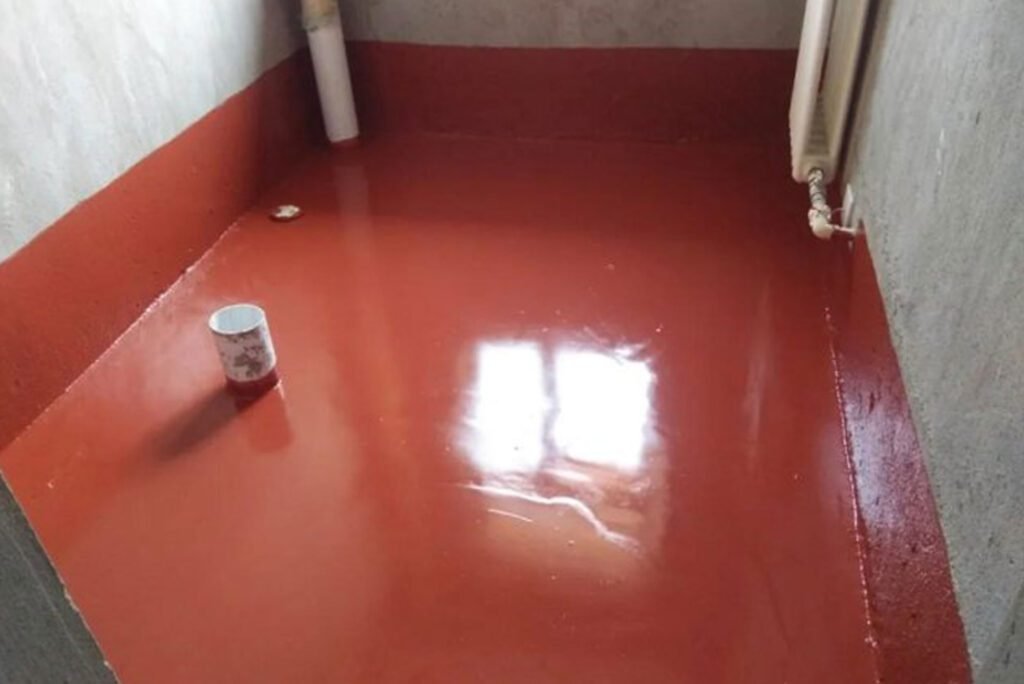
- Bathrooms & Kitchens: Daily exposure to water and steam.
- Basements: High humidity and risk of groundwater seepage.
- Balconies & Terraces: Open to rain and temperature fluctuations.
Waterproof paint acts as a protective layer, helping you prevent peeling, cracking, and structural decay caused by water ingress.
Best Surface Materials for Waterproof Paint
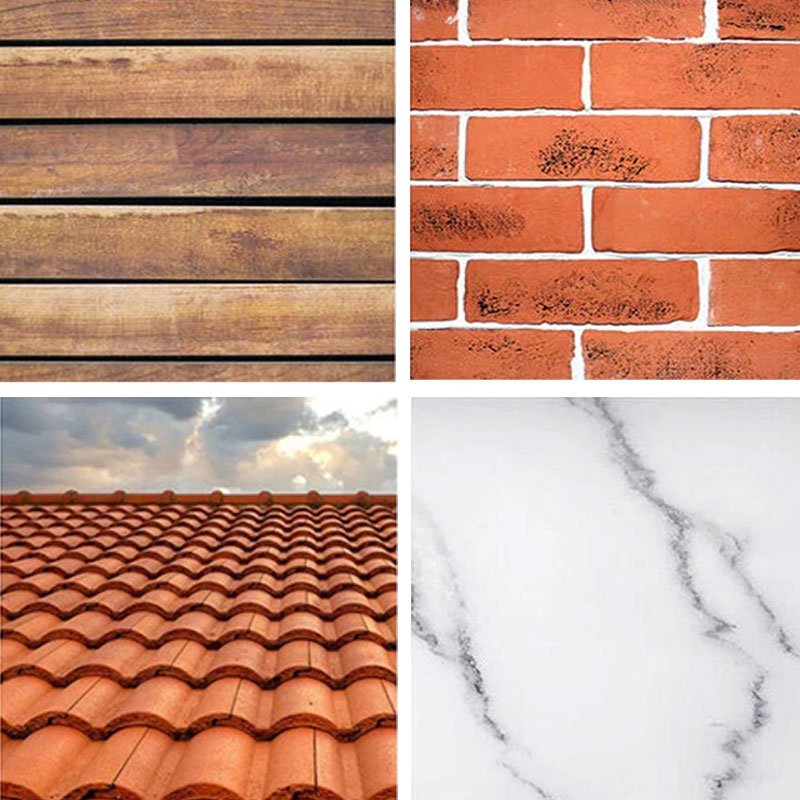
Waterproof paint can be applied to a variety of surfaces, depending on the coating formulation. Popular compatible materials include:
- Concrete & Cement Walls: Common in basements, rooftops, and exterior walls.
- Brickwork & Stone: Especially in old buildings and load-bearing structures.
- Tiles & Grout Joints: Often found in wet rooms and bathrooms.
- Metal Surfaces: Require special primers for rust protection and adhesion.
- Wooden Panels: Especially for exterior use, decks, and exposed furniture.
- PVC & Plastic Panels: In bathrooms or decorative installations.
Each of these surfaces requires proper surface preparation and sometimes a primer to ensure the waterproof coating adheres and lasts.
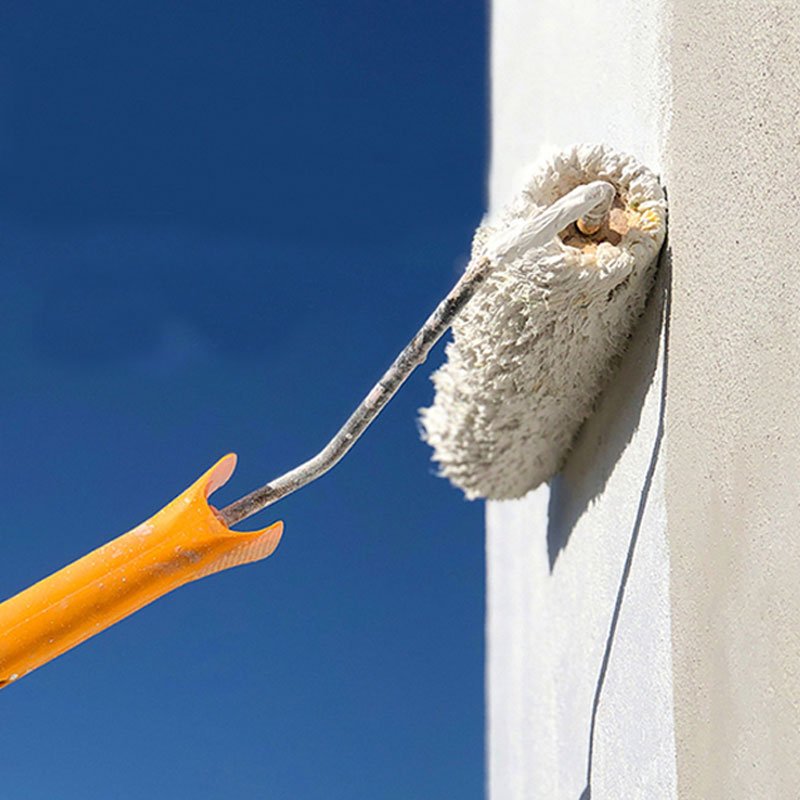
Which Waterproof Paint Works for Each Surface?
Different surfaces demand different waterproof paint types. Here’s a quick guide:
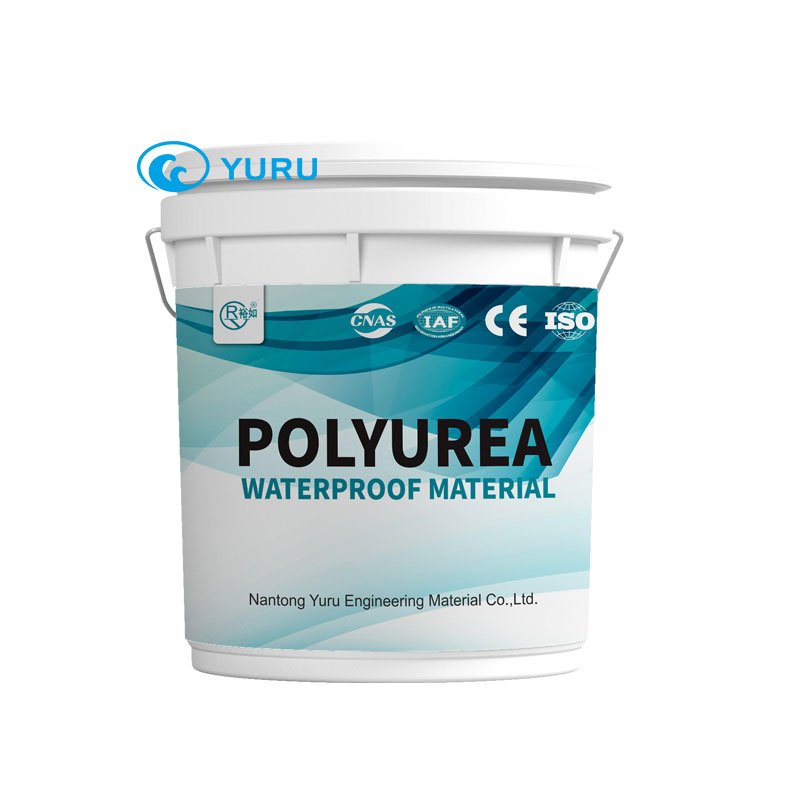
- For Rooftops & Balconies: Use polyurea or acrylic waterproof paint for flexibility and UV resistance.
- For Bathrooms & Kitchens: Apply transparent waterproof coatings or cementitious waterproof paint to prevent mold.
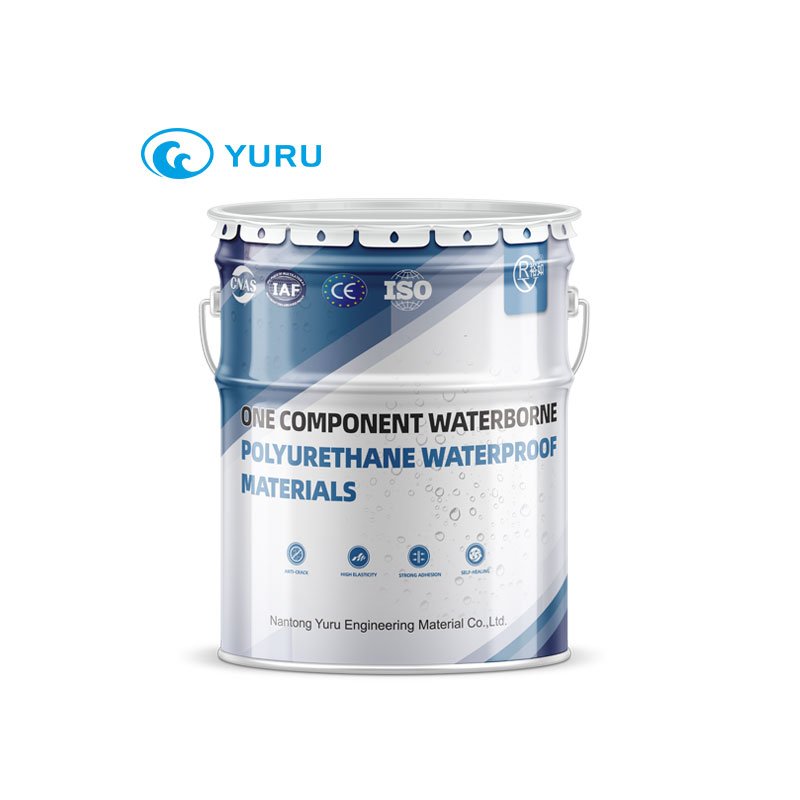
- For Basements: Choose polyurethane or epoxy-based coatings for chemical resistance and durability.
- For Exterior Walls: Go with elastomeric waterproof paint for weather resistance and crack-bridging.
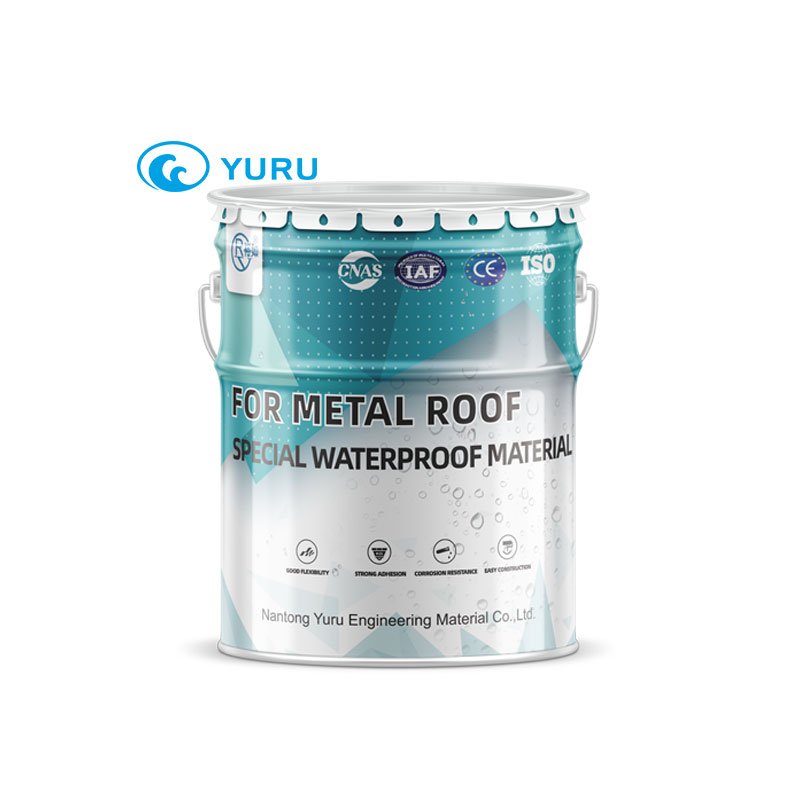
- For Metal Surfaces: Use a rust-proof waterproof paint with a metal primer.
Choosing the right coating ensures long-lasting protection and performance.
Surface Preparation Before Applying Waterproof Paint
Before applying waterproof paint, surface preparation is critical. Here’s what you need to do:
- Clean thoroughly: Remove dust, oil, mildew, or peeling paint.
- Repair damages: Fill cracks, holes, and gaps with a compatible filler.
- Dry the surface: Ensure no moisture is trapped beneath the paint layer.
- Use primer if needed: Especially on smooth surfaces like tiles or metal.
- Level the surface: Uneven walls can lead to weak paint adhesion.
Proper prep improves adhesion, durability, and waterproofing performance.
When to Reapply Waterproof Paint?
Even the best waterproof paint wears over time. Here’s how to tell when it’s time for a refresh:
- Visible cracks or peeling paint.
- Water stains or leaks appearing.
- Mold or mildew growth on coated areas.
- Surface looks dull or damaged.
- It’s been over 5–10 years since last application.
Regular inspection of high-moisture areas like bathrooms, roofs, and basements can prevent costly repairs. Reapplying waterproof paint extends the life of your surface and strengthens protection.
Final Thoughts
Waterproof paint isn’t a one-size-fits-all solution—it depends on your surface type, exposure level, and project needs. At YURU Waterproof, we help you choose and customize waterproof coatings for optimal results.
Need help choosing the right paint? Contact us today or explore our full range of custom waterproof coatings.

YURU Product solutions