Which Grout Works Best for Crack Repair?
Introduction
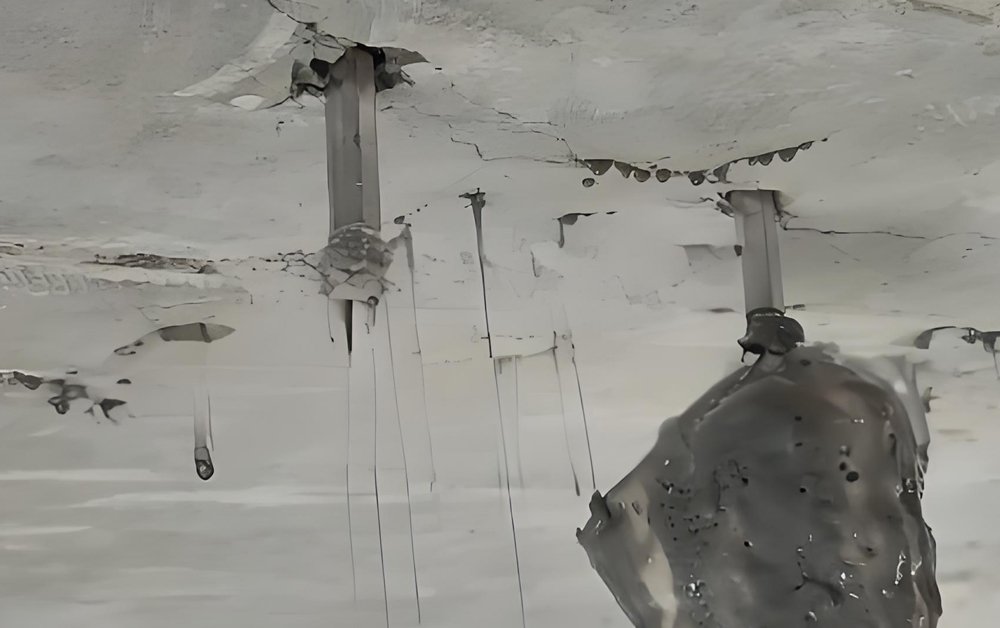
Crack repair is a critical part of structural maintenance and waterproofing in modern construction. Whether you’re dealing with concrete cracks in basements, tunnels, or foundations, selecting the right grout can determine whether a repair lasts or fails.
This article explores the best types of grouts used for crack repair—comparing traditional options with polyurea elastic grout—and provides practical insights for you looking to improve their waterproofing outcomes.


Why Choosing the Right Grout Matters for Crack Repair?
Cracks may appear small, but they can lead to serious issues like water leakage, steel reinforcement corrosion, and structural weakening. In commercial and infrastructure projects, the consequences of poor repair are not just technical—they’re also financial.
That’s why choosing the right grout is essential. Each crack varies in width, depth, moisture exposure, and structural movement. The grout you select must match these conditions to ensure long-term sealing performance and structural safety.
Common Types of Grouts and Their Pros & Cons
Let’s compare the most commonly used grouts in the industry:
| Grout Type | Pros | Cons |
| Cement-based | Low cost, good volume fill | Shrinks over time, weak elasticity |
| Epoxy | High strength, good for dry cracks | Brittle, not suitable for dynamic cracks |
| Polyurethane (PU) | Fast-foaming, water-reactive | Limited elasticity, short lifespan |
| Polyurea Elastic | Flexible, durable, fast-curing | Slightly higher cost but high ROI |
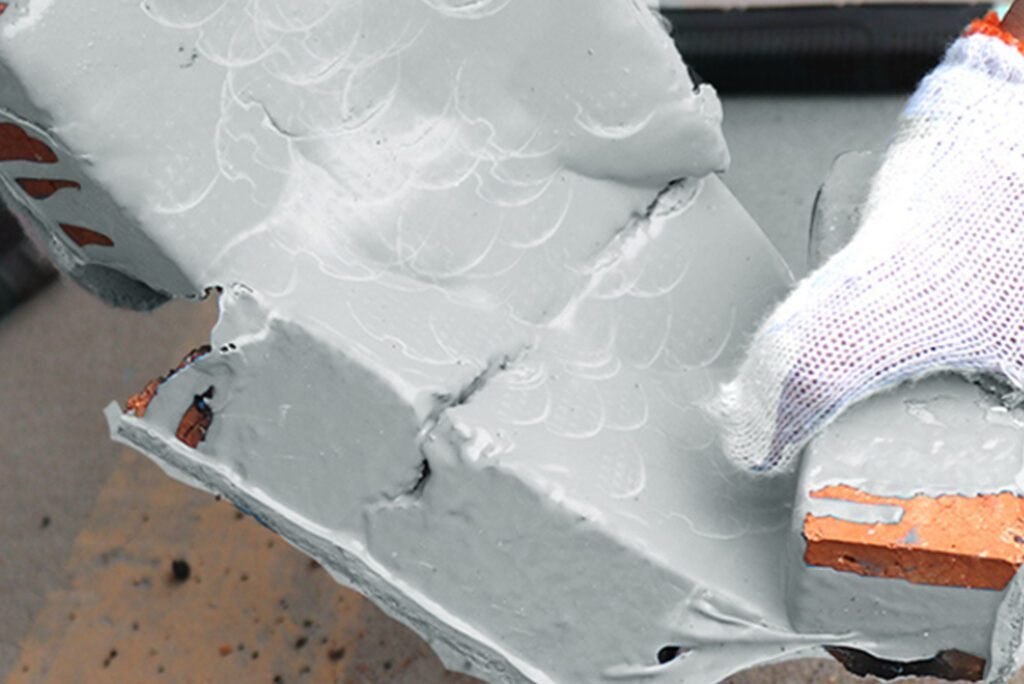
Among these, polyurea elastic grout stands out for its flexibility, bonding strength, and ability to perform under stress, making it ideal for long-term, waterproof crack sealing.

Why Polyurea Grout Is Ideal for Crack Repair?
Polyurea elastic grout offers several benefits over traditional materials:
High Elasticity (>300%)
Adapts to structural shifts and prevents re-cracking.
Chemical & Water Resistance
Perfect for wet or high-pressure environments like basements or tunnels.
Strong Adhesion
Bonds well to concrete, metal, and PVC, ensuring no leakage paths.
Long-Term Durability
Resists UV, aging, and corrosion—reducing future maintenance.
For crack widths from 0.2 mm to several millimeters, and in both dry and water-bearing structures, polyurea grout creates a permanent elastic seal that outperforms cement, epoxy, and PU-based systems.
Common Crack Repair Issues & How Polyurea Solves Them?
Many clients face recurring issues during crack injection projects. Here’s how polyurea grout from YURU Waterproof addresses each:
Recurring Cracks:
Polyurea’s elasticity accommodates thermal and structural movement.
Wet or Damp Surfaces:
Polyurea reacts with moisture and cures rapidly, even on wet substrates.
High Water Pressure:
Polyurea forms a dense, flexible barrier that resists hydrostatic pressure.
Limited Working Time:
Fast curing enables efficient repairs without long wait times.
Deep or Fine Cracks:
Low-viscosity formulations ensure deep penetration and complete sealing.
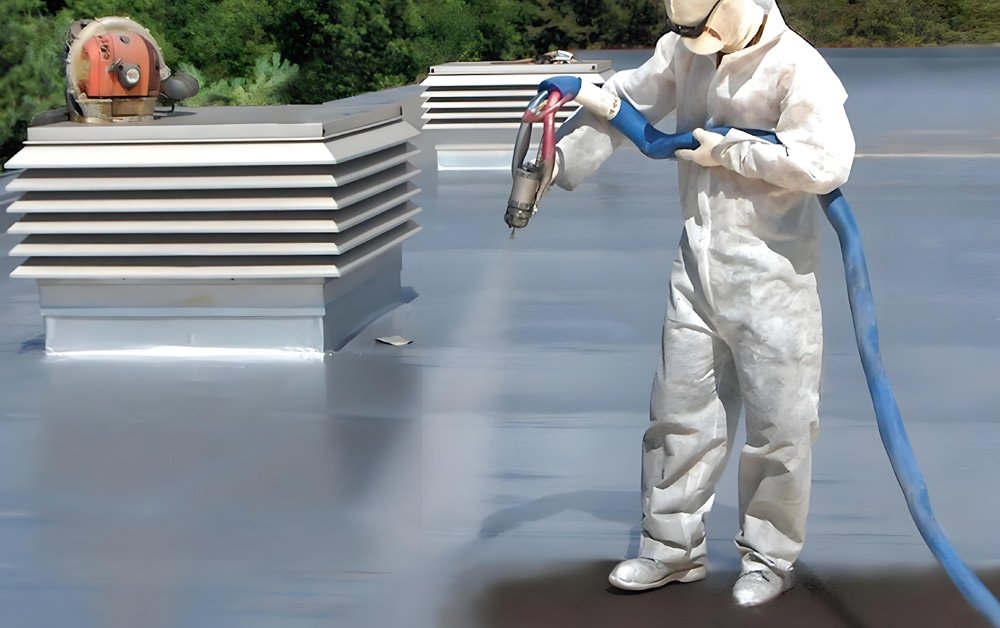
These advantages significantly reduce failure rates and the need for repeat maintenance, improving overall project ROI.
How Clients Can Choose the Right Grout System?
For contractors, waterproofing specialists, and distributors, the right grout system depends on:
Crack Width & Depth
Wider cracks may require high-viscosity polyurea, while finer cracks benefit from low-viscosity grades.
Substrate Conditions
Wet, dry, or chemically aggressive surfaces need tailored chemical resistance.
Structural Movement
Dynamic joints or structures under stress need flexible materials like polyurea.
At YURU Waterproof, we offer custom-formulated polyurea grouts, expert consultation, technical data sheets, and guidance to ensure correct application and long-term success.
Conclusion: Your Crack Repair Solution Starts with the Right Grout
Crack repair is too important to rely on outdated materials. Polyurea elastic grout offers superior performance, long-lasting flexibility, and proven waterproofing effectiveness—especially in challenging environments.
If you’re a contractor, distributor, or project decision-maker looking for reliable solutions, YURU Waterproof is your expert partner in customized injection materials. We help you select, deliver, and apply the best grout system for every project.
Need samples or technical support?
Contact YURU Waterproof today to discuss your crack repair needs.
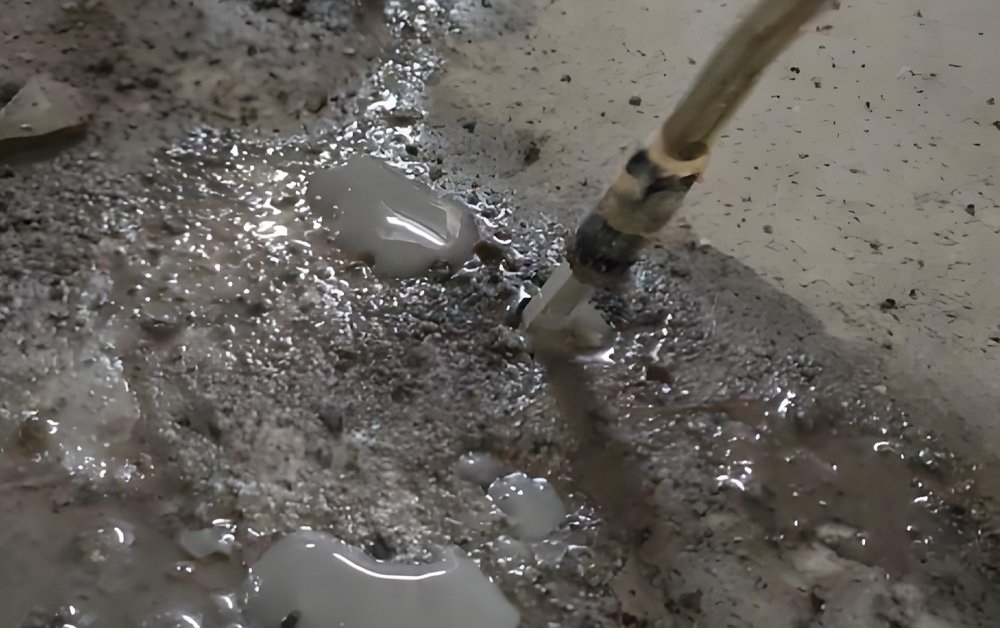

YURU Product solutions