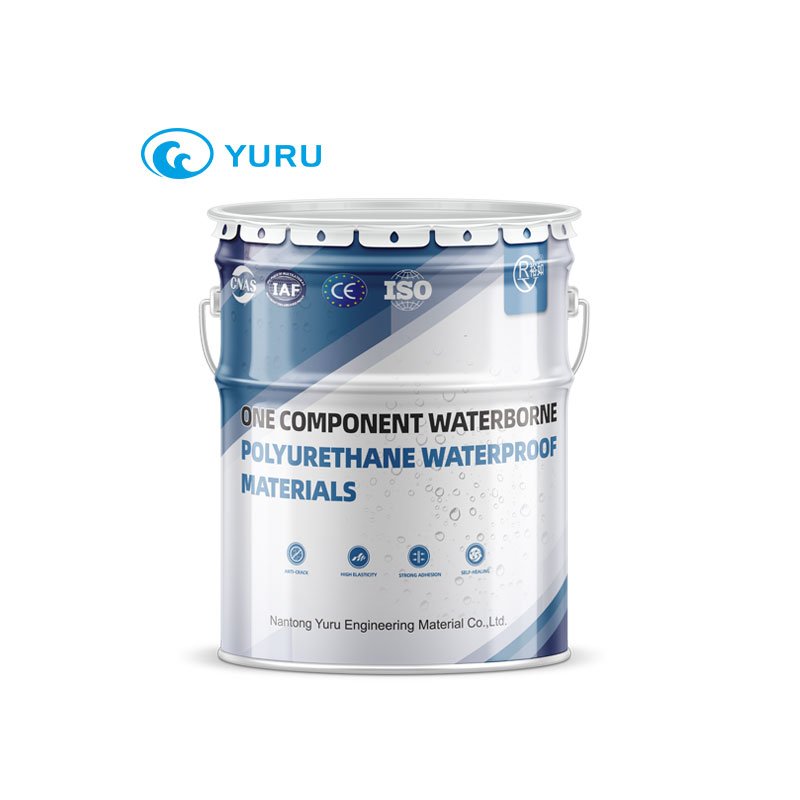
Single vs Two-Component Waterproof Paint: Which Performs Better?
Introduction
In the modern construction industry, the demand for reliable waterproofing materials has never been greater. Among the most commonly used materials are single-component waterproof paints and two-component waterproof paints, each offering distinct advantages for specific environments and project requirements.
While both systems aim to prevent water penetration and extend the life of structures, their composition, performance, and application methods differ significantly.
This article explores the major differences between the two systems, their advantages, ideal applications, and how YURU Waterproof, a leading OEM manufacturer of waterproof coatings in China, helps global contractors and distributors select the right solution for every project.
The Core Difference Between Single and Two-Component Waterproof Paints
The key distinction lies in the composition and curing mechanism.
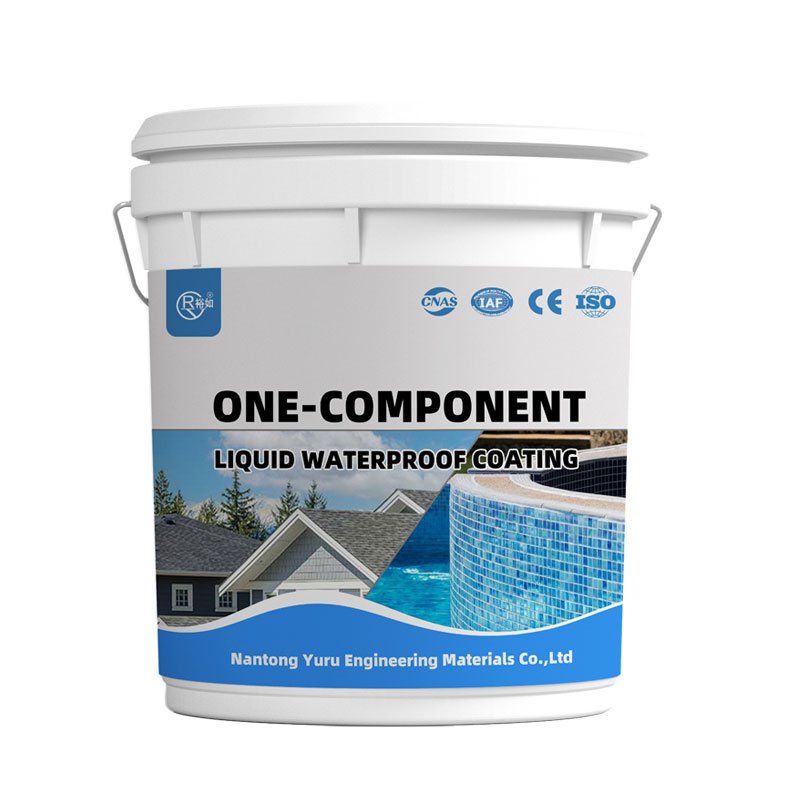
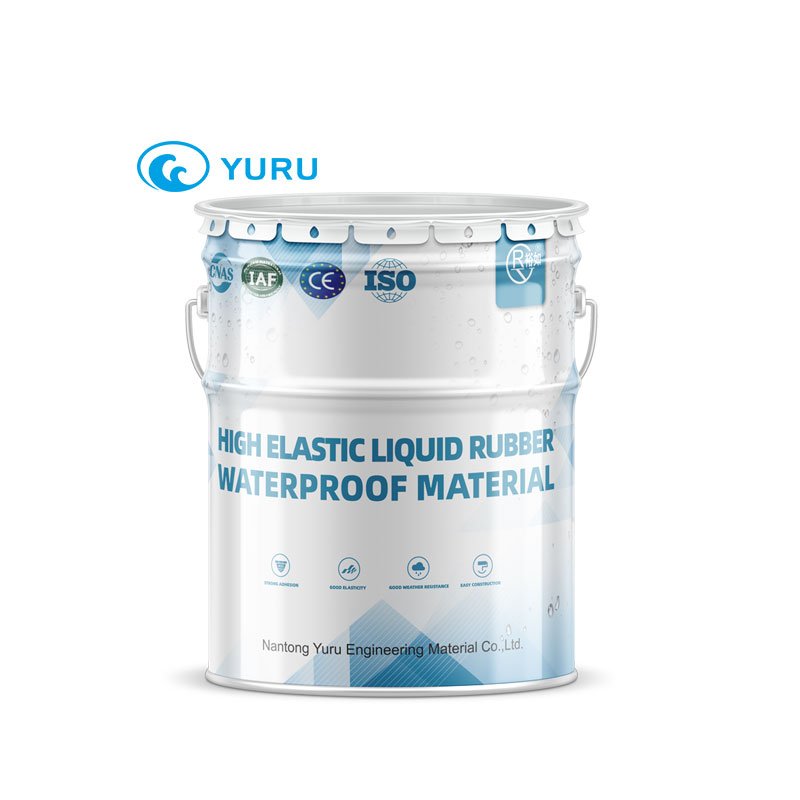
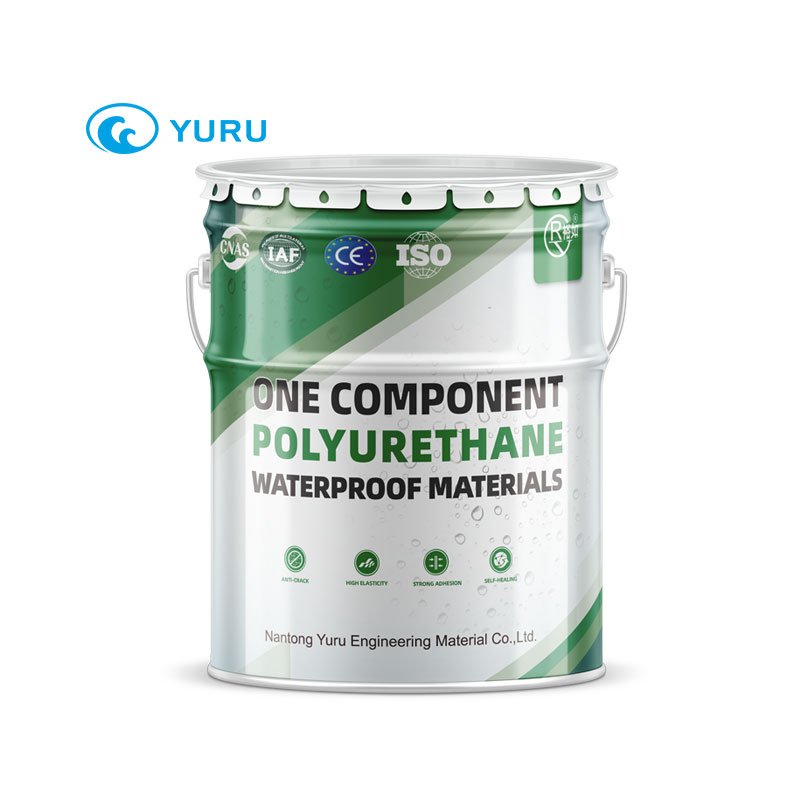
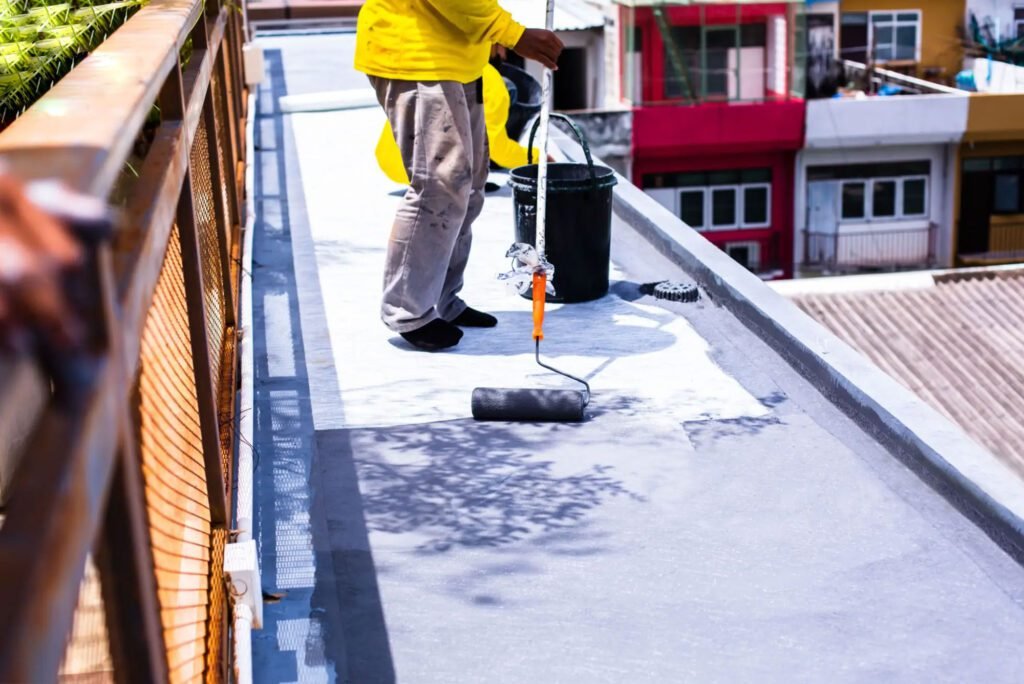
- Single-component waterproof paint (1K) is pre-formulated and ready for direct use. It cures when exposed to moisture in the air or substrate.
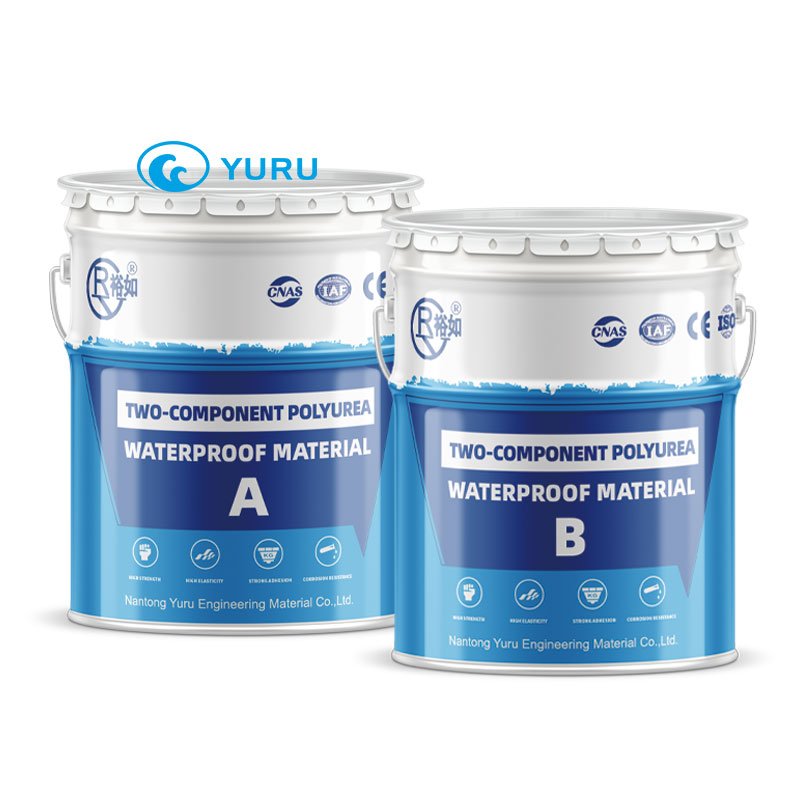
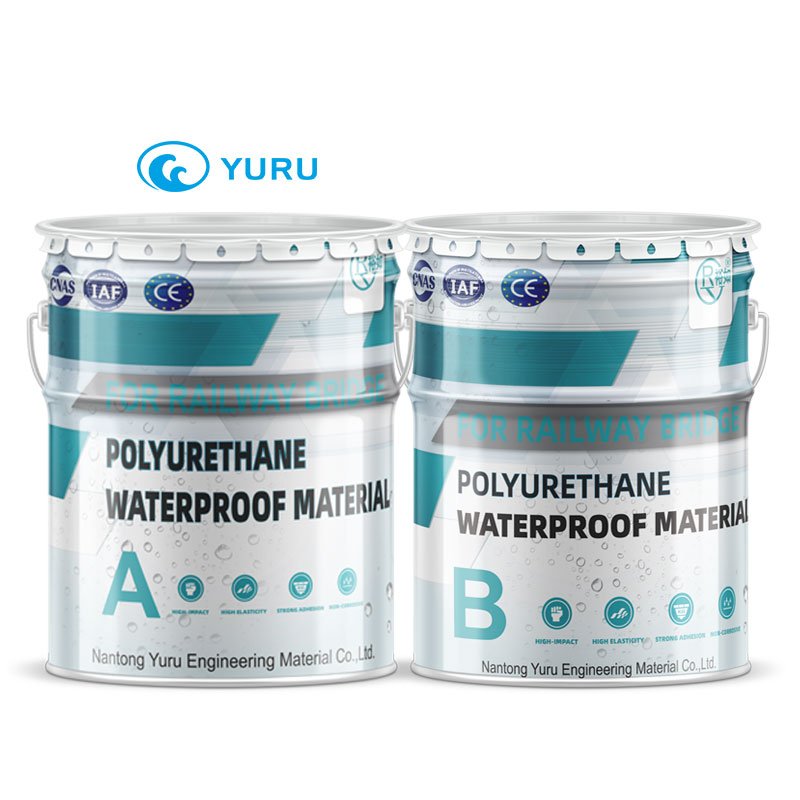
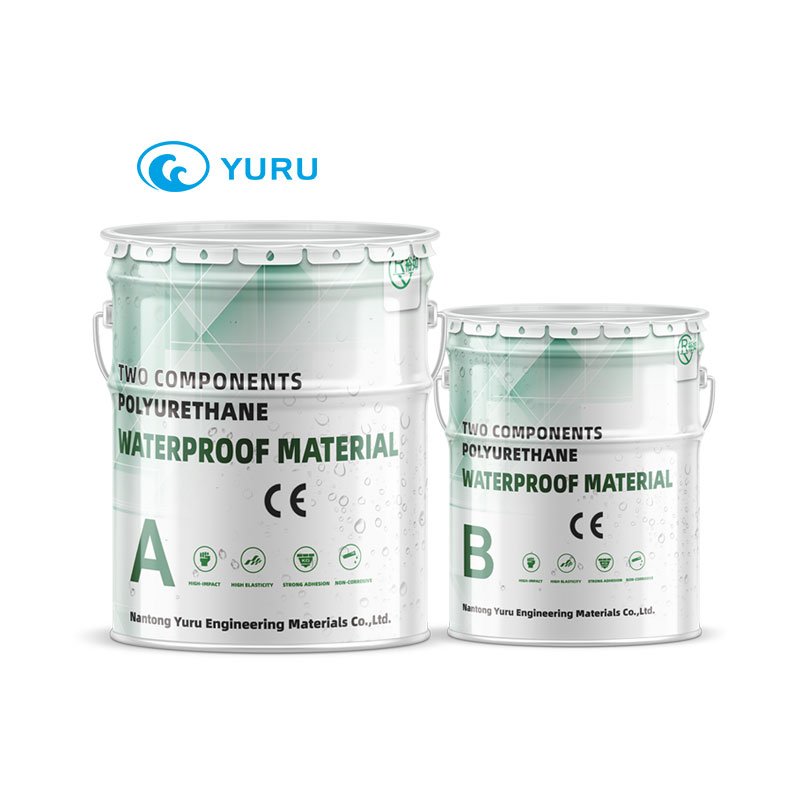
- Two-component waterproof paint (2K), on the other hand, consists of a main resin (A component) and a curing agent (B component). They must be mixed on-site before application, triggering a chemical reaction that creates a tougher, more durable coating.
In general:
- 1K coatings are ideal for quick applications and maintenance jobs.
- 2K systems are preferred for large-scale, demanding, and high-performance projects.
Understanding this fundamental difference is the first step toward selecting the right waterproof system for your construction needs.
Advantages and Limitations of Single-Component Waterproof Paints
Single-component systems are popular among contractors due to their simplicity and ease of use. These paints require no mixing, making them highly practical for small or irregular areas.
Advantages include:
- Easy to apply – open the container and start coating.
- Fast-drying and ideal for time-sensitive repairs.
- Excellent adhesion to various substrates such as concrete, metal, and brick.
- Compatible with DIY or small-scale maintenance work.
However, single-component paints also have limitations:
- Lower mechanical strength compared to two-component systems.
- Less resistant to UV exposure and weathering over time.
- Often require a protective top layer for exterior exposure.
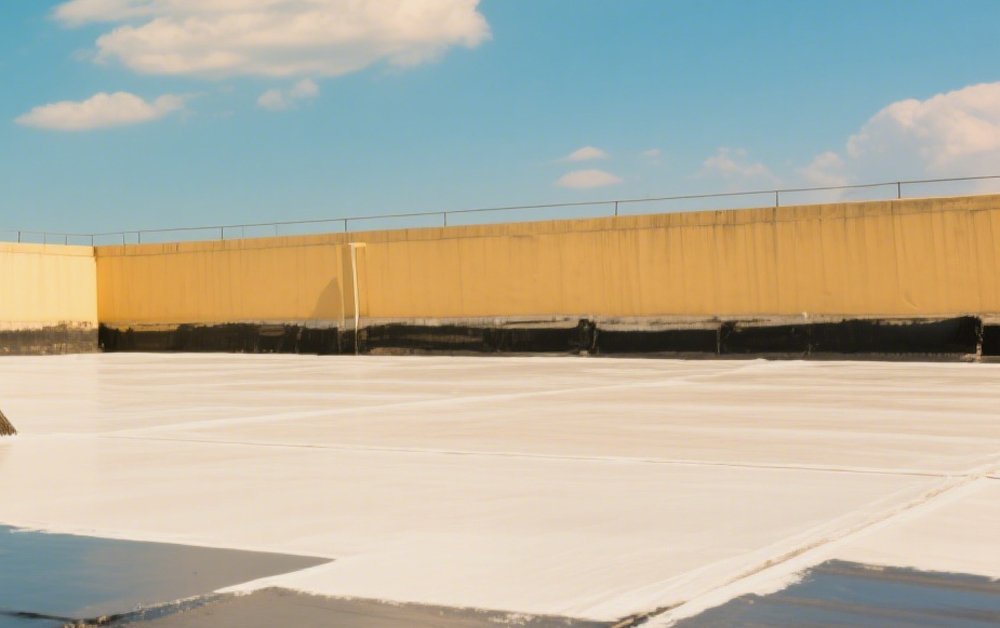
At YURU Waterproof, our single-component polyurethane waterproof coating and manual-application polyurea waterproof paint are designed for flexibility and ease of use. They are ideal for residential roofs, interior walls, and minor concrete repairs where efficiency and convenience are top priorities.
Two-Component Waterproof Paints: Structure and Performance Benefits
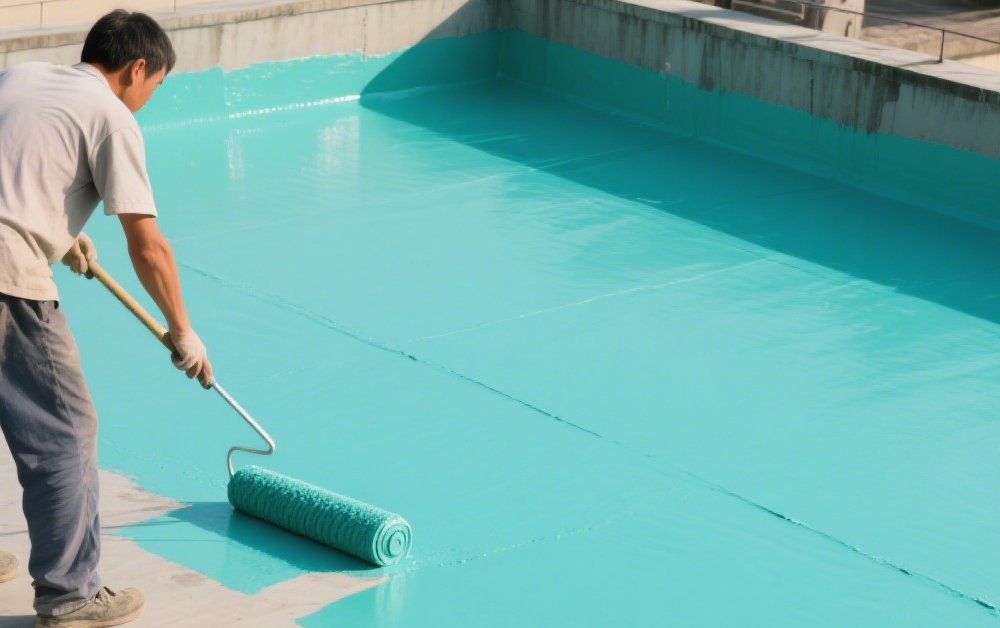
Two-component systems are engineered for high-performance waterproofing in complex, heavy-duty, or long-term applications.
The chemical reaction between the resin and curing agent creates a dense, cross-linked polymer network, providing exceptional mechanical and waterproofing properties.
Key benefits of two-component paints include:
- Superior adhesion and elasticity, allowing the coating to withstand structural movement.
- High tensile and compressive strength, suitable for load-bearing structures.
- Outstanding UV, aging, and chemical resistance, ideal for external exposure.
- Long service life, often exceeding 20 years with proper maintenance.
At YURU Waterproof, our range includes:
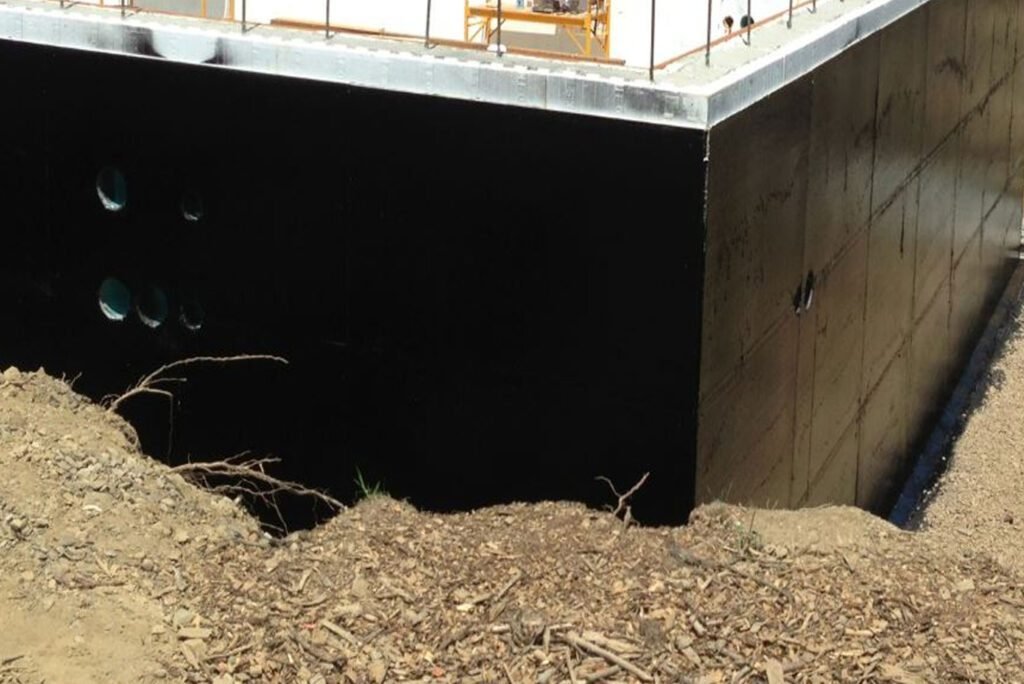
- Two-Component Polyurethane Waterproof Paint – designed for basements, tunnels, and bridge decks.
- Standard Polyurea 2K Waterproof Coating – fast-curing and durable, suitable for large-area construction.
- Asparatic Polyurea (Fast-Curing) System – enhanced version with improved curing speed and excellent UV resistance for external use.
These systems are developed for contractors who need performance stability, rapid construction efficiency, and low lifecycle cost.
Comparing Key Performance Metrics
When evaluating waterproof coatings, performance is often determined by three critical parameters: durability, waterproofing effectiveness, and application behavior.
Here’s a professional comparison between single and two-component paints:
| Feature | Single-Component Paint | Two-Component Paint |
|---|---|---|
| Curing Mechanism | Air/moisture curing | Chemical reaction (A+B components) |
| Ease of Application | Simple, no mixing required | Requires precise on-site mixing |
| Durability | Moderate | Excellent (20–30 years lifespan) |
| UV Resistance | Limited | Strong |
| Mechanical Strength | Moderate | High tensile & compressive strength |
| Ideal Use | Small-scale, indoor, light-duty | Heavy-duty, large-area, exterior |
| Maintenance Cycle | Shorter | Longer, minimal maintenance |
While single-component paints win in convenience and speed, two-component systems dominate in longevity and environmental resistance.
Application Scenarios: Choosing the Right System for Your Project
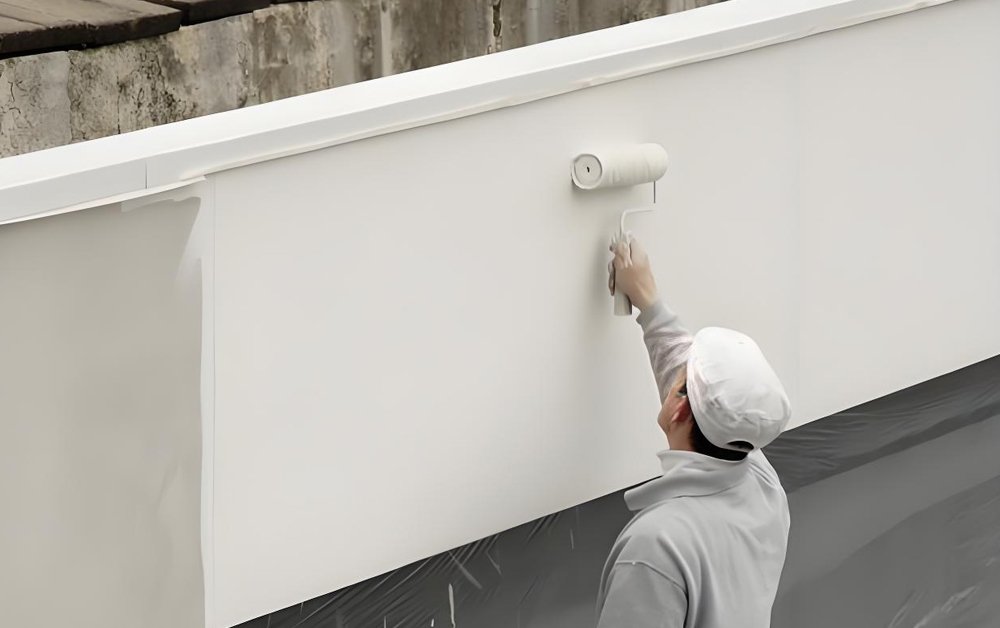
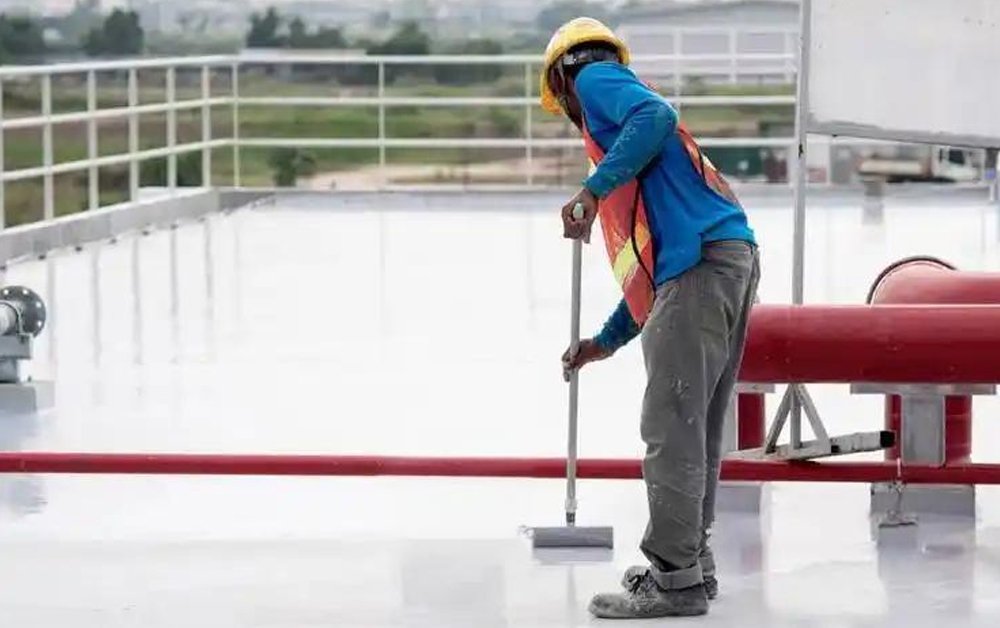
Different waterproofing challenges require different solutions. Below is a quick reference guide for choosing between single and two-component paints:
- Residential Roofs & Balconies → Single-component water-based polyurethane or manual polyurea paint.
- Basements & Underground Structures → Two-component polyurethane coating for seamless and pressure-resistant sealing.
- Bridges & Tunnels → Two-component polyurea systems with superior tensile strength.
- Industrial Floors & Warehouses → Two-component systems with chemical resistance and abrasion durability.
- Exterior Facades → High-standard dual-component polyurethane paint with UV stability.
Selecting the right material ensures both long-term protection and optimal cost performance—two factors that define successful waterproofing.
Eco-Friendly Formulations and the Future of Waterproofing
As global construction standards shift toward sustainability, low-VOC and water-based formulations are becoming essential.
Water-based single-component polyurethane paints and environmentally friendly polyurea coatings now offer:
- Reduced emissions and minimal odor during application.
- Safer working conditions for applicators.
- Compatibility with green building certifications such as LEED or ISO.
YURU Waterproof is a pioneer in developing water-based and solvent-free systems, ensuring both environmental responsibility and superior performance.
FAQs
1. What is the main difference between single and two-component waterproof paint?
Single-component paints are pre-mixed and ready to use, while two-component paints require on-site mixing of resin and hardener for stronger performance.
2. Can single-component waterproof paint be used outdoors?
Yes, but a protective topcoat is recommended to enhance UV and weather resistance.
3. Which type is more suitable for underground projects?
Two-component polyurethane coatings are ideal for basements, tunnels, and foundations due to their high compressive strength.
4. Are eco-friendly versions available?
Yes, YURU Waterproof offers low-VOC, water-based polyurethane systems that meet modern environmental standards.
5. How long do YURU Waterproof coatings last?
With proper application, YURU Waterproof coatings can last 20–30 years depending on exposure and maintenance.
6. Does YURU Waterproof support OEM customization?
Absolutely. We provide OEM and private-label waterproof coating solutions for global distributors and contractors.
Conclusion
Choosing between single and two-component waterproof paints depends on project size, environmental exposure, and durability requirements.
If you’re looking for:
- Easy-to-use systems for general applications, choose our single-component polyurethane coatings.
- High-performance, long-lasting protection for demanding environments, our two-component polyurethane and polyurea systems deliver unmatched results.
At YURU Waterproof, we provide:
- OEM and wholesale customization for global contractors.
- Full technical support and product training.
- Environmentally responsible formulations backed by long-term durability.
YURU Waterproof — Building a Leak-Free Future Together.
YURU Product solutions