What Types of Construction Projects Are Suitable for Acrylic Waterproof Coatings?
Acrylic waterproof coatings are widely used in both residential and industrial construction due to their weather resistance, UV stability, and ease of application. But many contractors and project managers still ask the same critical question:
“What types of construction projects are actually suitable for acrylic waterproof coatings?”
This comprehensive guide answers that question by analyzing material characteristics, common project use cases, construction limitations, environmental compatibility, and engineering considerations. All recommendations reflect real-world field experience and waterproofing best practices used across commercial, residential, industrial, and renovation projects.
Understanding Acrylic Waterproof Coatings: Why Project Type Matters?
Before choosing a waterproofing system, contractors need to understand what acrylic coatings can — and cannot — do.
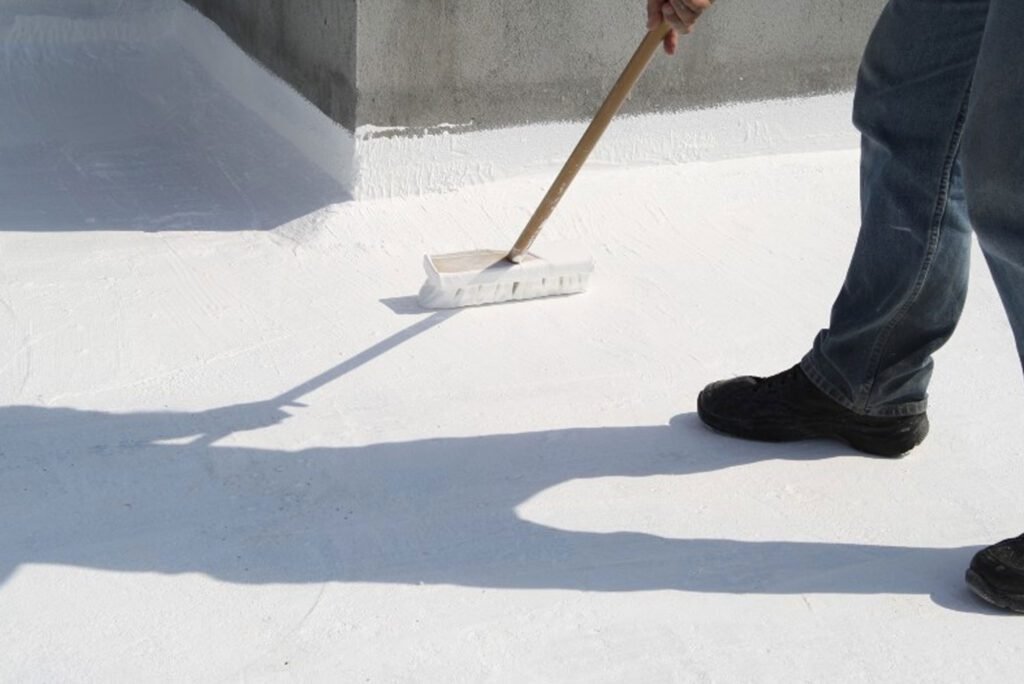
Acrylic waterproof coatings are water-based, flexible, UV-resistant, and environmentally friendly. They cure into an elastic waterproof membrane capable of accommodating minor substrate movement. Because they are water-based, they dry without harmful odors and are safe for both interior and exterior use.
However, acrylic waterproof coatings are not suitable for long-term water immersion, high mechanical loads, or structural cracks without reinforcement. Their best applications are above-grade protection and weather exposure environments.
This is why selecting the right project type is essential for long-term waterproofing performance.
Ideal for Residential Construction: Roofs, Exterior Walls, and Balconies
Acrylic waterproof coatings are widely used in residential construction because they provide:
- Excellent resistance to UV rays
- Durable protection from rain and weather
- Cost-effective large-area coverage
- Environmentally friendly application without heavy odors
Common Residential Applications Include:
Flat and Sloped Roofs
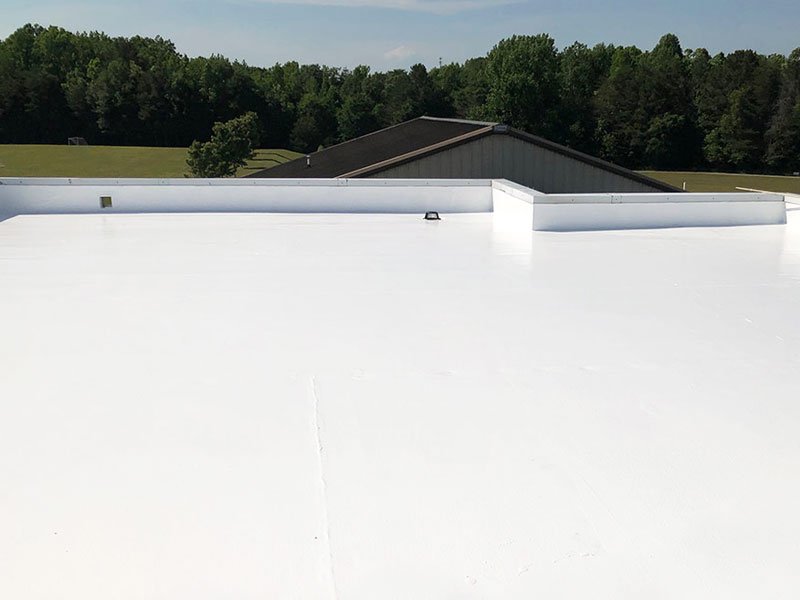
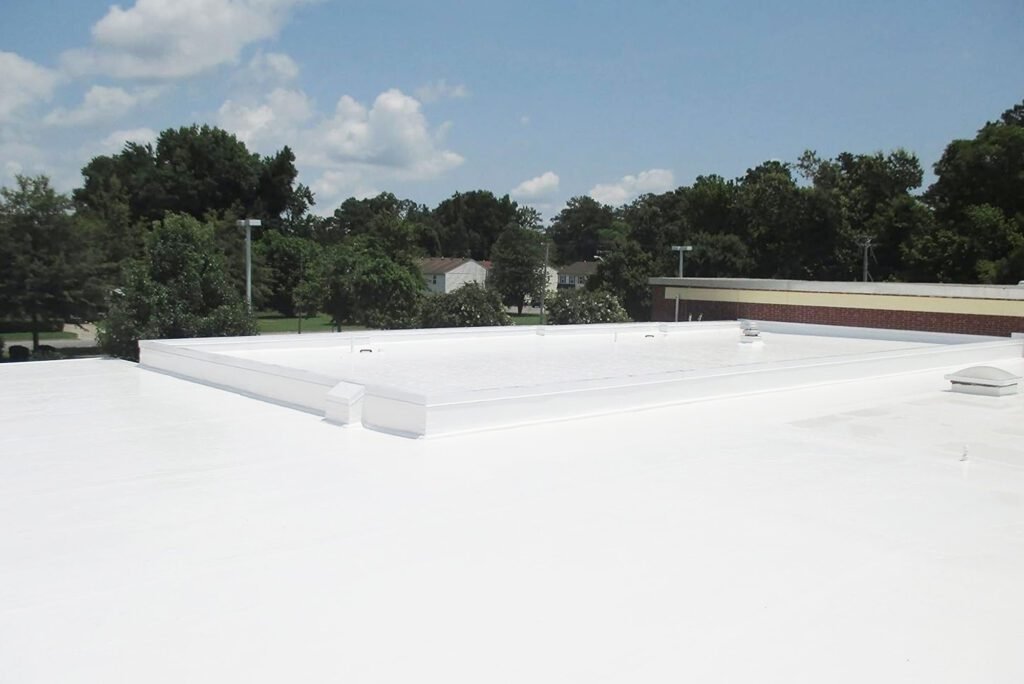
Acrylic coatings can be applied on concrete roofs, fiber cement boards, and asphalt-based roofing systems. Their ability to withstand harsh sunlight makes them ideal for exposed roof surfaces.
Exterior Walls
Due to strong adhesion and water resistance, acrylic coatings prevent water infiltration that can lead to wall cracks, mold growth, and paint blistering.
Balconies & Terraces
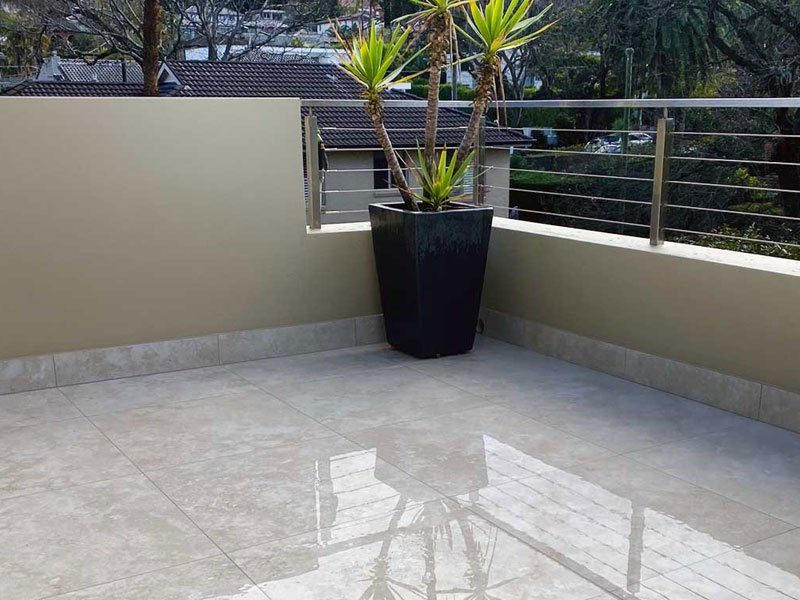
Good flexibility and easy film formation make acrylic waterproof membranes suitable for balcony slabs, particularly in tropical or high-UV regions.
Why They Work Well in Residential Projects:
- Homeowners prefer low-odor, safe materials.
- Coatings can be applied without heavy equipment.
- Their bright white finish helps reduce heat absorption.
Acrylic waterproof coatings remain one of the most cost-effective systems for residential contractors and renovation businesses.
Highly Suitable for Lightweight Structures Like Metal Roofs & Colored Steel Sheets
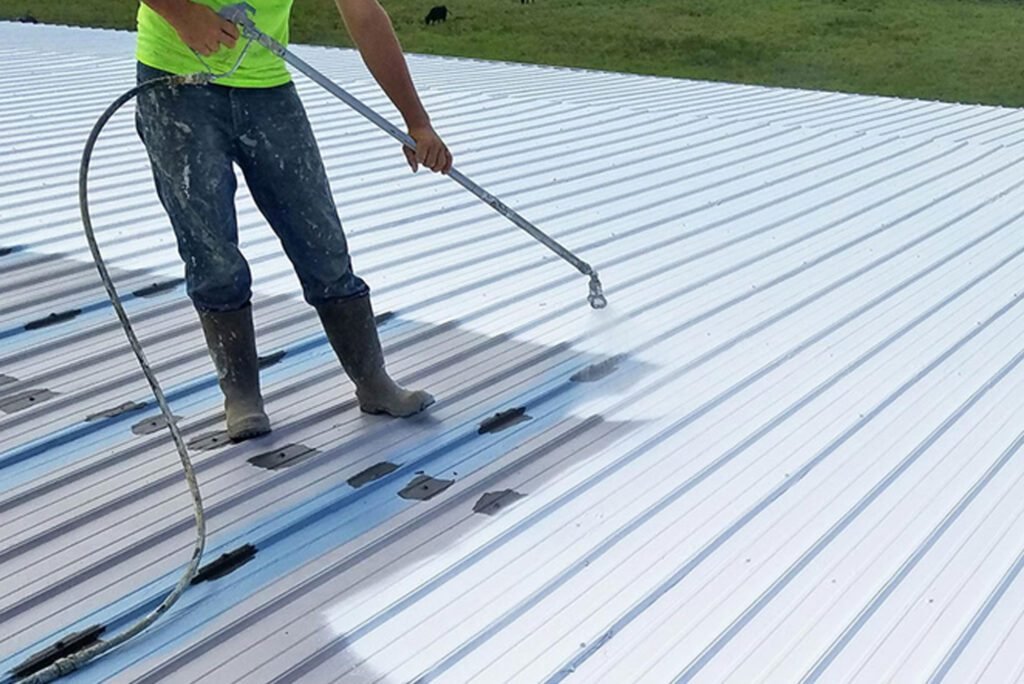
Acrylic waterproof coatings bond very well to metal surfaces, making them a popular choice for:
- Colored steel panels
- Aluminum roofing
- Galvanized metal sheets
- Prefabricated lightweight buildings
Performance Benefits on Metal Substrates
- Excellent flexibility to match thermal expansion.
- UV stability prevents coating chalking or discoloration.
- Ability to seal small gaps, rivet holes, and panel overlaps.
- Good resistance to rain and exterior weather conditions.
For aged metal roofs, acrylic coatings are often used together with polyester fabric reinforcement to improve durability.
Typical Project Types Using Acrylic on Metal Roofs
- Warehouses
- Logistics centers
- Light steel factories
- Temporary buildings
- Modular construction sites
Acrylic waterproof coatings offer a long service life under sun exposure, making them especially beneficial for lightweight structures commonly found in industrial parks.
Suitable for Interior Waterproofing & Mild Moisture Areas
Although acrylic waterproof coatings are often thought of as exterior materials, they are also very effective in certain interior applications.
Recommended Interior Uses
- Bathroom wall waterproofing
- Kitchen splash-wall waterproofing
- Service room walls
- Stairwell corners
- Interior damp walls that require breathable protection
Because acrylic materials are water-based and produce minimal odor, they are ideal for indoor areas where ventilation may be limited.
Key Advantages Indoors
- Quick drying
- Non-toxic
- Excellent adhesion to cement mortar and gypsum walls
- Suitable for pre-painting preparation
Important Note
Acrylic coatings should not be used as the only waterproof layer on bathroom floors or areas with standing water. Cementitious or polyurethane waterproofing is recommended for floors.
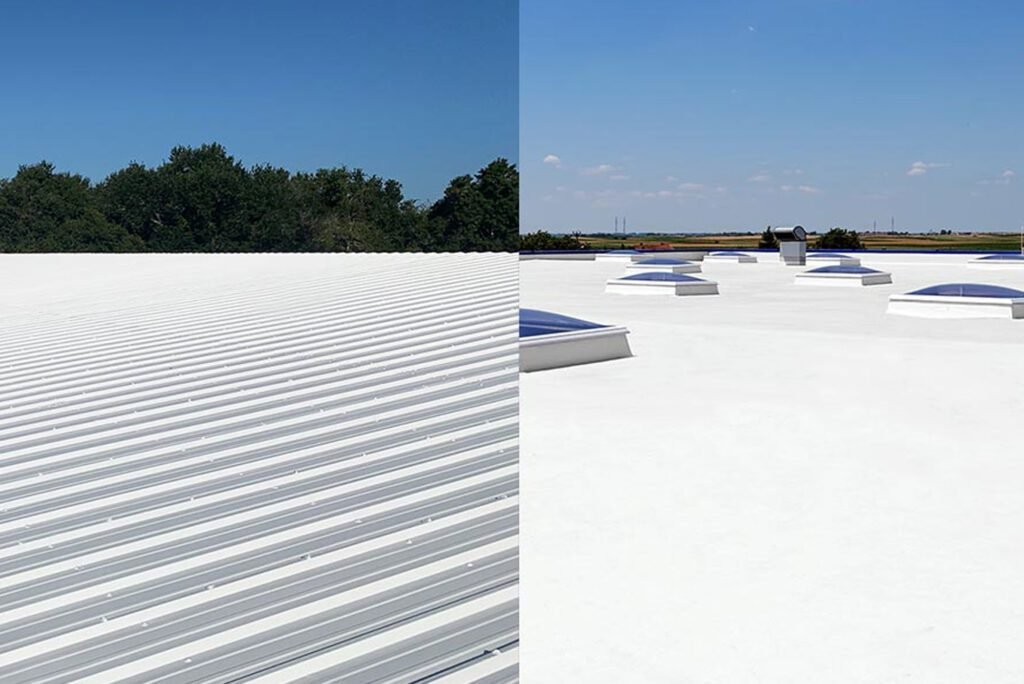
Excellent for Large-Area Industrial Projects and Roof Renovation Work
Industrial facilities frequently use acrylic waterproof coatings due to their durability, coverage efficiency, and ease of maintenance.
Industrial-Grade Application Scenarios
- Factory rooftops
Especially those requiring UV-resistance and low maintenance.
- Commercial building roof restoration
Acrylic coatings are commonly used to restore old waterproof layers without full removal.
- HVAC equipment platform waterproofing
Their reflectivity helps protect cooling systems from excessive heat exposure.
Contractor Advantages
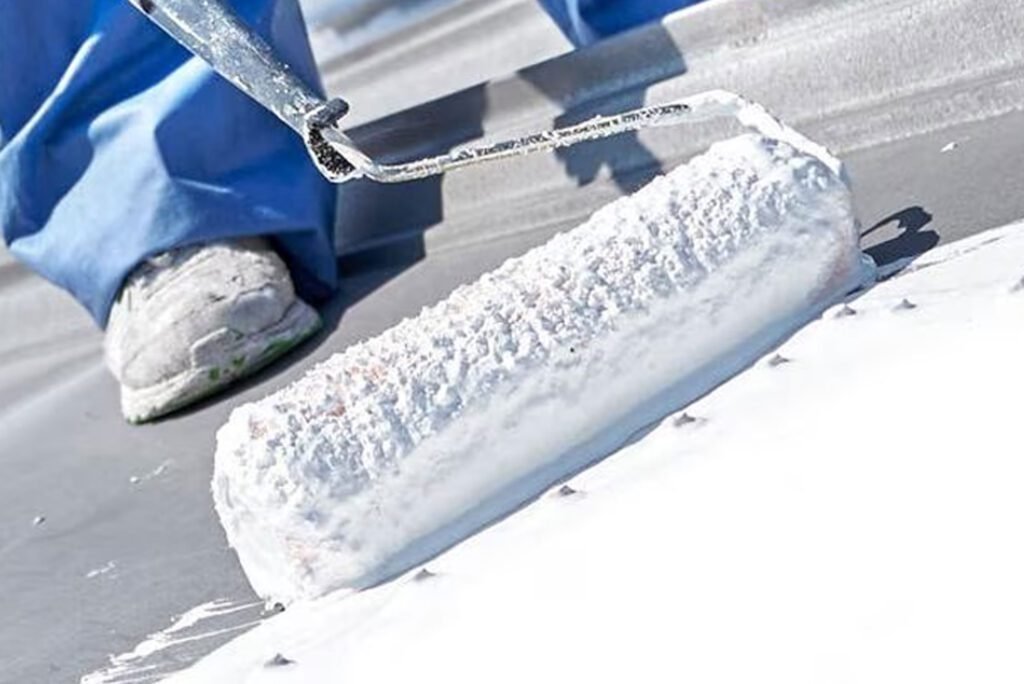
- Easy to spray or roll for fast job completion.
- Large-area construction efficiency.
- Extended durability in sunlight-prone regions.
- Compatible with reflective coatings for energy savings.
This is why acrylic systems are often selected for extensive surface areas where curing speed and cost effectiveness matter.

Projects NOT Suitable for Acrylic Waterproof Coatings (Important Limitations)
While acrylic waterproof coatings are versatile, they also have clear engineering limitations.
Not Recommended for:
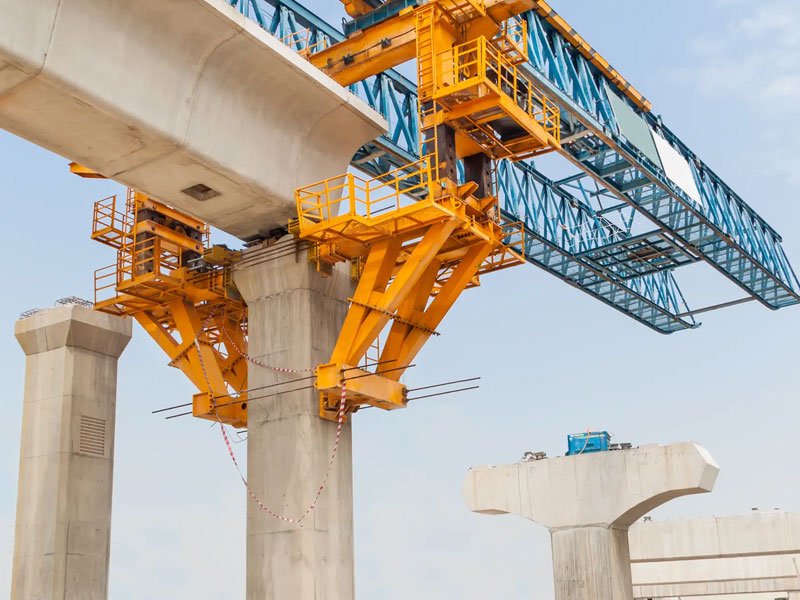
× Long-term immersion zones
Examples:
- Water tanks
- Pools
- Wet rooms under frequent flooding
- Basement structures with hydrostatic pressure
Reason: Acrylics lack long-term water resistance under sustained pressure.
× Heavy-duty industrial floors
They cannot withstand high mechanical loads.
× Areas with severe structural movement or active cracks
Unless combined with reinforcement fabric and flexible membranes.
× Underground waterproofing under pressure
Below-grade structures often require cementitious or polyurethane systems.
Why This Matters
Understanding these limitations prevents coating failures and ensures clients receive the correct system—not just a low-cost option.
How to Select Acrylic Waterproof Coatings Based on Project Conditions?
A successful waterproofing project depends on more than material choice. Contractors must evaluate:
Key Engineering Factors
1. Substrate Moisture Content
Acrylic coatings require a dry to slightly damp surface. High moisture reduces adhesion.
2. Weather Conditions
Ideal application:
- Temperature: 5°C–35°C
- Humidity: Below 80%
- No rain within 24 hours
3. Expected Durability & Foot Traffic
Use reinforcement fabric if heavy expansion, contraction, or foot traffic is expected.
4. UV & Weather Exposure Needs
Acrylics perform exceptionally well under sunlight, making them ideal for exposed projects.
5. Design Waterproof Grade Requirements
Align coating selection with the project’s waterproofing grade and engineering specifications.
This section helps contractors make proper technical decisions during project planning.
Why Contractors Choose YURU Waterproof for Acrylic Waterproof Coatings?
YURU Waterproof is a trusted manufacturer supplying waterproof materials for wholesalers, contractors, and engineering firms worldwide. Our acrylic coatings are formulated specifically for professional construction use.
What Makes YURU Acrylic Waterproof Coatings Different?
- Strong UV resistance for outdoor roofs and walls.
- High elastic formulation suitable for metal substrates and renovation projects.
- Excellent adhesion to concrete, mortar, and lightweight surfaces.
- Stable performance across a wide range of temperatures.
- Environmentally friendly water-based system.
- Consistent quality for large engineering orders.
- OEM / ODM services for distributors and private label brands.
YURU Waterproof supports projects globally with reliable supply capacity, technical guidance, and export-grade packaging.
FAQs About Acrylic Waterproof Coatings
1. Are acrylic waterproof coatings suitable for roofs exposed to sunlight?
Yes. Acrylic coatings offer excellent UV and weather resistance, making them especially suitable for exposed roof surfaces.
2. Can acrylic coatings be used on metal roofs?
Absolutely. Their flexibility and strong adhesion make them ideal for metal roofing systems, including aluminum and colored steel sheets.
3. Are acrylic coatings safe for indoor use?
Yes. They are water-based, low-odor, and environmentally friendly.
4. Can acrylic coatings be used underwater or in submerged zones?
No. They are not designed for long-term water immersion or hydrostatic pressure.
5. How long does acrylic waterproofing last?
Typically 5–10 years on exposed surfaces, depending on thickness, maintenance, and climate.
6. Do acrylic waterproof coatings need reinforcement fabric?
Reinforcement is recommended for cracks, corners, metal joints, and areas with structural movement.
7. Are acrylic coatings cost-effective?
Yes. They offer an excellent balance of performance, coverage efficiency, and affordability.
Conclusion
Acrylic waterproof coatings are highly versatile materials suitable for residential buildings, exterior walls, balconies, metal roofs, and industrial renovation projects. Their UV stability, environmental safety, and ease of application make them a top choice for above-grade waterproofing.
However, they must be used correctly—avoiding long-term immersion and heavy-load zones—to achieve long-term performance.
For contractors, distributors, and engineering teams seeking reliable acrylic waterproof coatings with stable bulk supply, YURU Waterproof provides professional-grade solutions designed for diverse construction environments.
For project inquiries, visit:
https://www.yuruwaterproof.com
YURU Product solutions