What Are the Differences Between Acrylic Coatings and Polyurethane Waterproof Coatings?
In the construction and waterproofing industry, acrylic coatings and polyurethane waterproof coatings are two of the most frequently used materials for roofs, walls, foundations, basements, metal structures, and general building protection. Although both serve as waterproofing solutions, their chemical structures, application properties, durability, and best-use scenarios differ significantly. Understanding these differences is essential for contractors, wholesalers, and project engineers who must select the correct material for long-term, reliable waterproofing results.
This comprehensive guide explains the differences between acrylic and polyurethane waterproof coatings through material science, performance comparison, construction challenges, cost analysis, environmental safety considerations, and project-specific selection guidance. By the end of this article, you will clearly understand which coating is more suitable for each type of construction project—and why many engineering firms choose to work with YURU Waterproof, a professional supplier specializing in acrylic and polyurethane waterproofing systems.
1. Material Principles: Acrylic vs. Polyurethane Waterproof Coatings
Although acrylic and polyurethane coatings may appear similar on the surface, their underlying chemistry and curing mechanisms reveal fundamental differences.
Acrylic coatings (water-based polymer film formation)
Acrylic coatings are typically produced with water-based acrylic emulsions. Their curing process relies on water evaporation, followed by polymer particles forming a continuous protective film. Key characteristics include:
- Water-based formulation
- Low construction odor
- Environmentally friendly and easier to apply
- Film formation mainly driven by physical drying
- More tolerant of slightly damp substrates
- Naturally UV-resistant due to acrylic polymer structure
Acrylic coatings are popular in roofing, wall protection, large-area maintenance, and renovation projects because they are simple to use and safe for workers.
Polyurethane coatings (chemical cross-linking for high durability)
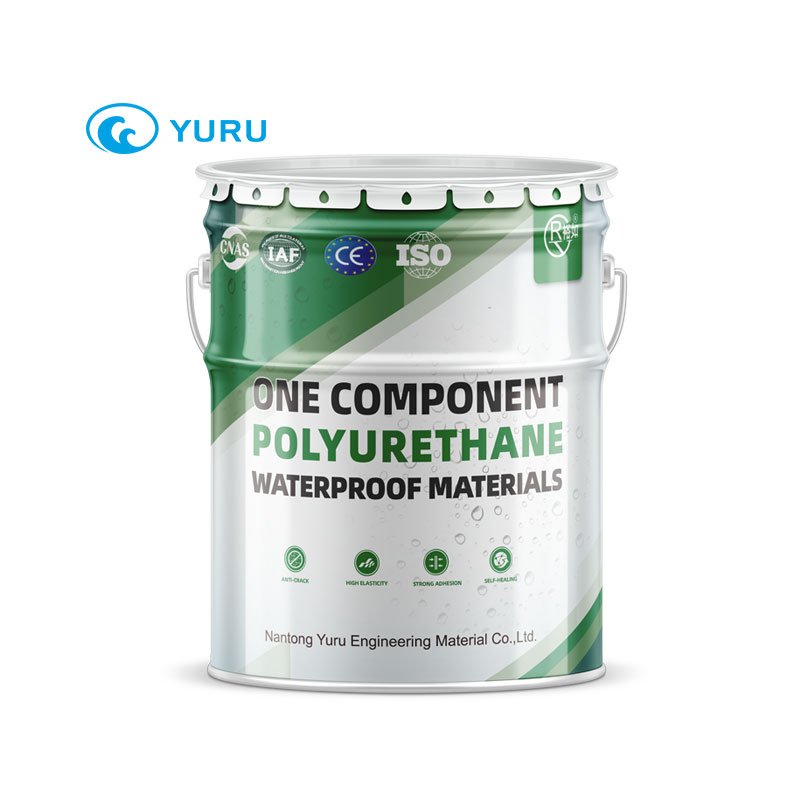
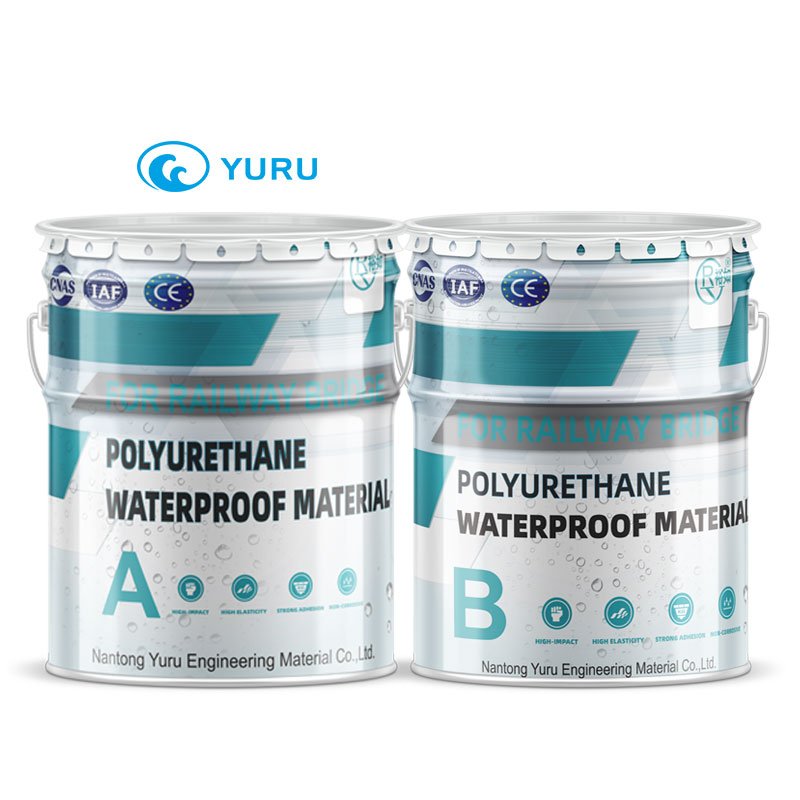
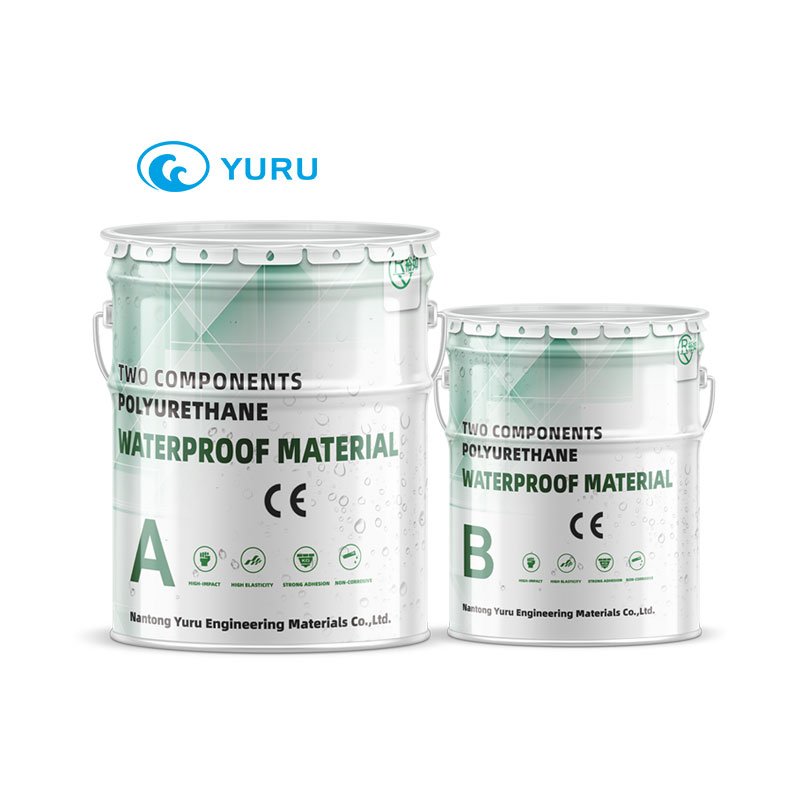
Polyurethane coatings cure through chemical reactions. Depending on the formulation, they may be one-component or two-component, water-based or solvent-based. Their curing involves isocyanate groups reacting with moisture or curing agents, forming a highly elastic, strong protective membrane. Characteristics include:
- Higher mechanical strength
- Very high elongation and crack-bridging ability
- Excellent resistance to hydrostatic pressure
- Suitable for harsh, confined, or long-term wet environments
Two-component polyurethane is particularly valued for waterproofing basements, pools, tunnels, foundations, and structural engineering projects requiring long-term reliability.
Conclusion of Section
- Acrylic = water-based, simpler, more environmentally friendly
- Polyurethane = chemically reactive, stronger, more durable under demanding conditions
2. Performance Comparison: Durability, Elasticity, Weather Resistance, and Structural Behavior
Both materials have clear strengths. Understanding their performance differences helps contractors choose the right system for each project.
2.1 Durability
- Polyurethane: Known for superior long-term service life. It resists mechanical wear, water pressure, and negative-side waterproofing better than acrylic.
- Acrylic: Good durability for above-grade, exposed areas but limited performance under permanent water pressure.
2.2 Elasticity & crack-bridging
- Polyurethane: Offers high elasticity. Ideal for areas with structural movement.
- Acrylic: Elastic but far lower elongation (100–300%), making it more suitable for non-structural surfaces.
2.3 UV and weather resistance
- Acrylic: Excellent UV resistance, making it suitable for long-term exposed roofs and walls.
- Polyurethane: UV resistance varies; water-based PU does well, while oil-based PU typically needs a protective topcoat for long-term exposure.
2.4 Moisture & hydrostatic pressure resistance
- Polyurethane: Performs outstandingly in wet or submerged environments such as bathrooms, basements, and water reservoirs.
- Acrylic: Does not perform well under hydrostatic pressure; more suitable for atmospheric conditions.
2.5 Chemical resistance
Polyurethane has better resistance to chemicals, mild acids, and industrial contaminants.
Summary of Section
For high-pressure, submerged, or structural areas → Polyurethane is better.
For sun-exposed, large surface areas → Acrylic is often the more cost-effective choice.
3. Construction Requirements: Moisture, Temperature, and Substrate Conditions
Acrylic coatings – forgiving application conditions
Acrylic coatings are water-based and can be applied when the substrate is:
- Slightly damp
- Exposed to mild temperature variations
- In open or ventilated spaces
- On large horizontal or vertical surfaces
They tolerate moderate humidity, making them suitable for rainy or humid climates where contractors must keep projects moving.
Polyurethane coatings – stricter application requirements
Especially for oil-based polyurethane:
- The substrate must be dry to avoid bubbles and curing failures.
- High humidity can slow curing or cause defects.
- Temperature affects reaction rate significantly.
- Indoor application requires ventilation due to solvent odor (for solvent-based PU).
Because of these restrictions, polyurethane applications require more experienced workers and stricter environmental control.
4. Application Scenarios: Where Acrylic or Polyurethane Performs Best
Selecting the right material depends heavily on the project environment.
4.1 Best applications for acrylic coatings
Acrylic performs best in:
- Large-area roof waterproofing
- Exterior wall waterproofing
- Metal roof renovation
- Cementitious surfaces exposed to sunlight
- Non-submerged areas
- Maintenance and re-coating projects
Acrylic is especially favored in hot climates due to its UV resistance.
4.2 Best applications for polyurethane waterproof coatings
Polyurethane is ideal for:
- Bathrooms, kitchens, terraces
- Basements and underground foundations
- Swimming pools and water reservoirs
- Tunnels and retaining walls
- Areas subjected to structural movement
- Places exposed to long-term moisture
For structural and critical waterproofing systems, polyurethane is the industry standard.
5. Cost & Lifespan Comparison: Material, Labor, and Maintenance
Material cost
- Acrylic coatings are noticeably cheaper per square meter.
- Polyurethane coatings, especially two-component or high-elasticity versions, cost more.
Labor cost
- Acrylic is easier and faster to apply.
- Polyurethane requires skilled labor and careful surface preparation.
Service life
- Polyurethane lasts longer and requires less maintenance in heavy-duty environments.
- Acrylic lasts well under UV exposure but may require recoating after several years in harsh climates.
Overall project cost
- For exposed roofs → acrylic offers better cost efficiency
- For structural waterproofing → polyurethane offers better long-term value
6. Environmental & Safety Considerations: VOC, Odor, and Worksite Requirements
Acrylic coatings
- Water-based
- Very low VOC
- Minimal odor
- Safe for indoor and occupied buildings
- Environmentally friendly, often meeting green building standards
Polyurethane coatings
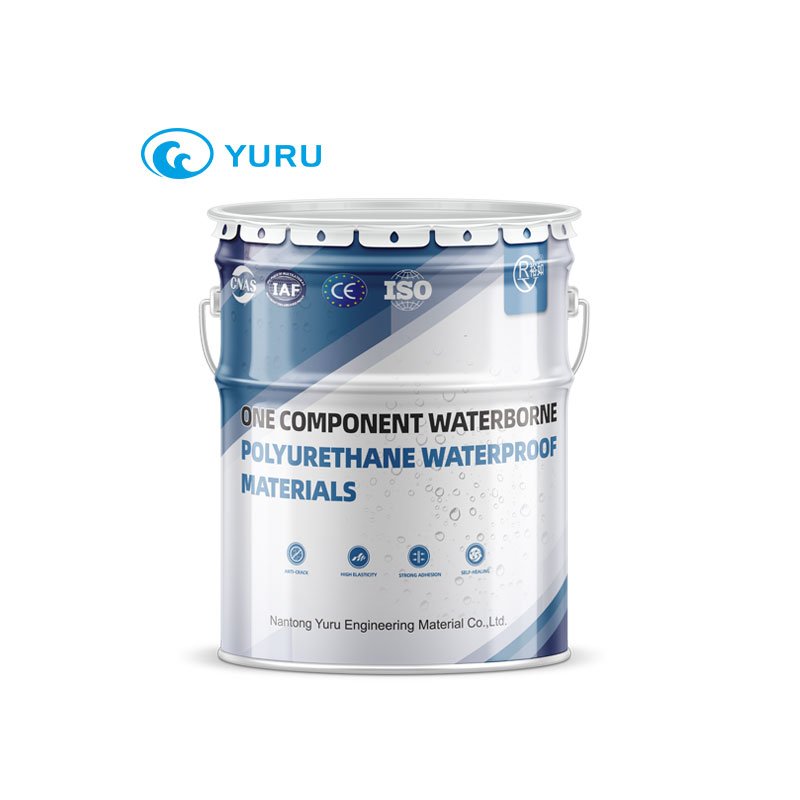
- Water-based PU (low VOC) is safe for both indoor and outdoor use.
- Solvent-based PU has noticeable odor and must be applied with ventilation.
- Contains reactive chemicals that must be handled by trained workers.
Sustainability Trend:
Water-based polyurethane is becoming increasingly popular because it balances performance with safety.
7. Decision Guide: How to Choose Between Acrylic and Polyurethane Waterproof Coatings?
Here is a simple logic you can apply:
Choose Acrylic if…
The project requires UV resistance.
- You need a cost-effective material for large areas.
- Substrate may be slightly damp
- The coating will be exposed to sunlight.
- It is a renovation or maintenance project.
Choose Polyurethane if…
- Long-term water exposure or hydrostatic pressure is involved.
- There is structural movement or crack-bridging requirements.
- You need durability and tensile strength.
- The project is below ground.
- You require a seamless, heavy-duty waterproofing membrane.
8. Why Contractors and Wholesalers Choose YURU Waterproof?
YURU Waterproof is a professional manufacturer specializing in acrylic coatings, polyurethane waterproof coatings, injection grouts, and flooring materials. Our solutions are widely used in residential, commercial, municipal, and industrial engineering projects.
Why choose YURU Waterproof?
- Full product lineup: acrylic, water-based PU, solvent-based PU, polyurea, primers, and protective coatings.
- Engineering-grade formulations designed for harsh environments.
- OEM / ODM support for wholesalers and distributors.
- Technical training for contractors.
- Fast delivery and stable bulk supply.
- Customizable options for different climates and substrates.
Our products are exported worldwide and trusted by contractors for their reliability, durability, and cost-effectiveness.
FAQ – Acrylic Coatings vs. Polyurethane Waterproof Coatings
1. Which coating lasts longer: acrylic or polyurethane?
Polyurethane generally lasts longer due to its durability and chemical resistance. Acrylic is still reliable but more suited for UV-exposed surfaces.
2. Can acrylic coatings be used in submerged or constantly wet environments?
No. Acrylic coatings are not recommended for long-term submerged conditions. Polyurethane is the better choice for water tanks, bathrooms, and basements.
3. Do polyurethane coatings always need a protective topcoat?
Solvent-based polyurethane often needs a UV-stable topcoat. Water-based polyurethane may not need additional protection, depending on the project.
4. Are acrylic coatings environmentally friendly?
Yes. They are water-based, low-VOC, and ideal for green construction.
5. Can both coatings be used on concrete and metal substrates?
Yes, but compatibility depends on primer selection and environmental conditions.
6. How do I choose between water-based and solvent-based polyurethane?
- Water-based PU: safer, low odor, better for indoor environments
- Solvent-based PU: stronger and more resistant for heavy-duty outdoor applications
Conclusion
Acrylic and polyurethane waterproof coatings each serve important roles in construction. Acrylic coatings excel in UV resistance, cost efficiency, and ease of use, making them ideal for roofs and exposed surfaces. Polyurethane coatings dominate in structural waterproofing, durability, and high-pressure environments.
Contractors, engineers, and wholesalers should base their selection on project requirements, environmental conditions, and long-term performance goals.
For professional guidance and bulk supply of acrylic or polyurethane waterproofing systems, YURU Waterproof provides complete solutions tailored to engineering needs.
YURU Product solutions