What Are the Differences Between Spray Polyurea and Hand-Applied Cold Polyurea?
In the waterproofing and protective coatings industry, polyurea has become one of the most powerful and versatile materials available. But not all polyurea systems are identical—two major application forms exist today: spray polyurea and hand-applied cold polyurea. Each type offers unique advantages, performance characteristics, and engineering suitability.
For contractors, engineering consultants, waterproofing project managers, and industrial facility owners, understanding the differences between spray polyurea and hand-applied cold polyurea is essential for selecting the right system for long-term durability and cost efficiency.
This article provides a detailed, engineering-oriented explanation of their differences—covering material composition, curing mechanism, application methods, performance comparison, cost considerations, and project suitability.
Definitions and Material Structure Differences
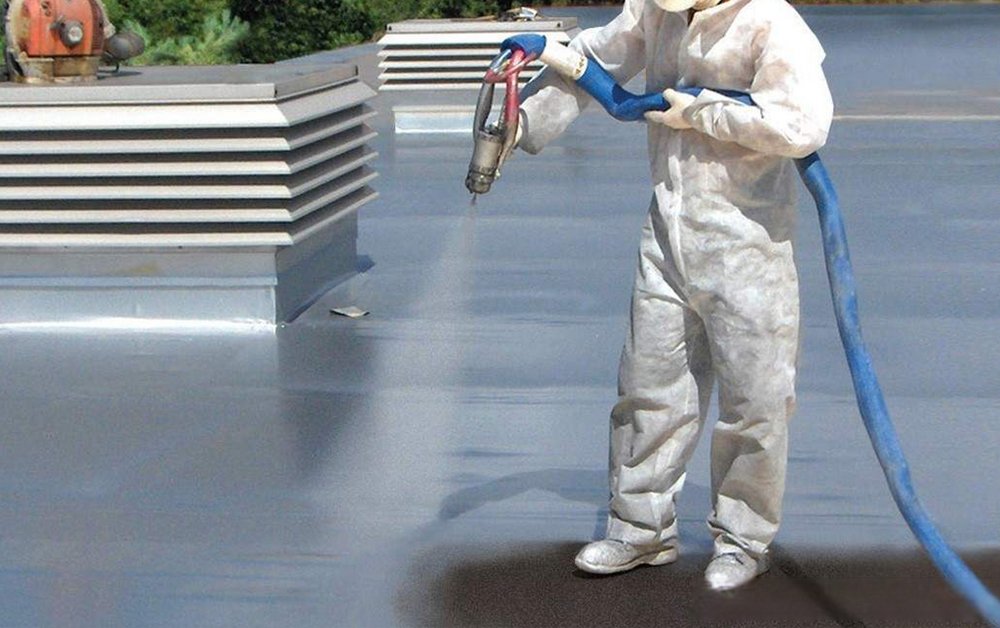
Spray Polyurea: High-Pressure, Hot-Spray System
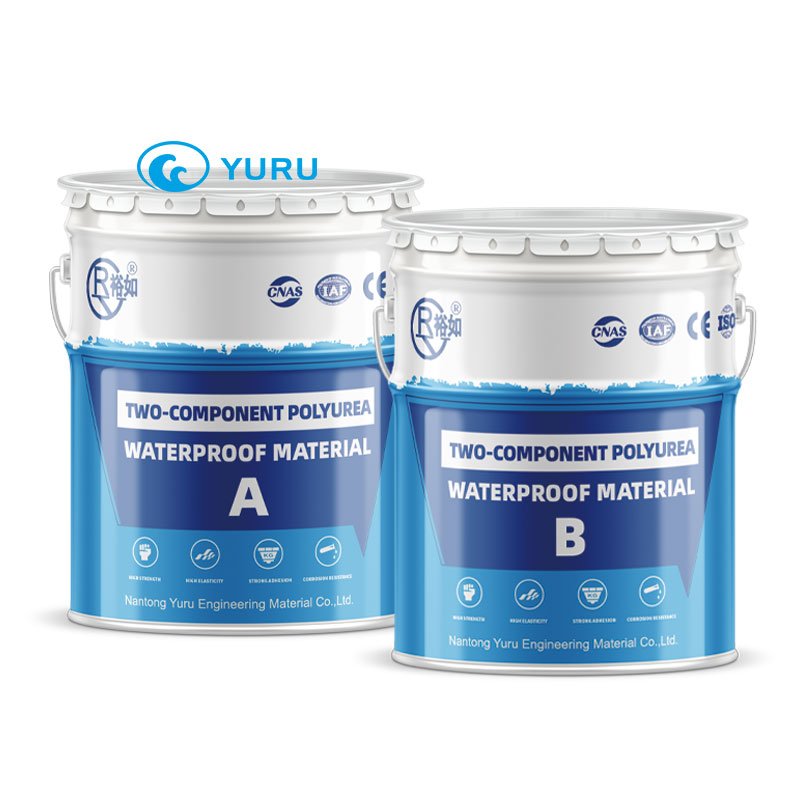
Spray polyurea is a fast-reactive, two-component elastomer created by mixing isocyanate (A-component) and amine-terminated resin (B-component) using a high-pressure, heated, plural-component spray machine.
Key characteristics:
- Requires temperature: 65–75°C for both components
- Requires high pressure: 150–250 bar
- Cures within 3–10 seconds
- Produces a seamless, extremely durable, uniform membrane
Spray polyurea is widely used in heavy-duty engineering projects requiring large-area, high-efficiency application.
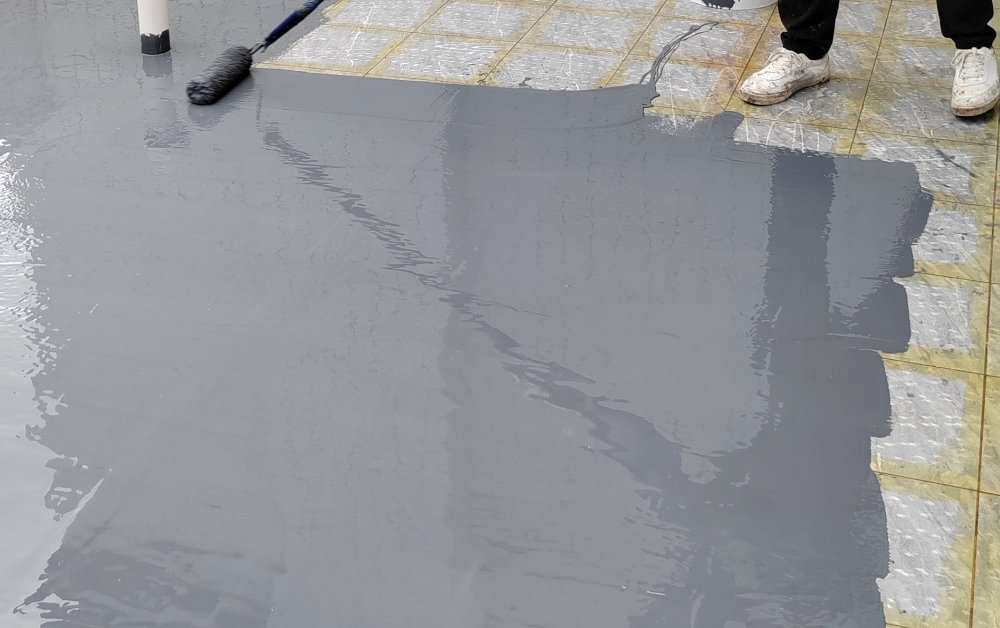
Hand-Applied Cold Polyurea: Manual Rolling or Brushing System
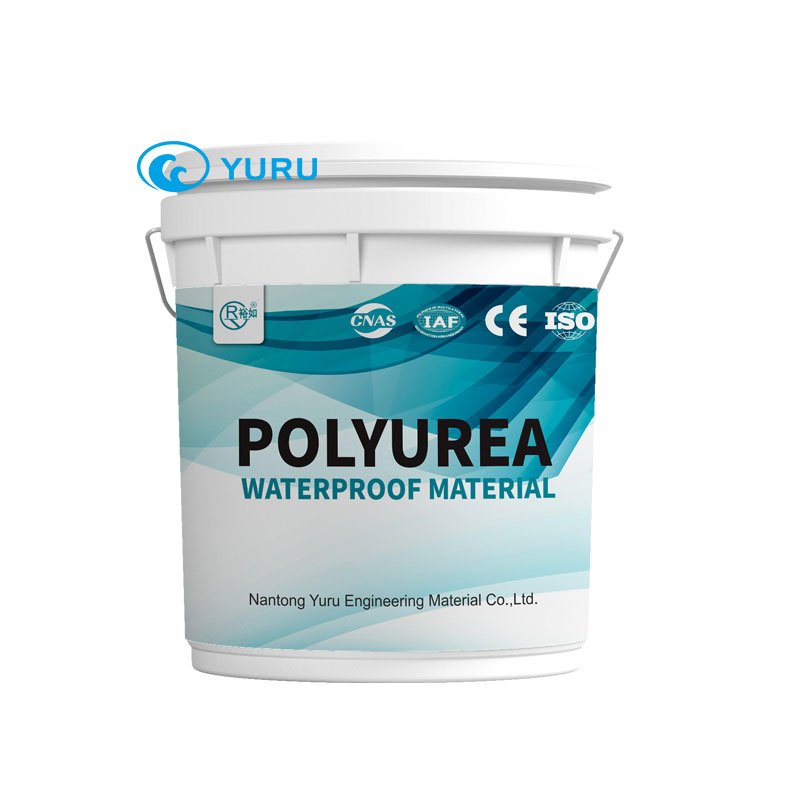
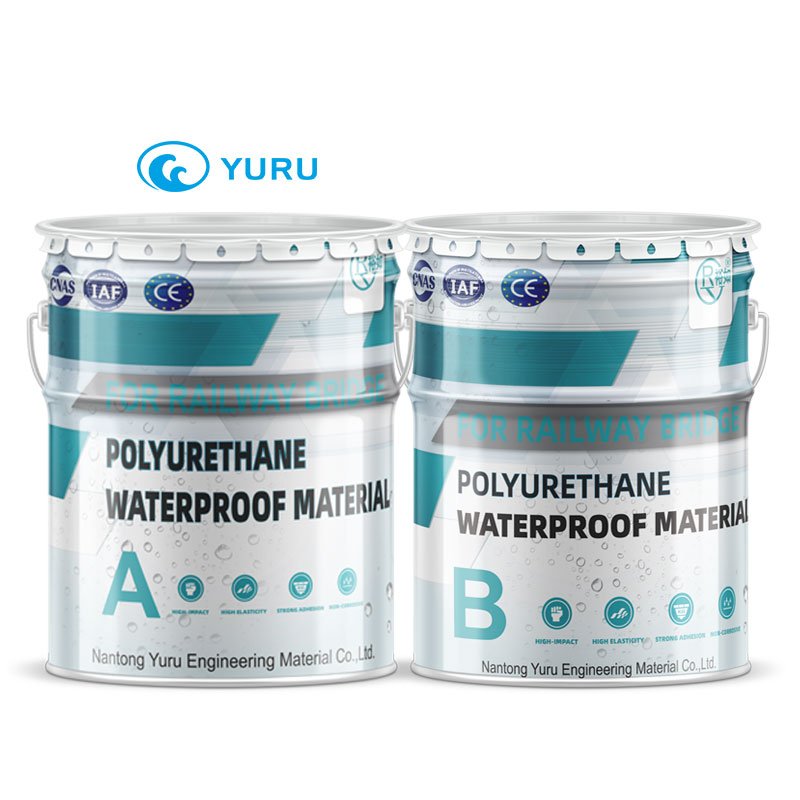
Cold-applied polyurea, also known as cold polyurea, hand-applied polyurea, or manually applied polyurea, is a single-component or two-component material designed for ambient-temperature application.
Key characteristics:
- Applied with rollers, brushes, or scrapers
- No spray machine required
- Cures within hours, not seconds
- More flexible for small-area or detail-specific repairs
- Less demanding environmental and equipment conditions
While it offers easier construction and lower equipment cost, cold polyurea generally has slightly lower performance metrics than spray-applied systems.
Construction Process Differences
Spray Polyurea Construction Process
Spray polyurea uses high-pressure hot-spray technology. This method atomizes the two components and mixes them instantly at the spray gun nozzle.
Advantages:
- Ultra-fast application
- Ideal for large areas
- High efficiency and uniformity
- Seamless, continuous membrane
- Strong adhesion even on complex shapes
Limitations:
- Requires expensive spray equipment.
- Operators must be professionally trained.
- Sensitive to humidity, moisture, and substrate conditions.
- Not cost-effective for small-area repair.
Hand-Applied Cold Polyurea Construction Process
Cold polyurea is applied by simple tools: rollers, brushes, or notched scrapers. No heating or high-pressure equipment is needed.
Advantages:
- Very flexible for small, complex, or vertical surfaces
- Easy to repair damaged areas
- Lower construction difficulty
- Lower equipment cost
Limitations:
- Slower curing
- May require multiple coats
- More affected by ambient temperature
- Membrane uniformity depends on technician skill


Curing Speed, Strength, and Final Film Quality
Curing Behavior
Spray polyurea:
- Cures within seconds
- Allows immediate walking/load in hours
- Construction schedule drastically shortened
Cold polyurea:
- Requires hours to cure
- Full mechanical properties may need 24–48 hours
- More dependent on temperature and humidity
Film Quality and Mechanical Properties
Spray polyurea typically provides:
- Higher tensile strength
- Higher elongation
- Better tear resistance
- Greater chemical resistance
- More uniform thickness
Cold polyurea provides:
- Good flexibility
- Good adhesion to small or detailed areas
- Easier re-application
But it generally cannot reach the extreme performance values of spray polyurea.
Performance Comparison in Engineering Applications
Spray Polyurea Performance
Spray polyurea is known for:
- Outstanding abrasion resistance
- Excellent long-term waterproofing
- UV and weather resistance
- Superior impact resistance
- Exceptional durability
Applicable to:
- Bridges
- Roofs
- Tunnels
- Parking decks
- Industrial flooring
- Oil & chemical containment
- Water parks, pools, tanks
- Underground structures
Cold Polyurea Performance
Cold-applied polyurea is suitable for:
- Roof repairs
- Detail areas (pipe roots, corners, joints)
- Wall waterproofing
- Maintenance work
- Small-scale waterproofing
Performance is stable but not as extreme as spray polyurea.

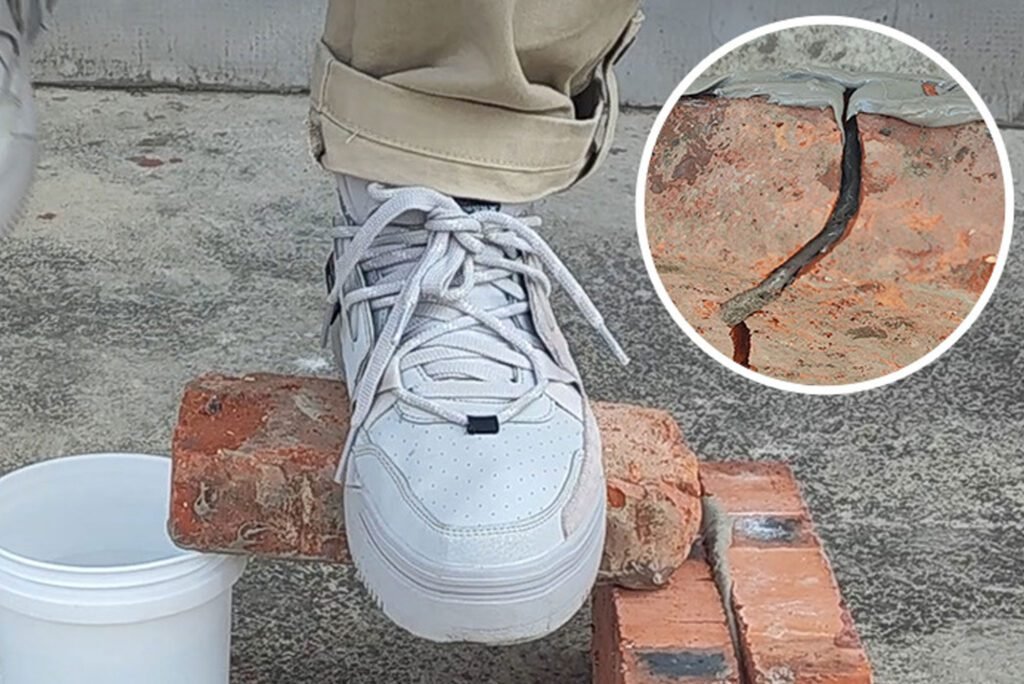
Cost Analysis: Materials, Labor, and Equipment
Spray Polyurea Cost Composition
- Expensive plural-component spray machine
- Skilled technicians
- Higher material consumption
- Higher initial cost, but excellent durability
Spray polyurea becomes cost-effective for large-scale projects.
Cold Polyurea Cost Composition
- No equipment cost
- Lower labor cost
- Lower installation complexity
- Higher cost-efficiency for small or medium projects
Cold polyurea is ideal for maintenance, detail work, and small areas.
Project Suitability and Engineering Selection Guide
Spray Polyurea is ideal for:
- Large-scale waterproofing (roofing, parking decks).
- Heavy-duty protective coatings (logistics warehouses).
- Industrial anti-corrosion engineering.
- Rapid-return-to-service environments.
- Municipal infrastructure: tunnels, bridges, subway stations.
- Water containment: pools, tanks, wastewater systems.
If a project requires extremely high mechanical resistance, fast curing, and seamless large-area coverage, spray polyurea is the best option.
Hand-Applied Cold Polyurea is ideal for:
- Small roofs, balconies, bathrooms.
- Repairs and local strengthening.
- Detail areas difficult for spray machinery.
- Projects with limited equipment budgets.
- Low-risk or medium-duty waterproofing.
Cold polyurea is the better choice when flexibility, cost reduction, and ease of application are priorities.
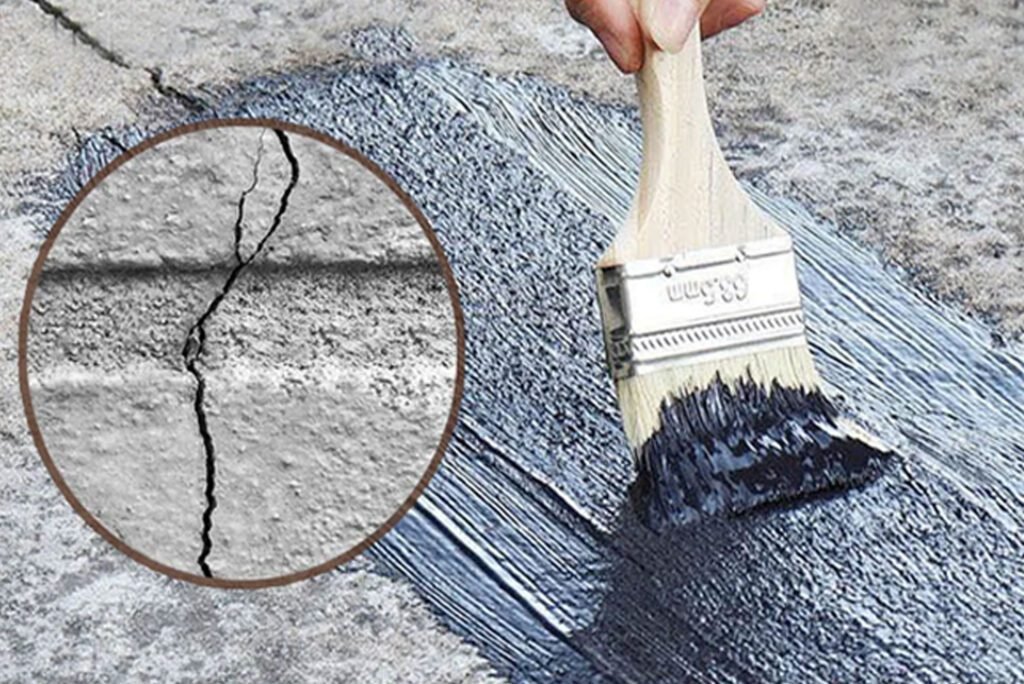

Why Contractors Choose YURU Waterproof for Polyurea Solutions?
YURU Waterproof is a professional supplier specializing in:
- Spray polyurea materials
- Cold-applied polyurea systems
- Polyurea primers and system components
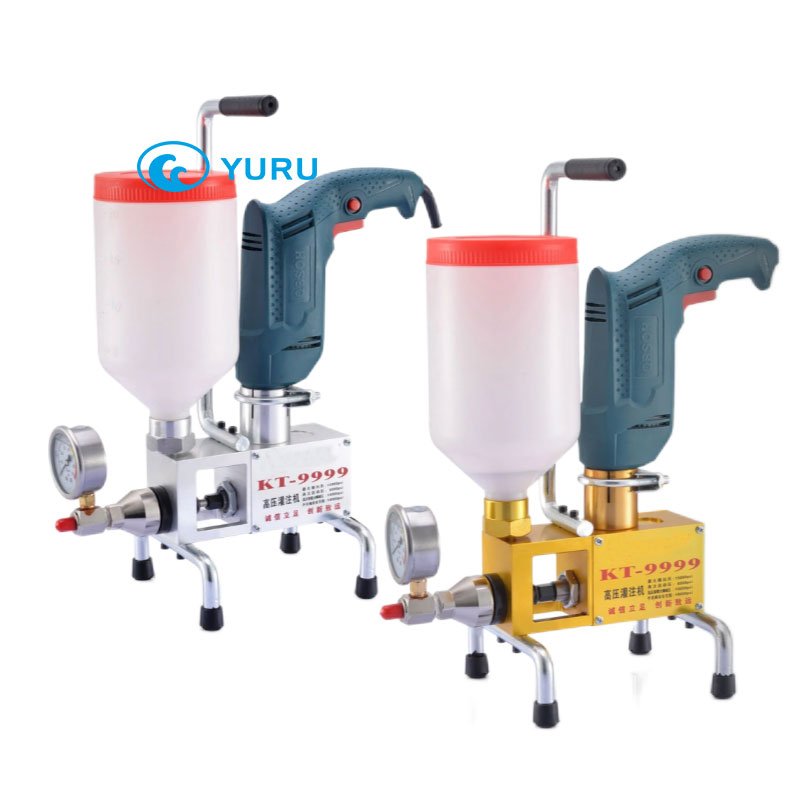
- Injection grouting materials
- Waterproofing coatings
- Floor coatings for commercial & industrial engineering
YURU Advantages
- Stable factory production
- OEM/ODM customization
- Technical construction guidance
- Support for contractors and distributors
- High-performance industrial-grade materials
- Fast global shipping capability
Whether your project requires spray polyurea or cold-applied polyurea, YURU can supply the complete system solution for long-term durability and engineering reliability.
FAQs About Spray Polyurea and Cold-Applied Polyurea
1. Is spray polyurea stronger than cold polyurea?
Yes. Spray polyurea typically has higher tensile strength, elongation, abrasion resistance, and durability.
2. Does cold polyurea cure more slowly?
Exactly. Cold polyurea may take hours to cure, while spray polyurea cures in seconds.
3. Can cold polyurea replace spray polyurea?
Not entirely. Cold polyurea is ideal for small repairs and details, but spray polyurea is better for large, heavy-duty projects.
4. Which is more expensive?
Spray polyurea has higher upfront costs due to specialized equipment and skilled labor.
5. Can spray polyurea be used indoors?
Yes, but adequate ventilation and safety controls are required due to atomization during spraying.
6. Which is better for DIY or small projects?
Cold-applied polyurea is the clear winner due to its simple application tools.
Conclusion
Both spray polyurea and hand-applied cold polyurea are highly effective waterproofing and protective coating technologies. Spray polyurea excels in large-scale, heavy-duty, rapid-curing engineering projects, while cold polyurea shines in small areas, detail work, budget-sensitive applications, and repairs.
Contractors should make the choice based on:
- Project size
- Budget
- Required durability
- Construction conditions
- Equipment availability
- Expected service life
If you need reliable polyurea waterproofing materials for professional engineering use, YURU Waterproof provides complete solutions for spray and cold polyurea systems.


YURU Product solutions