Is Water-based Polyurethane Coating as Durable as Oil-based?
In recent years, the construction and industrial coatings market has witnessed a growing shift toward water-based systems. Driven by environmental regulations, workplace safety concerns, and sustainability goals, water-based polyurethane coatings are increasingly positioned as alternatives to traditional oil-based products. However, a critical question continues to surface among distributors, contractors, engineers, and project owners:
Is water-based polyurethane coating as durable as oil-based?
This question is not merely academic. Durability directly affects maintenance cycles, long-term costs, and the overall reliability of waterproofing and flooring systems. In this article, we examine this topic from a practical engineering and procurement perspective, focusing on real performance factors.
Why Durability Is the Core Concern When Comparing Polyurethane Coatings?
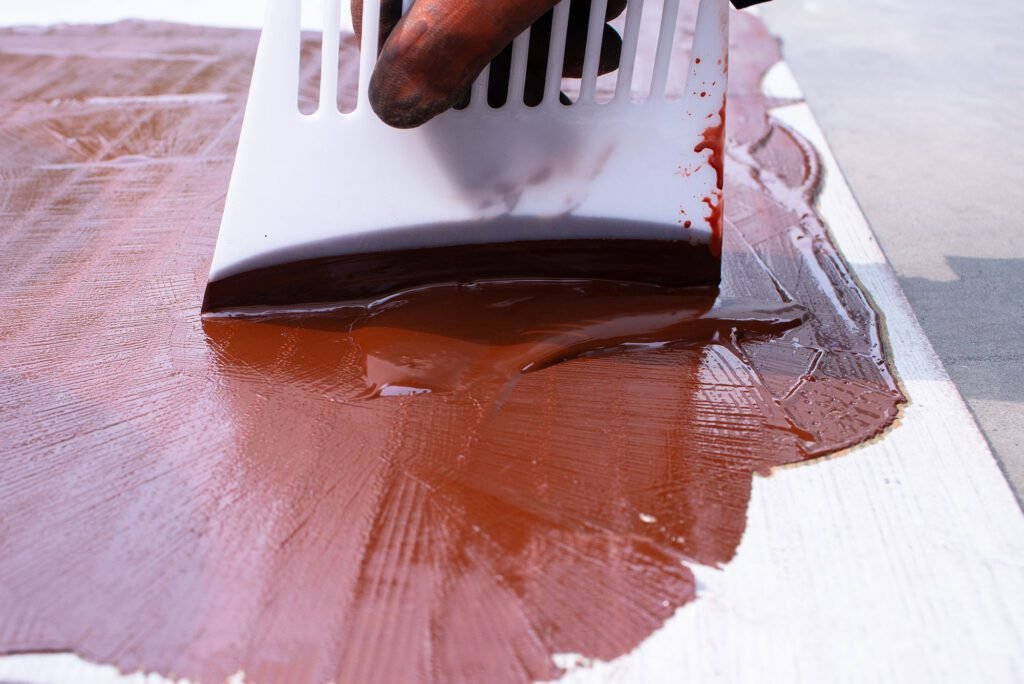
Durability is the foundation of performance for any polyurethane coating system. In waterproofing and flooring applications, coatings are expected to withstand years of exposure to moisture, mechanical stress, chemical agents, and environmental fluctuations without losing integrity.
From an engineering standpoint, durability determines whether a coating:
- Maintains adhesion to the substrate
- Resists cracking, blistering, or delamination
- Continues to protect structural elements over time
In high-humidity basements, industrial floors with frequent traffic, or roofs exposed to seasonal temperature cycles, durability failures often translate into water ingress, structural degradation, and costly repairs.
For project owners and professional buyers, durability also defines lifecycle cost. A coating that appears cost-effective at purchase but requires frequent repairs can become significantly more expensive over its service life than a more durable alternative.
This is why durability remains the primary benchmark when comparing water-based and oil-based polyurethane coatings.
Fundamental Structural Differences Between Water-based and Oil-based Polyurethane Coatings
To understand durability differences, it is essential to examine how these two systems are built at the material level.
Water-based Polyurethane Coatings
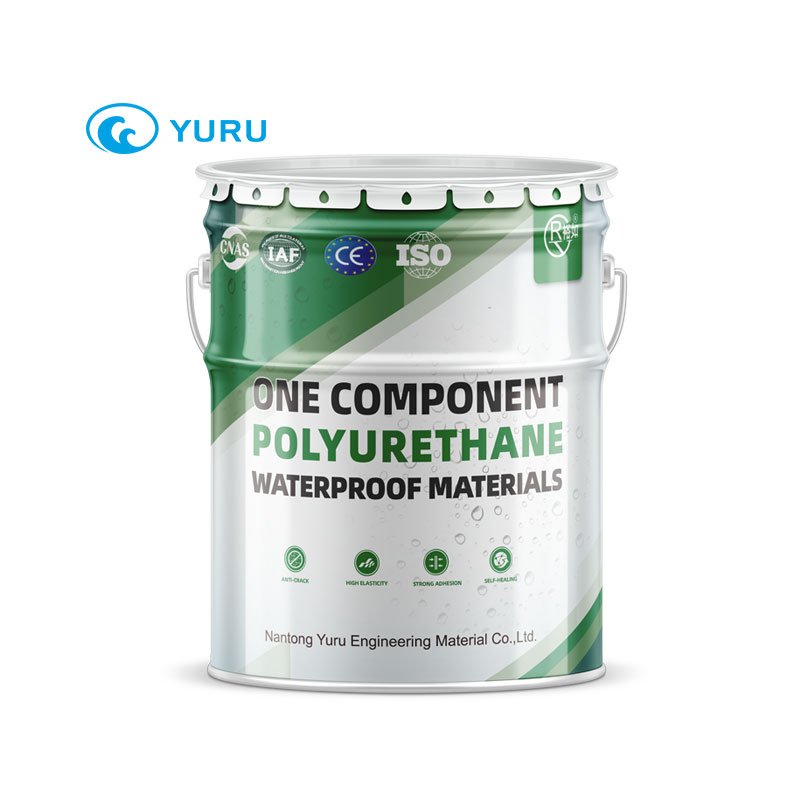
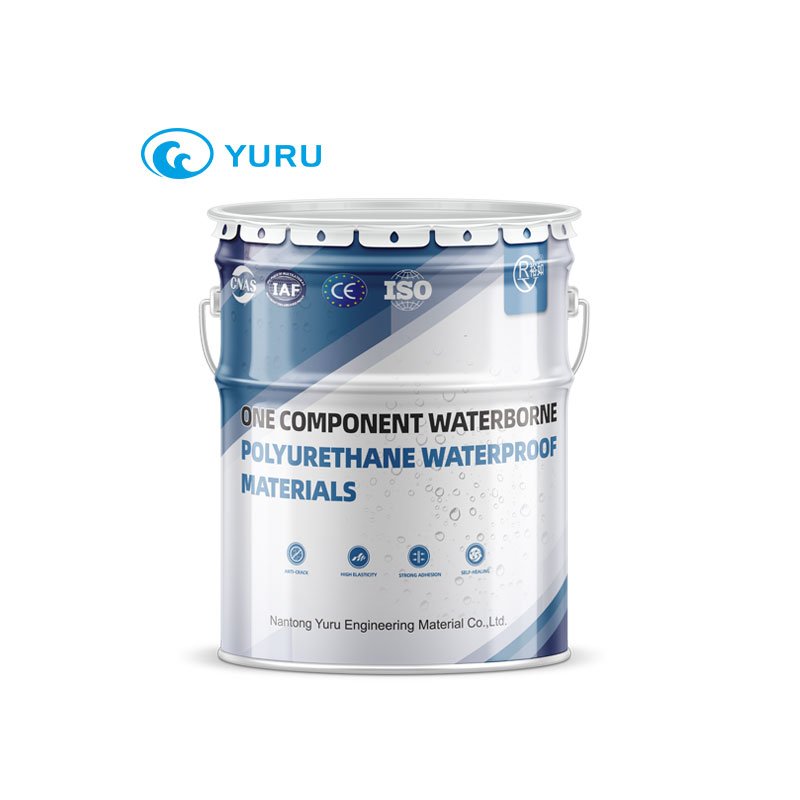
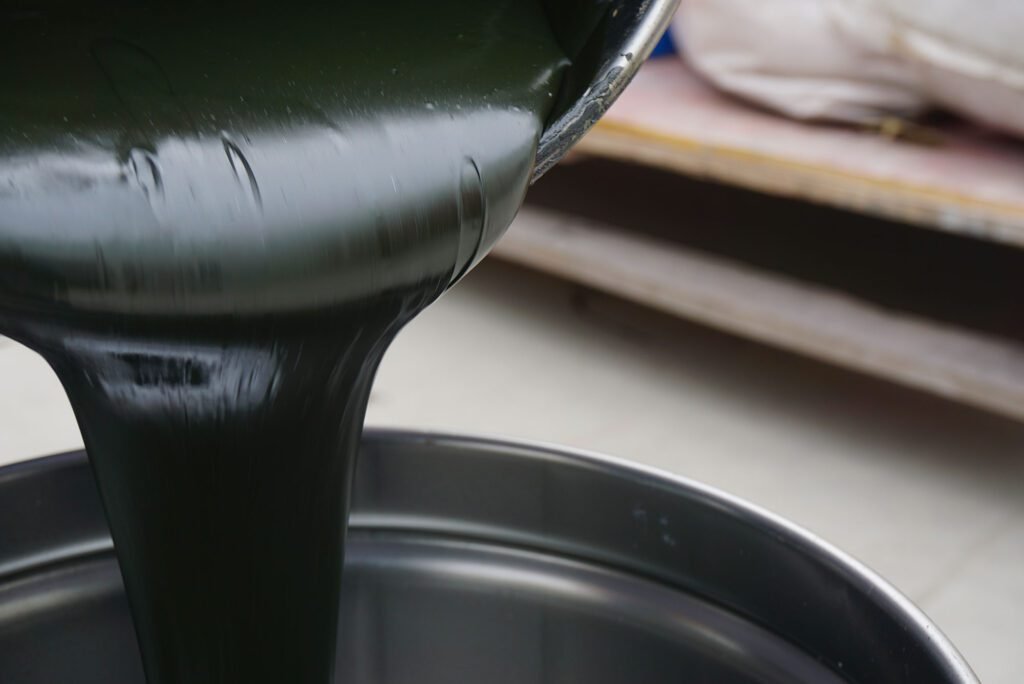
Water-based polyurethane coatings use water as the dispersion medium. The polymer particles are suspended in water and form a continuous film as the water evaporates. Advances in formulation technology have significantly improved film formation, flexibility, and adhesion in modern water-based systems.
Key characteristics include:
- Lower volatile organic compound (VOC) content
- Reduced odor and improved workplace safety
- Faster surface drying in controlled environments
Oil-based Polyurethane Coatings
Oil-based polyurethane coatings rely on organic solvents to dissolve and transport the polymer. As the solvent evaporates, the polymer chains form a dense, continuous film.
Typical features include:
- Historically stronger early-stage film formation
- High penetration into porous substrates
- Proven performance in demanding environments
The difference in dispersion and film formation directly influences film density, flexibility, and resistance to environmental stress, which are critical factors in durability evaluation.
How Durability Performs in Real Project Environments?
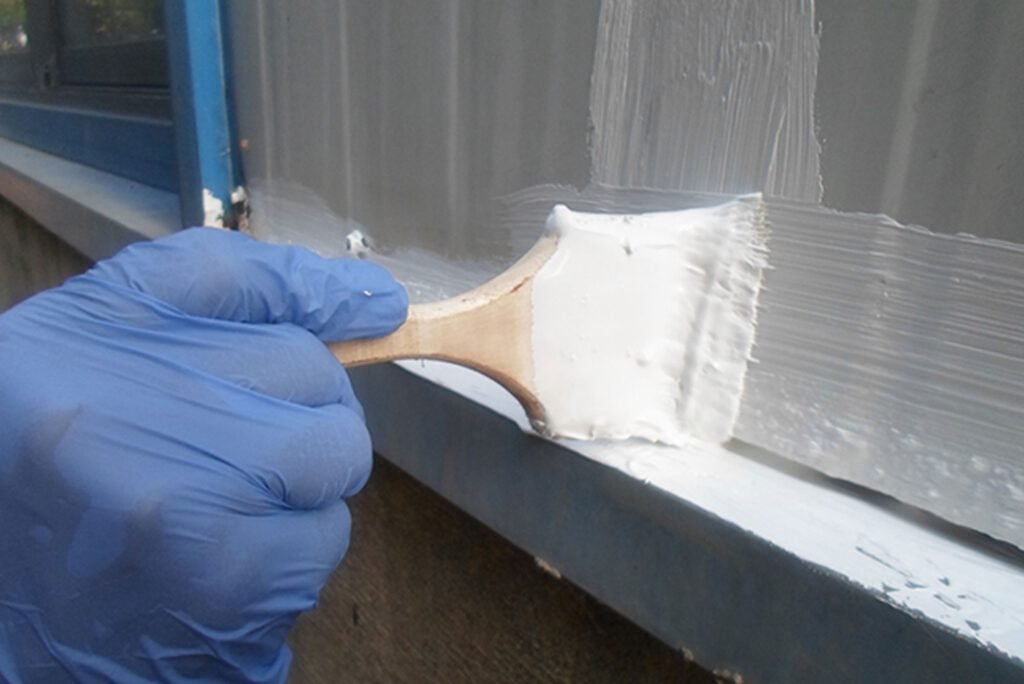
In controlled laboratory conditions, both water-based and oil-based polyurethane coatings can meet technical specifications. However, real durability is proven on-site, under variable conditions that are difficult to replicate in testing environments.
Performance in High-Humidity Areas
Basements, tunnels, and underground structures present constant moisture exposure. Oil-based systems traditionally demonstrated stronger resistance to prolonged water contact. However, modern water-based polyurethane coatings, when properly formulated and applied, now achieve comparable long-term moisture resistance.
Performance Under Mechanical Stress
Industrial flooring and parking structures expose coatings to abrasion, impact, and dynamic loads. Oil-based coatings often show higher initial hardness, while water-based systems tend to offer improved flexibility. Durability depends on whether rigidity or elasticity is more suitable for the specific application.
Performance in Temperature-Fluctuating Environments
Roof systems and external structures experience expansion and contraction. Water-based polyurethane coatings, with their improved elastic recovery, can perform well in such conditions when designed for exterior use.
The conclusion from field experience is clear: durability is environment-dependent, not purely material-type dependent.
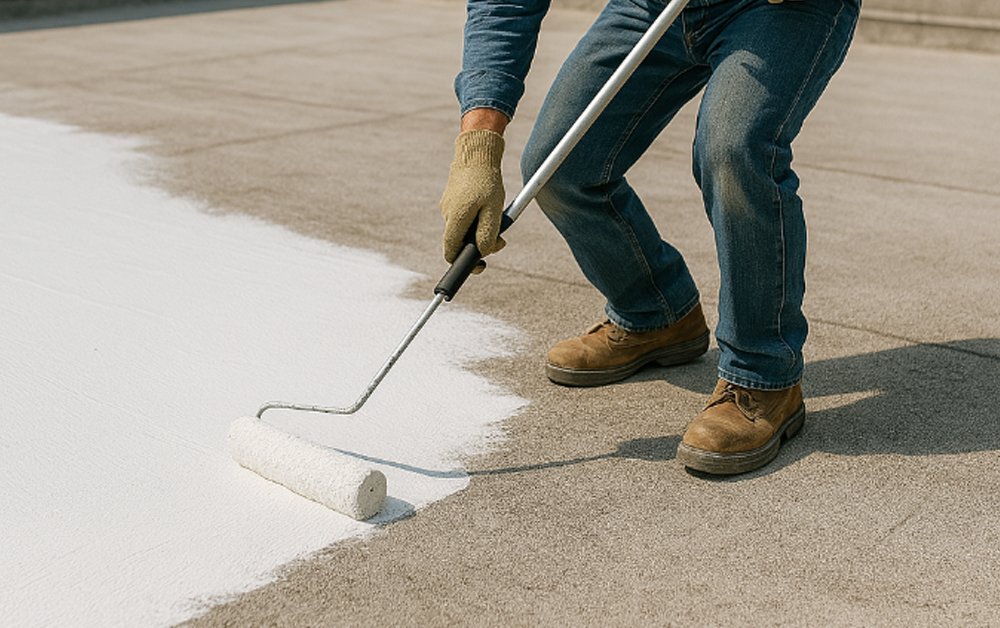
The Role of Application Conditions in Long-Term Durability
A common misconception is that durability differences stem solely from material formulation. In practice, application quality often plays an equal—or greater—role.
Key factors influencing durability include:
- Substrate moisture content
- Surface cleanliness and preparation
- Application thickness control
- Ambient temperature and humidity during curing
Water-based polyurethane coatings are generally more sensitive to application conditions, especially moisture levels during curing. Oil-based systems may offer more tolerance in challenging environments, but improper application can compromise both systems.
Professional manufacturers such as YURU emphasize application compatibility as part of product selection, ensuring that material performance aligns with real site conditions.
Maintenance Cycles and Lifecycle Cost Considerations
From a procurement perspective, durability must be evaluated over the full lifecycle of the coating system.
| Evaluation Factor | Water-based Polyurethane | Oil-based Polyurethane |
|---|---|---|
| Initial odor & safety | Low | Higher |
| Environmental compliance | High | Moderate |
| Maintenance frequency | Application-dependent | Application-dependent |
| Long-term cost | Competitive when properly applied | Competitive in harsh conditions |
When maintenance intervals, downtime, and repair labor are considered, a properly selected water-based polyurethane coating can deliver lifecycle costs comparable to oil-based alternatives.
A Deeper Technical Comparison
Chemical Resistance and Aging Stability
Oil-based polyurethane coatings traditionally show strong resistance to oils, fuels, and certain chemicals due to their dense polymer networks. This characteristic has made them popular in industrial environments such as workshops, warehouses, and mechanical rooms.
However, modern water-based polyurethane coatings have evolved significantly. Through improved crosslinking technology and optimized polymer particle design, many water-based systems now demonstrate excellent resistance to:
- Mild acids and alkalis
- Cleaning chemicals
- Long-term moisture exposure
From an aging perspective, durability is also influenced by how a coating responds to oxidation and environmental stress over time. In poorly ventilated areas, oil-based coatings may yellow or harden, while high-quality water-based systems often maintain more stable physical properties when properly formulated.
Flexibility vs. Hardness: Which Matters More for Durability?
A common misunderstanding in durability evaluation is equating hardness with long service life. While hardness contributes to abrasion resistance, excessive rigidity can lead to cracking when substrates move.
Oil-based Systems
- Typically offer higher initial hardness
- Perform well on stable substrates
- May lose flexibility over time
Water-based Systems
- Often provide better elastic recovery
- Perform well on substrates with micro-movement
- Reduce crack propagation risk
In applications such as basements, balconies, or structures subject to thermal expansion, controlled flexibility often contributes more to durability than hardness alone. This is why durability must be assessed in relation to substrate behavior, not just material strength.
Common Misapplications That Lead to Premature Durability Failures
Field investigations into coating failures reveal that durability issues are frequently caused by misuse rather than material limitations.
Typical mistakes include:
- Applying water-based coatings on damp substrates without proper moisture testing.
- Using oil-based coatings in poorly ventilated spaces.
- Ignoring recommended curing times.
- Applying insufficient film thickness.
These errors distort durability comparisons and unfairly label certain systems as inferior. Professional guidance and adherence to technical data sheets remain essential regardless of coating type.
Common Misapplications That Lead to Premature Durability Failures
To further clarify selection logic, it is useful to examine durability priorities by project category.
| Project Type | Primary Durability Concern | Preferred System (Typical) |
|---|---|---|
| Residential basements | Moisture resistance & flexibility | Water-based or hybrid |
| Industrial floors | Abrasion & chemical resistance | Oil-based or reinforced systems |
| Commercial interiors | Air quality & long-term stability | Water-based |
| Municipal projects | Compliance & lifecycle value | Water-based with certification |
This comparison reinforces a key conclusion: durability is contextual, not universal.
Why Manufacturer Experience Matters in Durability Outcomes?
Durability is not determined solely by formulation chemistry; it is also shaped by manufacturing consistency, raw material selection, and quality control.
Experienced manufacturers invest in:
- Stable raw material sourcing
- Batch-to-batch consistency testing
- Long-term performance validation
At YURU, polyurethane coating development focuses on balancing durability, application practicality, and regulatory compliance. This experience allows YURU to recommend water-based or oil-based systems based on real project constraints rather than theoretical advantages.
Conclusion
So, is water-based polyurethane coating as durable as oil-based?
The answer depends not on general assumptions, but on formulation quality, application conditions, and project requirements.
With modern technology and proper use, water-based polyurethane coatings can deliver durability comparable to oil-based systems in many applications. The key lies in informed selection and professional execution.
FAQs
Is water-based polyurethane coating suitable for long-term use?
Yes, when properly formulated and applied, it can deliver long-term durability.
Which system is better for indoor projects?
Water-based systems are often preferred due to low odor and VOC compliance.
Does oil-based polyurethane last longer?
Not always. Durability depends on application conditions and project environment.
Are water-based coatings more environmentally friendly?
Generally yes, due to reduced solvent content.
Can YURU supply both systems?
Yes, YURU offers both water-based and oil-based polyurethane solutions.
Can YURU provide technical guidance for system selection?
Yes, YURU supports buyers and engineers with application-specific recommendations.
YURU Product solutions