What Is Acrylate Grouting Material?
Introduction:
Leakage in underground structures is one of the most challenging problems in waterproofing construction. Many chemical grouting materials are commonly used, including polyurethane grouting, polyurea grouting, epoxy resin grouting, and acrylate grouting materials.
Among all chemical grouting materials, the use of acrylate grouting materials is often misunderstood.
- Some engineers consider it outdated.
- Others believe it is only suitable for low-pressure leaks.
In fact, acrylate grouting plays a unique and irreplaceable role in long-term waterproofing systems.
This article will explain the true meaning, working principles, applicable scenarios of acrylate grouting materials, and compare them with polyurethane grouting, based on material and engineering principles.

1. What Is Acrylate Grouting Material?
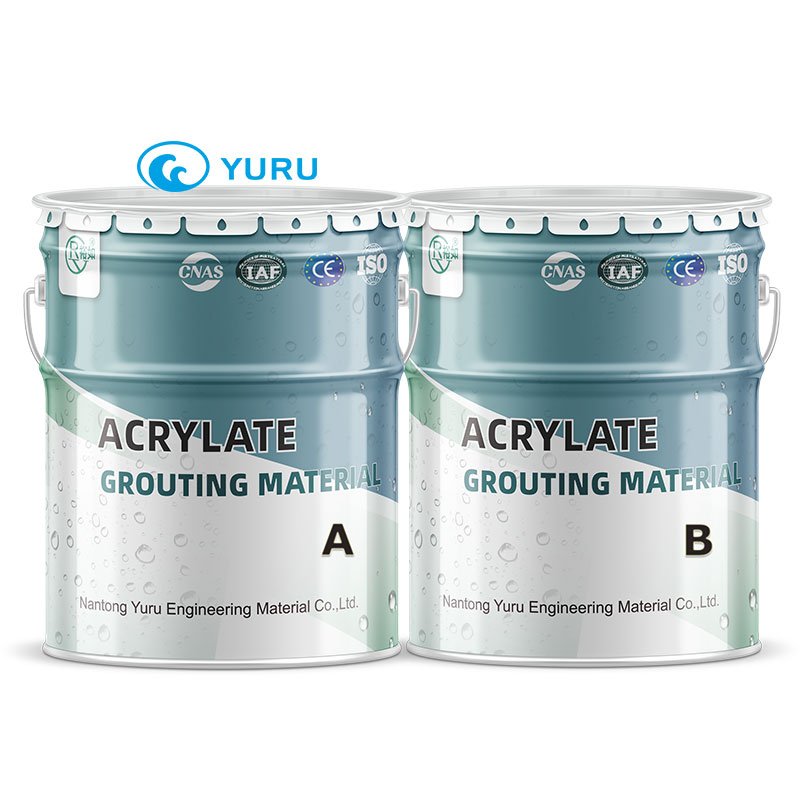
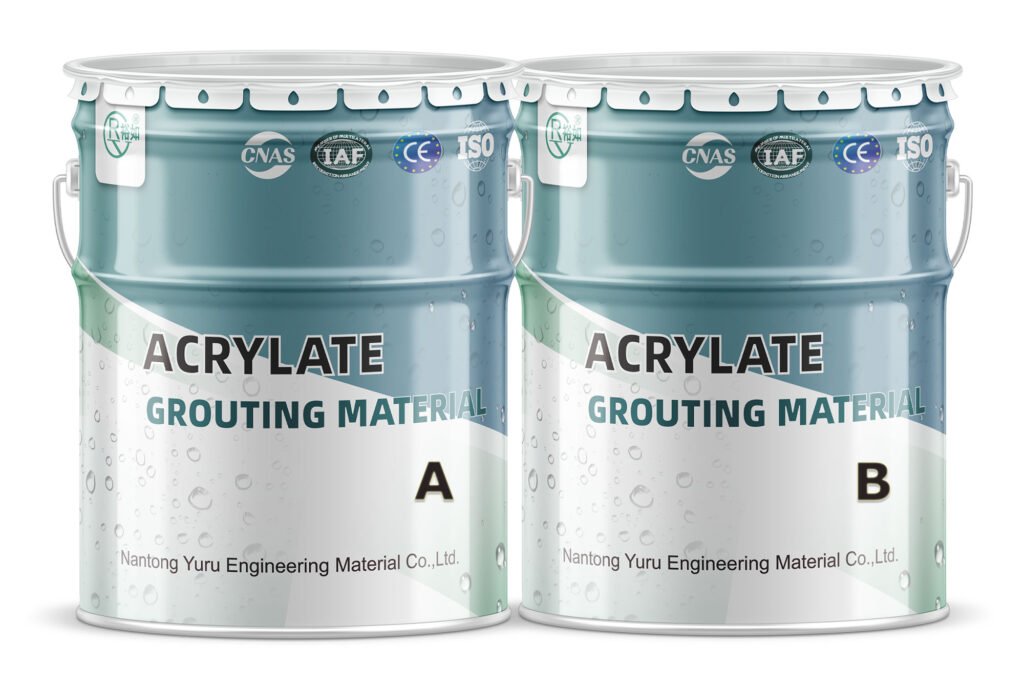
Acrylate grouting material is a two-component chemical grouting system based on acrylic polymers.
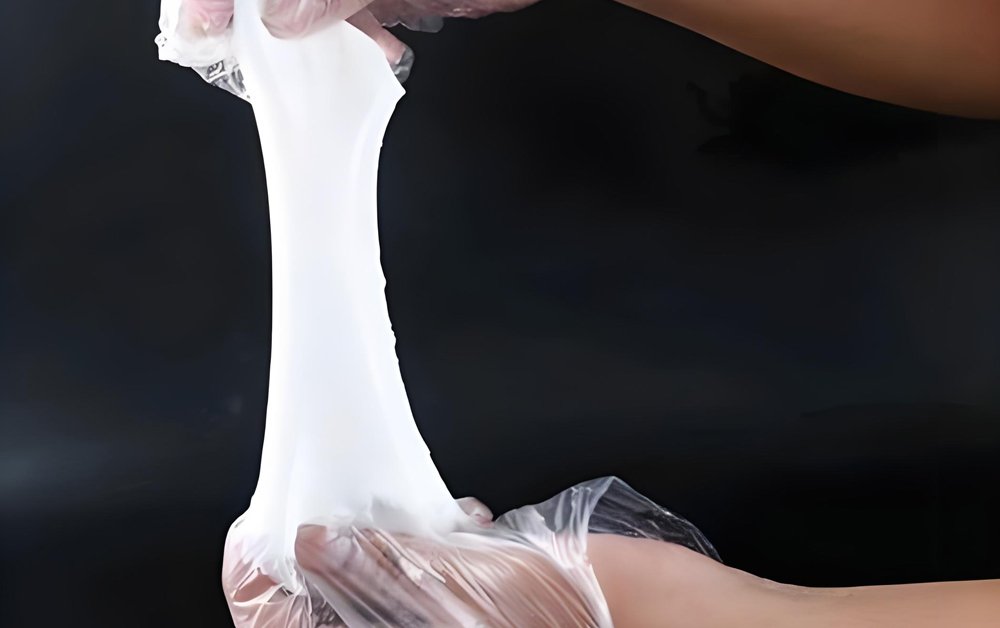
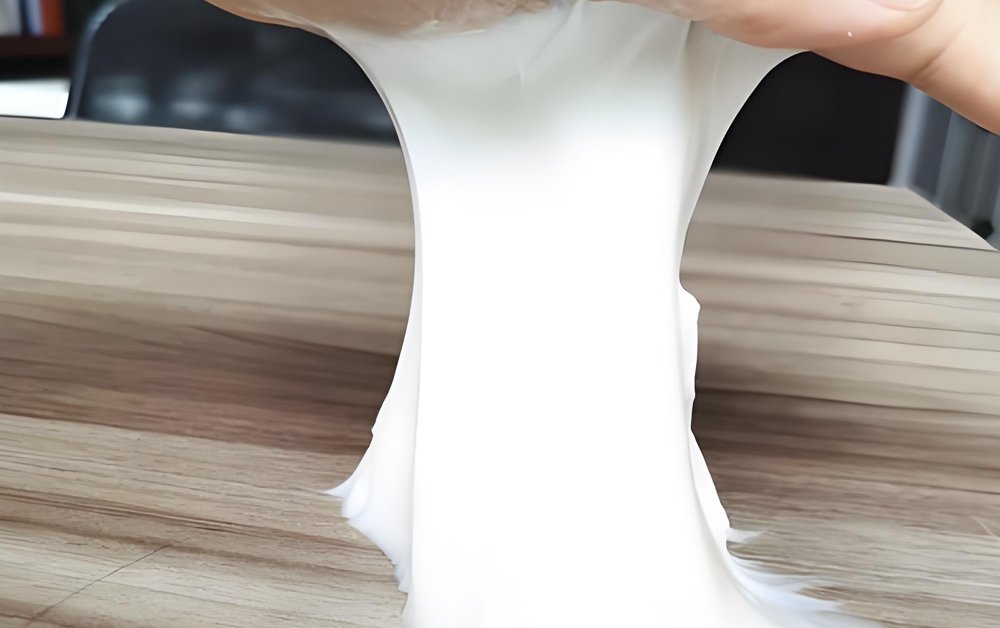
When Component A (acrylate resin) reacts with Component B (initiator/catalyst), the mixture transforms from a water-like liquid into a flexible gel inside cracks, joints, and soil voids.
Key Characteristics:
- Extremely low viscosity (close to water)
- Adjustable gel time (from seconds to minutes)
- High penetration capability
- Forms a continuous elastic gel barrier
- Non-foaming and non-expansive
Unlike cementitious grouts or expanding PU foams, acrylate grout does not rely on pressure or volume expansion to stop leaks.
Its strength lies in penetration, encapsulation, and continuity.
2. How Acrylate Grouting Works?
Understanding the working mechanism is critical for correct material selection.
Step-by-Step Reaction Process
- Injection Phase
The low-viscosity grout flows easily into microcracks, capillaries, cold joints, and porous concrete.
- Chemical Polymerization
Once mixed, the resin polymerizes into a three-dimensional gel network.
- Gel Formation
The gel fills voids and bonds with surrounding substrates, forming a seamless waterproof curtain.
- Long-Term Sealing
The elastic gel accommodates structural movement and prevents new water paths.
Why Low Viscosity Matters:
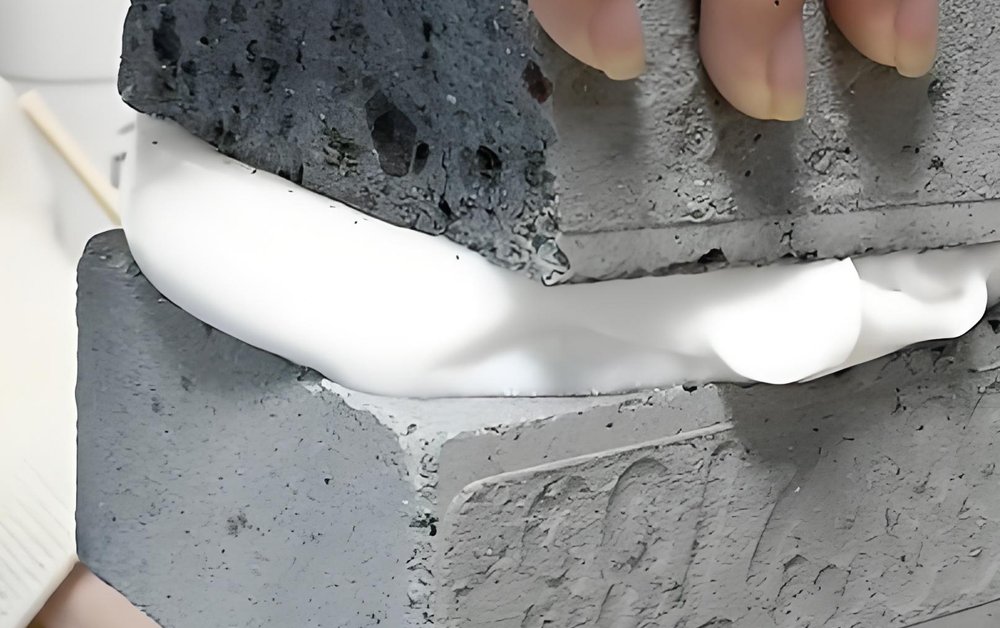
Many leaks originate from cracks smaller than 0.1 mm. Only acrylate-based systems can consistently penetrate these micro-defects, where PU foams physically cannot reach.
3. Core Performance Advantages of Acrylate Grouting
3.1 Ultra-High Penetration Ability
Acrylate grout behaves almost like water. This allows it to:
- Travel long distances inside cracks
- Fill hidden leakage paths
- Create wide-area waterproof barriers
This makes it ideal for curtain grouting behind structures.
3.2 Adjustable Gel Time for Controlled Injection
Gel time can be precisely adjusted depending on:
- Water pressure
- Ambient temperature
- Crack size
- Injection method
This gives engineers full control over injection quality, reducing the risk of premature solidification or washout.
3.3 Elastic and Self-Adaptive Gel Structure
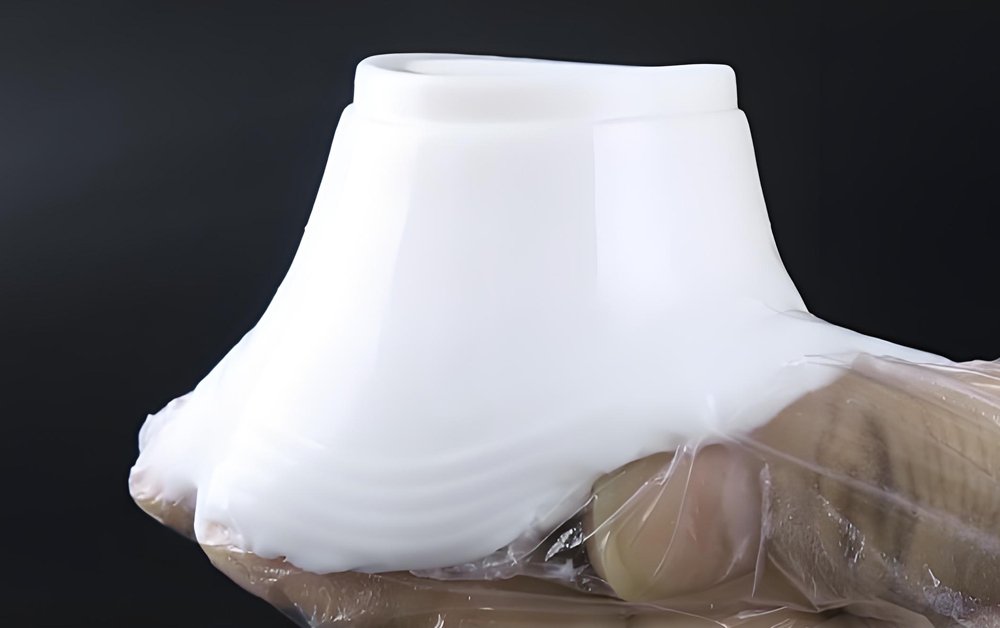
Once cured, acrylate gel remains flexible.
- It tolerates thermal expansion.
- It adapts to structural movement.
- Resists cracking under stress.
This is critical for underground structures exposed to seasonal or long-term deformation.
4. Typical Applications of Acrylate Grouting Material
Acrylate grouting performs best in specific leak scenarios.
4.1 Basement and Underground Structure Seepage
- Continuous water infiltration
- Large-area dampness
- Negative-side waterproofing
Acrylate grout forms a continuous waterproof curtain rather than point sealing.
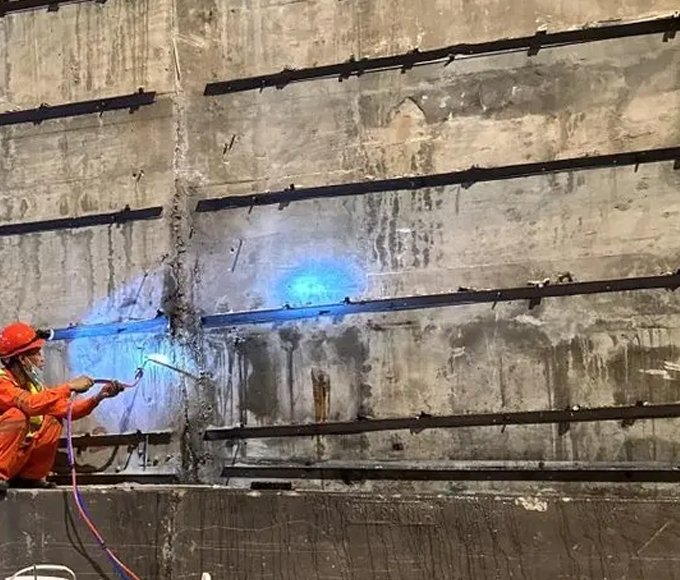
4.2 Tunnel and Metro Linings
In transportation infrastructure, acrylate grouting is widely used for:
- Segment joints
- Construction joints
- Hairline cracks
Its low viscosity ensures penetration behind linings without damaging segments.
4.3 Construction Joints and Cold Joints
Where concrete interfaces create permanent weak points, acrylate grout fills and seals voids without exerting expansion stress.
4.4 Soil and Curtain Grouting
Acrylate grout can be injected into surrounding soil to:
- Block groundwater paths
- Stabilize loose formations
- Protect existing structures
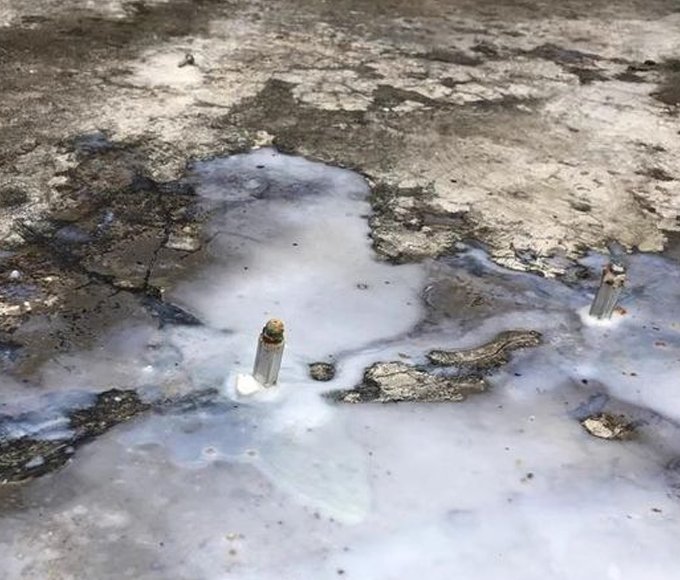
5. Acrylate vs. Polyurethane Grouting:
Fundamental Difference
| Aspect | Acrylate Grouting | PU Grouting |
| Viscosity | Water-like | Medium to high |
| Expansion | None | High (hydrophobic) |
| Sealing Method | Penetration & gel | Foam expansion |
| Best Use | Long-term sealing | Emergency leak stop |
Key Insight
- Acrylate grout seals water paths.
- PU grout blocks water flow.
This distinction explains why experienced engineers often use both materials together.
6. Construction Considerations and Risk Control
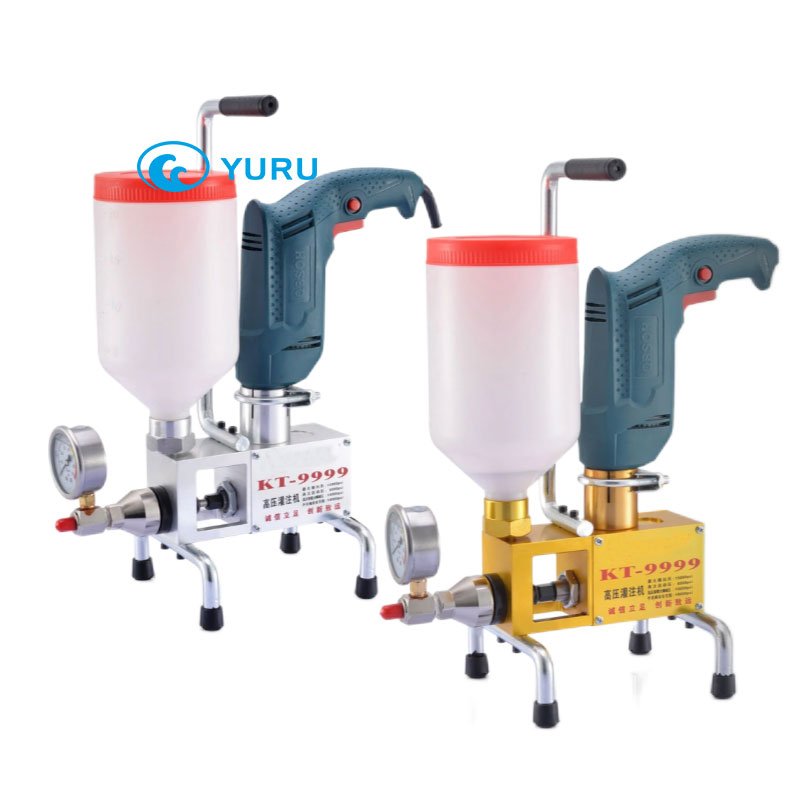
Equipment Requirements:
- Dual-component injection pumps
- Accurate ratio control
- Clean injection lines
Common Mistakes to Avoid:
- Using acrylate grout for high-pressure gushing leaks.
- Ignoring gel time adjustment.
- Poor mixing control.
Proper training and material support are essential for achieving the best results in leak repair.
7. Durability, Environmental Safety, and Compliance
Modern acrylate grouting materials are:
- Low toxicity
- Free from harmful solvents
- Suitable for groundwater protection zones (with certified formulations).
Long-term performance depends heavily on formulation quality, not just chemistry type.
8. How to Evaluate an Acrylate Grouting Supplier?
When choosing a supplier, buyers should look beyond price.
Key Evaluation Criteria:
- Complete technical data sheets
- Adjustable formulation options
- Proven project references
- On-site or remote technical support
- Compatibility with PU and other systems
9. YURU Waterproof: System-Based Acrylate Grouting Solutions
YURU Waterproof offers different types of chemical grouting materials, including acrylate and polyurethane grouting systems, enabling engineers to design phased waterproofing strategies:
- Hydrophobic PU for emergency water stopping.
- Acrylate grout for permanent sealing.
- Combined injection strategies for complex projects.
With experience across municipal infrastructure, underground structures, and industrial facilities, YURU focuses on engineering outcomes, not just material sales.
FAQs – Acrylate Grouting Material
To address the common challenges that may arise during Polyurea coating applications, the following methods can be implemented:
1. Is acrylate grouting suitable for active water leakage?
Yes, for low to moderate pressure seepage. For high-pressure leaks, PU grouting should be used first.
2. Can acrylate grout be used together with PU grout?
Absolutely. This combined approach is widely used in professional waterproofing.
3. How long does acrylate grouting last?
With proper formulation and installation, service life can exceed 20 years.
4. Is acrylate grout environmentally safe?
Modern formulations are designed to meet environmental and groundwater protection standards.
5. Does acrylate grout shrink over time?
High-quality acrylate systems maintain stable volume and elasticity.
Conclusion
Acrylate grouting materials are precision tools for specific waterproofing challenges.
When used correctly, they provide:
- Long-lasting sealing effect
- Structural compatibility
- System-level waterproofing reliability
Contact YURU Waterproof today for product samples and customized grouting solutions tailored to your specific leakage situation.
YURU Product solutions