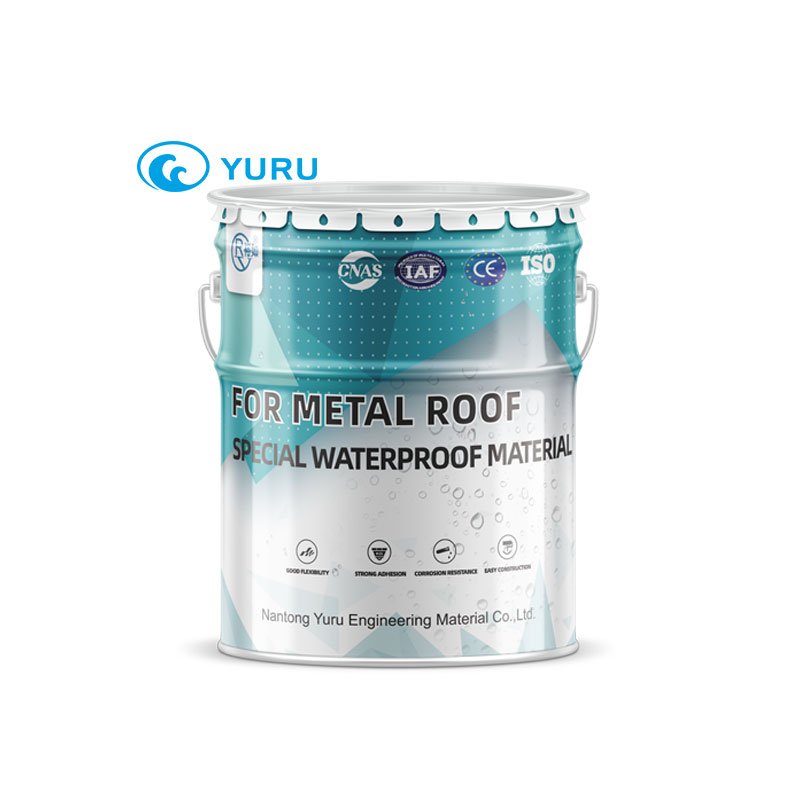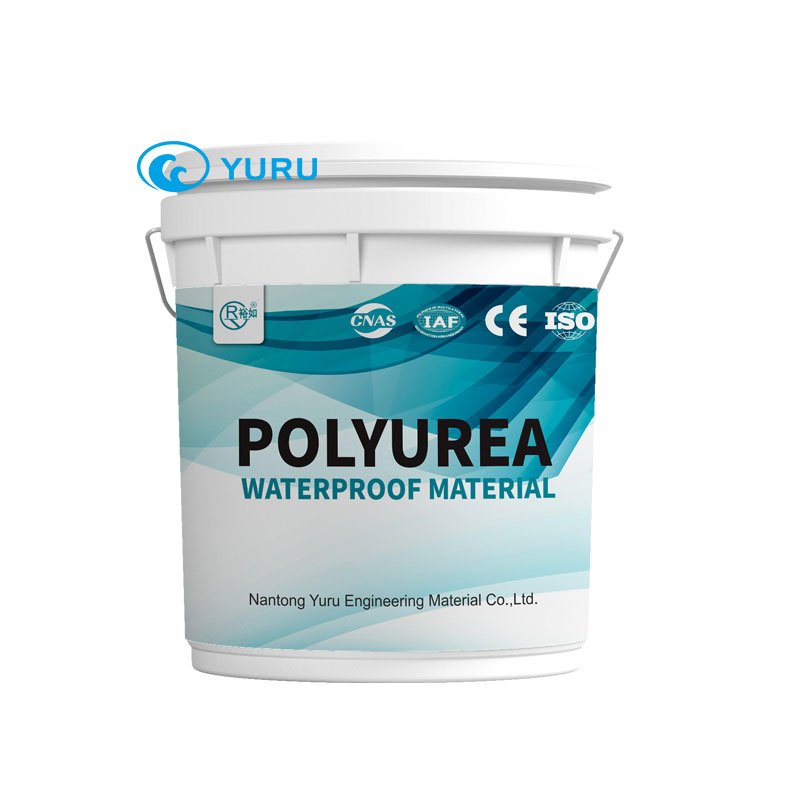
What Is Two-Component Polyurethane Waterproof Coating and Its Main Benefits?
Introduction:
From basements to large-scale infrastructure projects, water ingress due to waterproofing failure can compromise structural integrity. Among the many waterproofing materials available today, two-component polyurethane waterproof coatings are specifically designed to address situations requiring high flexibility, adhesion, and water pressure resistance.
This article will provide a clear technical explanation of two-component polyurethane waterproof coatings, including their working principles, main advantages, and proper application guidelines.
What Is Two-Component Polyurethane Waterproof Coating?
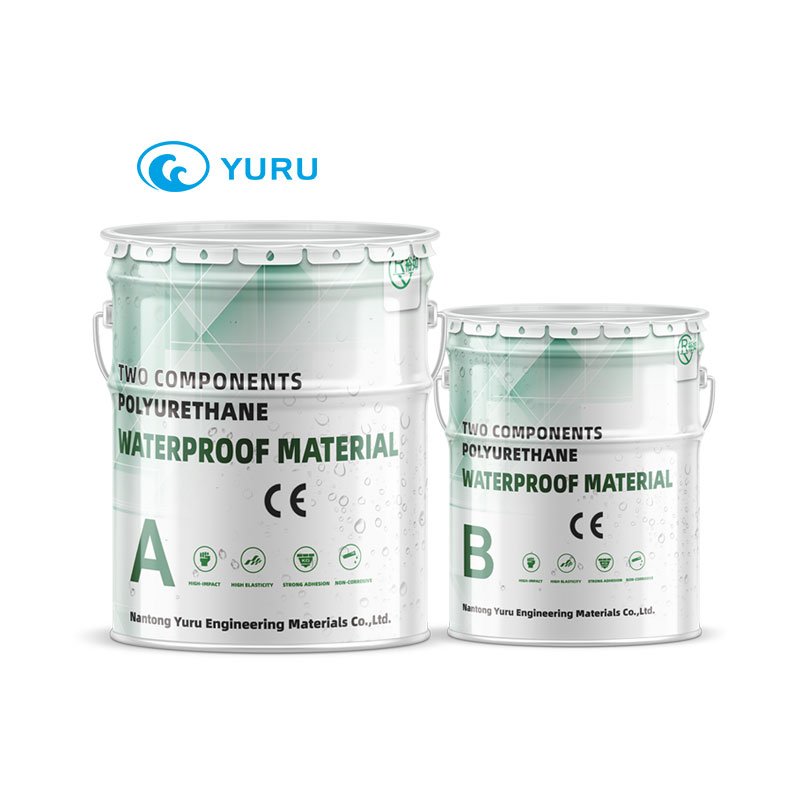
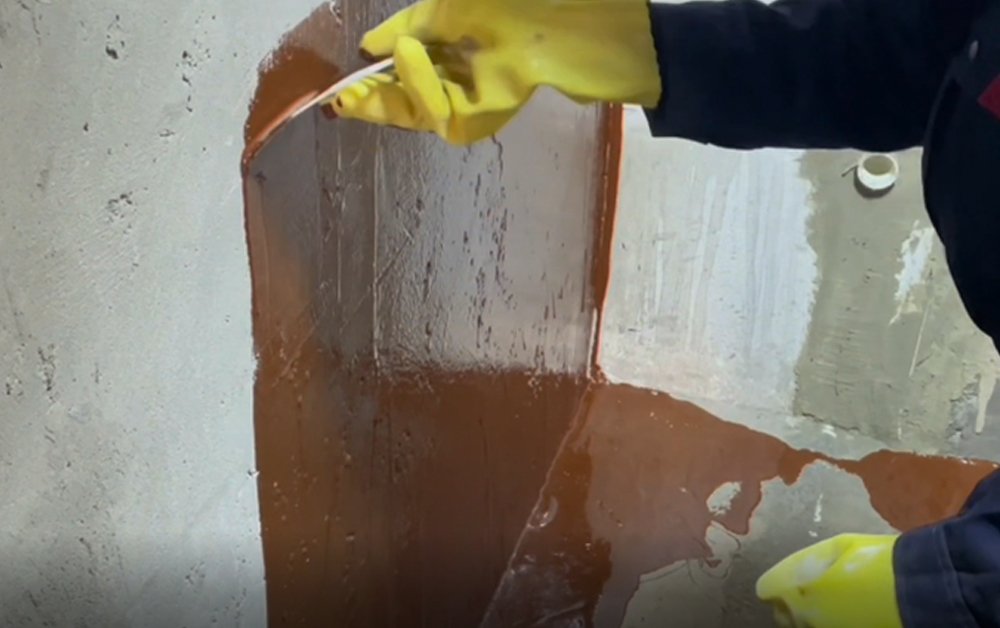
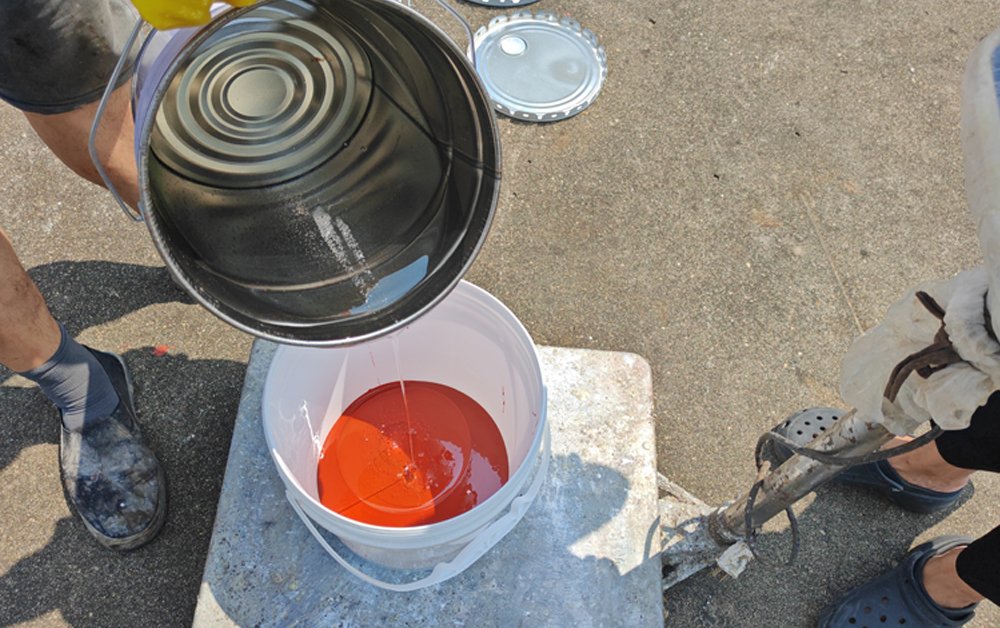
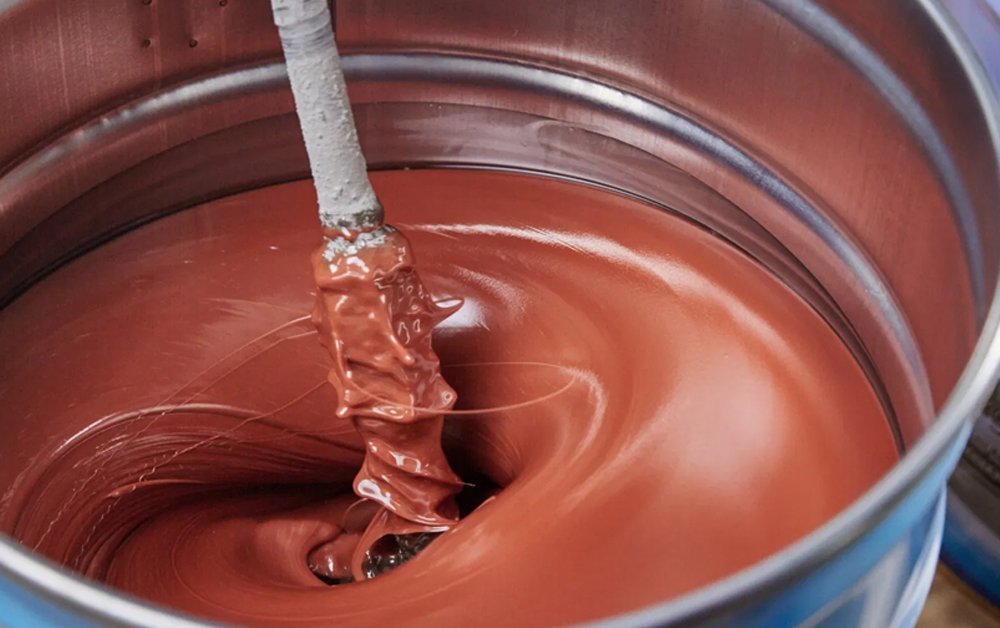
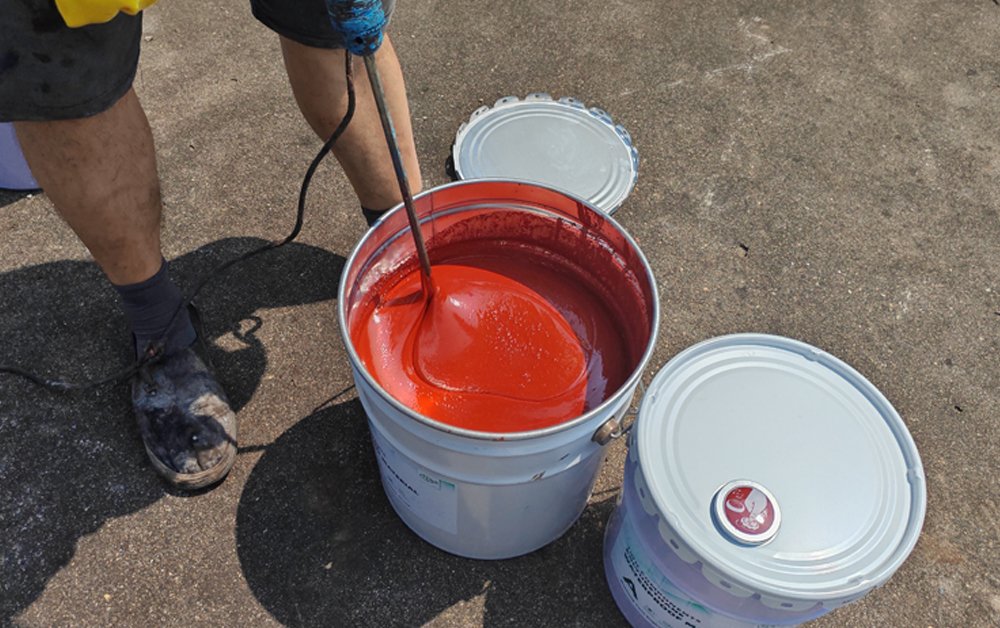
Two-component polyurethane waterproofing coating is a reactive curing liquid waterproofing material composed of a mixture of isocyanate-based prepolymer and polyol. It needs to be mixed on-site before application.
How is it different from other waterproofing materials?
Unlike cement-based or acrylic coatings, two-component polyurethane cures through a chemical reaction between two different components mixed in a 1:2 ratio. This process forms a dense, seamless film with excellent mechanical properties.
Compared to single-component polyurethanes, two-component systems offer the following advantages:
- More controllable curing process
- Higher mechanical strength
- Better water pressure resistance
- Higher formulation stability
This makes them particularly suitable for structural waterproofing applications.
How the Two-Component Reaction Mechanism Enhances Performance?
Controlled Chemical Reaction
Because curing does not depend on ambient moisture or temperature alone, the reaction process is:
- More uniform.
- Less sensitive to environmental fluctuations.
- Capable of forming thicker, defect-free membranes.
This results in consistent performance even in challenging site conditions.
Dense Crosslinked Structure
The chemical reaction creates a tightly crosslinked polymer network, which provides:
- High tensile strength
- Excellent elasticity
- Strong adhesion to concrete and masonry substrates
This structure is essential for long-term waterproofing reliability.
Main Benefits of Two-Component Polyurethane Waterproof Coating
1. High Elasticity and Crack-Bridging Ability
Concrete structures undergo shrinkage and settlement, thus requiring waterproof coatings with good elasticity. Two-component polyurethane waterproof membranes typically possess the following characteristics:
- Elongation at break exceeding 250%
- Excellent recovery ability after deformation
This allows the waterproof membrane to effectively bridge static and dynamic cracks without cracking.
2. Strong Adhesion to Substrate
Two-component polyurethane forms a strong chemical and mechanical bond with properly prepared concrete surfaces. High adhesion reduces the risk of:
- Delamination
- Water penetration beneath the waterproof membrane
- Localized failure points
3. Excellent Water Pressure Resistance
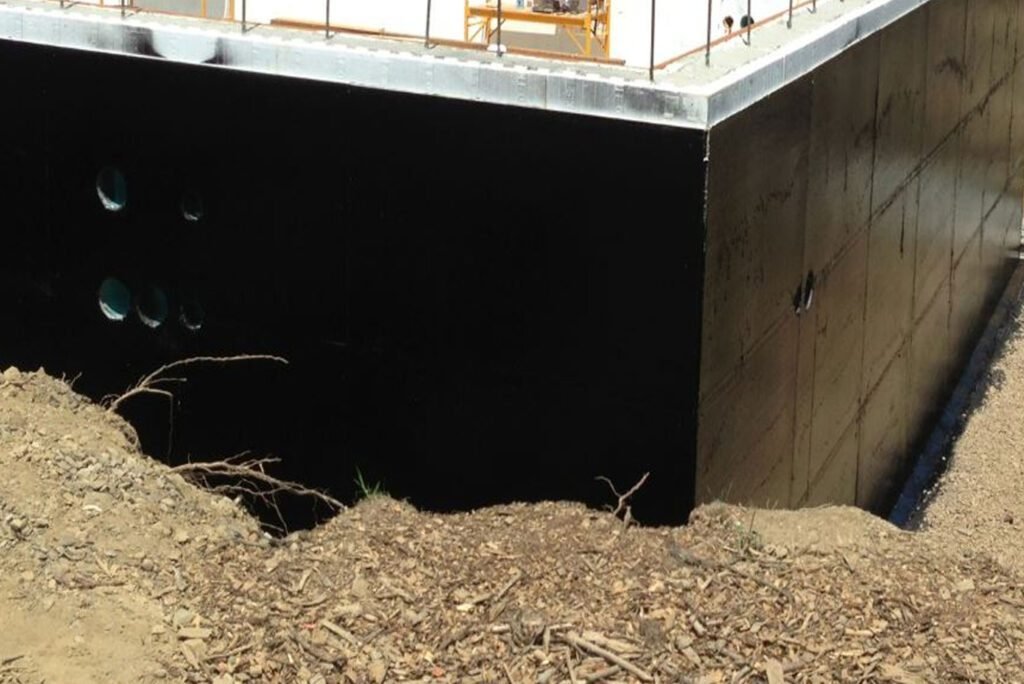
After curing, the waterproof membrane forms a continuous waterproof barrier capable of withstanding long-term water pressure. This is particularly important in the following applications:
- Basements
- Retaining walls
- Underground structures
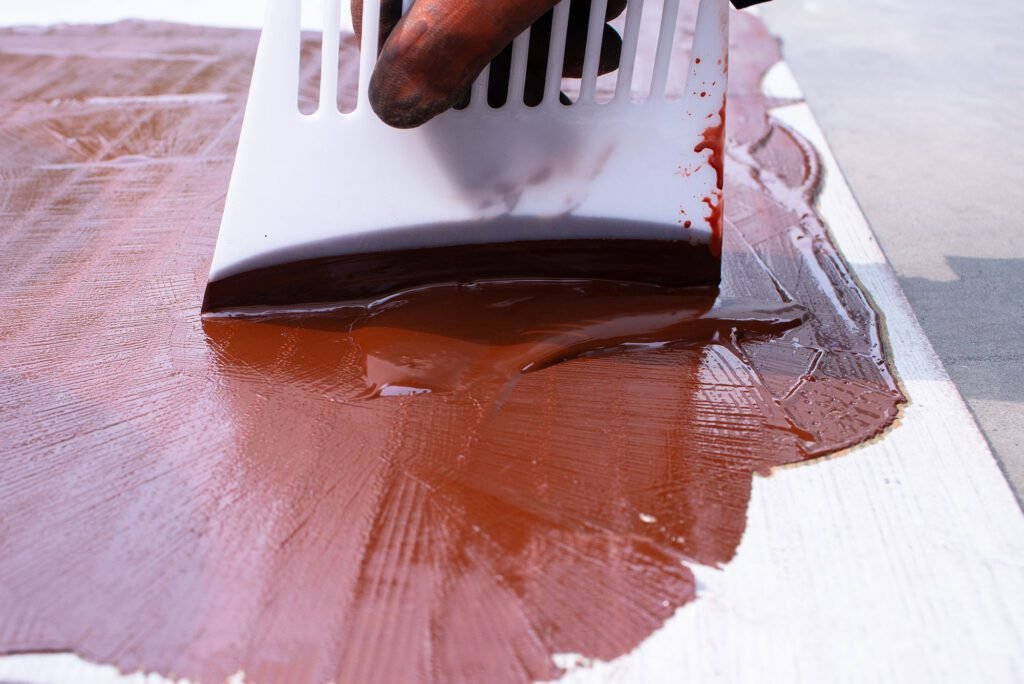
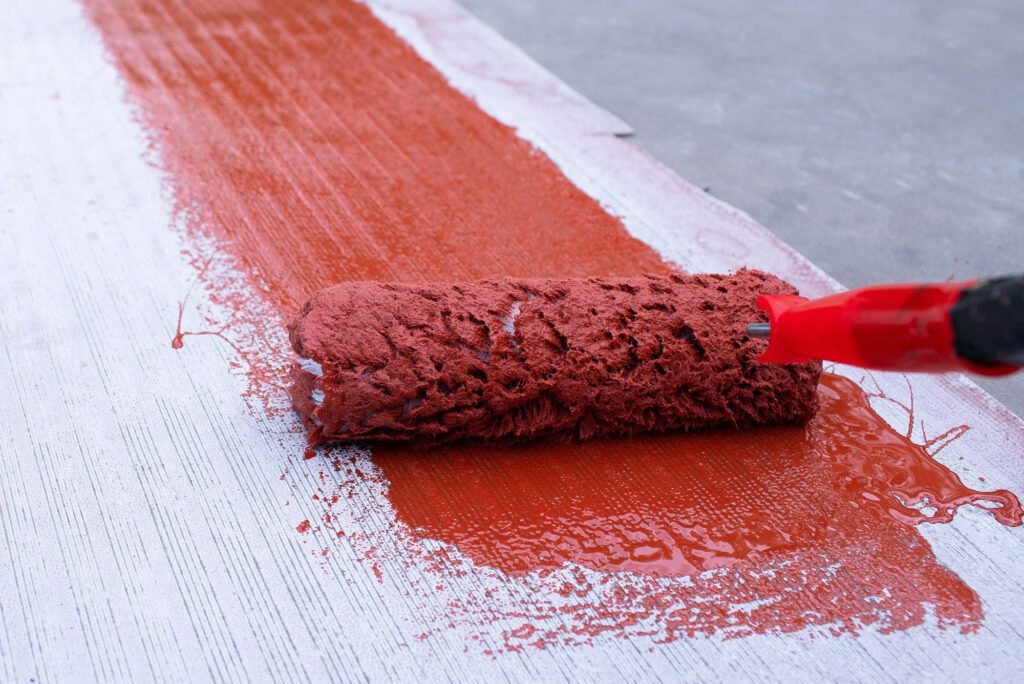
4. Seamless Application
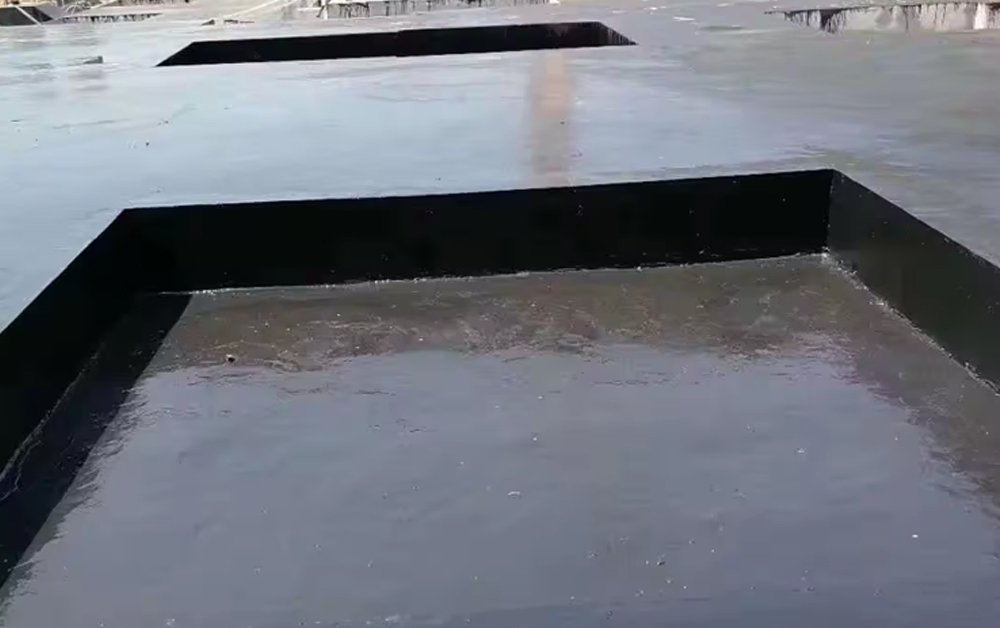
As a liquid applied material, two-component polyurethane forms a seamless waterproof membrane, eliminating the weak points commonly found in sheet waterproofing systems.
Typical Applications of Two-Component Polyurethane Waterproof Coating
Two-component polyurethane waterproof coating is best suited for concealed or protected waterproofing systems.
Common Applications:
- Basement slabs and walls
- Underground parking structures
- Tunnels and pipe galleries
- Podium decks (beneath screed or tiles)
- Water containment structures (when specified)
In these applications, the membrane is protected from direct exposure, allowing it to focus on waterproof performance.
Why Two-Component Polyurethane Is Not Recommended for Long-Term Exposure?
UV Sensitivity Explained
Most two-component polyurethane waterproof coatings are aromatic polyurethane systems. While mechanically robust, they are not designed for prolonged UV exposure.
Long-term exposure may lead to:
- Surface discoloration
- Chalk formation
- Gradual surface degradation
Without protection, this will shorten the service life.
Industry Standard Solution: Protective Layer
A professional waterproofing system typically includes:
- Cement-based mortar protective layer
- Tile or stone cladding
- UV-resistant topcoat (aliphatic polyurethane or polyaspartic ester)
This system ensures the durability and longevity of the waterproofing system.
How to Use Two-Component Polyurethane Waterproof Coating Correctly?
Correct usage is essential to maximize performance.
Surface Preparation
- Clean, sound, and dry substrates.
- Removal of laitance, oil, and loose particles.
- Proper priming where required.
Mixing and Application
- Accurate mixing ratios.
- Uniform mixing to avoid incomplete curing.
- Application in recommended thickness.
System Protection
- Installation of protective layers after curing.
- Avoidance of prolonged exposure.
These steps ensure the membrane performs as designed.
Why Manufacturing Quality Determines Real-World Performance?
Two-component polyurethane is a chemically complex material. Manufacturing quality has a direct impact on:
- Consistency
- Durability
- Safety
Key Manufacturing Factors
- Raw material selection
- Precision dosing systems
- Temperature-controlled reactions
- Batch-level quality testing
Manufacturers without these capabilities often produce inconsistent products, even if specifications appear similar on paper.
YURU Waterproof: Two-Component PU Solutions
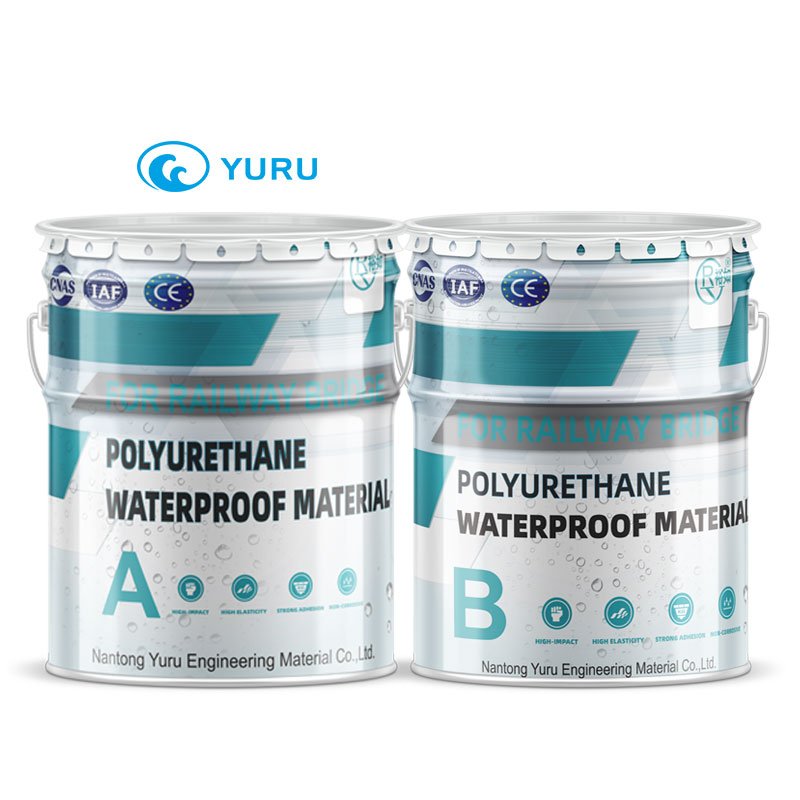
YURU Waterproof is a direct manufacturer of two-component polyurethane waterproof coatings, focusing on structural and infrastructure applications.
YURU’s Manufacturing Strength
- Dedicated polyurethane production equipment.
- Stable, field-proven formulations.
- In-house laboratory testing.
- Batch traceability and quality control.
Technical Support Beyond Material Supply
YURU provides:
- Application guidance
- System design recommendations
- Climate-specific formulation adjustments
This ensures the coating performs reliably across different regions and project conditions.
FAQs
1. Is two-component polyurethane waterproof coating better than single-component PU?
For structural applications, two-component systems offer higher strength and curing reliability.
2. Can two-component PU be used on roofs?
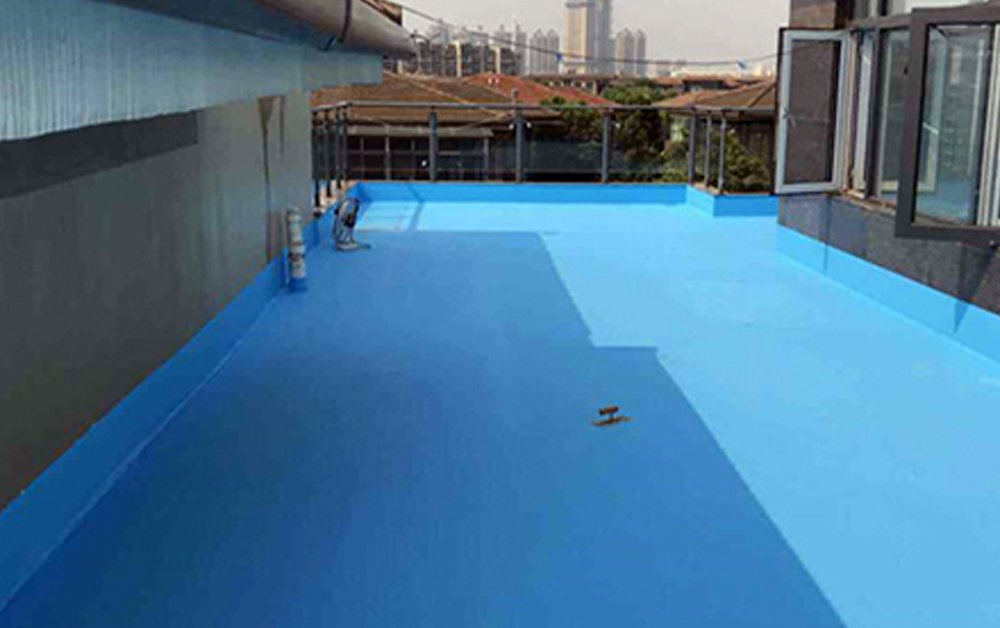
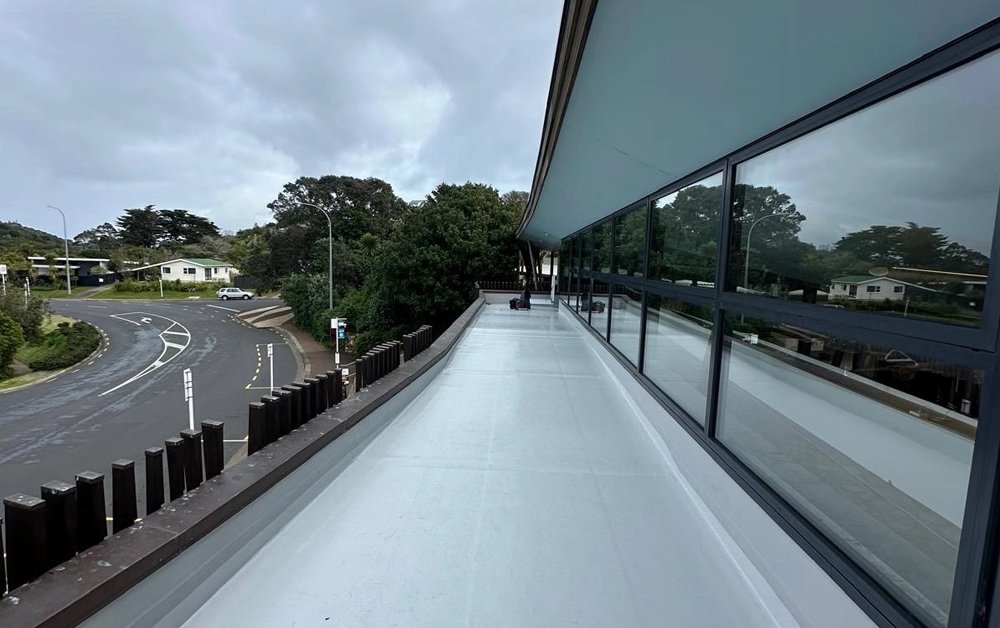
Yes, but it should be protected or covered with a UV-resistant system.
3. How long does two-component PU waterproofing last?
When properly protected, service life can exceed 20 years.
4. Can YURU customize two-component PU formulations?
Yes. YURU adjusts curing speed and viscosity based on project needs.
Conclusion
Two-component polyurethane waterproof coating remains one of the most effective solutions for structural waterproofing when used correctly.
Its main benefits include:
- High elasticity
- Strong adhesion
- Long-term resistance to water pressure
Contact YURU Waterproof to obtain technical documentation, system recommendations, and professional support tailored to your application.
YURU Product solutions