Two-component Polyurethane Waterproof Coating vs Single-component: Which Is Better?
Introduction:
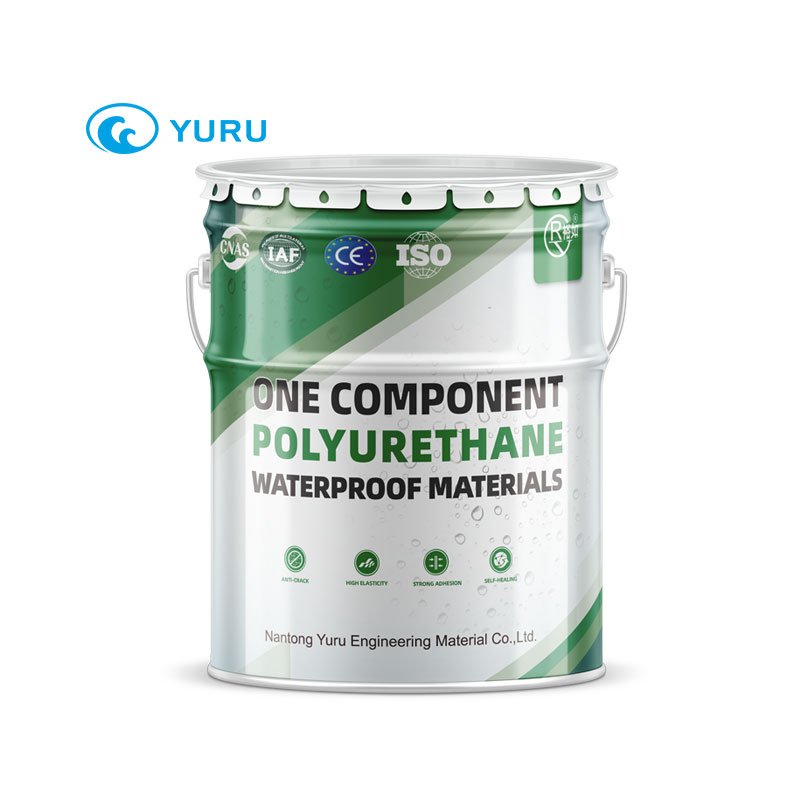
Polyurethane waterproofing coatings typically come in two types: one-component and two-component.
However, in actual construction projects, choosing which type of polyurethane coating to use still leads to debate.
Many project owners believe that one-component polyurethane coatings are “easier to apply and therefore safer.” Some contractors, on the other hand, believe that two-component systems are “too complex for on-site construction conditions.”
This article explains why the two systems behave differently, where each one succeeds or fails, and how to choose based on structure, environment, and construction reality.
At YURU Waterproof, we manufacture both single-component and two-component polyurethane waterproof coatings.
Our role is not to push one product, but to help engineers and buyers select the right system for the right conditions.
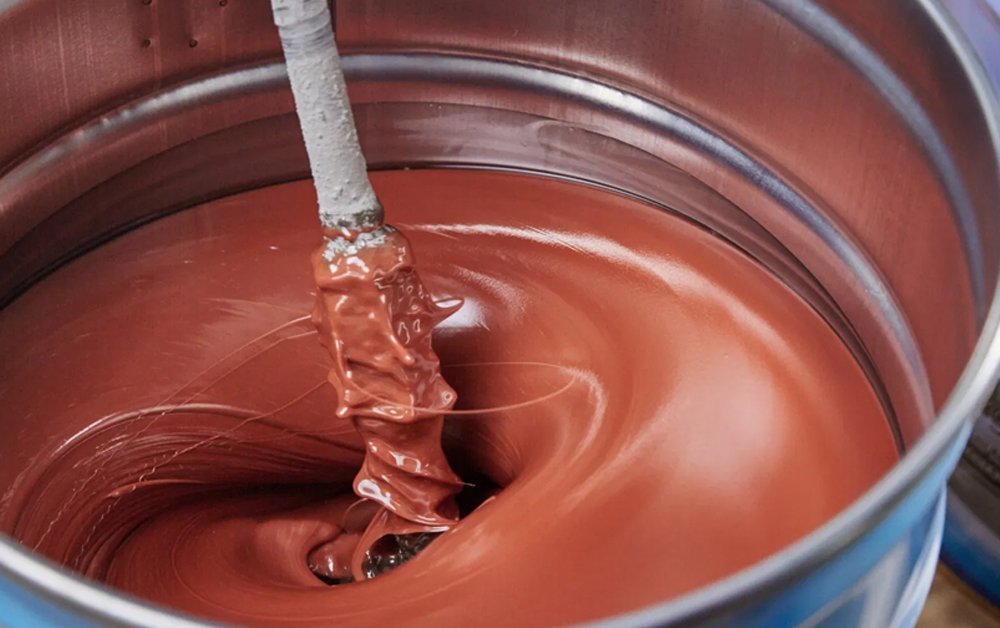
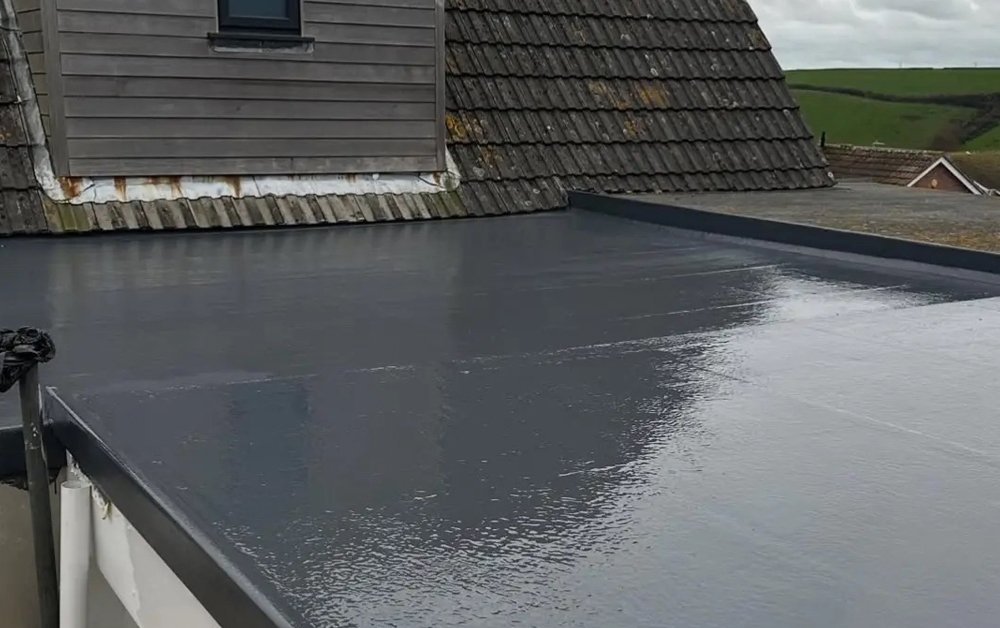
1. Understanding the Fundamental Difference: It Starts with the Curing Mechanism
The most important difference between single-component and two-component polyurethane coatings is not packaging. It is how the material cures and forms its waterproof film.
How Two-component Polyurethane Coatings Cure:
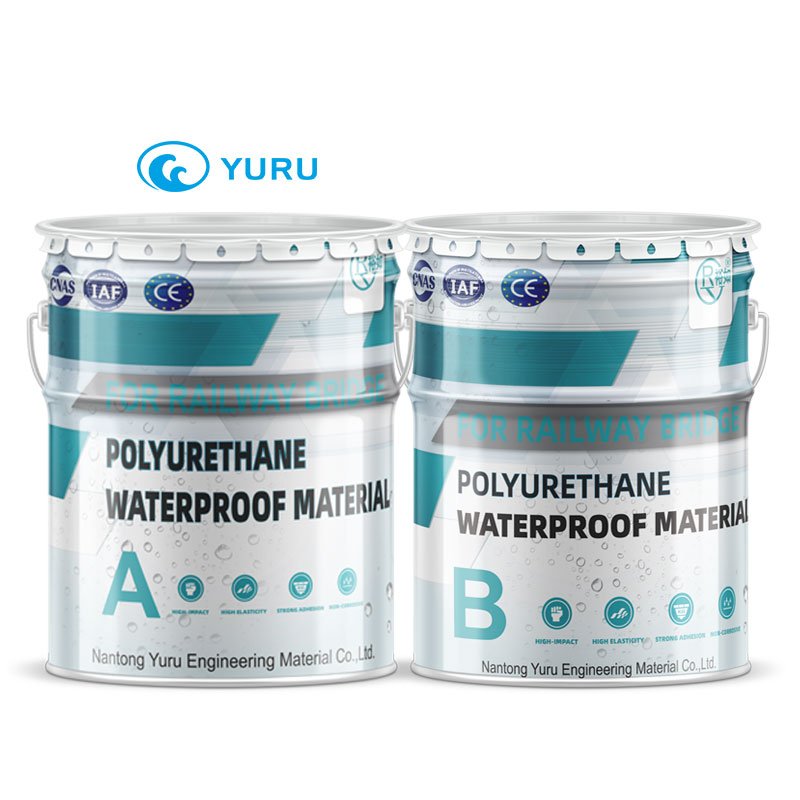
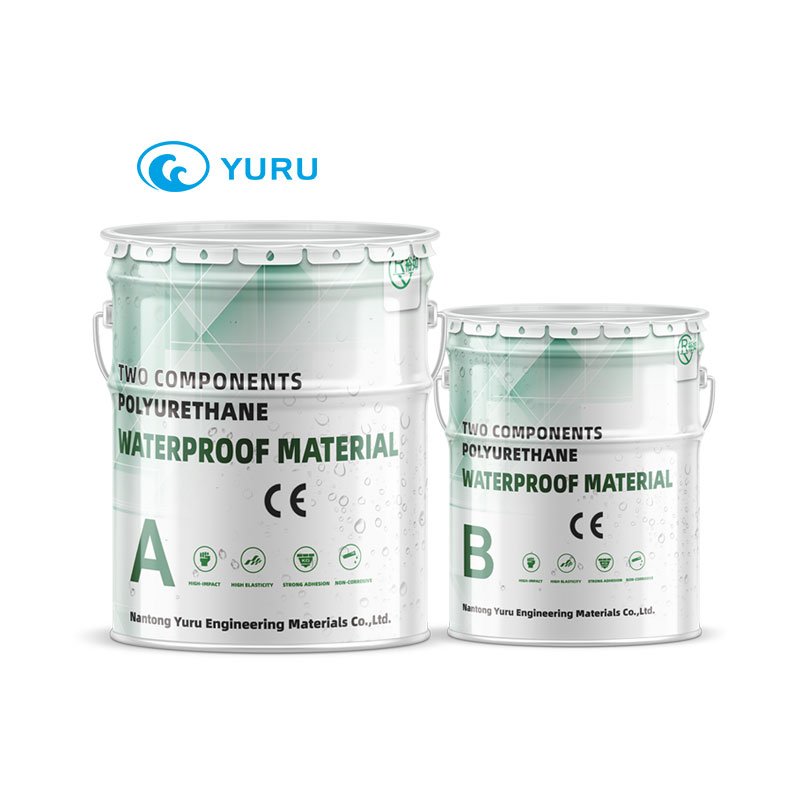
Two-component polyurethane coatings consist of:
- Component A: Polyol blend with fillers and additives
- Component B: Isocyanate curing agent
Once mixed at a defined ratio, a chemical reaction begins immediately.
This offers several engineering advantages:
- Predictable curing speed.
- Uniform cross-linking throughout the film.
- Stable mechanical properties regardless of humidity.
As long as the ratio is correct and mixing is thorough, the film quality is consistent.
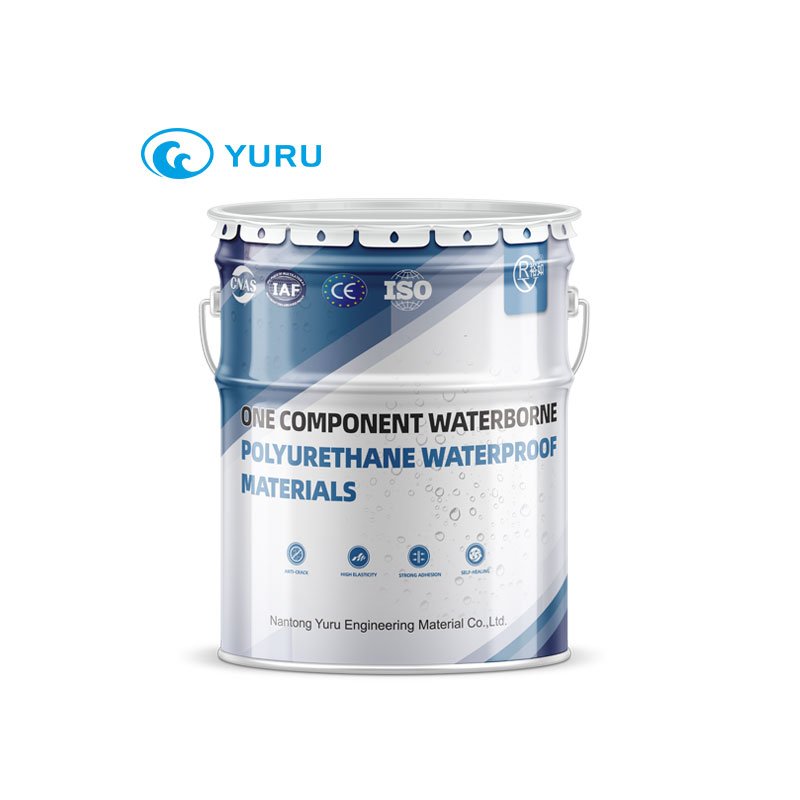
How Single-component Polyurethane Coatings Cure:
Single-component polyurethane coatings rely on moisture in the air or substrate to trigger curing.
This means:
- High humidity accelerates curing.
- Dry conditions slow it dramatically.
- Film formation depends on external variables.
In ideal climates, this system performs well. In unstable environments, performance becomes unpredictable.
Why This Difference Matters on Site:
In laboratory conditions, both systems can meet standards. On construction sites, conditions are rarely ideal.
Temperature swings, wind, concrete moisture variation, and seasonal humidity all affect curing behavior.
This is why curing mechanism should be the first decision factor.
2. Waterproofing Reliability: Structural Protection vs Surface Sealing
Not all waterproofing serves the same purpose. Some systems aim to block water temporarily. Others are designed to protect the structure itself.
Structural Waterproofing Requires Predictability
Structural waterproofing systems must:
- Resist long-term hydrostatic pressure.
- Remain stable under micro-movement.
- Maintain adhesion within concrete pores.
Two-component polyurethane coatings are commonly selected for:
- Basement slabs and walls
- Foundation retaining structures
- Podium decks beneath finishes
Their dense, chemically cured film forms a continuous barrier with minimal porosity.
Surface Waterproofing Has Different Priorities
Single-component polyurethane coatings are often applied where:
- Water pressure is low or intermittent
- Access for maintenance is possible
- Application speed matters
Typical uses include:
- Residential balconies
- Lightweight roofs
- Repair overlays
They can perform well when used within their design limits.
The Real Risk: Using the Right Product in the Wrong Role
Many failures occur not because the product is poor, but because:
- A surface-grade system is used for structural waterproofing.
- Moisture-dependent curing is specified in uncontrolled environments.
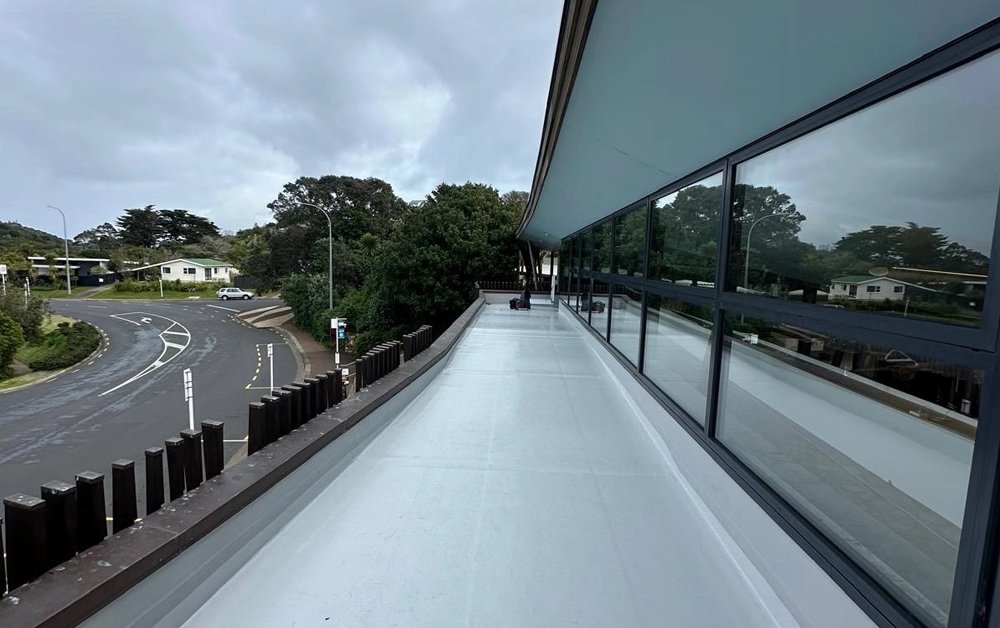
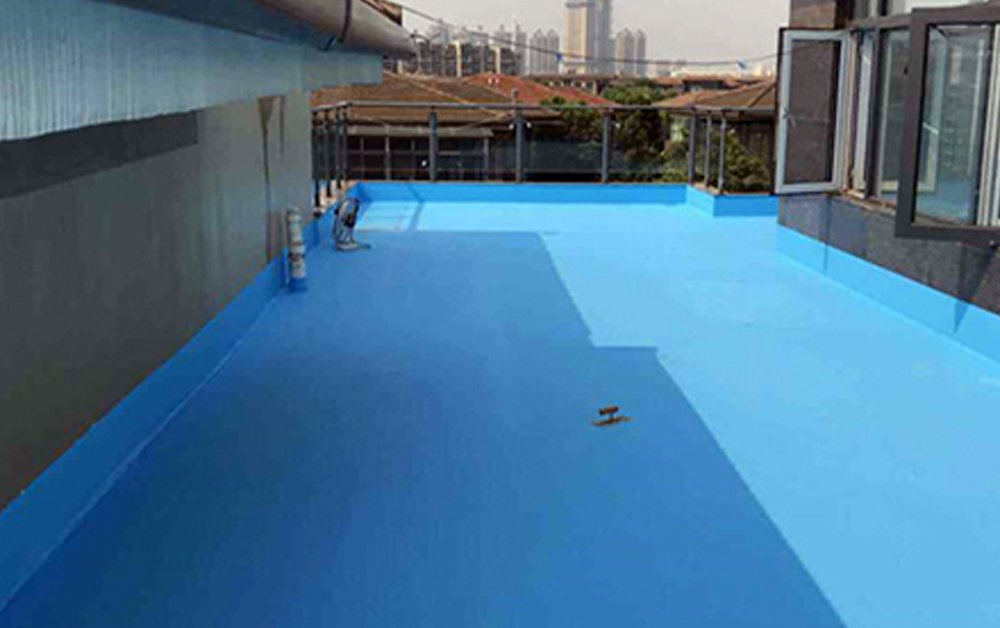
3. What Contractors Experience on Site?
Construction reality often differs from technical datasheets.
Mixing vs Moisture Dependence
Two-component systems require:
- Accurate mixing ratios
- Mechanical mixing equipment
- Trained applicators
Single-component systems eliminate mixing—but introduce dependence on:
- Air humidity
- Substrate moisture
- Weather stability
Pot Life vs Open Time
Two-component polyurethane coatings have a defined pot life. This demands discipline—but ensures consistency.
Single-component coatings may remain tacky longer in dry conditions, increasing:
- Dust contamination
- Incomplete curing
- Uneven film thickness
Which System Is More Forgiving?
“Ease of application” is often misunderstood.
Two-component systems are less forgiving of poor mixing, but more forgiving of environmental variation. Single-component systems are easy to apply, but less tolerant of climate instability.
4. Exposure Considerations: Why Two-component PU Is Rarely Left Exposed?
One common misconception is that stronger coatings should always be left exposed.
This is not true.
UV Resistance Is Not the Same as Structural Strength
Two-component polyurethane coatings are optimized for:
- Mechanical performance
- Chemical resistance
- Structural waterproofing
They are not designed for long-term UV exposure without protection.
Prolonged exposure may cause:
- Surface chalking
- Color change
- Reduced elasticity over time
Recommended Practice
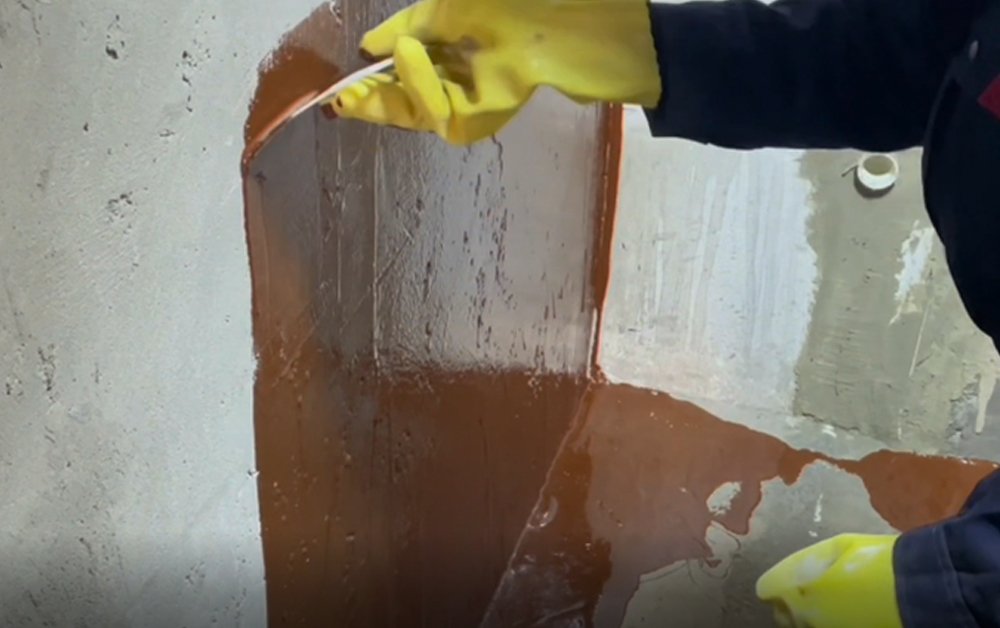
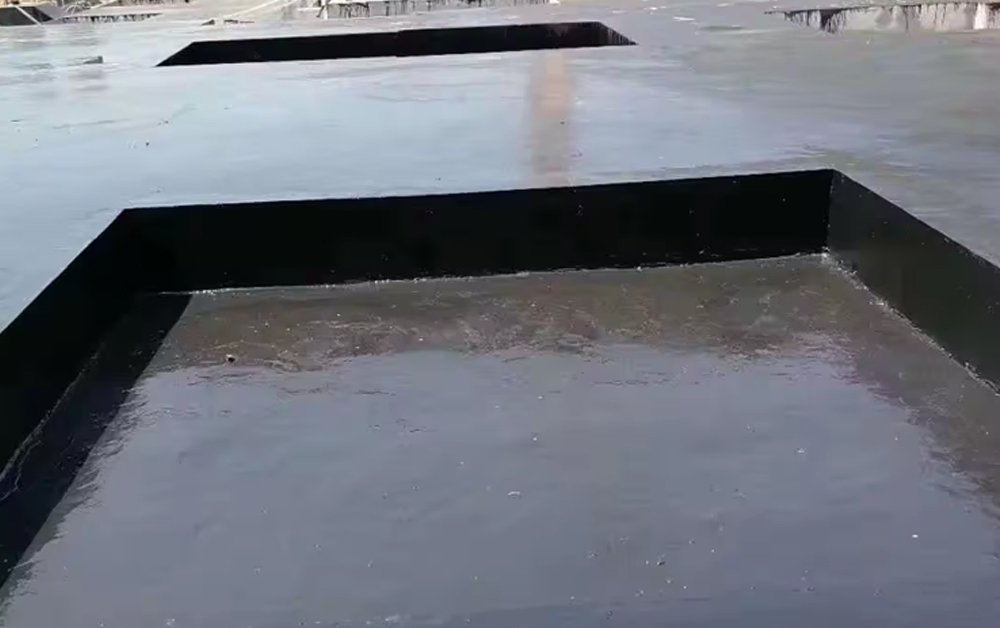
In professional systems, two-component PU coatings are usually:
- Covered with protective screeds
- Installed beneath tiles
- Combined with wear layers
Single-component PU coatings, by contrast, are sometimes formulated for exposed use, but at the cost of structural robustness.
5. Choosing the Right System by Application Scenario
Basements and Foundations
- Best choice: Two-component polyurethane
- Reason: Predictable curing, high adhesion, long-term resistance
Bathrooms and Kitchens
- Both systems can work.
- Decision factors include contractor skill, ventilation, and protection layers.
Roofs and Balconies
- Exposed systems: Specialized single-component PU
- Under-tile systems: Two-component PU with protection layer
Industrial Floors and Podiums
Two-component systems dominate due to load-bearing and durability requirements.
6. Procurement Perspective: Why Material Price Is a Poor Decision Metric?
Initial material cost rarely reflects total project cost.
Hidden Costs of Improper Selection
- Rework due to incomplete curing.
- Delamination caused by moisture sensitivity.
- Schedule delays from weather dependency.
Lifecycle Thinking
Two-component systems often cost more upfront. They frequently cost less over the project lifespan.
Procurement decisions should consider:
- Failure risk
- Maintenance frequency
- Warranty responsibility
7. How YURU Waterproof Approaches System Selection?
At YURU Waterproof, we do not promote a single solution.
We provide:
- Single-component and two-component polyurethane coatings.
- Technical selection guidance based on structure and climate.
- Project-specific system recommendations.
In many projects, hybrid strategies are used:
- Two-component PU for structural layers
- Single-component systems for exposed detailing
This approach reduces risk and improves long-term performance.
FAQs:
1. Is two-component polyurethane always stronger?
Not always. It is more stable for structural waterproofing, but not always suitable for exposure.
2. Can single-component PU be used underground?
Only in limited, low-risk conditions. It is generally not recommended for high water pressure environments.
3. Why does curing fail in winter?
Moisture-dependent systems struggle in cold, dry air.
4. Can two-component PU be left exposed?
Not recommended without UV protection.
5. Which system lasts longer?
Longevity depends more on correct application and system design than on component count.
Conclusion:
The real question isn’t which polyurethane coating is better.
It’s which coating is best suited to your structure, environment, and construction conditions.
The right choice prevents failure. A blind choice leads to failure.
Contact YURU Waterproof for professional system selection advice, technical data, and project-specific recommendations.
YURU Product solutions