Best Chemical Grouting Material for Tunnels | YURU
Introduction:
Tunnel projects operate in one of the most unforgiving construction environments.
Surface waterproofing systems alone cannot solve internal seepage, water ingress through cracks. That is why chemical grouting materials have become a core technology in tunnel construction. Selecting the wrong resin can lead to recurring leaks, structural damage, and costly rework.
This guide will introduce how to select the best chemical grouting material for tunnels and how Yuru Waterproof supports tunnel projects through systematic grouting solutions.
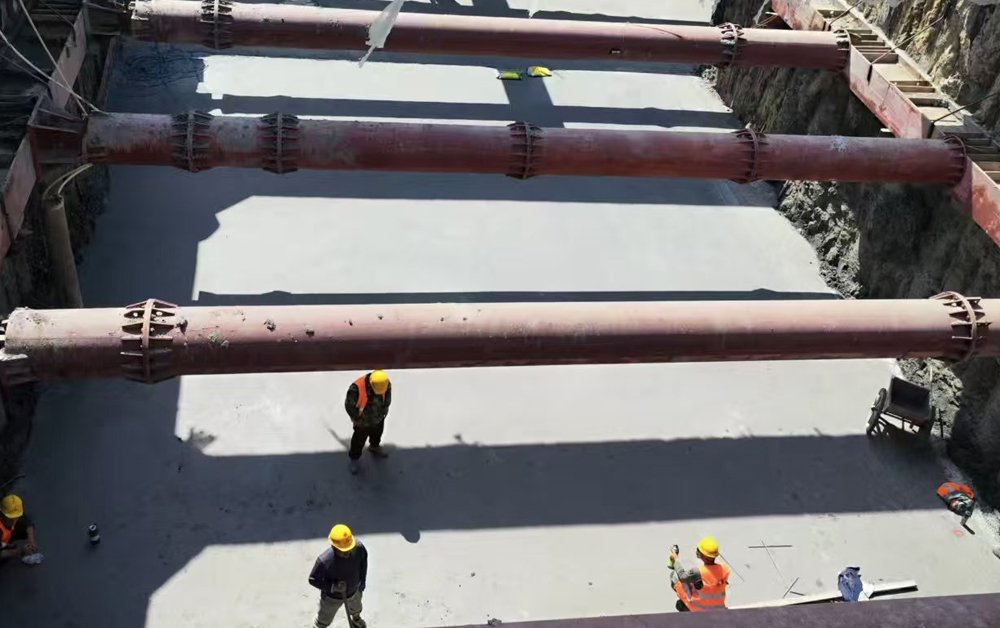
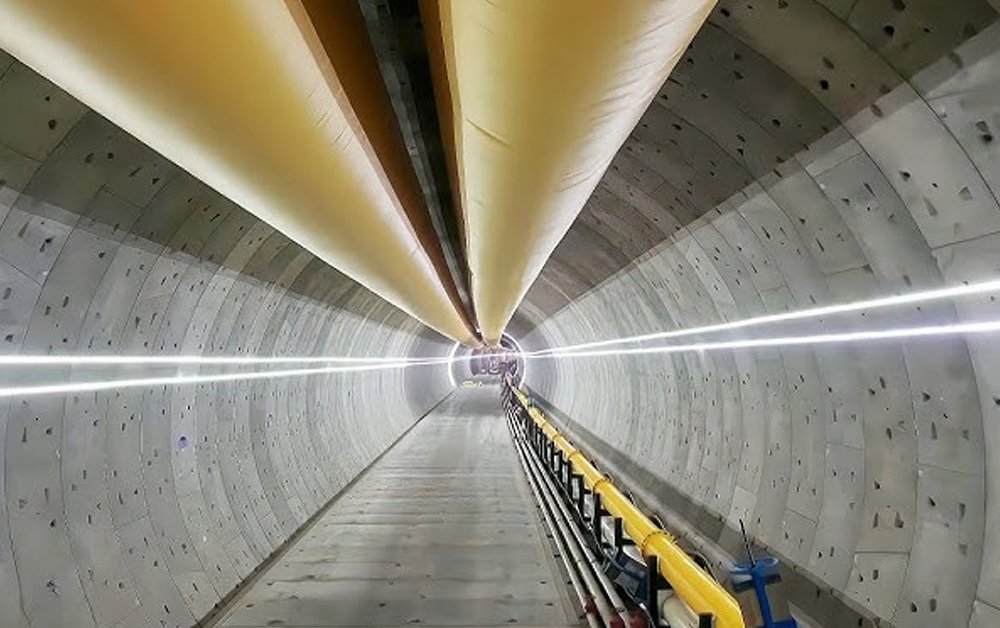
1. Why Tunnels Require Chemical Grouting Systems?
1.1 Common Water and Ground Problems in Tunnels
Most tunnel projects encounter at least one of the following issues:
- Continuous groundwater seepage through lining cracks.
- Sudden high-pressure water inflow during excavation.
- Weak or fractured surrounding rock
- Settlement risks in soft ground tunnels.
- Leakage at construction joints, deformation joints, or cold joints.
These problems cannot be permanently solved with surface coatings or mechanical sealing alone.
1.2 Limitations of Traditional Waterproofing Methods
Traditional membranes or cementitious materials face clear limitations:
- They cannot penetrate micro-cracks or porous strata.
- They do not address internal water paths.
- They often fail under hydrostatic pressure.
- Repairs usually require repeated intervention.
Chemical grouting materials work inside the structure or soil, forming a waterproof and reinforcing barrier at the source of the problem.
2. Key Performance Indicators for Tunnel Grouting Materials
2.1 Water Stopping Capability
The material must withstand:
- Constant hydrostatic pressure
- Sudden water surges
- Long-term immersion
A grouting resin that stops water temporarily but degrades over time is not acceptable in tunnels.
2.2 Penetration Ability
Fine cracks and micro-voids are common in tunnel linings and surrounding ground.
Effective materials must:
- Have low initial viscosity
- Flow into hairline cracks and pores
- React after penetration, not before
2.3 Durability in Wet Environments
Tunnel grouting materials must remain stable under:
- Continuous water exposure
- Wet-dry cycles
- Chemical attack from groundwater
2.4 Flexibility and Deformation Tolerance
Tunnels experience:
- Ground movement
- Temperature changes
- Structural micro-deformation
Rigid materials may crack again after curing.
2.5 Construction Controllability
From a contractor’s perspective, the material should offer:
- Adjustable reaction time
- Predictable expansion behavior
- Compatibility with standard grouting pumps
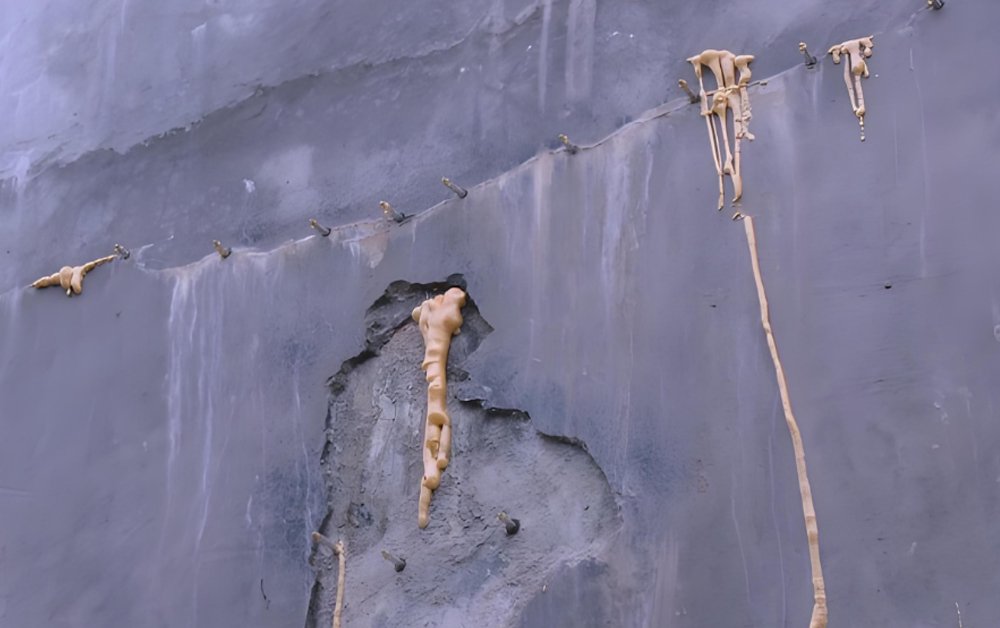
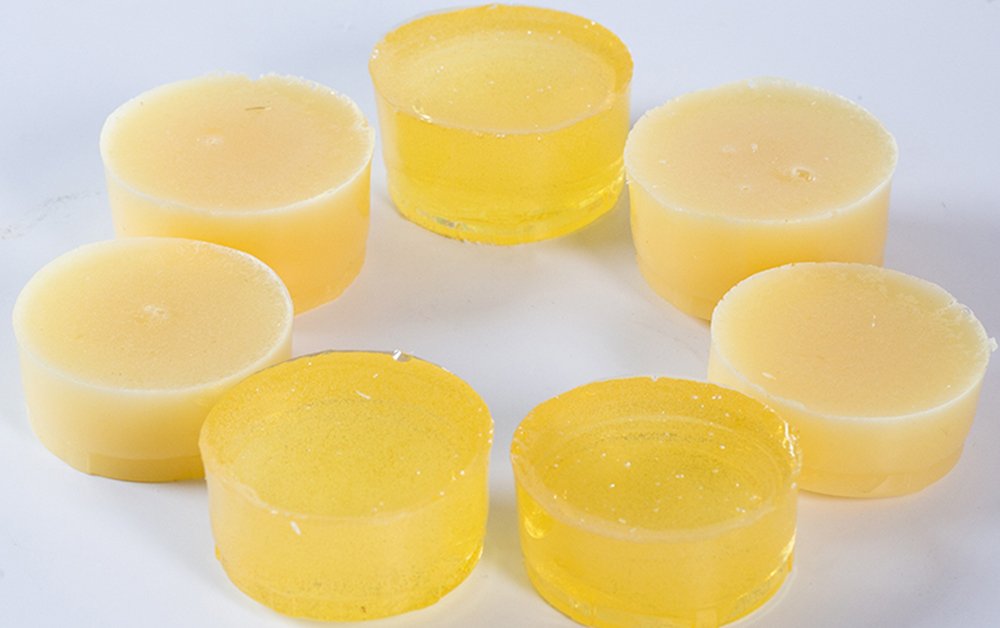
3. Overview of Chemical Grouting Materials Used in Tunnels
3.1 Polyurethane (PU) Grouting Materials
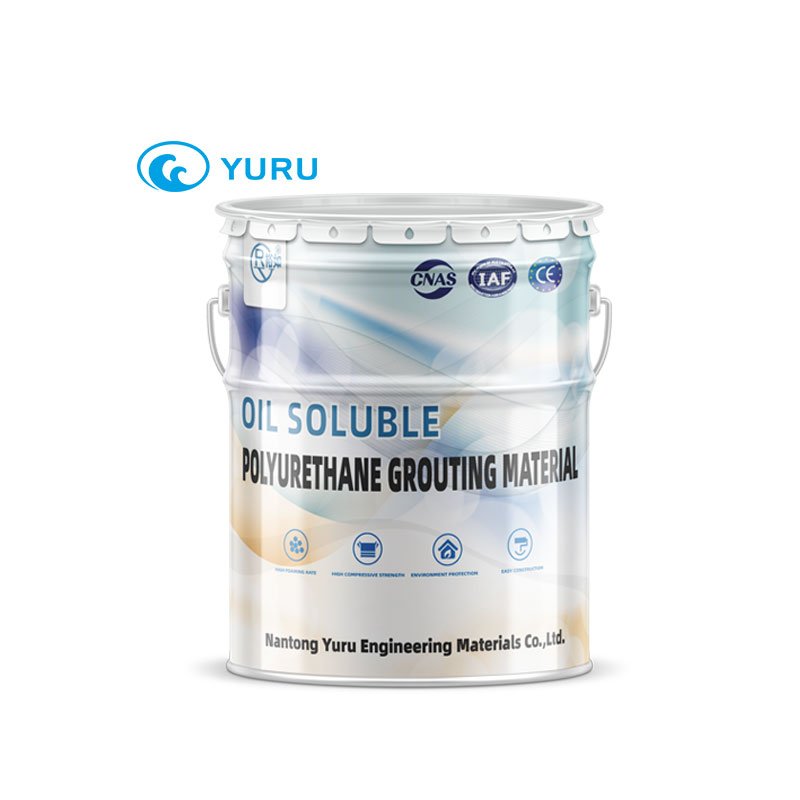
Hydrophobic PU Grout
- Reacts rapidly upon contact with water
- Expands and foams to block flowing water
- Ideal for emergency leak stopping
Typical applications:
- Sudden water inflow
- Active leakage points
- High-pressure cracks
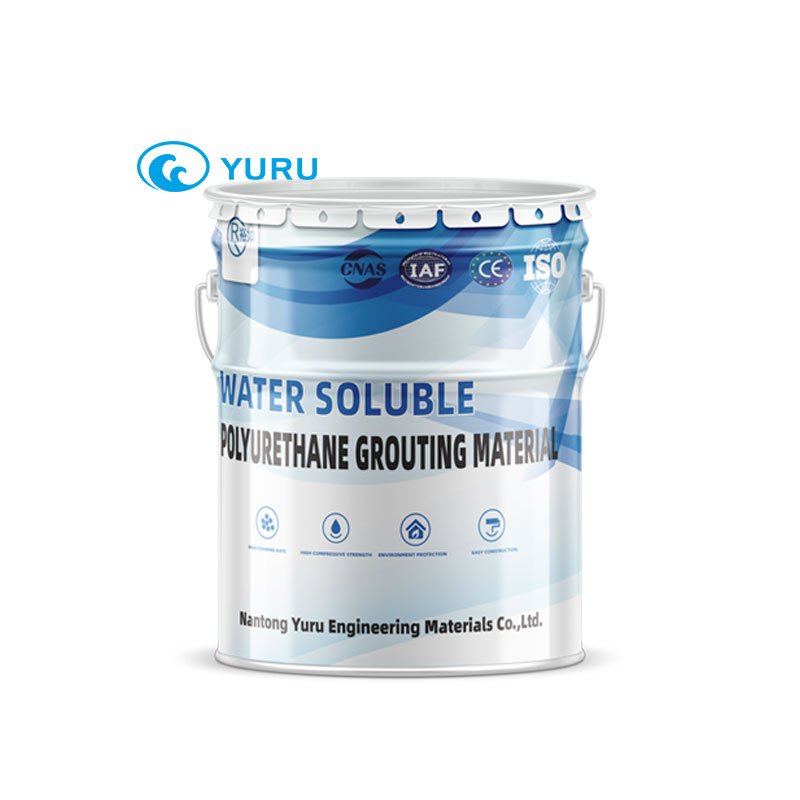
Hydrophilic PU Grout
- Reacts with water to form elastic gel
- Lower expansion
- Maintains flexibility after curing
Typical applications:
- Long-term seepage control
- Moving cracks
- Deformation joints
3.2 Acrylate Grouting Materials
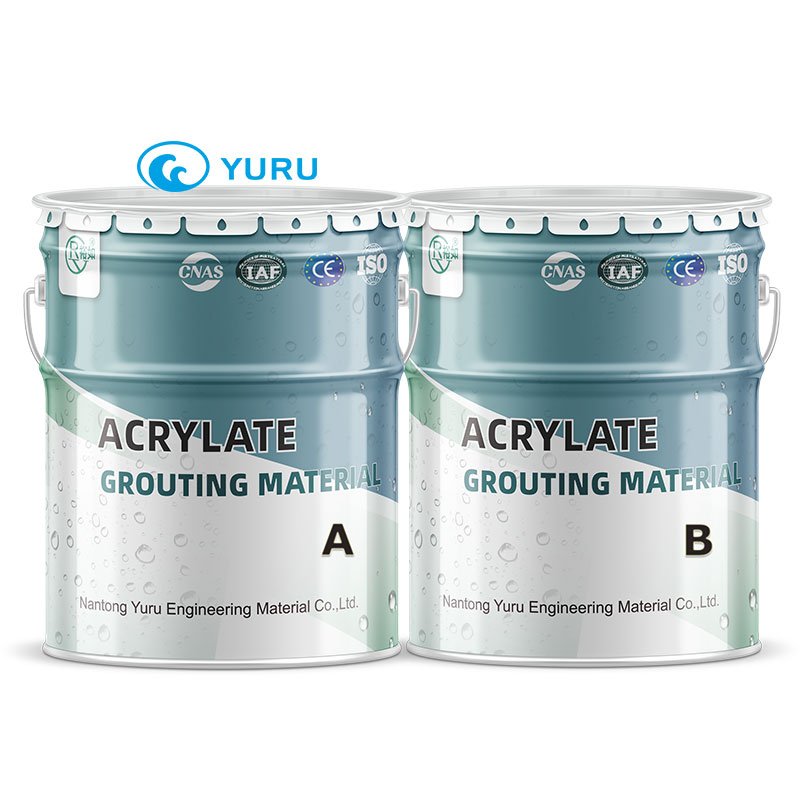
Acrylate grouts are known for their extremely low viscosity, close to water.
Key characteristics:
- Excellent penetration into fine soils and micro-cracks
- Adjustable gel time
- Forms flexible, waterproof gel
Typical tunnel applications:
- Curtain grouting
- Pre-grouting in water-bearing ground
- Large-area seepage control
3.3 Epoxy Resin Grouting Materials
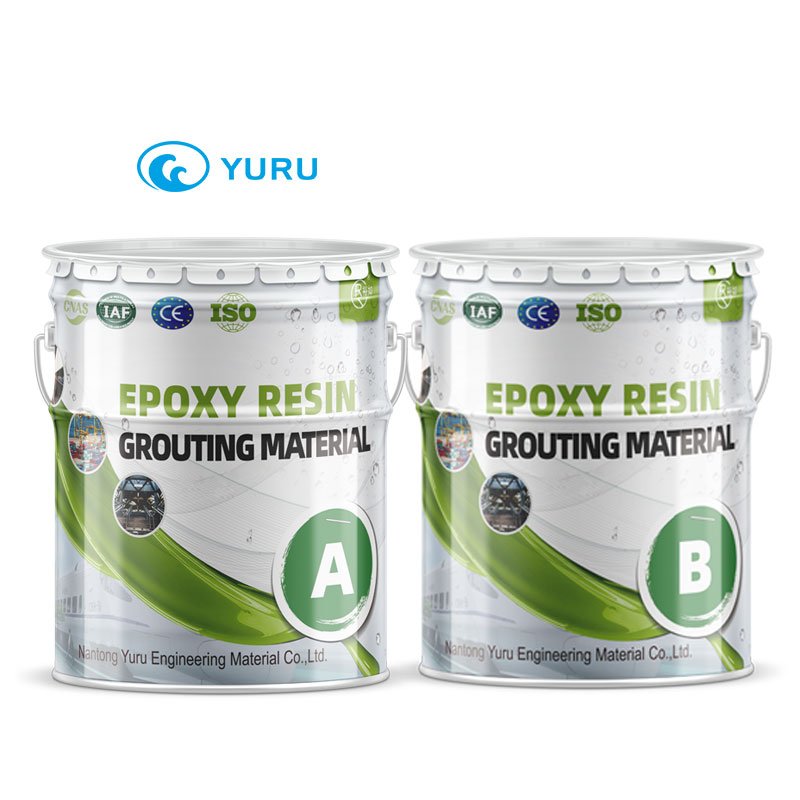
Epoxy grouts focus on structural reinforcement rather than water stopping alone.
Key characteristics:
- High compressive and tensile strength
- Strong adhesion to concrete
- Minimal flexibility
Typical tunnel applications:
- Structural crack repair
- Load-bearing lining reinforcement
- Dry or low-moisture cracks
3.4 Polyurea Grouting Materials
Polyurea grouting is used in high-performance tunnel projects.
Key characteristics:
- Fast reaction
- High elasticity
- Excellent chemical resistance
Typical tunnel applications:
- High-durability waterproofing
- Aggressive groundwater environments
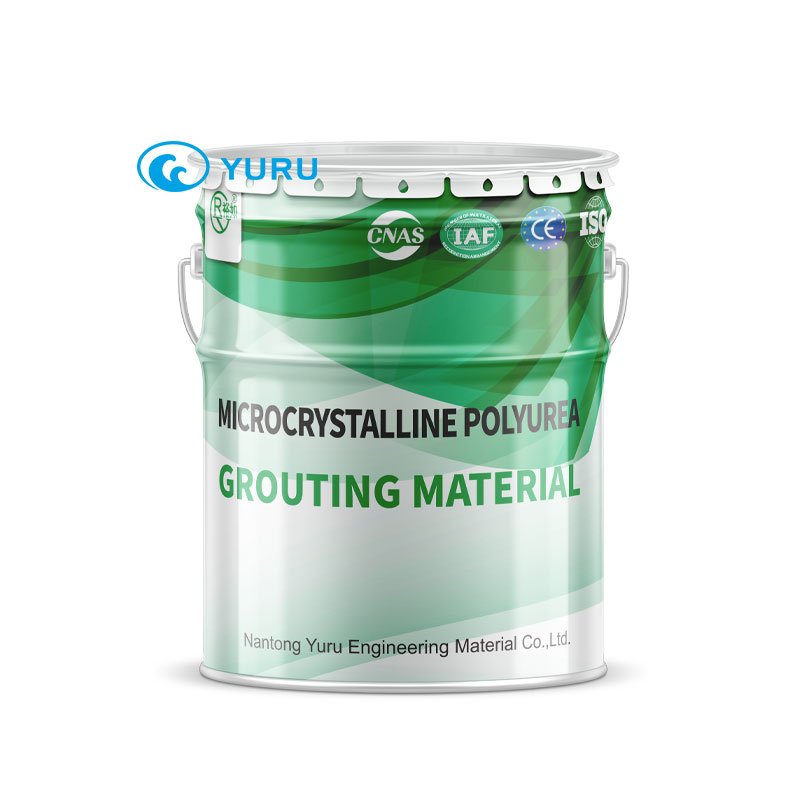
3.5 Microcrystalline Polyurea Grouting Materials
Microcrystalline polyurea is an advanced formulation developed for extreme durability.
Key characteristics:
- Dense micro-crystal structure
- Superior long-term stability
- Enhanced resistance to hydrolysis
Typical tunnel applications:
- Long-life infrastructure tunnels
- Metro and railway tunnels
- Critical underground facilities
4. Matching Tunnel Problems with the Right Grouting Solution
4.1 High-Pressure Water Inrush
Recommended solution:
- Hydrophobic PU grout for rapid sealing
- Followed by hydrophilic PU for long-term sealing
4.2 Continuous Seepage Through Cracks
Recommended solution:
- Hydrophilic PU grout
- Acrylate grout for fine crack networks
4.3 Groundwater Curtain or Soil Stabilization
Recommended solution:
- Acrylate grouting systems
- Low viscosity formulations
4.4 Structural Crack Repair
Recommended solution:
- Epoxy resin grouting
4.5 High-Durability Tunnel Waterproofing
Recommended solution:
- Polyurea or microcrystalline polyurea systems
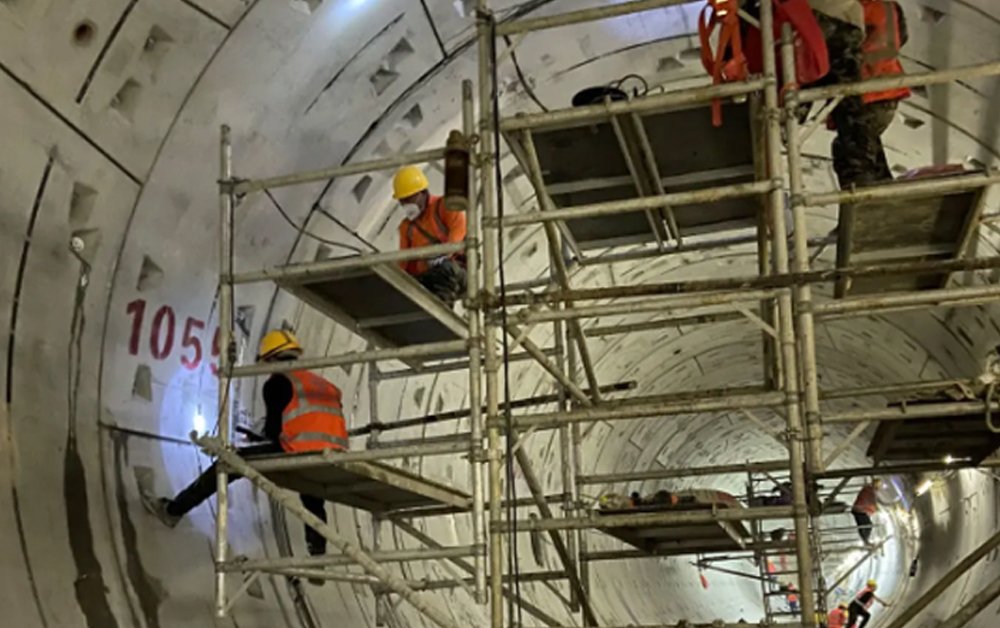
5. What Separates a Reliable Tunnel Grouting Manufacturer from a Material Trader?
Many suppliers sell grouting materials. Few truly understand tunnel engineering.
A reliable manufacturer should offer:
- Multiple resin systems, not a single product
- Clear technical parameters and test data
- Field experience in tunnel projects
- Pre-project technical consultation
- On-site or remote technical support
Tunnel projects require engineering partnership, not just material delivery.
6. YURU Waterproof: Integrated Chemical Grouting Solutions for Tunnels
YURU Waterproof provides a complete tunnel grouting material portfolio, including:
- Hydrophobic PU grouting materials
- Hydrophilic PU grouting materials
- Acrylate grouting materials
- Epoxy resin grouting materials
- Polyurea and microcrystalline polyurea grouting materials
6.1 System-Based Engineering Support
YURU does not promote a single “one-size-fits-all” material.
Instead, we help engineers:
- Analyze tunnel conditions
- Select appropriate grouting combinations
- Optimize construction procedures
6.2 Proven Tunnel Applications
YURU materials have been applied in:
- Metro tunnels
- Highway tunnels
- Railway tunnels
- Utility tunnels
- Underground stations
Across different geological and groundwater conditions.
7. How to Choose the Best Chemical Grouting Material for Your Tunnel Project?
When selecting grouting materials, always start with:
- Water condition (pressure, volume, continuity)
- Crack size and distribution
- Ground type and stability
- Required service life
- Construction constraints
Correct selection reduces:
- Rework
- Maintenance costs
- Operational risk
FAQs:
1. Is polyurethane grout suitable for permanent tunnel waterproofing?
Yes, when properly selected. Hydrophilic PU is commonly used for long-term sealing, often combined with hydrophobic PU for initial water control.
2. When should acrylate grouting be used in tunnels?
Acrylate grout is ideal for curtain grouting, fine crack networks, and soil stabilization where penetration is critical.
3. Can epoxy grout stop water leaks in tunnels?
Epoxy is best for structural cracks under dry or low-moisture conditions. It is not ideal for active water leakage.
4. What is the advantage of microcrystalline polyurea grout?
It offers superior durability and chemical resistance for long-life tunnel infrastructure.
5. Does YURU provide technical support for tunnel projects?
Yes. YURU supports material selection, testing, and application guidance.
Conclusion:
In tunnel engineering, the cost of choosing the wrong grouting material is never just material cost, it is long-term risk.
If you are planning or repairing a tunnel project and need:
- Reliable water control
- Stable ground reinforcement
- Long-term performance
Contact YURU Waterproof to receive professional chemical grouting material recommendations, and project-specific solutions tailored to your tunnel conditions.


YURU Product solutions