Which Chemical Is Best for Grouting?
Overview:
In modern construction and underground engineering, chemical grouting materials are widely used in deep rock reinforcement, micro-fracture sealing, and rapid grouting for water plugging, ranging from small commercial buildings to large-scale infrastructure projects.
However, engineers often encounter a question before construction:
Which chemical is best for grouting?
For optimal results, the best chemical grouting material needs to be selected based on the actual conditions.
This article describes the main types of chemical grouting materials and provides a simple comparison to help you determine which material is best for your project.


What Is Chemical Grouting and Why Is It Used?
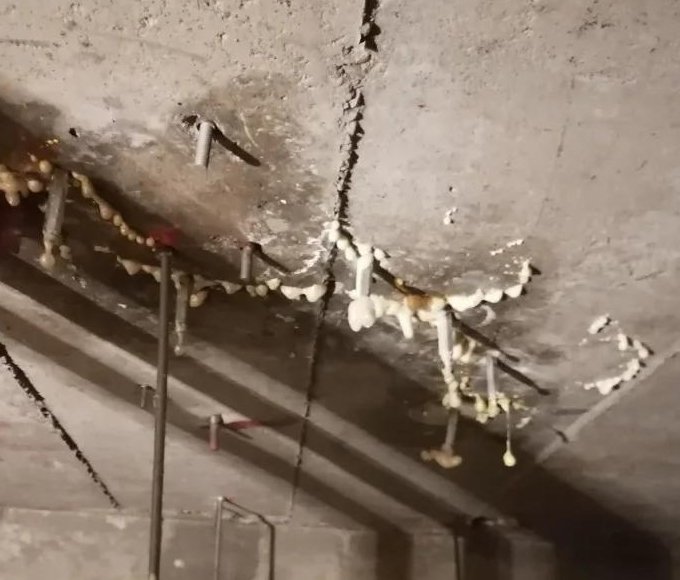
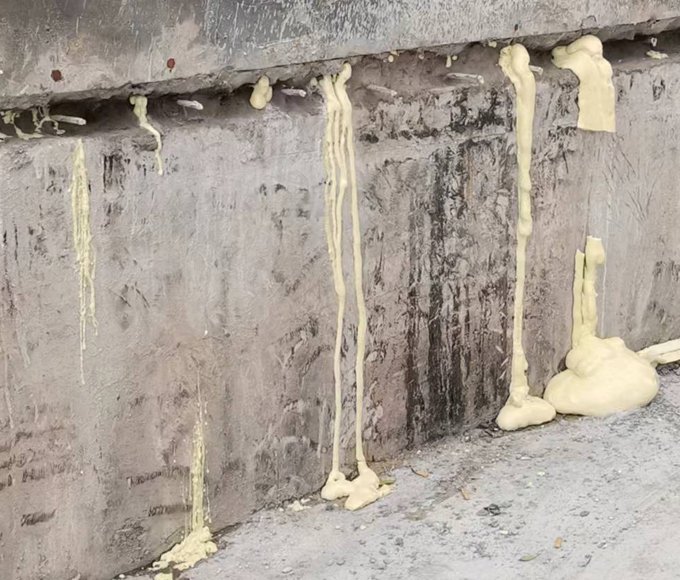
Chemical grouting is a technique that injects a low-viscosity liquid material into cracks, joints, voids, or soil. After injection, the material reacts and solidifies, providing deep rock reinforcement, sealing micro-cracks, stabilizing soil, and rapid water stopping.
Unlike cement grouting, chemical grouting materials are typically:
- Lower in viscosity
- Faster in reaction time
- Capable of penetrating fine cracks
- Suitable for water-bearing environments
Common Applications:
- Concrete crack repair
- Basement leakage sealing
- Tunnel and metro construction
- Soil stabilization
- Foundation underpinning
- Dam and reservoir waterproofing
Chemical grouting is especially valuable in underground construction where traditional repair methods are impractical.
Factors Determining the Best Grouting Chemical
Selecting the best grouting chemical requires evaluating several technical factors.
1. Presence of Water
- Is there active water flow?
- Is the environment dry or humid?
Some chemicals react with water, while others require dry conditions to react.
2. Crack Width
- Fine cracks require low-viscosity materials.
- Wider cracks may require structural strength resins.
3. Grouting Purpose
The goal is:
- Water stop?
- Waterproof sealing?
- Structural reinforcement?
- Soil consolidation?
Different chemicals are suitable for different purposes.
4. Curing Time
Some projects require rapid sealing for immediate waterproofing. Other projects allow for longer curing times for controlled reinforcement.
5. Environmental and Safety Considerations
Low-toxicity and environmentally compliant materials are increasingly valued, especially in municipal and infrastructure projects.
Types of Chemical Grouting Materials and Their Applications
1. Polyurethane Grouting Material
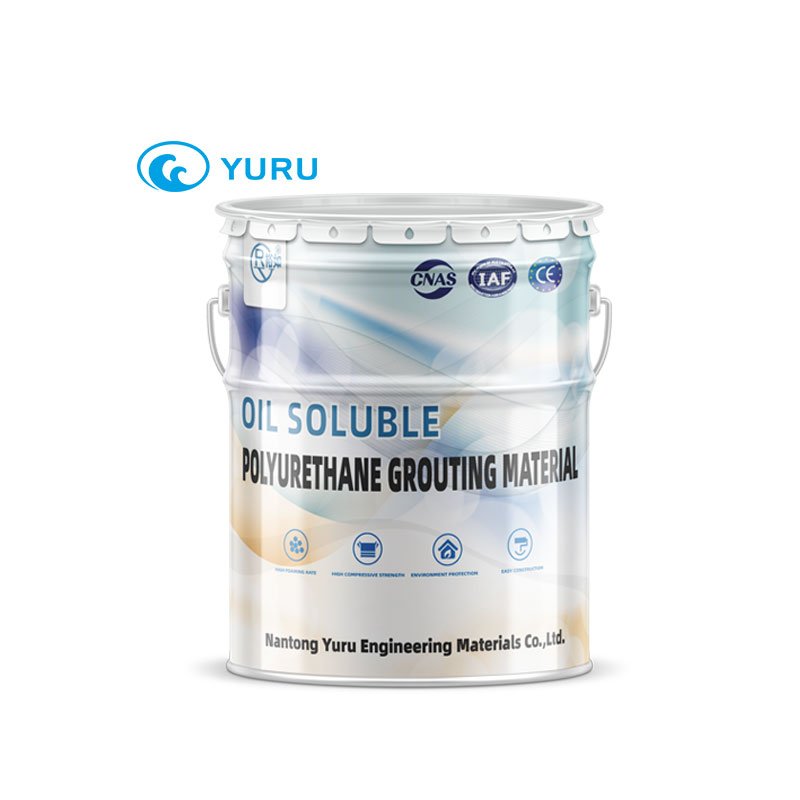
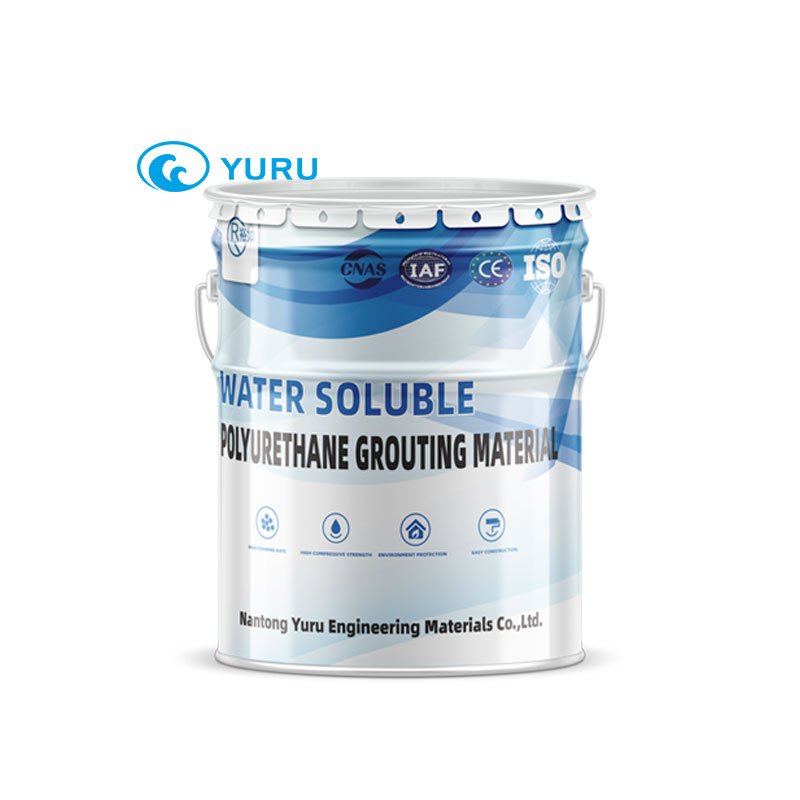
Polyurethane grouting materials are widely used for waterproofing and leak sealing. They are in two primary types:
Hydrophobic Polyurethane Injection
- Reacts with water
- Expands significantly
- Forms rigid foam
- Ideal for stopping active leaks
Best for:
- Basement leakage
- Tunnel seepage
- Dam crack sealing
Hydrophilic Polyurethane Injection
- Absorbs water
- Forms flexible gel
- Less expansion compared to hydrophobic types
Best for:
- Long-term waterproof sealing
- Areas requiring flexibility
Polyurethane grouts are highly versatile and perform well in wet environments.
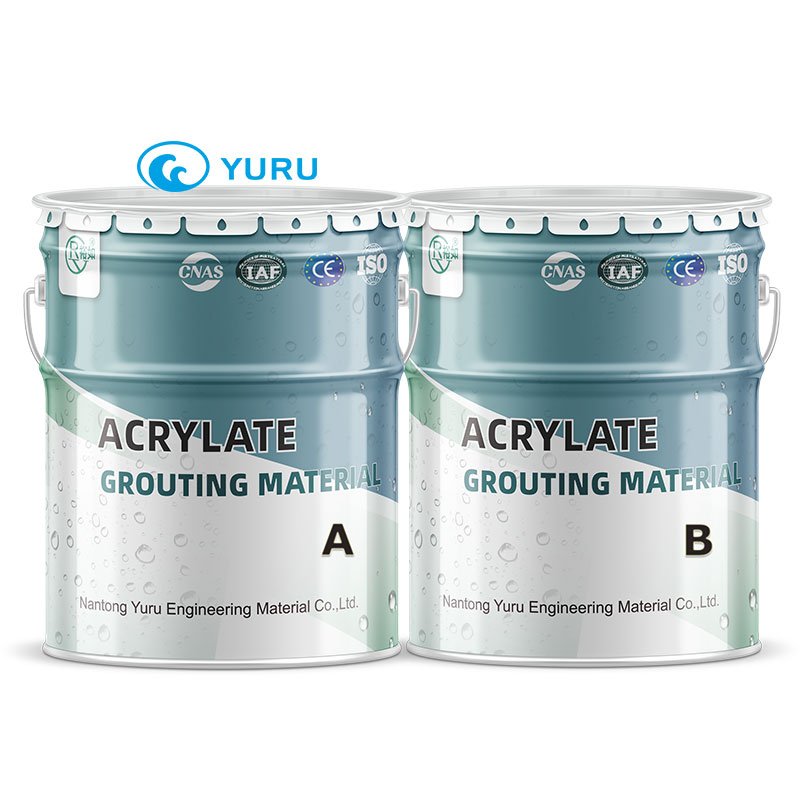
2. Acrylate Grouting Material
Acrylic grouts are extremely low-viscosity materials with excellent penetration capabilities.
Advantages:
- High permeability
- Adjustable gel time
- Effective for soil stabilization
- Long-term flexibility
Suit for:
- Soil sealing around tunnels
- Curtain grouting
- Foundation waterproofing
Acrylate grouts are often used where fine soil penetration is required.
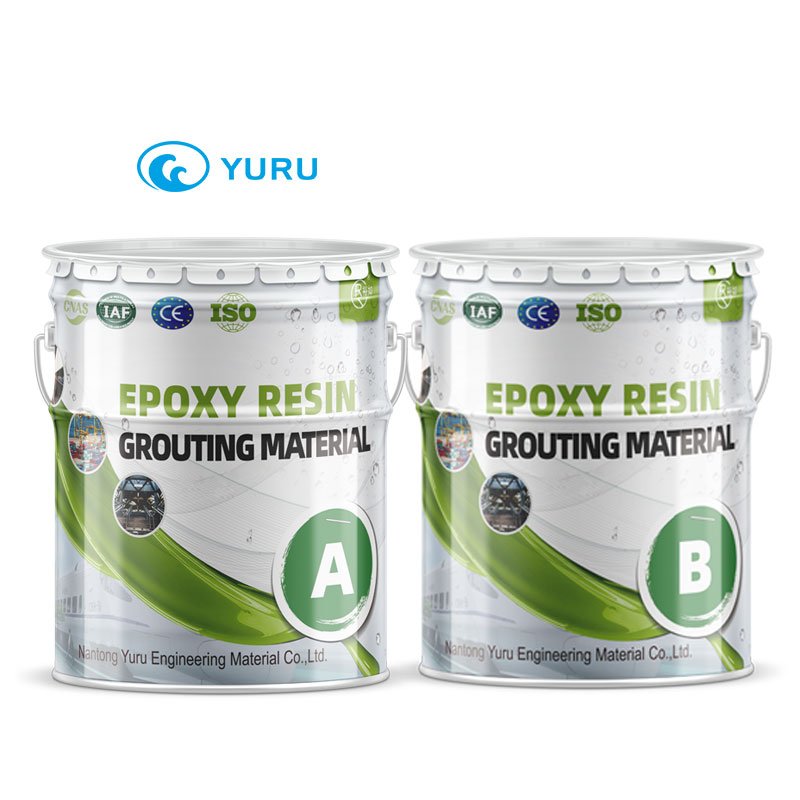
3. Epoxy Resin Grouting Material
Epoxy resins are known for high structural strength.
Advantages:
- High compressive strength
- Strong adhesion
- Excellent structural repair capability
Use for:
- Structural crack repair
- Load-bearing concrete reinforcement
- Dry crack injection
Epoxy is not suitable for active water leakage but excels in restoring structural integrity.
4. Polyurea Grouting Material
Polyurea grouts offer fast curing and high durability.
Feauters:
- Rapid reaction
- High tensile strength
- Excellent chemical resistance
- Durable in harsh environments
Best for:
- Infrastructure projects
- Industrial environments
- High-pressure water conditions
Polyurea grouting systems are often selected for demanding engineering projects.
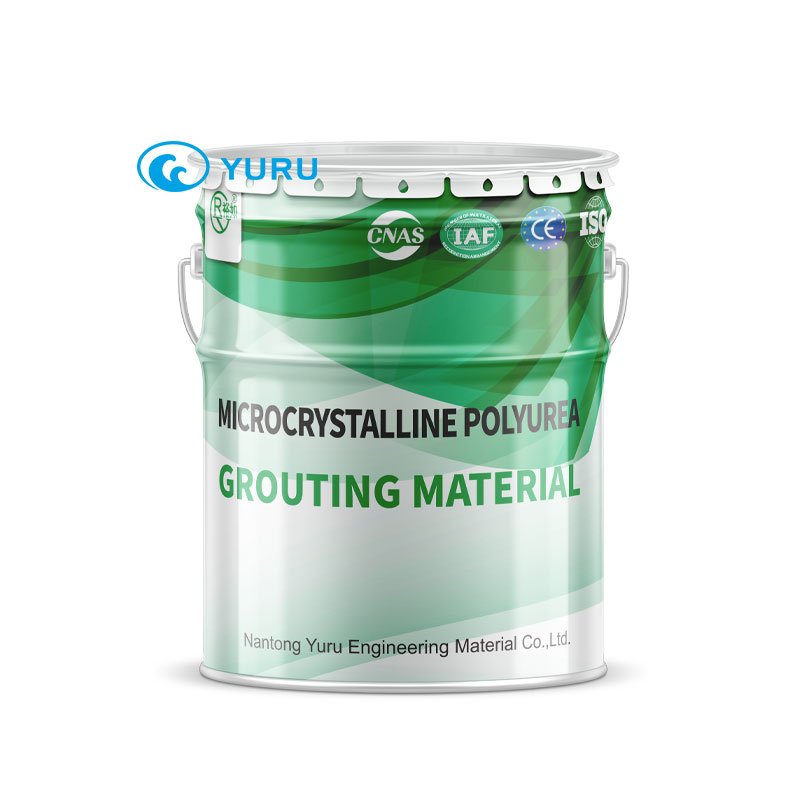
5. Microcrystalline Polyurea Grouting Material
Microcrystalline polyurea has enhanced density and sealing performance.
Advantages:
- Superior impermeability
- Enhanced durability
- Improved structural stability
Use for:
- High water pressure zones
- Municipal tunnels
- Long-term infrastructure protection
Polyurethane vs. Epoxy vs. Acrylate – Which Is Better?
Each material serves different purposes.
For Waterproofing Active Leaks
Polyurethane is most effective.
For Structural Reinforcement
Epoxy resin is preferred due to its strength.
For Soil Stabilization
Acrylate grouts are ideal because of their penetration capacity.
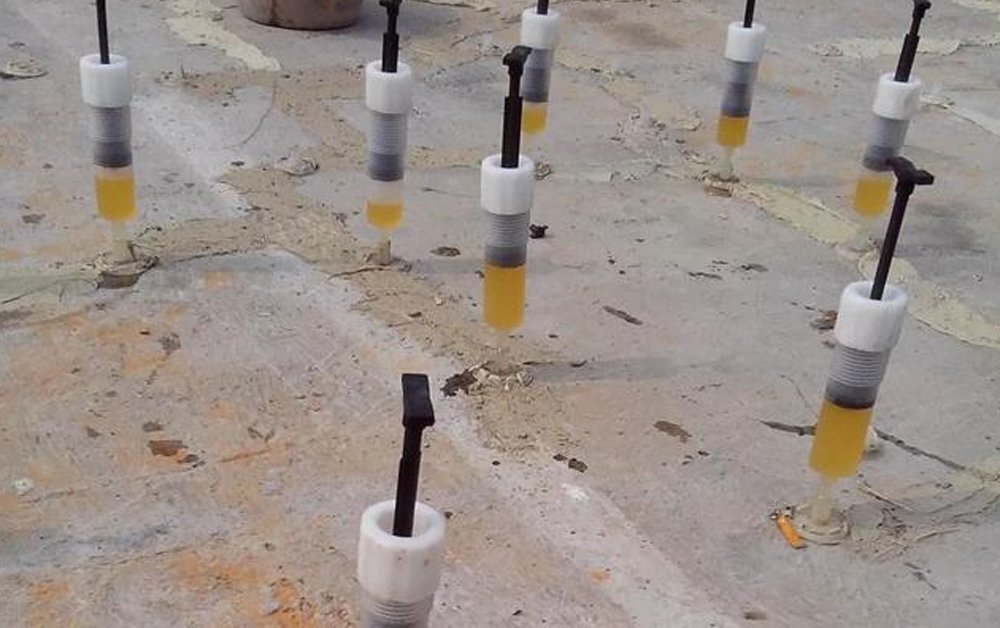
The best chemical depends on whether the primary goal is waterproofing, structural repair, or ground stabilization.

How Long Does Chemical Grouting Last?
Durability varies depending on material type and installation quality.
- Polyurethane: 10–20 years or more
- Epoxy: long-term structural durability
- Acrylate: durable when properly applied
- Polyurea: extended service life under harsh conditions
Factors affecting longevity:
- Quality of materials
- Proper injection technique
- Environmental conditions
- Water pressure
Professional application significantly improves lifespan.
Common Mistakes When Selecting Grouting Chemicals
- Choosing based solely on price.
- Ignoring water conditions.
- Using epoxy for active water leaks.
- Selecting high-viscosity materials for hairline cracks.
- Failing to test compatibility.
Proper assessment prevents costly failures.
How to Choose a Reliable Chemical Grouting Manufacturer?
Supplier selection is critical for project success.
Key criteria include:
- Stable production capacity
- Consistent product quality
- Certification compliance
- Engineering support services
- Customization capability
- Export experience
Reliable manufacturers provide technical guidance beyond material supply.
Why Choose YURU for Chemical Grouting Solutions?
YURU specializes in advanced grouting materials, including:
- Polyurethane grouting materials
- Acrylate grouting materials
- Epoxy resin grouting materials
- Polyurea grouting materials
- Microcrystalline polyurea grouting materials
Advantages of Working with YURU:
- Strict quality control systems
- Stable manufacturing capacity
- Technical consultation support
- Experience in tunnel and municipal projects
- OEM and customized product solutions
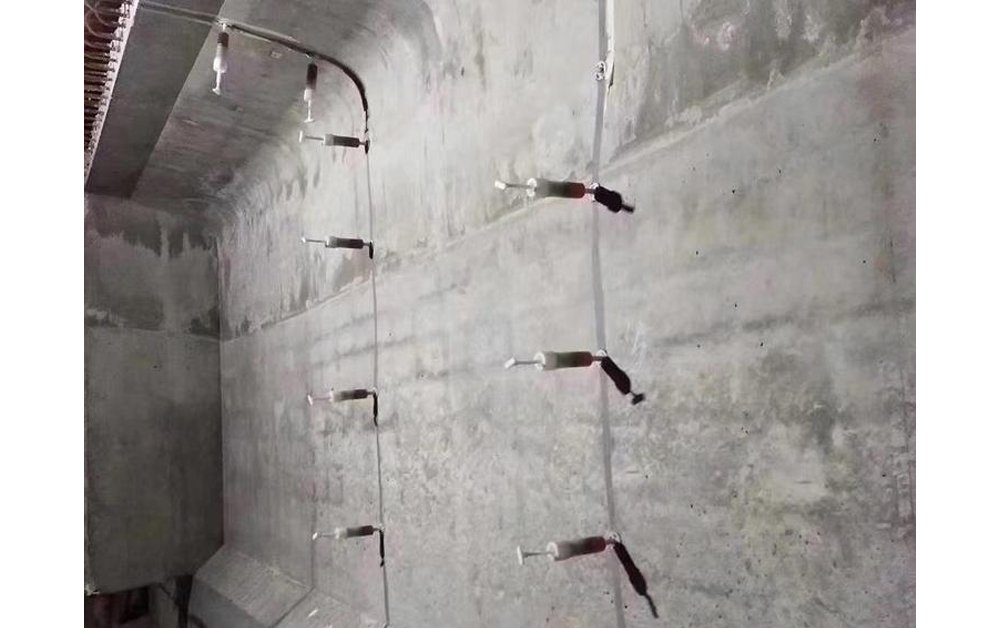
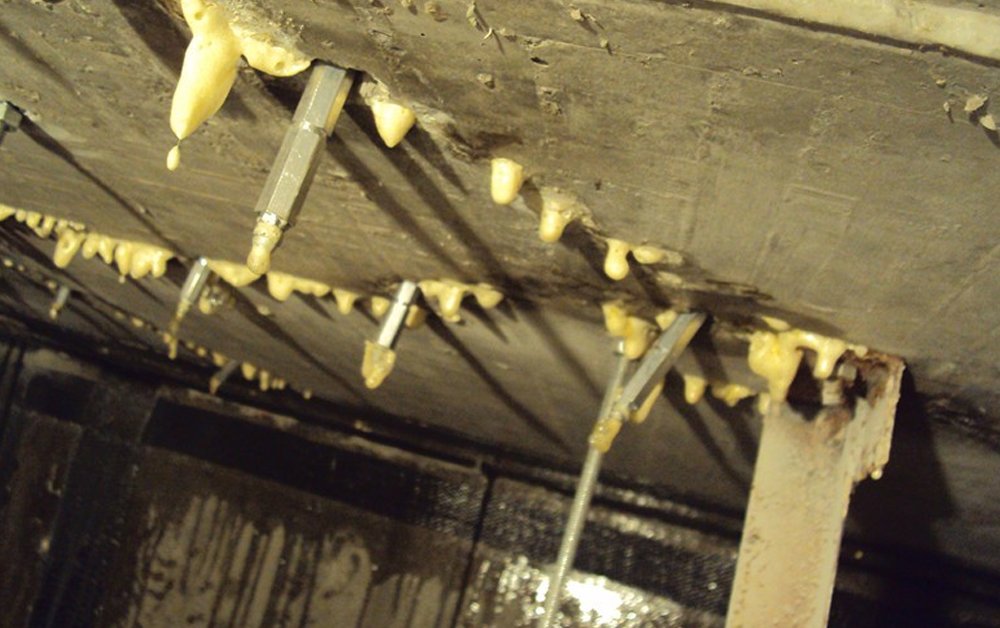
YURU serves contractors, municipal engineering companies, infrastructure developers, and international distributors seeking reliable long-term partners.
FAQs:
1. What is the best chemical grout for active water leaks?
Hydrophobic polyurethane grout is commonly used to stop active leaks because it reacts with water and expands to seal cracks.
2. Can epoxy grout stop water leakage?
Epoxy is primarily used for structural repair in dry conditions and is not recommended for active leaks.
3. Which grout is best for soil stabilization?
Acrylate grouting materials are widely used due to their low viscosity and high penetration ability.
4. How long does chemical grouting last?
When properly installed, chemical grouting can last 10–20 years or longer depending on environmental conditions.
5. Is polyurea grout suitable for infrastructure projects?
Yes, polyurea offers fast curing, high strength, and excellent durability for demanding engineering applications.
Conclusion: Which Chemical Is Best for Grouting?
The correct chemical grouting material depends on:
- Water presence
- Structural needs
- Soil conditions
- Project scale
- Durability expectations
For active leak sealing, polyurethane is highly effective, for structural repair, epoxy resin provides strength, for soil stabilization, acrylate grouts are ideal, for demanding infrastructure projects, polyurea and microcrystalline polyurea offer long-term durability.
If you are looking for dependable chemical grouting solutions, Contact YURU Waterproof to request technical data sheets, samples, or customized project consultation.
YURU Product solutions