Which Is Better: Epoxy or Polyurethane Injection?
Introduction:
In civil engineering, concrete structures dominate. Cracks are inevitable in concrete structures. Cracks reduce the structure’s load-bearing capacity, durability, and waterproofing.
For crack repair, two chemical grouting materials are frequently compared: epoxy resin injection and polyurethane injection grouting. So, which is better, epoxy resin grouting or polyurethane grouting?
This guide introduces the working principles of these two materials, compares their performance, and outlines application scenarios.

What Is Crack Injection and Why Is It Used in Concrete Repair?
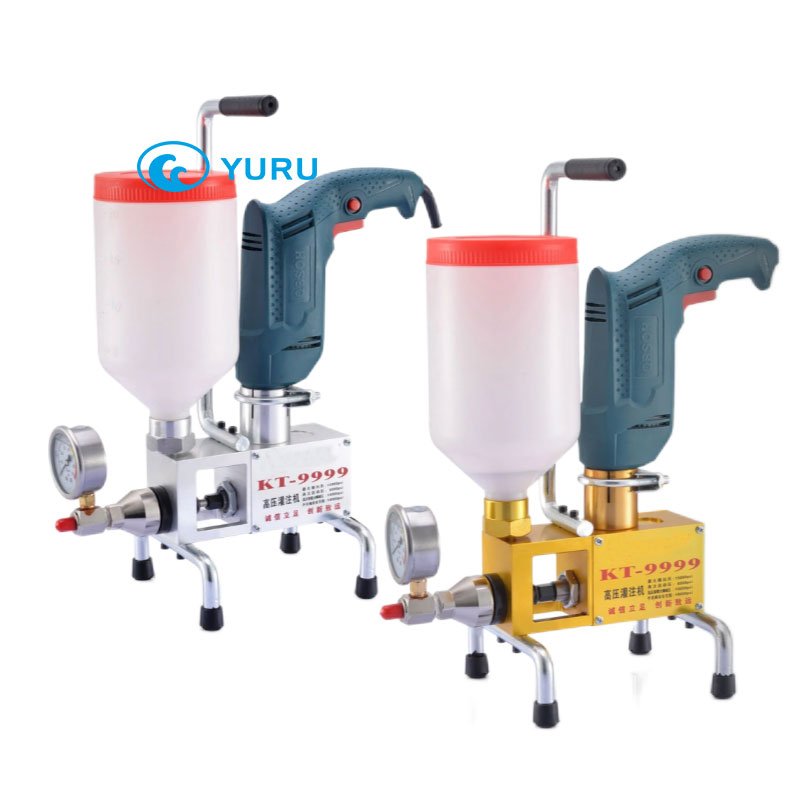
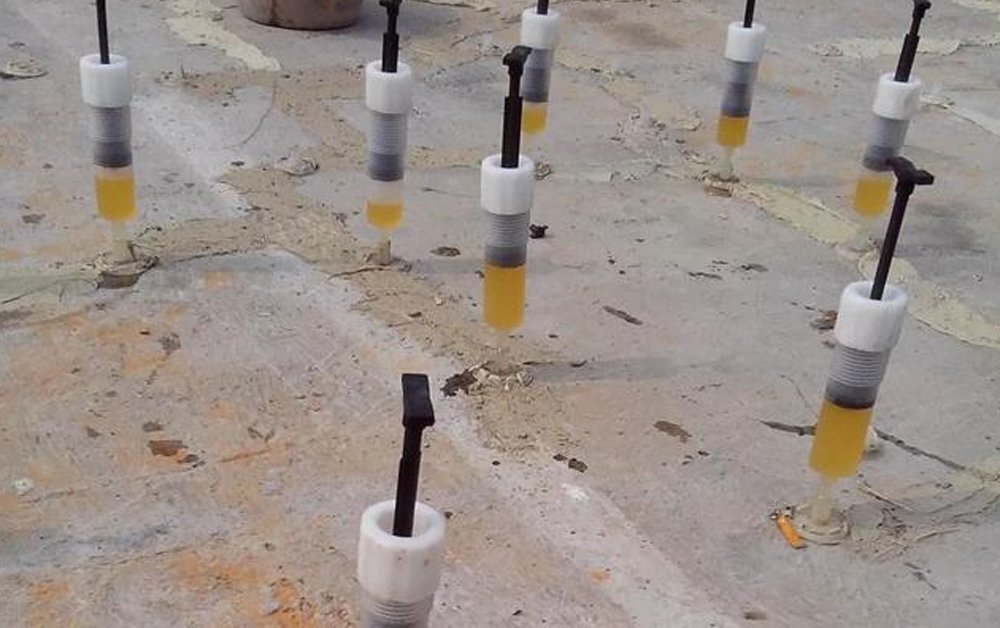
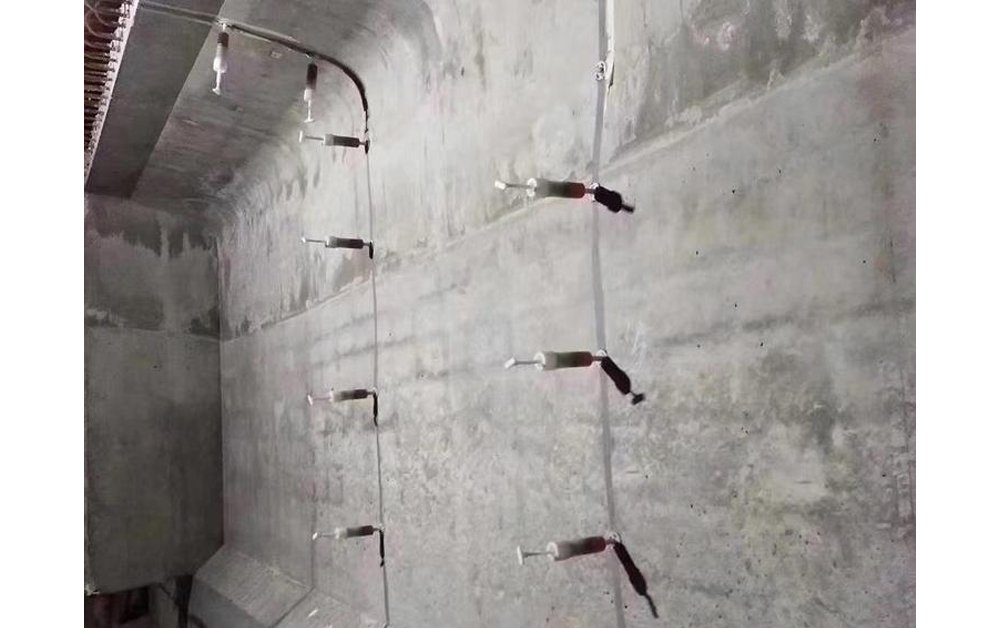
Crack injection involves injecting liquid resin material under pressure into concrete cracks to stop water seepage.
The objectives of crack injection typically include:
- Stopping water leaks
- Restoring structural strength
- Preventing further crack propagation
- Protecting reinforcement from corrosion
- Extending service life of the structure
Injection is preferred over surface patching because it addresses the crack internally rather than masking it externally.
The effectiveness of injection depends entirely on selecting the appropriate resin.
What Is Epoxy Injection?
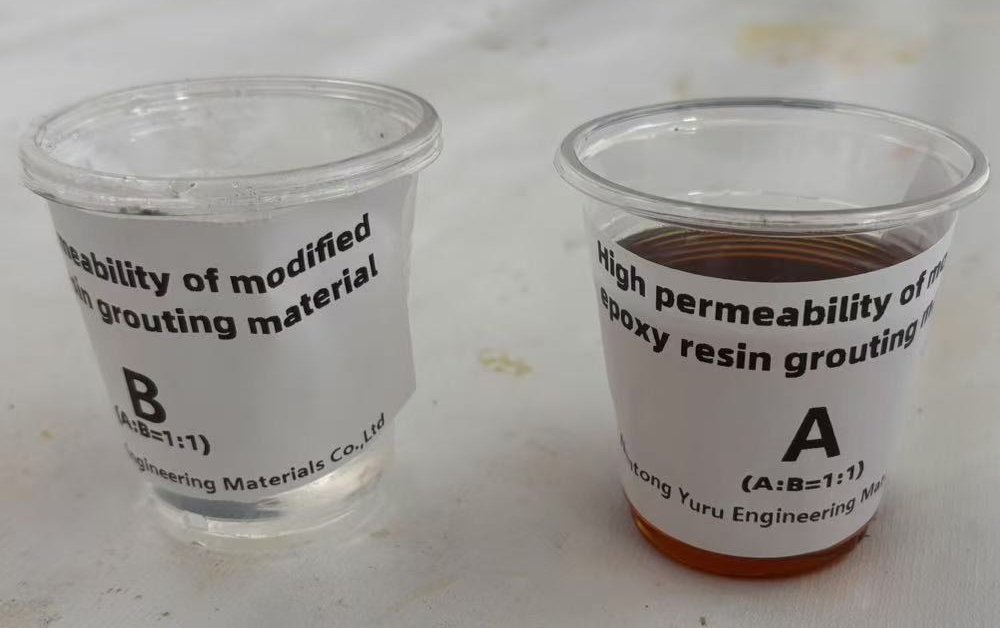
Epoxy injection involves injecting low-viscosity epoxy resin into cracks, forms a rigid, high-strength bond between the crack surfaces.
Key Characteristics of Epoxy Injection
- High compressive strength
- Strong adhesion to concrete
- Low shrinkage
- Rigid curing profile
- Excellent structural load transfer
After curing, epoxy essentially “glues” the concrete back together, often restoring the structure close to its original strength.
Best Applications for Epoxy Injection
- Structural cracks in beams and columns
- Bridge and infrastructure repair
- Industrial floor crack repair
- Load-bearing concrete elements
- Dry crack conditions
Epoxy is ideal for static cracks — those that are not expected to continue moving.
Limitations of Epoxy Injection
- Not suitable for active water leaks.
- Requires relatively dry conditions.
- Limited flexibility after curing.
If the crack continues to move due to temperature changes or structural dynamics, epoxy may re-crack.
What Is Polyurethane Injection?
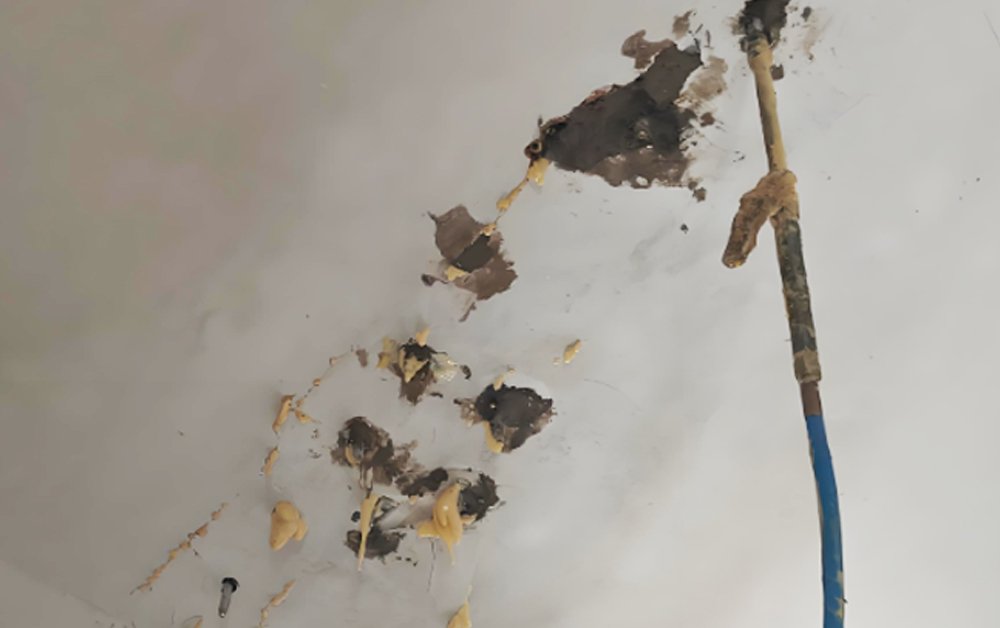
Polyurethane injection reacts with water and then cures, expanding to form foam or a flexible elastomer.
Main Characteristics of Polyurethane Injection
- Reacts with water
- Can expand to fill voids
- Flexible after curing
- Effective in humid environments
- Excellent at sealing leaks
Two main types:
Hydrophobic PU Grout
- Reacts with water
- Expands significantly
- Forms rigid foam
- Ideal for stopping active leaks
Hydrophilic Polyurethane Grout
- Absorbs water
- Forms flexible gel
- Better for long-term water sealing
Polyurethane injection is especially effective in underground and water-bearing environments.
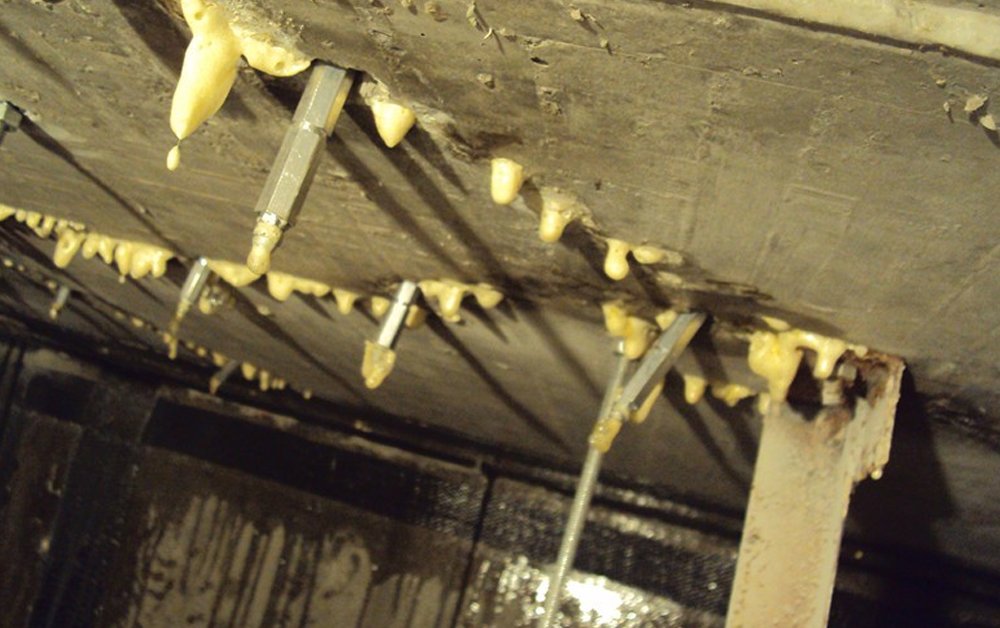
Epoxy vs. Polyurethane Injection – Key Differences
1. Chemical Composition
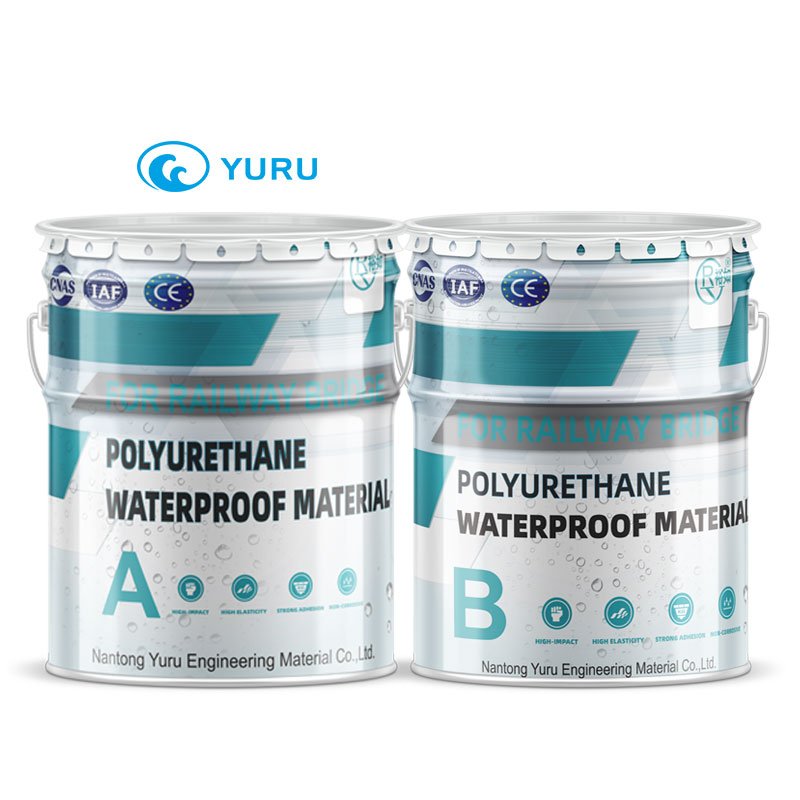
Epoxy resin is formed by the reaction of epoxy resin, curing agent, etc., to create.
Polyurethane is formed by the reaction of isocyanates and polyols.
2. Structural Strength
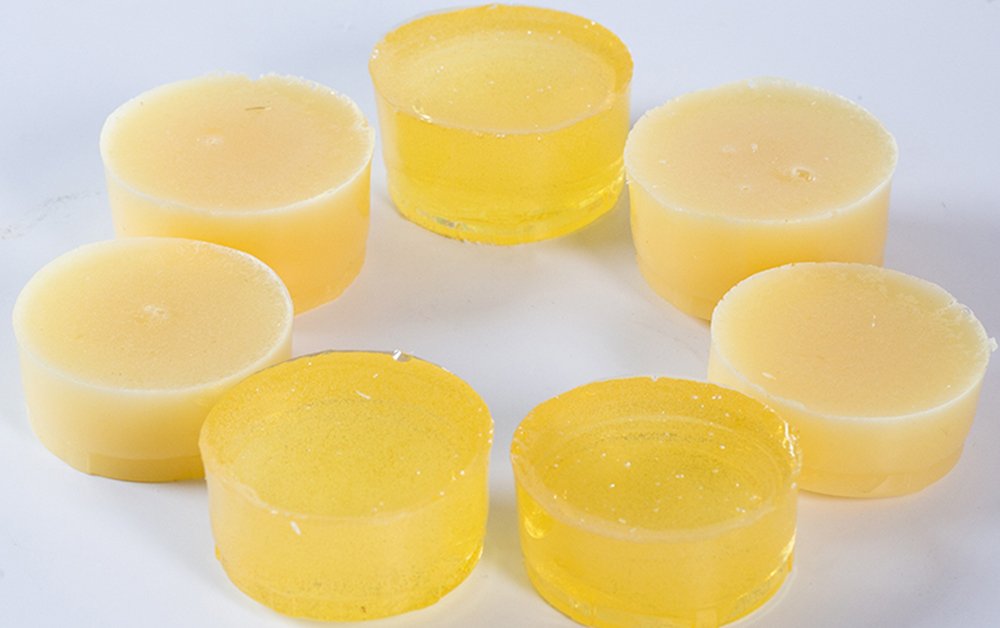
Epoxy resin, after curing, has high hardness and brittleness, similar to stone, with high compressive strength.
Polyurethane, on the other hand, has medium hardness and high elasticity, becoming a flexible material after curing, possessing good impact resistance and shock absorption.
For structural repairs, epoxy resin is usually the first choice.
3. Waterproofing Performance
Polyurethane performs excellently in waterproofing and leak sealing.
Epoxy resin is not recommended for use in damp or leaky environments.
Polyurethane is generally more effective for waterproofing and leak sealing problems.
4. Flexibility and Displacement Adaptability
Epoxy resin becomes hard, similar to stone, after curing.
Polyurethane maintains its flexibility.
For dynamic cracks that may move, polyurethane performs better.
5. Moisture Resistance
Epoxy resins require a dry environment for application.
Polyurethane can be injected into damp cracks.
In underground environments, polyurethane is generally easier to apply.
6. Curing Characteristics
Epoxy resins have a slower curing time.
Polyurethane reacts very quickly, especially oil-based hydrophobic polyurethanes.
For emergency leak repairs, polyurethane responds even faster.
Which Injection Material Is Better for Different Scenarios?
Choosing the correct injection material depends on project conditions
Basement Wall Leaks
Polyurethane injection is generally more effective due to water presence and potential crack movement.
Structural Beam Cracks
Epoxy injection is the preferred choice if the goal is to restore structural integrity.
Tunnel Seepage
Polyurethane injection performs better in damp underground environments.
Bridge Deck Cracks
Epoxy is often used for structural crack repair where load-bearing capacity must be maintained.
Combined Requirements:
In some projects, a hybrid approach may be used:
- First, polyurethane to stop water flow.
- Then, epoxy to restore structural capacity.
This layered strategy ensures both waterproofing and strength.
How Long Do Epoxy and Polyurethane Injections Last?
Durability depends on environmental conditions and the quality of application.
Epoxy Injection Lifespan
When applied correctly to static cracks in dry environments, epoxy repairs can last decades.
However, if cracks continue to move, epoxy may fail prematurely.
Polyurethane Injection Lifespan
Polyurethane grout provides excellent long-term waterproofing and leak sealing.
Factors affecting longevity include:
- Crack movement
- Water pressure
- Chemical exposure
- UV exposure
- Installation technique
Proper surface assessment and injection technique significantly improve durability.
Common Mistakes When Choosing Between Epoxy and Polyurethane
- Using epoxy to repair active water leaks.
- Using expanding polyurethane for structural reinforcement.
- Ignoring crack movement analysis.
- Selecting low-quality materials.
- Failing to evaluate moisture conditions.
- Not performing proper injection port installation.
Understanding the nature of the crack is essential before selecting the resin.
Why Material Quality and Manufacturer Selection Matter?
Injection materials must meet consistent performance standards. Poor formulation can result in:
- Insufficient penetration
- Weak bonding
- Inconsistent curing
- Reduced durability
When selecting a supplier, contractors should consider:
- Production consistency
- Quality certifications
- Technical documentation
- Field support services
- Experience in underground and structural repair projects
Reliable manufacturing ensures predictable performance on site.

Why Choose YURU for Injection Grouting Materials?
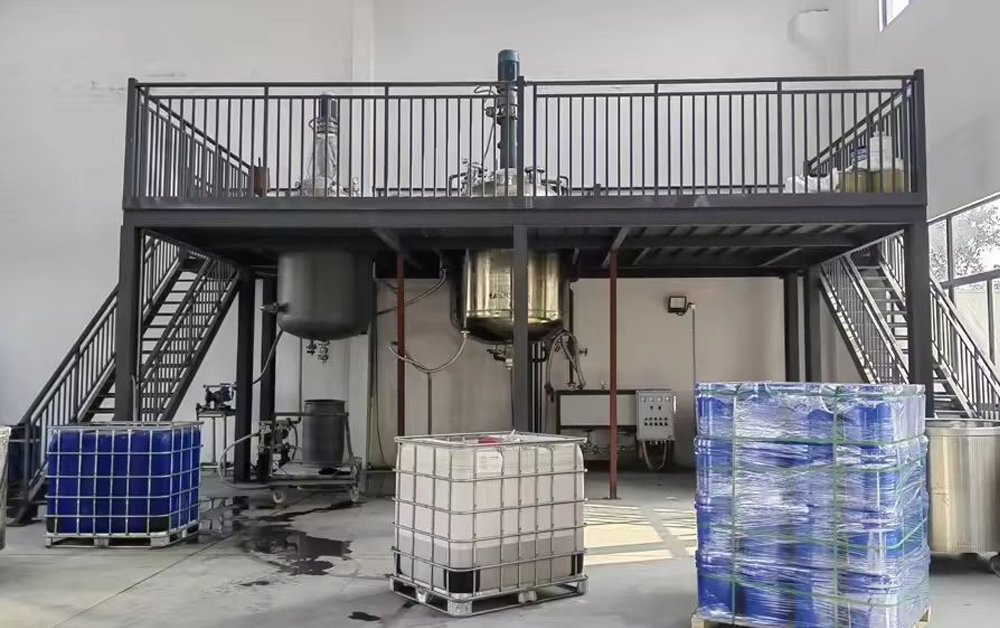
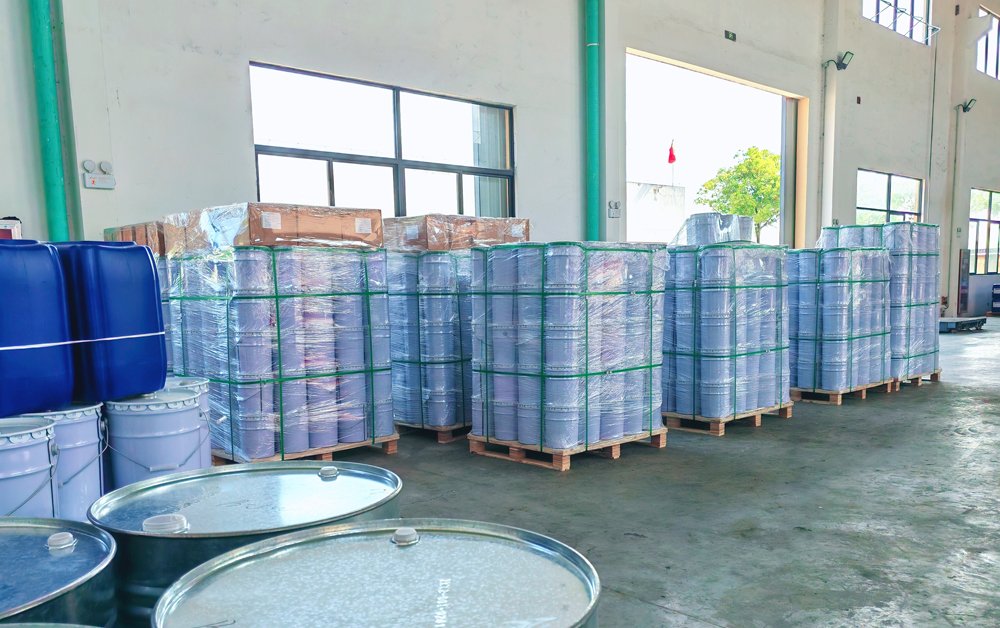
YURU Waterproof specializes in professional injection and waterproofing materials for engineering and construction projects.
Product Range Includes:
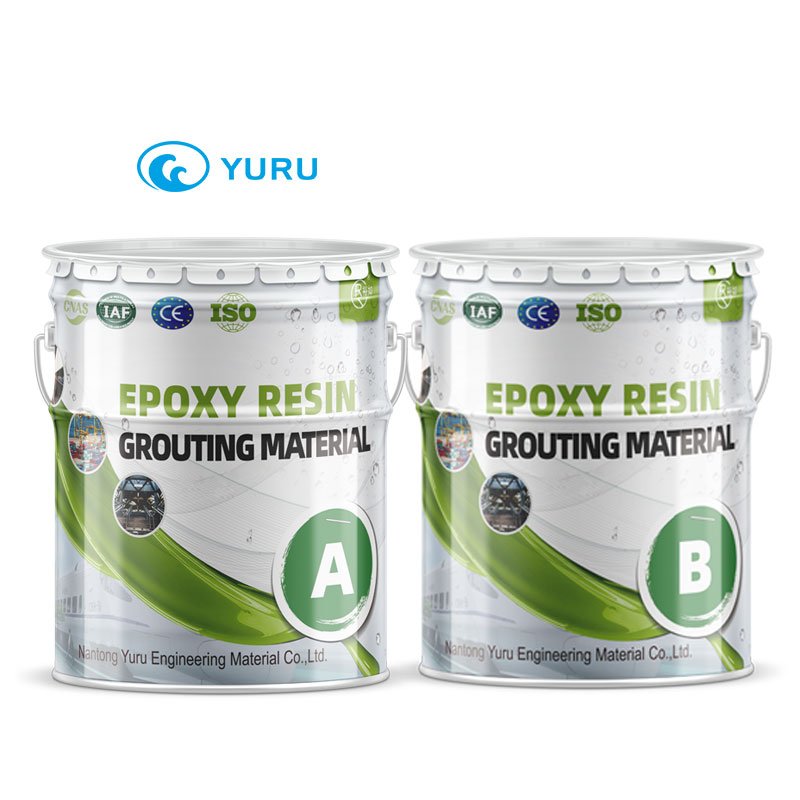
- Epoxy resin grouting materials for structural repair
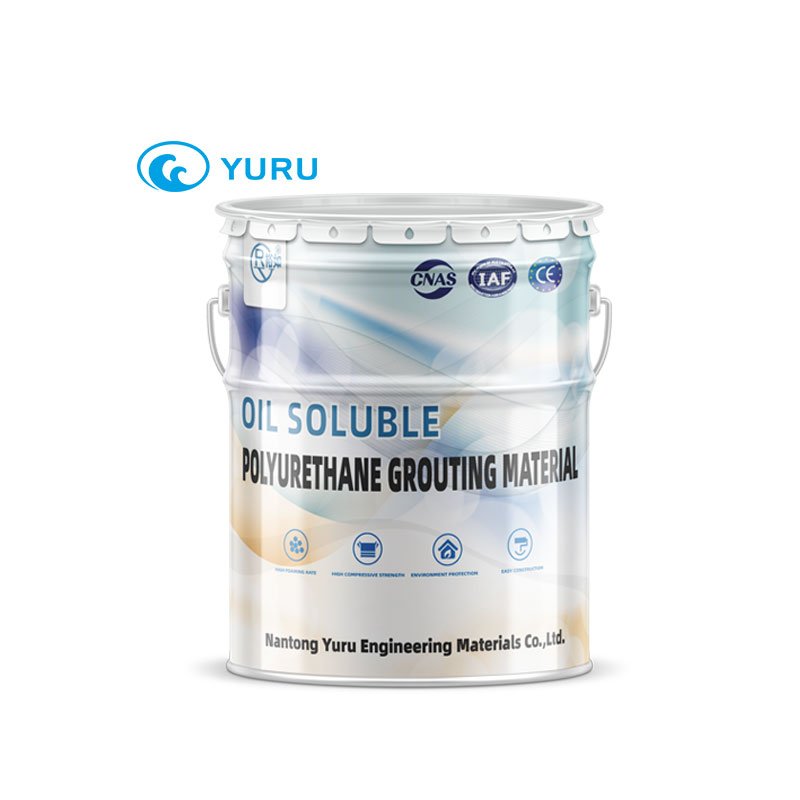
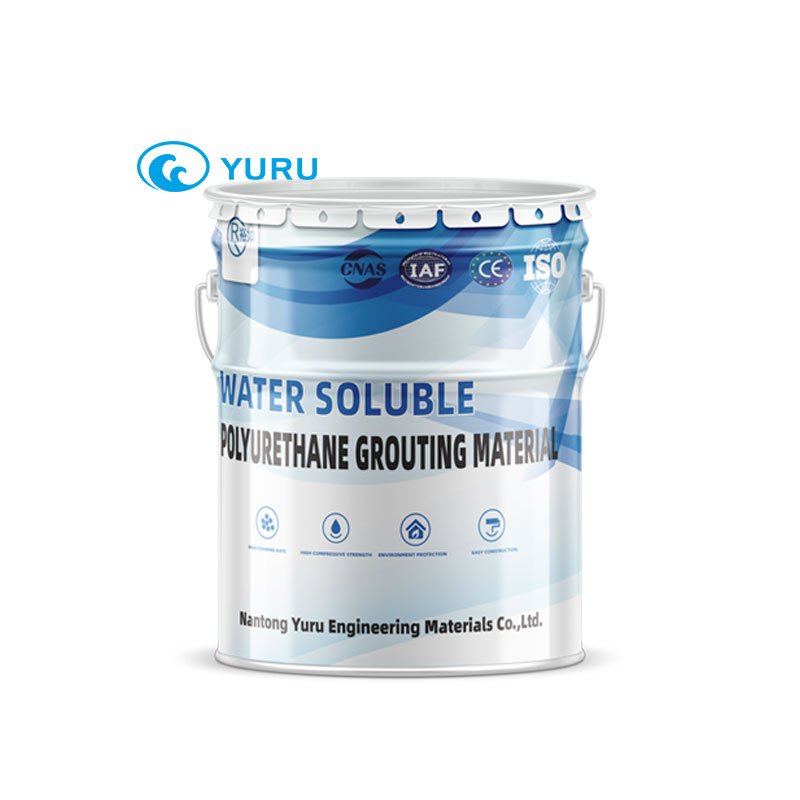
- Polyurethane grouting materials (hydrophobic and hydrophilic)
- Acrylic grouting materials for soil stabilization
- Polyurea and microcrystalline polyurea grouting materials
Key Advantages:
- Strict quality control systems
- Stable production capacity
- Technical consultation support
- Experience serving contractors and municipal projects
- OEM and customized solutions
YURU provides tailored solutions based on project requirements.
FAQs:
1. Is epoxy stronger than polyurethane injection?
Yes. Epoxy provides higher structural strength, making it suitable for load-bearing crack repair.
2. Can polyurethane injection stop active leaks?
Yes. Hydrophobic polyurethane expands upon contact with water and is effective for stopping active leaks.
3. Which material is better for moving cracks?
Polyurethane is better because it remains flexible after curing.
4. Can epoxy be used in wet cracks?
Epoxy generally requires dry conditions and is not recommended for active water infiltration.
5. Is it possible to use both epoxy and polyurethane?
Yes. In some projects, polyurethane is used first to stop water, followed by epoxy for structural reinforcement.
Conclusion:
Choose epoxy injection if:
- The crack is dry.
- Structural strength restoration is required.
- The crack is static.
Choose polyurethane injection if:
- There is active water leakage.
- The crack may move.
- Flexibility is required.
- The environment is damp or underground.
In many real-world projects, the best solution may involve using both materials strategically.
Proper crack assessment, correct material selection, and professional installation determine long-term success.
Contact YURU for product data sheets, sample testing, and customized engineering support.
YURU Product solutions