Exposed vs. Non-Exposed Roofs: How to Choose Waterproofing Materials?
Overview:
Roof waterproofing is crucial in daily life. Different substrate materials and construction environments, whether the roof is exposed or non-exposed, all require careful consideration. Otherwise, a material that performs well on one type of roof may fail, cracking and leaking on another.
This guide describes the structural differences between exposed and non-exposed roofs, analyzes performance requirements, and compares suitable waterproofing materials.
What's the difference between exposed and non-exposed roofs?
Before choosing the right materials, it’s essential to understand the difference between exposed and non-exposed roofs.
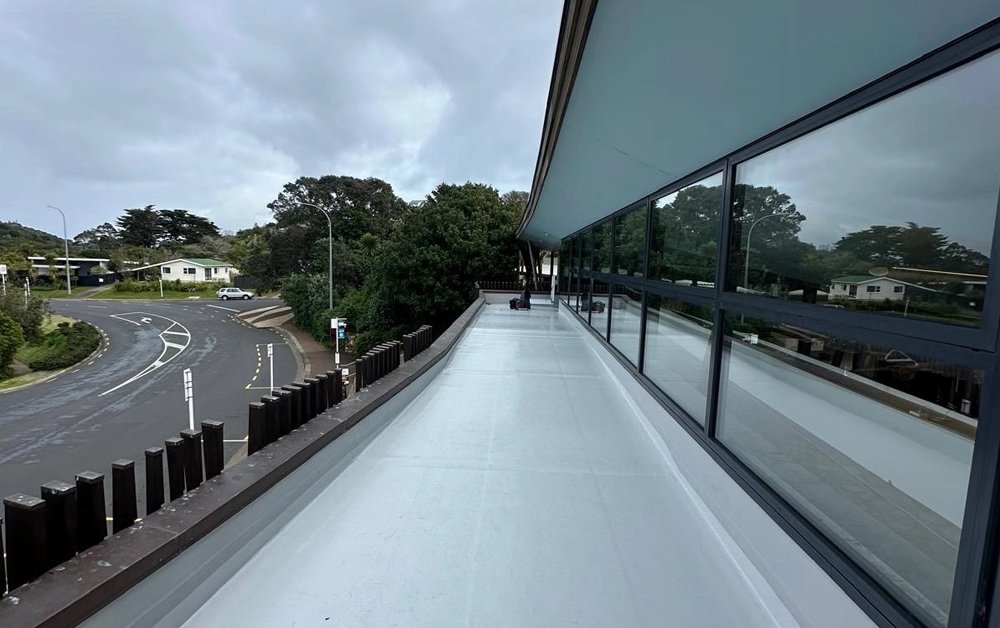
Exposed Roofs
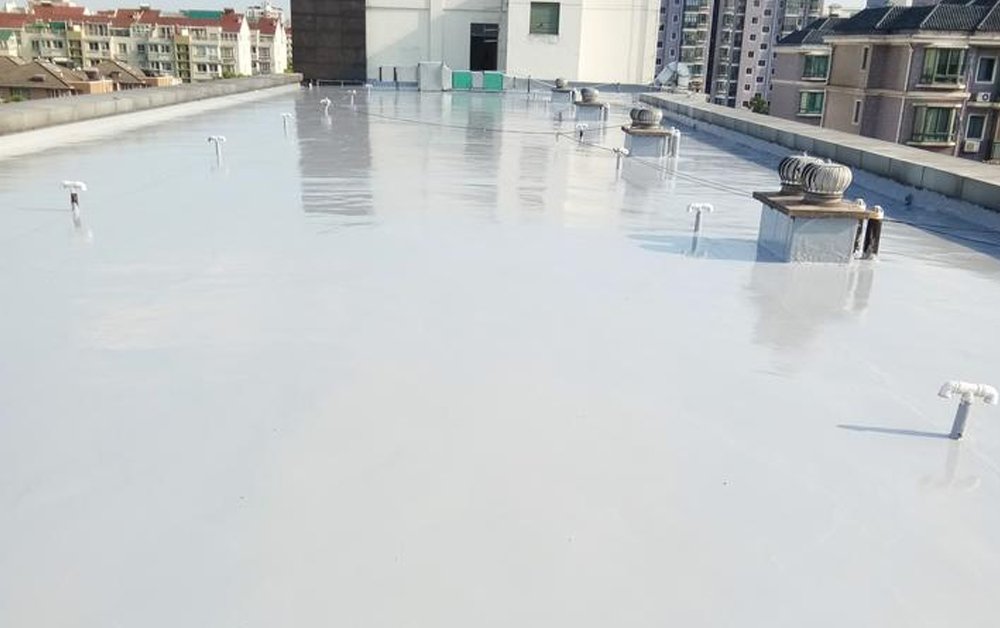
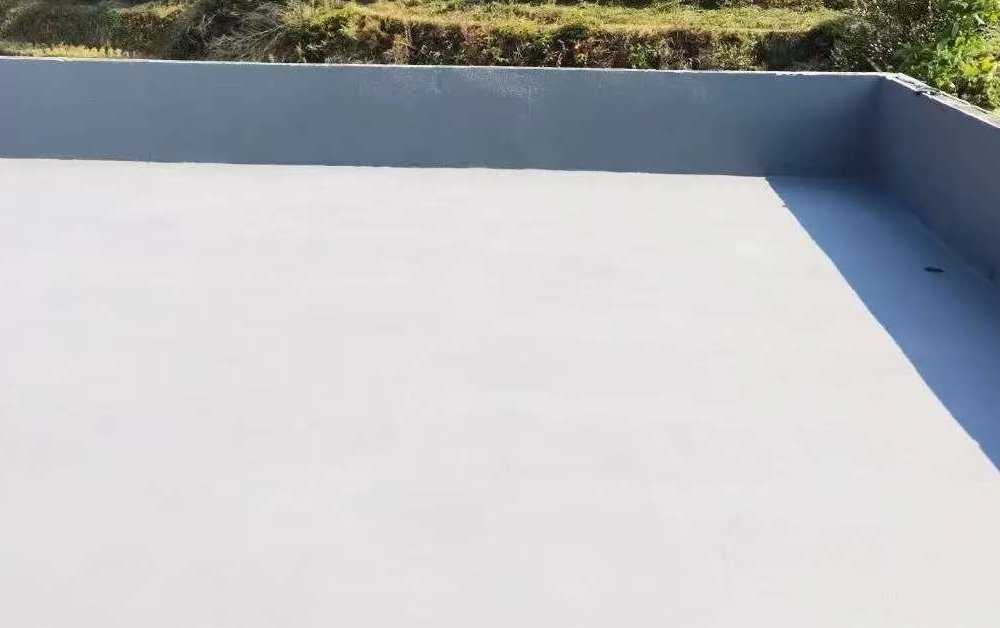
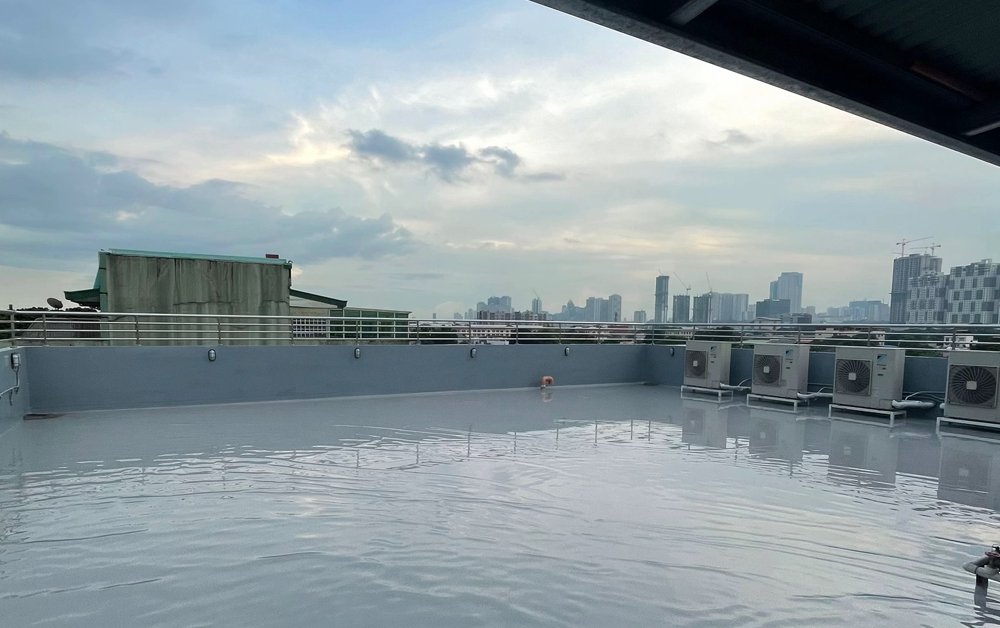
An exposed roof is a roof where the waterproofing layer is directly exposed to various environmental factors, including:
- Ultraviolet (UV) radiation
- Rain and standing water
- Wind and sandstorms
- Temperature fluctuations
- Freeze-thaw cycles
Examples:
- Unprotected concrete flat roofs
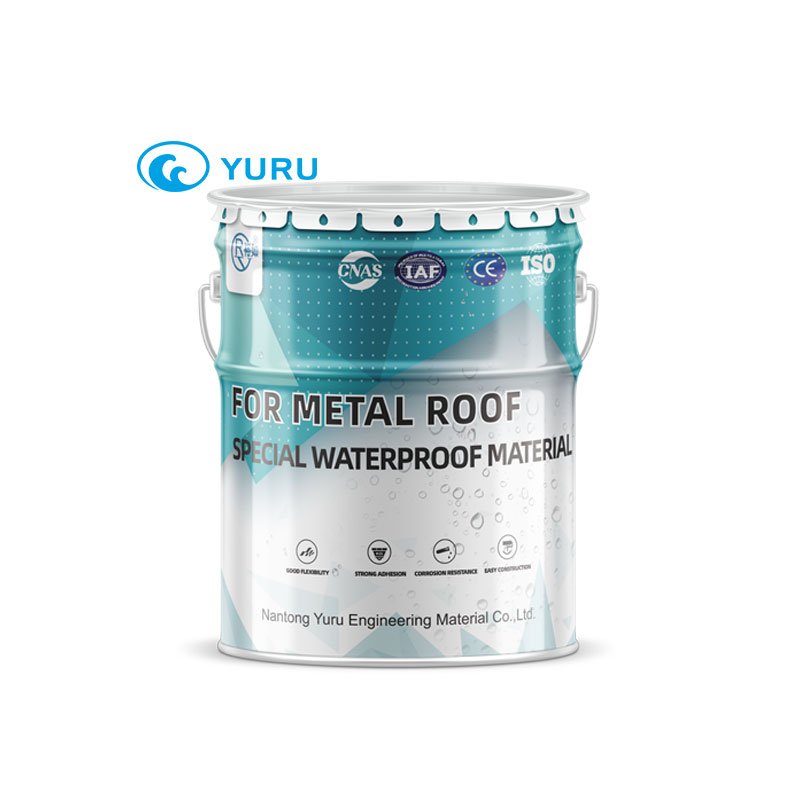
- Metal roofing systems with waterproofing coatings
- Industrial plant roofs
In exposed roof waterproofing projects, the integrity of the waterproofing layer must be ensured, while also providing a weather-resistant surface.
Non-exposed roofs
Non-exposed roofs have their waterproofing layer covered by additional protective materials, i.e., concealed roofs, such as:
- Insulation panels
- Cement mortar layer
- Tiles or paving stones
- Green roof systems
Examples:
- Inverted roof systems
- Roof gardens
- Ballasted membrane structure roofs
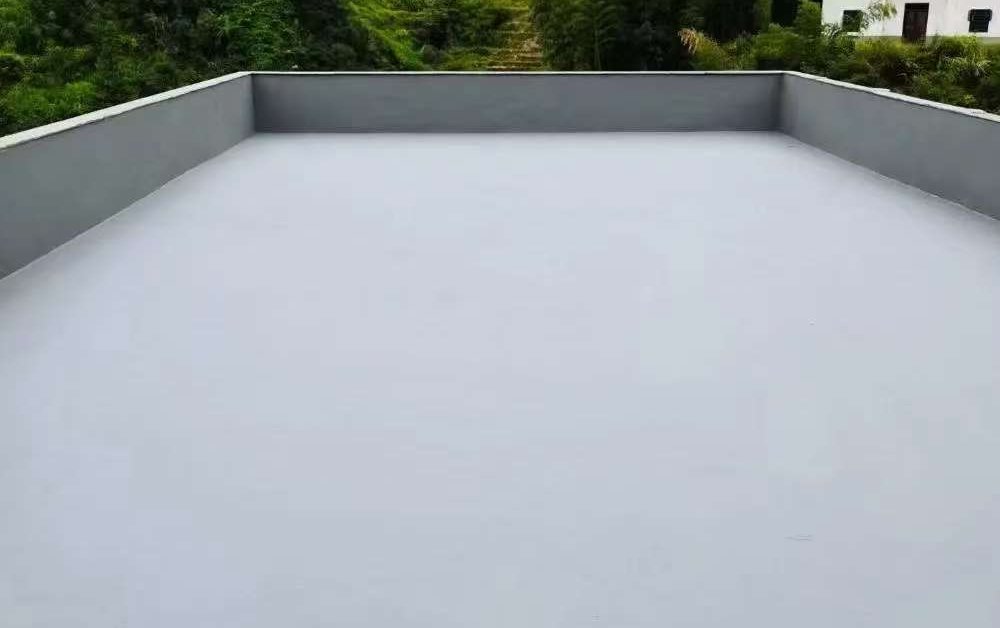
In concealed waterproofing, the waterproofing layer is protected from direct sunlight and weathering, but must be able to withstand compression, structural loads, and potential punctures.
The Importance of This Difference
Structural design directly impacts performance priorities:
- Exposed roofs prioritize UV resistance and weather resistance.
- Non-exposed roofs prioritize compressive strength and long-term stability.
Performance Requirements: Exposed vs. Non-Exposed Roofs
The environmental stress profile of each roof type dictates material properties.
Key Requirements for Exposed Roofs:
1. UV Resistance
Due to prolonged exposure to sunlight, weather resistance and UV protection are crucial to prevent chalking and cracking of the coating.
2. Thermal Expansion Compatibility
Temperature differences cause thermal expansion and contraction; materials must possess high elasticity and tear resistance.
3. Crack Bridging Capability
Concrete substrates can develop microcracks. Flexible coatings can prevent water penetration.
4. Surface Durability
Since the waterproofing layer is visible and exposed, it must resist abrasion and weathering.
Key Requirements for Non-Exposed Roofs:
1. Adhesion to Substrate
Once covered, repairing the waterproof layer becomes difficult. Strong bonding is essential.
2. Compressive Strength
Roof systems supporting insulation boards or paving require materials that resist deformation.
3. Puncture Resistance
Construction activities and maintenance operations may stress the underlying layer.
4. Long-Term Chemical Stability
Moisture trapped beneath layers can accelerate degradation if materials are unstable.
Waterproofing Materials for Exposed Roofs
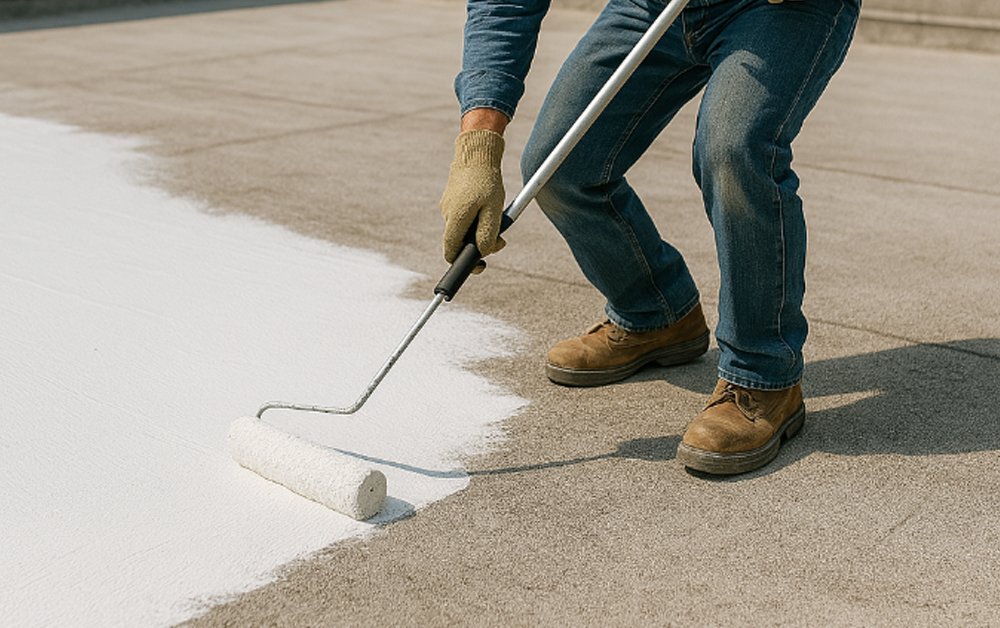
The selection of exposed roofing materials must focus on weather resistance, elasticity, and durability.
Acrylic Waterproof Coatings
Water-based acrylic coatings are widely used in residential and light commercial buildings, as well as on metal and concrete substrates.
Advantages:
- Good UV resistance
- Reflective surface options available
- Easy to apply
- Environmentally friendly formulation
Limitations:
- Medium mechanical strength.
- Not suitable for heavy industrial roofs.
- Not suitable for areas with persistent water accumulation.
Silicone Waterproof Coatings
Silicone coatings have strong weather resistance and impermeability.
Advantages:
- Excellent UV resistance
- Durable elasticity
- High hydrophobicity
- Resistant to water accumulation
Commonly used in hot climates or areas with strong sunlight.
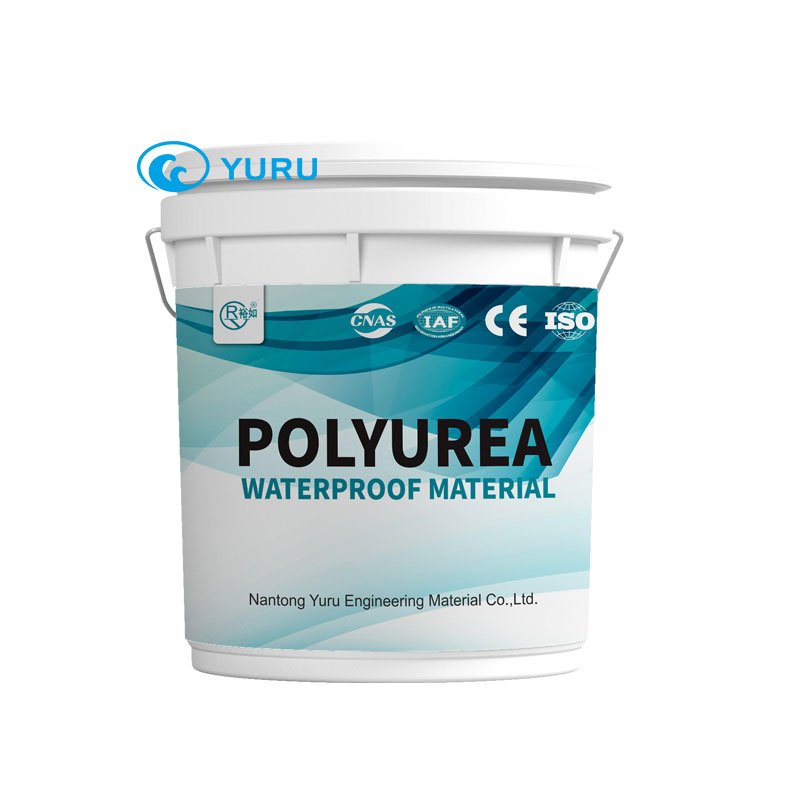
Polyurea Waterproof Coatings
Polyurea waterproof coatings are resistant to high and low temperatures and have strong water resistance.
Advantages:
- Fast curing
- High tensile strength
- Excellent abrasion resistance
- Strong chemical resistance
Polyurea performs excellently in harsh industrial environments where durability is paramount.
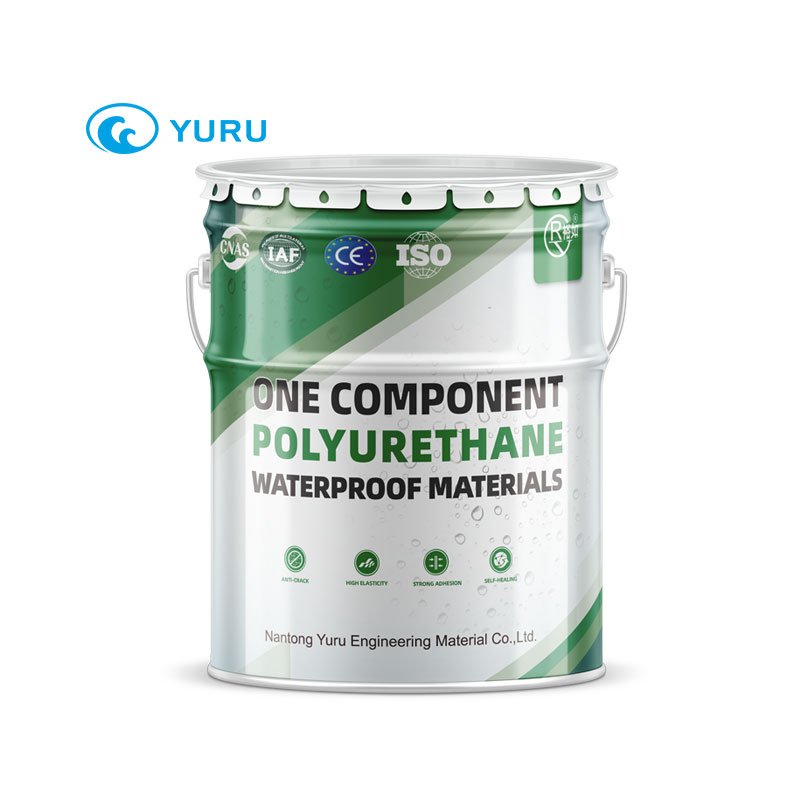
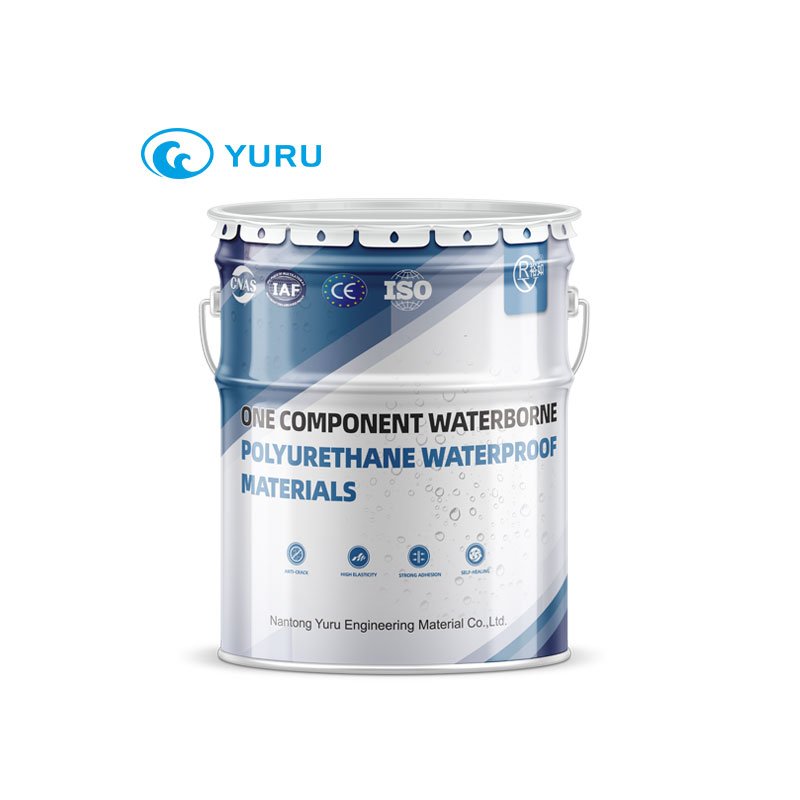
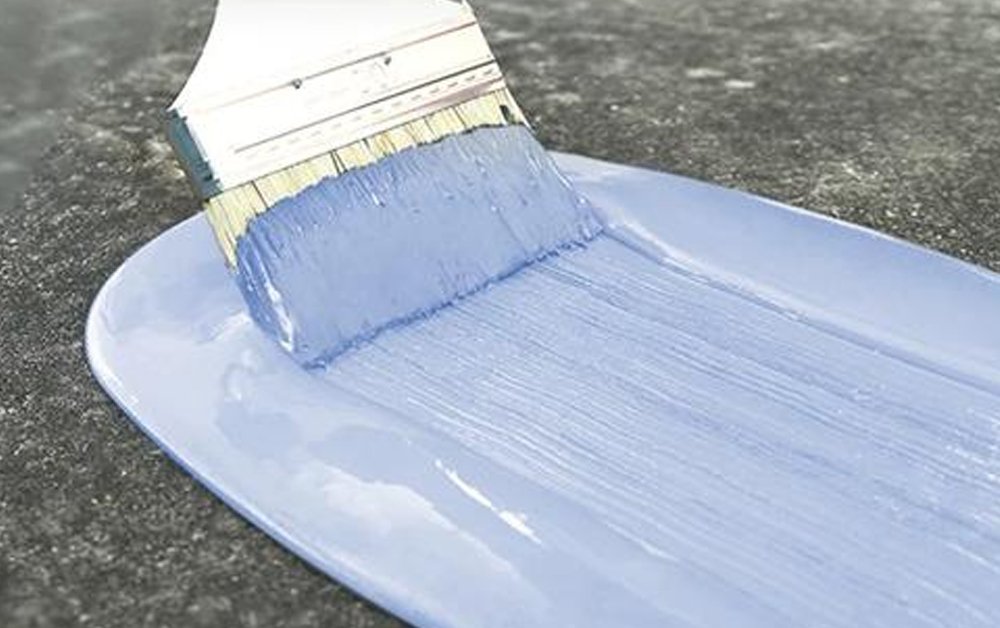
One-component polyurethane coatings (exposed type)
These coatings combine ease of application with excellent flexibility.
Features:
- Good crack bridging properties
- Extremely strong adhesion to concrete
- Suitable for complex roof geometries
Commonly used for exposed concrete roof slabs.
Waterproofing Materials for Non-Exposed Roofs
In non-exposed systems, compressive strength and durability are more important than UV resistance.
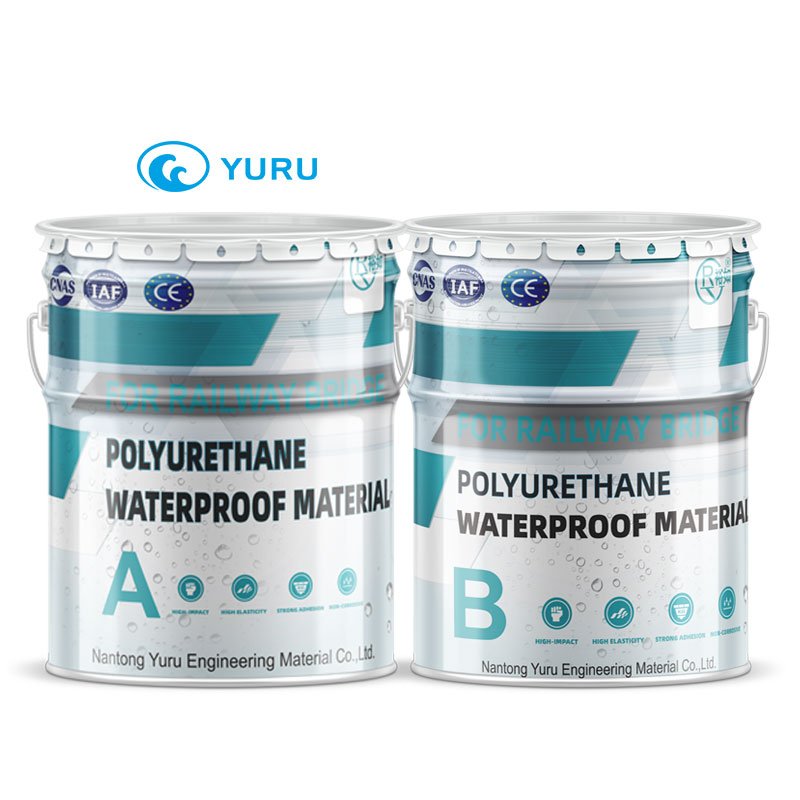
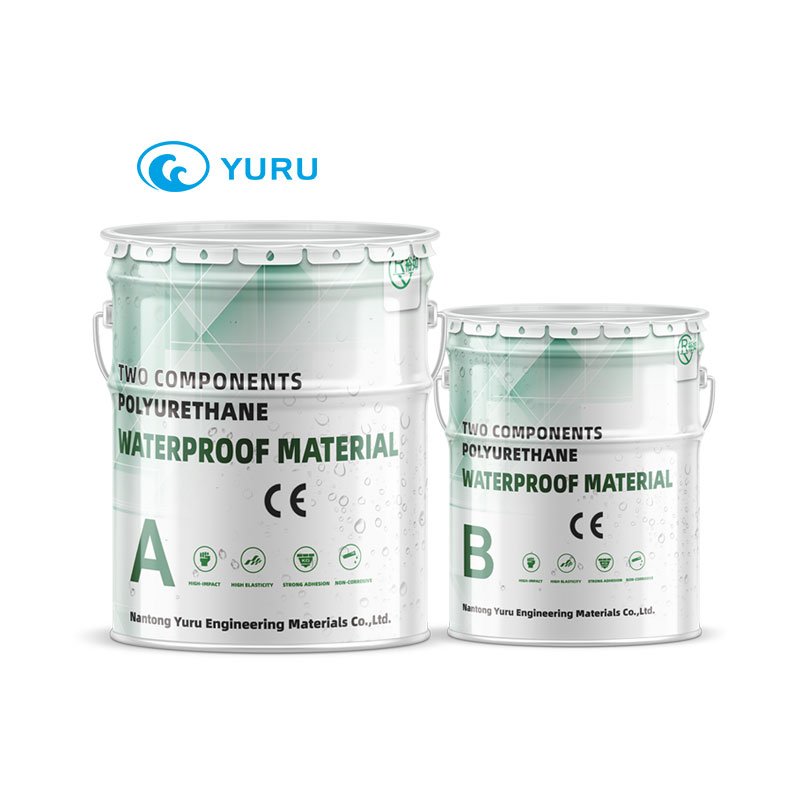
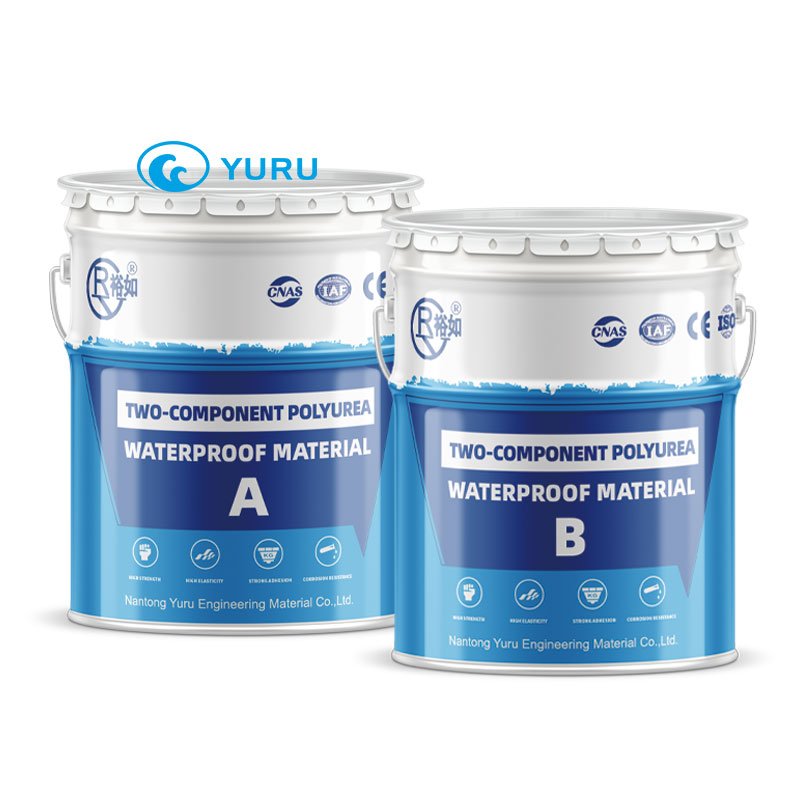
Two-Component Polyurethane Coatings
Two-component polyurethane coatings offer high strength, strong adhesion, and seamless waterproofing.
Features:
- Excellent bond strength
- Durable membrane
- Long-term waterproofing performance
They are widely used under insulation layers or tile coverings.
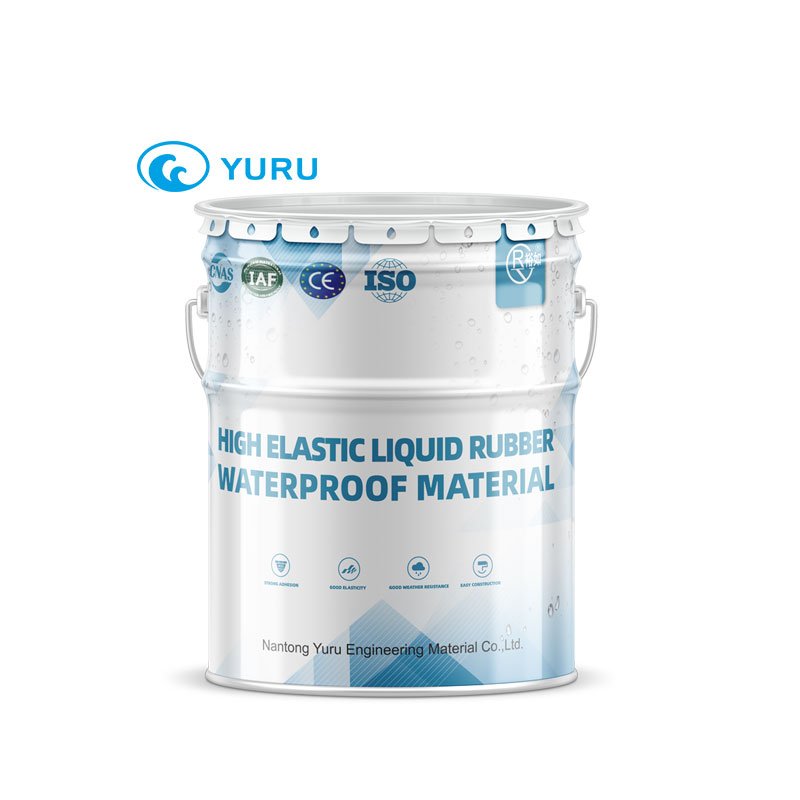
High-Elasticity Liquid Rubber Coatings
Liquid rubber forms a seamless membrane with high elongation.
Advantages:
- Excellent flexibility
- Good crack tolerance
- Easy joint treatment
Suitable for roofs with moderate structural displacement.
Composite Systems (Membrane + Coating)
In high-specification projects, multi-layer composite systems combine sheet geomembranes with liquid coatings.
Advantages:
- Redundant waterproofing protection
- Enhanced puncture resistance
- Improved long-term durability
This combination is common in commercial development projects and green roof projects.
Common Mistakes When Choosing Roof Waterproofing Materials
Experienced professionals also make mistakes when choosing roofing waterproofing materials.
Mistake 1: Focusing Only on Price While Ignoring Performance
Low price material performance may save short-term costs, but long-term maintenance costs will be higher.
Mistake 2: Ignoring Regional and Climatic Conditions
Extreme high and low temperatures, require the selection of appropriate materials.
3: Misusing Materials
Using materials that are not UV-resistant on exposed roofs.
Mistake 4: Improper Substrate Preparation
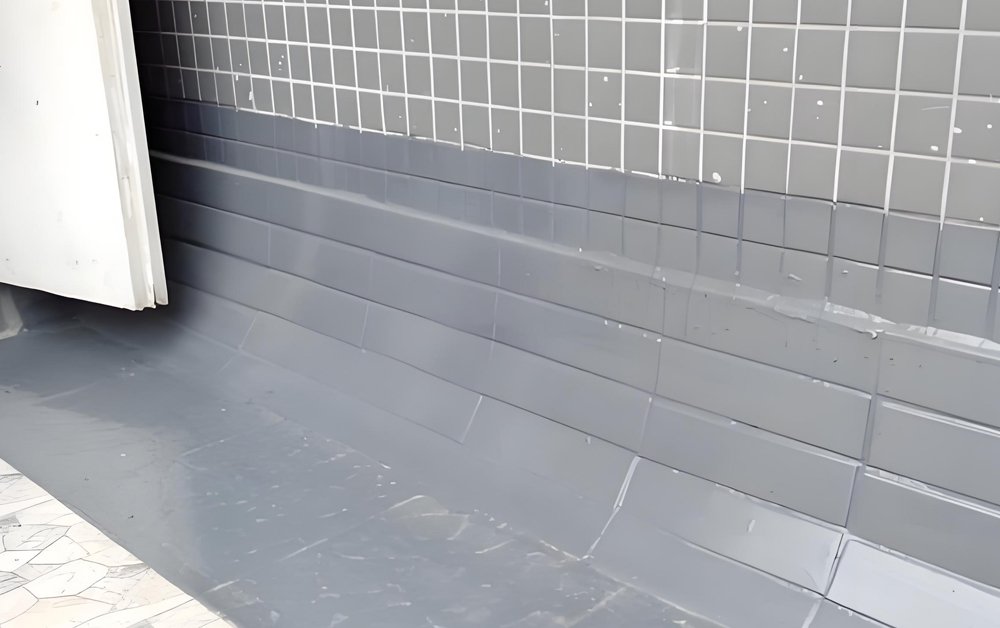
Without proper surface cleaning and priming, even the best materials will fail.
Mistake 5: Ignoring Structural Movement
Temperature expansion and contraction, and dynamic structures, necessitate the use of flexible waterproofing materials. Using rigid materials can easily lead to cracking and failure due to substrate deformation.
How to Choose a Reliable Waterproofing Material Supplier?
Material performance depends not only on formulation but also on manufacturing consistency.
When evaluating suppliers, consider:
- Production stability
- Quality control systems
- Technical documentation availability
- Engineering support capability
- Export and logistics experience
A reliable manufacturer should provide:
- Technical Data Sheets
- Safety Data Sheets
- Application guidelines
- Project consultation support
Why YURU Is a Reliable Partner for Roof Waterproofing Solutions?
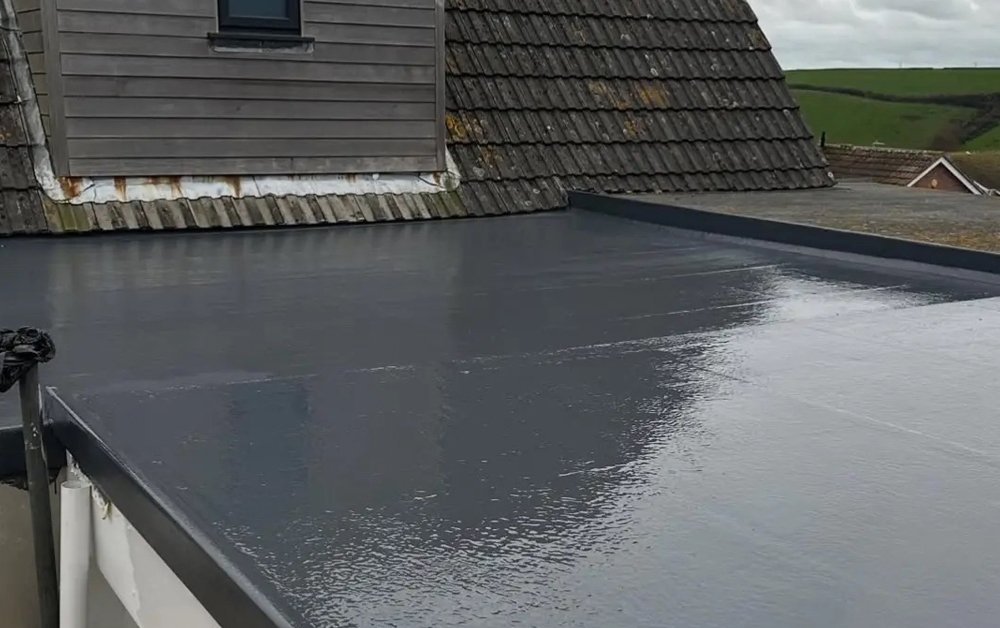
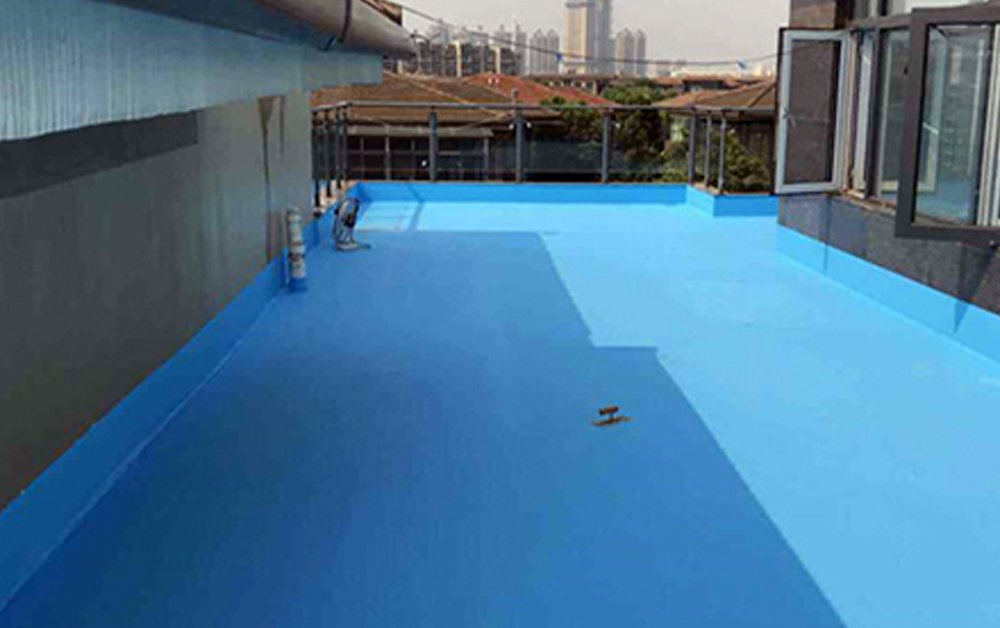
YURU specializes in producing advanced waterproofing materials for both exposed and non-exposed roofing systems.
YURU offers:
- Single-component polyurethane waterproof coatings
- Two-component polyurethane waterproof coatings
- Polyurea waterproofing coatings
- Acrylic waterproofing coatings
- Silicone waterproofing coatings
- High-elasticity liquid rubber coatings
Customized solutions are available for different roof structures.
- Stable Production and Quality Control
- Technical Support and Customization Services
YURU offers:
- Formulation adjustments for different climatic conditions
- Application guidance
- OEM and private label manufacturing services
- Export packaging solutions
FAQs:
1. What is the main difference between exposed and non-exposed roofs?
Exposed roofs have waterproof layers directly subjected to weather, while non-exposed roofs protect the waterproof layer beneath additional structural components.
2. Can polyurethane coatings be used on exposed roofs?
Yes. Single-component polyurethane coatings(exposed type) are often used on exposed concrete roofs due to their flexibility and adhesion strength.
3. Is polyurea suitable for residential roofs?
Polyurea is typically used in industrial or high-performance applications but can be used in residential settings when enhanced durability is required.
4. Which material is best for hot climates?
Silicone and UV-stable polyurea coatings perform well under strong sunlight.
Conclusion
Exposed roofs demand UV resistance, thermal stability, and surface durability. Non-exposed roofs require strong adhesion, compressive strength, and long-term reliability beneath protective layers.
There is no universal best material. The optimal solution depends on:
- Roof type
- Climate conditions
- Structural movement
- Project lifespan expectations
Contact YURU Waterproof to request product specifications, samples, or customized project recommendations.
YURU Product solutions