How to Do Chemical Grouting?
Introduction: Why Chemical Grouting Matters?
In today’s construction and infrastructure projects, water leakage and soil instability are two of the most common and costly challenges. Whether it’s a leaking basement, a cracked concrete structure, or a tunnel exposed to groundwater pressure, traditional repair methods often fall short. That’s where chemical grouting comes into play.
Contractors, engineers, and project managers frequently search for reliable, practical guidance on this technique. When done correctly, chemical grouting can effectively stop leaks, strengthen structures, and extend the lifespan of critical assets.
In this comprehensive guide, we’ll walk you through everything, from materials and preparation to step-by-step procedures and expert tips, so you can achieve consistent and long-lasting results.

What Is Chemical Grouting and How Does It Work?
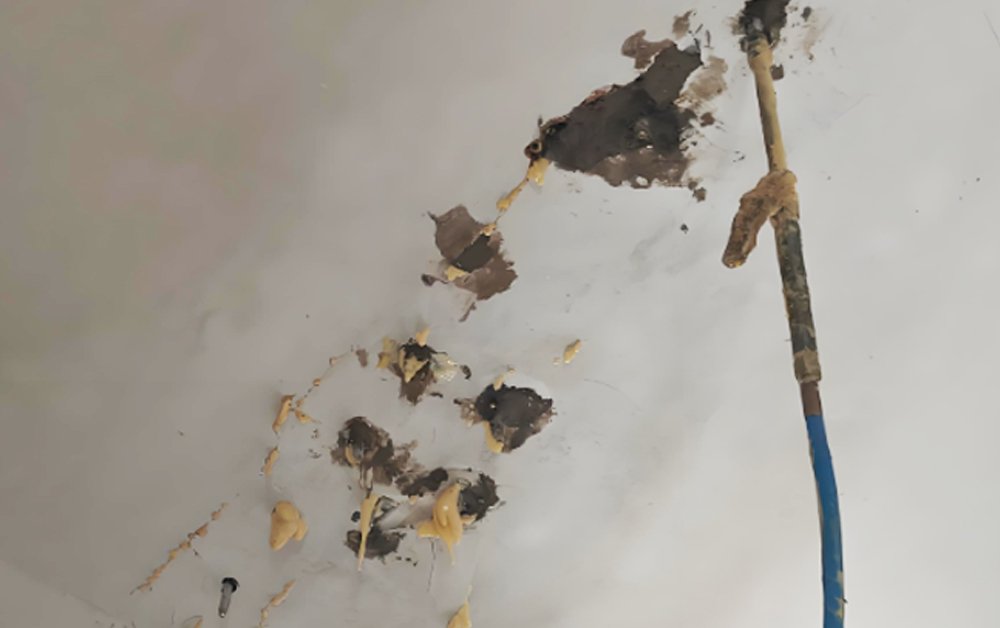
Chemical grouting is a process where liquid chemical materials are injected into cracks, voids, or soil. These materials then react, expand, or solidify to form a barrier or structural reinforcement.
Core Working Principle:
The process relies on three key mechanisms:
- Penetration: Low-viscosity liquids flow into fine cracks and pores
- Reaction: Chemical reactions trigger expansion or curing
- Sealing: The hardened material blocks water and stabilizes the structure
Unlike cement grouting, which is mainly used for filling large voids, chemical grouting is ideal for fine cracks and complex leakage paths.
Key Advantages:
- Fast response to active leaks
- Ability to penetrate micro-cracks
- Minimal structural disturbance
- Suitable for confined spaces
As a result, chemical grouting is widely used in waterproofing and repair applications.
Where Is Chemical Grouting Commonly Used?
Before learning how to perform the process, it’s important to understand where it is most effective.
Basement Waterproofing
Basements are highly prone to water intrusion. Chemical injection can seal cracks and joints, preventing groundwater seepage.
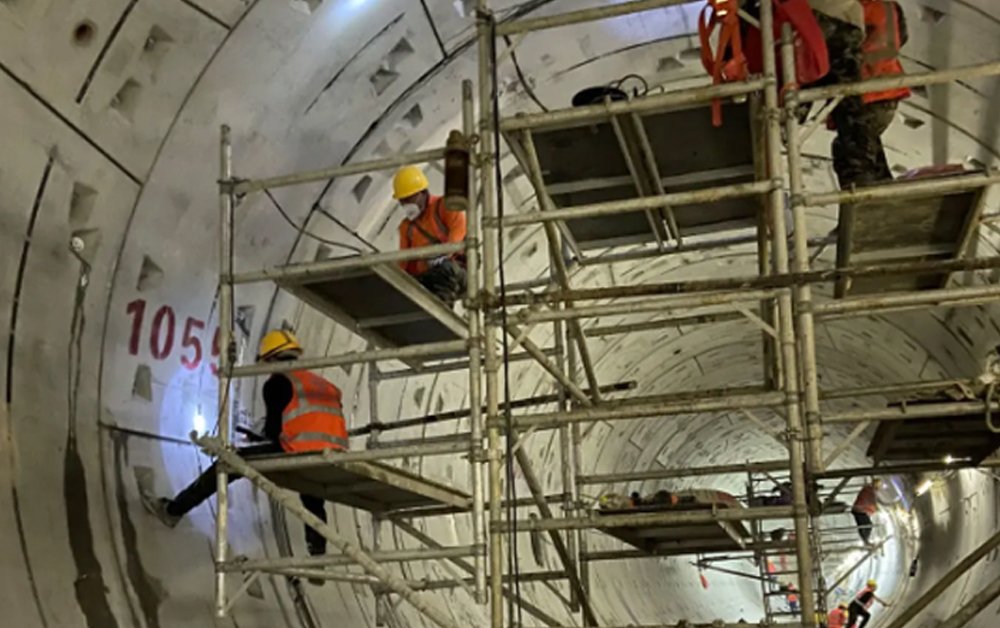
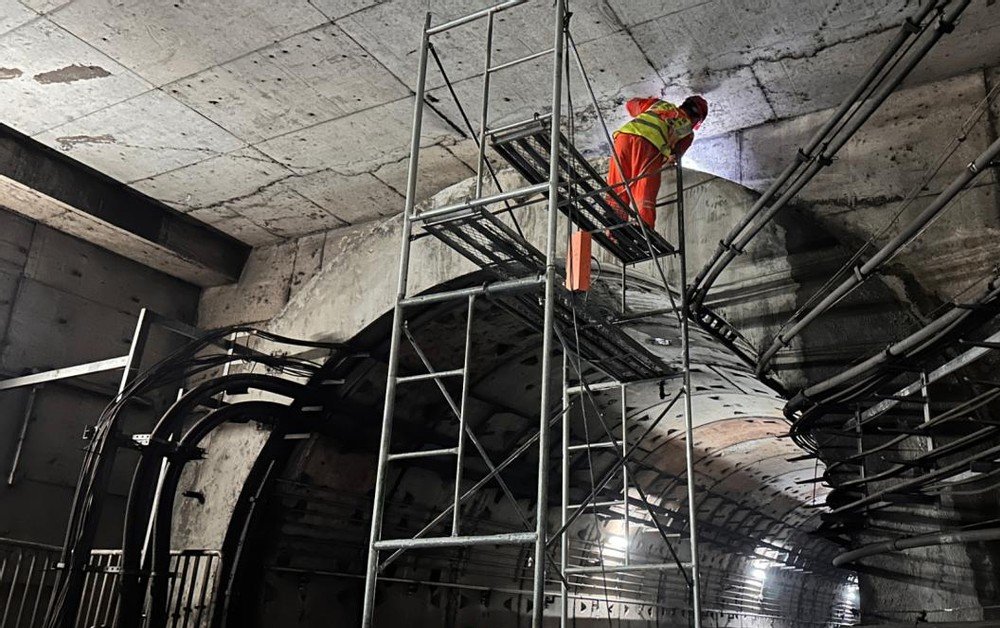
Tunnel and Subway Projects
Underground infrastructure often faces continuous water pressure. Grouting ensures long-term water control and structural integrity.
Concrete Crack Repair
Hairline and structural cracks can be repaired using appropriate grouting materials.
Soil Stabilization
Chemical injection grouting strengthens loose soil, improving load-bearing capacity.
Municipal and Infrastructure Projects
From bridges to drainage systems, chemical injection plays a key role in maintenance and rehabilitation.
Common Types of Chemical Grouting Materials
Selecting the right material is important for success.
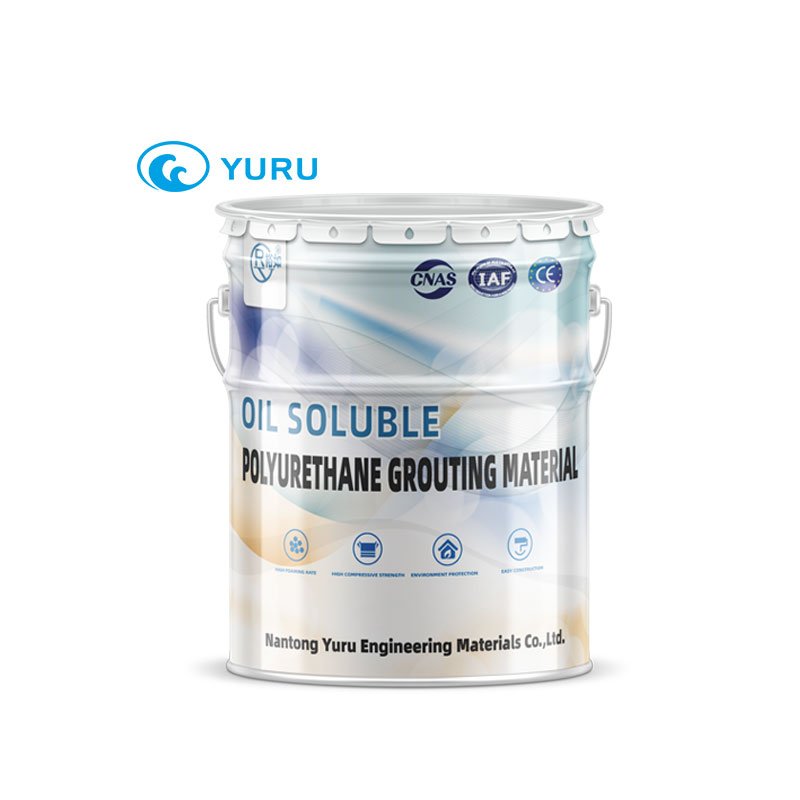
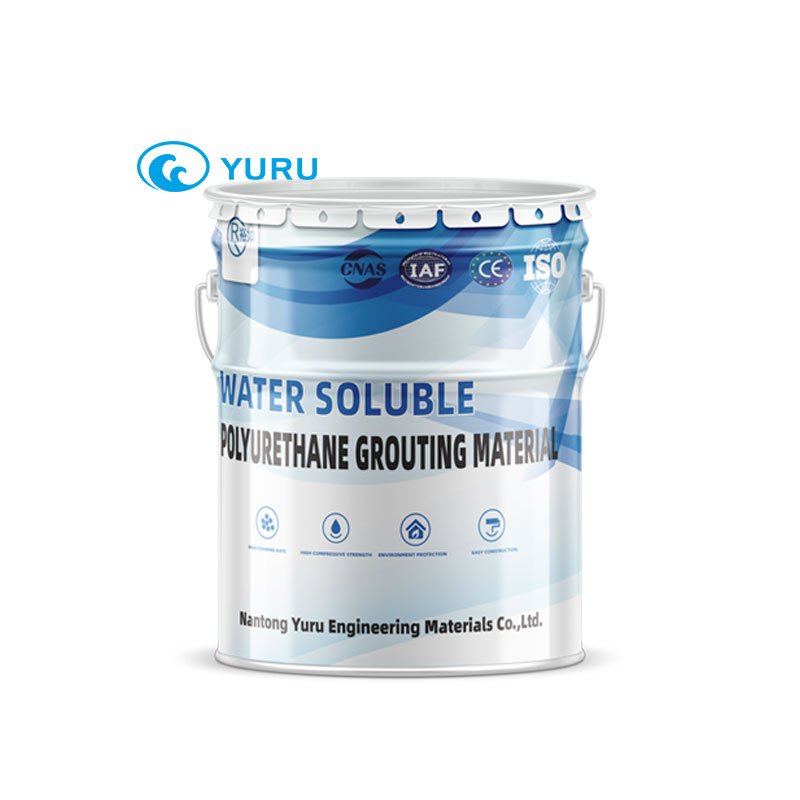
Polyurethane (PU) Grouting Materials
Features:
- Reacts with water and expands
- Excellent for active leak sealing
Best Use Cases:
- Basement leaks
- Underground structures
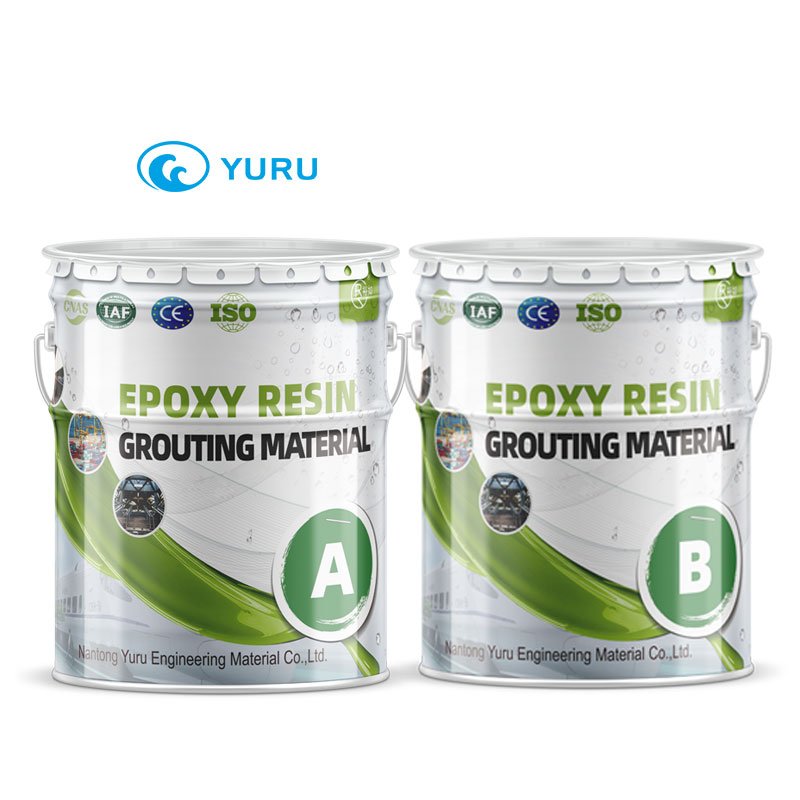
Epoxy Resin Grouting
Features:
- High strength
- Strong bonding
Best Use Cases:
- Structural crack repair
- Load-bearing reinforcement
Acrylate Grouting Materials
Advantages:
- Very low viscosity
- Deep penetration
Best Applications:
- Fine cracks
- Soil sealing
Polyurea Grouting Materials
Advantages:
- High elasticity
- Fast curing
- Long-term durability
Best Use Cases:
- High-performance waterproofing systems
- Industrial applications
Preparation Before Chemical Grouting
Proper preparation can make or break the project.
Inspection and Leak Identification:
- Identify the exact source of leakage.
- Assess crack width and depth.
Surface Preparation:
- Clean dust, oil, and loose particles.
- Ensure a stable working surface.
Drilling Plan:
- Determine hole spacing and angle.
- Ensure proper coverage.
Equipment Setup:
- High-pressure injection pump
- Injection packers
- Mixing tools
Material Selection:
Choose the appropriate chemical grout based on:
- Water conditions
- Crack size
- Required strength
Step-by-Step Process: How to Do Chemical Grouting
This is the most critical part of the entire operation.
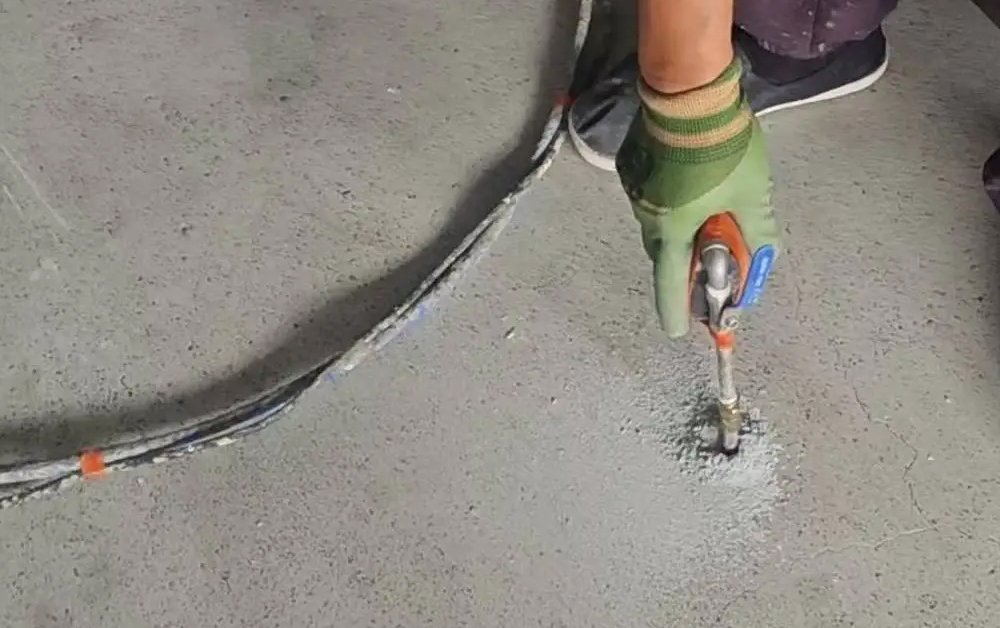
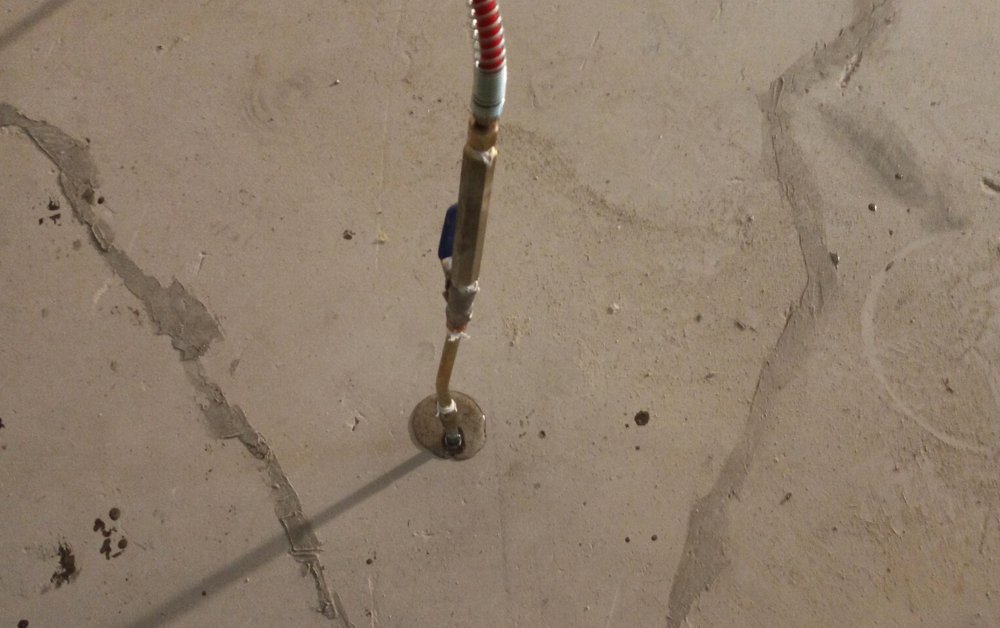
Step 1: Drilling Holes and Installing Packers
Drill holes along the crack line at a 45-degree angle. Insert injection packers securely.
Tips:
- Maintain consistent spacing
- Avoid over-drilling
Step 2: Surface Sealing
Seal the surface crack using epoxy or sealant to prevent grout leakage during injection.
Step 3: Injection Process
Inject the chemical grout using a high-pressure pump.
Best Practices:
- Start from the lowest point
- Inject gradually
- Monitor pressure carefully
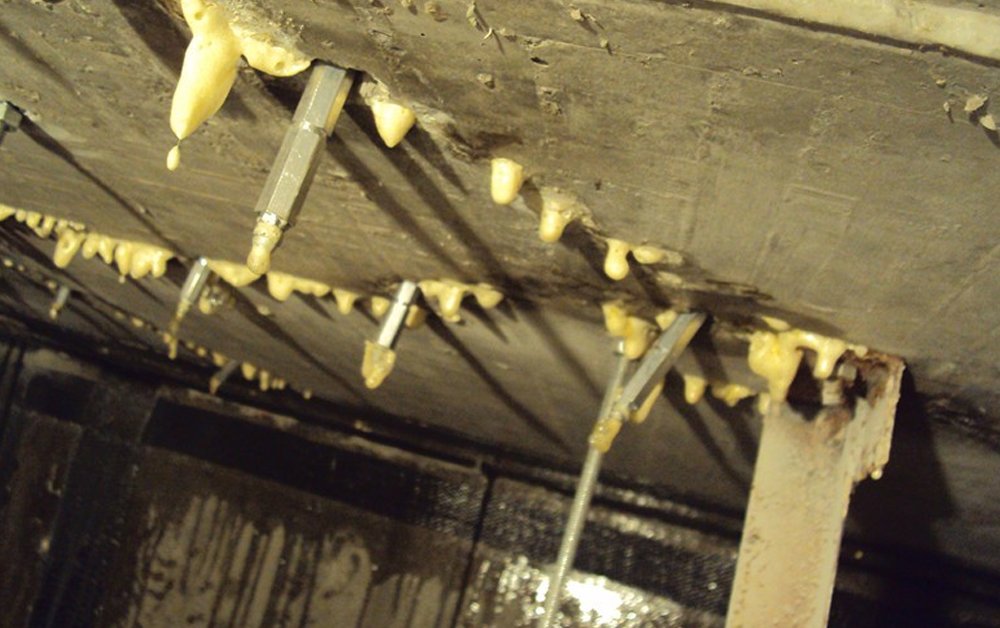
Step 4: Material Reaction and Expansion
Depending on the material:
- PU expands to fill voids
- Epoxy cures to form rigid bonds
- Acrylic penetrates deeply
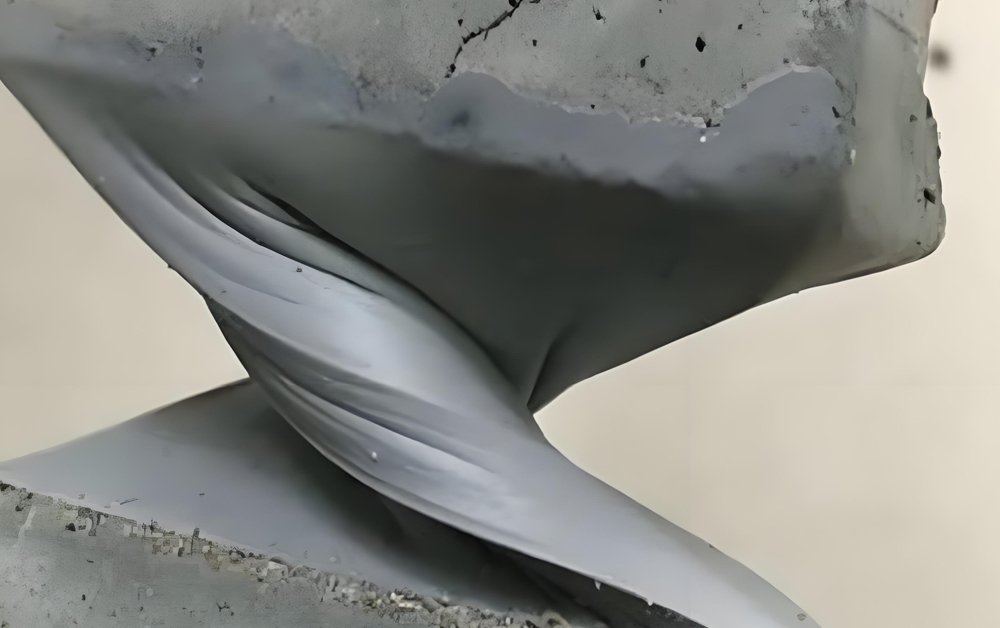
- Polyurea cures into an elastic, waterproof solid film
Step 5: Finishing and Surface Repair
After curing:
- Remove packers
- Seal holes
- Smooth the surface
Key Factors That Affect Grouting Performance
Even with the correct process, several variables influence results.
Injection Pressure:
- Too low = insufficient penetration
- Too high = potential damage
Material Reaction Time:
Fast curing is good for leaks but may reduce penetration.
Environmental Conditions:
Temperature and humidity impact curing speed.
Operator Skill Level:
Experience plays a significant role in achieving consistent results.
Common Problems and How to Solve Them
Incomplete Grouting:
- Cause: Insufficient pressure
- Solution: Increase injection points
Material Leakage:
- Cause: Poor sealing
- Solution: Improve surface sealing
Re-Leakage:
- Cause: Incomplete filling
- Solution: Secondary grouting
Slow Curing:
- Cause: Low temperature
- Solution: Adjust material type
How to Choose the Right Chemical Grouting Material?
Choosing the right material depends on multiple factors.
Consider These Factors:
- Type of leakage (active or static)
- Crack width
- Environmental conditions
- Structural requirements
Practical Tip:
For active leaks, polyurethane is often preferred. For structural repairs, epoxy is more suitable.
YURU Waterproof: A Reliable Partner for Chemical Grouting Solutions
Choosing the right supplier is just as important as choosing the right material.
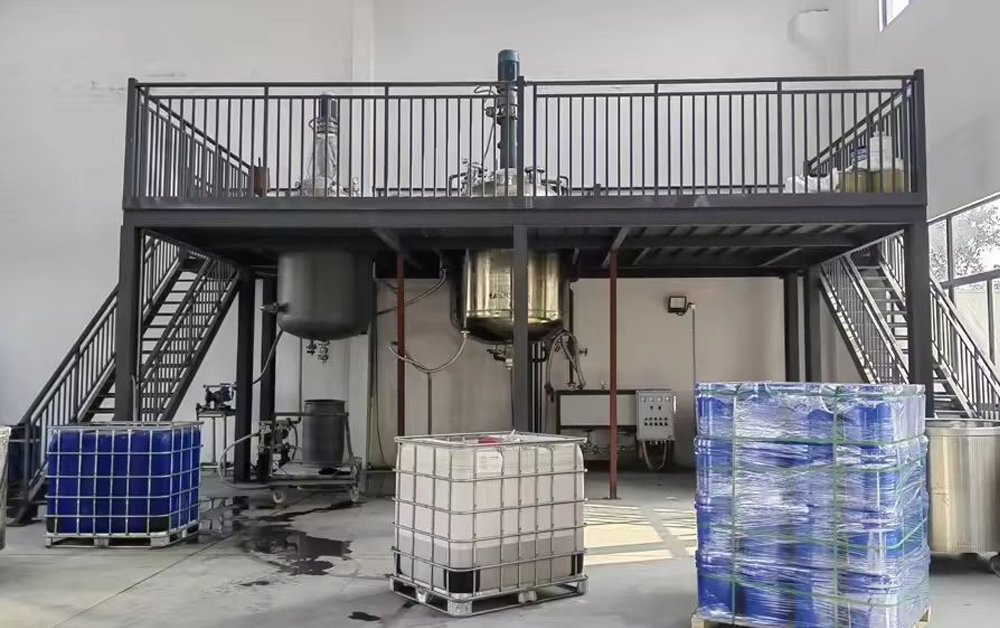
YURU Waterproof specializes in manufacturing:
- Chemical grouting materials
- Waterproof coatings
- Floor coating systems
Why Choose YURU?
- Consistent product quality
- Advanced formulation technology
- Technical support for projects
- Custom solutions for global markets
YURU products are widely used in:
- Underground construction
- Tunnel waterproofing
- Municipal infrastructure
For contractors and distributors, YURU provides both product reliability and long-term value.
FAQs About Chemical Grouting
1. What is chemical grouting used for?
It is used for waterproofing, crack repair, and soil stabilization in construction projects.
2. How long does chemical grouting last?
Depending on the material, it can last for many years(5-15 years), often matching the lifespan of the structure.
3. Is chemical grouting suitable for active leaks?
Yes, especially polyurethane grouting, which reacts with water and expands.
4. What equipment is needed for chemical grouting?
A high-pressure injection pump, packers, and mixing tools are essential.
Conclusion:
Understanding how to do chemical grouting is essential for modern construction professionals.
When done correctly, it offers:
- Effective leak control
- Structural reinforcement
- Long-term durability
Final Takeaways:
- Proper preparation is critical
- Material selection must match the application
- Execution requires precision
- Partnering with the right supplier ensures success
If you are looking for high-performance chemical grouting materials and reliable technical support, YURU Waterproof is ready to assist.
Contact YURU today to get customized solutions for your waterproofing and grouting projects.
YURU Product solutions