How to Install Polyurethane Foam Foundation?
Introduction:
In modern construction and foundation repair, speed, precision, and durability are expected. Traditional foundation repair methods such as mudjacking or concrete replacement often involve heavy labor, long downtime, and uncertain results.
This is where polyurethane foam foundation systems have changed the game.
Polyurethane foam is a high-performance material that expands rapidly after injection, filling voids, lifting structures, and sealing water pathways at the same time. Because of its lightweight yet strong structure, it has become a preferred solution for contractors, engineers, and infrastructure project managers.
This guide explains exactly how to install polyurethane foam foundation systems step by step, along with practical insights to help you achieve consistent, professional results.
What Is Polyurethane Foam Foundation?
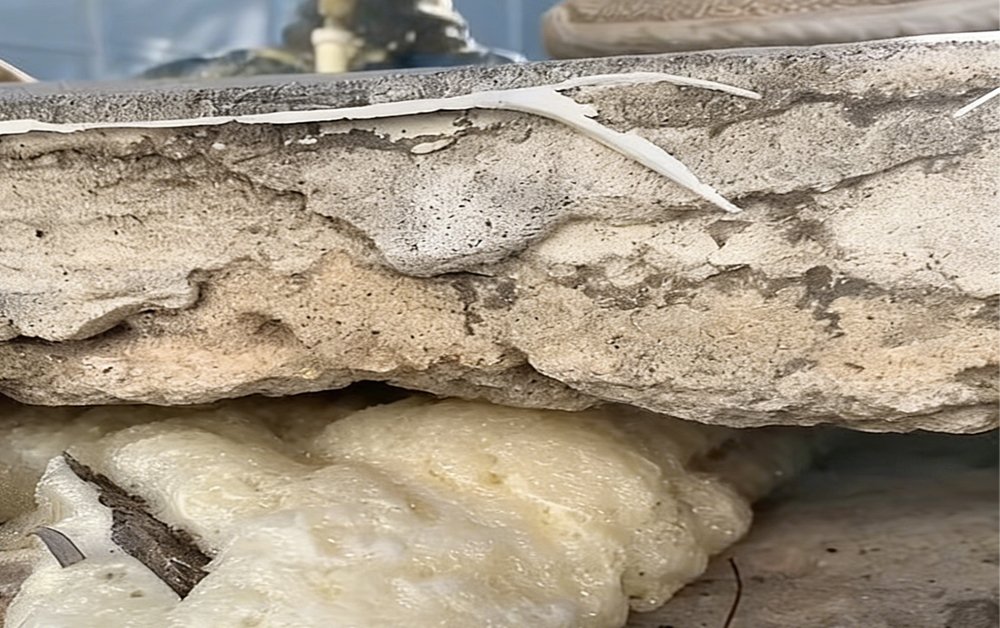
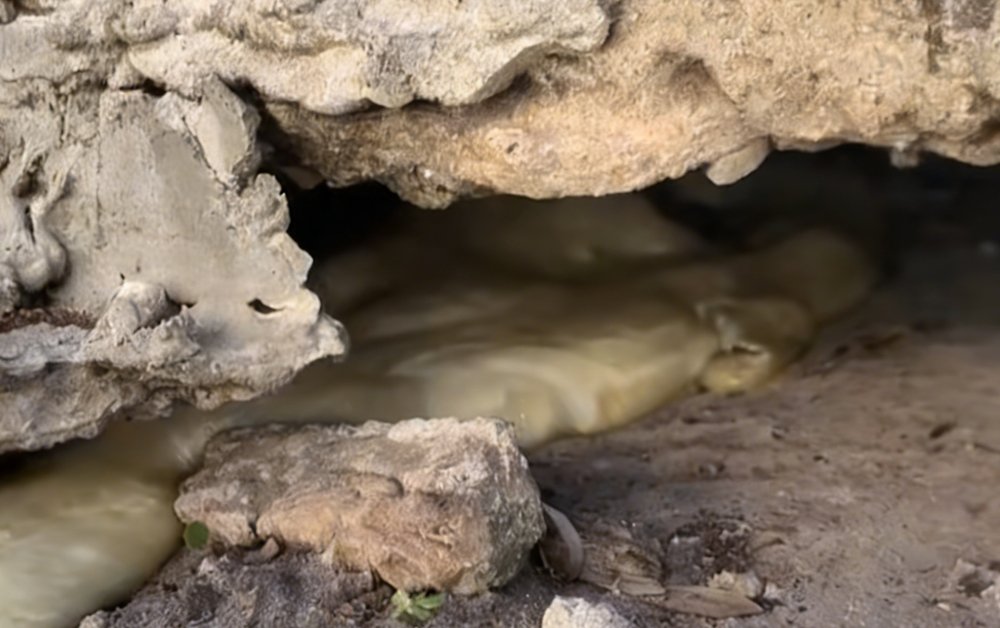
Polyurethane foam foundation refers to a ground stabilization and lifting method that uses expanding polyurethane foam to reinforce weak or settled soil beneath structures.
How It Works:
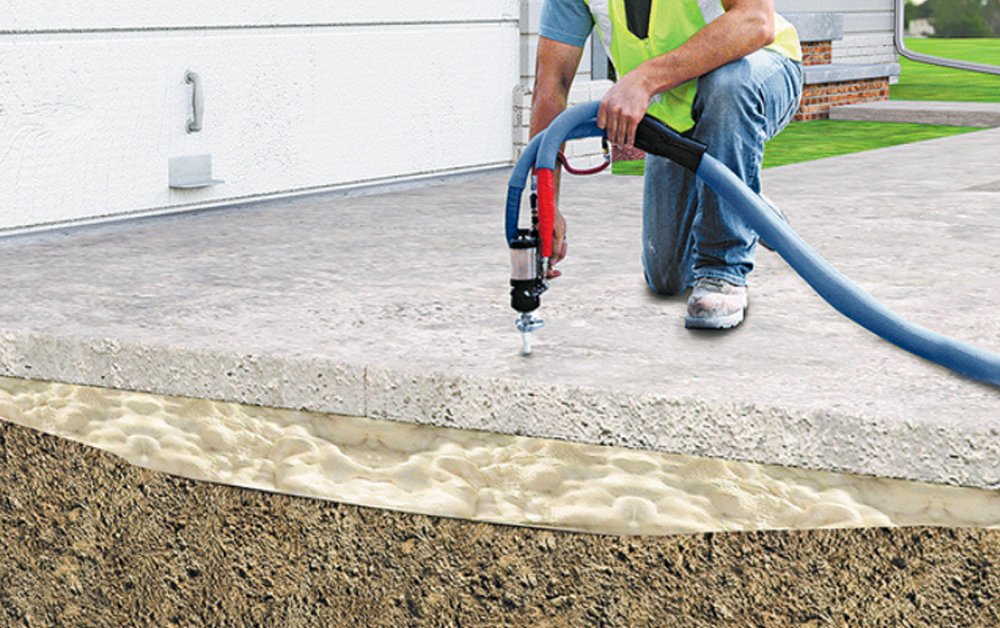
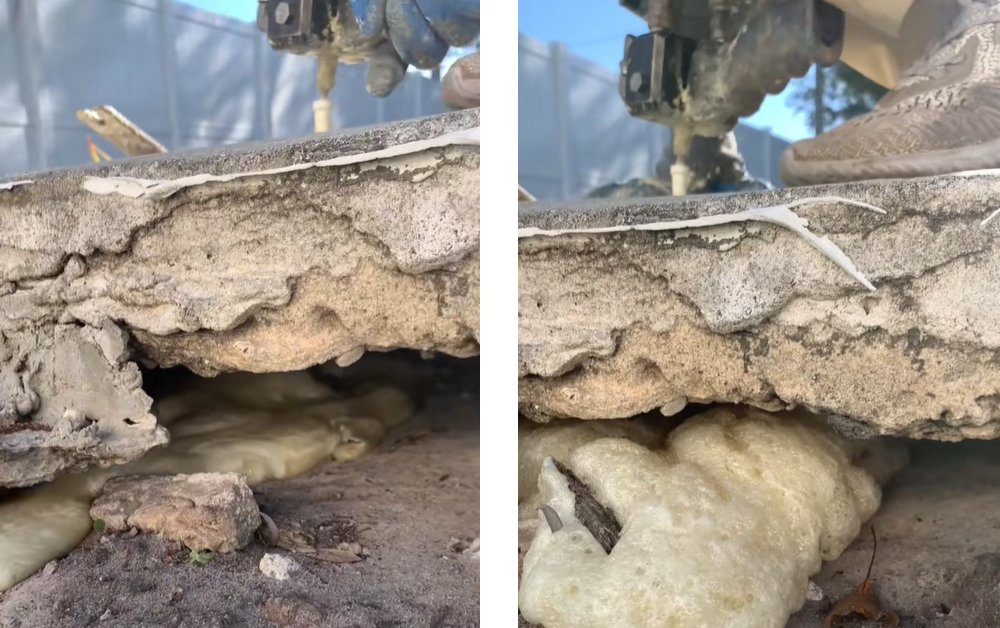
The system involves injecting two liquid components into the ground. Once mixed, they react chemically and expand into a rigid foam. This foam:
- Fills voids in soil
- Compacts surrounding loose materials
- Lifts sunken slabs or foundations
- Creates a water-resistant barrier
Key Material Characteristics
- Fast reaction time
- Closed-cell structure for waterproofing
- High compressive strength
- Lightweight compared to cement-based materials
Because of these properties, polyurethane foam is widely used in both structural repair and waterproofing applications.
When Should You Use Polyurethane Foam Foundation?
Before installation, it is important to determine whether this method is suitable for your project.
Common Problem Scenarios
Polyurethane foam foundation is ideal for:
- Settled or sunken concrete slabs
- Voids beneath foundations
- Soil erosion under structures
- Water leakage in underground areas
- Uneven floors in warehouses or factories
Suitable Project Types
- Industrial buildings
- Commercial warehouses
- Roads and highways
- Airport runways
- Municipal infrastructure
- Basement waterproofing systems
In general, if the issue involves soil instability, voids, or water intrusion, polyurethane foam can be an effective solution.
Advantages Over Traditional Foundation Repair Methods
Understanding the advantages helps decision-makers justify material selection.
Faster Installation
Unlike traditional methods that require excavation or curing time, polyurethane foam reacts quickly. Most projects can be completed within hours.
Minimal Disruption
There is no need for large-scale demolition. Small injection holes are sufficient, which reduces damage to existing structures.
Lightweight Yet Strong
Polyurethane foam adds minimal weight to the soil while providing strong support.
Excellent Waterproof Performance
The closed-cell structure prevents water migration, making it ideal for wet environments.
Precise Control
Contractors can control injection pressure and volume, ensuring accurate lifting and stabilization.
Pre-Installation Preparation: What You Need to Know
Proper preparation is essential for a successful installation.
Site Inspection and Assessment
Start by identifying:
- The extent of settlement
- Presence of voids
- Soil conditions
- Water infiltration areas
A detailed inspection helps determine injection points and material requirements.
Equipment Preparation
Typical equipment includes:
- High-pressure injection machine
- Injection guns and hoses
- Drill for creating injection holes
- Packers or injection ports
Material Selection
Choosing the right polyurethane foam is critical. Consider:
- Expansion ratio
- Reaction time
- Density and strength
- Water-reactive properties
Using high-quality materials ensures consistent results and reduces project risks.
Step-by-Step Installation Process
This is the core part of the operation.
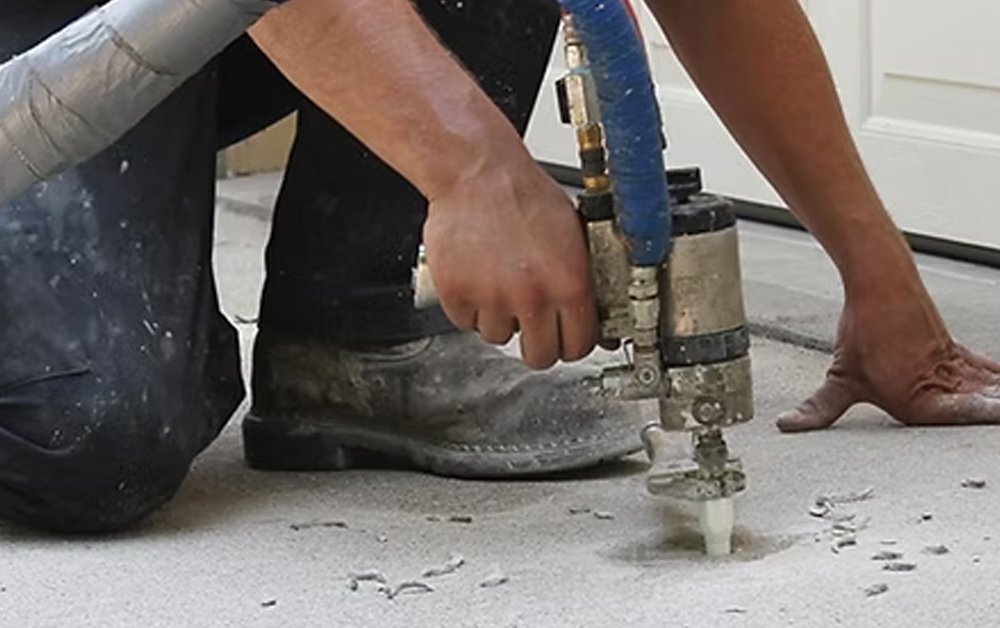
Step 1: Drilling Injection Holes
Small holes (usually 10–20 mm in diameter) are drilled into the slab or ground.
Key points:
- Follow a grid pattern
- Adjust spacing based on soil conditions
- Avoid structural damage
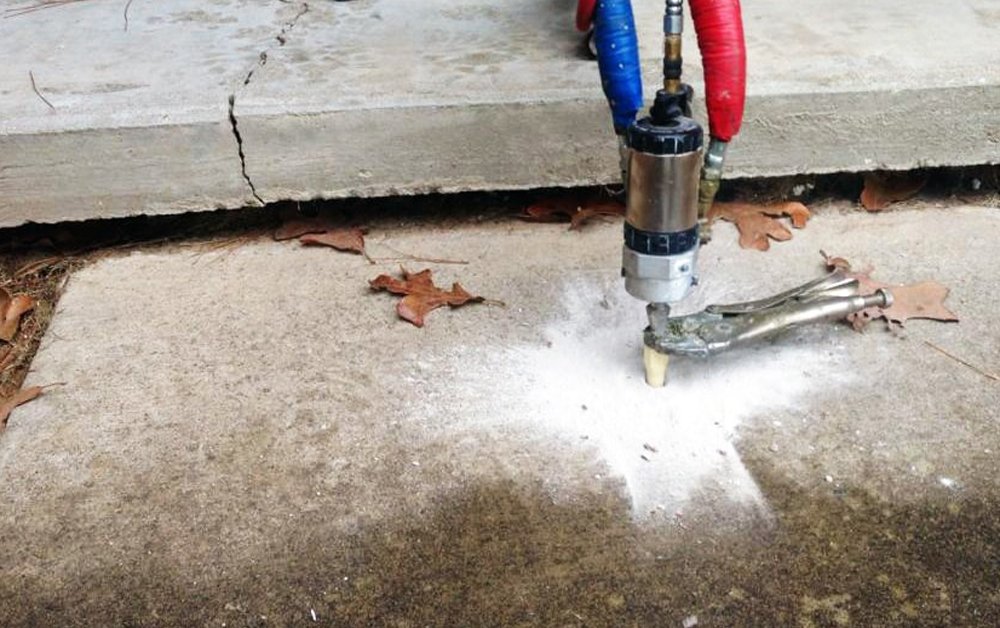
Step 2: Installing Injection Ports
Injection ports are placed into the drilled holes to allow controlled material delivery.
Tips:
- Ensure tight sealing
- Prevent material leakage
- Use appropriate port types for pressure levels
Step 3: Injecting Polyurethane Foam
The two-component polyurethane is injected through the ports.
Once injected:
- The material expands rapidly
- Fills voids and cracks
- Begins lifting the structure
This stage requires careful monitoring.
Step 4: Monitoring and Lifting Control
During injection:
- Observe slab movement in real time
- Use leveling tools if necessary
- Adjust injection speed and volume
Over-injection should be avoided to prevent structural stress.
Step 5: Finishing and Sealing
After the desired lift is achieved:
- Remove injection ports
- Seal holes with repair mortar
- Clean the surface
The structure is usually ready for use immediately after completion.
Common Mistakes and How to Avoid Them
Even experienced contractors can face issues.
Incorrect Injection Pressure
- Too much pressure may cause uneven lifting or damage.
- Too little pressure may result in incomplete filling.
Poor Material Quality
Low-quality foam may:
- Collapse over time
- Provide insufficient strength
- Fail in wet conditions
Improper Injection Layout
Incorrect hole spacing leads to uneven results.
Can Polyurethane Foam Be Used in Wet Conditions?
Yes, and this is one of its biggest advantages.
Water-Reactive Properties
Certain polyurethane foams react with water, enhancing expansion and sealing.
Waterproof Barrier Formation
Once cured, the foam forms a closed-cell structure that blocks water pathways.
This makes it highly effective in:
- Basements
- Tunnels
- Underground structures
Application Scenarios in Real Projects
Foundation Settlement Repair
Used to lift and stabilize sunken structures without demolition.
Void Filling Under Slabs
Quickly fills cavities caused by soil erosion.
Infrastructure Stabilization
Suitable for roads, bridges, and airports.
Waterproofing Integration
Acts as both structural support and water barrier.
How to Choose the Right Polyurethane Foam Supplier?
Key Evaluation Factors
- Product consistency
- Technical support
- Customization capability
- Delivery reliability
- Certification and quality standards
Why Material Quality Matters:
High-quality materials ensure:
- Stable expansion
- Reliable strength
- Long-term performance
Why Choose YURU for Polyurethane Foam Foundation Solutions?
YURU Waterproof specializes in high-performance polyurethane materials for foundation and waterproofing applications.
What YURU Offers:
- Stable and reliable PU foam systems
- Engineering-grade formulations
- OEM and private label support
- Technical guidance for contractors
- Fast production and global delivery
With years of manufacturing experience, YURU provides solutions tailored to real project conditions.
Safety Considerations During Installation
Worker Protection
Use protective gloves and masks.
Ensure proper ventilation.
Equipment Handling
Follow pressure guidelines.
Regularly inspect machines.
Material Storage
Store in controlled environments.
Avoid extreme temperatures.
FAQs:
1. What is polyurethane foam foundation used for?
It is used for soil stabilization, void filling, foundation lifting, and waterproofing.
2. How long does polyurethane foam last?
High-quality polyurethane foam can last for 10 years.
3. Can polyurethane foam be used in wet soil?
Yes, it performs well in wet environments and can even react with water.
Conclusion:
Installing polyurethane foam foundation systems is not just about injecting material, it is about understanding soil conditions, controlling the process, and using reliable products.
When done correctly, this method offers:
- Fast project completion
- Long-lasting stability
- Improved waterproof performance
For contractors and project managers, it represents a modern, efficient solution to complex foundation challenges.
Contact YURU Waterproof today to get professional recommendations and competitive pricing.
YURU Product solutions