Crack Injection Materials Guide: How to Choose the Right Solution for Concrete Repair?
Introduction:
Concrete cracks are inevitable in construction. However, not all cracks are equal, and more importantly, not all repair materials are suitable for every situation.
In real projects, many repair failures are not caused by poor workmanship but by selecting the wrong injection material. A rigid material used in a moving crack, or a low-viscosity grout used in high-pressure leakage, can lead to repeated repairs and increased costs.
This is why understanding crack injection materials is essential for buyers and engineers.
In this guide, we will break down the key material types, their working principles, and how to select the right one based on real project conditions.

Types of Concrete Cracks and Why They Matter?
Before choosing any material, you must understand the crack itself. This step determines the success of the entire repair process.
Structural Cracks
Structural cracks are caused by load stress, design issues, or foundation movement.
Characteristics:
- May affect structural integrity.
- Usually require high-strength repair.
Material requirement: strong bonding and load restoration.
Non-Structural Cracks
These cracks are often caused by:
- Temperature changes
- Shrinkage during curing
- Minor surface stress
They don’t usually compromise structural safety but may allow water infiltration.
Active (Dynamic) Cracks
Active cracks continue to move over time due to:
- Temperature variation
- Load changes
- Settlement
Material requirement: flexibility and elasticity.
Dormant (Static) Cracks
These cracks are stable and no longer changing.
Material requirement: rigid bonding materials.
Water-Leaking Cracks
Cracks associated with moisture or active leakage are among the most challenging.
Material requirement:
- Waterproof sealing
- Pressure resistance
- Durability
Overview of Crack Injection Materials
Different materials are designed to solve different problems. Understanding their properties is critical.
Epoxy Injection Materials
What Is Epoxy Injection?
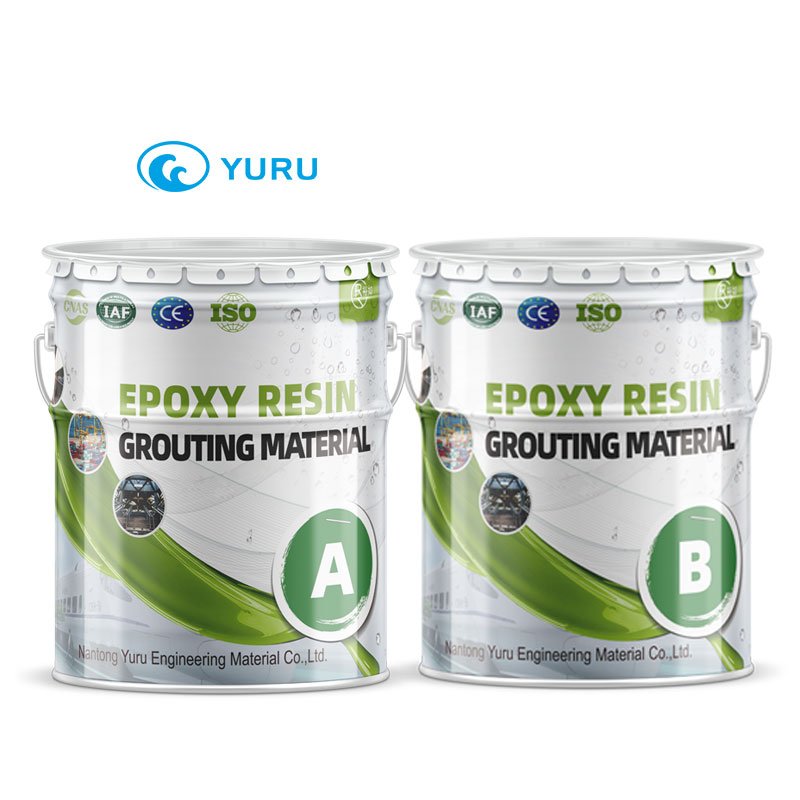
Epoxy injection uses a two-component resin that cures into a rigid, high-strength material.
Key Characteristics:
- High compressive strength
- Excellent bonding to concrete
- Restores structural integrity
Advantages:
- Ideal for structural repairs
- Long-lasting when applied correctly
- Minimal shrinkage
Limitations:
- No flexibility after curing.
- Not suitable for wet or leaking cracks.
- Sensitive to moisture during application.
Best Applications:
- Structural crack repair
- Load-bearing elements
- Dry environments
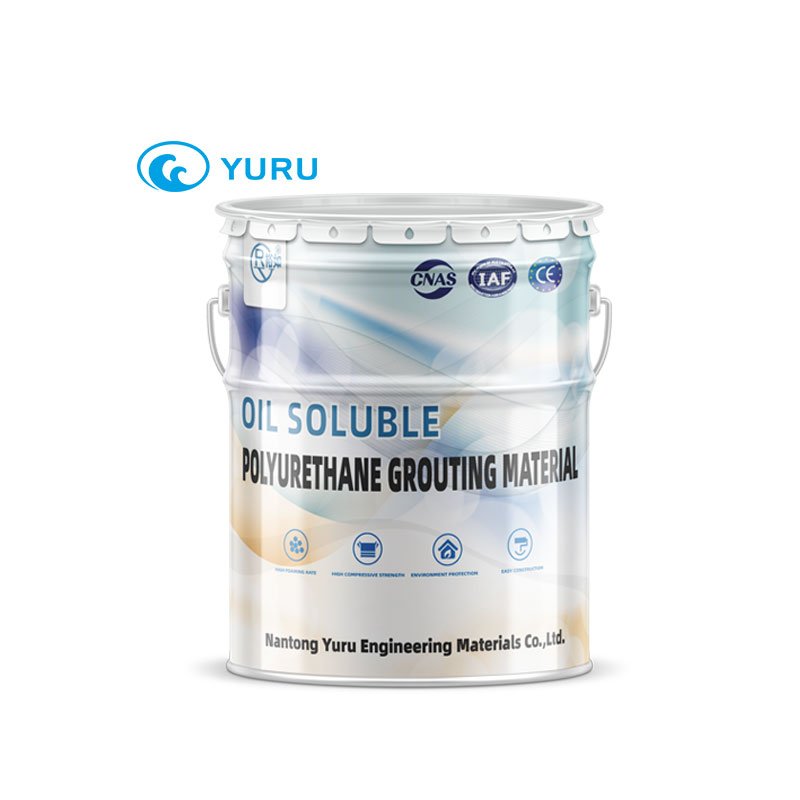
Polyurethane Injection Materials
What Is Polyurethane Grout?
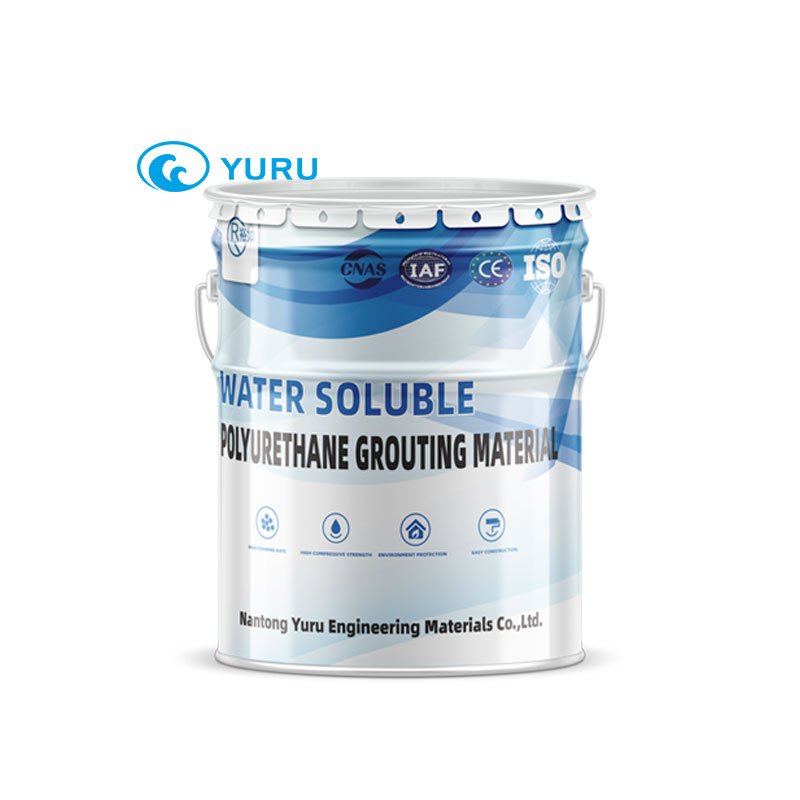
Polyurethane grout is a reactive material that expands when in contact with water. It has two types: oil-based pu grout and water-based pu grout.
Key Characteristics:
- Water-reactive expansion
- Fast leak sealing
- Moderate flexibility
Advantages:
- Effective for active water leaks.
- Easy to apply.
- Adaptable to irregular voids.
Limitations:
- May degrade over long periods.
- Limited structural strength.
Best Applications:
- Basement leakage
- Tunnel water ingress
- Emergency sealing
Polyurea Injection Materials
What Is Polyurea Grout?
Polyurea grout is a fast-reacting elastomer formed by chemical reaction.
Key Characteristics:
- Fast curing
- High elasticity
- Strong durability
Advantages:
- Suitable for dynamic cracks
- Excellent waterproofing
- Long service life
Limitations:
- Higher cost
- Requires controlled application
Best Applications:
- Infrastructure projects
- Long-term waterproofing
- High-performance sealing
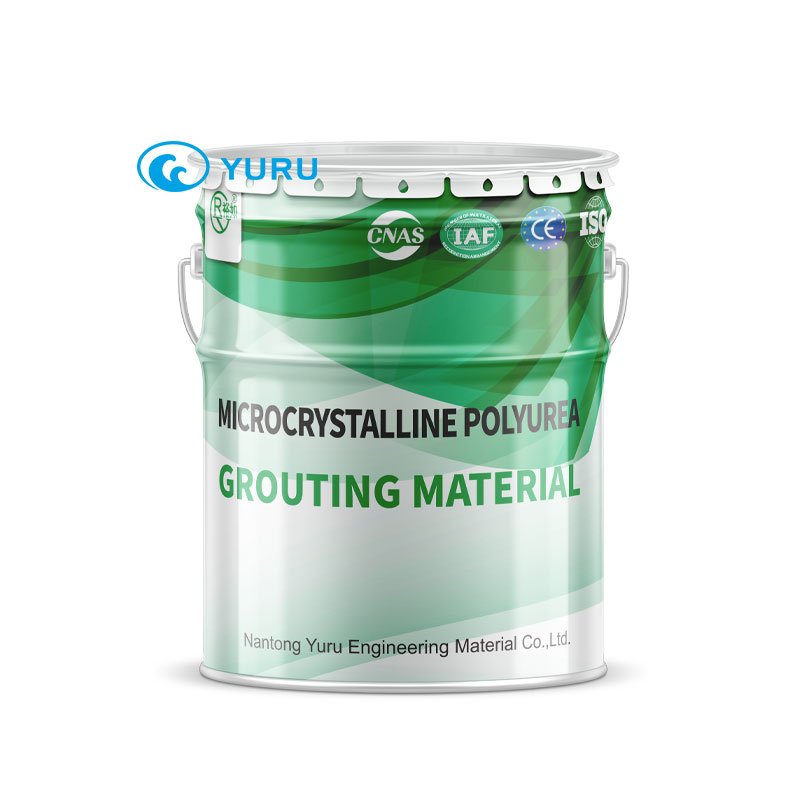
Microcrystalline Polyurea Injection Materials
What Makes It Different?
Microcrystalline polyurea grout is an advanced form of polyurea with improved penetration and stability.
Key Characteristics:
- Lower viscosity
- Better micro-crack penetration
- Enhanced durability
Advantages:
- Combines flexibility and strength
- Performs well in complex structures
- Superior long-term sealing
Best Applications:
- Micro-crack waterproofing
- High-end underground engineering
- Tunnels and metro systems
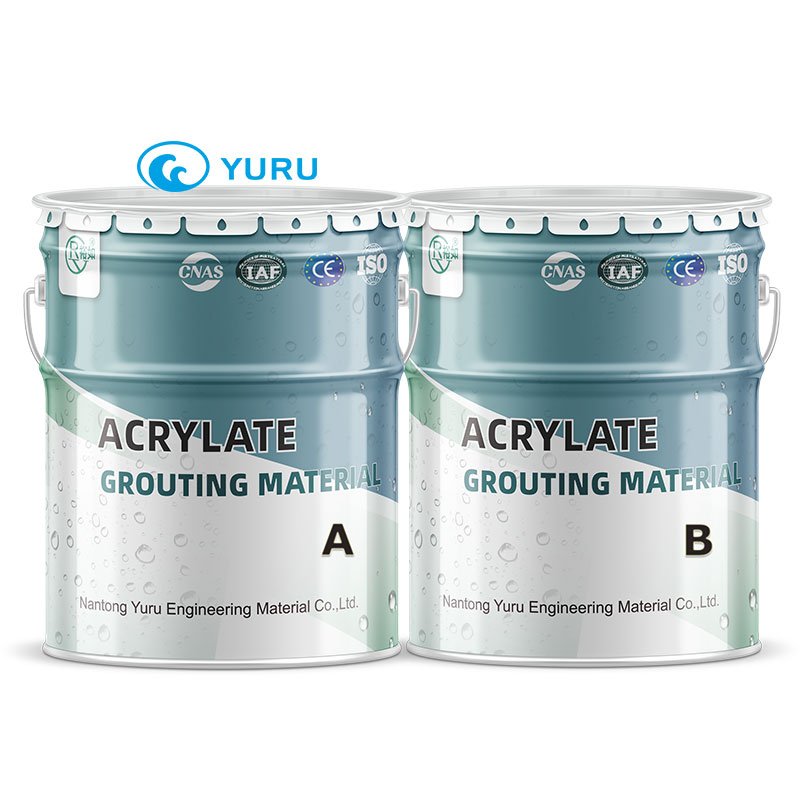
Acrylate Injection Materials
What Is Acrylate Grout?
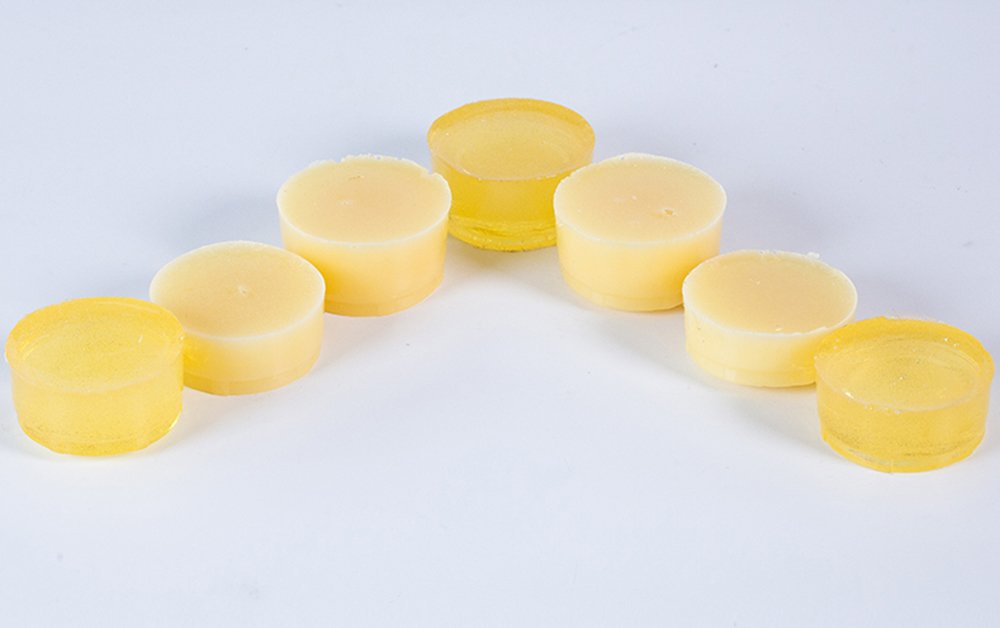
Acrylate grout is a low-viscosity material that forms a flexible gel after curing.
Key Characteristics:
- Water-like viscosity
- Excellent penetration
- Flexible sealing
Advantages:
- Ideal for very fine cracks
- Effective for curtain grouting
- Good waterproof performance
Limitations:
- Lower mechanical strength
- Requires precise control
Best Applications:
- Micro-cracks
- Soil sealing systems
- Underground waterproofing
- Soil stabilization
Cementitious Injection Materials
What Is Cement Grout?
Cementitious grout is a traditional material used for filling and stabilization.
Key Characteristics:
- High viscosity
- Low cost
- Easy to handle
Limitations:
- Limited penetration
- Poor flexibility
- Weak waterproof performance
Best Applications:
- Void filling
- Soil stabilization
- Non-precision repairs
How to Choose the Right Injection Material?
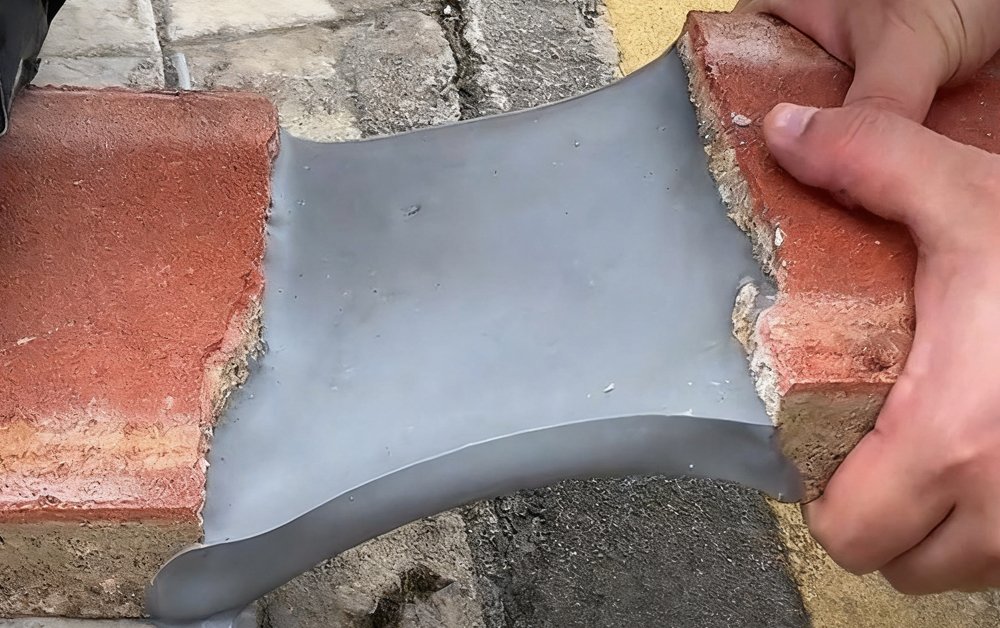
Polyurea coatings are particularly beneficial in construction projects due to their versatility and durability. Here are some of the most common applications:
Identify Crack Type
- Static → Epoxy
- Dynamic → Polyurea
Evaluate Water Conditions
- Active leakage → PU
- Damp conditions → Polyurea
Consider Crack Size
- Micro cracks → Acrylate
- Large cracks → PU or epoxy
Define Project Goals
- Structural repair → Epoxy
- Waterproofing → PU / Polyurea
Performance Comparison of Injection Materials
Key factors to compare include:
- Viscosity
- Reaction time
- Flexibility
- Strength
- Waterproofing ability
A balanced evaluation helps avoid costly mistakes.
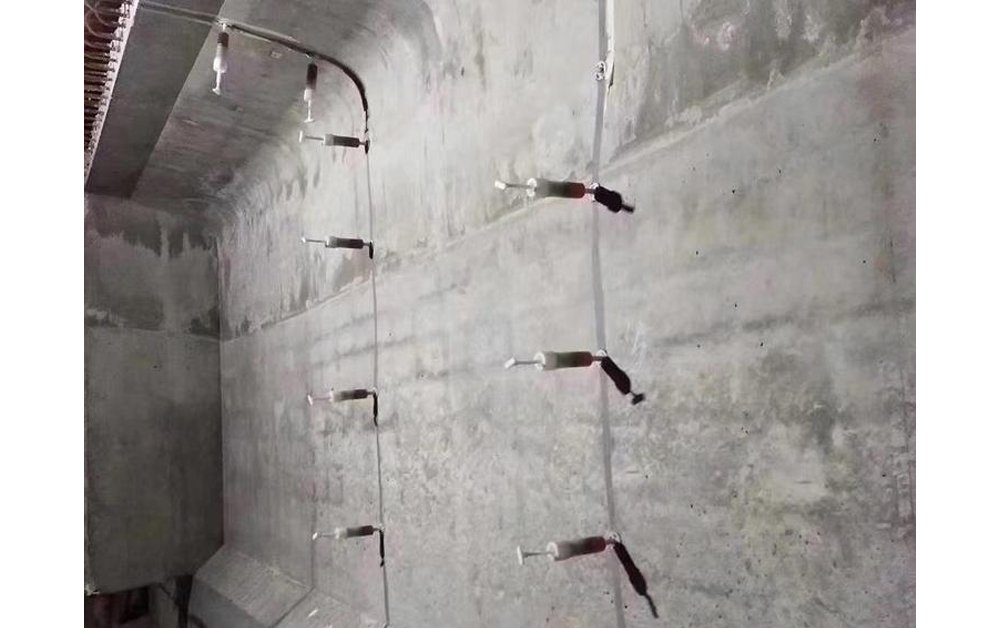
Basic Injection Process Overview
Crack Assessment:
Identify location, width, and activity.
Drilling and Port Installation:
Ensure proper injection pathways.
Injection:
Control pressure and material flow.
Inspection and Finishing:
Verify sealing performance and close ports.

Common Mistakes in Crack Injection
Using Rigid Materials in Moving Cracks
Leads to re-cracking.
Ignoring Water Pressure
Causes incomplete sealing.
Poor Injection Planning
Results in uneven distribution.
How to Choose a Reliable Material Supplier?
Key Considerations:
- Product consistency
- Technical support
- Custom solutions
- Delivery reliability
YURU Crack Injection Material Solutions
YURU Waterproof is a professional manufacturer providing a full range of crack injection materials for global markets.
Product Coverage:
- Epoxy injection systems
- Polyurethane grout
- Polyurea grout
- Microcrystalline polyurea grout
- Acrylate grout
- Waterproof paints
- Flooring coatings
Advantages:
- Stable product quality
- Engineering-focused design
- OEM and customization support
- Fast and reliable delivery
YURU helps clients solve real construction challenges with practical solutions.
FAQs:
1. What is the best material for crack injection?
It depends on the crack type. Epoxy is best for structural repair, while PU and polyurea are better for waterproofing.
2. Can polyurethane stop water leaks?
Yes, it expands and seals active leaks effectively.
3. Is epoxy suitable for wet cracks?
No, epoxy requires dry conditions.
4. Which material is best for micro cracks?
Acrylate or microcrystalline polyurea grout.
Conclusion:
There is no universal solution for crack repair.
The best material depends on:
- Crack type
- Environmental conditions
- Performance requirements
By understanding material properties and matching them to project needs, you can achieve durable and reliable results.
Contact YURU Waterproof today for samples and expert recommendations.

YURU Product solutions