Waterproof Coating OEM Manufacturing Process: Complete Guide
Introduction:
The global construction and waterproofing industry has changed significantly over the past decade. More distributors, contractors, and private-label building material brands are now outsourcing production to professional waterproof coating OEM manufacturers instead of investing in their own factories. This shift isn’t just about reducing costs — though that’s part of it. More importantly, it allows companies to access mature production systems, stable formulations, and international technical support without the massive capital investment of building a factory.
Choosing the wrong OEM waterproof coating supplier can create serious problems. Inconsistent quality, delayed shipments, unstable formulations, poor after-sales support. All of these lead to project delays and customer complaints.
Therefore, understanding the complete waterproof coating OEM manufacturing process is extremely important before starting cooperation with a factory.
This guide covers how professional OEMs develop, produce, test, package, and export waterproof materials. Plus common challenges, quality standards, and how to choose a reliable partner.
Quick Overview:
Before discussing technical details, here is a quick summary of the most important points covered in this article:
- What waterproof coating OEM manufacturing really means
- The difference between OEM and ODM waterproof coating services
- How waterproof coating formulations are developed
- Key production steps inside a waterproof coating factory
- Quality inspection and laboratory testing standards
- Packaging and private-label customization options
- Common OEM manufacturing problems and how to avoid them
- How to evaluate a professional waterproof coating manufacturer
- Why more international buyers cooperate with Chinese OEM factories
- How YURU Waterproof supports global waterproofing brands
What Is Waterproof Coating OEM Manufacturing?
OEM means Original Equipment Manufacturing. In the waterproofing industry, OEM manufacturing refers to a cooperation model.
Simply put: A factory makes the product. You sell it under your brand.
Today, waterproof coating OEM manufacturing has become extremely common in international markets. Many building material distributors, construction suppliers, and regional waterproofing brands rely on OEM factories to expand their product lines without building their own production facilities.
Why OEM Manufacturing Is Growing Rapidly?
Several important factors are driving this growth.
Lower Investment Costs
Building a waterproof coating factory is expensive. Production equipment, raw material storage, environmental protection facilities, laboratory testing equipment and others. Cooperating with an experienced OEM factory is far more practical.
Faster Product Launch
Developing a new waterproof coating product from scratch may take years. OEM factories already have mature formulations and production systems. As a result, buyers can launch products much faster.
Technical Support
Professional manufacturers have formulation engineers, testing laboratories, and application experts. This kind of technical support is very helpful for overseas buyers.
Flexible Product Customization
Different countries have different climate conditions and construction standards. OEM factories can modify formulations according to local project requirements.
For example:
- Middle Eastern markets often require excellent UV resistance and heat resistance
- Southeast Asian markets need strong humidity resistance
- European projects may require low VOC and environmentally friendly formulations
- Industrial facilities may require chemical-resistant waterproof coatings
OEM vs ODM Waterproof Coating Manufacturing
Many buyers confuse OEM and ODM services. Although they are similar, there are important differences.
| OEM Manufacturing | ODM Manufacturing |
| Buyer owns the brand | Factory may provide product concept |
| Formula can be customized | Usually based on existing formulas |
| Packaging fully customized | Packaging partially customizable |
| Higher flexibility | Faster product launch |
| Suitable for established brands | Suitable for startups |
In the waterproof coating industry, OEM cooperation is usually more popular among distributors and contractors because it provides better product differentiation.
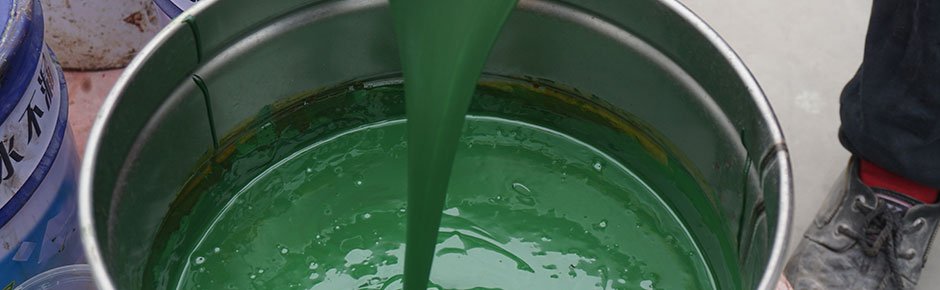
Types of Waterproof Coatings Commonly Produced Through OEM Services
Professional waterproof coating manufacturers usually provide several product categories.
| Type | Core Advantages | Main Applications |
| Polyurethane | High elasticity, crack bridging | Roofs, basements, bathrooms |
| Polyurea | Fast curing, high abrasion resistance | Industrial applications, tunnels, parking lots |
| Acrylic | UV resistant, weather resistant | Exposed roofs |
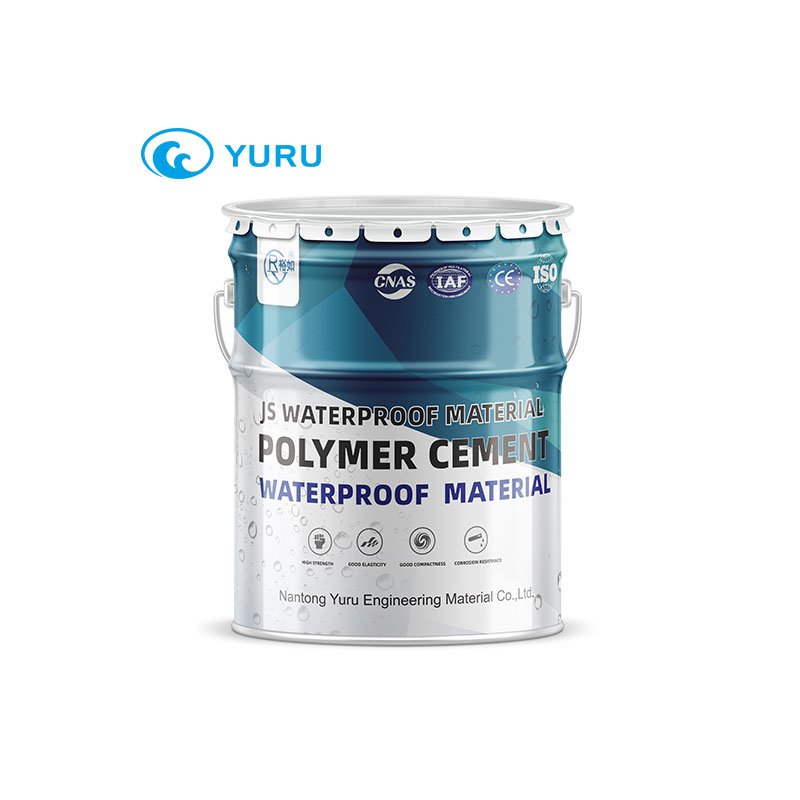
| Cementitious | Low cost, easy to install | Water tanks, kitchens, underground structures |
| Liquid Rubber | High flexibility, easy to repair | Roof renovation, maintenance |
How the Waterproof Coating OEM Manufacturing Process Works?
The manufacturing process directly affects waterproof performance, product stability, and long-term durability. Professional factories follow strict production procedures to ensure consistent quality.
Step 1 – Raw Material Selection
Raw materials are the foundation of waterproof coating quality. Even small differences in raw material purity can significantly affect waterproof performance.
Key Raw Materials Used in Waterproof Coatings
Different coating systems require different materials.
- Polyurethane Resin
- Acrylic Emulsion
- Polyurea Prepolymers
- Fillers and Additives
Common additives include:
- Defoamers
- Wetting agents
- UV stabilizers
- Anti-settling agents
- Thickening agents
Why Raw Material Stability Matters?
Many low-cost factories purchase unstable raw materials from different suppliers to reduce production costs. This often causes:
- Color inconsistency
- Layer separation
- Reduced adhesion
- Poor waterproof performance
- Shorter service life
Professional manufacturers usually establish long-term cooperation with reliable chemical suppliers to maintain stable product quality.
Factory Experience: High-Temperature Climate Challenges
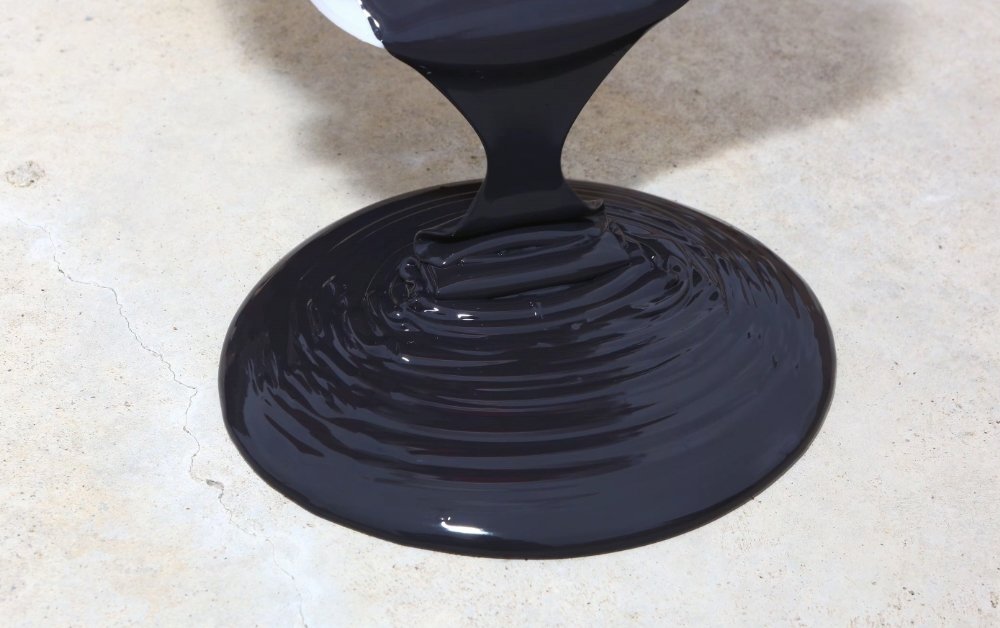
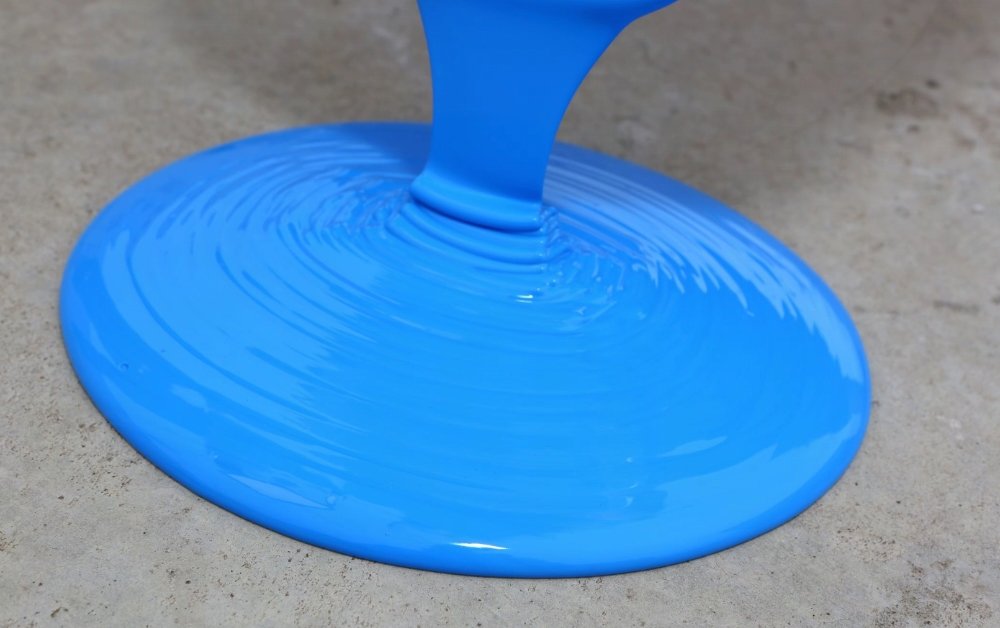
In many roofing projects in the Middle East, ordinary polyurethane coatings cannot withstand the local temperatures. At YURU Waterproof, we typically adjust the formulation based on the project’s climatic conditions. This is done by adding heat-resistant additives and UV stabilizers.
Step 2 – Formula Development and Technical Testing
Formulation development is one of the most important stages in OEM waterproof coating manufacturing.
Why Formula Customization Is Necessary?
Different construction projects require different performance characteristics.
For example:
| Project Type | Main Performance Requirement |
| Roof waterproofing | UV resistance |
| Basement waterproofing | Water pressure resistance |
| Tunnel waterproofing | Crack bridging |
| Industrial flooring | Chemical resistance |
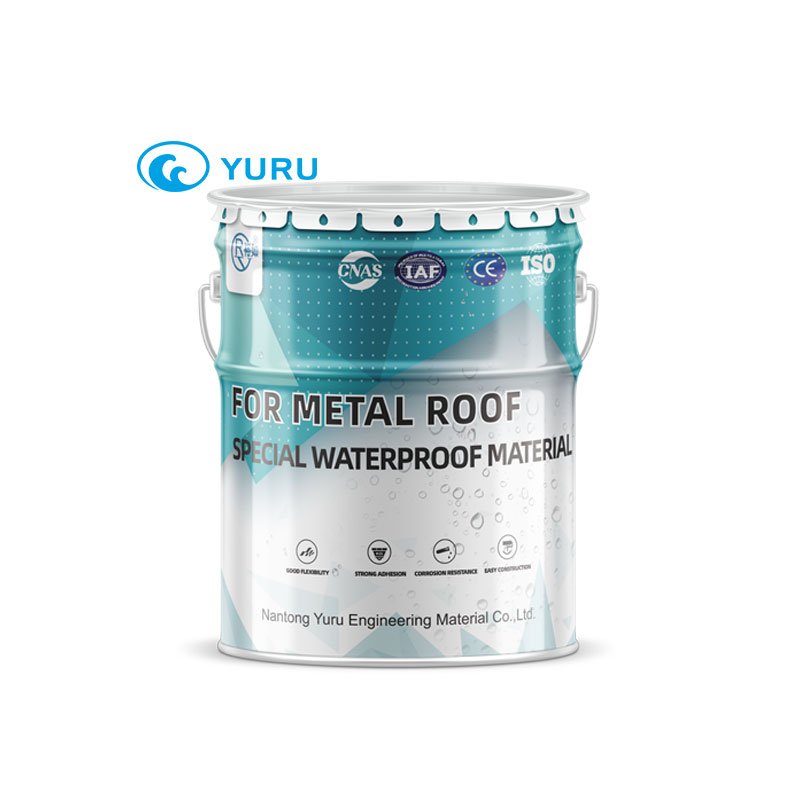
| Metal roof coating | Adhesion and flexibility |
A professional OEM manufacturer does not simply sell a standard product to every market. Instead, engineers optimize formulations according to project conditions.
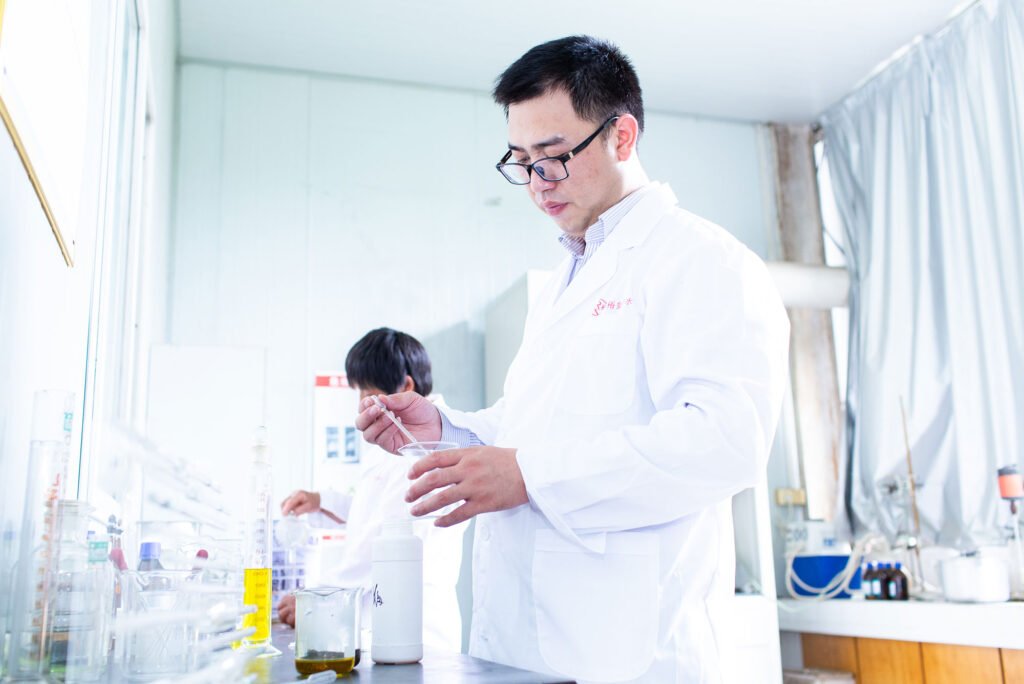
Laboratory Testing During Formula Development
Before mass production begins, waterproof coatings usually undergo multiple laboratory tests.
Tensile Strength Testing
- This evaluates the coating’s resistance to breaking under tension.
Elongation Testing
- This measures flexibility and crack-bridging capability.
Adhesion Testing
- Strong adhesion is critical for long-term waterproofing performance.
Water Immersion Testing
- Coatings are immersed in water for extended periods to evaluate waterproof stability.
UV Aging Testing
- UV exposure testing simulates long-term outdoor weather conditions.
Real Manufacturing Challenges During Formula Development
Many overseas buyers focus only on product price. However, formulation optimization is often the real reason why some waterproof coatings perform much better than others.
For example, in Southeast Asia, high humidity levels can affect curing performance. Therefore, moisture resistance must be considered carefully during formulation design.
Experienced OEM factories often spend years improving curing stability under difficult climate conditions.
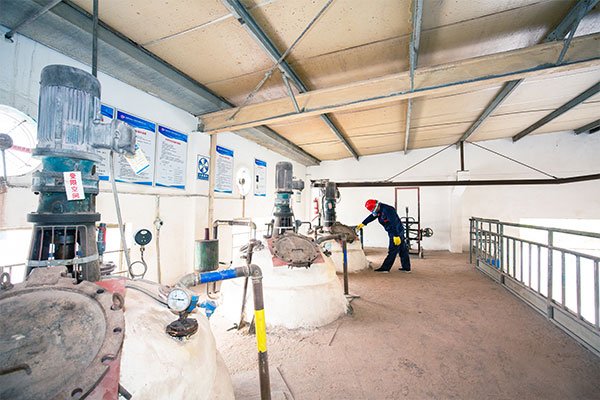
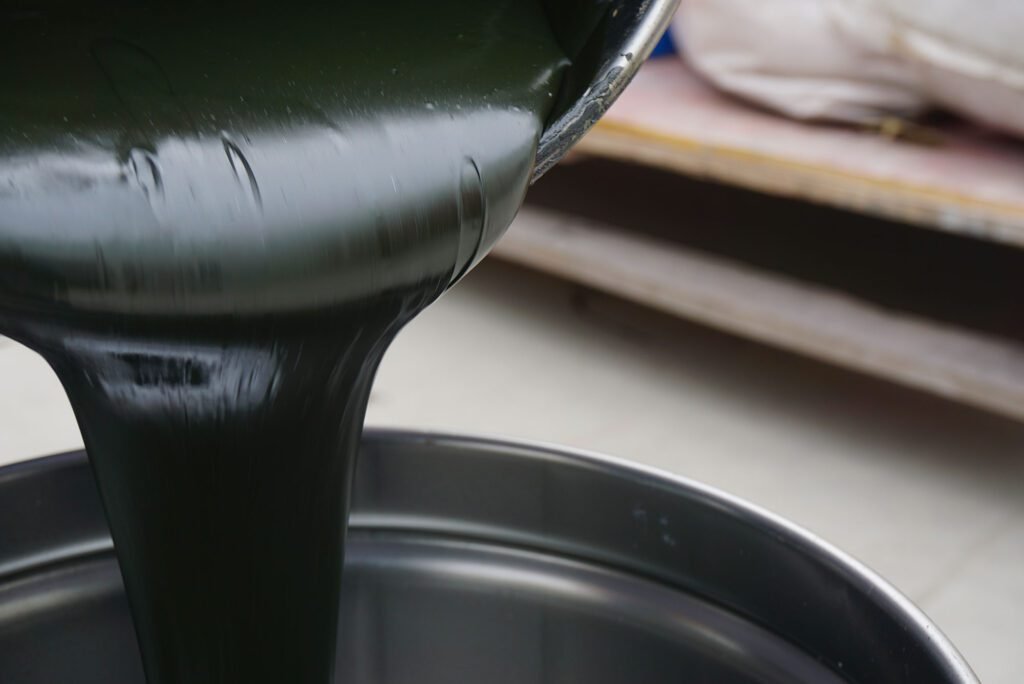
Step 3 – Production and Mixing Process
After formulations are approved, the production stage begins.
Modern waterproof coating factories typically use automated or semi-automatic production systems to improve consistency.
Main Production Stages
Raw Material Weighing
- Each raw material must be measured precisely. Small weighing errors can affect final performance.
High-Speed Mixing
- High-speed dispersers ensure pigments, fillers, and resins are evenly distributed.
Reaction Processing
- Some waterproof coatings require chemical reactions under controlled temperatures.
Cooling and Stabilization
- After mixing, materials must stabilize before packaging.
Filtration
- Filtering removes impurities and ensures smooth product texture.
Why Automated Production Is Important?
Manual production often causes inconsistent product quality.
Automated production lines help improve:
- Batch consistency
- Production efficiency
- Quality stability
- Delivery speed
This is especially important for large orders.
Common Production Problems in Low-Quality Factories
Some small factories face serious production management problems.
Poor Temperature Control
- Improper temperature control may cause unstable reactions.
Inadequate Mixing
- Insufficient mixing can lead to separation or uneven viscosity.
Low-Quality Equipment
- Old equipment often reduces production accuracy.
Weak Quality Supervision
- Without proper supervision, defective products may enter the market.
Step 4 – Quality Inspection and Performance Testing
Professional waterproof coating manufacturers conduct strict quality inspections before shipment.
Quality testing is one of the most important indicators of factory professionalism.
Common Waterproof Coating Testing Standards
| Test Item | Purpose |
| Tensile strength | Measures coating strength |
| Elongation | Evaluates flexibility |
| Adhesion | Tests bonding performance |
| Waterproof testing | Confirms leakage resistance |
| UV aging | Simulates outdoor exposure |
| Salt spray testing | Evaluates corrosion resistance |
| Low-temperature flexibility | Tests cold-weather performance |
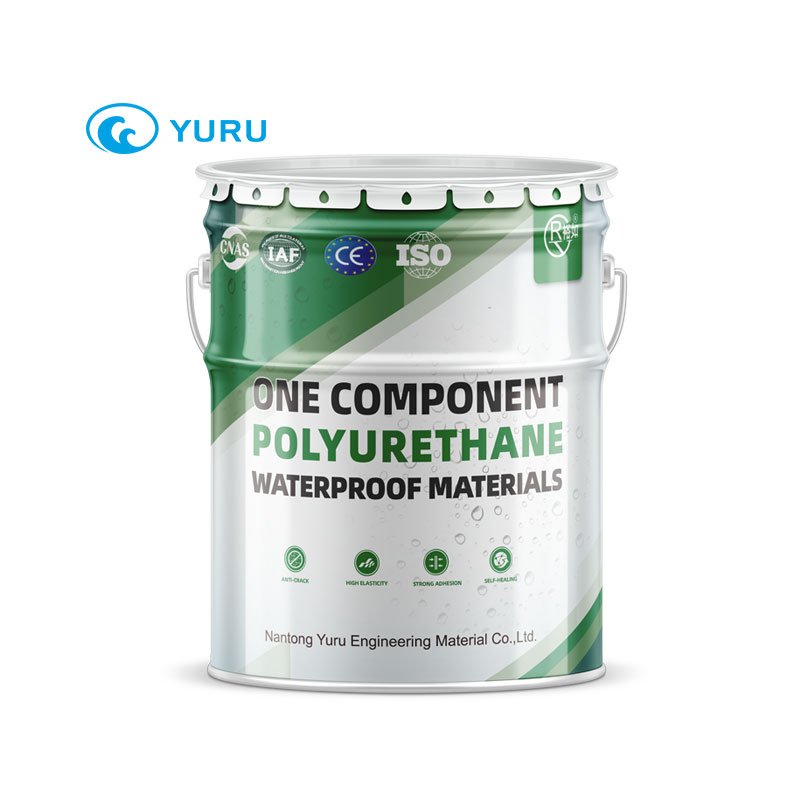
Similar to the testing standards for single-component polyurethane waterproof coatings like YURU Waterproof:
| Item | Project | Index |
| 1 | Solid content (%) | 91 |
| 2 | Surface drying time/h | 8 |
| 3 | Fully drying time/h | 11 |
| 4 | Tensile strength/MPa | 2.5 |
| 5 | Elongation at break/% | 680 |
| 6 | Low temperature flexibility | -35℃, No crack |
| 7 | Water impermeability | 0.3MPa, 120min, Impervious |
| 8 | Bonding strength/MPa | 1.5 |
International Certifications Often Requested by Buyers
Global buyers usually require compliance with international standards.
Common certifications include:
- ISO 9001
- CE Certification
- ASTM Standards
- SGS Testing
- REACH Compliance
Professional manufacturers usually provide:
- TDS (Technical Data Sheet)
- MSDS (Material Safety Data Sheet)
- COA (Certificate of Analysis)
These documents are important for customs clearance and project approval.
Why Batch Consistency Is Critical?
One major concern for contractors and distributors is batch stability.
Even if the first shipment performs well, unstable future batches can damage brand reputation.
Experienced manufacturers implement strict batch control systems, including:
- Raw material tracking
- Production recording
- Sample retention
- Batch testing
Packaging and Private Label Customization
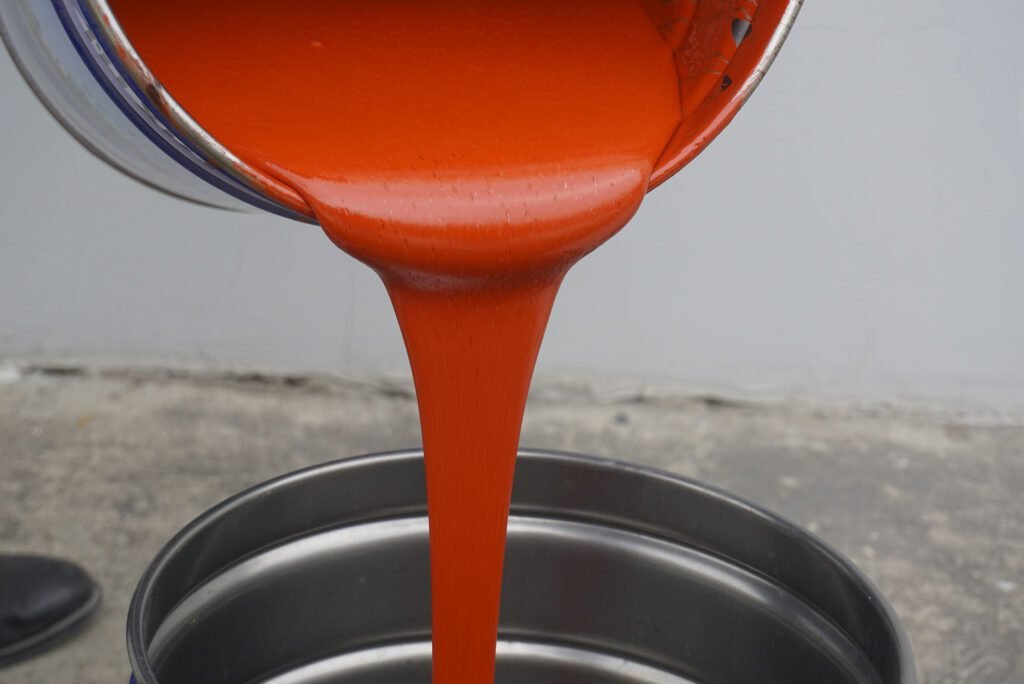
Packaging customization is one of the most valuable OEM services.
Private-label waterproof coating products help distributors establish independent brands in local markets.
Common Packaging Customization Options
Bucket Size Selection
Common packaging sizes include:
- 10kg
- 20kg
- 25kg
Label Design
Manufacturers usually support:
- Customized logos
- Multilingual labels
- Regional safety instructions
- QR codes
Carton Packaging
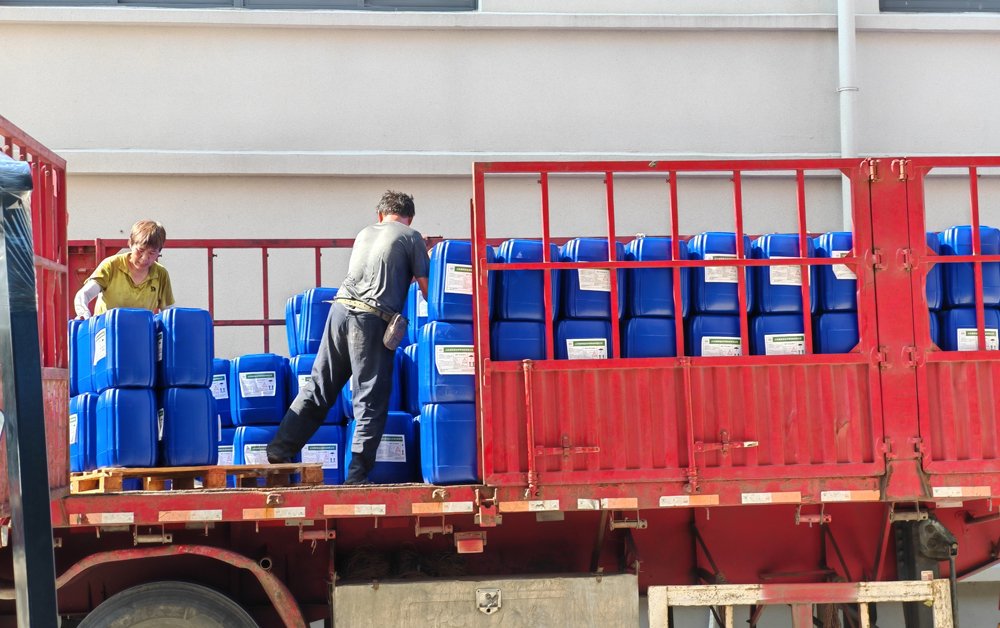
Export packaging must protect products during international shipping.
Important Packaging Considerations for Overseas Buyers
Professional buyers often evaluate packaging quality carefully.
Weak packaging may cause:
- Leakage during transportation
- Label damage
- Customer complaints
- Customs inspection problems
Therefore, experienced OEM factories usually strengthen export packaging for sea transportation.
OEM Documentation Support
Reliable waterproof coating manufacturers also provide technical export documents.
These may include:
- TDS
- MSDS
- COA
- Packing list
- Dangerous goods declarations
- Product certifications
Without proper documentation, international shipments may face customs delays.
Common Problems in Waterproof Coating OEM Projects
Although OEM cooperation offers many advantages, problems may still occur if buyers choose inexperienced suppliers.
Inconsistent Product Quality
This is one of the most common complaints in the waterproofing industry.
Causes often include:
- Unstable raw materials
- Weak production control
- Poor formulation management
- Lack of testing systems
Delayed Delivery Times
Construction projects often follow strict schedules.
Late shipments may cause major financial losses for contractors.
Common causes include:
- Insufficient raw material inventory
- Weak production planning
- Limited production capacity
- International shipping delays
Professional factories usually maintain stronger inventory management systems.
Poor Technical Communication
Some factories lack professional English-speaking technical staff.
This often causes misunderstandings regarding:
- Product performance
- Packaging requirements
- Application methods
- Project specifications
Strong communication capability is extremely important in OEM cooperation.
Incorrect Product Selection
Many buyers choose products only based on price.
However, waterproof coating performance depends heavily on project compatibility.
For example:
- Roof waterproofing requires strong UV resistance
- Underground waterproofing requires water pressure resistance
- Industrial environments require chemical resistance
Using the wrong product may lead to waterproof failure.
How to Choose a Reliable Waterproof Coating OEM Manufacturer?
Choosing the right factory is often more important than negotiating the lowest price.
Evaluate Factory Experience
Experienced manufacturers usually understand project risks better.
Important factors include:
- Years in waterproofing industry
- Export experience
- Project references
- Technical team capability
Factories with long-term industry experience often provide more stable cooperation.
Review Production Capacity
Production capacity affects delivery reliability.
Buyers should evaluate:
- Number of production lines
- Monthly output
- Warehouse management
- Raw material inventory
Large projects require stable production capability.
Inspect Quality Control Systems
Professional manufacturers should have:
- Independent testing laboratories
- Standard operating procedures
- Batch inspection systems
- Product traceability systems
Without these systems, quality stability becomes difficult.
Verify International Certifications
Certifications help demonstrate professionalism and compliance.
However, buyers should verify certification authenticity instead of relying only on photos.
Evaluate Technical Support Capability
Technical support is often overlooked during supplier selection.
Strong technical support may include:
- Application guidance
- On-site recommendations
- Formula adjustments
- Problem-solving assistance
This support is particularly valuable for contractors and engineering projects.
Why More Global Buyers Choose Chinese Waterproof Coating Manufacturers?
China has become one of the largest waterproof coating manufacturing centers in the world.
Several reasons explain this trend.
Mature Supply Chain
China has a highly developed chemical manufacturing supply chain.
Competitive Production Costs
Large-scale manufacturing helps reduce costs.
Strong OEM Flexibility
Chinese factories often provide highly flexible OEM services.
Rapid Production Speed
Large factories can usually respond quickly to urgent orders.
Why More Buyers Work With YURU Waterproof?
YURU Waterproof is a professional waterproof material manufacturer specializing in waterproof coatings, injection grout materials, and floor coating solutions.
With more than 25 years of manufacturing experience, YURU has supported distributors, contractors, and building material companies across multiple international markets.
YURU Waterproof OEM Advantages
Multiple Product Systems
YURU provides:
- Polyurethane waterproof coatings
- Polyurea coatings
- Acrylic waterproof coatings
- Cementitious waterproof coatings
- Injection grouting materials
- Epoxy floor coatings
Customized OEM Solutions
Different markets require different technical solutions.
YURU supports:
- Formula customization
- Private-label packaging
- Multi-language labeling
- Customized bucket design
Strong Production Capacity
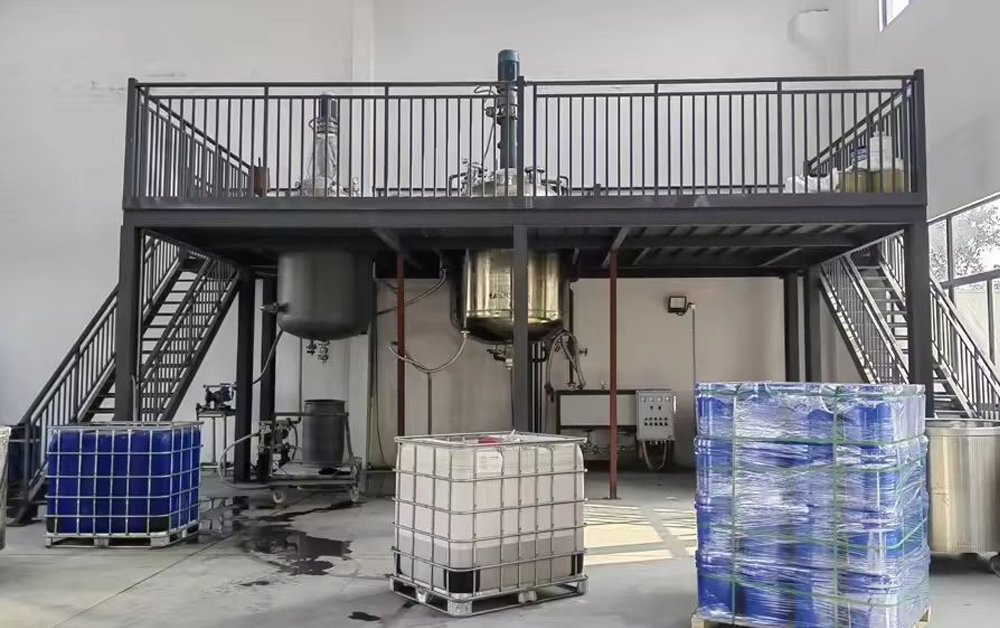
The company operates multiple automated and semi-automation production lines and modern manufacturing facilities.
This helps improve:
- Batch stability
- Delivery reliability
- Production efficiency
Technical Support for Global Projects
International waterproofing projects often face complex environmental conditions.
YURU’s technical team supports:
- Product selection
- Construction recommendations
- Climate-based formulation optimization
- Export documentation
FAQs:
1. What is waterproof coating OEM manufacturing?
Waterproof coating OEM manufacturing refers to a production model where a factory manufactures waterproof coating products under the buyer’s private label or brand.
2. What is the difference between OEM and ODM waterproof coatings?
OEM products are customized according to the buyer’s requirements, while ODM products are usually based on existing formulations developed by the manufacturer.
3. Can waterproof coating formulas be customized?
Yes. Professional OEM factories can customize formulations based on climate conditions, project requirements, environmental standards, and application methods.
4. What is the typical MOQ for OEM waterproof coatings?
MOQ depends on packaging style, product type, and customization requirements. Many factories support flexible trial orders.
Conclusion:
Waterproof coating OEM manufacturing is far more complex than simply producing paint-like materials. Raw materials, formulation, production, testing, packaging, support — everything affects project performance.
For distributors, contractors, and private-label brands, the right OEM partner means:
- Better market competitiveness
- Fewer project risks
- Long-term business growth
Don’t just focus on price. Look at technical expertise, quality consistency, export experience, and after-sales support. Professional OEM cooperation is about long-term partnerships.
If you are looking for a reliable waterproof coating OEM manufacturing partner, YURU Waterproof provides customized solutions, private-label support, and global export services.
YURU Product solutions