Crack Injection Comparison: Structural Repair vs Waterproof Sealing
Introduction:
Concrete cracks are everywhere. They’re one of the most common problems in modern construction and infrastructure maintenance. But here’s the thing — not all cracks are the same. And more importantly, not all crack injection systems do the same job.
I’ve seen it happen too many times. Contractors and engineers use structural repair materials to stop water. Or they use waterproof sealing systems where the concrete actually needs structural reinforcement.
This misunderstanding often leads to repeated leakage, structural risks, unnecessary repair costs, and shortened service life.
Understanding the difference between structural crack injection repair and waterproof sealing injection systems is essential for selecting the right materials.
In this complete guide, we will compare these two major crack injection approaches in detail, including materials, applications, engineering logic, performance differences, and best practices.
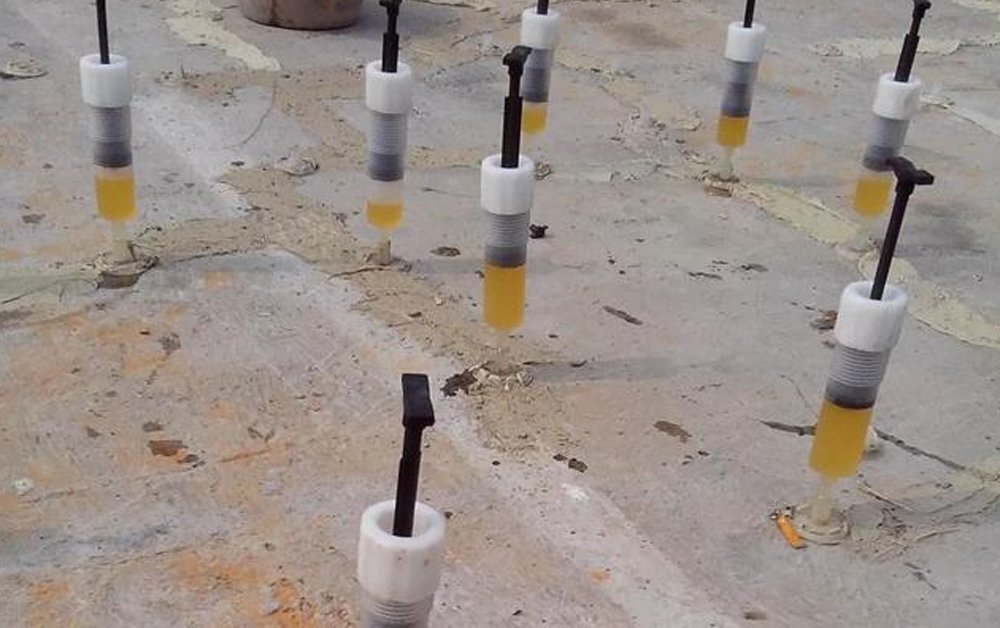

Why Crack Injection Systems Are Often Misunderstood?
Confusion Between Structural Repair and Waterproofing
One of the most common mistakes in the waterproofing industry is assuming that all injection systems perform the same function.
In reality:
- Structural injection focuses on restoring strength
- Waterproof injection focuses on stopping water leakage
Although both involve injecting materials into cracks, their objectives are completely different.
Different Crack Types Require Different Solutions
Concrete cracks can be categorized into:
- Structural cracks
- Shrinkage cracks
- Dynamic cracks
- Active leaking cracks
Each type requires a different repair approach.
The Cost of Incorrect Material Selection
Using the wrong injection material may lead to:
- Recurring leaks
- Additional structural damage
- Increased maintenance costs
- Project failure
This is especially common in underground structures and infrastructure projects.
What Is Structural Repair Crack Injection?
Main Purpose of Structural Injection
Structural crack injection aims to:
- Restore concrete integrity
- Recover load-bearing capacity
- Reconnect fractured concrete sections
This method is commonly used in buildings, bridges, industrial floors, and infrastructure components.
Most Common Structural Injection Material – Epoxy Resin Grout
Key Characteristics:
Epoxy injection resin is known for:
- High compressive strength
- Excellent adhesion
- Rigid structural bonding
Once cured, epoxy creates a strong connection between cracked concrete sections.
Advantages of Epoxy Injection:
- Restores structural performance
- Excellent mechanical strength
- Long-term durability
- Chemical resistance
Limitations of Epoxy Injection:
Despite its strength, epoxy has limitations:
- Poor flexibility
- Not suitable for moving cracks
- Not ideal for active water leakage
Rigid materials can fail if cracks continue moving.
Typical Structural Repair Applications
Structural injection is widely used in:
- Bridge structures
- Industrial concrete floors
- Load-bearing walls
- Static structural cracks
What Is Waterproof Sealing Crack Injection?
Main Purpose of Waterproof Injection
Waterproof injection systems are designed to:
- Stop active water leakage
- Seal water pathways
- Adapt to crack movement
Unlike structural systems, waterproof injection prioritizes flexibility and sealing capability.
Most Common Waterproof Injection Materials
Polyurethane (PU) Injection Grout
Polyurethane is the most commonly used waterproof injection material.
Hydrophilic Polyurethane
Characteristics:
- Reacts with water to form flexible gel
- Excellent elasticity
- Long-term sealing performance
Best for:
- Damp cracks
- Long-term waterproofing
Hydrophobic Polyurethane
Characteristics:
- Rapid foaming reaction
- High expansion ratio
- Fast leak stopping capability
Best for:
- Active water leakage
- Emergency waterproof repair
Acrylate Injection Grout
Acrylate grout provides:
- Very low viscosity
- Excellent penetration ability
- Flexibility in fine cracks
Often used in:
- Tunnels
- Water-retaining structures
- Large seepage areas
Typical Waterproof Sealing Applications
Waterproof injection systems are commonly used in:
- Basements
- Underground parking structures
- Subway tunnels
- Water tanks
- Retaining walls
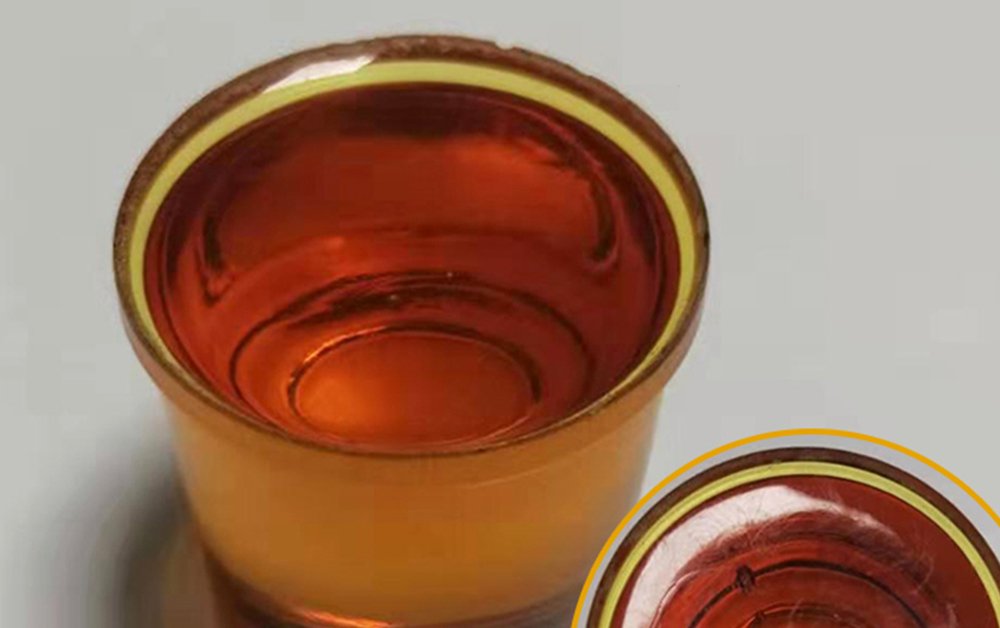

Structural Repair vs Waterproof Sealing – Key Differences
Material Property Comparison
| Feature | Structural Repair Injection | Waterproof Sealing Injection |
|---|---|---|
| Main Material | Epoxy Resin | PU / Acrylate |
| Flexibility | Low | High |
| Water Resistance | Moderate | Excellent |
| Structural Strength | High | Medium |
| Crack Movement Adaptation | Poor | Excellent |
Performance Objective Comparison
Structural Repair
Focuses on:
- Structural integrity
- Load transfer
- Mechanical strength
Waterproof Sealing
Focuses on:
- Leak prevention
- Crack flexibility
- Water pressure resistance
Crack Compatibility Comparison
Best for Structural Injection
- Static cracks
- Dry cracks
- Load-bearing structures
Best for Waterproof Injection
- Active leaking cracks
- Dynamic cracks
- Water-pressure environments
How to Determine Whether a Crack Requires Structural Repair or Waterproof Sealing?
Analyze Crack Activity
Ask the following:
- Is the crack still moving?
- Does the crack widen over time?
- Is there thermal movement?
Moving cracks generally require flexible waterproof systems.
Evaluate Structural Risk
Structural cracks often show:
- Load-bearing issues
- Misalignment
- Reinforcement exposure
These situations require structural injection repair.
Identify Water Leakage Conditions
If the crack is actively leaking:
- Waterproof sealing becomes the first priority
- Structural repair may follow later if necessary
Common Engineering Mistakes in Crack Injection Projects
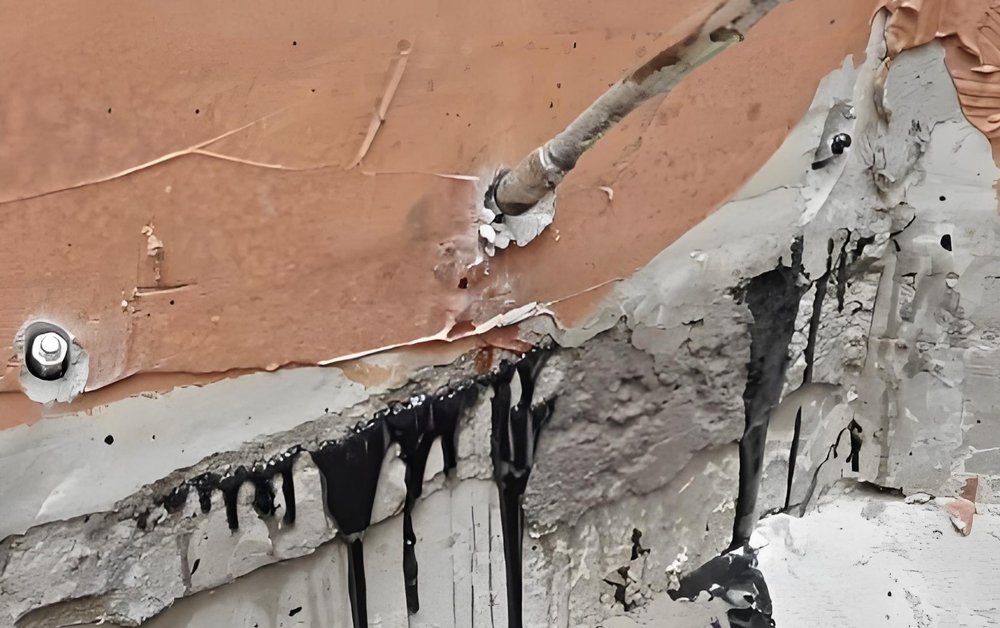
Using Epoxy Resin in Active Leakage Cracks
This is one of the most common errors.
Why it fails:
- Water prevents proper epoxy bonding
- Rigid epoxy cannot accommodate movement
- Leakage reappears over time
Performing Waterproof Sealing Without Structural Assessment
Stopping leakage alone may not solve:
- Structural weakness
- Concrete deterioration
- Long-term safety risks
Misdiagnosing Crack Type
Improper crack analysis often leads to:
- Wrong material selection
- Repeated repair cycles
- Higher maintenance costs
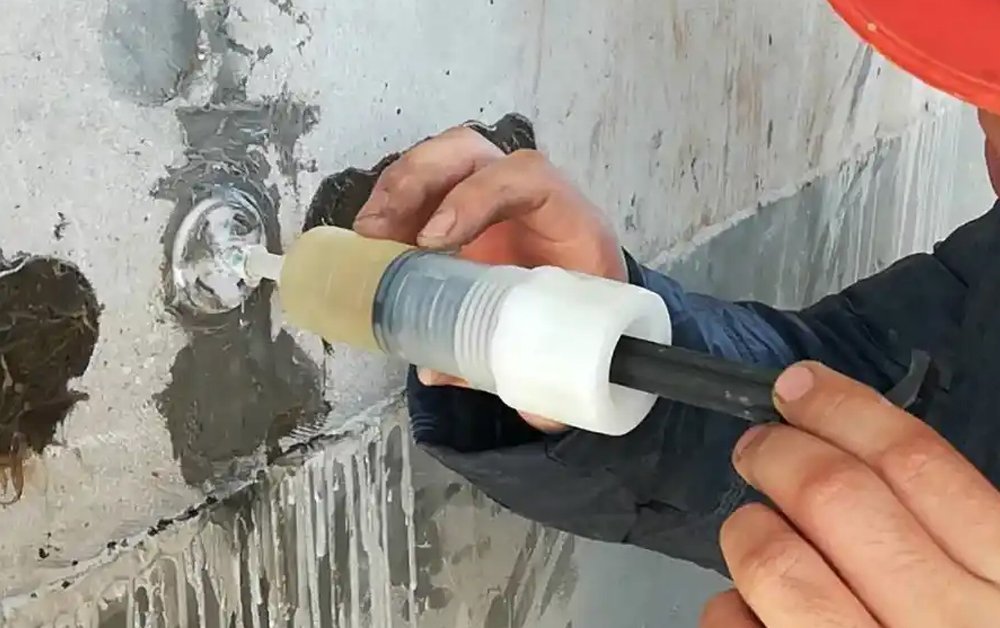

Recommended Solutions for Different Engineering Scenarios
Basement Waterproofing Cracks
Recommended Strategy
- Stop leakage with polyurethane injection
- Evaluate structural condition afterward
Tunnel and Subway Structures
Recommended Strategy
Use a combined system:
- PU waterproof injection
- Acrylic seepage control
- Epoxy structural reinforcement if needed
Bridges and Industrial Structures
Recommended Strategy
Prioritize structural repair with epoxy systems, especially for load-bearing cracks.
Future Trends in Crack Injection Technology
Hybrid Injection Systems
New materials are being developed to combine:
- Waterproofing capability
- Structural reinforcement
- Flexibility
Smart Injection Monitoring
Advanced systems now use:
- Pressure monitoring
- Digital flow control
- Data-driven injection management
Eco-Friendly Low-VOC Materials
Environmental regulations are pushing manufacturers toward greener solutions.
YURU Waterproof Crack Injection Solutions
Comprehensive Injection Material Systems
YURU Waterproof offers:
- Polyurethane injection grout
- Epoxy injection resin
- Acrylate injection systems
Designed for Complex Engineering Conditions
Our products are widely used in:
- Underground infrastructure
- Municipal engineering
- Industrial buildings
- Tunnels and subways
Professional Technical Support
We provide:
- Injection system recommendations
- Application guidance
- OEM and bulk supply services
Focus on Long-Term Engineering Performance
Our solutions are designed to reduce leakage risks, improve durability, and support complex waterproofing projects globally.
Why Proper Crack Diagnosis Matters?
Correct crack analysis helps:
- Select the right material
- Reduce project failure risk
- Improve waterproofing durability
- Lower long-term repair costs
In many cases, successful projects depend more on proper diagnosis than on the material itself.
FAQs:
1. What is the difference between structural crack injection and waterproof injection?
Structural injection restores strength, while waterproof injection stops leakage.
2. Can epoxy injection stop water leakage?
It can work in dry cracks but is not ideal for active leaks.
3. Which injection material is best for leaking cracks?
Polyurethane injection grout is widely used for active leakage.
4. How long does crack injection waterproofing last?
High-quality systems can last more than 10 years depending on conditions.
Conclusion:
Understanding the difference between structural repair crack injection and waterproof sealing injection isn’t just technical knowledge. It’s the key to success. The right system depends on the crack, the water, and what the structure actually needs.
Selecting the wrong system, and you might solve one problem while creating another. Stop the leak, but the crack keeps moving. Restore the strength, but water still gets in.
YURU Waterproof provides advanced crack injection solutions for structural repair and waterproof sealing applications worldwide.
Contact us today for expert consultation, product recommendations, and customized waterproofing systems.
YURU Product solutions