How Acrylate Grouting Works for Soil Stabilization Projects?
Introduction:
Soil stabilization is often misunderstood as a problem of strength only. But in real underground projects, unstable soil usually goes with water movement. Groundwater moving through sand, silt, cracks, or voids carries away fine particles, increases seepage pressure, loosens the soil, and creates long-term risks for foundations, tunnels, dams, basements, shafts, and underground facilities.
This is where acrylate grouting becomes valuable.
Acrylate grouting is a chemical grouting method penetrating fine soil pores, micro-cracks, and seepage paths. After injection, it forms a flexible gel that reduces permeability, blocks water channels, and improves local ground stability. Unlike cement grouting, which is better suited for larger voids and coarse soil, acrylate grout is especially useful when the project requires deep penetration into fine openings.
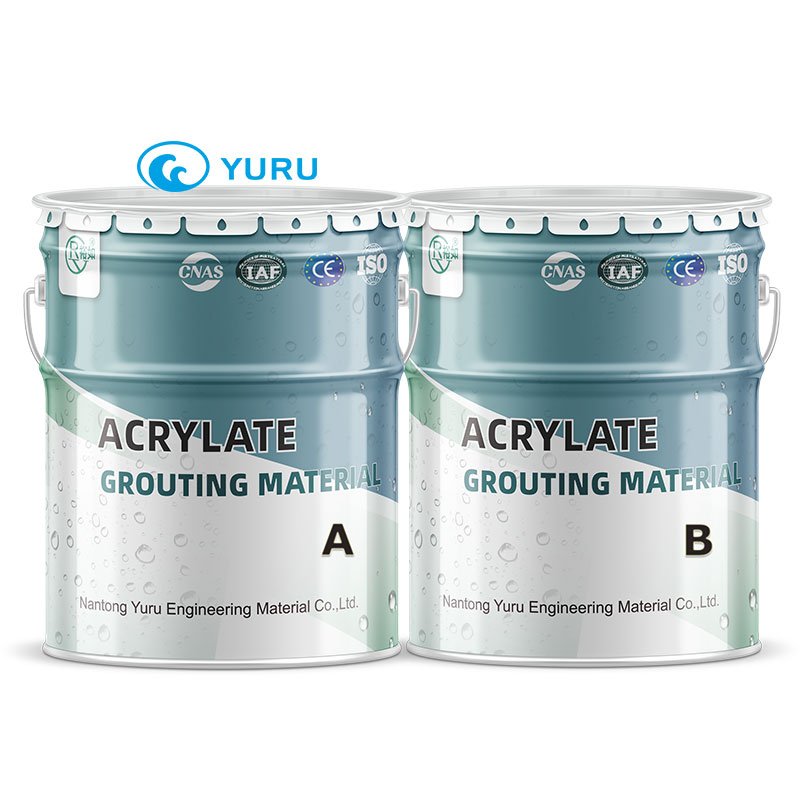
YURU Acrylate Grouting Material is based on acrylate polymer. According to the product document, it is a non-toxic and environmentally friendly grouting material with low slurry viscosity. It can be injected into micro-cracks and, after solidification, forms a highly flexible, water-expanding, impermeable elastic gel. This makes it suitable for anti-seepage grouting in dams and reservoirs, tunnel lining seepage sealing, underground buildings, basements, and concrete or rock crack leakage control.
For contractors, engineers, distributors, and project owners, the key question is not only “What is acrylate grout?” The more important question is:
How does acrylate grouting actually work in soil stabilization projects, and when should it be selected instead of cement grout, PU grout, or epoxy injection?
This guide explains the working mechanism, project applications, selection logic, construction process, common mistakes, and supplier evaluation points for acrylate grouting in soil stabilization and anti-seepage projects.
Why Soil Stabilization Projects Need Low-Viscosity Chemical Grouting?
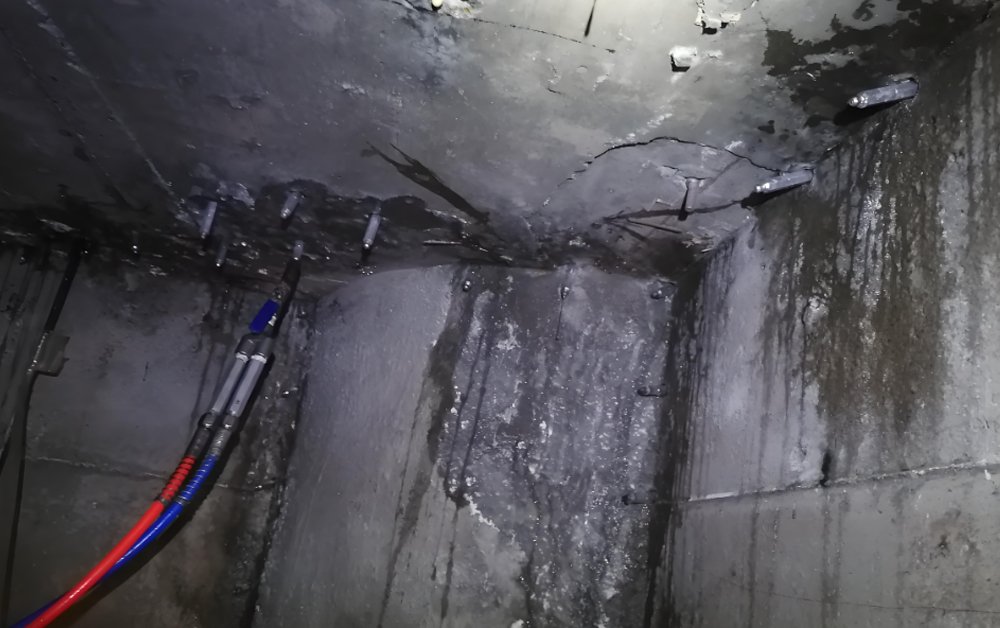
Soil stabilization projects are rarely simple — soil may be loose, wet, layered, cracked, or affected by groundwater. The problem area is often not visible from the surface. Water may travel through hidden channels behind tunnel linings, under basement floors, around shafts, or within dam foundations.
Because of this, the grouting material must reach the actual seepage path. If the grout cannot penetrate the fine soil pores or cracks, it cannot solve the problem.
Soil Instability Often Starts with Water Movement
Water is one of the main causes of ground instability.
In underground construction, groundwater can cause several problems:
- Loss of fine soil particles
- Increased pore water pressure
- Softening of weak soil layers
- Internal erosion
- Local settlement
- Water seepage into structures
- Formation of hidden voids
- Reduced foundation stability
For example, a basement wall leak may look like a waterproofing failure. Yet the real issue may be that water is moving continuously through the soil behind the wall. A tunnel lining leak may not be caused only by cracks in the concrete. It may be related to seepage channels in the surrounding ground or rock.
Therefore, many soil stabilization projects are actually water-control projects.
If groundwater movement is not controlled, surface repair alone often fails. Water finds another path, pressure builds again, and leakage returns.
Acrylate grouting works by reducing the permeability of the target area. By filling fine pores and forming gel barriers, it helps control water movement before the water can continue carrying soil particles or entering the structure.
Why Ordinary Cement Grout Cannot Enter Fine Soil Pores Easily?
Cement grouting is widely used in ground treatment. It is strong, economical, and effective for many projects. However, it has limitations in fine soil and micro-crack environments.
Cement grout contains solid particles. These particles may not enter very fine pores, thin cracks, or dense soil structures. When the opening is too small, cement grout may filter out, block near the injection hole, or fail to travel far enough.
This can lead to:
- Limited penetration
- Uneven grouting coverage
- Incomplete seepage control
- High grout consumption
- Local blockage near the injection point
- Poor treatment of fine seepage channels
For coarse gravel, larger voids, or wide cracks, cement grout may be suitable. But for fine sand, silt, micro-cracks, or complex seepage networks, low-viscosity chemical grouting can be more effective.
That is why acrylate grouting is often considered when the project requires permeability reduction rather than only mass filling.
Why Acrylate Grouting Is Used for Fine Permeation?
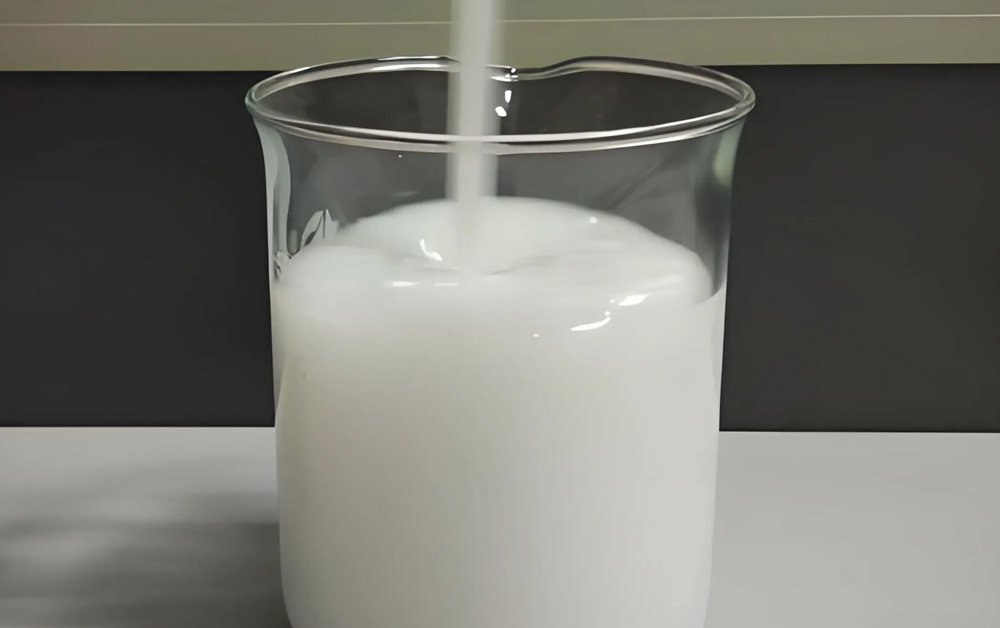
Acrylate grouting material has very low viscosity compared with many traditional grouting systems. This allows the grout to move through narrow seepage paths more easily.
In soil stabilization and anti-seepage projects, low viscosity matters because the grout must:
- Enter fine soil pores
- Travel through small cracks
- Spread into hidden seepage channels
- Reach the target treatment zone
- Form a continuous sealing network
YURU Acrylate Grouting Material is described as a low-viscosity, high-permeability environmental grouting material suitable for dense and complex structures. This feature is important because many seepage problems occur in complicated underground paths rather than simple open cracks.
In practical terms, acrylate grouting is used when contractors need a grout that can “go where water goes.” If water can move through a fine pathway, a properly designed low-viscosity acrylate grout may be able to follow that pathway and seal it.
What Is Acrylate Grouting Material?
Acrylate grouting material is a chemical grout used for seepage control, ground stabilization, and crack sealing. It is typically supplied as a two-component system and injected using suitable double-liquid grouting equipment.
Unlike rigid grouts, acrylate grout forms a flexible gel. This gel is not mainly designed to create high structural strength. Instead, its main role is to reduce permeability, seal seepage paths, and adapt to minor ground or structural movement.
Basic Definition of Acrylate Grouting
Acrylate grouting is a permeation grouting method that uses acrylate polymer-based grout to penetrate soil pores, rock cracks, concrete defects, and underground seepage channels.
After injection and reaction, the grout forms:
- A flexible gel
- An impermeable sealing body
- A water-swelling elastic material
- A seepage-blocking barrier
- A material that can adapt to small deformation
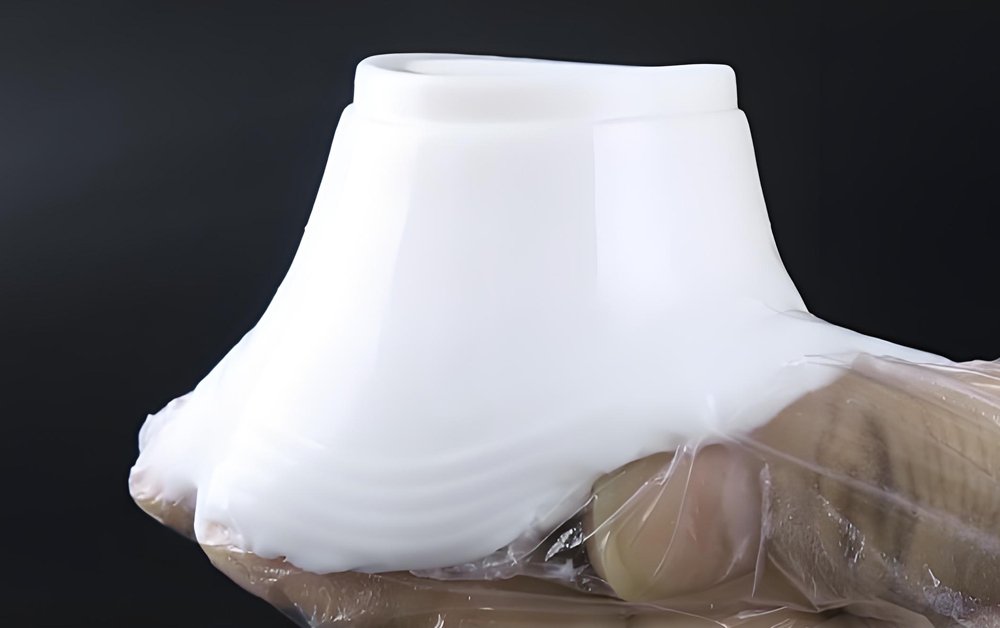
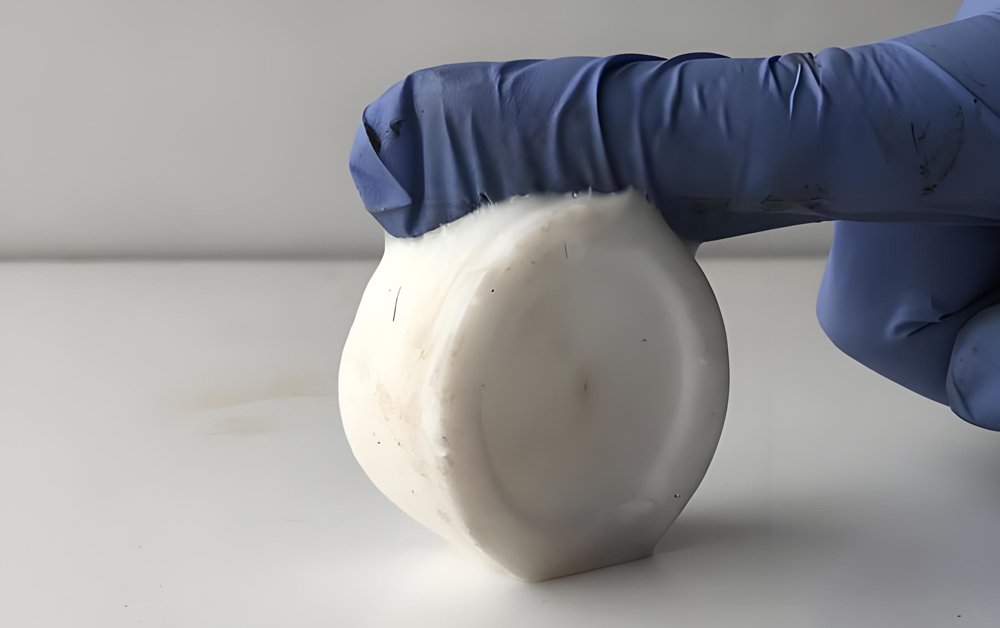
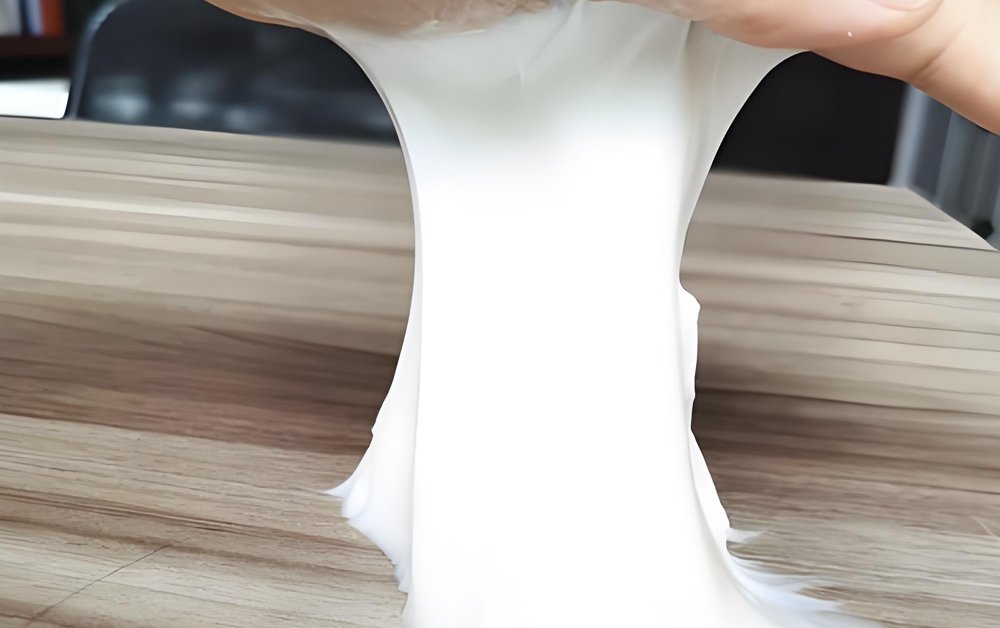
The cured acrylate grout forms a high-flexibility, water-expandable, impermeable elastic gel. This makes it especially suitable for anti-seepage and leakage control applications rather than rigid structural bonding.
How Acrylate Gel Forms Inside Soil and Cracks?
The working process can be understood in six stages.
Stage 1: The grout enters the pore structure
Because the slurry viscosity is low, it can enter micro-cracks, fine soil pores, and small seepage paths.
Stage 2: The two components react
Acrylate grouting systems usually depend on controlled reaction between components. YURU’s construction guidance states that the material should be prepared as A and B components and used with a double-liquid high-pressure grouting machine at a 1:1 volume ratio.
Stage 3: The liquid turns into gel
After injection, the grout gradually changes from a liquid into an elastic gel.
Stage 4: The gel fills water channels
The gel occupies the water paths and reduces permeability.
Stage 5: Water flow is controlled
Once the seepage channels are blocked, water can no longer move freely through the treated zone.
Stage 6: Local ground conditions improve
When water movement is reduced, fine particle loss decreases, seepage pressure is controlled, and the treated area becomes more stable.
This is the main reason acrylate grouting is useful for soil stabilization projects.
Why Flexibility Matters in Soil Stabilization?
Ground conditions are rarely completely fixed. Soil may settle slightly. Concrete structures may expand and contract. Tunnel linings may experience small movements. Dam foundations may face changing water pressure. A rigid repair material may crack, debond, or lose sealing contact when minor movement occurs.
Acrylate gel is different.
Its flexibility allows it to adapt to small changes in the treated area. This is especially useful where seepage is linked to ground movement or structural micro-deformation.
YURU’s product document also mentions a low-shrinkage formula with viscosity, strength, and toughness, designed to help reduce repeated seepage caused by foundation settlement or structural expansion.
This point is important for real projects. A grout that seals well on the first day but shrinks later may create new water paths. Low shrinkage and flexibility help maintain sealing continuity.
How Acrylate Grouting Works for Soil Stabilization Projects?
Acrylate grouting controls water movement and reduces permeability — not the same as deep mixing, compaction, or cement-based mass reinforcement.
Step 1: Penetration into Fine Soil Pores
The first requirement of any permeation grouting material is penetration.
If the grout cannot enter the soil pores, it cannot treat the target area.
Acrylate grout is useful because it can penetrate fine spaces where cement grout may struggle. This includes:
- Fine sand
- Silty sand
- Loose fill
- Rock micro-fissures
- Cracks behind tunnel linings
- Soil around basement structures
- Seepage channels near underground walls
In soil stabilization projects, penetration is not just a material feature. It decides whether the entire project can work.
For example, if water is flowing through a fine sand layer behind a retaining wall, the grout must spread through that layer instead of stopping near the injection hole. Low-viscosity acrylate grout helps improve this distribution.
Step 2: Gel Formation Blocks Water Channels
Once the grout reaches the target zone, it reacts and forms gel.
The gel fills pores and seepage paths. This reduces water flow and helps create an anti-seepage zone.
This matters because groundwater usually follows the path of least resistance. If there are connected pores, cracks, or voids, water will continue moving through them. By filling these pathways with gel, acrylate grouting interrupts the water network.
The result may include:
- Reduced seepage rate
- Lower water inflow
- Fewer leakage points
- Improved waterproofing around structures
- Lower risk of soil particle migration
- Better control of underground water channels
For contractors, this is the core value — it changes how water moves through the ground.
Step 3: Flexible Gel Adapts to Minor Ground Movement
After gel formation, the treated zone may still experience small movement. This is common in underground environments.
Acrylate gel can tolerate minor changes better than rigid materials. This makes it useful for areas affected by:
- Minor settlement
- Temperature movement
- Water pressure variation
- Structural micro-movement
- Soil expansion or contraction
This flexible behavior is one reason acrylate grouting is often selected for leakage control around existing structures. It can maintain sealing contact even when the structure or surrounding soil does not remain perfectly still.
Step 4: Anti-Seepage Curtain Improves Ground Stability
In larger projects, acrylate grouting can be used to create an anti-seepage curtain.
An anti-seepage curtain is not a load-bearing wall. Its purpose is to reduce water movement through a specific zone.
This can be valuable for:
- Dam foundations
- Reservoir banks
- Tunnel surroundings
- Basement perimeters
- Shaft construction
- Excavation support
- Underground passageways
When water is controlled, soil particles are less likely to be washed away. This helps reduce internal erosion and local settlement risk.
In this way, acrylate grouting supports soil stabilization by managing the water conditions that often cause instability.
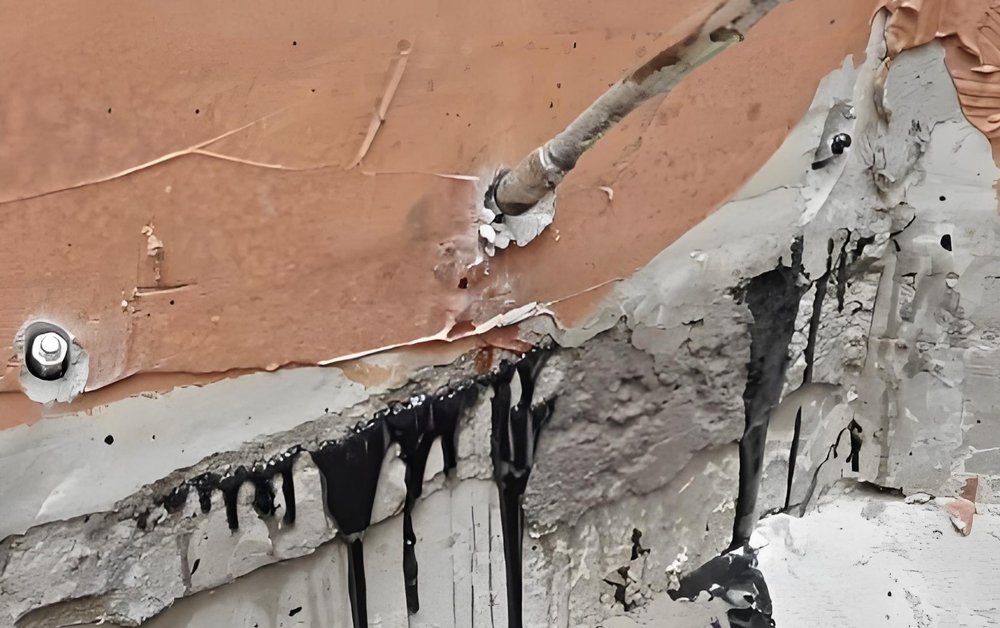
Best Applications of Acrylate Grouting in Soil Stabilization
Acrylate grouting is not suitable for every ground improvement project. However, it can be very effective when the main objective is seepage control, micro-pore penetration, and flexible sealing.
Dam and Reservoir Anti-Seepage Grouting
Dams and reservoirs face continuous water pressure. Seepage through foundations, joints, cracks, or weak zones can create long-term safety and maintenance concerns.
Acrylate grouting can be used for:
- Dam foundation seepage control
- Reservoir anti-seepage treatment
- Embankment leakage repair
- Curtain grouting
- Fine crack sealing
- Local seepage path blocking
YURU’s acrylate grouting material is listed for anti-seepage grouting of dams and reservoirs.
For these projects, the goal is usually not only to stop visible water. The deeper goal is to control hidden seepage paths and reduce the risk of long-term erosion.
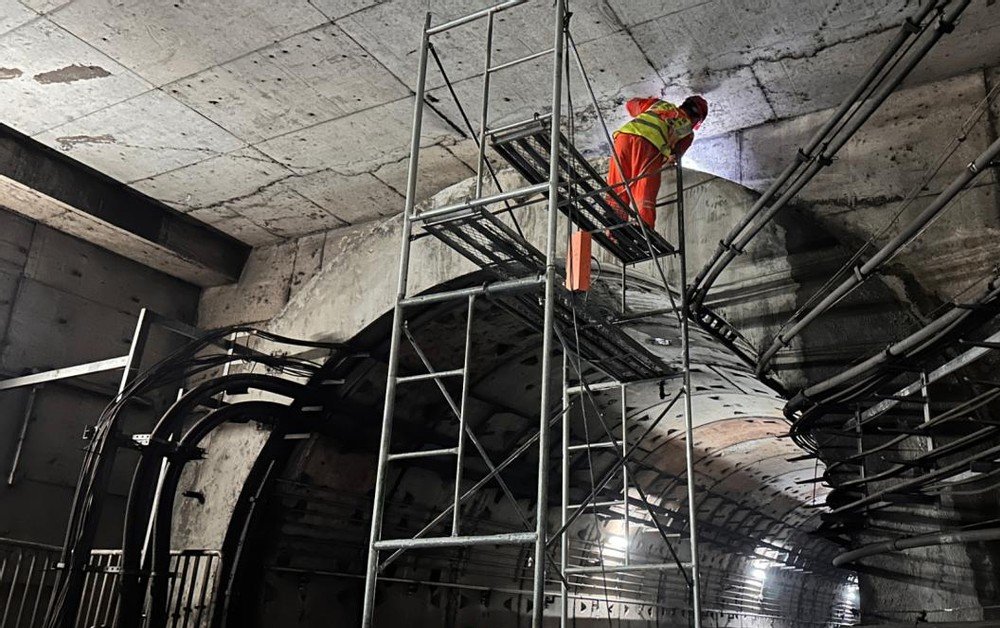
Tunnel Lining and Surrounding Ground Sealing
Tunnel leakage is often complex. Water may enter through cracks, construction joints, segment joints, rock fissures, or voids behind the lining.
Acrylate grouting can help by sealing:
- Tunnel lining seepage paths
- Behind-lining voids
- Surrounding rock fissures
- Fine cracks in concrete
- Groundwater channels near tunnel structures
YURU’s product document lists seepage prevention and sealing of tunnel lining as an application area.
This is different from structural crack injection. In many tunnel applications, the focus is not restoring concrete strength. The main focus is stopping groundwater from entering the tunnel environment.
Basement and Underground Building Leakage Control
Basement leakage often returns after surface waterproofing repairs because water remains active behind the structure.
Acrylate grouting can be used to treat seepage paths around:
- Basement exterior walls
- Floor-wall joints
- Construction joints
- Underground rooms
- Kitchen and bathroom leakage paths
- Underground building structures
YURU’s scope of application includes underground buildings, basements, kitchens, bathrooms, and other seepage plugging and leakage control areas.
In basement repair, acrylate grouting is especially useful when the water path is fine, distributed, or difficult to access from outside.
Concrete and Rock Crack Seepage Sealing
Concrete and rock structures often contain fine cracks that are difficult to seal with thicker grout.
Acrylate grout can enter these cracks and form flexible gel inside the leakage path.
Typical areas include:
- Rock fissures
- Concrete micro-cracks
- Underground concrete structures
- Retaining walls
- Water-retaining structures
- Foundation cracks
- Leakage paths around penetrations
YURU’s document mentions sealing cracks in concrete and rock structures against seepage and leakage.
This application is important because cracks in rock and concrete often connect to larger groundwater paths. Sealing the fine crack itself may reduce the water source before it reaches the structure.
Curtain Grouting Around Excavations and Shafts
Excavations and shafts often require temporary or permanent water control.
Acrylate grouting can be considered for:
- Shaft perimeter sealing
- Excavation water control
- Underground passage anti-seepage
- Fine soil seepage reduction
- Local ground treatment before excavation
The main goal is to reduce water inflow and improve construction safety. When water movement is controlled, the excavation environment becomes more manageable.
Acrylate Grouting vs Cement Grout vs PU Grout vs Epoxy Injection
A good grouting decision starts with understanding the purpose of each material. They are not direct substitutes — they solve different problems.
Acrylate Grouting vs Cement Grouting
Cement grouting is often used for filling larger voids, strengthening coarse ground, and improving mass stability. Acrylate grouting is more suitable for fine permeation and seepage control.
| Comparison Point | Acrylate Grouting | Cement Grouting |
| Main form after curing | Flexible gel | Rigid cementitious body |
| Penetration ability | Better for fine pores and micro-cracks | Better for larger voids and coarse soil |
| Flexibility | Higher | Lower |
| Main function | Anti-seepage, water control, fine pore sealing | Filling, strengthening, void treatment |
| Typical use | Fine sand, cracks, seepage curtains | Large voids, coarse ground, mass grouting |
In many projects, both may be used. Cement grout may treat larger voids, while acrylate grout handles finer seepage channels.
Acrylate Grouting vs PU Injection Grout
PU injection grout is widely used for active water leakage in cracks. Some PU materials react with water and foam rapidly.
Acrylate grouting is different.
| Comparison Point | Acrylate Grouting | PU Injection Grout |
| Main goal | Soil seepage control and fine permeation | Fast leakage stopping |
| Reaction form | Elastic gel | Foam or elastic solid, depending on formulation |
| Best application | Soil pores, curtains, fine seepage paths | Active leaks in cracks and joints |
| Flexibility | Good | Depends on product type |
| Engineering focus | Reduce permeability | Stop water quickly |
If the goal is emergency crack leak stopping, PU may be selected first. If the goal is fine soil permeation and anti-seepage curtain formation, acrylate grouting may be more suitable.
Acrylate Grouting vs Epoxy Injection
Epoxy injection is commonly used for structural crack repair. It forms a strong, rigid bond and can restore local concrete continuity in stable structural cracks.
Acrylate grouting has a different purpose.
| Comparison Point | Acrylate Grouting | Epoxy Injection |
| Main purpose | Anti-seepage and ground water control | Structural bonding and reinforcement |
| Cured form | Flexible gel | Rigid high-strength resin |
| Best use | Soil, fine cracks, seepage paths | Stable structural cracks |
| Movement tolerance | Better for minor movement | Limited for moving cracks |
| Structural strength | Not the main purpose | Main advantage |
This distinction matters. Acrylate grout should not be sold as a structural reinforcement material. Its value is seepage control, ground stabilization support, and flexible sealing.
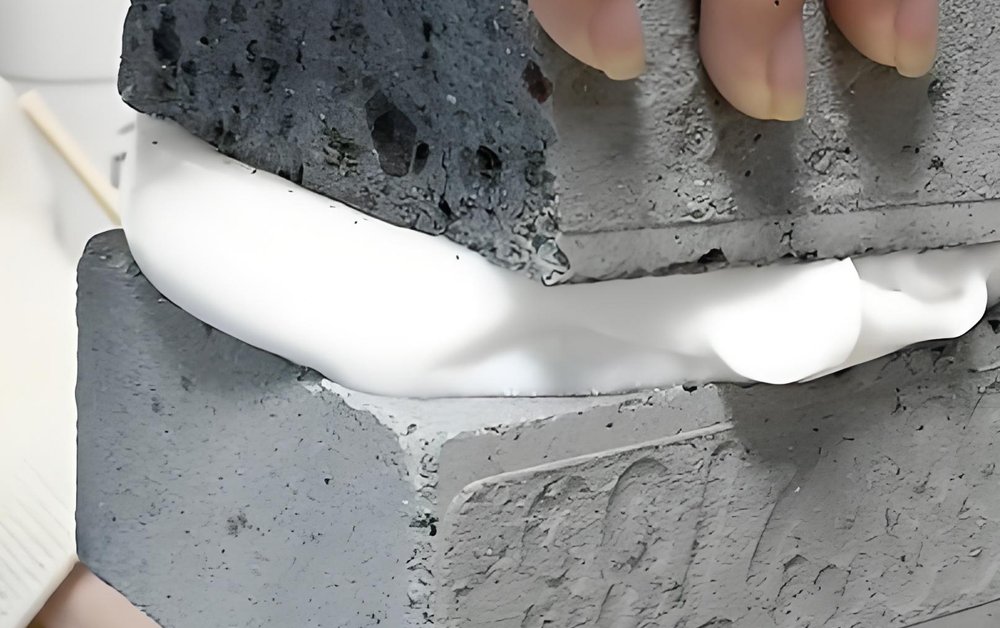
Key Performance Factors Buyers Should Check
Choosing acrylate grout only by price is risky. A successful grouting project depends on penetration, gel quality, flexibility, shrinkage control, and equipment compatibility.
Low Viscosity and High Permeability
The first performance factor is low viscosity.
Acrylate grout must be able to enter fine pores and cracks. If the material is too thick, it may block near the injection point and fail to reach the target seepage network.
Buyers should ask:
- Can the grout enter micro-cracks?
- Is it suitable for dense and complex structures?
- Can it spread through fine seepage paths?
- Does the supplier provide application guidance?
- Is the material designed for permeation grouting?
YURU Acrylate Grouting Material is a low-viscosity, high-permeability environmental grouting material suitable for dense complex structures.
Gel Flexibility and Water-Swelling Ability
The cured gel should remain flexible. This matters because the ground may move slightly. If the gel is too rigid, it may crack or separate from the soil or structure.
Water-swelling ability is also useful because the material can maintain sealing contact when exposed to moisture.
YURU’s product document states that the material forms a high-flexibility, water-expanding, impermeable elastic gel after solidification.
This feature is especially important for underground environments where water exposure is continuous.
Low Shrinkage Formula
Shrinkage is a common cause of repeated seepage.
If the gel shrinks after curing, small channels may reopen. Water may then return through the same path or find a nearby weak point.
A low-shrinkage formulation helps maintain sealing continuity. YURU’s product information highlights a low-shrinkage formula with viscosity, strength, and toughness designed to reduce repeated seepage caused by foundation settlement or structural expansion.
For long-term seepage control, this point is more important than many buyers realize.
Environmental and Safety Profile
Underground grouting projects may be close to soil, groundwater, utilities, and occupied buildings. Therefore, environmental performance matters.
YURU acrylate grouting material as non-toxic and environmentally friendly. The construction notes also require that waste be collected and treated centrally rather than discarded randomly.
Professional buyers should request:
- Product data sheets
- Safety information
- Handling instructions
- Waste disposal guidance
- Environmental compliance information
This is especially important for public infrastructure, municipal, tunnel, and water-related projects.
Compatibility with Double-Liquid Grouting Equipment
Acrylate grouting commonly requires correct two-component delivery.
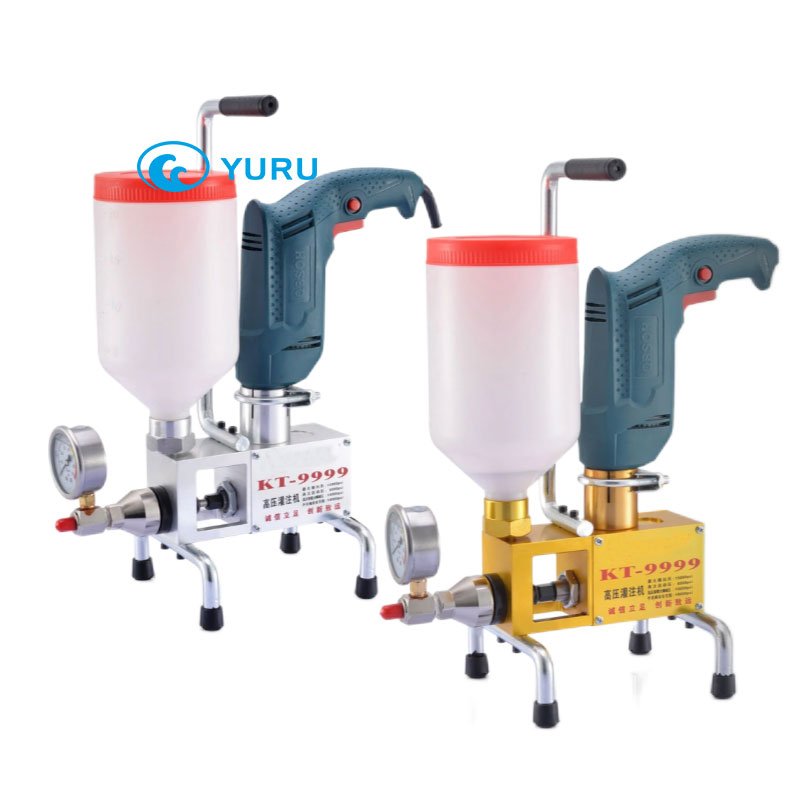
YURU’s construction guidance recommends preparing A and B components, using a double-liquid high-pressure grouting machine, and applying the material at a 1:1 volume ratio. The machine should be dry and free from dirt before construction.
This means equipment condition directly affects the grouting result.
Buyers and contractors should check:
- Whether suitable double-liquid equipment is available
- Whether the pump ratio is accurate
- Whether the machine is dry before work
- Whether operators understand the material behavior
- Whether cleaning procedures are ready after work
The best material can still fail if the equipment is dirty, wet, or incorrectly calibrated.
Standard Construction Logic for Acrylate Grouting Projects
Acrylate grouting should be planned carefully. The process is not only “drill and inject.” It requires investigation, hole design, controlled injection, secondary grouting, inspection, and cleanup.
Site Investigation and Leakage Path Confirmation
The first step is to locate the water source and understand the seepage path.
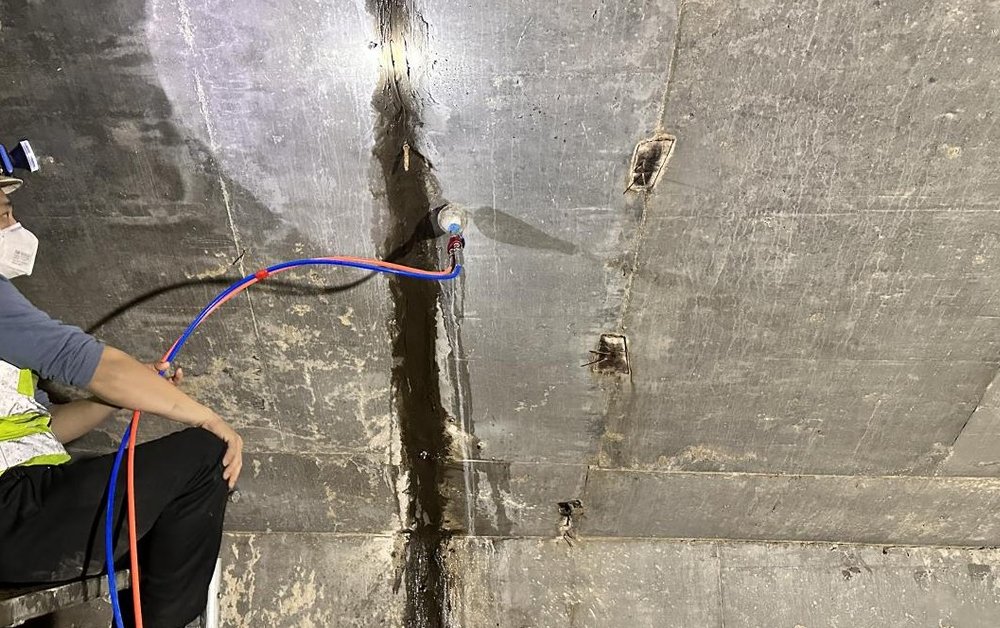
According to YURU’s construction guidance, contractors should check the leaking part, clean the leakage area, confirm the crack type, drill holes, and install the grouting nozzle on the effective grouting hole.
Before drilling, the contractor should evaluate:
- Where water appears
- Whether water is moving under pressure
- Whether the leakage is local or distributed
- Whether the soil is loose or dense
- Whether the seepage path is connected to cracks
- Whether drilling may damage utilities or reinforcement
- Whether the repair goal is temporary or long-term
Good investigation reduces wasted grout and improves sealing results.
Drilling and Grouting Nozzle Installation
Drilling design affects grout distribution.
If holes are too shallow, the grout may not reach the target zone, if holes are too far apart, the gel zones may not connect. If holes are poorly positioned, the grout may travel away from the leakage path.
The goal is to place injection holes where the grout can intercept the water path.
Important factors include:
- Hole spacing
- Hole angle
- Hole depth
- Soil type
- Crack direction
- Water pressure
- Target treatment thickness
- Grout spread radius
Grouting nozzles must be fixed firmly. If the nozzle leaks or loosens during injection, pressure is lost and the grout may not travel correctly.
A/B Component Preparation and 1:1 Volume Construction
Correct material proportion is essential.
YURU recommends preparing A and B components according to the material proportion and using a double-liquid high-pressure grouting machine at a 1:1 volume ratio.
Incorrect proportion may affect:
- Gel time
- Gel strength
- Flexibility
- Water resistance
- Sealing performance
- Long-term stability
Before construction, the equipment should be dry and clean. Dirt, water, or residue from previous grouting materials may disturb the reaction or clog the system.
Low-to-High Grouting Sequence
For vertical or inclined leakage areas, low-to-high injection is often used.
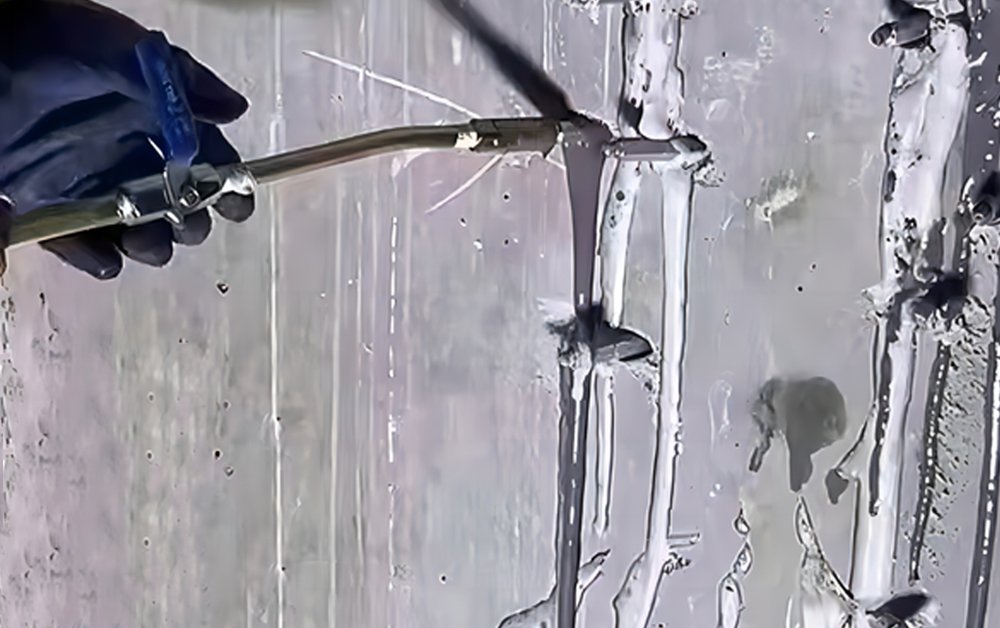
YURU’s construction guidance says grouting should start from the first nozzle from low to high, with pressure gradually increased. When grout appears in the adjacent grouting hole, the operator moves to the next adjacent hole and continues grouting.
This sequence helps:
- Drive water upward
- Improve grout distribution
- Confirm connection between holes
- Reduce untreated zones
- Build a more continuous gel barrier
Gradual pressure increase is also important. Excessive pressure may create new paths or force grout into unintended areas.
Secondary Grouting and 72-Hour Inspection
Complex soil and crack networks may not be fully treated in one injection pass.
YURU’s guidance states that after all grouting is finished, workers should return to the first grouting nozzle and grout again. It also recommends checking the leakage site 72 hours after grouting completion. If there is no seepage, the grouting nozzle can be removed and the base surface sealed and smoothed with epoxy mortar or quick-dry cement.
This is a practical quality-control step.
Secondary grouting helps fill areas that were missed or where water pressure reopened small channels. The 72-hour inspection helps confirm whether the sealing effect is stable.
Equipment Cleaning and Waste Treatment
After construction, equipment must be cleaned immediately.
YURU’s document states that equipment and tools in contact with slurry should be cleaned with cleaning agent immediately after construction, and waste should be centrally treated rather than discarded at will.
This step is important for two reasons.
First, it prevents equipment blockage.
Second, it reduces environmental risk.
Professional grouting projects should always include a cleanup and waste handling plan before work begins.
Common Mistakes in Acrylate Grouting for Soil Stabilization
Many grouting failures come from bad diagnosis or construction errors.
Mistake 1: Treating Acrylate Grouting as Structural Reinforcement
Acrylate grout is for seepage control, pore sealing, and ground stabilization — not high-strength structural bonding. Need structural strength? Use epoxy injection. Acrylate grout for the wrong job creates false expectations.
Mistake 2: Ignoring Groundwater Flow Direction
Water doesn’t move in straight lines. If you only treat the visible wet area but ignore the actual water source, seepage may return. The grout must intercept the water path, not just cover the water exit point.
Before injection, you should observe:
- Water entry points
- Water exit points
- Pressure direction
- Soil layers
- Crack connections
- Adjacent structures
- Drainage conditions
A good grouting plan follows the water path.
Mistake 3: Wrong Hole Spacing and Drilling Depth
Hole design decides whether the grout zones connect.
Spacing too large = no continuous barrier. Depth too shallow = misses seepage layer. Wrong angle = bypasses target.
This mistake is especially common in curtain grouting and tunnel leakage projects.
Mistake 4: Incorrect A/B Component Ratio
The A/B ratio affects reaction and gel formation.
If the ratio is wrong, the grout may cure too fast, too slow, too weak, or unevenly. This can reduce the sealing effect and cause repeated leakage.
Since YURU recommends 1:1 volume construction with double-liquid equipment, contractors should confirm pump accuracy before injection.
Mistake 5: No Secondary Grouting
The first grouting pass may not completely fill the seepage network.
This is especially true in:
- Loose soil
- Layered soil
- Cracked rock
- Tunnel backfill voids
- Complex basement leakage
- High water pressure areas
Secondary grouting improves treatment completeness. Skipping it can leave hidden water paths untreated.
Mistake 6: Skipping Post-Grouting Inspection
Acrylate grouting should be checked after completion.
YURU recommends inspecting the leakage area 72 hours after grouting. This waiting period allows the contractor to see whether seepage returns.
Without inspection, a project may appear completed while hidden leakage continues.
Mistake 7: Poor Equipment Cleaning
Chemical grout can damage or block equipment if not cleaned promptly.
A professional crew should prepare cleaning agents and waste collection methods before starting work.
This is not just a maintenance issue. Equipment blockage during injection can interrupt the operation and reduce the quality of the grouting zone.
How to Choose the Right Acrylate Grouting Material Supplier?
For buyers, the supplier is part of the project risk. A good supplier should provide more than product price.
Check Whether the Supplier Understands Soil and Water Conditions
Acrylate grouting is project-specific.
A reliable supplier should ask about:
- Soil type
- Leakage location
- Groundwater pressure
- Crack distribution
- Injection depth
- Equipment type
- Construction environment
- Project objective
If a supplier recommends the same material for every project without asking technical questions, buyers should be cautious.
Ask for Product Data and Application Guidance
Professional buyers should request:
- Product data sheet
- Safety information
- Mixing and proportion instructions
- Equipment recommendations
- Construction procedure guidance
- Storage and shelf-life information
- Waste handling guidance
YURU’s product document provides product introduction, features, application scope, construction key points, storage and transportation information, and shelf life. The document states that the shelf life is 12 months from the date of production.
Evaluate OEM and International Supply Capability
For distributors, contractors, and waterproofing material brands, supply capability is important.
Key questions include:
- Can the supplier support OEM?
- Can packaging be customized?
- Can technical documents be provided in English?
- Can samples be supplied?
- Can the supplier support international shipping?
- Can the supplier help with project-based selection?
A stable supplier helps reduce project delays and improves customer confidence.
Why Contractors Choose YURU Acrylate Grouting Material?
YURU Waterproof provides acrylate grouting material for anti-seepage, leakage control, and underground water management projects.
Low-Viscosity Grouting Solution for Complex Structures
YURU Acrylate Grouting Material is designed as a low-viscosity, high-permeability environmental grouting material. It is suitable for dense and complex structures where fine penetration is needed.
This makes it useful for projects involving:
- Micro-cracks
- Fine seepage paths
- Underground structure leakage
- Tunnel lining seepage
- Complex concrete or rock cracks
- Flexible Water-Swelling Gel for Long-Term Seepage Control
After curing, YURU acrylate grout forms a flexible, water-swelling, impermeable elastic gel.
This gel is suitable for long-term underground environments because it can help maintain sealing under damp conditions and minor movement.
Suitable for Dams, Tunnels, Basements, and Underground Structures
YURU’s acrylate grouting material can be used for:
- Dam anti-seepage
- Reservoir seepage control
- Tunnel lining sealing
- Underground building leakage plugging
- Basement leakage control
- Kitchen and bathroom seepage repair
- Concrete crack sealing
- Rock crack leakage control
These applications match the needs of contractors working in waterproofing, infrastructure repair, and ground stabilization projects.
Technical Support for Project-Based Grouting Design
YURU can support customers with:
- Product selection advice
- Grouting method recommendations
- Equipment matching suggestions
- Sample supply
- Project consultation
- International project support
For buyers, technical support can be as important as material performance.
OEM and Private Label Support for Customers
YURU Waterproof also supports cooperation with distributors and construction material brands through:
- OEM manufacturing
- Private label service
- Packaging customization
- Branding support
- Export cooperation
- Project supply support
This helps overseas partners build local market competitiveness.
FAQs:
1. What is acrylate grouting used for in soil stabilization?
Penetrates fine soil pores, cracks, and seepage channels — cures into flexible gel that reduces permeability, controls groundwater movement, and helps improve local ground stability.
2. What equipment is used for acrylate grouting?
Acrylate grouting is commonly applied using double-liquid grouting equipment. YURU recommends using a double-liquid high-pressure grouting machine with A/B components at a 1:1 volume ratio.
3. Can acrylate grout be used for dam and reservoir projects?
Yes. YURU’s acrylate grouting material is suitable for anti-seepage grouting in dams and reservoirs.
4. Can acrylate grouting be used for tunnel leakage?
Yes. Acrylate grouting is suitable for tunnel lining seepage prevention and sealing. It can help block fine water paths behind or within tunnel structures.
5. Can YURU provide acrylate grouting solutions for international projects?
Yes. YURU Waterproof can provide acrylate grouting material, product documents, technical guidance, sample support, OEM service, and international supply support for overseas contractors and distributors.
Conclusion:
Acrylate grouting works because it goes after a main cause of underground instability: uncontrolled water movement.
Low-viscosity slurry enters fine soil pores, micro-cracks, rock fissures, and hidden seepage paths. After reaction, forms flexible, water-swelling, impermeable gel, blocks water channels, reduces permeability. This helps control groundwater flow, reduce particle loss, and improve local ground stability.
A successful acrylate grouting project depends on proper leakage diagnosis, hole design, A/B ratio control, low-to-high injection, secondary grouting, 72-hour inspection, and equipment cleaning.
Looking for acrylate grouting material? YURU Waterproof can provide professional support.
Contact YURU Waterproof today to request:
- Acrylate Grouting Material product information
- Technical data sheets
- Construction recommendations
- Free samples
- OEM and private label solutions
- Project-based grouting advice
- International supply support
Choose YURU Waterproof to find the right acrylate grouting solution for your next soil stabilization and anti-seepage project.
YURU Product solutions