Why Use Polyurea Grouting for Movement Joints?
Introduction:
Movement joints are one of the most difficult details to waterproof in concrete buildings and civil engineering structures, they are designed to move, absorb stress, and allow structures to respond to temperature change, settlement, vibration, shrinkage, and load movement. Many joint leakage repairs fail quickly — material may stop water initially, but when the joint moves again, the repair layer cracks, separates from concrete, or creates new leakage paths.
Polyurea grouting forms an elastic polymer sealing body instead of a rigid plug. For expansion joints, deformation joints, settlement joints, and structural crack leakage around joint areas — polyurea grouting improves waterproofing reliability through elasticity, bonding strength, low water absorption, and resistance to repeated deformation.
The real question isn’t just “will it stop water today?” It’s “will it still be sealed after the structure moves again?”
That is where polyurea grouting becomes valuable.
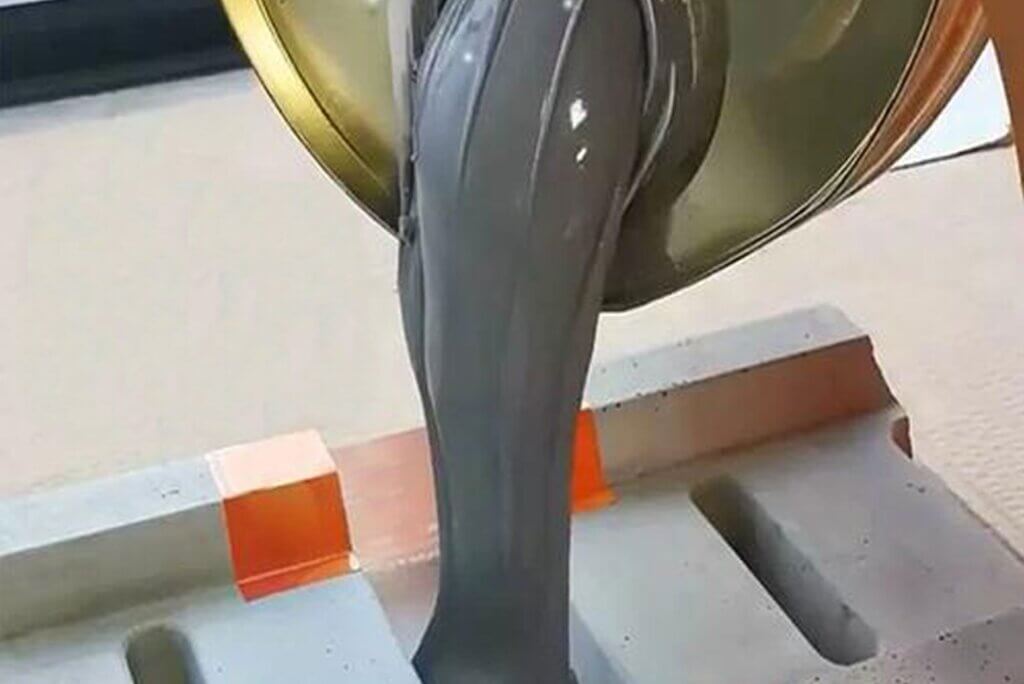
Quick Answer: Why Polyurea Grouting Is Used for Movement Joints?
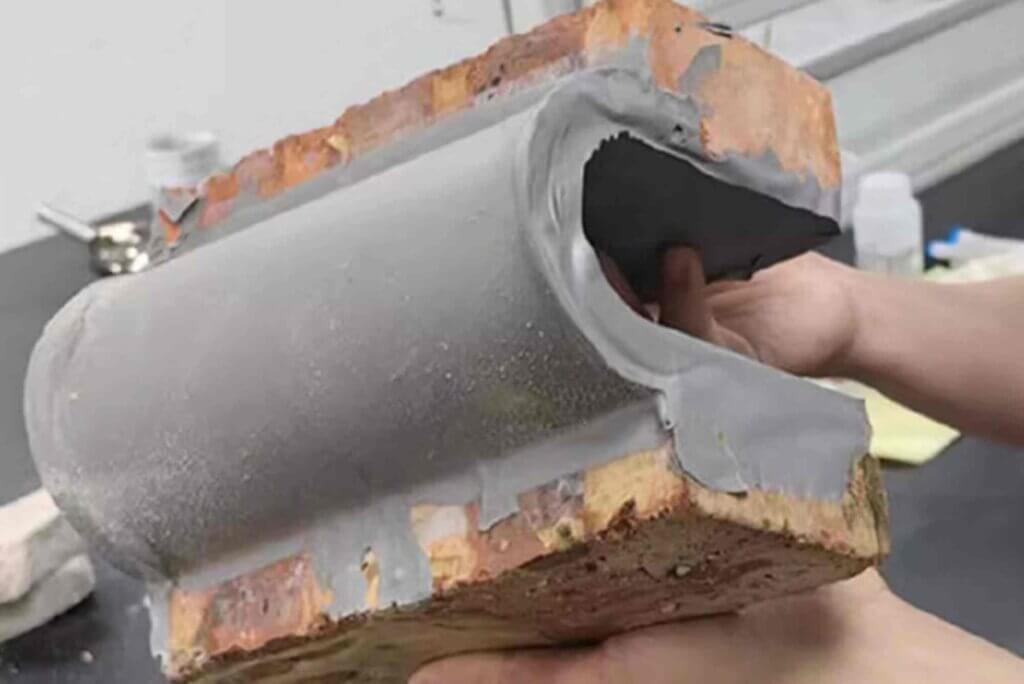
Polyurea grouting creates elastic waterproofing seal that adapts to structural movement — maintains sealing performance when joint expands, contracts, settles, or deforms slightly.
It is commonly considered for:
- Expansion joint leakage repair
- Deformation joint waterproofing
- Settlement joint leakage repair
- Structural cracks near joint lines
- Basement and underground garage joint leakage
- Tunnel, subway, and civil engineering joint repair
- Re-leakage areas where rigid repairs have failed
In simple terms, movement joints need flexible waterproofing logic. Polyurea grouting provides that flexibility while still offering bonding strength and waterproofing performance.
What Are Movement Joints?
Movement joints are planned separation areas in a structure. They allow building sections or concrete elements to move without causing random cracking or stress concentration.
They look like simple gaps, but they serve a real structural purpose. Temperature changes make concrete expand and contract. Uneven foundation settlement makes different parts move differently. When traffic, equipment, or underground vibration affects the structure, joints help absorb part of that movement.
Common movement joints include:
| Joint Type | Main Purpose | Common Leakage Risk |
| Expansion joint | Allows thermal expansion and contraction | Sealant aging, edge separation, repeated water entry |
| Deformation joint | Absorbs structural movement | Joint width changes and causes repair failure |
| Settlement joint | Allows differential settlement | Gap movement creates new water channels |
| Construction joint | Formed between concrete pours | Weak interface becomes a water path |
| Joint-adjacent crack | Crack near the joint edge | Water moves around the original repair area |
A static crack may be repaired with a rigid material if the crack no longer moves. A movement joint is different. Since it is expected to remain active, the repair material must be able to move with it.


Why Movement Joints Leak Again After Repair?
Movement joint leakage is often frustrating because it can return even after the first repair looks successful. The reason is usually not one single defect. It is a combination of joint movement, water pressure, weak bonding, old sealant failure, and unsuitable repair material.
The Joint Continues to Move
Movement joints do not stop moving after repair. They may open and close slightly with temperature changes or structural movement. If the repair material cannot stretch or recover, it may crack.
This is especially common in expansion joints and settlement joints. During a dry season, the repair may look stable. After heavy rain or temperature change, the joint moves again and leakage returns.
Old Sealing Materials Lose Adhesion
Original sealants (flexible sealants, joint tapes, waterstops, coatings) harden, shrink, peel, or separate over time — once small separation appears, water enters (even narrow gap becomes continuous leakage channel under water pressure).
Water Pressure Comes from Behind the Structure
In underground projects, water often comes from the outside of the structure. Basements, underground garages, tunnels, retaining walls, and utility passages may all face continuous moisture or groundwater pressure.
A surface patch may block visible water for a short time. However, if the water path behind the joint remains open, the pressure may push water to another weak point.
The Base Surface Was Not Properly Prepared
A good material cannot perform well on a weak surface. Dust, slurry, loose concrete, old coating, mud, oil, and failed sealant can all reduce bonding.
For movement joints, this problem is more serious because the repaired area will be exposed to stress after curing. If the material bonds to dust instead of concrete, the joint may fail quickly.
The Wrong Material Was Used
Not every grouting material is suitable for every leakage problem. Some materials are better for fast water stopping. Some are designed for structural bonding. Others are suitable for rigid surface repair.
Movement joints need elastic waterproofing. If the selected material is too hard, too brittle, or not able to recover after deformation, re-leakage becomes likely.
Why Rigid Repair Materials Often Fail in Movement Joints?
Rigid repair materials can be useful in many waterproofing and concrete repair projects. However, movement joints are different. A rigid material may not be able to follow joint movement.
When the joint moves, stress is transferred to the repaired area. If the repair material cannot stretch, three problems may occur:
- The repair layer cracks.
- The material separates from the concrete edge.
- A new crack forms beside the repaired area.
This is why some repairs fail even when the material itself has high strength. Strength alone does not solve a movement problem.
Cement-Based Repair Materials
Cement-based waterproofing materials are widely used for surface repair, leveling, rigid waterproofing, concrete protection — practical and economical for stable areas.
But movement joints need flexibility — cement-based repair on active joint cracks when joint moves, loses adhesion at edge if substrate continues to deform.
Epoxy Grouting Materials
Epoxy grouting is often chosen for structural crack repair because it can provide high strength and strong bonding in suitable conditions. For dry and stable cracks, epoxy may be a good solution.
But for active movement joints, epoxy may be too rigid. If the joint continues to open and close, the cured epoxy body may crack or transfer stress to the surrounding concrete.
Fast-Foaming PU Grouting Materials
PU grouting is commonly used for water stopping. Some PU grouts react quickly and expand to fill leaking cracks. This makes them useful for emergency leakage control.
However, fast stopping is not always the same as long-term elastic sealing. For movement joints, the final repair must also consider elongation, recovery, bonding, density, and re-leakage resistance.
In some projects, PU grouting may be useful for the first water-stopping step, while polyurea grouting may be more suitable for elastic sealing of the joint area.
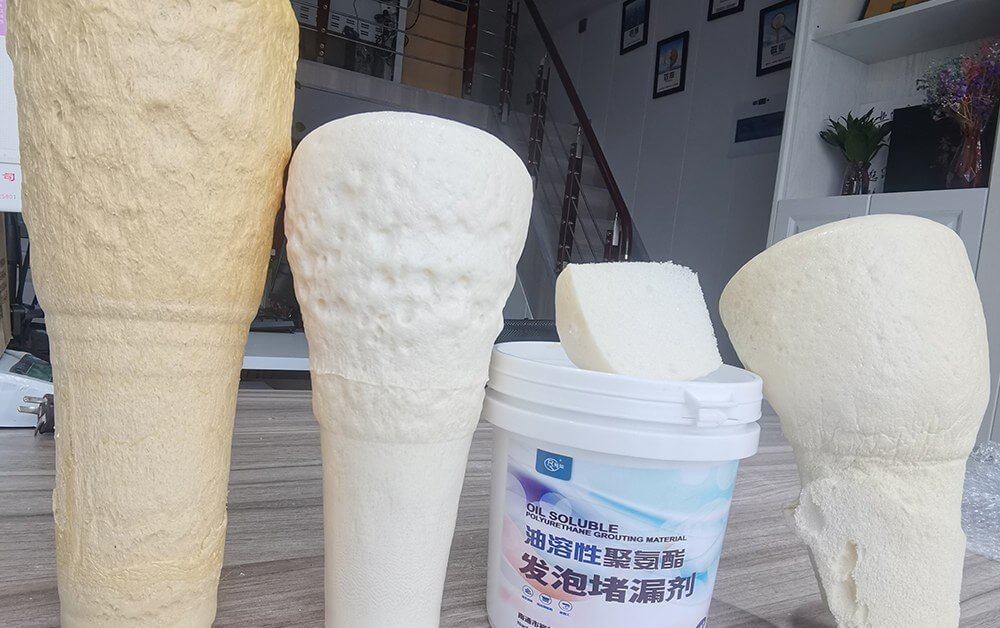
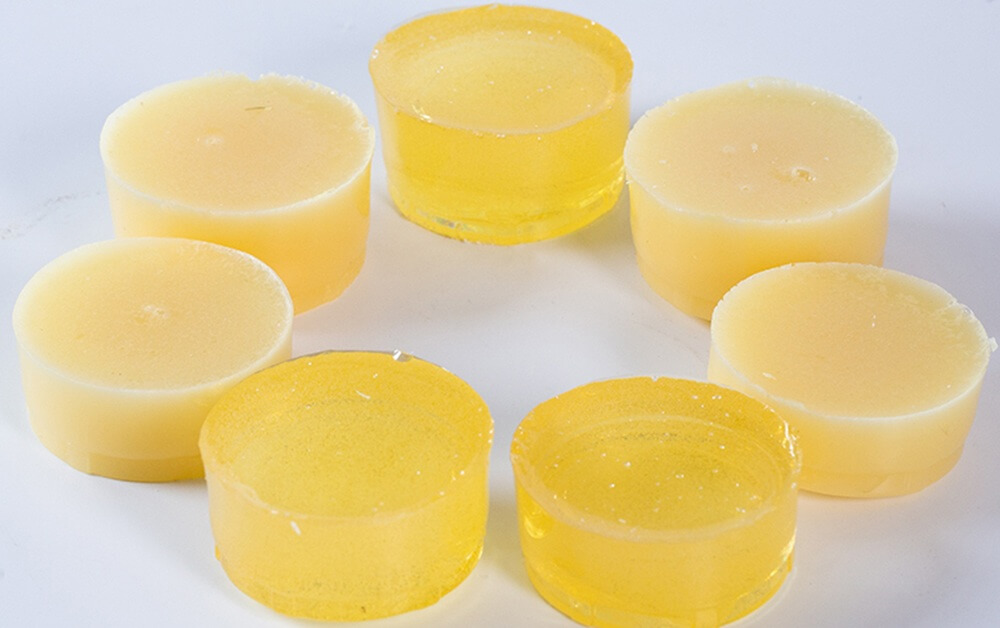
What Is Polyurea Grouting Material?
Polyurea grouting material is a polymer-based waterproofing and crack sealing material. It is designed for leakage repair in structural cracks and joint areas where elasticity and waterproofing performance are important.
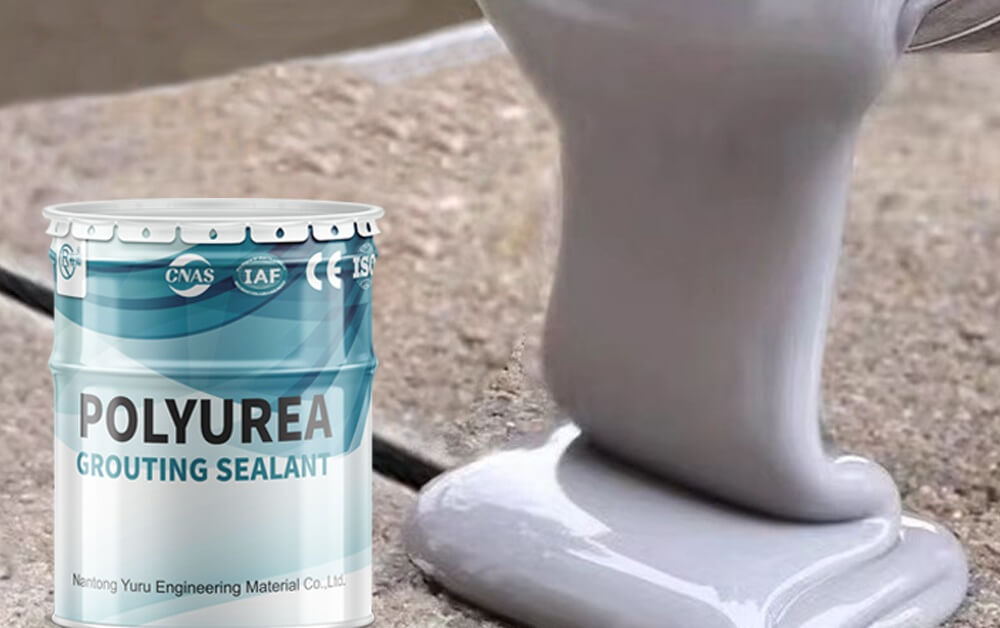
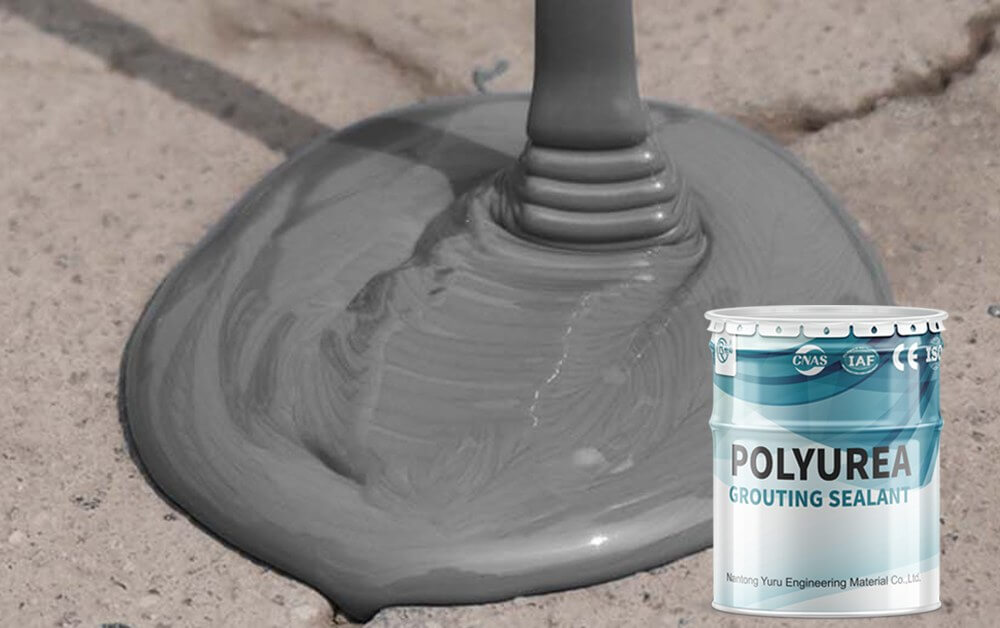
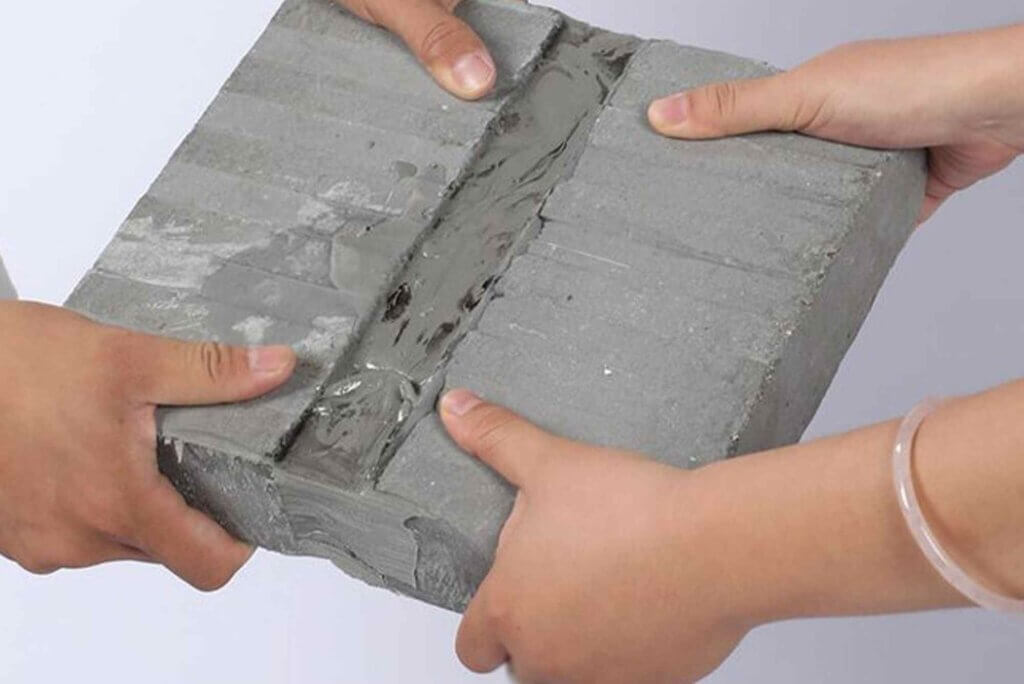
YURU PG-1 Polyurea Grouting Material is a homogeneous viscous liquid made with high molecular polymer resin as the main agent, together with mineral fillers and additives. After reacting with water, it forms a high molecular polymer elastomer. This elastomer is used to cover cracks and help solve leakage and re-leakage problems in structural cracks such as deformation joints, expansion joints, general joints, and settlement joints.
The word “elastomer” is important. It means the cured body is not simply a hard plug. It has elastic behavior, which is exactly what many movement joints need.
For waterproofing projects, this makes polyurea grouting different from ordinary rigid repair materials. It is not selected only to fill a gap. It is selected to create a more flexible waterproofing seal in areas where structural movement may continue.
How Polyurea Grouting Works in Movement Joint Waterproofing?
Polyurea grouting works by forming an elastic sealing body after application and curing. Depending on the joint condition and construction method, it can help cover the crack area, seal leakage channels, and improve waterproofing reliability around the joint.
In movement joint waterproofing, the material needs to do several things at the same time:
- Seal water paths.
- Bond to the prepared base surface.
- Adapt to slight structural deformation.
- Resist water absorption.
- Maintain performance after repeated movement.
- Reduce the risk of re-leakage.
That combination is the main reason polyurea grouting is considered for expansion joints, deformation joints, settlement joints, and structural crack leakage repair.
Elastic Sealing Instead of Rigid Blocking
Rigid blocking tries to stop water by filling a gap with a hard material. Elastic sealing works differently. It creates a waterproofing body that can tolerate some movement.
For movement joints, elastic sealing is usually more reasonable. The joint may continue to move after repair, so the material should not become the weakest point.
Better Adaptation to Structural Deformation
YURU PG-1 is described as having high strength, large elongation, good elasticity, and strong ability to adapt to structural deformation. These properties are directly related to movement joint repair.
If a joint opens slightly, the material needs elongation, if it is compressed and released, it needs elastic recovery. If the joint edge is damp, it needs bonding performance under realistic site conditions.
This is why material selection should be based on the behavior of the joint, not only the visible size of the leak.
Key Technical Properties That Matter for Movement Joints
For engineers and contractors, product data is valuable only when it helps solve a real problem. In movement joint waterproofing, several technical indicators are especially important.
Elongation at Break
Elongation at break shows how much the cured material can stretch before failure. Movement joints may open and close because of temperature change or settlement. If the material has poor elongation, it may tear or crack.
YURU PG-1 has elongation at break greater than 150%. For expansion joints and settlement joints, this supports better deformation adaptability.
Elastic Recovery
Elastic recovery shows whether the material can return after being stretched or compressed. A material may stretch once, but if it does not recover well, it may lose contact with the joint surface.
YURU PG-1 lists an elastic recovery rate of at least 90%. For repeated movement, this is important because the repair must continue sealing over time.
Bonding Strength
Bonding strength is one of the most important factors in joint leakage repair. Many failures happen at the interface between the repair material and the concrete edge.
YURU PG-1 provides bonding strength values for dry base and wet base surface conditions. This is useful because many underground repair sites are damp. However, the construction surface should still have no visible water before application.
Low Water Absorption
Water absorption affects long-term waterproofing reliability. If a cured material absorbs too much water, performance may become unstable in wet conditions.
YURU PG-1 lists water absorption at no more than 1%. This helps support its use in long-term damp environments.
Waterproofing Performance
YURU PG-1 lists waterproofing performance as 0.3 MPa for 120 minutes, impermeable. For underground and civil engineering projects, this type of waterproofing resistance is valuable because joint areas may face continuous water exposure.
Low-Temperature Bendability
Some materials become brittle in cold weather. Once a material becomes brittle, movement joints are more likely to crack again.
YURU PG-1 lists low-temperature bendability at -35°C with no cracks. This can be useful for projects in cold regions or structures exposed to seasonal temperature changes.
Resistance After Acid, Alkali, and Salt Treatment
Underground structures may be exposed to alkaline concrete conditions, groundwater salts, or other environmental influences. YURU PG-1 lists strength retention after acid, alkali, and salt treatment at no less than 80%.
This does not mean the product should be used without evaluation in all chemical environments. However, it gives engineers and buyers a useful reference when durability is part of the project requirement.
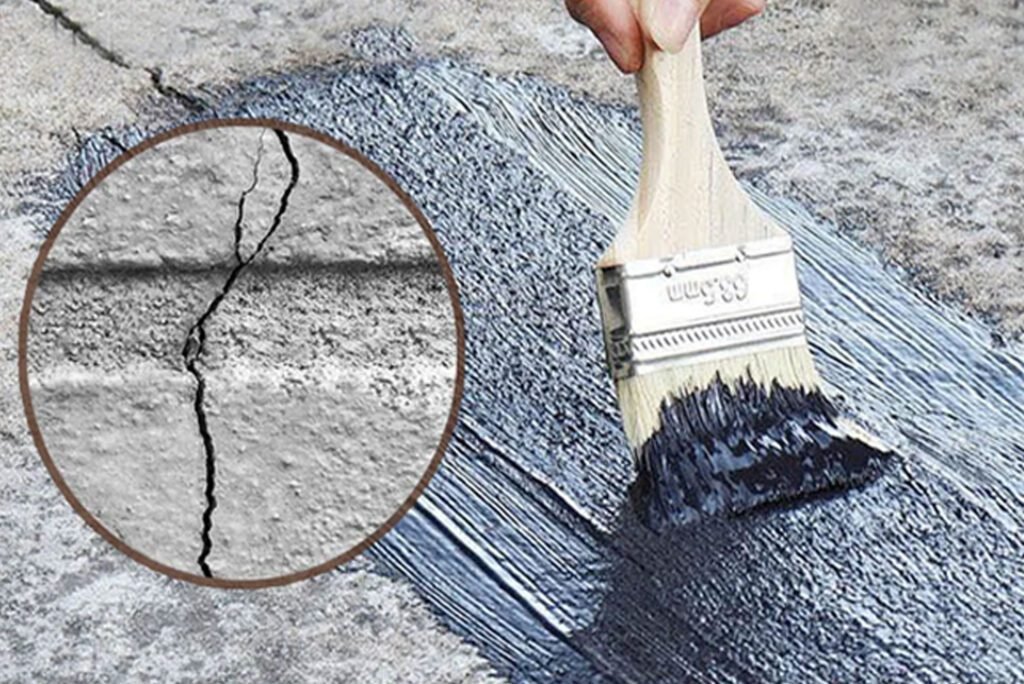

YURU PG-1 Polyurea Grouting Material: Technical Data for Project Evaluation
The table below summarizes key YURU PG-1 indicators and how each one relates to movement joint waterproofing.
| Product Indicator | YURU PG-1 Data | Why It Matters |
| Product type | Polyurea | Suitable for elastic waterproof sealing |
| Viscosity at 25°C | 3500–6500 mPa·s | Useful for joint sealing work |
| Surface drying time at 23°C | 30 minutes | Supports faster site progress |
| Tensile strength | >1.2 MPa | Helps resist stress in the cured body |
| Elongation at break | >150% | Helps adapt to joint movement |
| Tear strength | >3 N/mm | Helps resist tearing under deformation |
| Bonding strength, dry base | ≥1.2 MPa | Supports adhesion on prepared dry surfaces |
| Low-temperature bendability | -35°C, no cracks | Helps in cold conditions |
| Elastic recovery rate | ≥90% | Helps maintain sealing after movement |
Main Applications of Polyurea Grouting for Movement Joints
Polyurea grouting is most useful where joint movement and waterproofing are both important. It should be selected based on the leakage condition, substrate condition, and construction environment.
Expansion Joint Leakage Repair
Expansion joints allow structures to expand and contract — common in basements, underground garages, large concrete buildings, bridges, municipal projects. Repair material must tolerate movement — polyurea grouting forms elastic waterproofing seal around joint area.
Deformation Joint Waterproofing
Deformation joints absorb structural movement. They may appear in underground passages, tunnels, parking structures, and large concrete buildings.
Because these joints move, rigid patching may not last. Polyurea grouting is suitable when the project needs a flexible sealing material with bonding and waterproofing performance.
Settlement Joint Leakage Repair
Settlement joints allow different parts of a structure to settle independently. Over time, the joint width may change. This makes settlement joints difficult to repair with hard materials.
Polyurea grouting can help because it has elongation and elastic recovery, making it better suited for active joint areas.
Structural Cracks Near Joint Areas
Leakage may not always come from the center of the joint. Water can travel through cracks beside the joint, weak concrete edges, or old construction defects.
Contractors should inspect the whole joint area before repair. Polyurea grouting can be used where structural crack leakage needs elastic waterproof sealing.
Basement and Underground Garage Projects
Basements and underground garages often face groundwater pressure, high humidity, and difficult maintenance conditions. Joint leakage in these areas can damage finishes, affect parking areas, and increase maintenance costs.
Polyurea grouting is useful when the leakage source is a movement joint or nearby structural crack that needs long-term elastic sealing.
Tunnel and Municipal Engineering Projects
Tunnels, subway structures, underground passages, and municipal facilities often contain movement joints and construction joints. These projects may face vibration, groundwater, and high repair costs.
For suitable joint leakage conditions, polyurea grouting provides a practical material option for elastic waterproofing repair.
Construction Conditions Contractors Should Check Before Use
Even a good material can fail if it is applied under poor conditions. For movement joint waterproofing, construction control is essential.
Avoid Construction Below 5°C
YURU PG-1 should avoid construction below 5°C. Low temperature can affect workability, curing, bonding, and surface drying.
For winter projects, contractors should plan the schedule carefully and confirm site conditions before application.
No Visible Water on the Construction Surface
The construction surface should have no visible water. If open water is present, the work should be carried out after draining.
This point is important. Although the material is used for leakage repair, it still needs suitable surface conditions to bond properly.
Clean the Base Before Application
The base should be cleaned in advance to remove slurry and dust. Loose material, old sealant, and weak surface layers should also be removed where needed.
Good surface preparation helps improve bonding and reduce the risk of edge separation.
Use the Material Within the Application Time
YURU PG-1 has an application time of 15 minutes. After opening the barrel, it should be used as soon as possible. Long exposure to air should be avoided to prevent crusting.
For long joints, contractors should divide the work into manageable sections rather than opening too much material at once.
Keep the Site Ventilated
The construction site should be well ventilated. Fire-fighting equipment should also be placed at the site according to product notes.
This is especially important in enclosed areas such as basements, tunnels, and underground garages.
Protect the Area Before Full Drying
Before the material is actually dry, the repaired area should be protected from water impact, dust, traffic, and mechanical damage.
Early damage can reduce the final waterproofing quality.
Practical Checklist for Movement Joint Repair
A clear workflow cuts down on site mistakes.
- Step 1 — Joint Type: Identify expansion, deformation, settlement, construction, or nearby structural crack.
- Step 2 — Leak Source: Check if water is coming from surface cracks, joint center, joint edge, or behind structure.
- Step 3 — Movement: If joint still moves, elastic waterproofing is better than rigid patching.
- Step 4 — Surface Prep: Remove dust, slurry, loose concrete, old failed materials, weak layers.
- Step 5 — Open Water: No visible water on surface before application.
- Step 6 — Work Area: Prepare workers, tools, application areas before opening material.
- Step 7 — Apply in Sections: For long joints, work in sections to stay within application time and improve quality.
- Step 8 — Protect and Inspect: Protect before full drying, inspect joint line and surrounding cracks after curing.
Common Mistakes to Avoid
Movement joint repair often fails because of small but important mistakes.
Choosing Only by Price
Low material cost may lead to higher total cost if leakage returns. Contractors and distributors should consider performance, suitability, and supplier support.
Treating a Movement Joint Like a Static Crack
Movement joints are active. A repair material that works for a stable crack may not work for a joint that continues to move.
Skipping Surface Cleaning
Dust and slurry reduce adhesion. For movement joints, poor bonding can quickly lead to edge failure.
Applying Over Open Water
The product requires no visible water on the construction surface. Applying over open water may affect bonding and curing.
Opening Too Much Material at Once
Because the application time is limited, opening too much material can cause waste, crusting, or rushed application.
Ignoring Site Protection
Before the material is actually dry, the repair area must be protected. Otherwise, early damage may reduce the waterproofing effect.
How Buyers Should Choose a Polyurea Grouting Supplier?
For distributors, contractors, and project buyers, supplier selection is as important as product selection.
Check Clear Product Data
Reliable supplier should provide viscosity, density, application time, drying time, tensile strength, elongation, bonding strength, water absorption, waterproofing performance, storage requirements — helps evaluate material match for project.
Ask About Application Guidance
Movement joint leakage can be complicated. A supplier should help customers understand when to use polyurea grouting, when PU grouting may be needed, and when epoxy grouting may be more suitable.
Confirm Packaging Options
Customers may need packaging for wholesale distribution, private label supply, or project delivery. YURU PG-1 can be packed according to customer requirements, making it suitable for different business models.
Review Storage and Transportation
Store in clean, dry, sealed iron barrel. Transport — protect from rain, exposure, extrusion, collision. Ventilated, dry, cool place, away from direct sunlight and rain — storage temp ≤40°C, shelf life 6 months.
These details matter for exporters, distributors, and project warehouses.
Why Choose YURU Polyurea Grouting Material?
YURU Waterproof is a manufacturer of waterproof coatings, grouting materials, and floor coatings. The company serves distributors, contractors, engineers, and project buyers who need professional waterproofing and injection grouting materials.
YURU PG-1 Polyurea Grouting Material is designed for structural crack leakage and re-leakage problems, including deformation joints, expansion joints, general joints, and settlement joints.
Designed for Joint Leakage and Re-Leakage
The product forms a polymer elastomer after reaction. This helps create elastic sealing instead of rigid blocking.
For movement joints, this is important because the structure may continue to move after repair.
Balanced Performance for Waterproofing Projects
YURU PG-1 offers a combination of high strength, large elongation, good elasticity, bonding strength, dense cured body, low water absorption, low-temperature bendability, waterproofing performance, and elastic recovery.
These properties make it suitable for contractors and project buyers looking for a more specialized solution for movement joint leakage repair.
Suitable for Wholesale, Project Supply, and Packaging Customization
For distributors and contractors, stable supply and flexible packaging are important. YURU can support wholesale supply, project procurement, and packaging discussions based on customer needs.
This makes the product suitable for regional distribution, OEM/private label cooperation, and engineering project supply.
Support for Material Selection
Many customers are not sure whether they should choose polyurea grouting, PU grouting, epoxy grouting, or another waterproofing material. YURU can help evaluate joint type, water condition, substrate condition, construction environment, packaging requirements, and project quantity before material selection.
FAQs:
1. Is polyurea grouting suitable for movement joints?
Yes. Polyurea grouting is suitable when project requires elastic waterproof sealing. It is especially useful for expansion joints, deformation joints, settlement joints, and structural cracks where rigid materials may fail due to movement.
2. Why do movement joints need elastic waterproofing?
Movement joints are designed to move, rigid material may crack or separate from joint edge — elastic waterproofing better adapts to opening, closing, settlement, and slight deformation.
3. Can polyurea grouting be used for expansion joint leakage?
Yes. When joint condition and construction requirements are suitable — provides elastic sealing and bonding for joints affected by thermal expansion and contraction.
4. Can YURU supply polyurea grouting for wholesale or OEM projects?
Yes. YURU Waterproof can support distributors, contractors, engineers, and project buyers with polyurea grouting material supply. Packaging can be discussed according to customer requirements for wholesale, private label, and project supply.
Conclusion: Movement Joint Leakage Needs Flexible Material Selection
Movement joint leakage is difficult because the joint is active. It may expand, contract, settle, or deform after repair. Therefore, the material must be selected according to the behavior of the joint, not only the visible leakage point.
Rigid materials may work for stable cracks, but they often struggle in moving joints. Polyurea grouting provides a more suitable approach for many movement joint waterproofing projects because it forms an elastic polymer sealing body with bonding strength, low water absorption, waterproofing performance, and deformation adaptability.
For expansion joints, deformation joints, settlement joints, and structural cracks around joint areas, polyurea grouting can help contractors reduce re-leakage risk and improve repair reliability.
YURU PG-1 Polyurea Grouting Material is designed for structural crack leakage and re-leakage repair. It is suitable for buyers who need a professional grouting material for waterproofing projects, wholesale distribution, private label supply, or engineering repair applications.
If you are looking for polyurea grouting material for movement joint leakage repair, contact YURU Waterproof for product data, material selection support, packaging options, and wholesale quotation.
YURU Product solutions