What is Chemical Grouting? Understanding Its Applications
- 11/30/2024
- yuruwaterproof.com
Chemical grouting is an innovative technique widely used in the construction industry for soil stabilization, waterproofing, and structural reinforcement. By injecting specialized chemical grouts into cracks or porous materials, this method creates a solid barrier that enhances the durability and safety of structures. In this article, we will explore what chemical grouting is, how it works, and its key applications across various industries. Additionally, we will discuss the numerous advantages it offers over traditional methods, making it a valuable solution for modern construction and waterproofing projects.
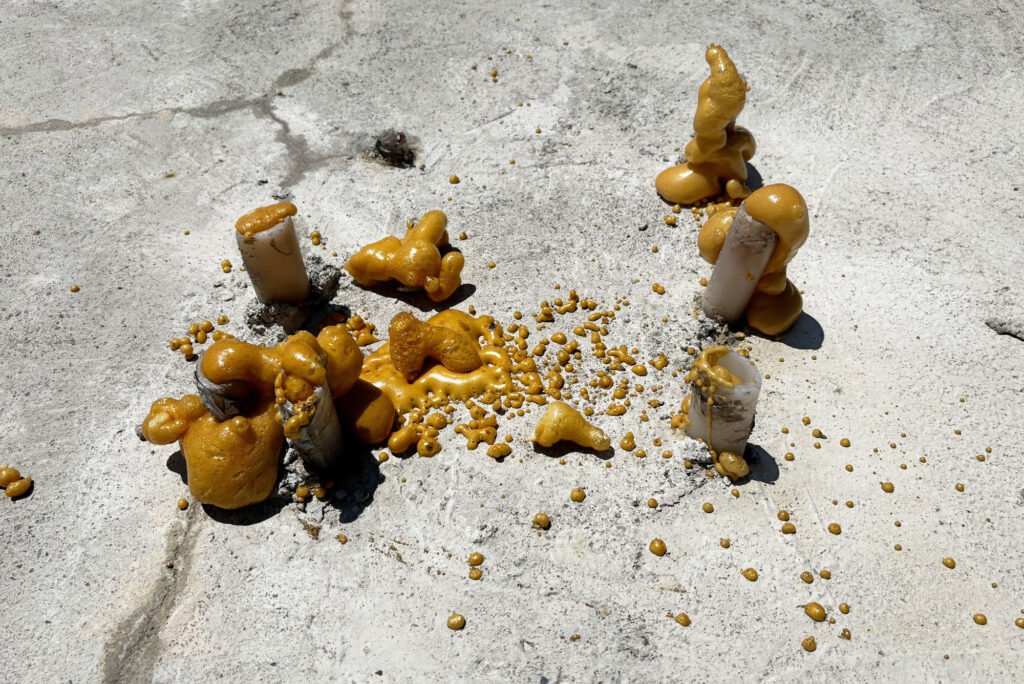
What is Chemical Grouting?
Chemical grouting is a specialized technique used to seal and strengthen soil or structures by injecting chemical grout materials into cracks, voids, or porous areas. Unlike traditional grouting methods, which often rely on cement-based mixtures, chemical grouting uses liquid solutions that chemically react with the surrounding environment to form a solid, waterproof barrier.
In this section, we will explain the fundamental concept of chemical grouting, its difference from traditional grouting techniques, and the key functions it serves in construction and waterproofing projects.
Key Functions of Chemical Grouting:
- Sealing and Waterproofing:
Chemical grouts create an impermeable barrier, preventing water infiltration into underground structures, foundations, and tunnels.
- Soil Stabilization:
The grout strengthens loose or soft soil, enhancing its load-bearing capacity and preventing settlement or subsidence, which is crucial for the stability of foundations and buildings.
- Crack Repair:
When injected into cracks or voids, chemical grout hardens and fills these gaps, restoring structural integrity to damaged surfaces, such as concrete foundations or walls.
Difference Between Chemical Grouting and Traditional Grouting:
| Feature | Chemical Grouting | Traditional Grouting |
| Grout Material | Chemical-based (e.g., polyurethane, epoxy) | Cement-based or sand-based |
| Application | Injected into cracks, soil, or voids | Poured or pumped into larger spaces |
| Reaction | Reacts with water or soil to form a solid mass | Primarily relies on physical curing |
| Durability | Long-lasting, highly resistant to environmental changes | May degrade faster under extreme conditions |
| Waterproofing | Excellent water-blocking properties | May require additional waterproofing additives |
Through the use of chemical grouting, engineers can achieve a more precise and durable solution for waterproofing and soil stabilization, especially in environments with high water pressure or unstable soil conditions. This makes chemical grouting an ideal choice for various construction and maintenance projects.
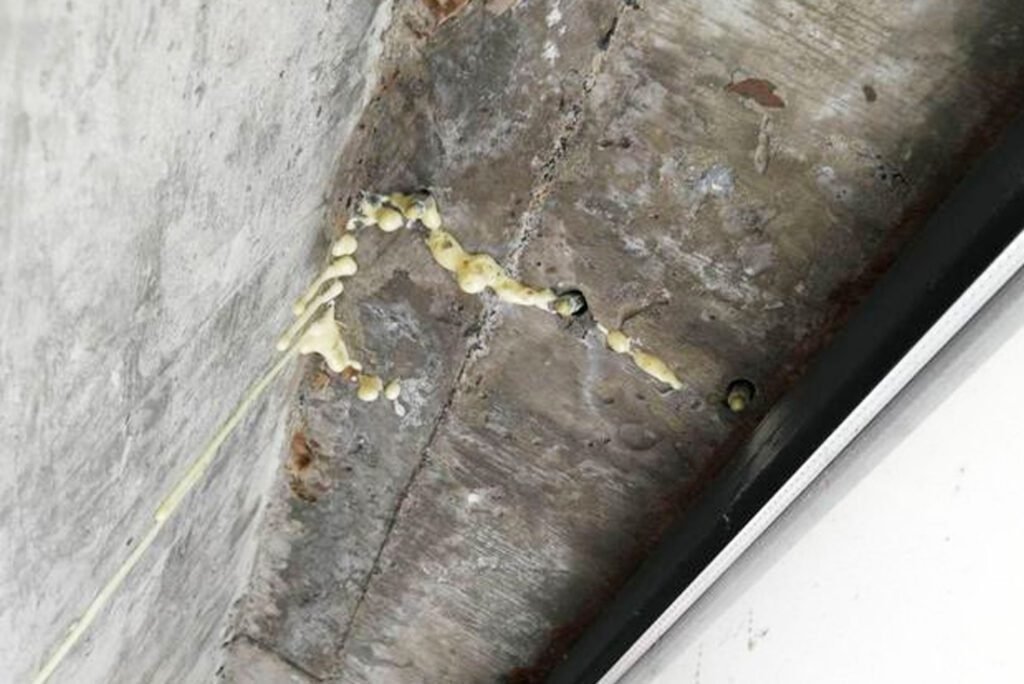
How Does Chemical Grouting Work?
Chemical grouting works by injecting specially formulated chemical grouts into soil, cracks, or voids in structures. These grouts react with the surrounding environment—such as water, soil, or concrete—to form a solid, impermeable mass that both strengthens and seals the treated area. The reaction of the chemical grout depends on the type of grout used and the conditions of the environment, allowing it to adapt to various project requirements.
In this section, we will explain how the chemical grout reacts within the soil or cracks and how this process helps in enhancing the waterproofing and structural stability of buildings or foundations.
The Process of Chemical Grouting:
Injection of Grout:
A liquid grout is injected into cracks or voids in the soil or structure. The grout typically consists of materials like polyurethane, epoxy, or acrylics, each designed for specific conditions (e.g., high water pressure or soil types).
Chemical Reaction:
Upon injection, the grout reacts with the surrounding water or soil. For instance, polyurethane grout may react with water to expand and solidify, while epoxy grouts may harden upon exposure to moisture in the cracks. This reaction forms a dense, durable material that fills the voids and strengthens the surrounding structure.
Solidification and Reinforcement:
The injected grout cures into a solid mass, filling cracks and voids and bonding with the surrounding material. This process provides structural reinforcement and water resistance. In soil stabilization, the grout particles bond with the soil particles to form a rigid, stable mass that can support the load of foundations or other structures.
Waterproofing and Sealing:
As the grout solidifies, it forms a waterproof barrier that prevents water infiltration into the treated areas. This is crucial for protecting underground structures, basements, tunnels, or foundations from water damage and erosion.
Types of Chemical Grouts and Their Reactions:
| Grout Type | Reaction Mechanism | Common Uses |
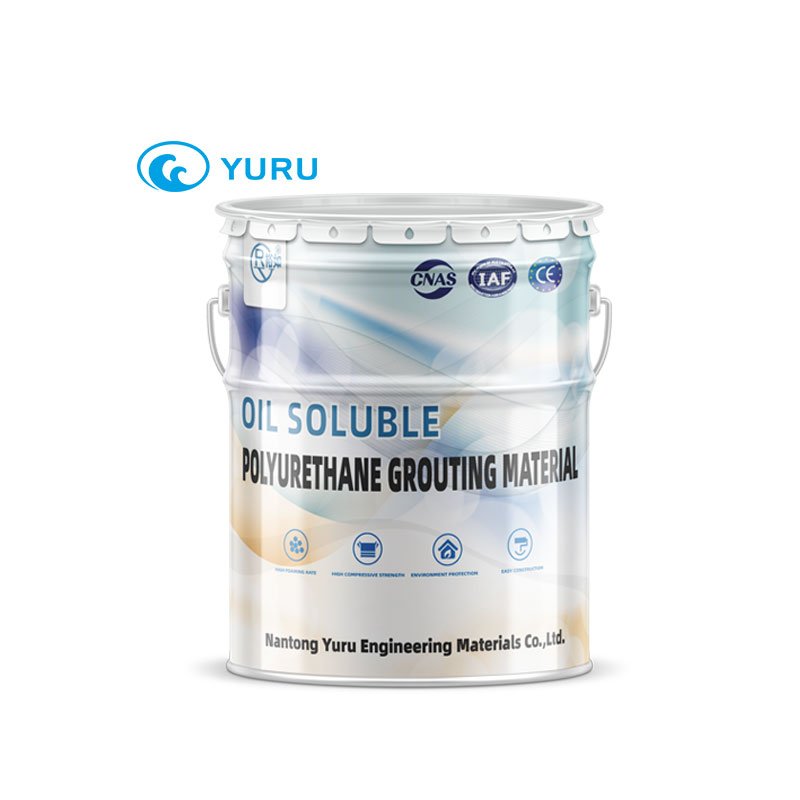
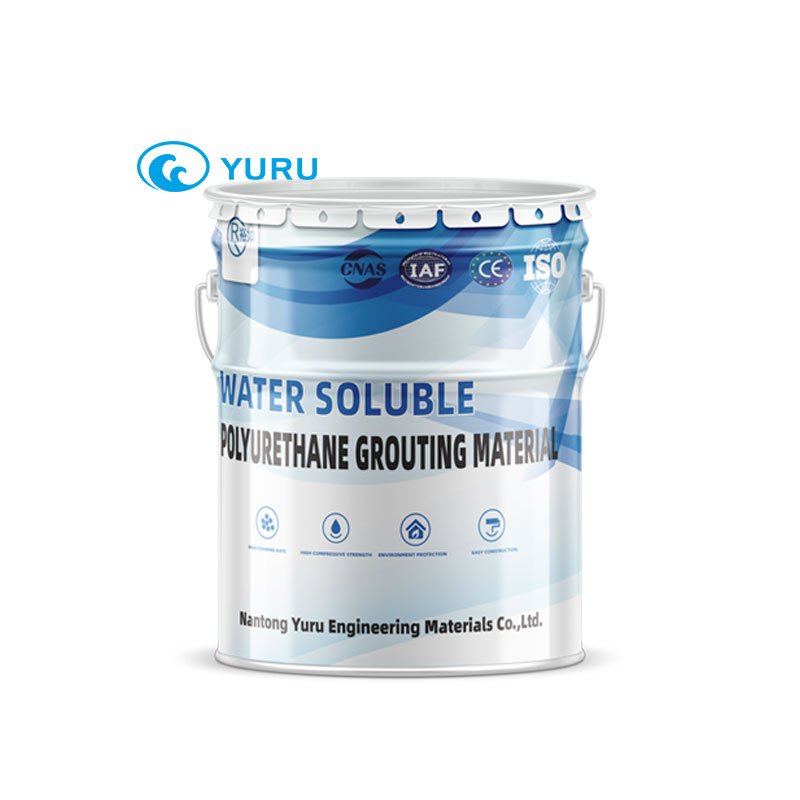
| Polyurethane Grouts | React with water to expand and solidify. | Soil stabilization, crack injection, waterproofing. |
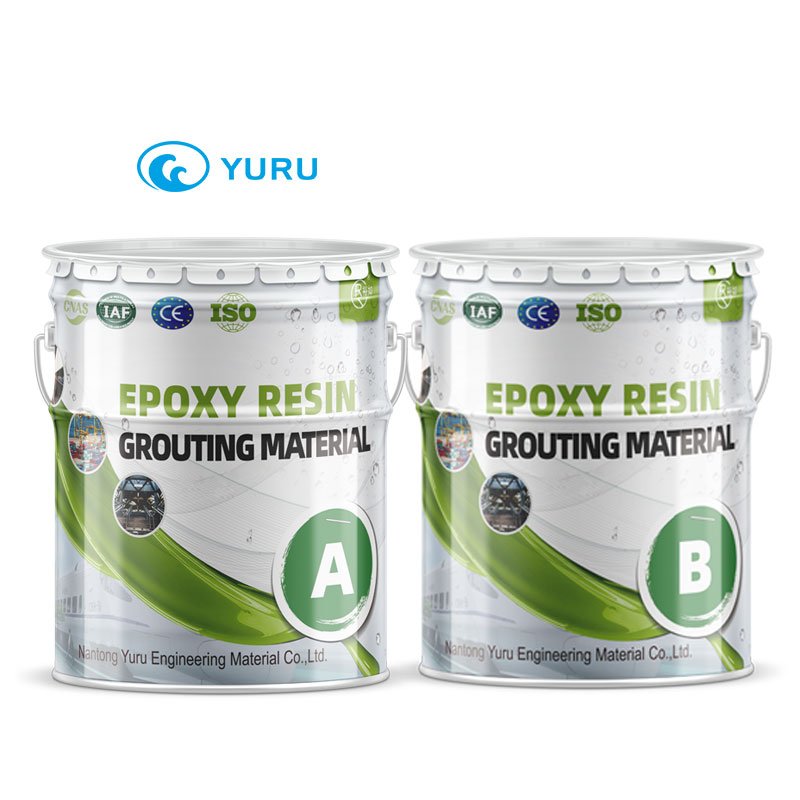
| Epoxy Grouts | React with moisture to harden and bond. | Concrete repairs, structural reinforcement. |
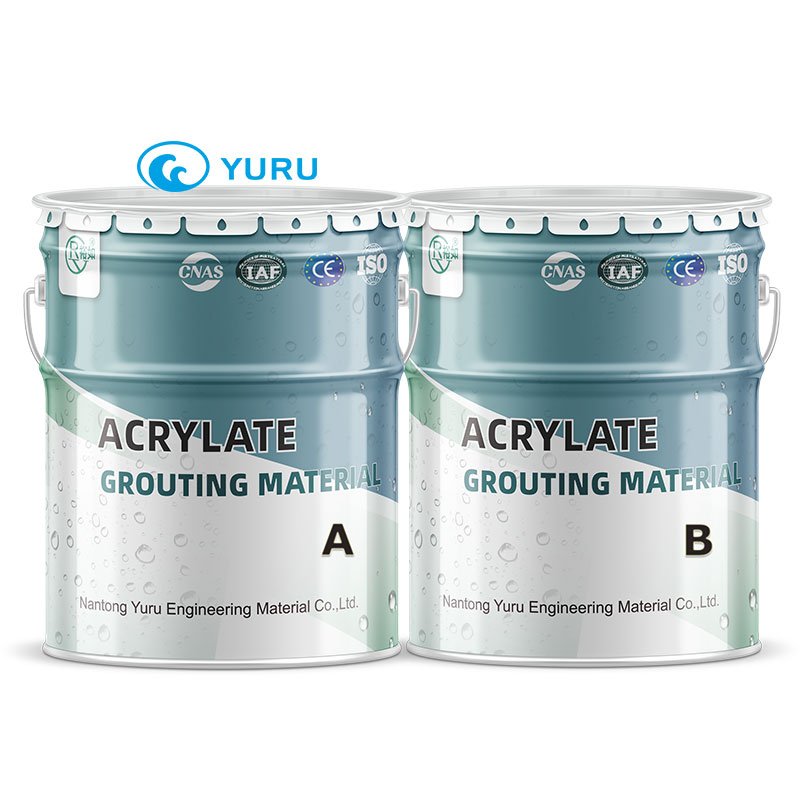
| Acrylic Grouts | React with water and soil to form a gel. | Groundwater sealing, soil consolidation. |
By utilizing chemical grouting, construction projects can achieve higher durability, greater resistance to environmental conditions, and more effective long-term solutions for both waterproofing and structural stability. The precise control over the grout’s reaction and expansion makes this method highly efficient for a wide range of applications.
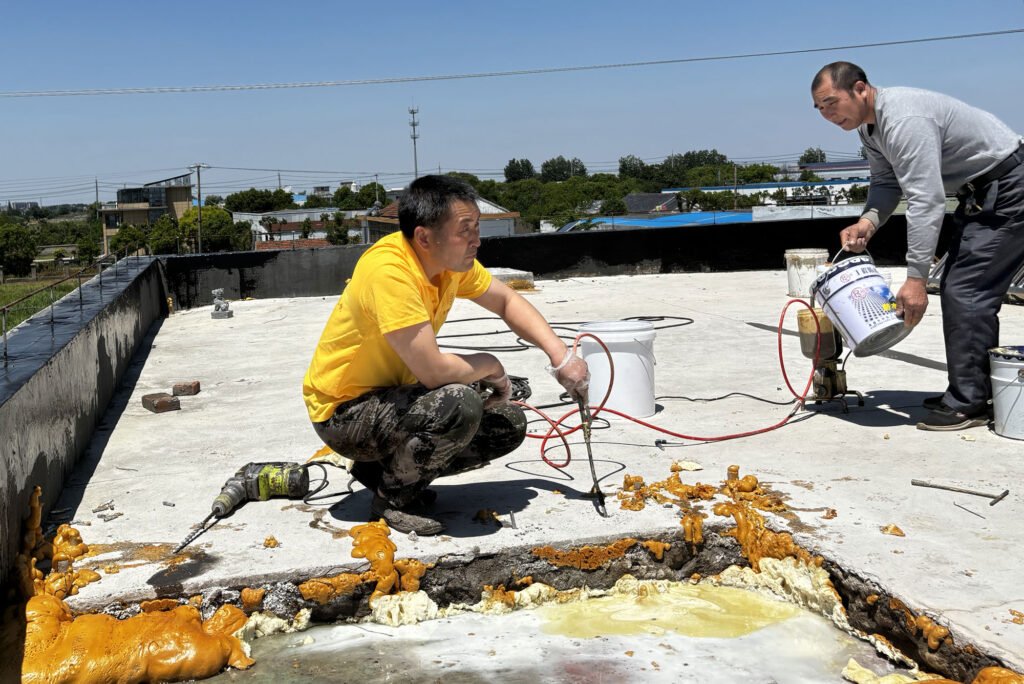
Advantages and Benefits of Chemical Grouting
Chemical grouting offers several advantages over traditional waterproofing and reinforcement methods, making it a preferred solution for challenging construction and repair projects. Its cost-effectiveness, adaptability, and durability ensure it meets the needs of diverse applications while addressing complex environmental conditions.
1. Cost-Effectiveness
Chemical grouting is a financially efficient solution, especially for large-scale or complex projects.
- Reduced Material Usage: The precise injection minimizes waste and maximizes efficiency.
- Lower Labor Costs: The method requires fewer workers compared to traditional approaches.
- Minimized Maintenance: Long-lasting results reduce the need for frequent repairs or replacements, lowering lifecycle costs.
2. Short Construction Time
The fast-curing nature of chemical grouts significantly shortens project timelines.
- Rapid Application: Injection is quick and minimizes disruption to ongoing operations.
- Fast Curing: Grouts like polyurethane curing within minutes, allowing for quicker project completion.
- Suitable for Emergency Repairs: Ideal for time-sensitive situations, such as sealing active leaks or stabilizing a failing structure.
3. Superior Waterproofing
Chemical grouting excels at providing a durable and effective waterproof barrier.
- High Pressure Resistance: Forms a watertight seal capable of withstanding groundwater or hydrostatic pressure.
- Long-Term Durability: Resistant to environmental degradation, ensuring reliable waterproofing over decades.
- Ideal for Complex Environments: Effective in areas with high water flow or damp conditions.
4. Versatility in Applications
This method adapts to diverse environments and structural challenges.
- Works in Challenging Soil Conditions: Effective in stabilizing loose, sandy, or clay-heavy soils.
- Applicable in Wet or Submerged Areas: Performs well even in saturated environments, eliminating the need for pre-drainage.
- Customizable Grouts: A variety of grout types (e.g., polyurethane, epoxy) cater to specific requirements like flexibility or extreme strength.
5. Enhanced Structural Stability
Beyond sealing and waterproofing, chemical grouting strengthens the treated areas.
- Increased Load-Bearing Capacity: Bonds loose soils or fills structural cracks to improve stability.
- Prevention of Long-Term Damage: Stops water infiltration and erosion, which can compromise the integrity of structures over time.
- Reinforcement of Aged Structures: Restores and prolongs the lifespan of foundations, tunnels, and bridges.
6. Adaptability to Complex Conditions
Chemical grouting performs exceptionally well in difficult environments, making it ideal for challenging projects.
- High Water Table Areas: Seals and stabilizes in conditions with high water pressure.
- Harsh Soil Types: Performs in soils where traditional methods might fail, such as silt or fractured rock.
- Non-Invasive Repairs: Ideal for sensitive sites where excavation or heavy machinery is not feasible.
Comparison of Key Benefits
| Advantage | Chemical Grouting | Traditional Methods |
| Cost Efficiency | High – precise material use and long-term savings. | Moderate – higher maintenance costs. |
| Time Efficiency | Fast application and curing. | Slower due to additional preparation. |
| Waterproofing | Excellent, even under pressure. | Moderate, may require additional layers. |
| Adaptability to Soil | Works in diverse soil conditions. | Limited to specific soil types. |
| Environmental Suitability | Performs well in wet or high-pressure areas. | Often requires pre-treatment. |
Chemical grouting combines these advantages to provide a comprehensive solution for waterproofing, structural reinforcement, and soil stabilization. Its adaptability and reliability make it an invaluable technique in modern construction and infrastructure repair projects.
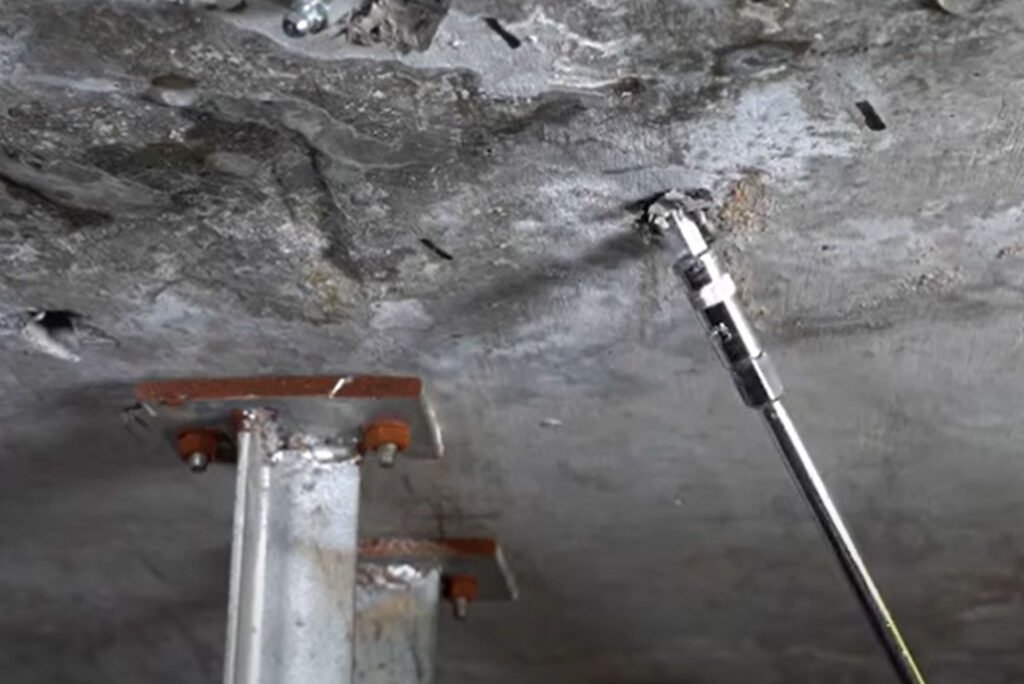
How to Choose the Right Chemical Grouting Material
Selecting the right chemical grouting material is essential to achieving optimal results for your specific project. The choice depends on various factors, including the type of material, its properties, and the environmental conditions of the project. This section outlines the key considerations for selecting chemical grouting materials and provides recommendations for different applications.
1. Types of Chemical Grouting Materials
Understanding the different types of grouting materials is the first step in making an informed choice. Each material has unique characteristics tailored to specific project needs.
| Material Type | Key Features and Applications |
| Polyurethane Grouts | Expands upon reaction with water to form a flexible, watertight seal. Ideal for waterproofing and soil stabilization. |
| Epoxy Grouts | High strength and durability. Best for structural reinforcement and crack repair in concrete. |
| Acrylic Grouts | Low viscosity for deep penetration. Suitable for fine cracks and soil stabilization. |
2. Factors to Consider When Choosing a Material
- Project Requirements
Waterproofing: For projects requiring water sealing, polyurethane or silicate grouts are ideal.
Structural Strengthening: Use epoxy grouts for applications that need high strength and load-bearing capacity.
Soil Stabilization: Acrylic or silicate grouts are better suited for binding loose soils.
- Environmental Conditions
Water Table Level: In areas with high water pressure, polyurethane grouts are effective due to their water-reactive properties.
Soil Type: Silicate grouts work well in sandy or clay soils, while acrylic grouts can penetrate fine soils.
- Performance Characteristics
Viscosity: Low-viscosity grouts are better for filling fine cracks or voids.
Curing Time: Choose fast-curing grouts for time-sensitive projects or emergency repairs.
Durability: Ensure the material resists environmental wear, such as chemical exposure or temperature changes.
- Application Method
Ease of Use: Materials with simple mixing and injection processes save time and labor costs.
Accessibility: Consider the injection equipment required for the material type.
3. Recommendations for Specific Applications
| Application Area | Recommended Material | Benefits |
| Foundation Waterproofing | Polyurethane Grouts | High flexibility, excellent water resistance. |
| Concrete Crack Repair | Epoxy Grouts | Superior bonding strength and durability. |
| Soil Stabilization | Silicate or Acrylic Grouts | Effective penetration and soil binding. |
| Tunnel Waterproofing | Polyurethane or Silicate | Performs well under high water pressure. |
4. Expert Tips for Material Selection
Always perform a site-specific analysis to understand the environmental and structural conditions.
Consult with manufacturers or suppliers for detailed product specifications and recommendations.
Ensure compatibility between the chosen grout and existing materials in the structure.
Selecting the right chemical grouting material ensures project success, whether it’s waterproofing, soil stabilization, or structural reinforcement. By considering the factors outlined above, you can confidently choose a material that meets your project’s unique requirements.
Conclusion:
At YURU Waterproofing, we understand the critical importance of selecting the right materials and methods to ensure the durability and safety of construction projects. Chemical grouting offers a versatile and highly effective solution for a variety of challenges, from waterproofing to soil stabilization and structural reinforcement. With our extensive experience in providing high-quality waterproofing and grouting materials, we are committed to helping wholesalers, contractors, and engineering firms find the best products for their specific needs. By choosing YURU’s tailored chemical grouting solutions, you can trust that your projects will benefit from superior performance, cost efficiency, and long-term reliability. Contact us today to learn more about our products and how we can support the success of your next project.