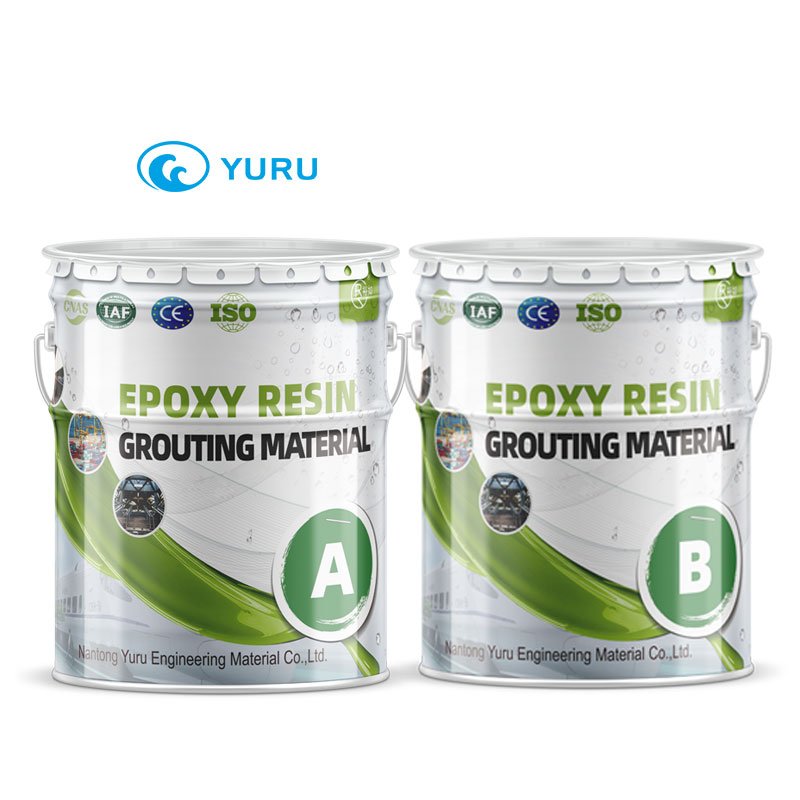
Advanced Epoxy Resin Groutig Material for Injection Waterproofing
Injection waterproofing has become an essential method for controlling structural leaks, repairing cracks, and protecting engineering assets against long-term water intrusion. As construction environments become more demanding and structural designs more complex, contractors are increasingly shifting from traditional grouting materials to higher-performance alternatives. Among these, epoxy resin groutig material stands out for its strength, chemical resistance, and reliable long-term sealing properties.
This article explores everything procurement teams, contractors, and engineering project managers care about most—performance, application methods, troubleshooting, and supplier evaluation—while providing practical insights based on real-world engineering usage.
Whether you work in civil construction, waterproofing contracting, basement leak repair, tunnel reinforcement, or industrial facilities maintenance, this guide will serve as a comprehensive reference for selecting and applying advanced epoxy resin groutig material.
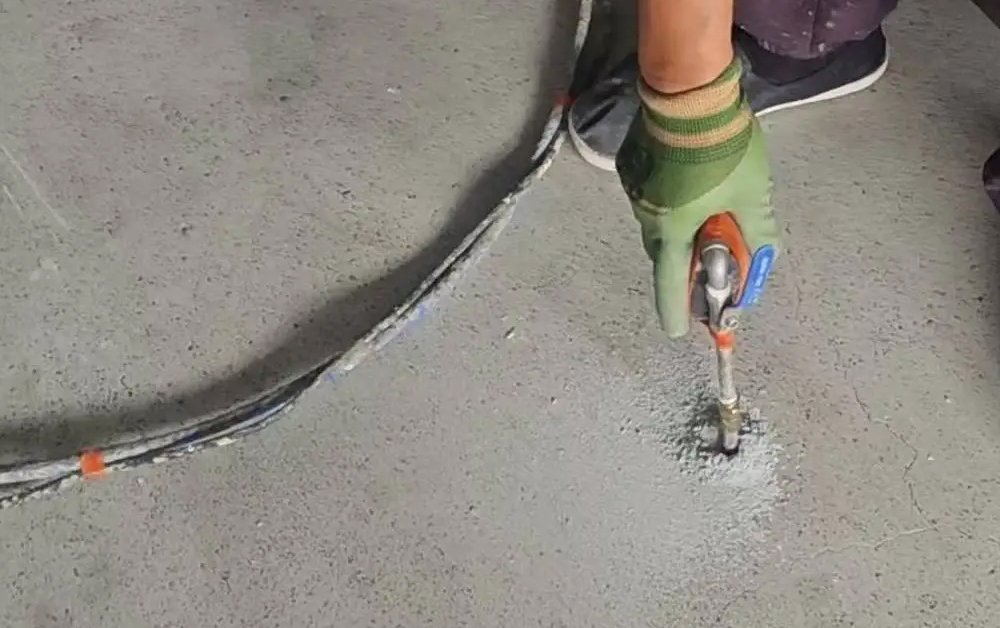
Core Performance and Technical Advantages of Epoxy Resin Groutig Material
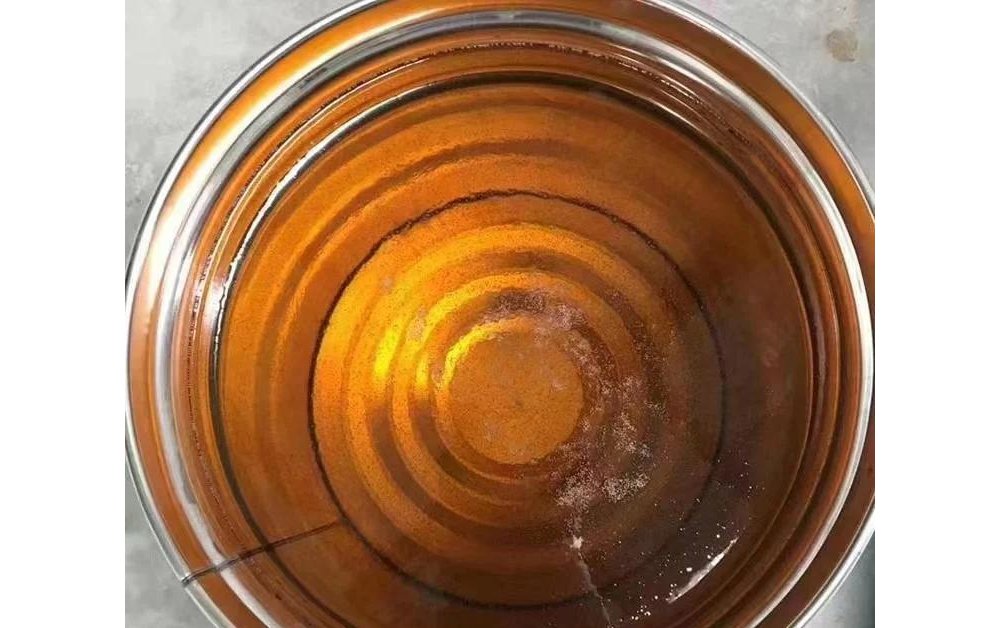
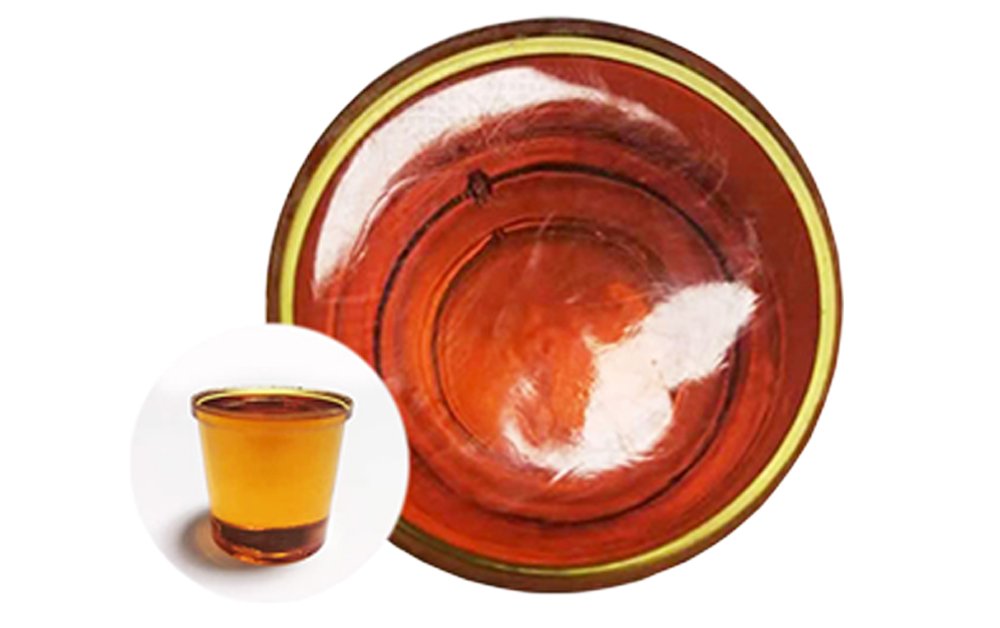
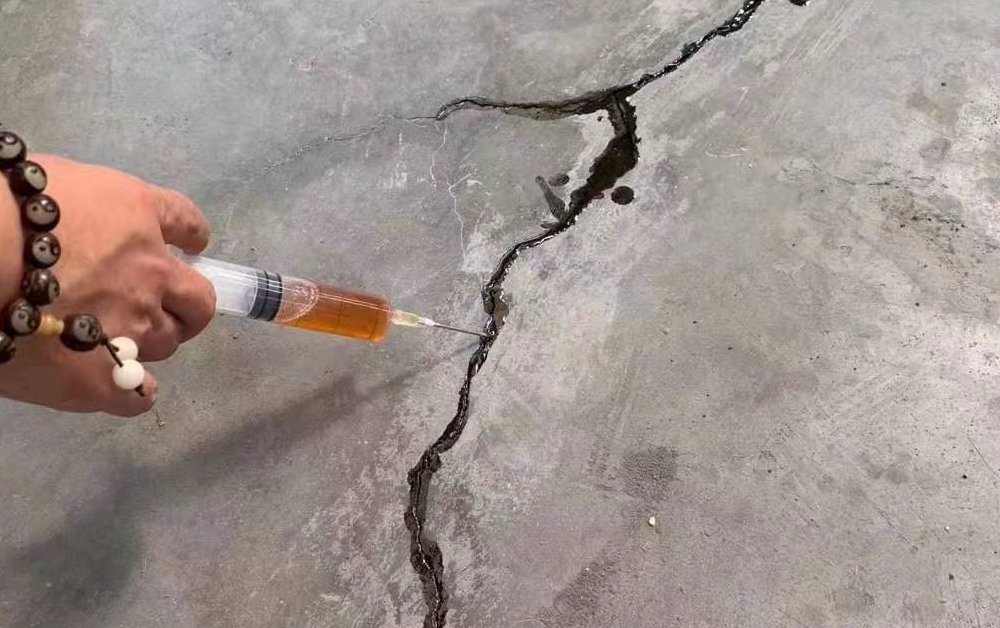
Epoxy resin groutig material is engineered for structural crack injection, water cutoff, and long-term sealing in harsh environments. Unlike traditional materials that rely on mere surface sealing, epoxy resin penetrates micro-cracks and forms a dense, load-bearing bond.
Key Technical Advantages
- Exceptional Bond Strength
Epoxy resin chemically adheres to concrete, steel, and stone surfaces, creating a monolithic repair that restores structural integrity rather than simply filling voids.
- Superior Durability Under Stress
Once cured, epoxy resin forms a rigid material capable of resisting dynamic loads, water pressure, and thermal expansion.
- Excellent Chemical Resistance
Suitable for environments exposed to wastewater, industrial chemicals, de-icing salts, and groundwater contaminants.
- Precise Flowability for Deep Crack Penetration
Engineered viscosity levels allow the resin to reach narrow cracks without leaking excessively during injection.
- Stable Performance in Extreme Environments
This includes damp foundations, fluctuating temperatures, and continuously leaking surfaces.
These characteristics make epoxy resin groutig material a preferred choice for demanding engineering environments where performance reliability outweighs cost considerations.
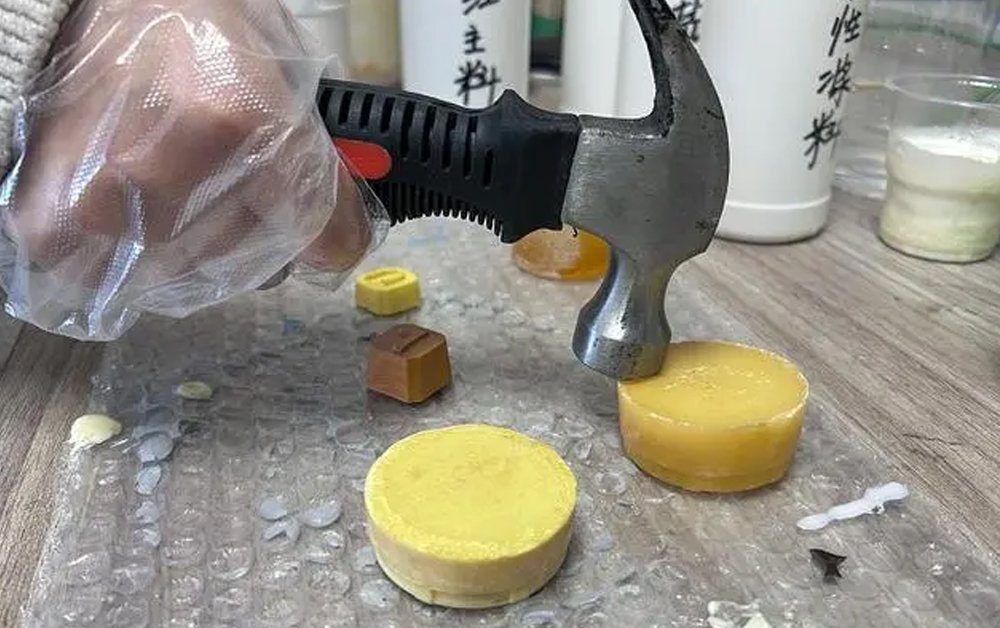
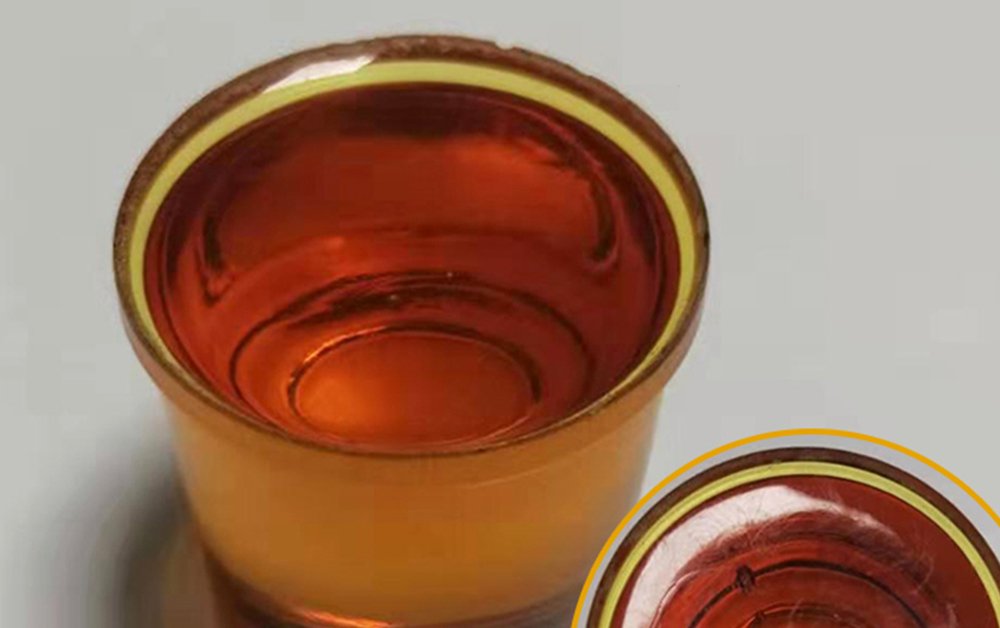
Typical Application Fields in Injection Waterproofing
Epoxy resin groutig material is widely used in both preventive waterproofing and structural repair scenarios. Its versatility allows contractors to respond confidently to various water intrusion challenges.
Most Common Application Scenarios
- Basement and Foundation Leakage Repair
Ideal for residential, commercial, and industrial basements experiencing structural cracking or hydrostatic water pressure.
- Subway Stations and Tunnel Waterproofing
Epoxy resin withstands constant vibrations, high water pressure, and long-term exposure to groundwater.
- Retaining Wall and Slope Protection Projects
Useful for repairing horizontal and vertical cracks where water seepage may affect soil stability.
- Water Tanks, Pools, and Reservoirs
Ensures watertight performance even in large concrete containment structures requiring minimal downtime.
- Construction Joints and Expansion Joint Sealing
Improves long-term durability at weak points where traditional materials often fail.
- Industrial Facility Repairs
Suitable for power plants, manufacturing sites, chemical warehouses, and wastewater facilities.
The material’s ability to deliver structural reinforcement and waterproofing simultaneously is the reason it continues to be preferred by engineers and major contractors.
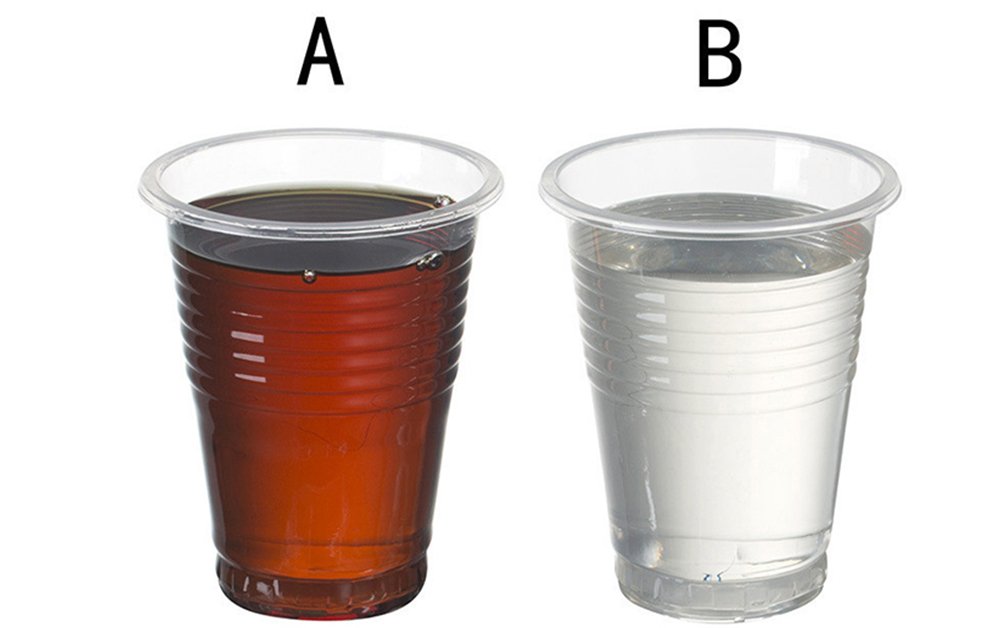
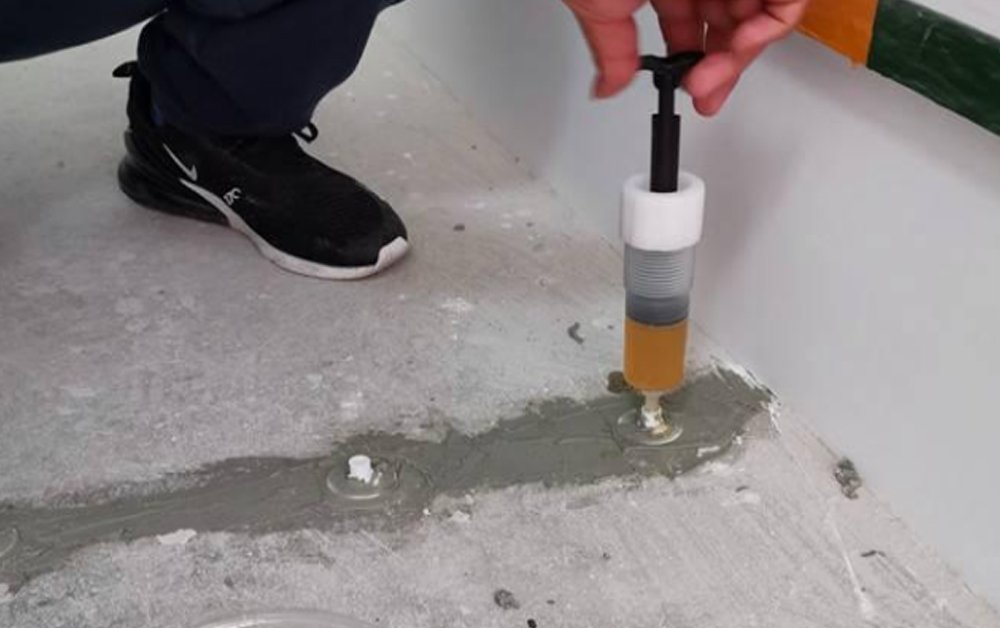
Differences and Upgrades Compared With Traditional Grouting Materials
To help decision-makers evaluate epoxy resin groutig material more clearly, it is important to compare it against more traditional solutions like cement-based slurry or polyurethane injection materials.
How Epoxy Resin Groutig Material Stands Out:
- Far Higher Strength Than Cementitious Grout
Cement grout may shrink or debond over time, while epoxy provides a permanent bond.
- Better Moisture Resistance Than Polyurethane
Polyurethane is flexible but vulnerable to long-term hydrolysis, while epoxy remains stable.
- Minimal Shrinkage After Curing
Epoxy maintains volume and density, ensuring consistent waterproofing performance.
- High Load-bearing Capacity
Especially valuable for cracks in load-bearing columns, slabs, beams, and retaining structures.
- Longer Service Life
Epoxy injections often last for decades with minimal maintenance requirements.
These advantages make epoxy resin an upgraded solution for projects requiring both waterproofing and structural reinforcement rather than just temporary sealing.
Construction Process and Key Operational Considerations
Contractors often focus on construction efficiency, material compatibility, and ease of installation. The following workflow is based on industry-standard practices that ensure optimal injection waterproofing results.
Step-by-Step Construction Overview
- Site Inspection & Crack Assessment
Identify crack width, depth, moisture level, and load conditions. - Preparation & Cleaning
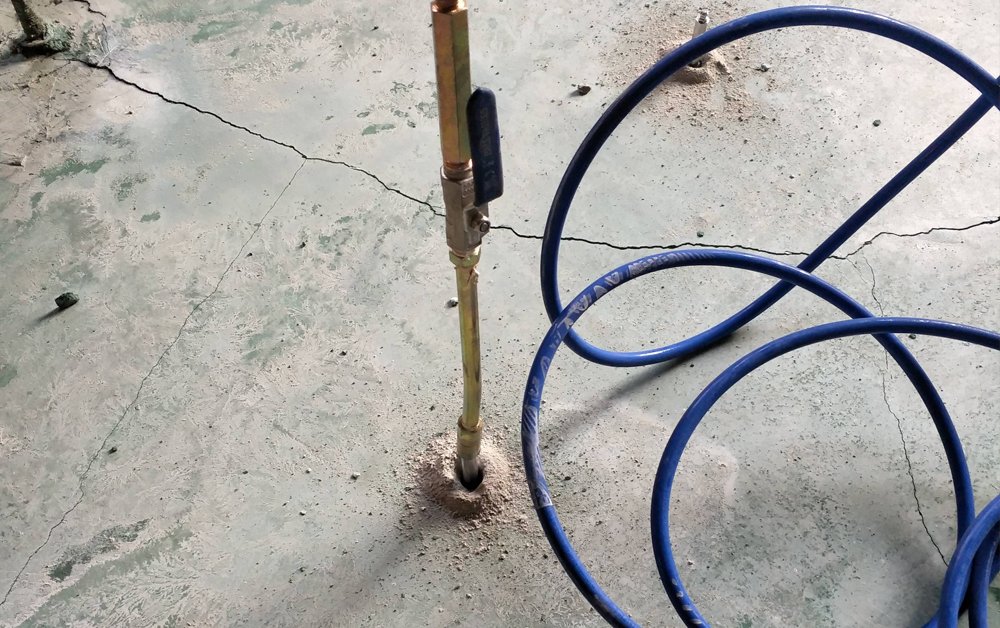
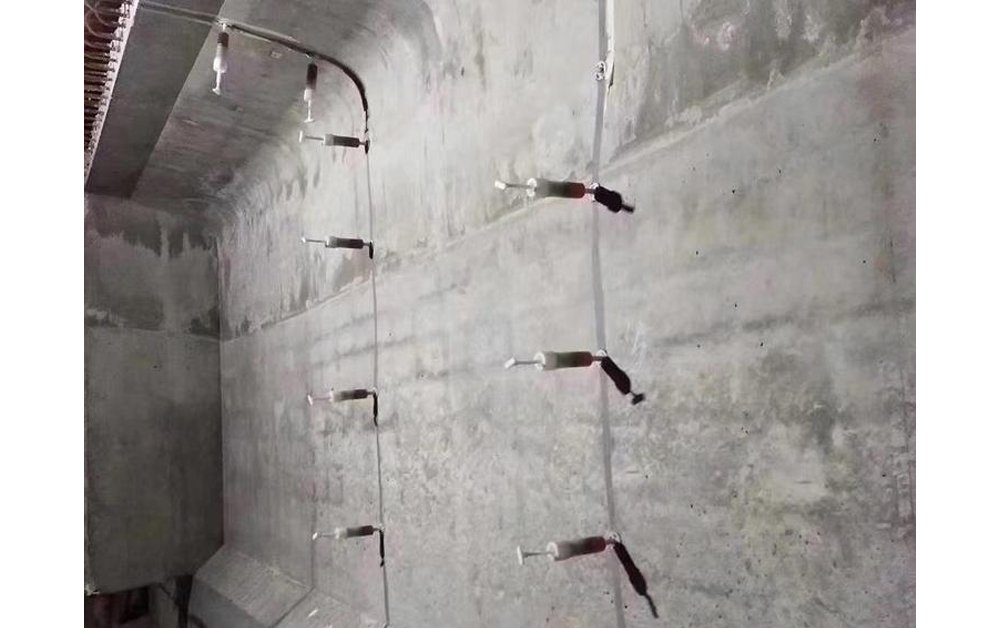
Remove weak concrete, dirt, laitance, and loose particles to ensure strong bonding. - Injection Port Installation
Ports are placed based on crack size, depth, and flow direction. - Material Mixing
Follow the manufacturer’s resin-to-hardener ratio precisely to avoid incomplete curing. - Controlled Injection
Pressure must remain stable to prevent blow-outs or incomplete penetration. - Monitoring the Curing Process
Observe temperature, humidity, and reaction behavior to ensure stable hardening. - Surface Sealing & Polishing
Once cured, the surface is sealed to achieve a seamless finish.
Key Construction Tips for Contractors
- Avoid mixing large batches at once to prevent premature curing.
- Ensure the substrate is sound before injecting.
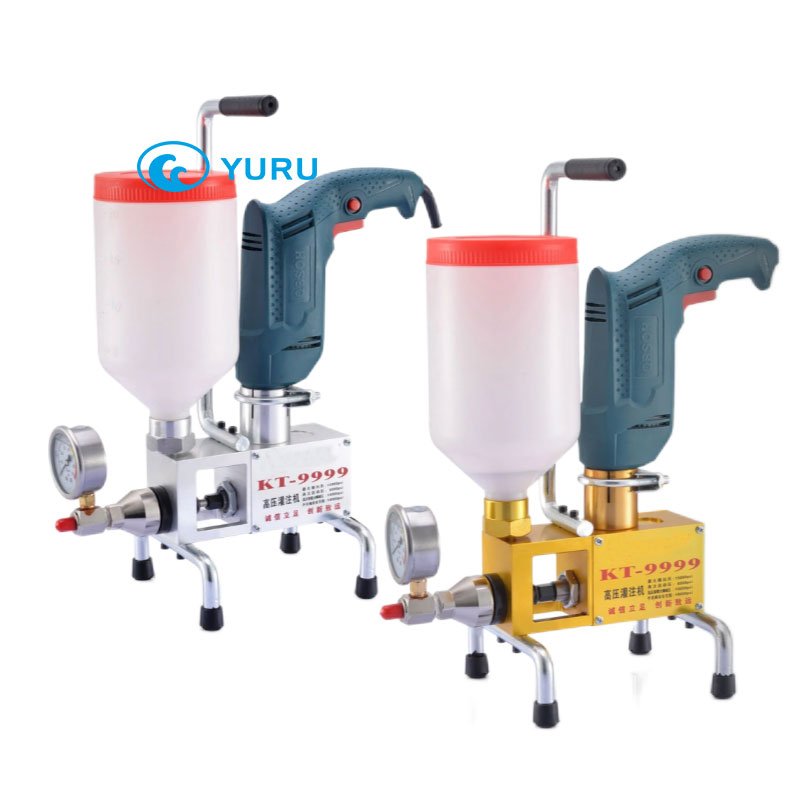
- Use appropriate injection pumps designed for epoxy viscosity.
- Maintain consistent injection pressure.
- Allow full curing time before load application or water exposure.
Following these professional steps significantly reduces common repair failures and ensures long-term waterproofing performance.

Common Problems and Practical Solutions During Injection Work
Even with quality materials, unexpected issues may arise during complex engineering projects. Below are the most common problems contractors encounter—and how to solve them quickly.
1: Incomplete Crack Filling
Solution:
Reduce injection pressure, increase time intervals, or reposition ports to ensure full penetration.
2: Premature Resin Curing in the Pump
Solution:
Mix smaller batches or use a pump specifically designed for epoxy materials.
3: Crack Too Wet or Active Leakage
Solution:
Pre-seal with a fast-reacting water-stop grout before epoxy injection.
4: Resin Leaking Out of Adjacent Cracks
Solution:
Seal external surfaces with epoxy paste before starting injection.
5: Cracks Too Fine for Standard Resin
Solution:
Use low-viscosity epoxy grout designed for hairline cracks.
These solutions are proven effective in civil engineering and help contractors prevent costly rework.
How to Evaluate Suppliers and Select High-Quality Materials?
Choosing the right epoxy resin groutig material supplier is as important as the installation itself. Poor-quality resin can lead to failures, structural damage, and repeated leakage.
Key Evaluation Criteria
- Consistency in Product Quality
Professional suppliers provide stable formulations across batches.
- Technical Support Availability
Essential for large-scale or complex engineering projects.
- Transparent Specifications & Testing Reports
Data sheets should include viscosity, tensile strength, curing time, and chemical resistance ratings.
- Fast Delivery & Reliable Logistics
Delays affect project timelines and contractor scheduling.
- Customization Capability
Some projects require tailored viscosity or curing speed.
- Industry Reputation
Check long-term market performance, client reviews, and engineering case studies.
Selecting the right supplier ensures both project safety and long-term waterproofing performance.
Why Engineering Professionals Choose YURU Waterproof?
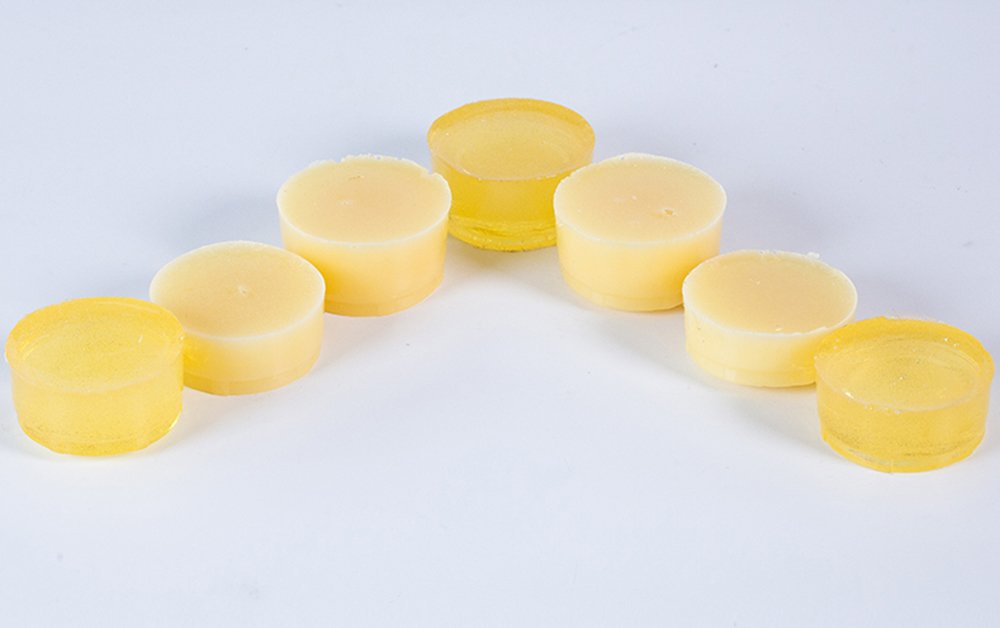
YURU Waterproof is a specialized manufacturer and supplier of waterproofing materials, injection grouts, and floor coating systems. Our epoxy resin groutig material is engineered specifically for professional engineering applications and contractor-level performance requirements.
Why YURU is Trusted by Contractors & Project Developers?
- Engineering-Grade Formulations
Designed for crack injection, structural reinforcement, and long-term waterproofing.
- Stable Quality Across Every Batch
Strict QC processes guarantee product reliability.
- Wholesale Pricing for Distributors and Large Projects
Ideal for procurement teams and long-term partners.
- Technical Support From Experienced Engineers
Including material selection, injection process guidance, and project-specific recommendations.
- Customizable Formulations
Viscosity, reaction speed, and curing characteristics can be adjusted as needed.
- Reliable Export & Delivery Service
Supporting contractors and distributors worldwide.
Whether you’re repairing a leaking tunnel or reinforcing a high-rise foundation, YURU Waterproof provides dependable epoxy resin groutig materials tailored for real construction needs.
FAQs
1. What is epoxy resin groutig material used for?
It is primarily used for injection waterproofing, crack repair, structural reinforcement, and deep crack filling in concrete structures.
2. Can epoxy resin be used in environments with constant water seepage?
Yes, but if water flow is strong, a water-stop grout should be applied first before injecting epoxy.
3. How long does epoxy resin take to cure?
Curing time varies based on formulation, but typically ranges from several hours to 1–2 days.
4. Is epoxy injection suitable for load-bearing structural cracks?
Yes. Epoxy resin is often preferred for structural strengthening due to its high compressive and bonding strength.
5. How is it different from polyurethane injection materials?
PU is flexible and good for sealing, but not for structural reinforcement. Epoxy provides rigidity, strength, and long-term stability.
6. Does YURU Waterproof support bulk orders?
Absolutely. YURU offers bulk supply, OEM customization, and engineering project support.
Conclusion
Advanced epoxy resin groutig material plays a vital role in modern injection waterproofing projects. It provides long-term durability, deep penetration, and high structural strength—qualities that contractors and engineers require for demanding environments. By understanding its advantages, applications, installation methods, and troubleshooting practices, project teams can ensure successful waterproofing and extended structural service life.
For reliable, engineering-grade epoxy grout solutions, YURU Waterproof continues to be a trusted supplier committed to performance, consistency, and professional support.
YURU Product solutions