Best Basement Waterproofing Paint
Overview:
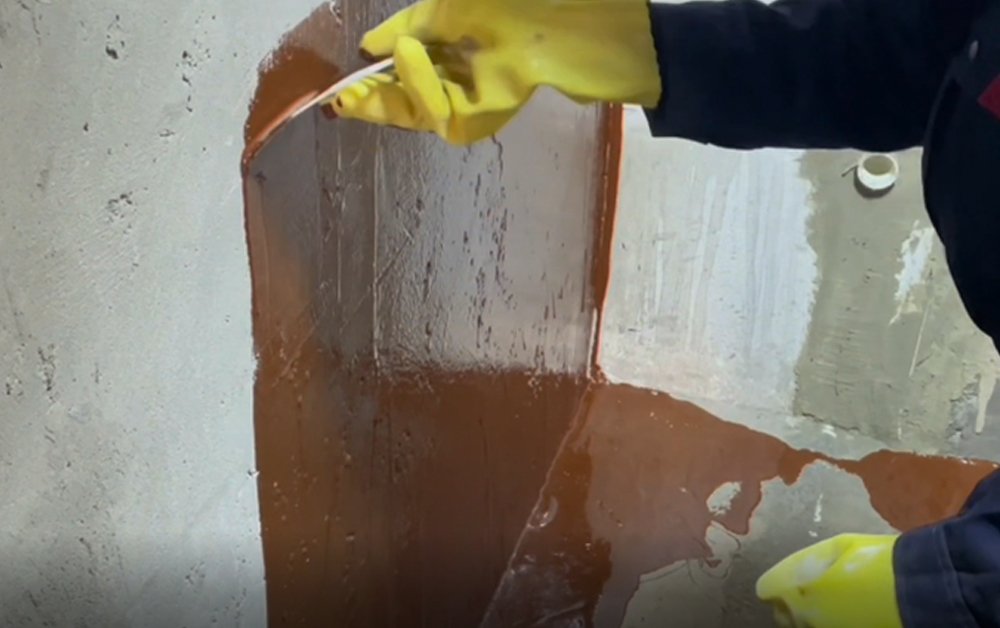
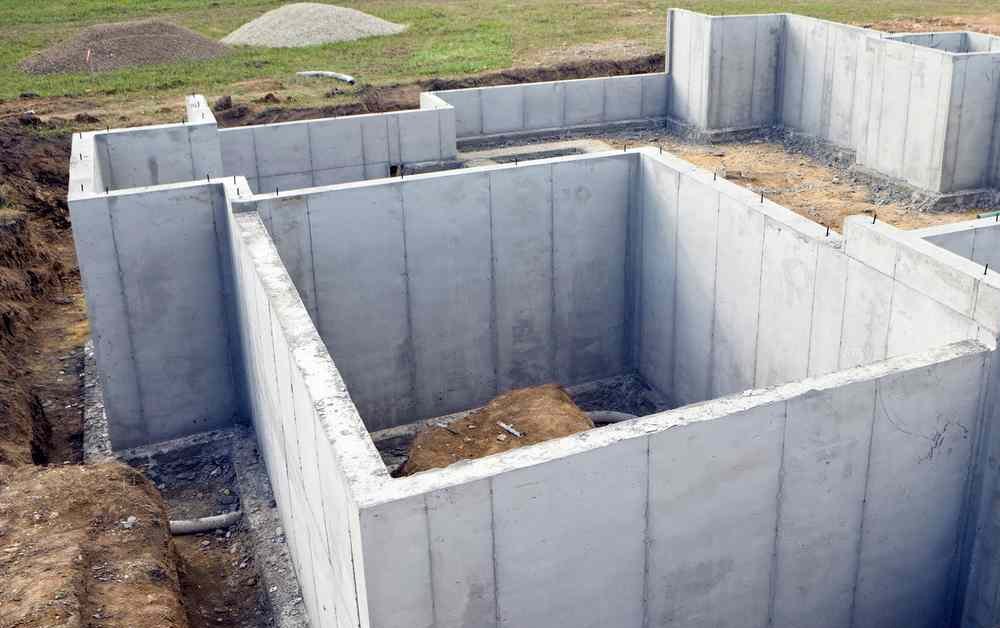
Water intrusion in basements is one of the most persistent problems in construction. Unlike roofs or exterior walls, basement structures are constantly surrounded by soil and groundwater. This creates continuous moisture exposure, hydrostatic pressure, and long-term structural risk.
Choosing the best basement waterproofing paint is about protecting the foundation of the building itself.
In this comprehensive guide, we explore why basements require specialized waterproofing systems, compare different coating technologies, and explain how to select the right solution for your specific conditions. We also outline how professional manufacturers such as YURU support reliable basement waterproofing projects worldwide.
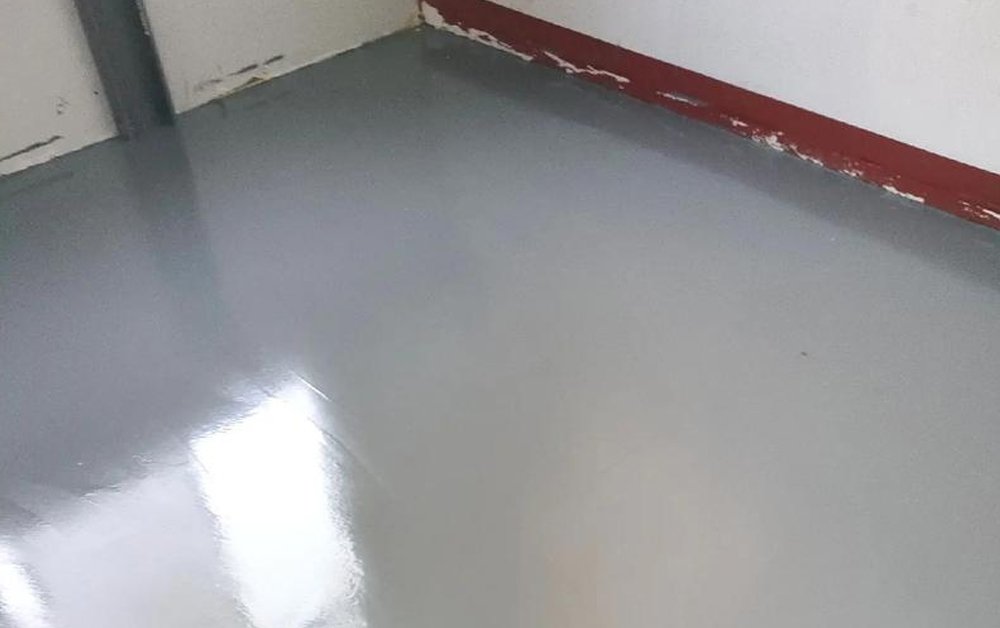
Why Basement Waterproofing Is Critical for Structural Safety?
Basements, being underground, are highly susceptible to water infiltration. Water seeps in through micro-cracks in the concrete, leading to:
- Water seepage in walls
- Damp floors
- Mold growth
- Corrosion of structural steel
- Damage to interior finishes
- Deterioration of indoor air quality
Retained moisture accumulates within the concrete, causing cracks and surface peeling. Over time, this compromises the integrity of the overall structure.
Therefore, proper waterproofing is essential.
What Is Basement Waterproofing Paint?
Basement waterproofing coating is a specially formulated coating designed to prevent water penetration. The design goals of waterproofing coatings are:
- Blocking liquid water
- Resisting hydrostatic pressure
- Filling cracks
- Maintaining adhesion in damp environments
Depending on the formulation, basement waterproofing coatings primarily work through two methods:
1. Surface Film Formation
Curing to form a continuous barrier layer, preventing water from penetrating the substrate.
2. Penetrating or Reactive System
Penetrating into the pores of concrete, forming a crystalline structure that blocks capillary action.
Another important distinction is:
- Positive waterproofing (applied to the side facing water).
- Negative waterproofing (applied to the inner surface subjected to water pressure).
What Are the Best Types of Basement Waterproofing Paint?
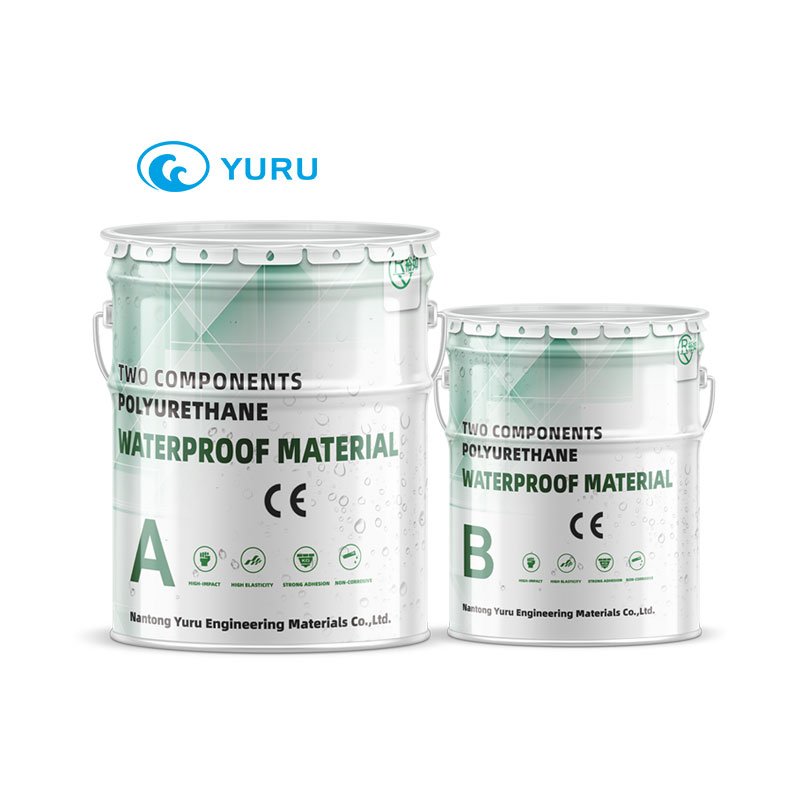
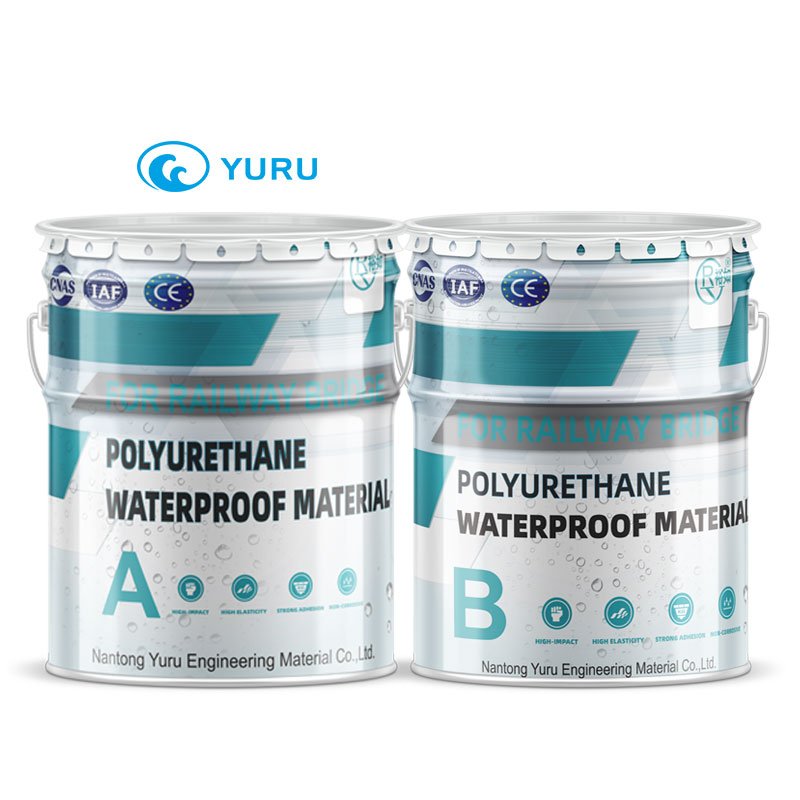
1. Polyurethane Waterproof Coating
Polyurethane waterproof coating is widely used due to its elasticity and strong adhesion.
Advantages:
- High elongation
- Excellent crack-bridging performance
- Strong adhesion to concrete
- Seamless membrane
Suitable For:
- Exterior foundation walls
- Basement slabs
- Areas with structural movement
Polyurethane performs well in positive-side waterproofing and is ideal where small cracks may develop over time.
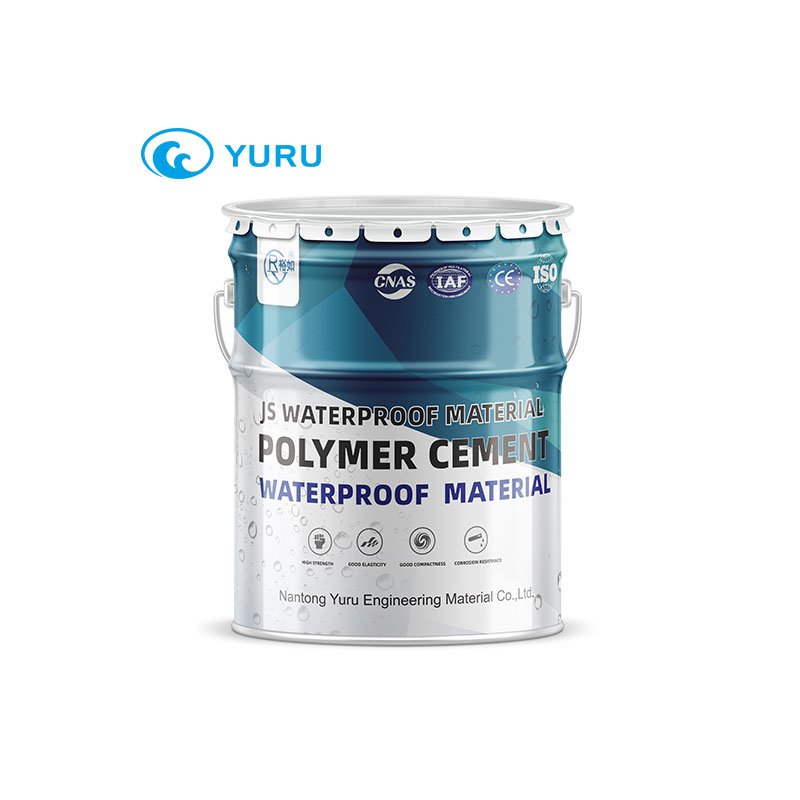
2. Cementitious Waterproof Coating
Cement-based waterproof coatings are commonly used for negative-side applications.
Advantages:
- Good bonding with damp concrete
- Breathable
- Resistant to hydrostatic pressure
- Easy to apply
Suitable For:
- Interior basement walls
- Water tanks
- Utility rooms
These systems are practical for retrofitting interior basement walls experiencing minor seepage.
3. Acrylic Waterproof Coating
Acrylic coatings are water-based and environmentally friendly.
Advantages:
- Easy application
- UV resistance
- Breathability
Limitations:
- Not ideal for high water pressure environments.
Acrylic systems are suitable for basements with minimal moisture exposure.
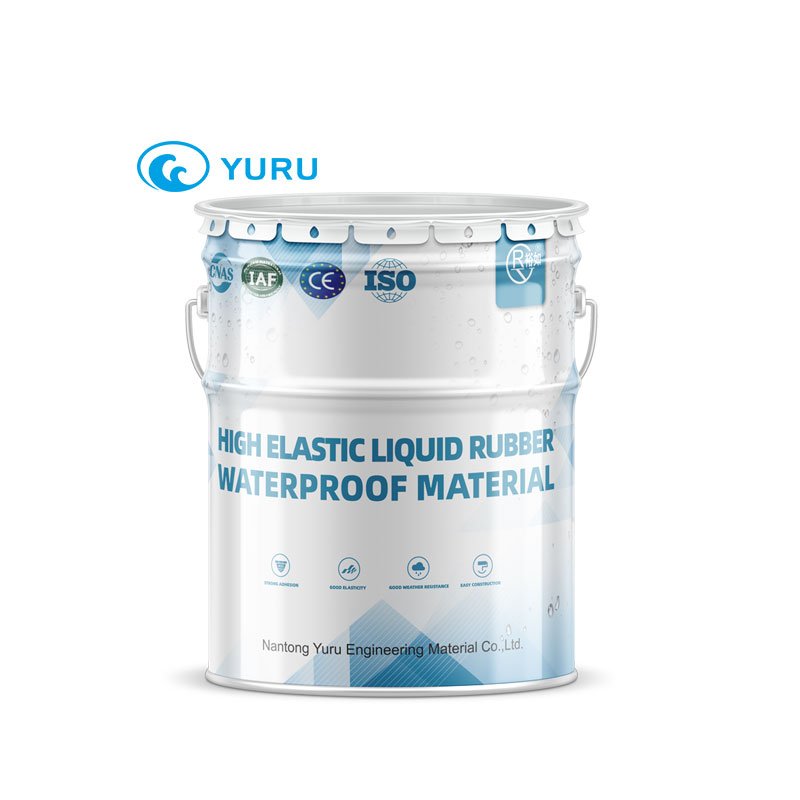
4. High Elastic Liquid Rubber Waterproof Coating
Liquid rubber coatings offer outstanding flexibility.
Features:
- High elasticity
- Excellent crack resistance
- Seamless coverage
- Adaptability to complex shapes
Suitable For:
- Renovation projects
- Irregular foundation structures
- Expansion joints
Liquid rubber performs well where structural movement is expected.
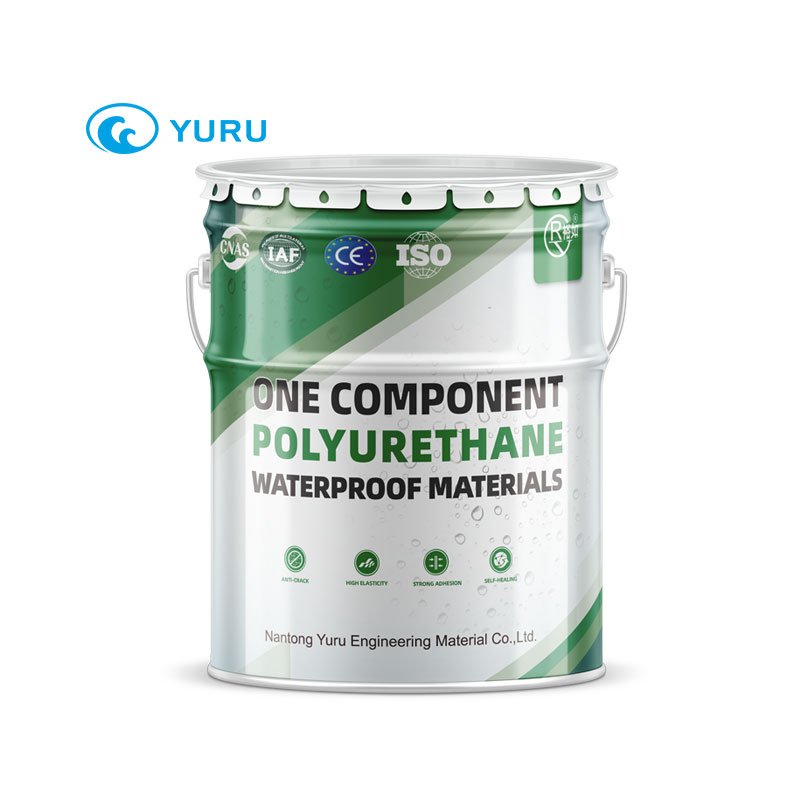
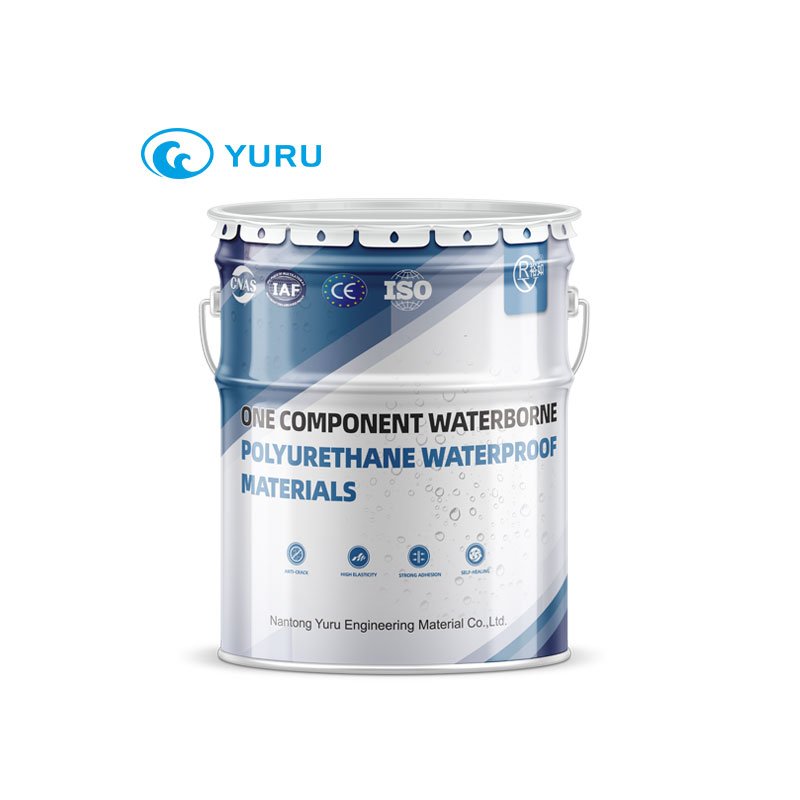
5. Single-Component Liquid Waterproof Coating
Single-component coatings are ready-to-use systems.
Features:
- No mixing required
- Easy handling
Suitable for small projects
They are commonly selected for residential basement upgrades and minor waterproofing work.
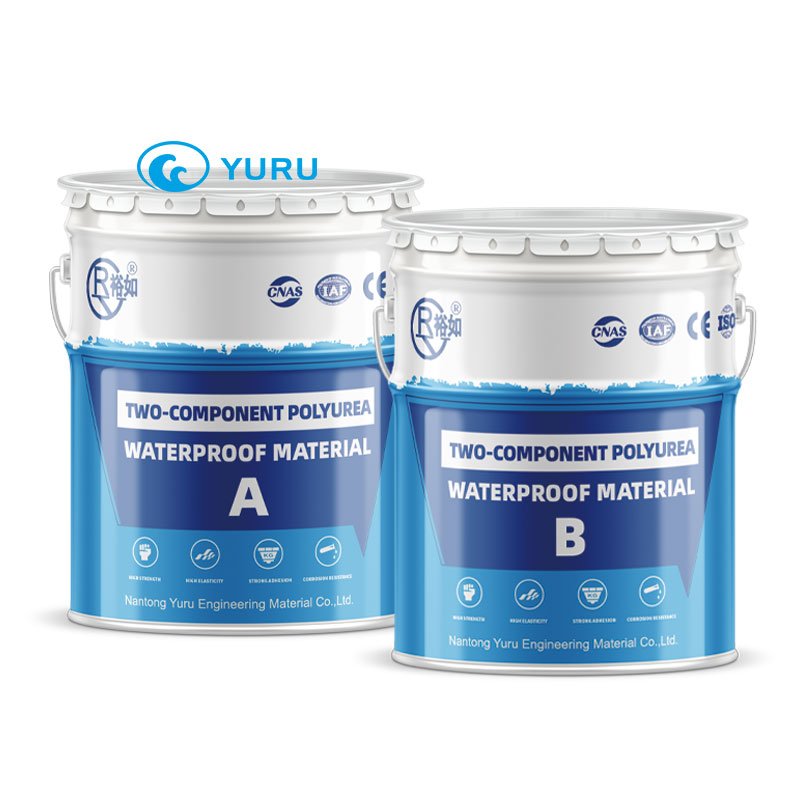
6. Polyurea Waterproof Coating
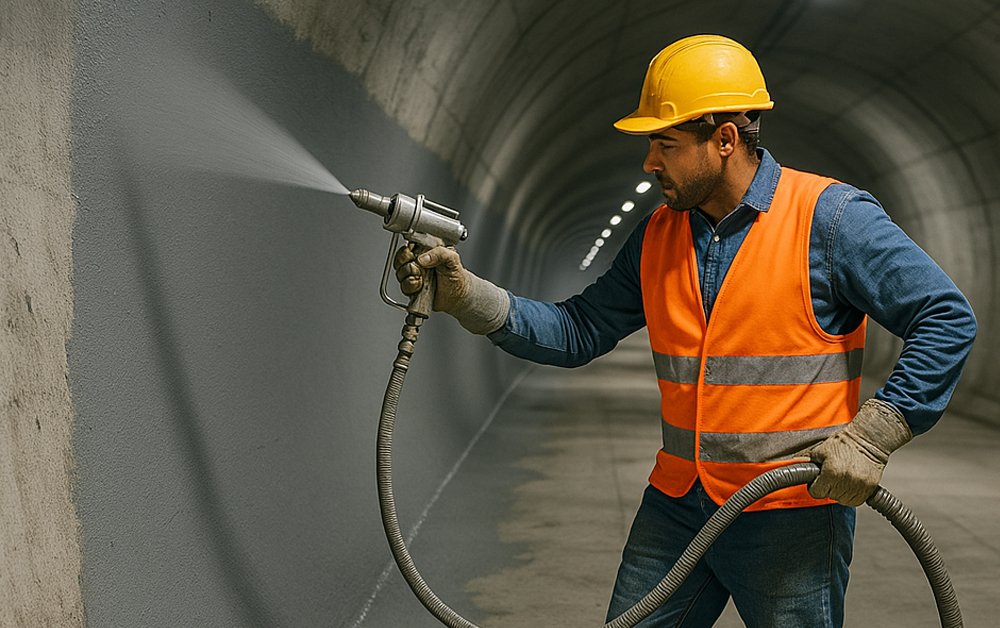
Polyurea coatings represent a high-performance waterproofing solution.
Advantages:
- Fast curing
- High tensile strength
- Superior chemical resistance
- Excellent durability
Suitable For:
- Large underground structures
- Municipal projects
- High water pressure environments
Polyurea systems are often used in demanding infrastructure projects where long service life and rapid return to service are required.
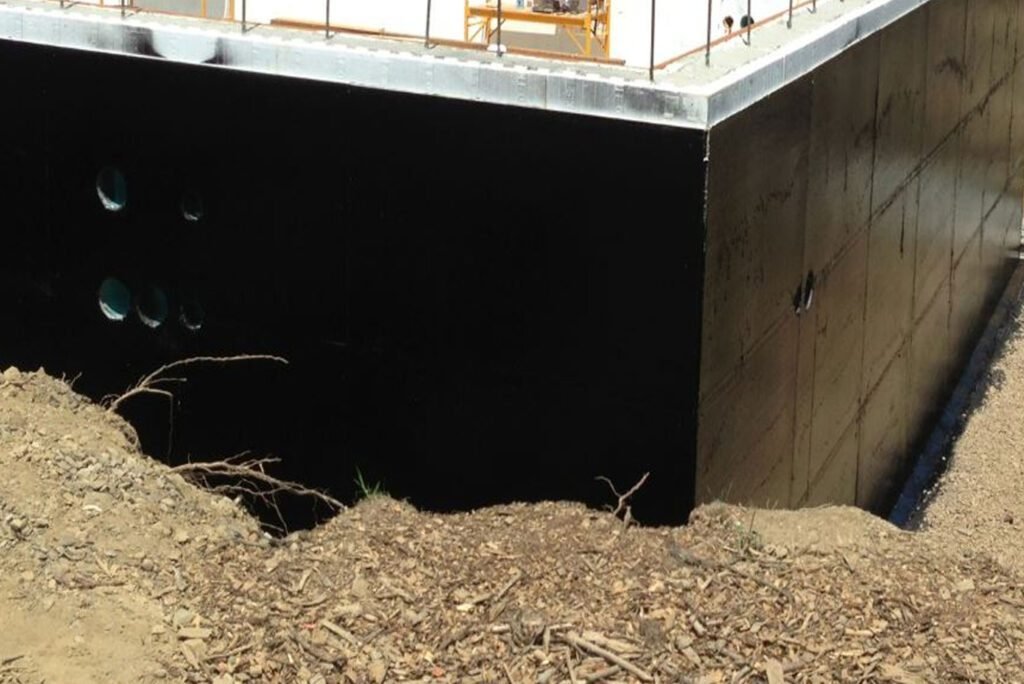

How to Choose the Right Waterproofing Paint for Your Basement?
Selecting the best basement waterproofing paint requires evaluating several factors:
1. Water Pressure Conditions
Is the basement exposed to:
- Occasional dampness?
- Continuous groundwater pressure?
- Seasonal flooding?
High hydrostatic pressure requires elastic or high-strength systems such as polyurethane or polyurea.
2. Crack Conditions
Existing cracks must be assessed:
- Hairline cracks may be bridged by elastic coatings
- Structural cracks require repair before coating
3. Construction Stage
- New construction allows positive-side waterproofing.
- Renovation projects may rely on interior negative-side solutions.
4. Project Scale and Budget
Large commercial projects may justify polyurea waterproof systems, residential projects may choose polyurethane or cementitious coatings.
How Long Does Basement Waterproofing Paint Last?
Service life varies depending on material type and installation quality.
Typical ranges:
- Cementitious systems: 5–10 years (depending on conditions)
- Polyurethane systems: 10–20+ years
- Polyurea systems: 20+ years in optimal conditions
However, longevity depends on:
- Surface preparation
- Coating thickness
- Drainage system effectiveness
- Environmental exposure
Proper installation significantly extends performance.
Common Basement Waterproofing Mistakes to Avoid
- Ignoring crack repair before coating.
- Applying waterproof paint over active leaks.
- Insufficient surface cleaning.
- Applying only one thin layer.
- Using decorative paint instead of waterproof systems.
- Skipping water testing after application.
Avoiding these mistakes prevents costly failures.
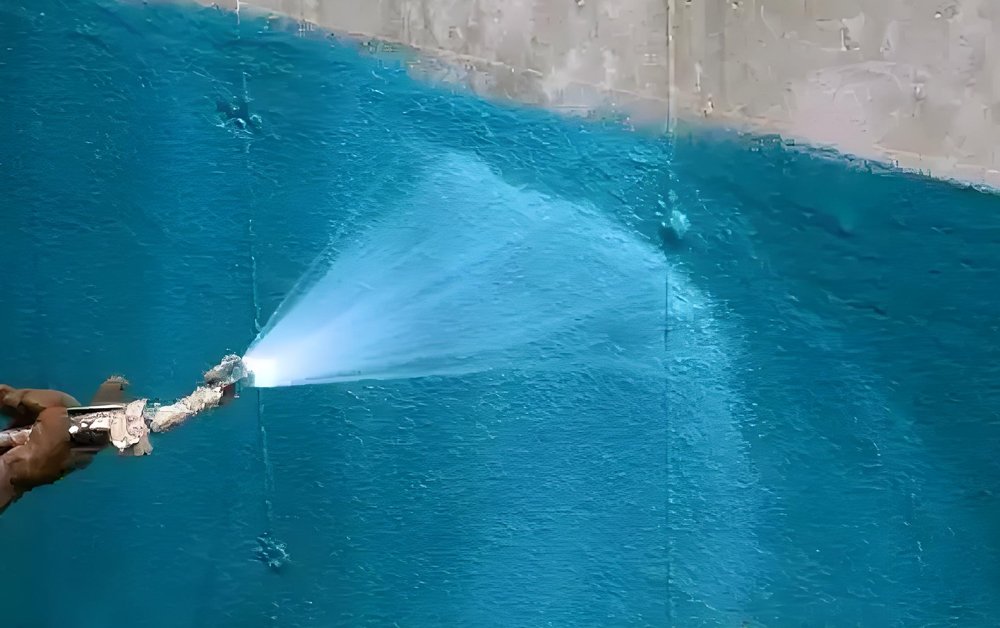
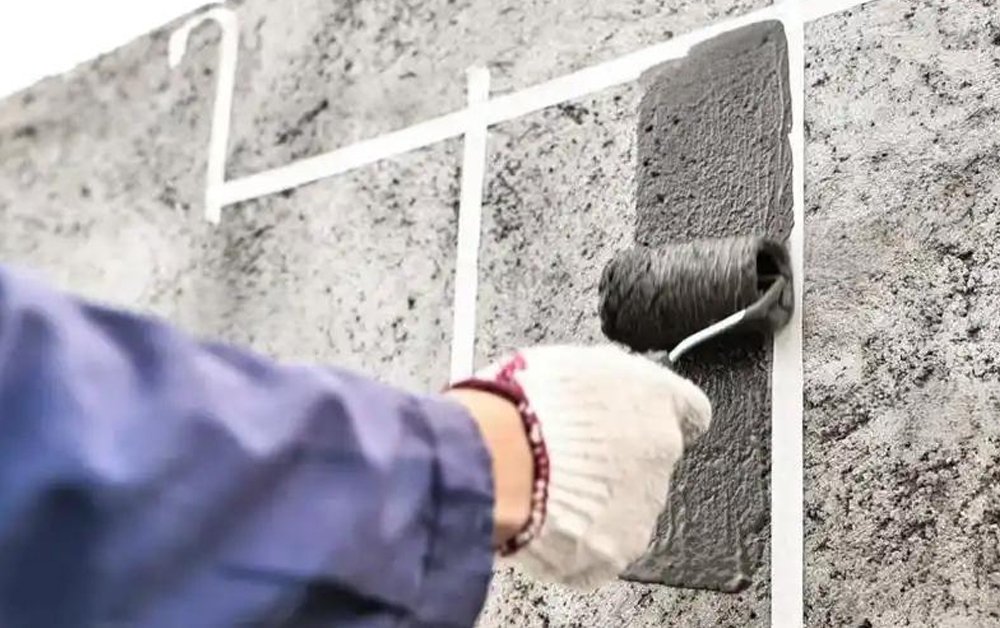
Why Manufacturer Selection Matters?
In basement waterproofing, product quality directly impacts structural safety.
When selecting a supplier, consider:
- Production consistency
- Quality certifications
- Technical documentation
- Engineering support
- Experience in underground projects
- Ability to provide customized solutions
Why Manufacturer Selection Matters?
YURU is a professional manufacturer specializing in waterproofing materials, including:
- Polyurethane waterproof coatings
- Polyurea waterproof coatings
- Cementitious waterproof systems
- High elastic liquid rubber coatings
- Single-component waterproof coatings
- Injection grouting materials
Key Advantages:
- Strict quality control systems
- ISO, CE, and RoHS certifications
- Stable production capacity
- Technical consultation support
- OEM and customized product development
- Experience serving contractors, wholesalers, and municipal projects
YURU focuses on providing long-term waterproofing solutions.
FAQs:
1. What is the most effective waterproofing paint for basements?
Polyurethane and polyurea coatings are highly effective for basements exposed to hydrostatic pressure.
2. Can waterproofing paint stop active leaks?
Active leaks should be repaired before applying waterproof coating.
3. Is basement waterproofing paint suitable for negative-side pressure?
Yes, certain cementitious systems are designed for negative-side applications.
4. How thick should basement waterproofing paint be applied?
Thickness depends on product specifications, typically between 1–3 mm for membrane systems.
5. Does basement waterproofing require maintenance?
Periodic inspection and drainage system maintenance improve long-term performance.
Conclusion:
There is no universal answer. The best basement waterproofing paint depends on:
- Water pressure conditions
- Structural movement
- Project scale
- Budget
- Environmental exposure
For minor dampness, cementitious or acrylic systems may suffice. For high-pressure groundwater conditions, polyurethane or polyurea systems offer superior performance.
If you are searching for dependable basement waterproofing solutions.
Contact YURU to request product specifications, samples, or project consultation.
YURU Product solutions