Best Materials for Concrete Crack Injection Waterproofing Systems
Introduction:
Concrete structures are designed to last. But here’s the reality. Over time, cracks appear.
Once cracks appear, water gets in, reinforcement rusts, concrete spalls, the structure weakens.
That’s why choosing the best materials for concrete crack injection waterproofing systems is critical. Not just to stop the leak — to protect the structure.
In this guide, we will explore the most effective injection waterproofing materials, their applications, strengths, limitations, and how to choose the right system.

Why Concrete Crack Injection Waterproofing Matters?
Growing Challenges in Underground Structures
Modern cities are moving underground, including:
- Basements
- Subway systems
- Underground parking structures
- Tunnels
- Utility corridors
As they age, cracks appear, water gets in. Infiltration becomes unavoidable.
Surface Waterproofing Alone Is Not Enough
Traditional waterproof coatings applied externally have their place. But they have limits.
They prevent surface moisture, they don’t solve internal problems.
- Internal crack leakage
- Water migration inside concrete
- Hydrostatic pressure infiltration
This is why crack injection waterproofing systems are essential.
Importance of Long-Term Structural Durability
Unchecked water penetration can lead to:
- Reinforcement corrosion
- Freeze-thaw damage
- Concrete deterioration
- Mold growth
Injection waterproofing helps prevent these long-term issues.
Components of a Concrete Crack Injection Waterproofing System
Injection Materials
The injection material is the core component that determines:
- Waterproofing performance
- Flexibility
- Durability
- Chemical resistance
Injection Equipment
Professional systems include:
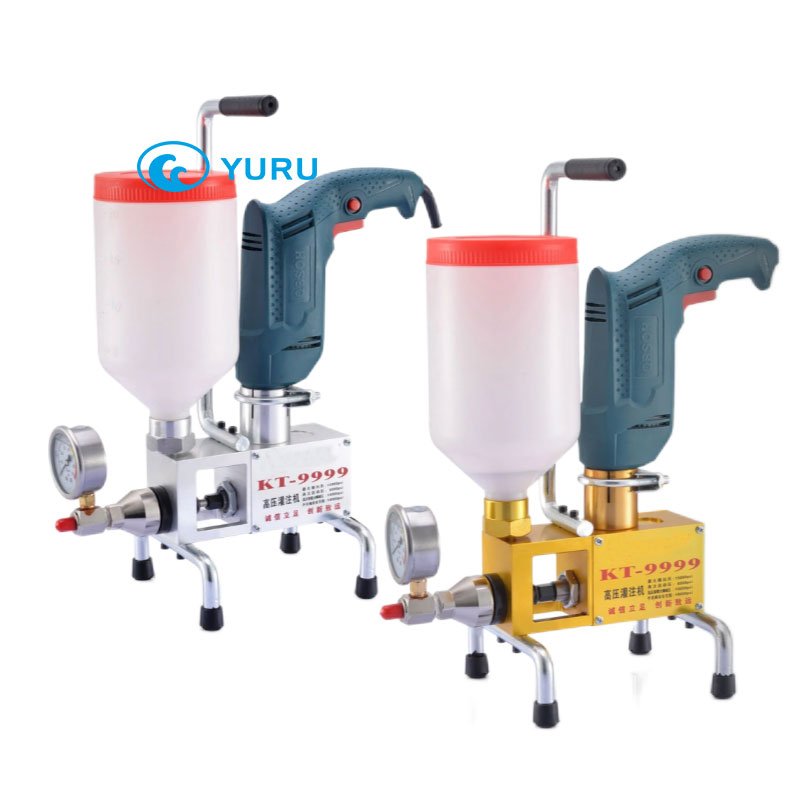
- High-pressure injection pumps
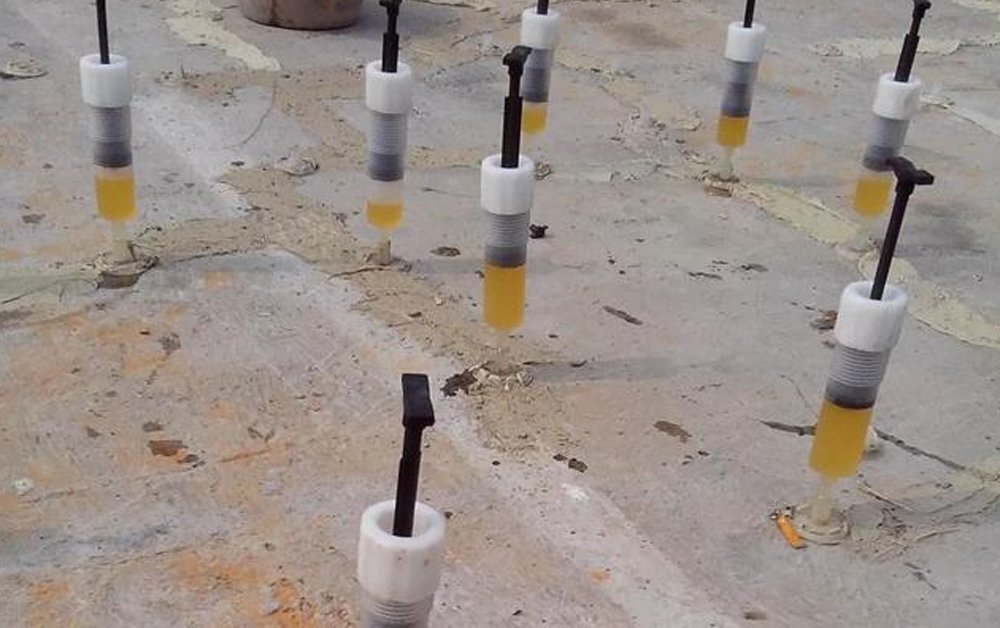
- Packers and ports
- Pressure gauges
Proper equipment (grouting machines) ensures effective penetration into cracks.
Surface Sealing Materials
Temporary sealing compounds help contain injection pressure during the process.
Reinforcement and Auxiliary Materials
Some systems also include:
- Waterstops
- Sealants
- Reinforcement membranes
to improve long-term waterproofing performance.
Best Materials for Concrete Crack Injection Waterproofing Systems
Choose based on the crack and water conditions.
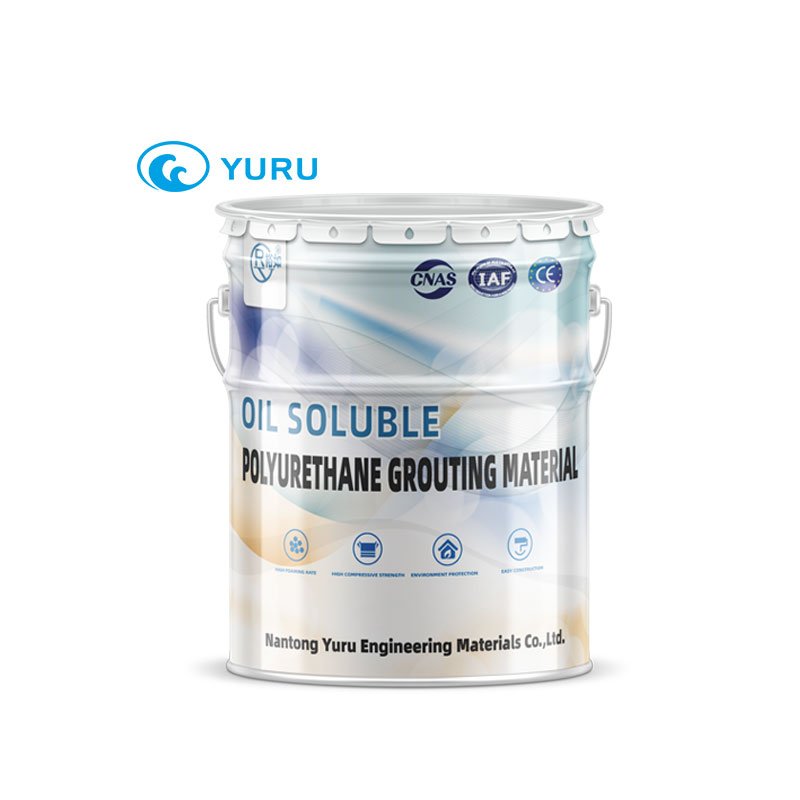
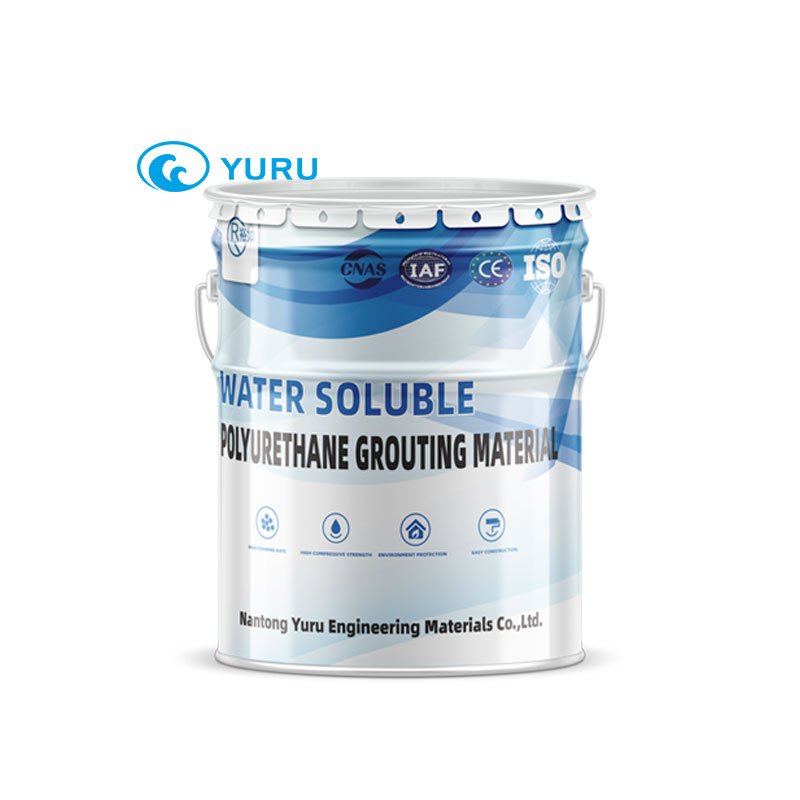
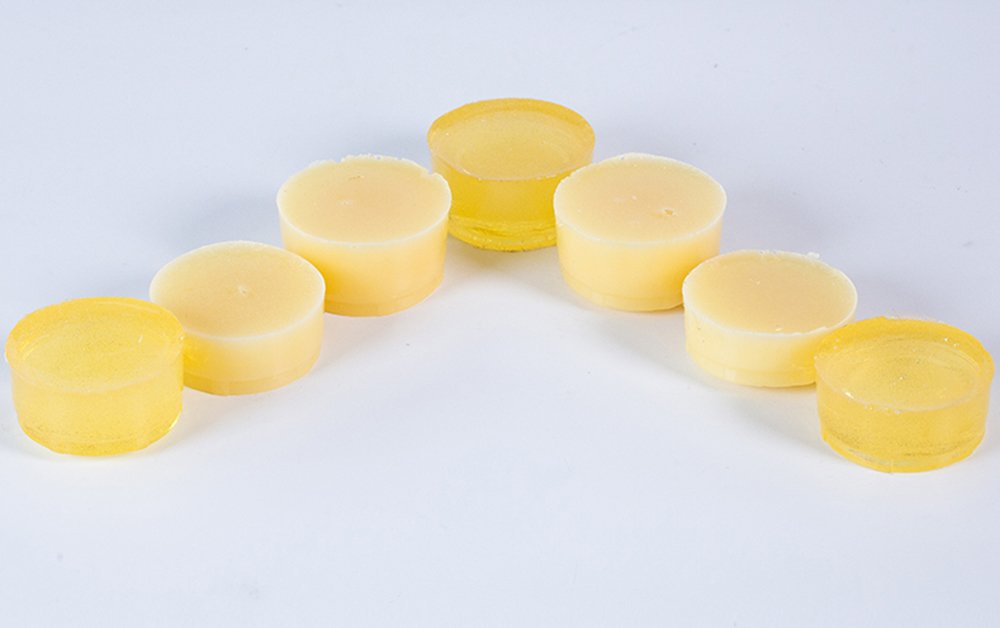
Polyurethane (PU) Injection Grout
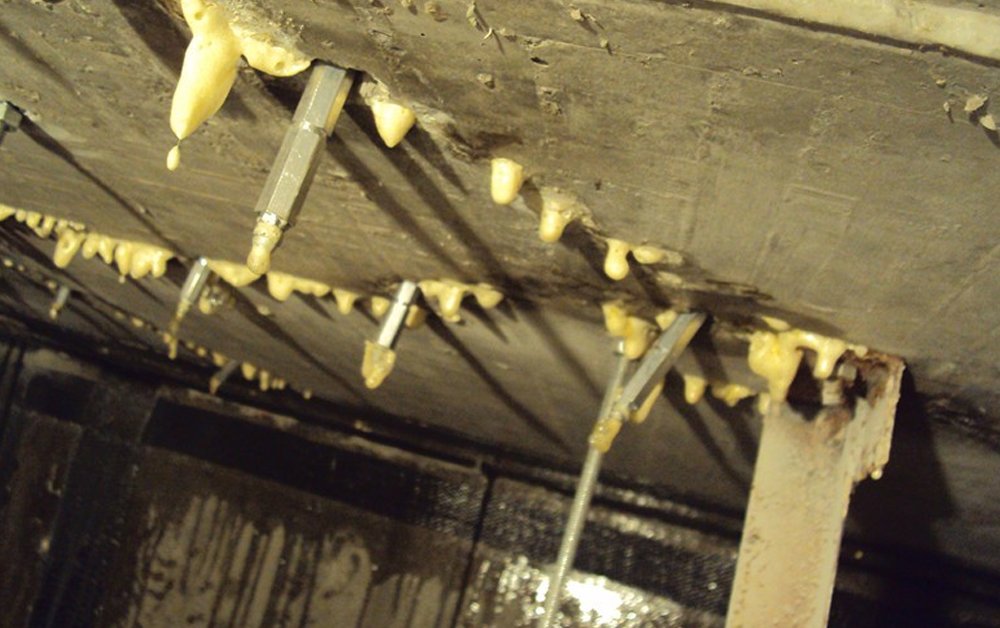
Polyurethane injection grout is one of the most commonly used materials in crack waterproofing systems.
Hydrophilic Polyurethane Grout
Key Characteristics:
- Reacts with water to form flexible gel
- Excellent elasticity
- Long-term sealing capability
Advantages:
- Suitable for dynamic cracks
- Maintains flexibility over time
- Excellent for damp environments
Applications:
- Basement waterproofing
- Tunnel leakage repair
- Retaining walls
Hydrophobic Polyurethane Grout
Key Characteristics:
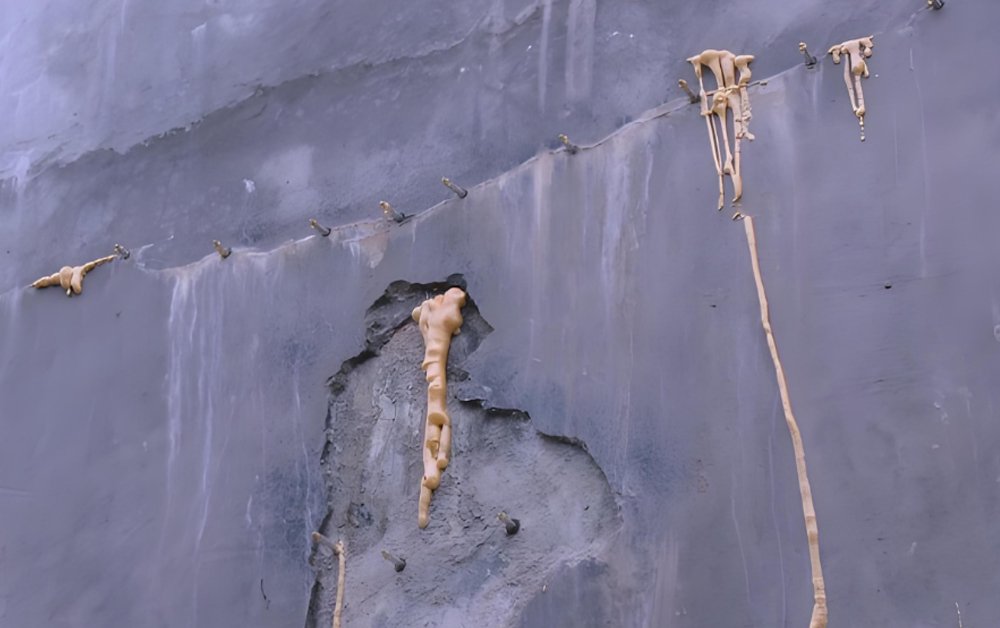
- Rapid foaming reaction
- Significant expansion ratio
- Fast leak stoppage
Advantages:
- Ideal for active water leakage
- Quick emergency repair solution
- Strong water-blocking ability
Applications:
- High-pressure leakage
- Underground infrastructure
- Emergency waterproof repair
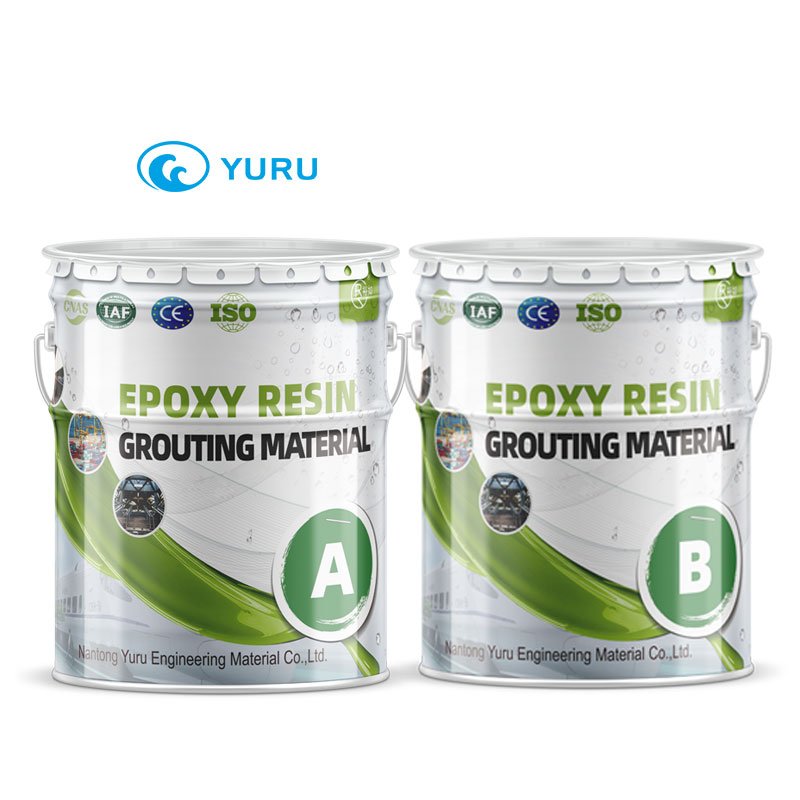
Epoxy Injection Resin Grout
Epoxy resin grout is widely used for structural crack repair.
Key Features:
- High compressive strength
- Strong adhesion to concrete
- Structural reinforcement capability
Advantages:
- Restores structural integrity
- Durable and chemically resistant
Limitations:
Epoxy is not ideal for:
- Active water leakage
- Moving cracks
- Flexible waterproofing applications
Best Applications:
- Structural crack repair
- Industrial concrete floors
- Static cracks in buildings
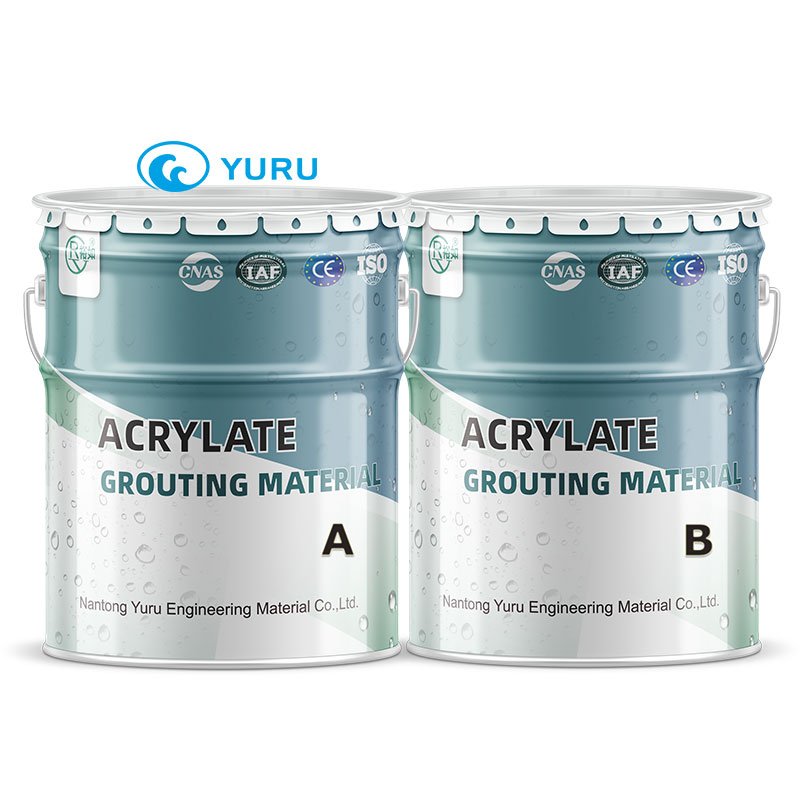
Acrylate Injection Grout
Acrylate injection systems are known for extremely low viscosity.
Main Advantages:
- Excellent penetration into micro-cracks
- Flexible gel formation
- Adjustable reaction times
Common Applications:
- Large-area seepage
- Water-retaining structures
- Fine crack sealing
Limitations:
- Lower mechanical strength compared to epoxy
- Requires experienced application
Cement-Based Injection Materials
Cementitious grouts remain widely used in certain projects.
Advantages:
- Cost-effective
- Suitable for larger void filling
- Easy availability
Limitations:
- Low flexibility
- Poor performance in moving cracks
- Limited waterproofing effectiveness under active leakage
Best Use Cases:
- Non-moving cracks
- Large concrete voids
- Foundation stabilization
How to Choose the Best Injection Material?
Evaluate Crack Activity
Different crack types require different materials:
| Crack Type | Recommended Material |
|---|---|
| Active leaking crack | Hydrophobic PU |
| Damp moving crack | Hydrophilic PU |
| Structural static crack | Epoxy resin |
| Fine seepage crack | Acrylate grout |
Consider Water Pressure Conditions
High hydrostatic pressure requires:
- Fast-reacting materials
- High expansion capability
- Strong adhesion performance
Assess Structural Movement
Flexible materials are necessary for:
- Expansion joints
- Dynamic structures
- Temperature-sensitive environments
Environmental and Chemical Exposure
Industrial structures may require:
- Chemical resistance
- Sulfate resistance
- Long-term durability
Application Differences Across Engineering Projects
Different projects, different challenges. Different materials.
Basement Crack Injection Waterproofing
Main Challenges:
- Hydrostatic pressure
- Narrow cracks
- Moisture migration
Recommended Materials:
- Hydrophilic polyurethane grouting materials are often preferred.
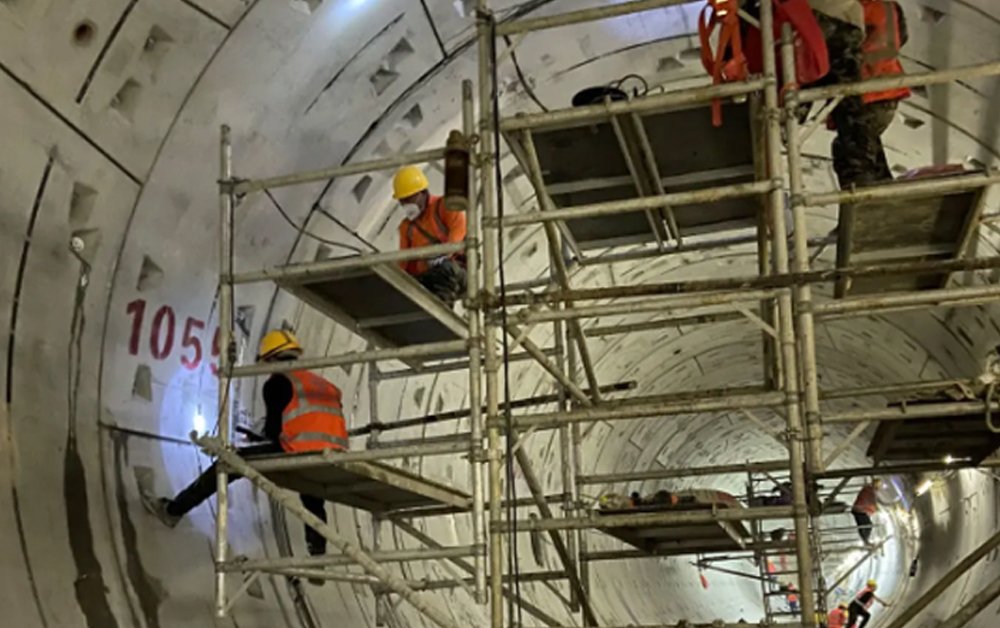
Tunnel and Subway Waterproofing
Main Challenges:
- Continuous water ingress
- High pressure conditions
- Structural movement
Recommended Materials:
Combination systems using:
- Hydrophobic PU
- Acrylate grout
- Flexible sealing systems
Water Tank and Reservoir Waterproofing
Main Challenges:
- Permanent water exposure
- Hygiene requirements
- Long-term durability
Recommended Materials:
- Low-toxicity, chemically stable grouts.
Industrial Concrete Structures
Main Challenges:
- Chemical exposure
- Mechanical vibration
- Structural loading
Recommended Materials:
- Epoxy injection grout systems combined with flexible waterproofing materials.
Common Mistakes in Crack Injection Waterproofing
Choosing the Wrong Material
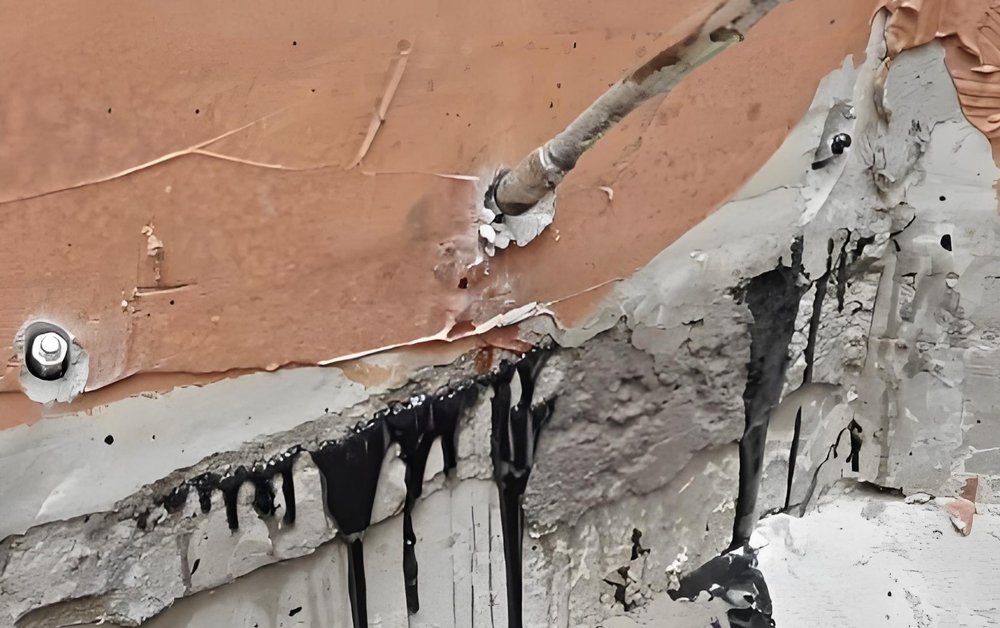
Using epoxy in active leakage environments often leads to failure.
Improper Injection Pressure
Excessive pressure may:
- Damage concrete
- Create secondary cracks
Low pressure may result in incomplete filling.
Ignoring Crack Behavior
Dynamic cracks require flexible materials. Rigid materials fail over time.
Poor Surface Preparation
Contaminants reduce bonding effectiveness.
Future Trends in Injection Waterproofing Materials
Low-VOC and Eco-Friendly Systems
Environmental regulations are driving demand for greener materials.
Smart Reactive Materials
New-generation systems can adapt to moisture and structural movement more efficiently.
Integrated Waterproofing Solutions
The market is moving toward complete systems including:
- Injection materials
- Grouting machines
- Coatings
- Reinforcement products
- Technical support
YURU Waterproof – Advanced Injection Waterproofing Solutions
Comprehensive Product Portfolio
YURU Waterproof provides:
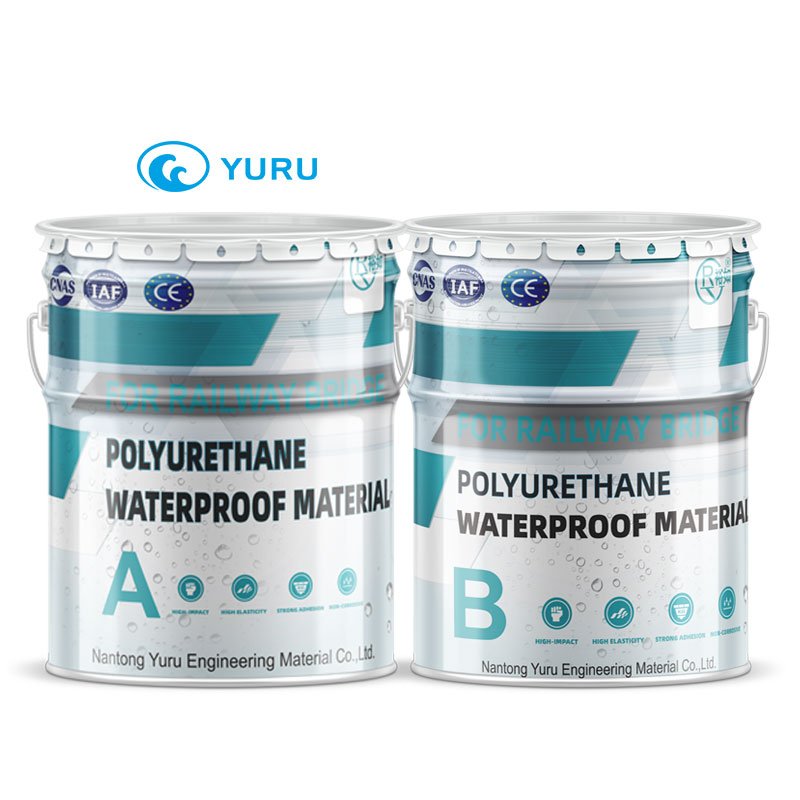
- Polyurethane injection grout
- Epoxy crack injection systems
- Acrylate grouting materials
- Polyurea grouting materials
- Waterproof coatings and auxiliaries
Solutions for Complex Engineering Conditions
Our systems are used in:
- Underground infrastructure
- Tunnels and subways
- Industrial facilities
- Municipal engineering projects
Professional Support
We support contractors and distributors with:
- OEM and ODM services
- Technical consultation
- Product customization
- Bulk supply capability
Focus on Long-Term Reliability
Our products are designed for durability, consistent performance, and challenging environments.
FAQs:
1. What is the best material for concrete crack injection waterproofing?
Polyurethane grout is widely considered one of the best materials for active leakage conditions.
2. What is the difference between hydrophilic and hydrophobic PU grout?
Hydrophilic grout forms flexible gel, while hydrophobic grout expands into foam for rapid leak sealing.
3. Which injection material is best for tunnels?
Hydrophobic PU combined with acrylate grout is commonly used in tunnel waterproofing.
4. Can crack injection repair structural damage?
Some materials like epoxy can restore structural strength, while PU mainly provides waterproofing.
Conclusion:
Choosing the best materials for concrete crack injection waterproofing systems depend on correct material selection, professional construction, and excellent technique.
Different structures need different systems. Choosing a reliable supplier matters as much as choosing the right material.
Need High-Performance Injection Materials for Your Next Project?
YURU Waterproof provides advanced crack injection systems designed for demanding engineering environments worldwide.
Contact us today to get technical support, product recommendations, and customized waterproofing solutions.
YURU Product solutions