Best Methods for Concrete Crack Repair
Introduction:
Concrete is one of the most durable building materials in the world. Concrete crack repair is also one of the most common waterproofing processes. Concrete cracks develop, reducing its waterproofing and compromising structural integrity. Therefore, the challenge lies not only in how to fill the cracks, but also how to choose the right repair method for long-term reliability.
There are various solutions for repairing concrete cracks. Epoxy grouting, polyurethane grouting, polyurea systems, and surface repair methods each have their own technical applications.
This guide explains the causes of concrete cracks, compares major repair methods, and provides a detailed performance comparison table and practical recommendations.
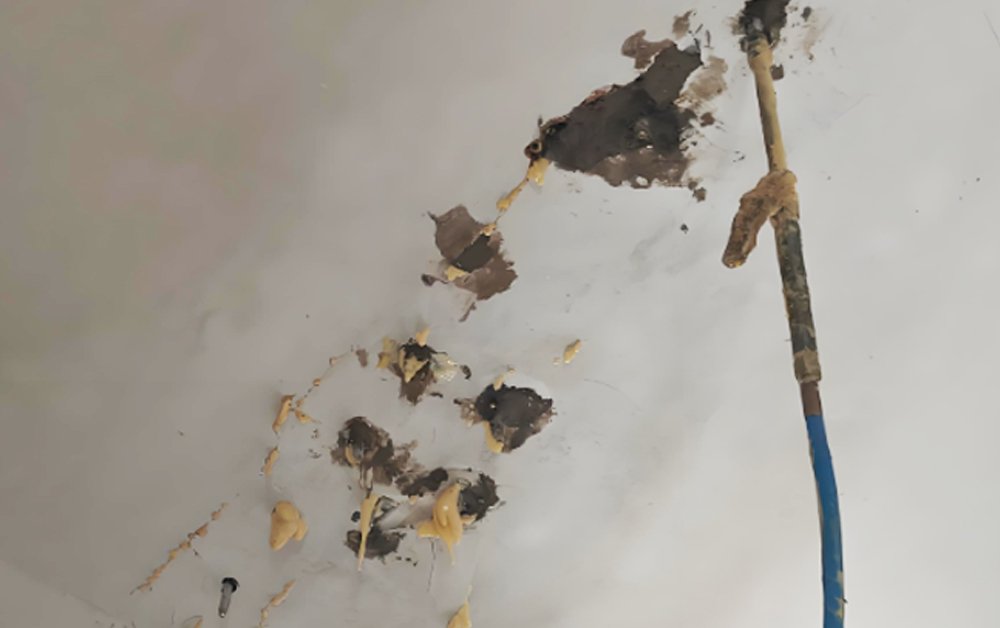
What Causes Concrete Cracks?
Each type of crack requires a different repair strategy, therefore understanding the causes of concrete cracks is essential.
1. Plastic Shrinkage Cracks
Plastic shrinkage refers to the shrinkage of concrete surface due to rapid water loss before it sets. These cracks often appear on the upper surface of newly poured concrete components exposed to air.
2. Drying Shrinkage Cracks
Surface cracks caused by changes in internal and external humidity or uneven moisture evaporation in building materials.
3. Thermal Expansion and Contraction Cracks
These cracks often occur on the surface of large-volume concrete or in concrete structures in areas with significant temperature variations.
4. Settlement Cracks
Cracks caused by uneven settlement due to uneven or soft foundation soil, loose backfill, or waterlogging. These cracks are often deep or penetrating.
5. Load-Induced Cracks
Excessive structural loads, vibrations, or impacts can exceed the design bearing capacity, leading to crack formation.
6. Cracks Caused by Corrosion
When steel reinforcement corrodes, it expands, putting pressure on the surrounding concrete and causing longitudinal cracks.
Structural cracks require reinforcement. Cracks with continuous leakage require waterproofing. Moving cracks require a certain degree of flexibility.
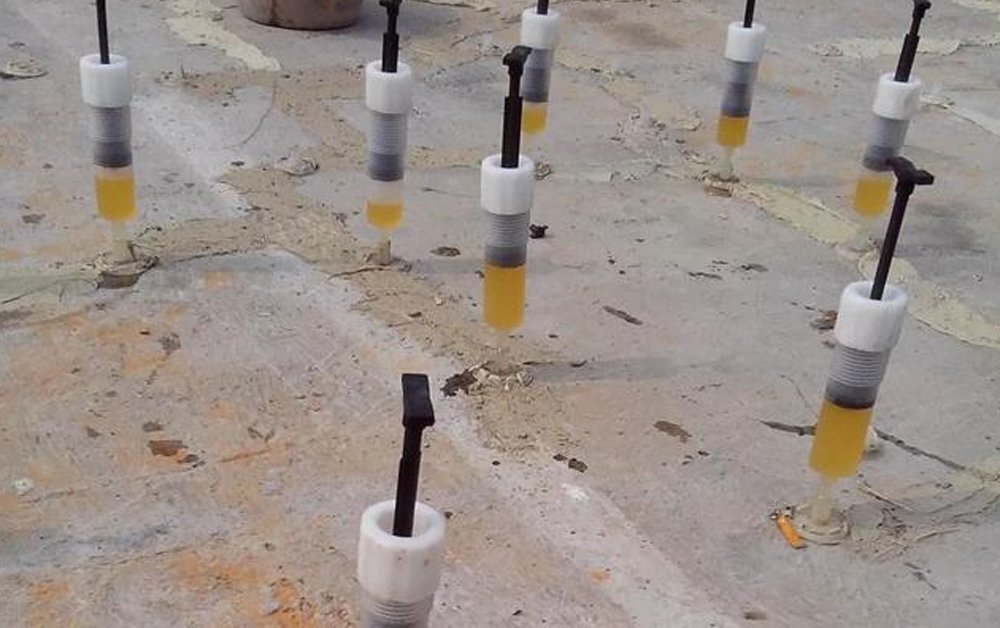
Epoxy Injection: Structural Crack Repair Solution
Epoxy injection repairs the structural integrity of concrete cracks.
How Epoxy Injection Works:
Low-viscosity epoxy resin penetrates structural cracks or voids. After curing, exhibiting high strength and corrosion resistance, effectively “welding” the structure together.
Advantages of Epoxy Injection:
- High compressive and tensile strength
- Excellent adhesion to dry concrete
- Restores structural continuity
- Suitable for load-bearing elements
Limitations:
- Rigid after curing
- Not suitable for moving or expanding cracks
- Requires dry crack conditions
Typical Applications:
- Bridge beams and columns
- Industrial foundations
- Parking structures
- Structural walls
Epoxy injection is best suited for static structural cracks where load-bearing capacity must be restored.
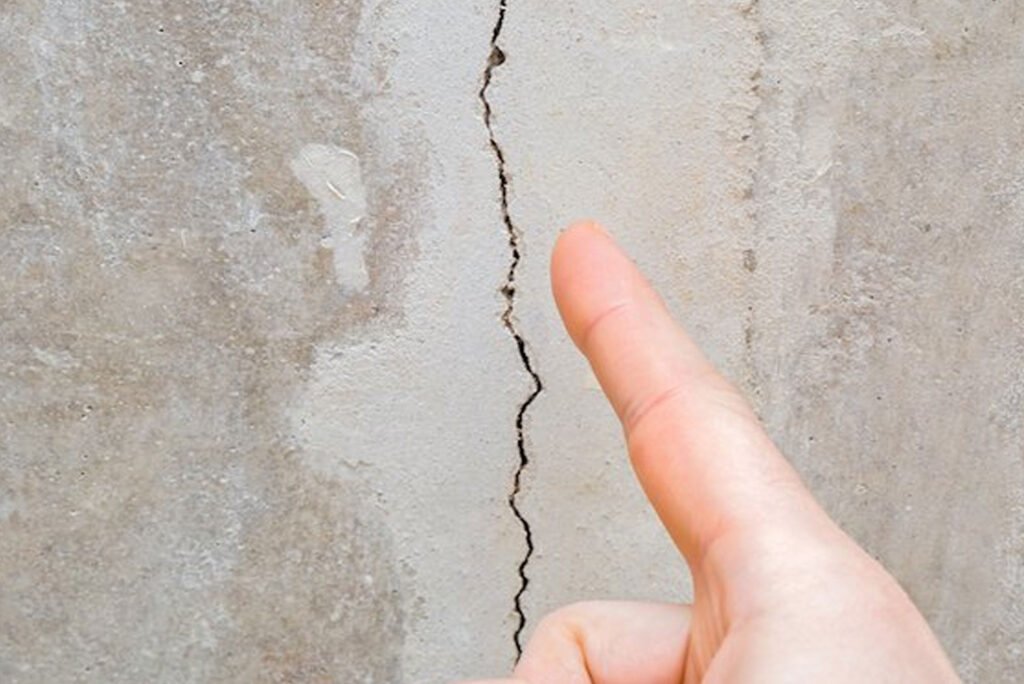
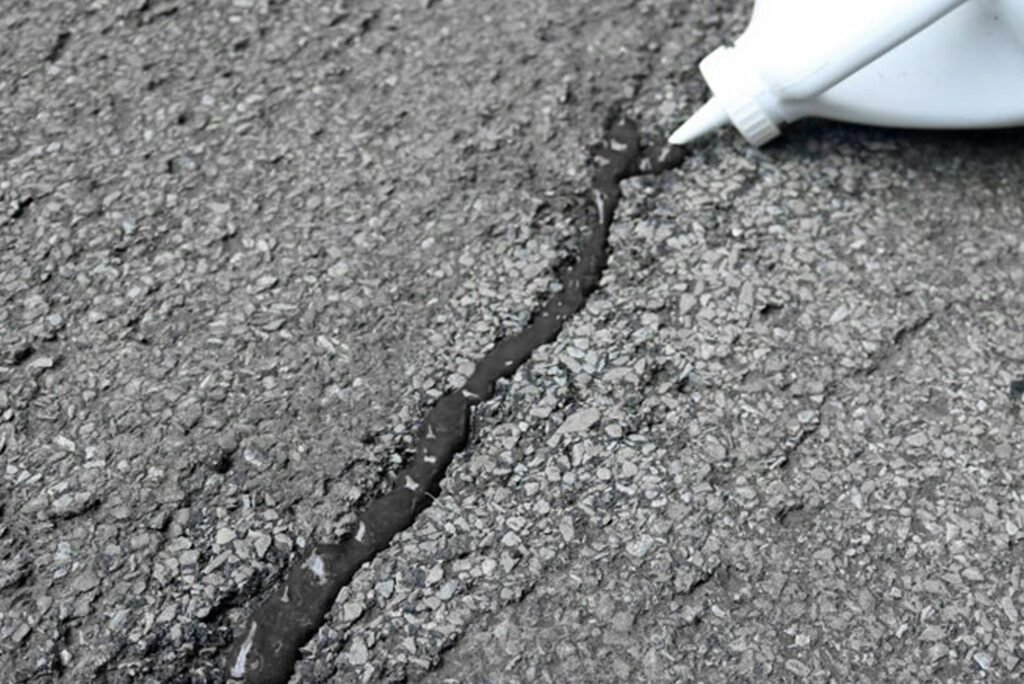
Polyurethane Injection: Active Leak Control
PU grouting is the most common method for sealing leaks.
How Polyurethane Works:
Hydrophobic or hydrophilic polyurethane reacts with water, expanding or foaming to seal voids and cracks.
Features:
- Effective for active water leaks
- Flexible after curing
- Quick response in emergency repairs
Limitations:
- Lower structural strength than epoxy.
- Long-term durability may vary depending on formulation.
- Foam structure may degrade under high hydrostatic pressure.
Typical Applications:
- Basement leaks
- Tunnel seepage
- Construction joint leakage
- Underground retaining walls
Polyurethane injection is often the first choice for rapid leak sealing.
Polyurea Grouting: Long-Term Flexible Waterproofing
Polyurea grouting is a new generation of reactive grouting material.
Working Principle of Polyurea:
Polyurea grouting works based on a combination of polymer chemical reaction and physical filling and sealing. It cures to form a highly elastic, high-strength, dense waterproof body.
Advantages:
- High elongation and flexibility
- Strong chemical resistance
- Excellent waterproof performance
- Durable under hydrostatic pressure
- Better long-term stability than some PU foams
Limitations:
- Requires specialized mixing equipment
- Higher material cost compared to traditional PU
Applications:
- Underground infrastructure
- Industrial facilities
- Dynamic cracks with moderate movement
- Long-term waterproof reinforcement projects
Polyurea offers a balanced solution when both flexibility and durability are required.


Surface Repair Methods: Sealants and Overlays
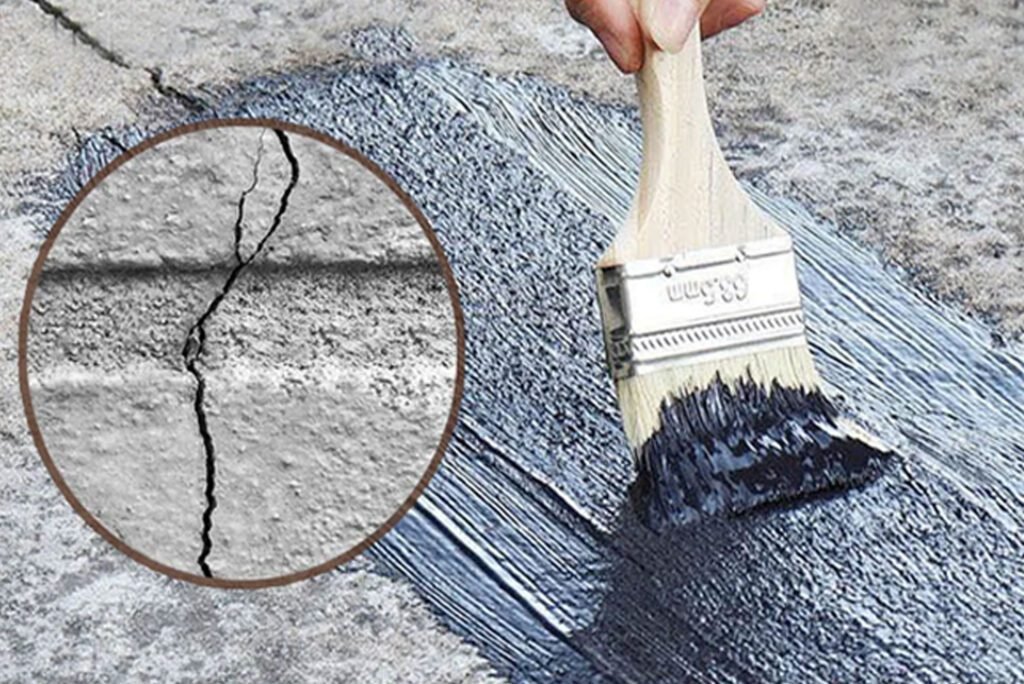
Not all cracks require injection systems. Surface repair methods are often sufficient for non-structural issues.
Common Methods:
- Crack sealants
- Polymer-modified repair mortars
- Protective coatings
- Surface overlays
Suitable For:
- Hairline cracks
- Decorative surfaces
- Non-load-bearing elements
Surface repair addresses aesthetic concerns or minor infiltration but does not restore structural strength.
Epoxy vs Polyurethane vs Polyurea: Performance Comparison
| Property | Epoxy Injection | Polyurethane Injection | Polyurea Grout |
|---|---|---|---|
| Structural Strength | Very High | Moderate | Moderate to High |
| Flexibility | Low (Rigid) | High | Very High |
| Waterproof Performance | Good (if crack static) | Excellent for leaks | Excellent long-term |
| Chemical Resistance | High | Moderate | High |
| Suitable for Active Leaks | No | Yes | Yes (controlled) |
| Suitable for Moving Cracks | No | Yes | Yes |
| Durability Under Pressure | High (static) | Variable | High |
| Equipment Complexity | Moderate | Low to Moderate | Moderate to High |
How to Choose the Best Concrete Crack Repair Method?
1. Does the crack affect the structure?
If it concerns structural impact or restoring load-bearing capacity, epoxy grouting is often a suitable choice.
2. Is there persistent water seepage?
For persistent seepage or even gushing water, polyurethane or polyurea grouting is required.
3. Will the structure shift?
Flexible materials (such as polyurethane or polyurea) are more suitable.
4. What is the environmental exposure?
Industrial or chemically corrosive environments may require polyurea.
5. What is the expected service life?
Long-term infrastructure projects may require high-performance materials.

Why Material Quality and Supplier Reliability Matter?
Even the best repair method can fail if materials are inconsistent.
Reliable suppliers should provide:
- Stable production capacity
- Strict quality control
- Technical documentation
- Application support
Batch inconsistency or poor formulation control can compromise performance.
YURU: Professional Concrete Crack Repair Material Manufacturer
YURU specializes in manufacturing high-performance crack repair and waterproofing materials for engineering applications.
Product Portfolio
YURU provides:
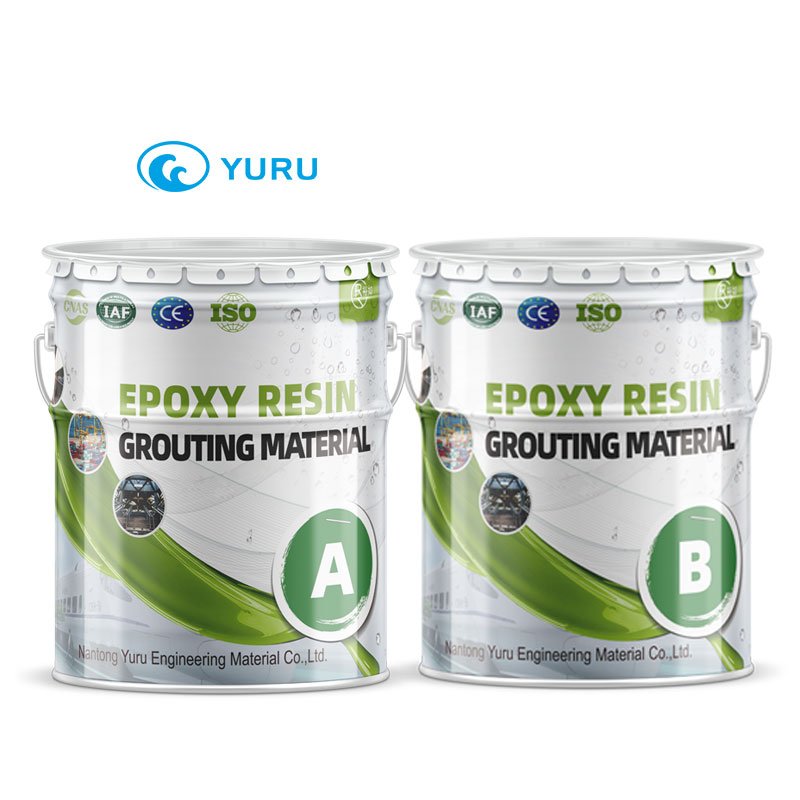
- Epoxy resin injection systems
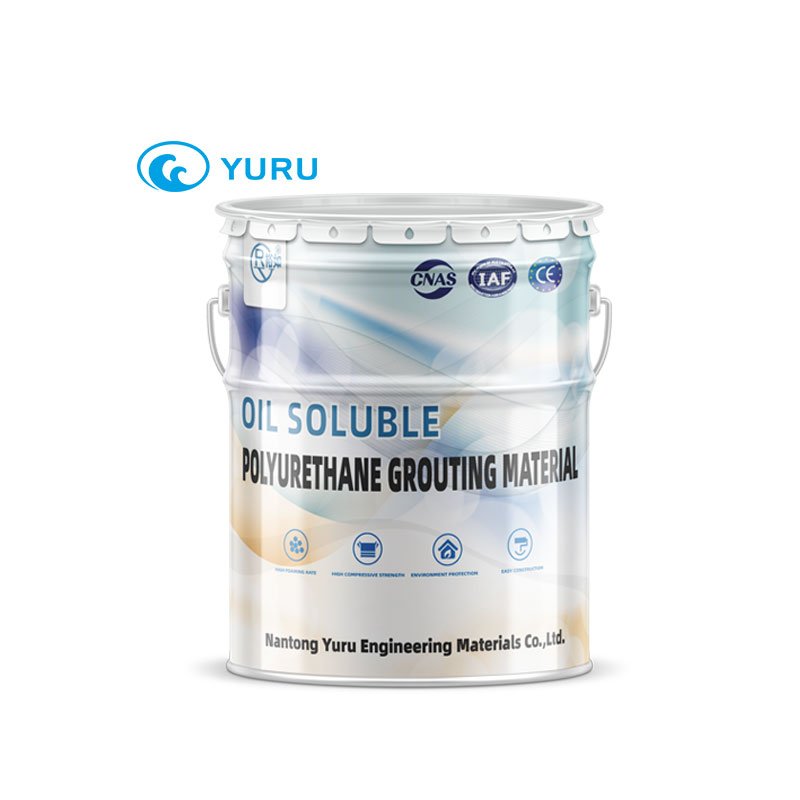
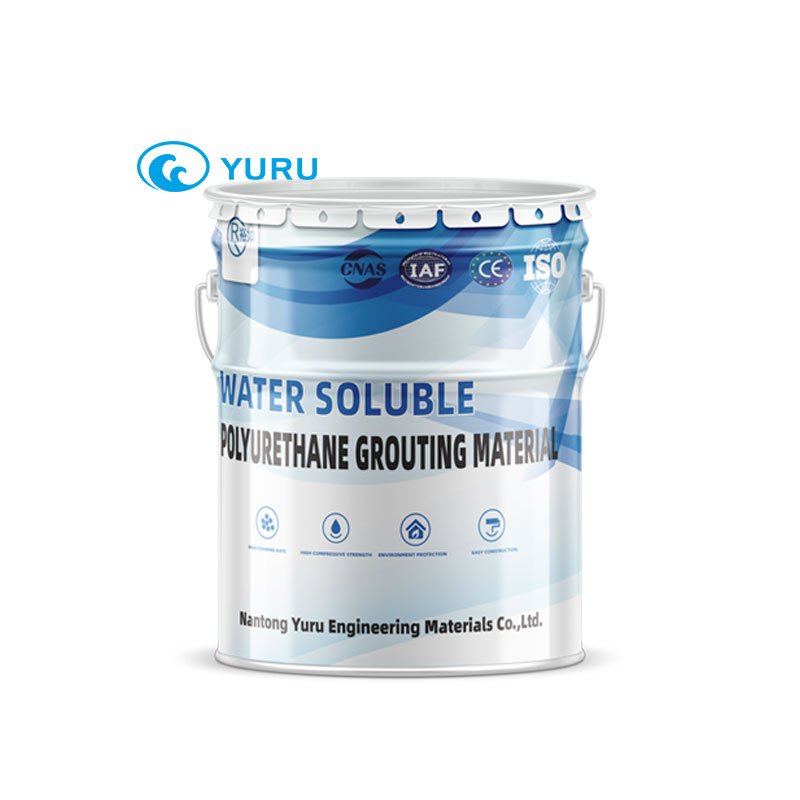
- Polyurethane injection materials (hydrophobic and hydrophilic types)
- Polyurea grouting materials
- Microcrystalline polyurea systems
This diversified portfolio allows contractors and distributors to select the appropriate material for various crack conditions.
Technical Support
YURU offers:
- Product selection consultation
- Technical data sheets
- Custom formulation support
- OEM and export cooperation
By focusing on manufacturing consistency and engineering reliability, YURU supports long-term infrastructure and building repair projects worldwide.
FAQs:
1. Which crack repair method is strongest?
Epoxy injection provides the highest structural strength for static cracks.
2. What is best for leaking basement cracks?
Polyurethane injection is commonly used for active water leaks.
3. Is polyurea better than polyurethane?
Polyurea typically offers improved durability and chemical resistance, especially in long-term applications.
4. Can cracks reopen after repair?
Yes, if the wrong material is selected for moving cracks.
5. How long does crack repair last?
When properly diagnosed and executed, repairs can last many years depending on environmental and structural conditions.
Conclusion:
Concrete cracks are inevitable. Failure to repair them correctly is not.
The best method depends on:
- Crack type
- Structural requirements
- Presence of water
- Environmental exposure
- Expected movement
Epoxy restores structural strength.
Polyurethane controls active leaks.
Polyurea provides durable flexible waterproofing.
Understanding these differences ensures effective and lasting repair results.
Contact YURU Waterproof for technical documentation, samples, or customized project recommendations.

YURU Product solutions