Best Two-Component Polyurethane Waterproof Coating: High-Strength Solutions
Introduction:
In modern building and infrastructure projects, waterproofing is no longer a secondary consideration but a structural necessity. From basements and tunnels to platform slabs and concealed roofing systems, the failure of waterproofing layers often leads to the most expensive repair costs. Two-component polyurethane waterproofing coatings are one of the most reliable solutions for high-strength and structural waterproofing in liquid applied waterproofing systems.
Of course, misuse and incorrect application design can affect the effectiveness of polyurethane waterproofing coatings. This article will explain the performance characteristics of two-component polyurethane waterproofing coatings, where they should and shouldn’t be used, and how professional manufacturers like YURU Waterproof design solutions for projects worldwide.
What is Two-Component Polyurethane Waterproof Coating?
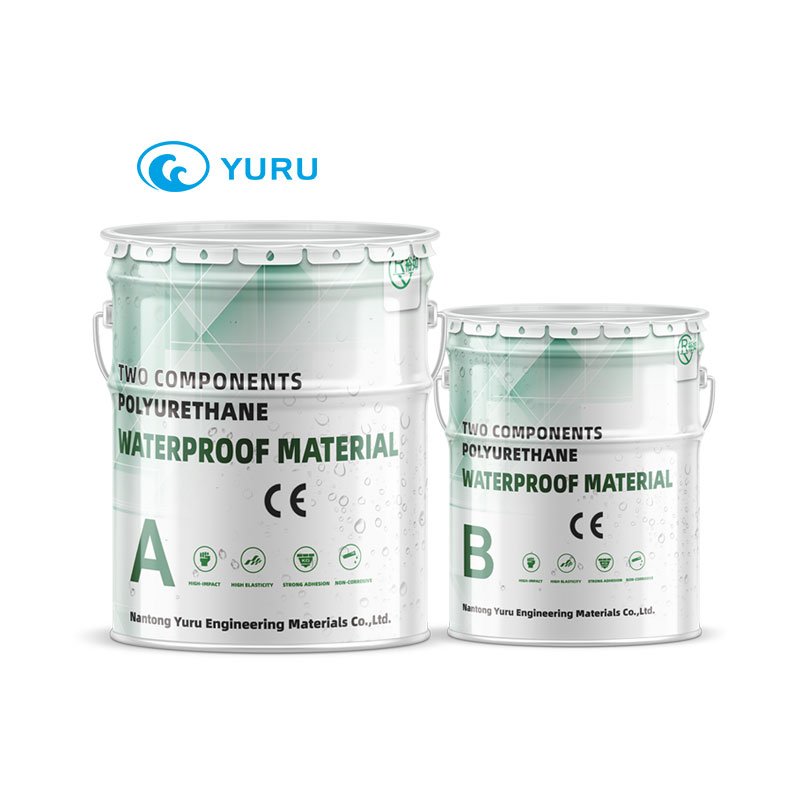
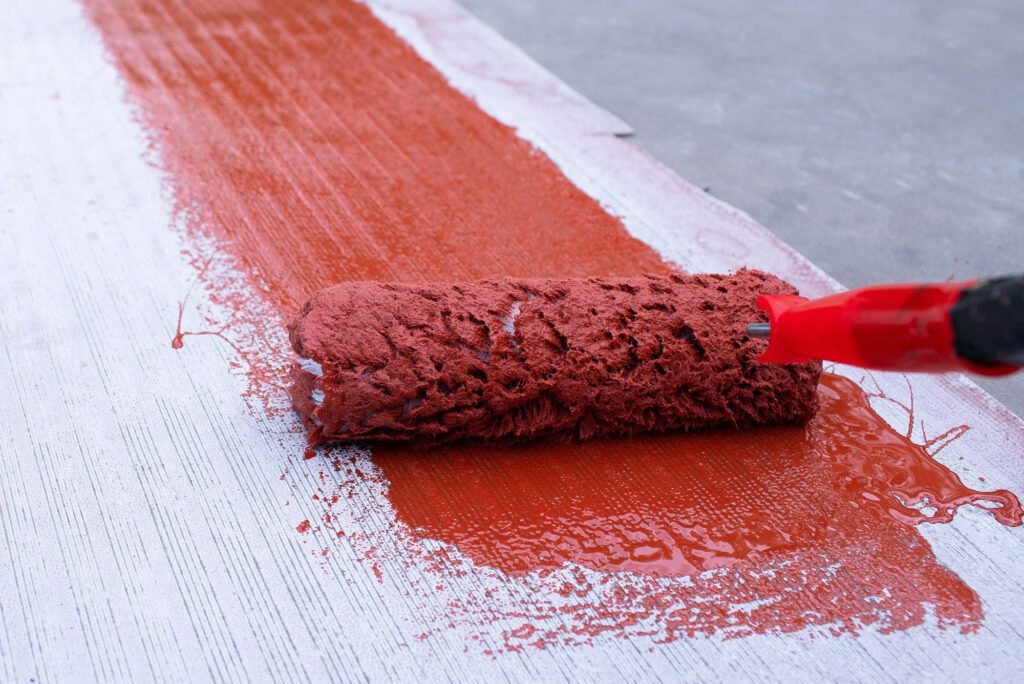
Two-component polyurethane waterproofing coating is a reaction-curing elastomer system composed of two different components (Component A: isocyanate prepolymer / Component B: polyol mixture containing catalysts and fillers).
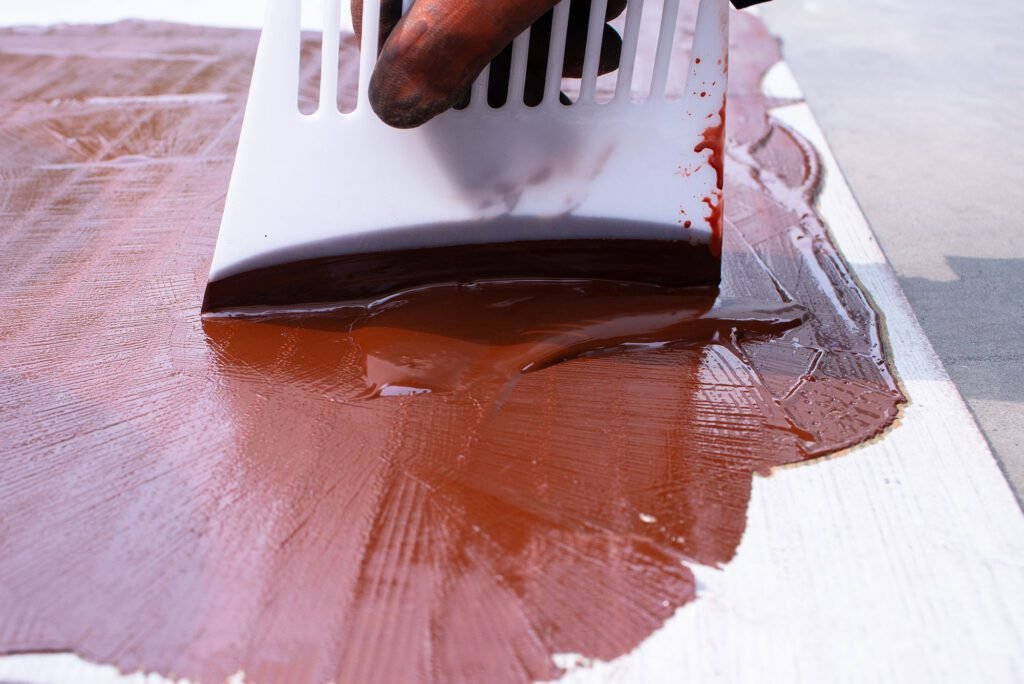
After mixing, these components undergo a chemical reaction to cure and form a film, creating a seamless, elastic, and highly adhesive waterproof membrane.
How is it different from single-component polyurethane?
Unlike single-component polyurethanes that cure by relying on ambient humidity, two-component polyurethanes cure through a controlled chemical cross-linking reaction. This gives them the following advantages:
- Higher mechanical strength
- More uniform curing
- Stronger water pressure resistance
- Stronger adhesion to concrete substrates
Therefore, two-component polyurethane is a structural waterproofing layer, not just a surface coating.
Why Two-Component PU Delivers High Strength and Elasticity?
High Elongation for Crack Bridging
Concrete structures are never static. Shrinkage, settlement, thermal movement create micro-movements.
High-quality two-component PU coatings typically offer:
| Property | Typical Performance |
| Elongation at break | > 250% |
| Tensile strength | 1.5–3.0 MPa |
| Adhesion to concrete | > 1.5 MPa |
This elasticity allows the membrane to bridge cracks and remain intact even as the structure moves.
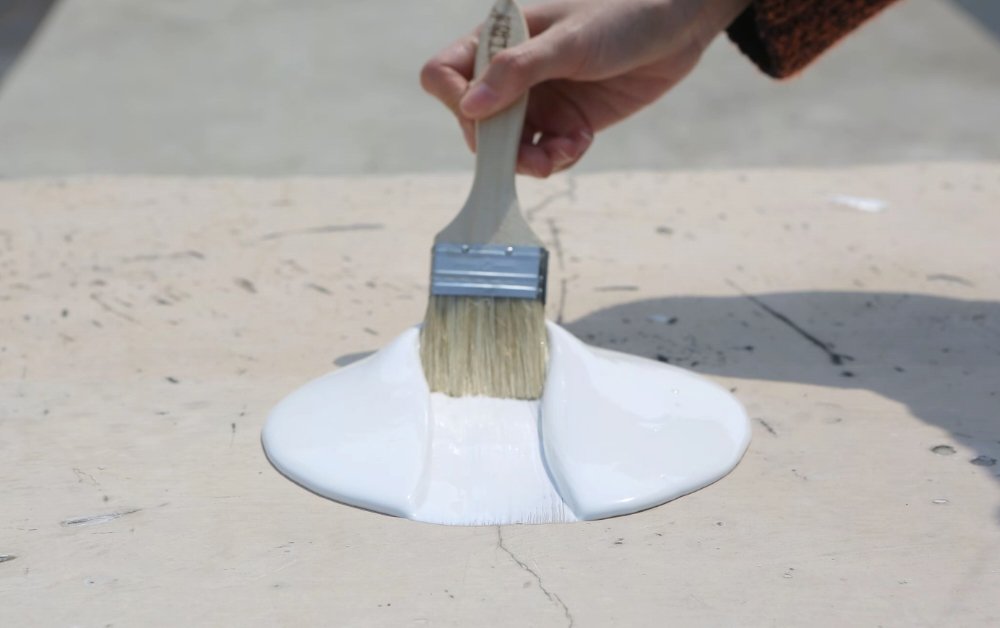
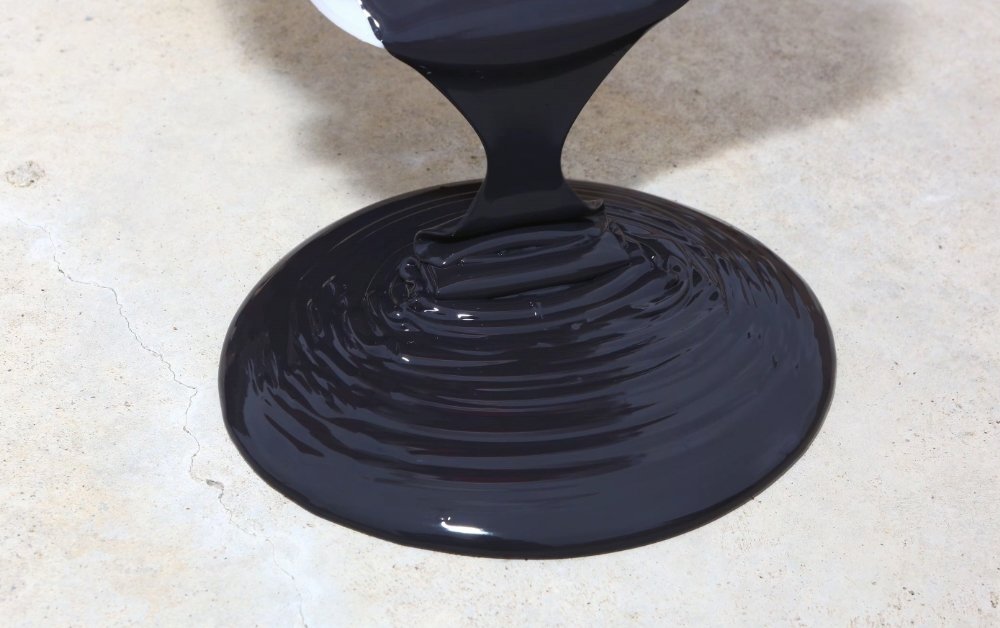
Dense, Seamless Waterproof Layer
Because the membrane forms through chemical reaction rather than solvent evaporation, the cured film is:
- Dense
- Pin-hole free
- Seamless across large areas
This is critical for underground structures where water pressure is constant.
Where Two-Component Polyurethane Waterproof Coating Performs Best?
Two-component PU excels in concealed or protected waterproofing systems, especially where durability is more important than aesthetics.
Typical Applications:
- Basement slabs and retaining walls
- Underground garages
- Metro tunnels and pipe galleries
- Podium decks (below screed or tiles)
- Water tanks (non-potable, when specified)
In these applications, the coating is protected by a covering layer, allowing it to focus purely on waterproof performance.
Why Two-Component PU Should Not Be Left Exposed?
One of the most common misconceptions in waterproofing is assuming that “strong” means “suitable for exposure.” This is not true.
UV Sensitivity Explained
Most two-component polyurethane systems are aromatic-based, which means:
- Long-term UV exposure can cause surface degradation.
- Discoloration and chalking may occur.
- Mechanical properties may slowly decline.
This does not mean the material is poor. It means it was never designed as a final exposed layer.
Industry-Standard Practice
Professional waterproofing systems always include:
- A protective screed
- A tile finish
- Or a UV-resistant topcoat
Ignoring this principle leads to failures that are often misattributed to material quality rather than system design.
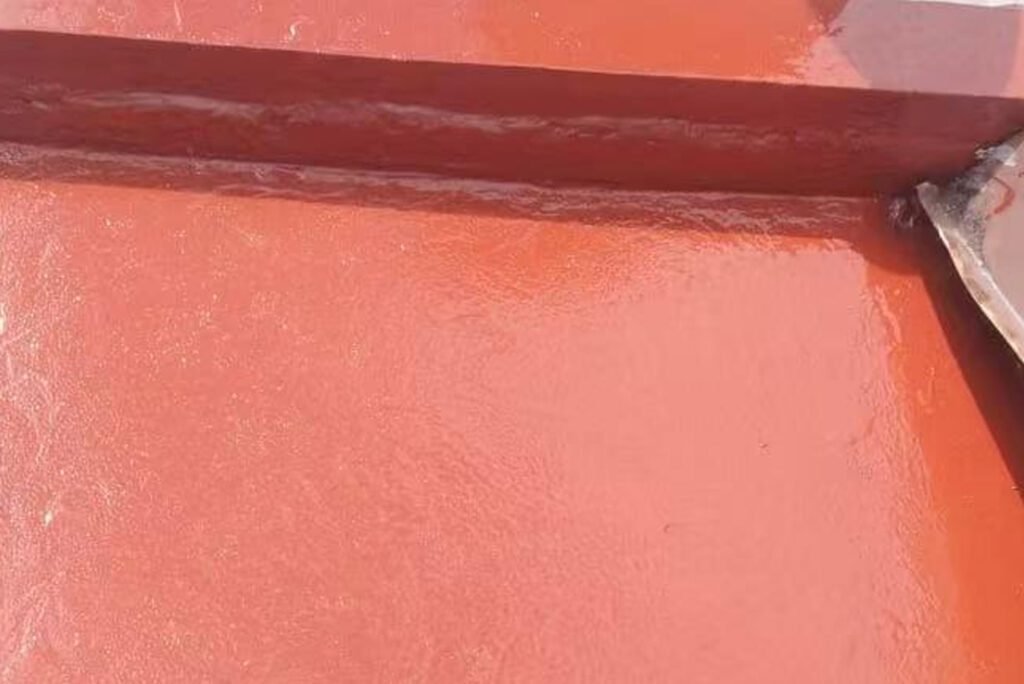
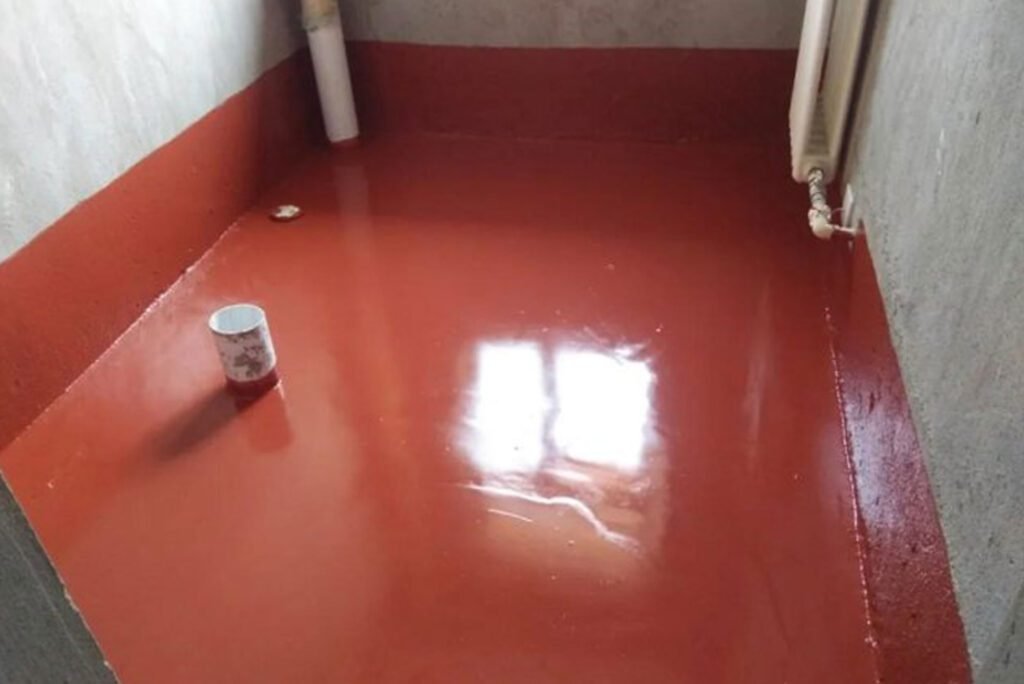
Recommended Protection Systems for Two-Component PU Waterproofing
Option 1: Cementitious or Concrete Protection Layer
Common in basements and podium slabs:
- PU waterproof layer
- Protective mortar or concrete screed
- Structural finish
This approach offers maximum mechanical protection.
Option 2: Tiling System
Ideal for wet areas and podiums:
- PU waterproof layer
- Adhesive layer
- Ceramic or stone tiles
The PU acts as the hidden waterproof barrier.
Solution 3: PU + UV-Resistant Topcoat
In cases where partial exposure is unavoidable:
- Two-component PU base layer
- Aliphatic polyurethane or polyaspartic topcoat
This system combines structural waterproofing with UV stability.
How to Identify a Truly High-Strength Two-Component PU Coating?
Not all products labeled “two-component PU” are equal. Buyers should evaluate based on technical substance.
Key Technical Indicators:
- Real solid content (avoid filler-heavy formulations)
- Verified elongation and tensile data
- Batch-to-batch consistency
- Independent lab test reports
Low-cost formulations often rely on excessive fillers, which reduce elasticity and lifespan.
Manufacturing Matters: Why Supplier Capability Is Critical?
A high-performance formulation is meaningless without stable production.
Key Technical Indicators:
- Dedicated reaction kettles.
- Controlled raw material sourcing.
- In-house laboratory testing.
- Retained batch samples for traceability.
This is where factory-level manufacturers outperform trading companies.
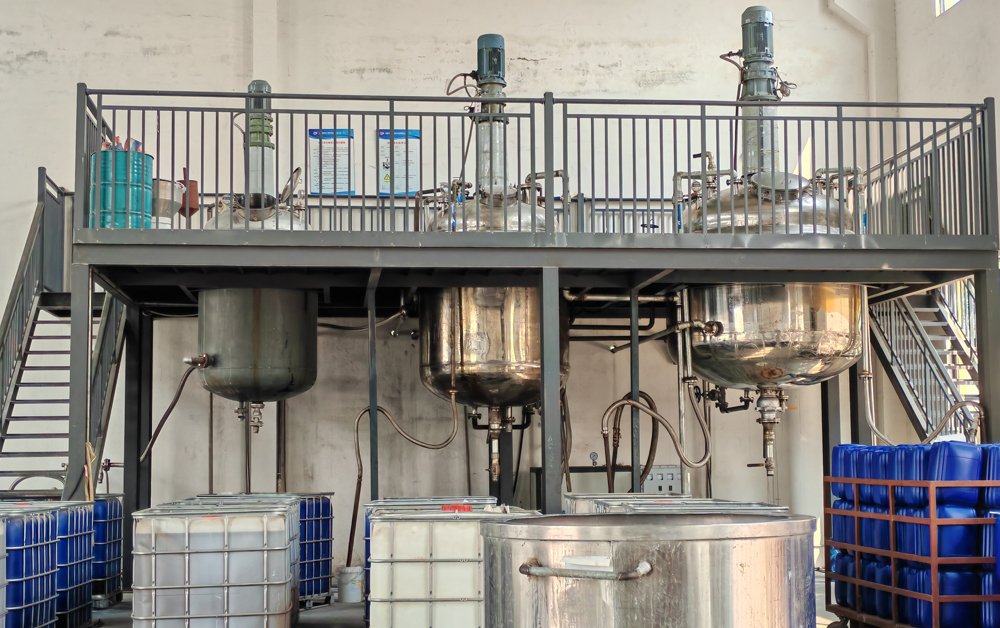
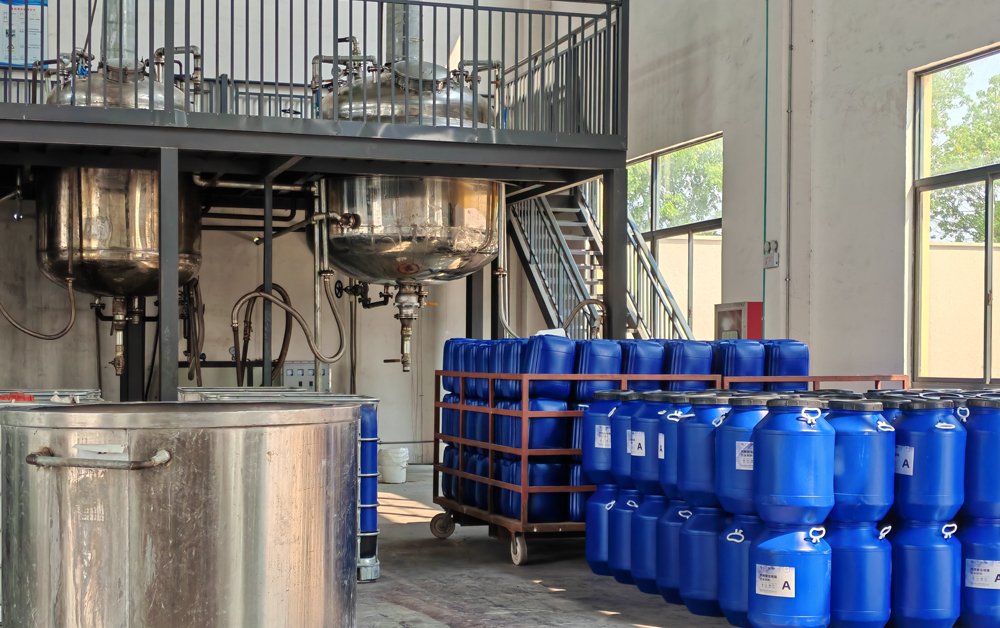
YURU Waterproof Two-Component Polyurethane Waterproofing Solution
YURU Waterproof develops two-component polyurethane systems specifically for engineering-grade applications.
YURU's Advantages:
- Stable formula designed specifically for protection systems.
- Curing time adjustable to different climate conditions.
- Strict quality control and batch traceability.
- Provides system-level technical support, not just material supply.
YURU does not promote a single “universal” product, but focuses on providing solutions tailored to specific applications.
FAQs:
1. Can two-component polyurethane waterproof coating be used on roofs?
Yes, but it should be covered or protected with a suitable system. It is not recommended as a long-term exposed roof coating without UV protection.
2. Is two-component PU better than single-component PU?
For structural and underground applications, two-component PU offers higher strength and curing reliability.
3. How long does two-component PU waterproofing last?
When properly protected, service life can exceed 20 years.
4. Does YURU offer custom PU formulations?
Yes. YURU can adjust viscosity, curing time, and mechanical properties for different project requirements.
Conclusion
Two-component polyurethane waterproof coating remains one of the most reliable solutions for structural waterproofing—when used correctly.
It delivers:
- High elasticity
- Strong adhesion
- Long-term resistance to water pressure
If you are designing or sourcing a high-strength waterproofing solution, contact YURU Waterproof for technical guidance and product samples tailored to your project conditions.
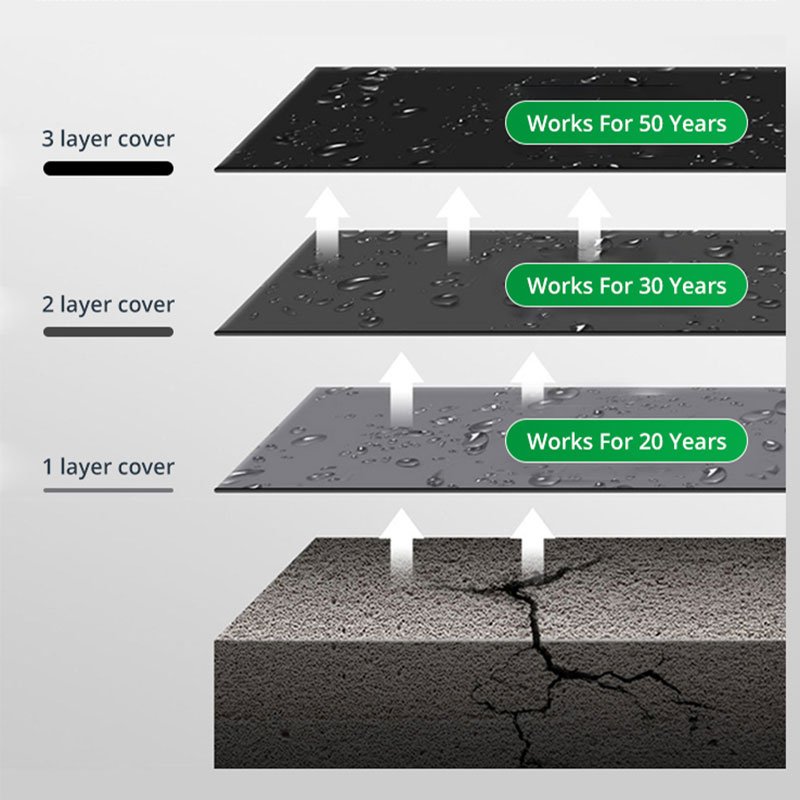
YURU Product solutions