Best Waterproofing Paint for Concrete
Summary
Concrete is often perceived as a solid, waterproof material. In reality, it is porous by nature. Microscopic capillaries allow water to penetrate, migrate, and accumulate within the structure. Over time, this moisture intrusion can cause cracking, spalling, steel reinforcement corrosion.
For this reason, selecting the best waterproofing paint for concrete is a structural protection strategy.
This guide explores how waterproofing paint works on concrete, compares major coating types.
Why Concrete Needs Waterproofing Protection?
Concrete contains interconnected pores formed during hydration. Even high-strength concrete is not fully impermeable. Water infiltration can occur through:
- Surface micro-cracks
- Construction joints
- Capillary action
- Shrinkage cracks
- Poor curing conditions
Once water enters the concrete matrix, it can:
- Trigger steel reinforcement corrosion
- Cause freeze-thaw damage
- Increase internal pressure
- Reduce structural lifespan
Concrete structures coated with waterproofing material have a protective film that is both waterproof and structurally sound.
What Is Waterproofing Paint for Concrete?
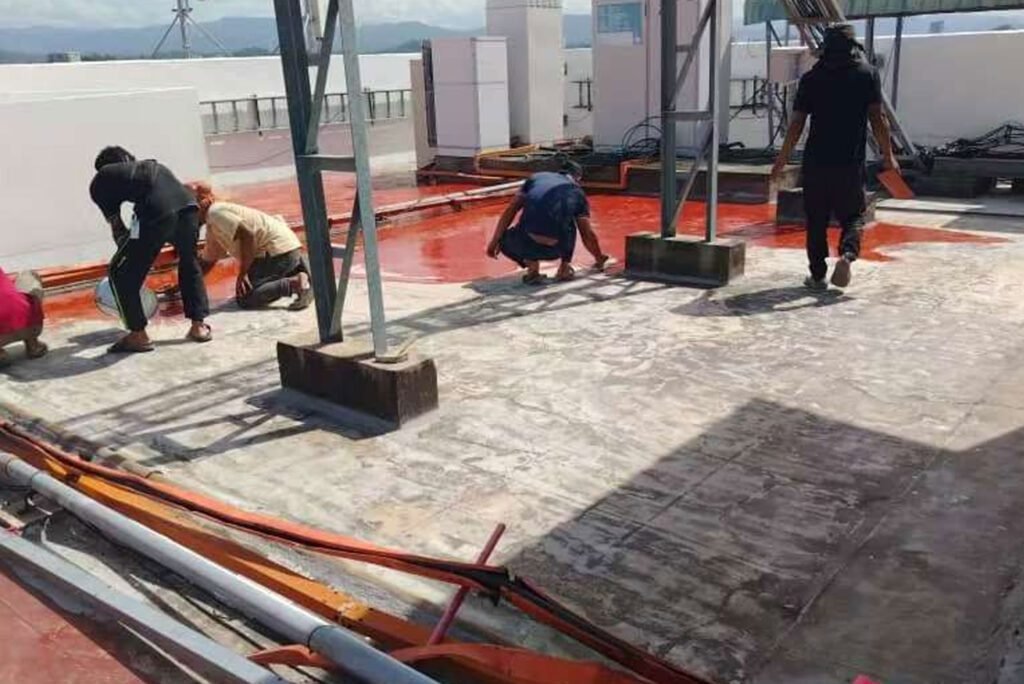
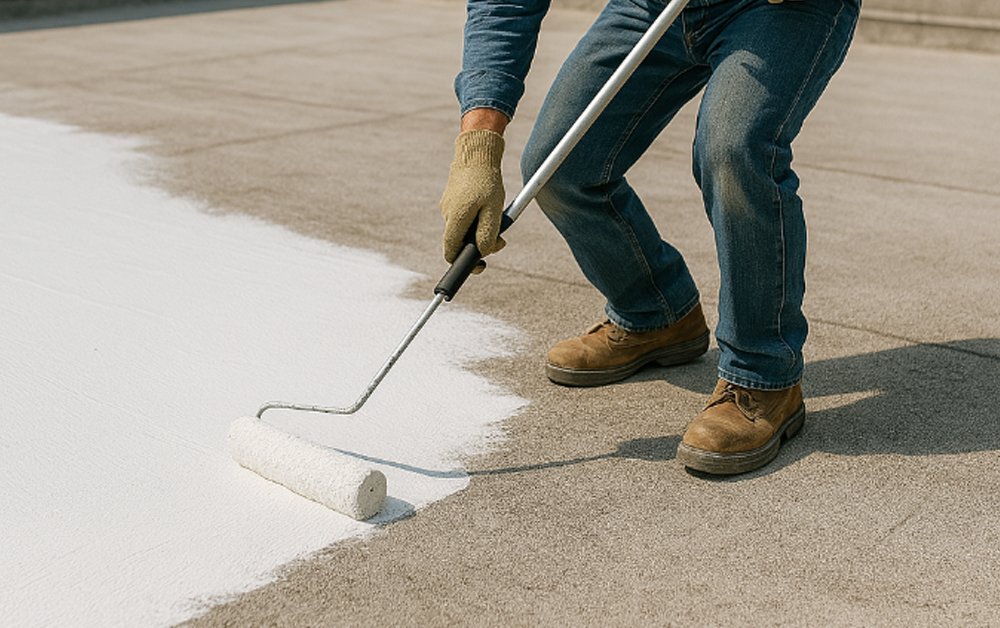
A concrete waterproofing coating is a liquid coating designed to prevent moisture penetration. Unlike decorative paint, waterproof coatings provide functional protection through:
- Film formation
- Crack-bridging elasticity
- Chemical resistance
- Weather durability
After curing, the coating creates either a rigid or flexible membrane, depending on formulation.
Key performance indicators include:
- Elongation rate
- Adhesion strength
- Impermeability rating
- UV resistance
- Chemical stability
- Service life expectancy
Choosing the best waterproofing paint depends heavily on where and how the concrete structure is used.
Major Types of Waterproofing Paint for Concrete
Different environments require different technologies. Below are the most common and effective options.
1. Polyurethane Waterproofing Paint
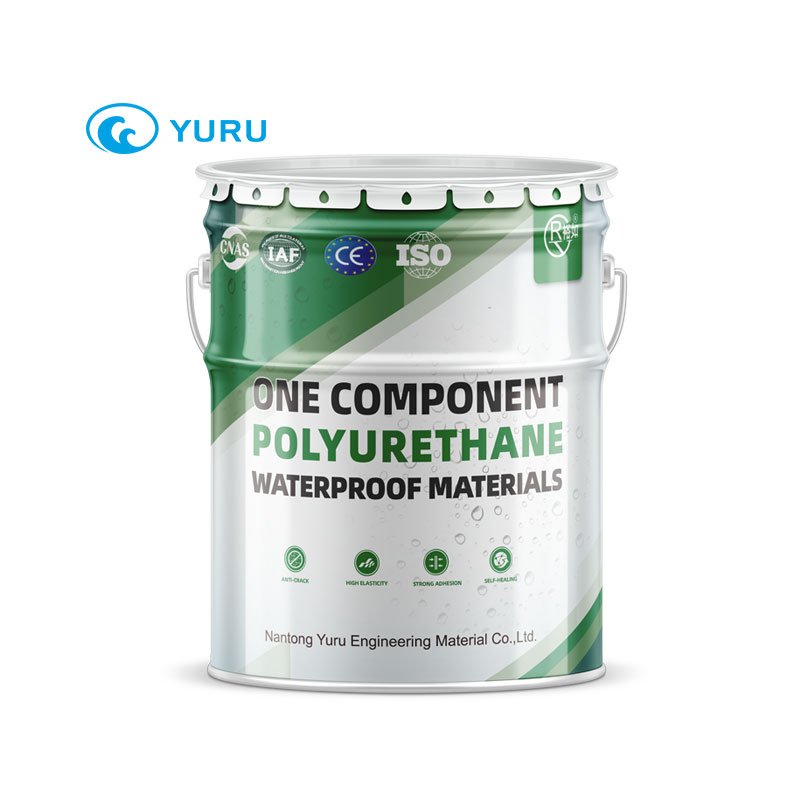
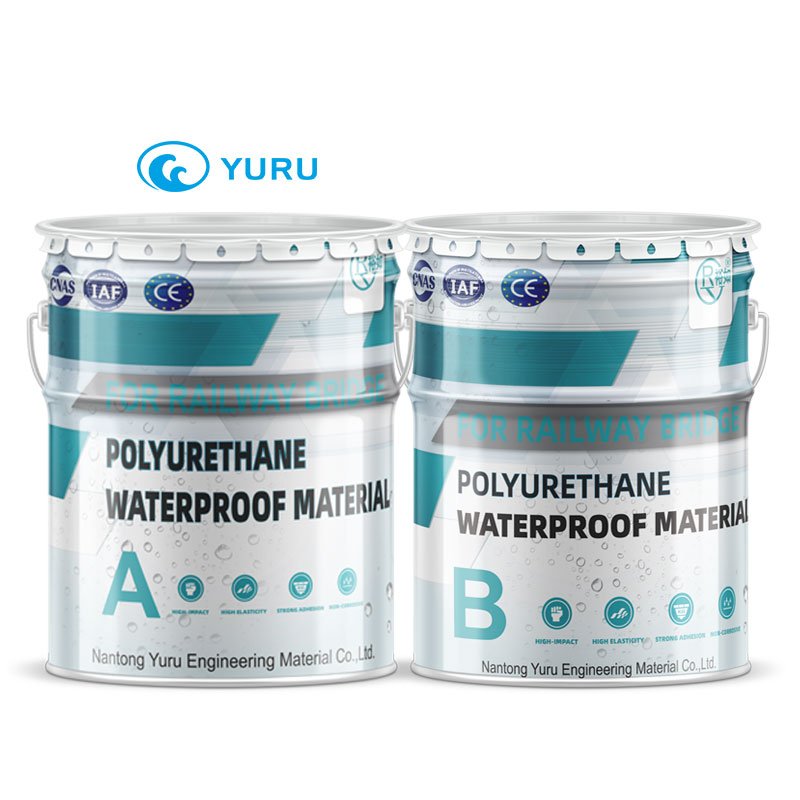
Polyurethane waterproof coating remains one of the most versatile systems for concrete protection.
Why It Works Well on Concrete:
- Excellent adhesion to cementitious surfaces
- High elasticity
- Seamless membrane formation
- Strong crack-bridging capability
Typical Applications:
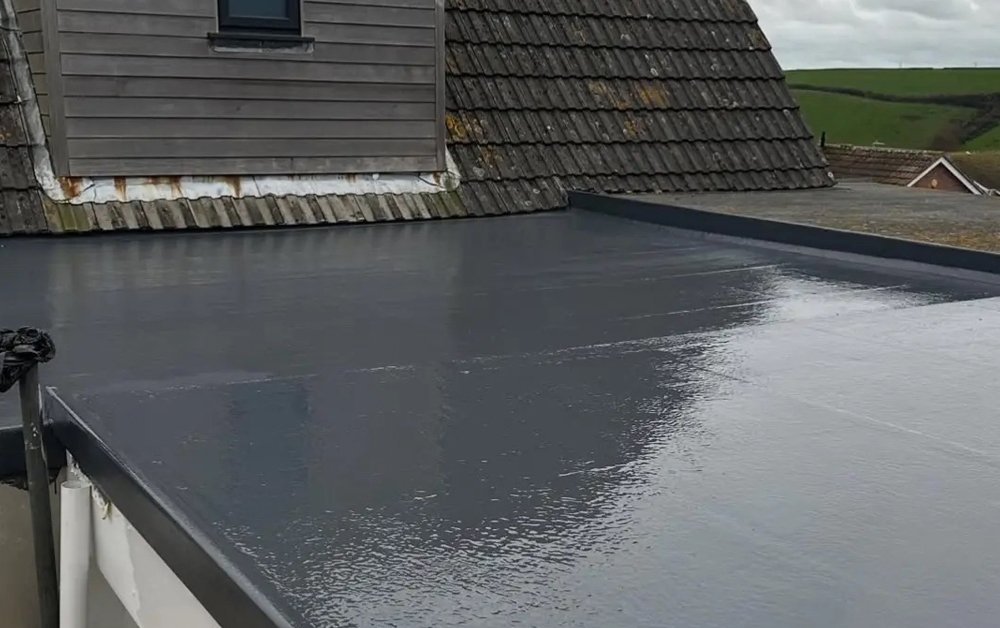
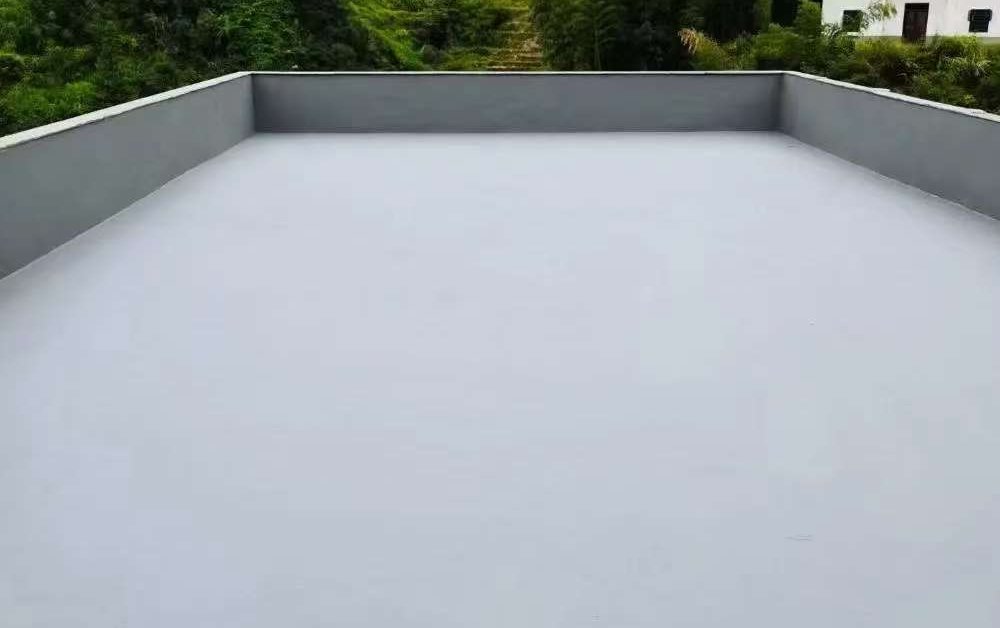
- Flat concrete roofs
- Balconies and terraces
- Underground slabs
- Parking decks
- Industrial floors
Polyurethane coatings accommodate structural movement without losing waterproof integrity. For concrete exposed to thermal expansion and contraction, elasticity is critical.
2. Acrylic Waterproofing Paint
Acrylic coatings are water-based and commonly used for exterior concrete surfaces.
Advantages:
- UV resistance
- Breathability
- Easy application
- Reflective properties
Best For:
- Exterior walls
- Light-duty roofs
- Refurbishment projects
However, acrylic coatings are less suitable for areas with standing water or high hydrostatic pressure.
3. Silicone Waterproofing Paint
Silicone-based coatings provide outstanding resistance to UV radiation and ponding water.
Performance Benefits:
- Excellent hydrophobic properties
- Long-term weather resistance
- Resistance to UV degradation
- Minimal maintenance
Ideal Applications:
- Flat roofs with drainage challenges
- Harsh climate environments
- Industrial roofing systems
For concrete roofs exposed to continuous sunlight and heavy rainfall, silicone coatings deliver extended service life.
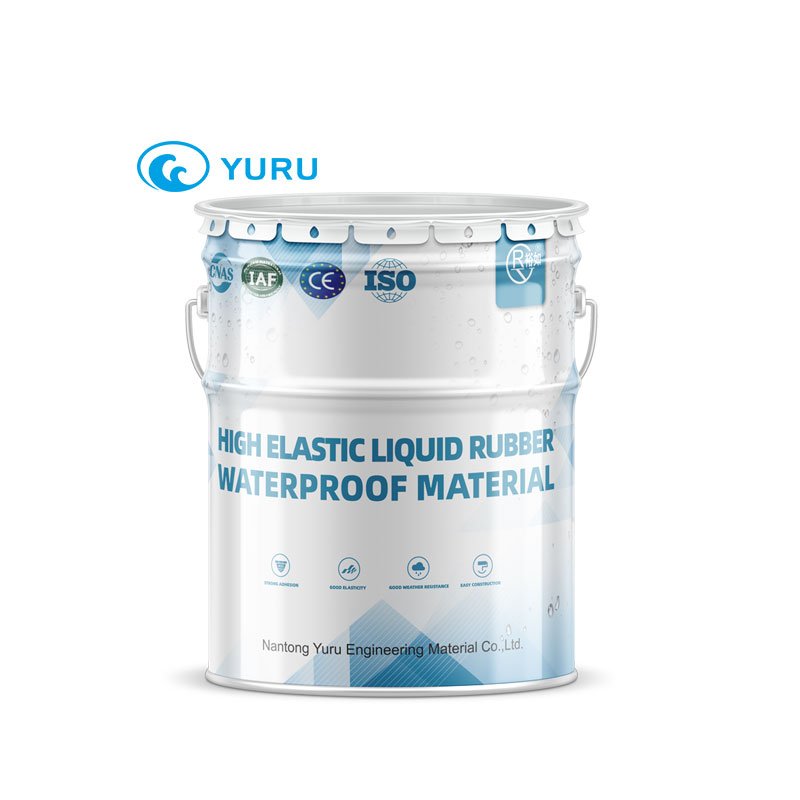
4. High Elastic Liquid Rubber Waterproof Coating
High elastic liquid rubber coatings are known for extreme flexibility.
Key Features:
- High elongation capacity
- Seamless application
- Strong crack resistance
- Adaptability to irregular surfaces
Suitable For:
- Renovation of aging concrete roofs
- Structures with vibration
- Complex shapes
This type of coating is especially effective where structural movement is frequent.
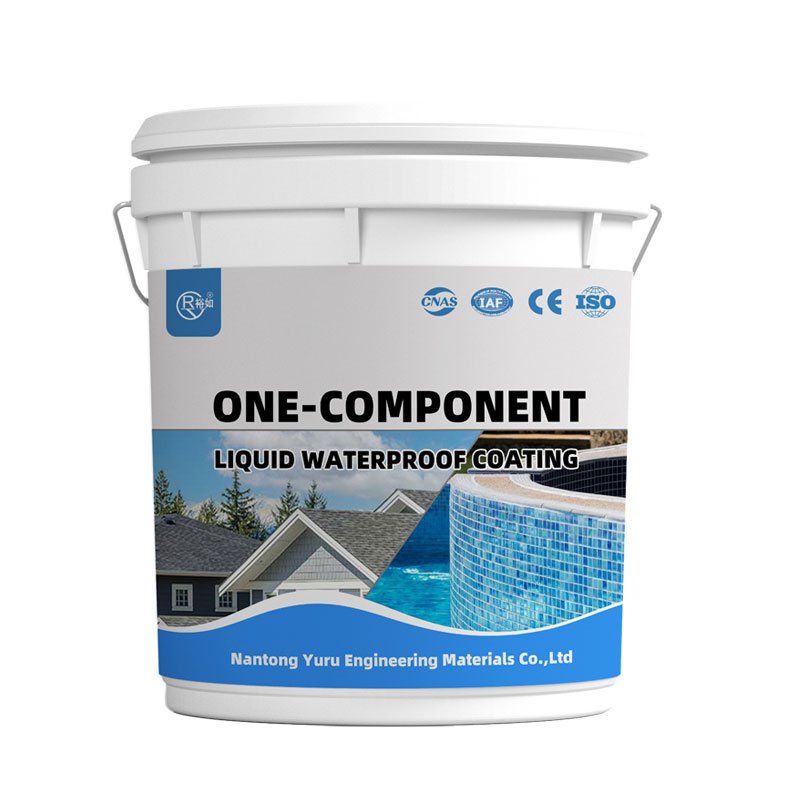
5. Single-Component Liquid Waterproof Coating
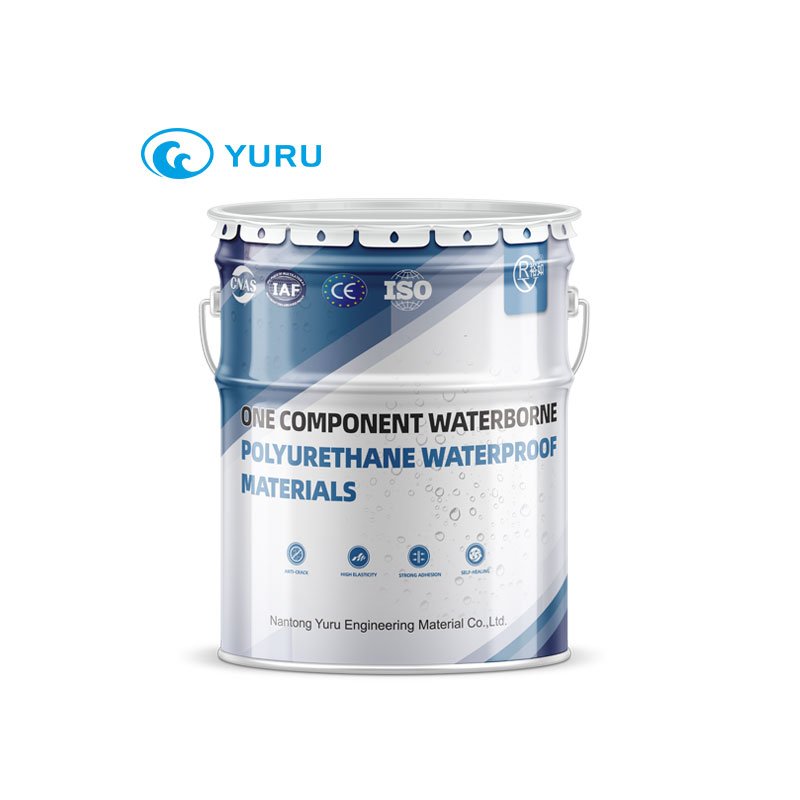
Single-component systems are ready-to-use formulations.
Benefits:
- No mixing required
- Easy handling
- Efficient application
Suitable for small and medium projects
These coatings are commonly used in residential construction and maintenance work.
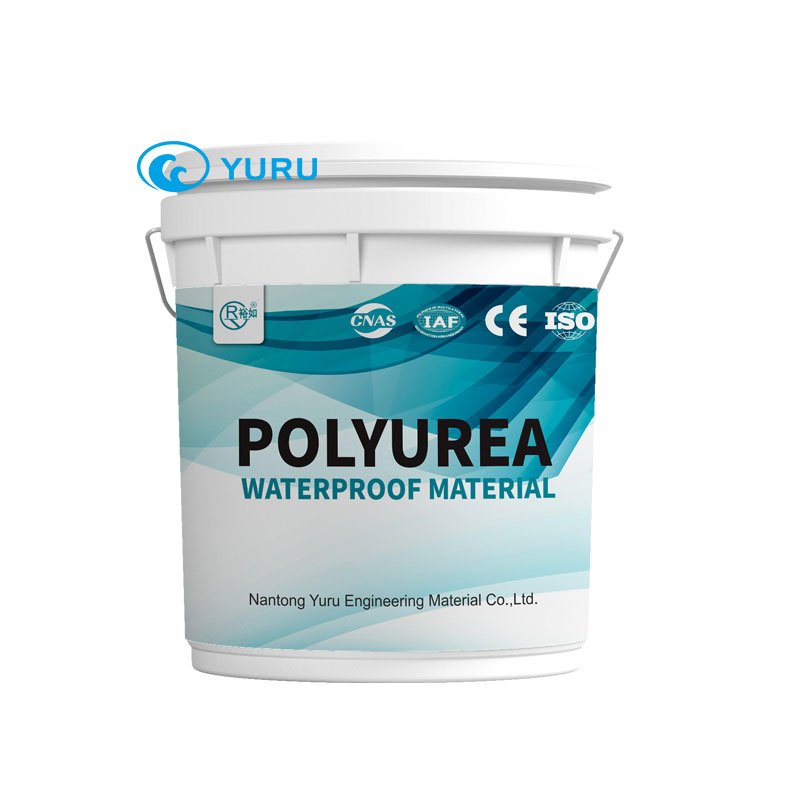
6. Polyurea Waterproofing Paint
Polyurea waterproof coating is a high-performance elastomeric coating.
Characteristics:
- Seamless monolithic membrane
- Fast curing
- High tensile strength
- Excellent abrasion resistance
- Superior chemical resistance
Applications:
- Roofs
- Tunnels
- Subway systems
- Industrial plants
- Wastewater facilities
Choosing the Best Waterproofing Paint for Different Concrete Applications
The best waterproofing paint depends on location and environmental exposure.
Concrete Roofs
Challenges include:
- UV exposure
- Rainwater accumulation
- Thermal movement
Recommended options:
- Polyurethane waterproof coating
- Silicone waterproof coating
- High elastic liquid rubber
- Polyurea waterproof coating
Elasticity and UV stability are essential.
Basements and Foundations
Challenges include:
- Hydrostatic pressure
- Soil moisture
- Limited sunlight
Options:
- Polyurethane waterproof coating
- Cementitious systems (for interior applications)
Adhesion strength and water resistance are key.
Balconies and Terraces
These areas combine exposure and foot traffic.
Recommended options:
- Polyurethane waterproof coating
- High elastic liquid rubber coating
Durability and flexibility are important.
Parking Garages
Concrete parking decks require coatings with:
- Mechanical strength
- Abrasion resistance
- Waterproof capability
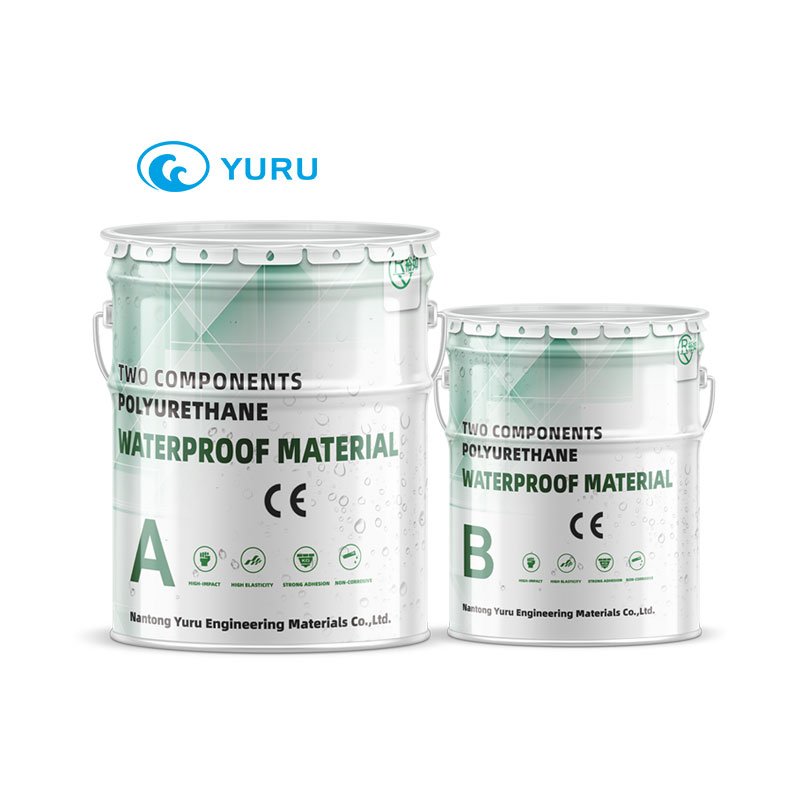
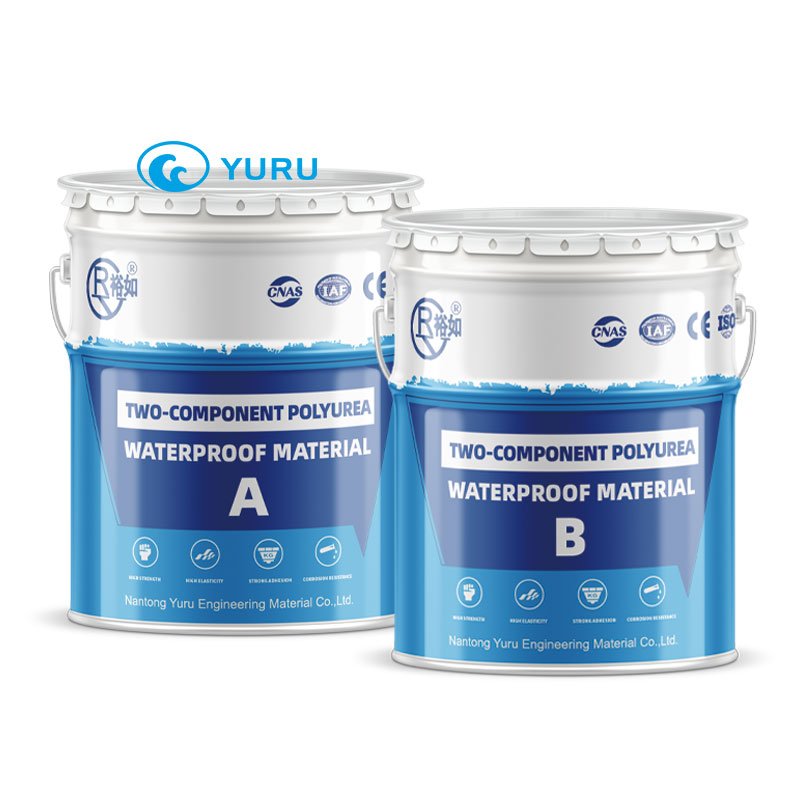
Two-component polyurethane systems are typically preferred.
Water Tanks and Pools
Water immersion demands high impermeability.
Specialized polyurethane, polyurea or cementitious systems are used depending on design.

Factors That Determine Waterproofing Performance
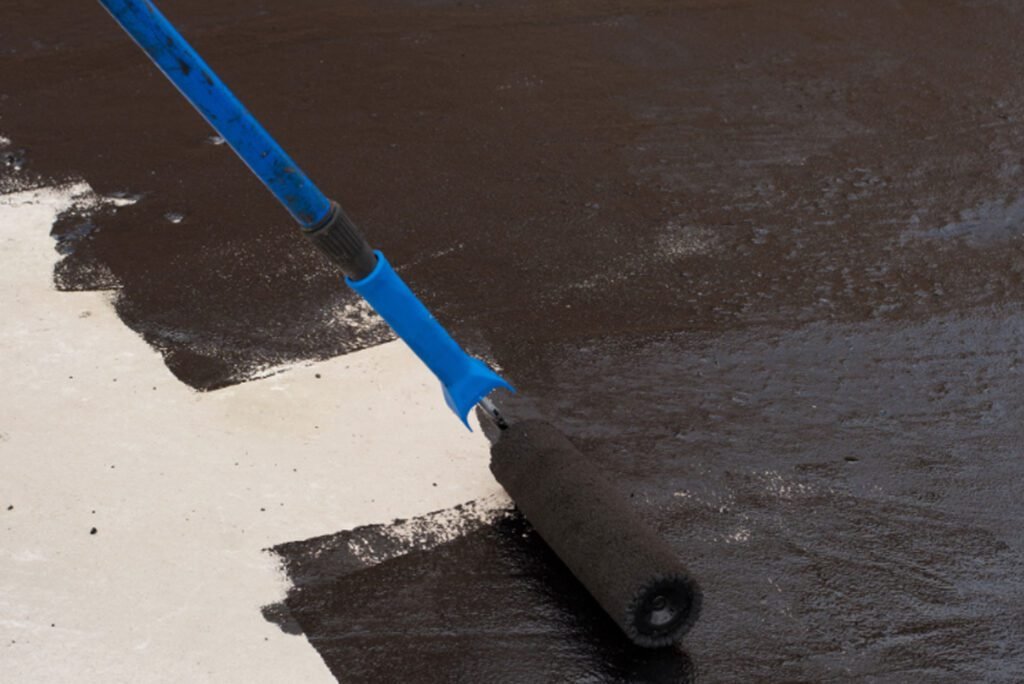
Selecting the right product is only part of the solution. Performance depends on:
1. Surface Preparation
Concrete must be:
- Clean
- Dry
- Free of oil and dust
- Structurally sound
Poor preparation weakens adhesion.
2. Coating Thickness
Insufficient thickness reduces waterproof reliability. Multiple coats are often necessary.
3. Environmental Conditions
Temperature and humidity influence curing performance.
4. Reinforcement Systems
For demanding environments, adding reinforcement fabric between coats improves durability.
5. Maintenance
Regular inspection extends service life.
Common Mistakes in Concrete Waterproofing
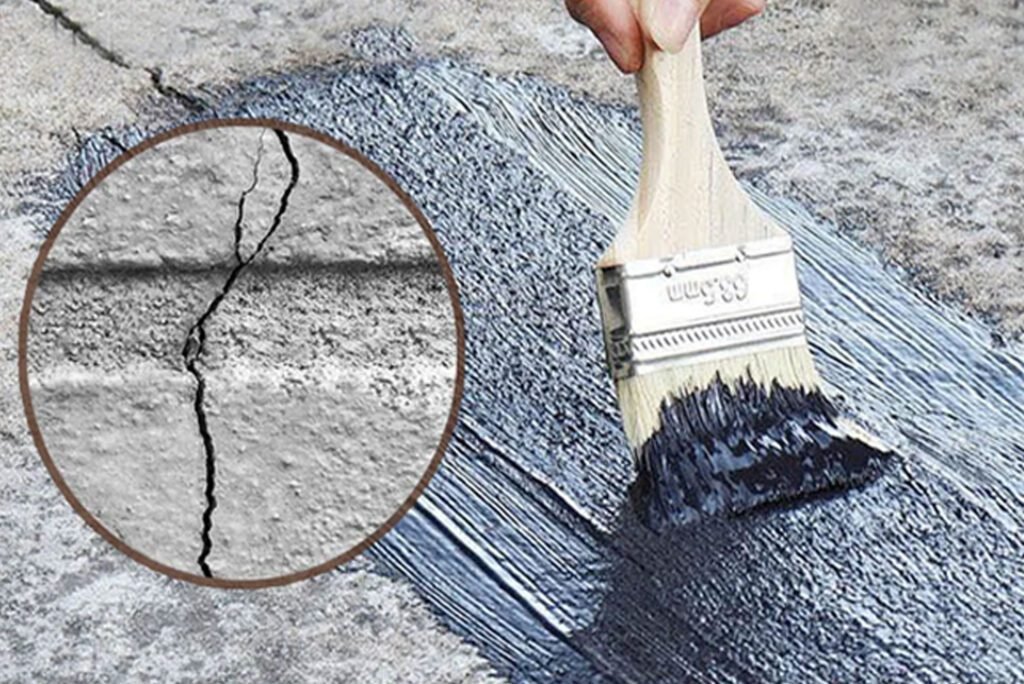
- Skipping crack repair.
- Applying coating over wet surfaces.
- Ignoring manufacturer instructions.
- Choosing low-cost decorative paint instead of waterproofing systems.
- Applying insufficient thickness.
Avoiding these mistakes significantly increases success rates.
How to Choose a Reliable Waterproofing Paint Manufacturer?
For distributors and contractors, supplier reliability is critical.
Important criteria include:
- Production capacity
- Quality control systems
- Certification compliance
- Technical support availability
- Product consistency
- OEM/ODM flexibility
Long-term partnerships depend on stable quality and professional support.

Why Choose YURU for Concrete Waterproofing Solutions?
YURU is a professional manufacturer specializing in:
- Polyurethane waterproof coatings
- Silicone waterproof coatings
- High elastic liquid rubber coatings
- Single-component liquid waterproof systems
- Polyurea waterproof coatings
- Injection grouting materials
- Flooring coatings
Advantages of Working with YURU
- Strict quality control
- ISO, CE, and RoHS certifications
- Stable manufacturing capacity
- Technical consultation for engineering projects
- Experience serving wholesalers, contractors, and municipal projects
- OEM and customized solutions
YURU focuses on providing reliable waterproofing systems tailored to project requirements rather than promoting a single universal solution.
FAQs:
1. What is the most durable waterproofing paint for concrete?
Polyurethane, polyurea and silicone waterproof coatings are generally considered highly durable when properly applied.
2. Can waterproofing paint be applied over old concrete?
Yes, provided the surface is properly cleaned and repaired before application.
3. How long does concrete waterproofing last?
Service life typically ranges from 10 to 20 years depending on material type and environmental conditions.
4. Is waterproofing paint different from regular exterior paint?
Yes. Waterproofing coatings are engineered to block water penetration and provide elasticity, unlike decorative paints.
5. Can polyurethane waterproof coating handle cracks?
Yes, high-quality polyurethane coatings can bridge hairline cracks due to their elasticity.
Conclusion: What Is the Best Waterproofing Paint for Concrete?
There is no single product that fits every concrete structure. The best waterproofing paint for concrete depends on:
- Environmental exposure
- Structural movement
- Water pressure
- Project scale
- Budget
- Maintenance expectations
Polyurethane remains one of the most versatile solutions. Silicone offers superior UV and ponding water resistance. High elastic liquid rubber provides exceptional flexibility. Acrylic systems work well for light-duty applications.
A professional approach, combining proper material selection, correct application, and reliable manufacturing support—ensures long-term durability.
Contact YURU to request product data sheets, samples, or customized solutions for your next project.
YURU Product solutions