Best Waterproofing Paint for Roof | YURU
A Practical Guide to Choosing the Right Roof Waterproofing Solution
There are various waterproofing coatings on the market, and none are universally applicable. Choosing the best waterproofing coating requires comparing multiple coatings and selecting based on environmental conditions and project requirements. The reason for evaluating the best waterproofing paint for roof is to protect the building’s lifespan and ensure long-term waterproofing effectiveness.
This guide will explain how to evaluate roofing waterproofing coatings and compare different material types (including polyurethane, acrylic, bitumen, polyurea, and silicone).
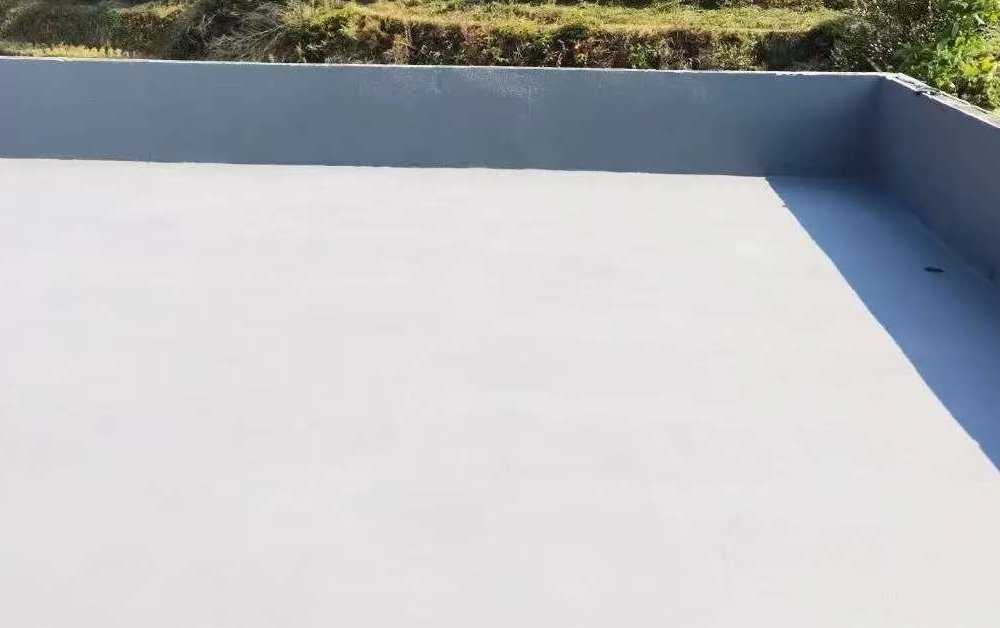
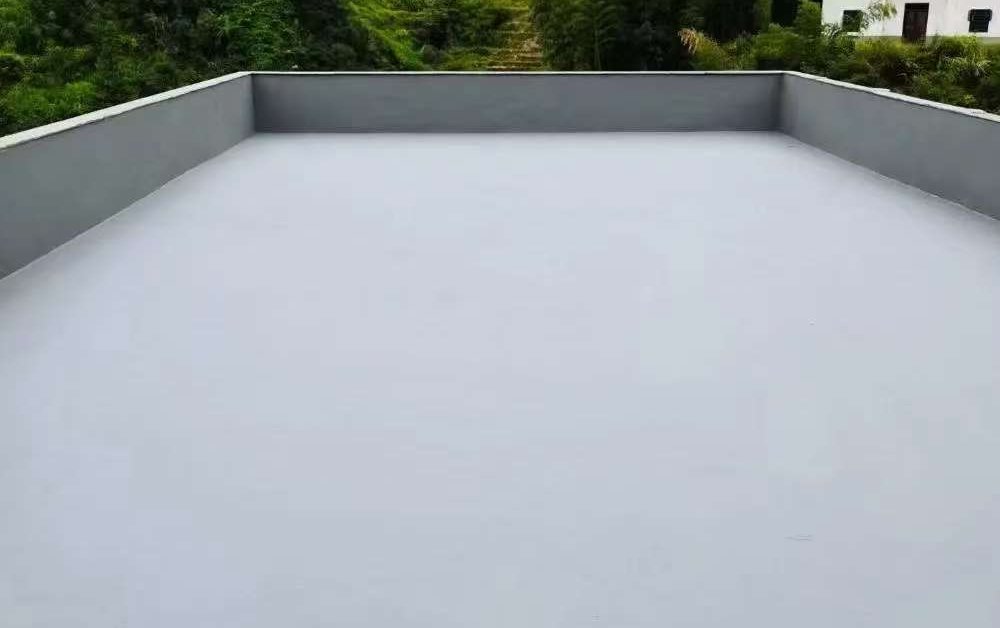
Why Choosing the Right Roof Waterproofing Paint Matters?
Roofs face the harshest environmental exposure in any building system. Unlike interior walls or underground foundations, roofs endure continuous stress.
Key stress factors include:
- UV radiation
- Temperature fluctuations
- Standing water
- Wind uplift
- Structural expansion and contraction
A coating that performs well in laboratory conditions may fail prematurely if it cannot withstand these real-world variables.
Common Types of Roof Waterproofing Paint
Different roofing waterproofing coatings have different formulations and performance characteristics.
Polyurethane Waterproofing Paint
Polyurethane coatings are widely used in roofing waterproofing. They are typically used on concrete and flat roofs.
Advantages:
- High elasticity
- Excellent crack-bridging ability
- Strong bonding to concrete substrates
- Good resistance to standing water
Acrylic Waterproofing Paint
Acrylic roofing coatings are commonly used in lightweight roofing applications, metal roofs, and renovation projects.
Advantages:
- Easy application
- Reflective surface options
- UV resistance
- Low odor
Bituminous (Asphalt-Based) Coatings
Bituminous coatings are traditional waterproofing materials used for roof repairs and maintenance.
Features:
- Strong water resistance
- Cost-effective
- Compatible with existing bitumen membranes
Polyurea Roof Coating
Polyurea waterproof coating is commonly used in industrial and large-scale roofing systems.
Features:
- Fast curing
- High mechanical strength
- Superior abrasion resistance
- Long service life
However, specialized spraying equipment is usually required for application.
Silicone Waterproofing Coating
Silicone roofing coatings are commonly used on metal roofs and low-slope roofs, where water easily accumulates.
Advantages:
- Outstanding resistance to standing water
- Excellent UV stability
- Long-term elasticity
- High reflectivity options
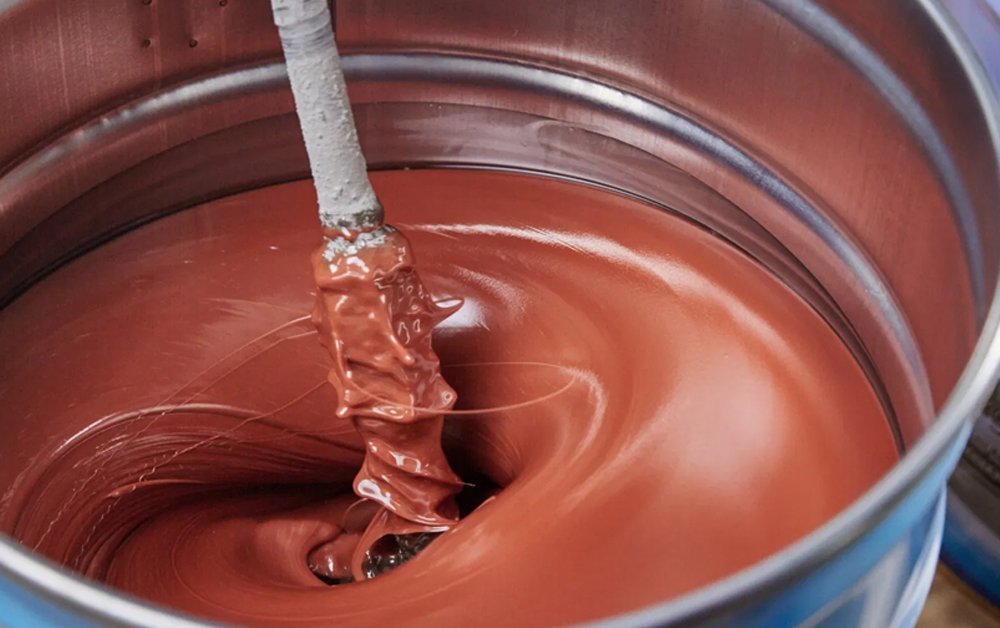
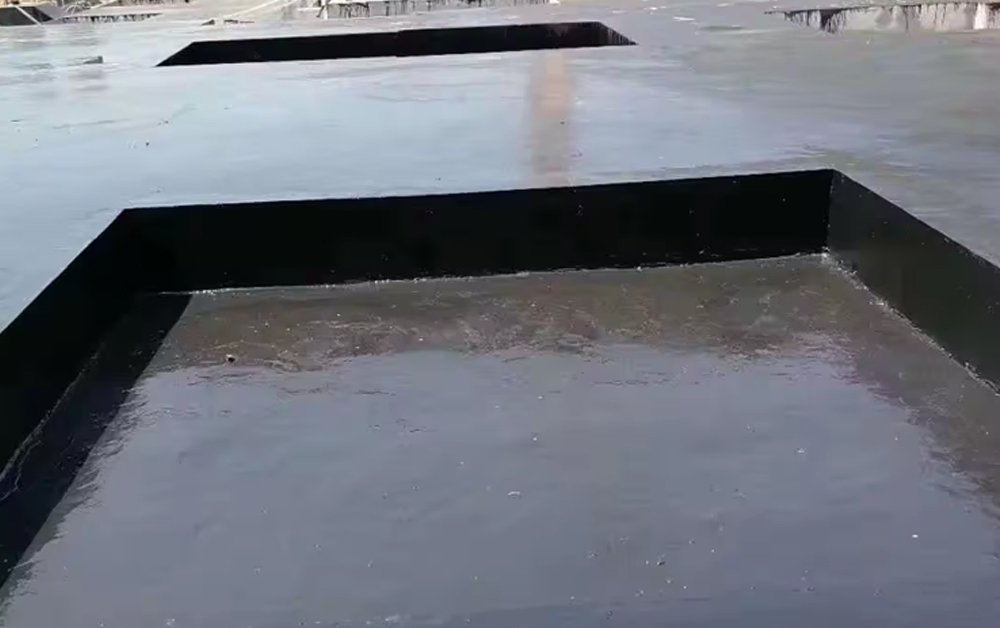
Matching Waterproofing Paint to Roof Type
Choosing the best waterproofing coating for a roof project based on substrate.
Concrete Roofs
Concrete roofs are prone to cracking.
Recommended Solutions:
- Polyurethane Coating
- Polyurea System
- High-Performance Silicone Coating
Under wind and sun exposure, these waterproofing coatings, due to their excellent elasticity, will reduce or even avoid the effects of shrinkage, thermal expansion and contraction on concrete roofs.
Metal Roofs
Metal roofs require rust prevention, UV resistance, and strong adhesion.
Recommended Solutions:
- Silicone Coating
- Acrylic Reflective Coating
- Flexible Polyurethane Coating
Existing Asphalt Roofings
When renovating old asphalt roofing:
- Coatings with good compatibility – Asphalt Coating
- Silicone coating can be applied after proper surface preparation.
The substrate must be properly cleaned and an adhesion test performed.
Flat Roofs with Water Accumulation
Best Performance Options:
- Polyurethane
- Polyurea
- Silicone
Key Performance Indicators to Evaluate
Professional buyers should examine measurable performance data.
Important indicators include:
- Tensile strength
- Elongation at break
- Adhesion strength
- UV resistance
- Water absorption rate
- Crack-bridging ability
These metrics provide objective insight into coating durability.
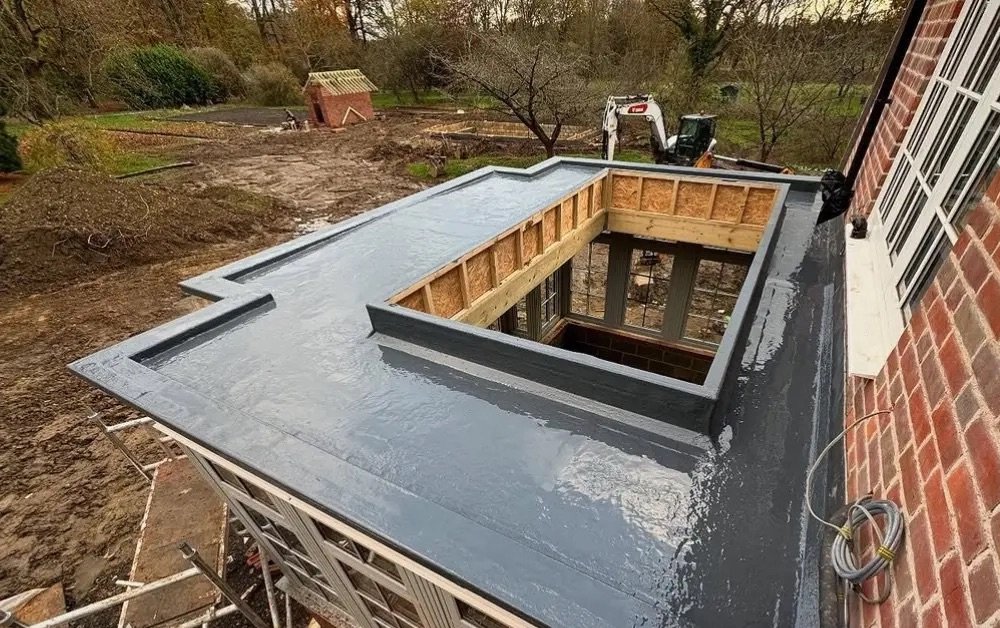
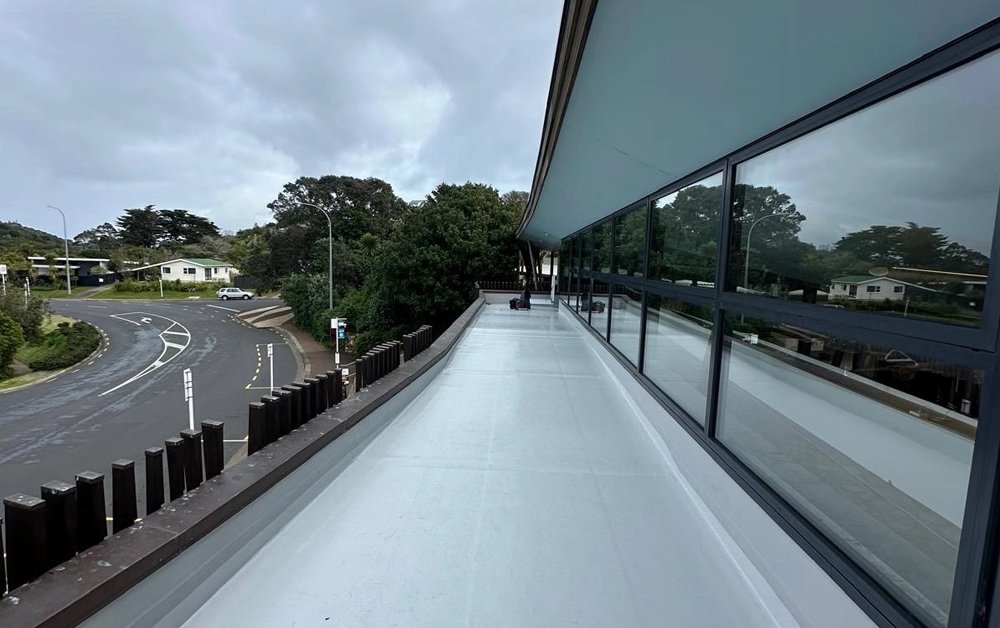
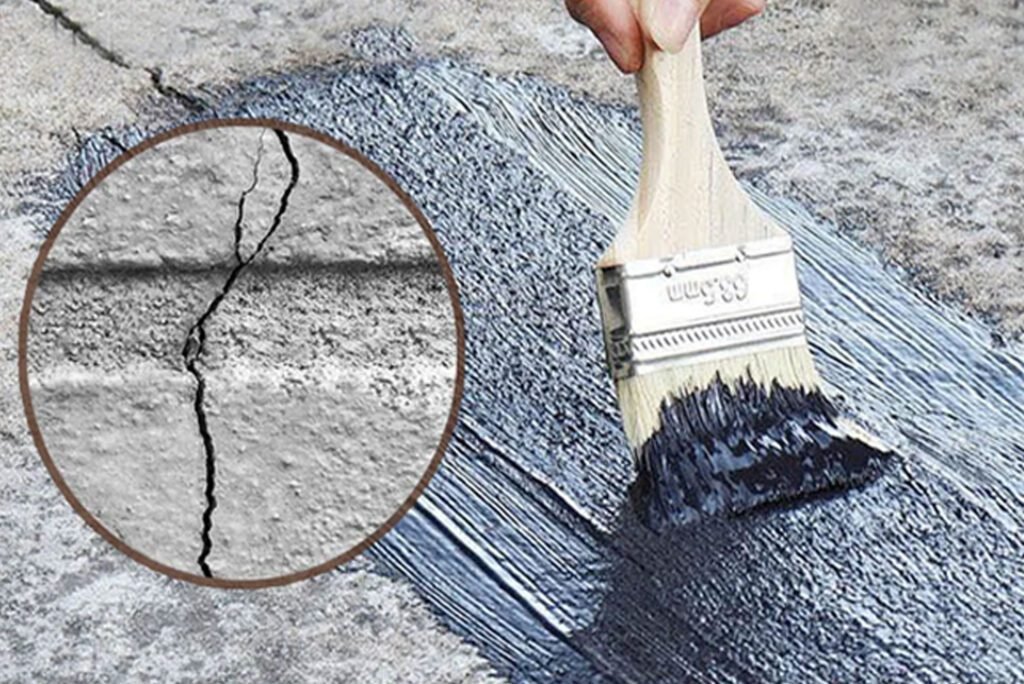
Installation Matters: Even the Best Coating Can Fail If Applied Incorrectly
Choosing the best waterproofing paint for roof applications is only half the equation. Proper installation determines whether the coating performs for years or fails within a short period.
Common causes of premature failure include:
- Insufficient surface preparation
- Incorrect coating thickness
- Skipping reinforcement layers
- Poor curing conditions
Roof coatings are are functional membranes that must achieve a designed thickness and continuity.
Surface Preparation: The Foundation of Durability
Proper preparation of the roof surface is essential before applying any waterproof coating.
Necessary preparation steps include:
- Removing dust, oil, and loose particles from the substrate surface.
- Repairing cracks and damaged areas.
- Ensuring the substrate is dry and clean.
- Applying a primer if necessary.
Improper surface preparation can easily lead to loss of adhesion.
The “Three Coats and One Fabric” System
For roofs exposed to heavy rain or structural movement, a reinforced waterproofing system is often recommended. This method is commonly referred to as:
Three coats and one fabric system
The process typically includes:
- First base coat application
- Placement of reinforcement fabric (polyester or fiberglass mesh)
- Second intermediate coat
- Final top coat
This layered system improves:
- Tensile strength
- Crack resistance
- Membrane thickness consistency
- Long-term durability
For flat concrete roofs or refurbishment projects, this method significantly extends service life.
How Long Does Roof Waterproofing Paint Last?
The lifespan of roof waterproofing coatings depends on:
- Material type
- Climate conditions
- UV exposure
- Application thickness
- Maintenance practices
Approximate service life under proper application:
- Acrylic coatings: 5–10 years
- Bituminous coatings: 5–10 years
- Polyurethane coatings: 10–20 years
- Silicone coatings: 10–20 years
- Polyurea coatings: 15–30 years

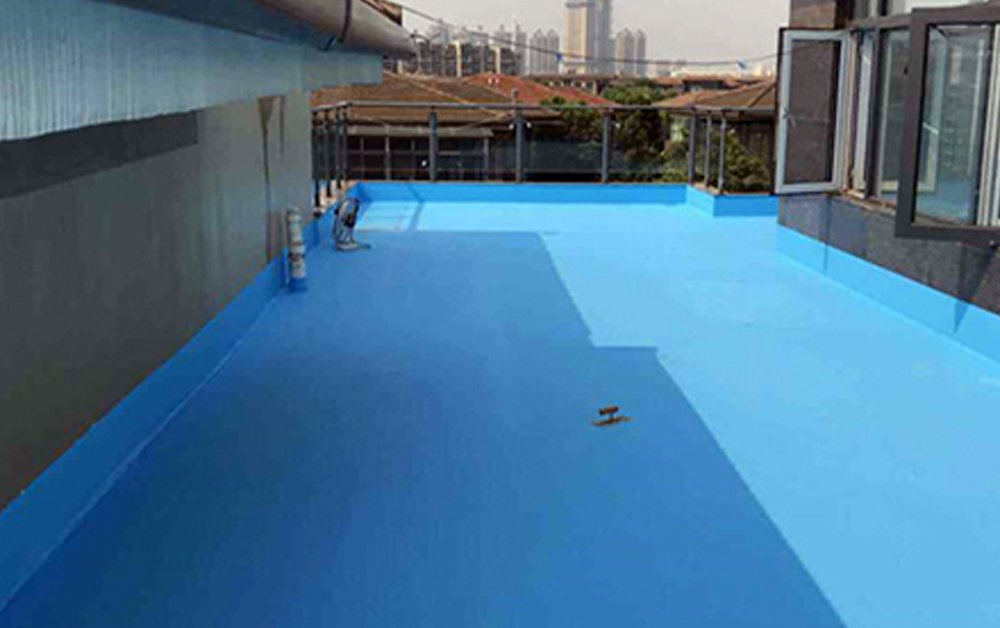
Selecting Waterproofing Paint for Large-Scale Projects
Commercial and industrial roofs require additional considerations.
Important factors include:
- Supply capacity and batch consistency
- Technical documentation and compliance
- Compatibility with insulation systems
- Reflective energy-saving options
For large-scale waterproofing projects such as warehouses, factories, and logistics centers, silicone or polyurethane coatings can reduce heat absorption and improve energy efficiency.
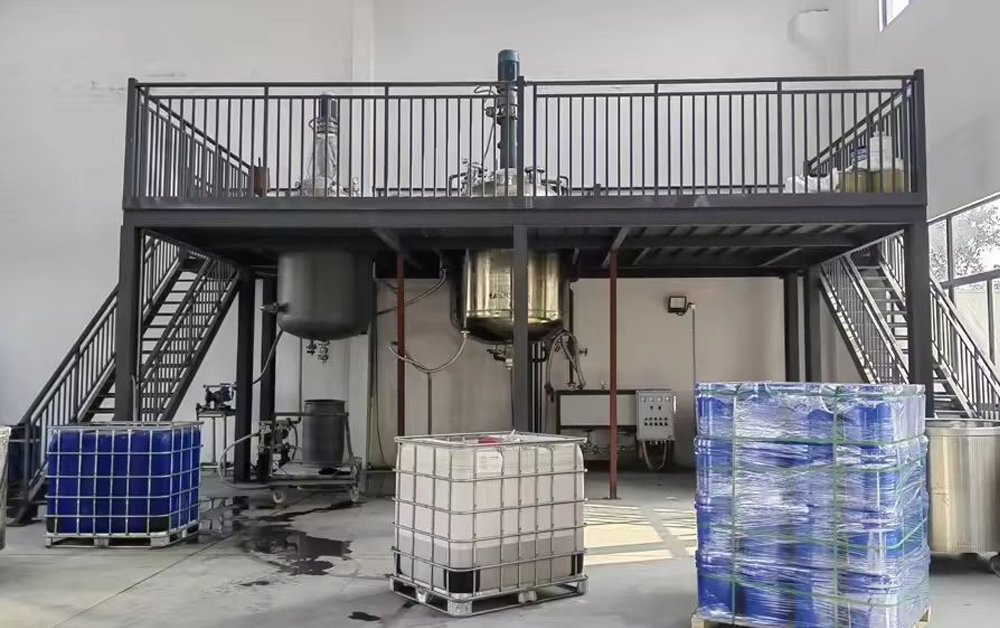
Essentially, large-scale projects also require manufacturers to have stable production capabilities to ensure consistency in material performance across batches.
YURU Roof Waterproofing Solutions
1. Construction Environment
YURU Waterproof provides a range of roof waterproofing systems designed for different substrates and project scales.
Available options include:
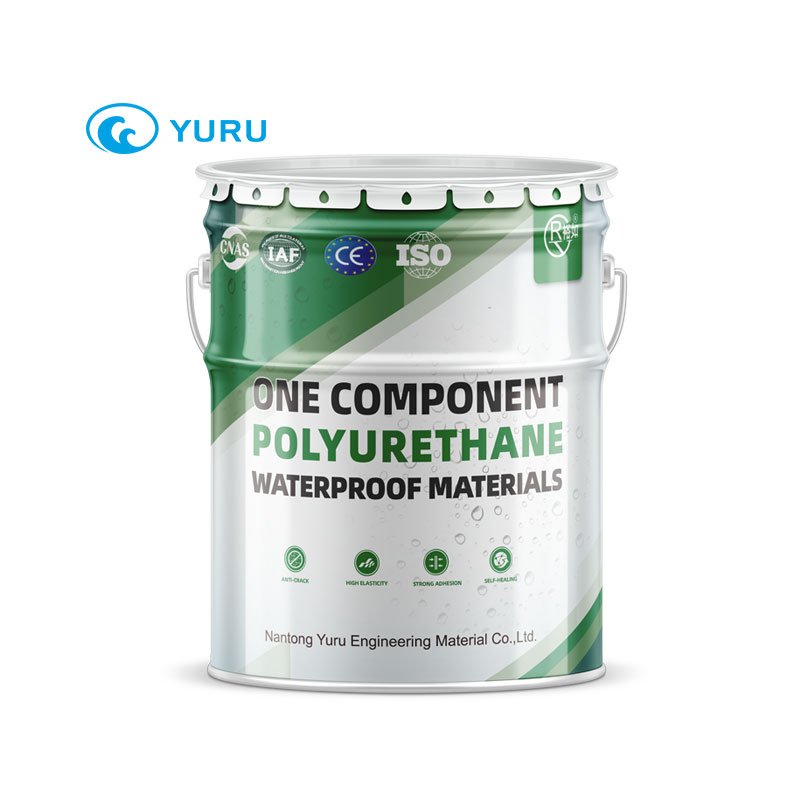
- Single-component polyurethane waterproof coating
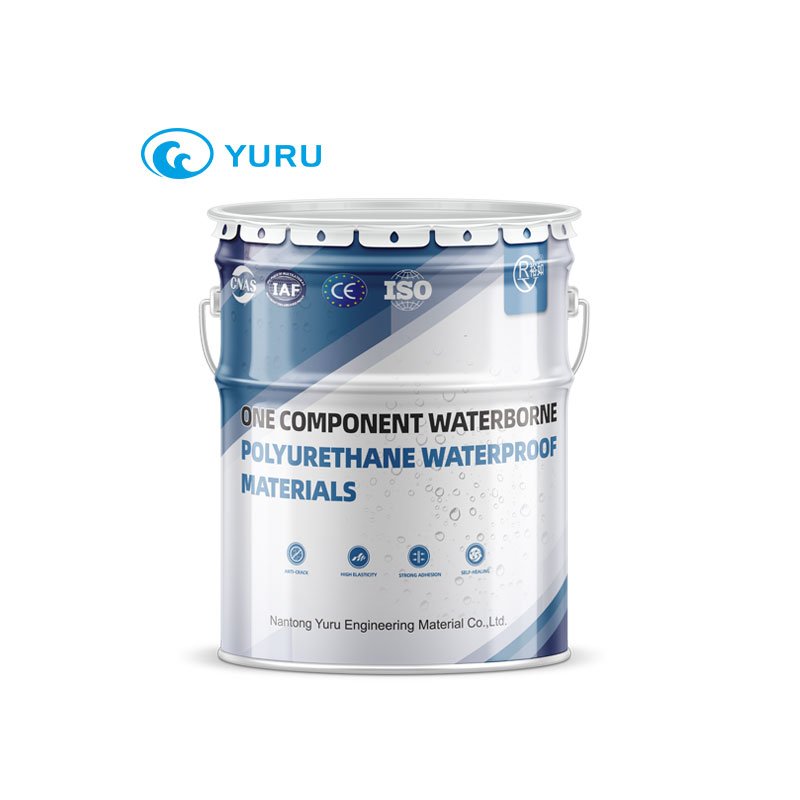
- Water-based polyurethane coating
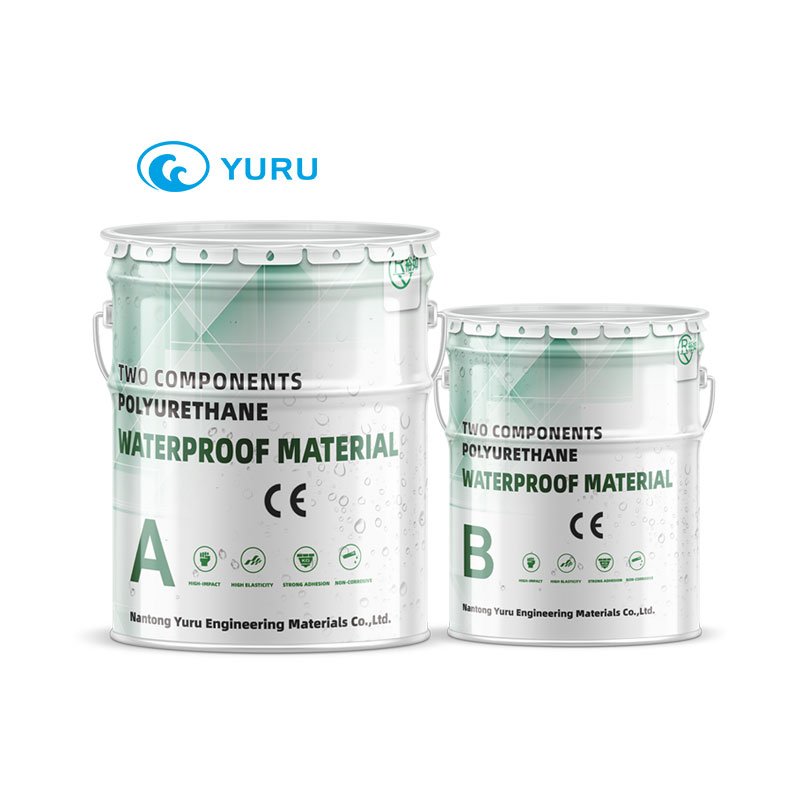
- Two-component polyurethane coating
- Silicone waterproof coating solutions
- High-performance systems for industrial applications
YURU emphasizes:
- Controlled manufacturing processes.
- Stable formulation systems.
- Consistent batch quality.
- Support for bulk supply and engineering projects.
For contractors and distributors, supply stability and technical support reduce project uncertainty.
FAQs
1. What is the most durable roof waterproofing paint?
Polyurea and high-performance silicone coatings typically offer the longest service life under demanding conditions.
2. Is polyurethane good for flat roofs?
Yes. Polyurethane is highly elastic and suitable for concrete flat roofs, especially when reinforced with fabric.
3. How many coats are required for roof waterproofing?
Most systems require at least two to three coats. In demanding environments, a three-coat-and-one-fabric system is recommended.
4. How often should roof waterproofing be reapplied?
This depends on the material type and exposure conditions. High-performance systems can last 10–20 years with proper maintenance.
5. Can waterproofing paint be applied over old membranes?
Yes, but proper surface preparation and compatibility testing are essential.
Conclusion
The best waterproofing paint for roof applications is determined by:
- Roof material
- Climate exposure
- Structural movement
- Water accumulation risk
- Installation method
- Polyurethane offers strong elasticity for concrete roofs.
- Silicone excels under ponding water conditions.
- Polyurea delivers industrial-grade durability.
- Acrylic suits light-duty reflective applications.
A system-based approach, including reinforcement and correct thickness control, ensures long-term performance.
YURU Product solutions