Can Polyurethane Foam Insulation Be Used for Wall Insulation?
Summary
Wall insulation plays a important role in modern construction. Whether is the housing, commercial buildings, or industrial facilities, properly insulated walls can improve energy efficiency and indoor comfort. In recent years, polyurethane foam insulation has become a popular solution for builders and engineers.
Many construction professionals ask a common question: Can polyurethane foam insulation be used for wall insulation? The short answer is yes. Because of its strong thermal resistance and durability.
This article introduces how pu foam insulation works in wall insulation and the advantages about it.
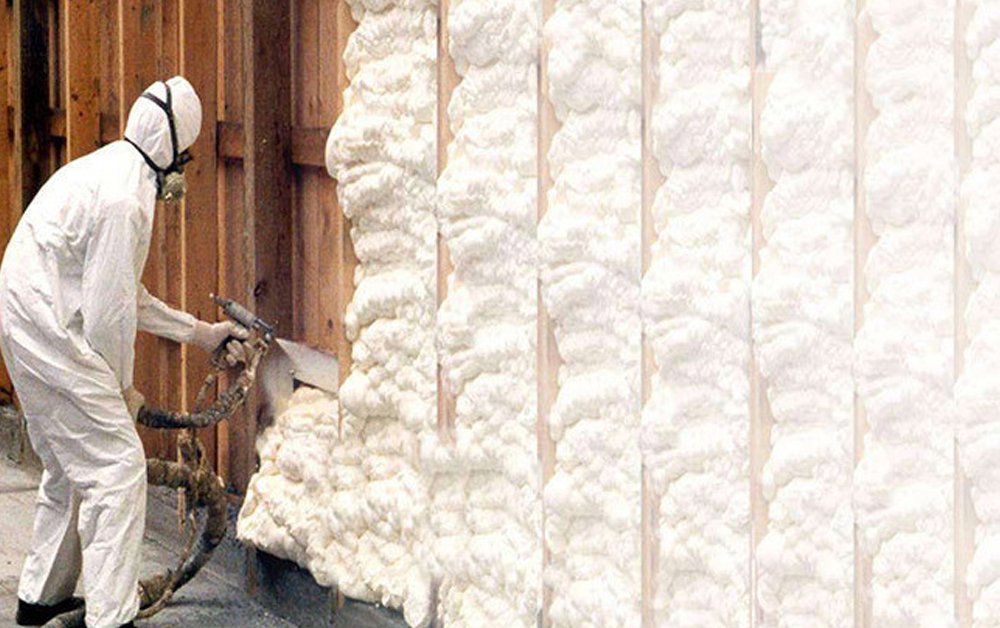
What Is Polyurethane Foam Insulation and Why Is It Suitable for Wall Insulation?
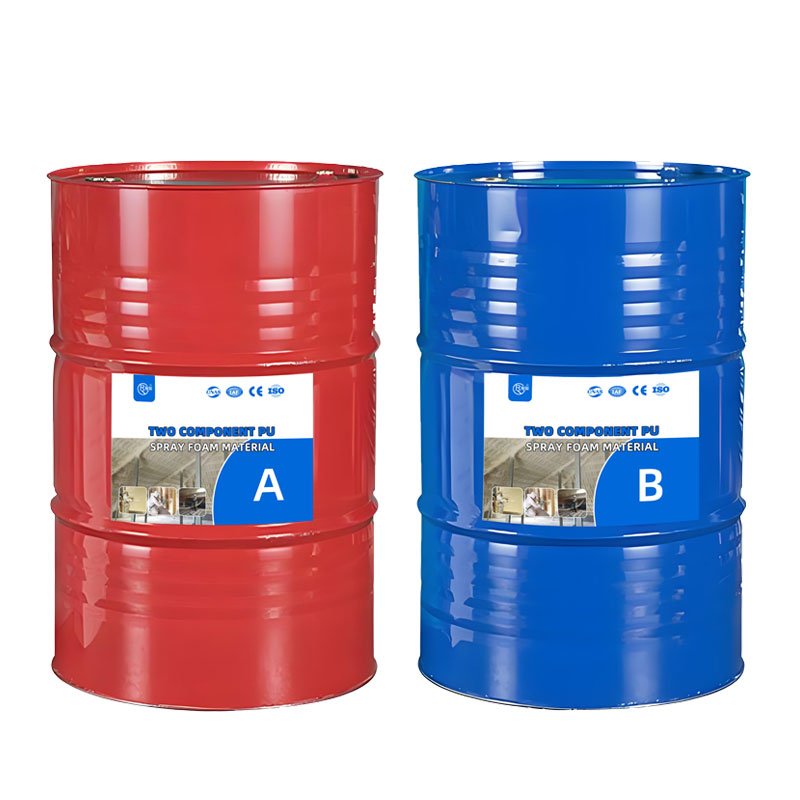
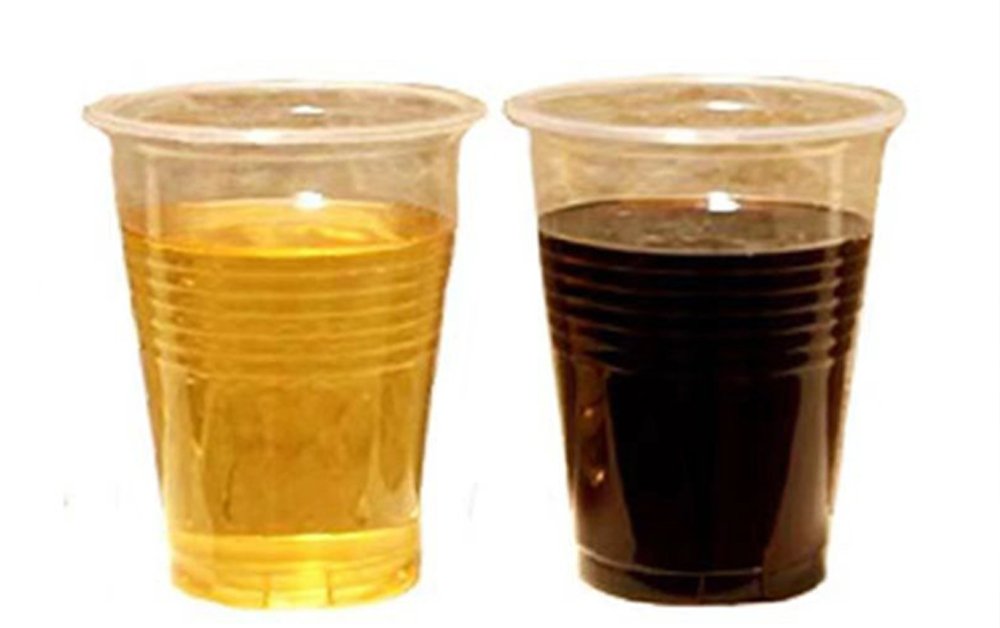
The pu foam insulation is a high-performance material, it has two liquid components. When the two components mix, they expand and form a foam structure. These structures trap insulating gases that slow down heat transfer.
Because of this structure, pu foam insulation offers great insulation values among the other commonly construction materials.
There are generally two main forms used in building applications:
Spray polyurethane foam (SPF)
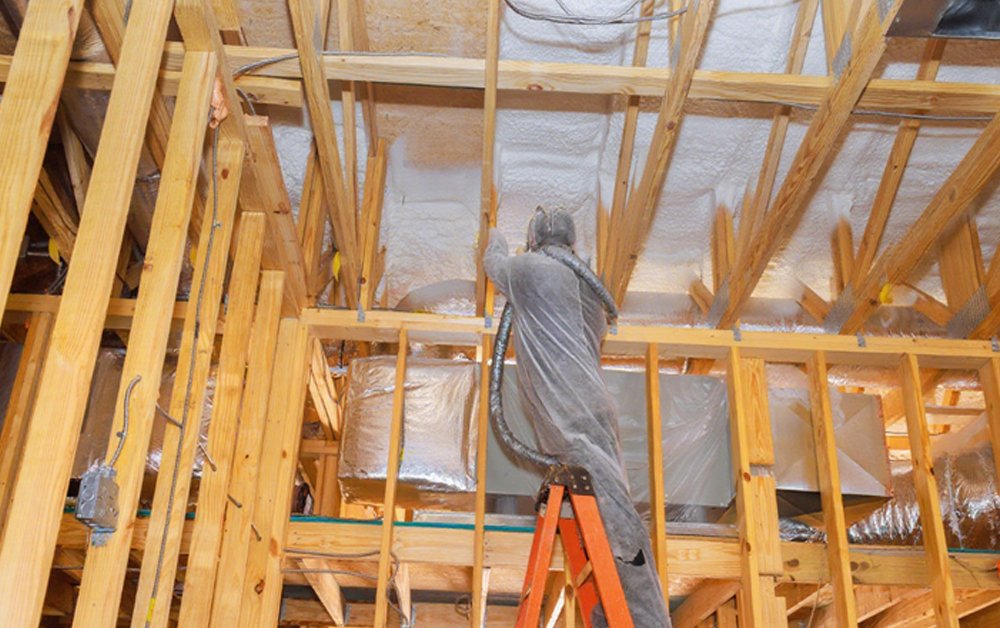
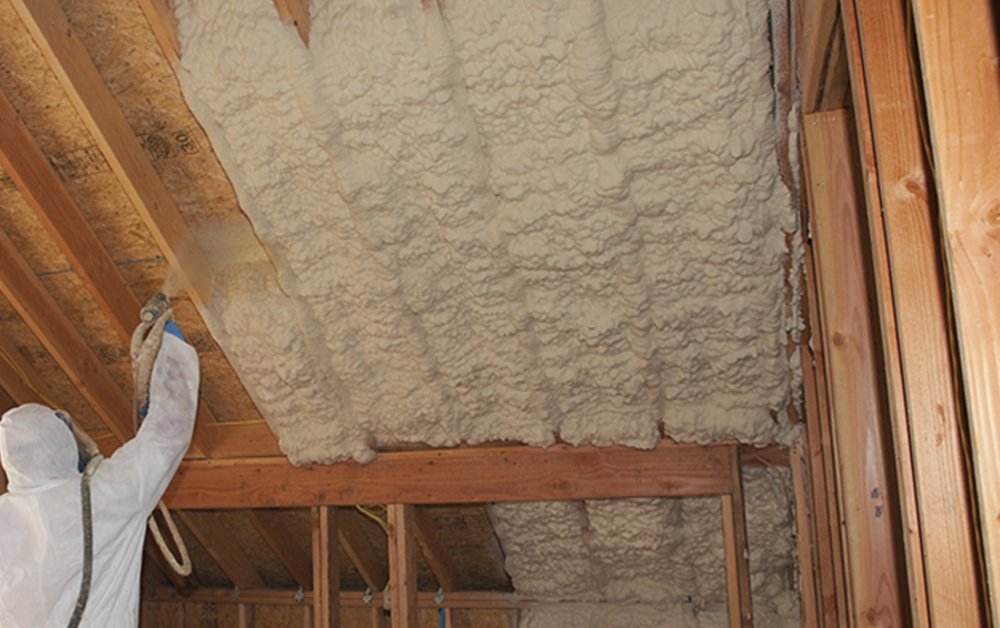
This type is applied directly onto surfaces using specialized equipment. The foam expands and fills gaps, cracks within the wall structure.
Rigid polyurethane insulation boards
These panels are manufactured in controlled factory environments and installed within wall or roof assemblies.
For wall insulation, spray foam effect is excellent because it can create a continuous barrier that covers irregular surfaces and penetrations. Traditional insulation materials may leave small gaps where air can pass through. Spray polyurethane foam will slove it.
Another important advantage is adhesion. Polyurethane foam insulation bonds strongly with any materials, like concrete, brick, steel, and wood. This strong adhesion contributes to stable performance.
Because of these characteristics, polyurethane foam insulation is widely used in both new construction and building renovation projects.
Key Advantages of Using Polyurethane Foam Insulation for Walls
One of the main reasons polyurethane foam insulation has gained widespread attention is its various performance benefits.
Excellent Thermal Insulation
The most obvious benefit is its strong heat insulation. Polyurethane foam insulation has a low thermal conductivity compared with other traditional insulation products. This allows designers to achieve good insulation performance.
In practical terms, better insulation helps maintain stable indoor temperatures. Buildings stay warmer in winter and cooler in summer, reducing the workload on heating and cooling systems.
Improved Energy Efficiency
Walls are one of the largest surfaces in a building envelope. Building owners can reduce heating and cooling costs over the long term.
Many modern building codes now emphasize energy efficiency. Using advanced insulation materials such as polyurethane foam helps meet these standards while supporting sustainable building practices.
Effective Air Sealing
Air leakage is often overlooked when evaluating building performance.
Spray polyurethane foam insulation expands after application and fills these gaps, creating an effective air barrier, avoid conditioned air to escape and outside air to enter. This improves comfort.
Space Efficiency
In urban construction, maximizing usable interior space is important. Because polyurethane foam insulation can provide high insulation value with relatively thin layers. It saved space.
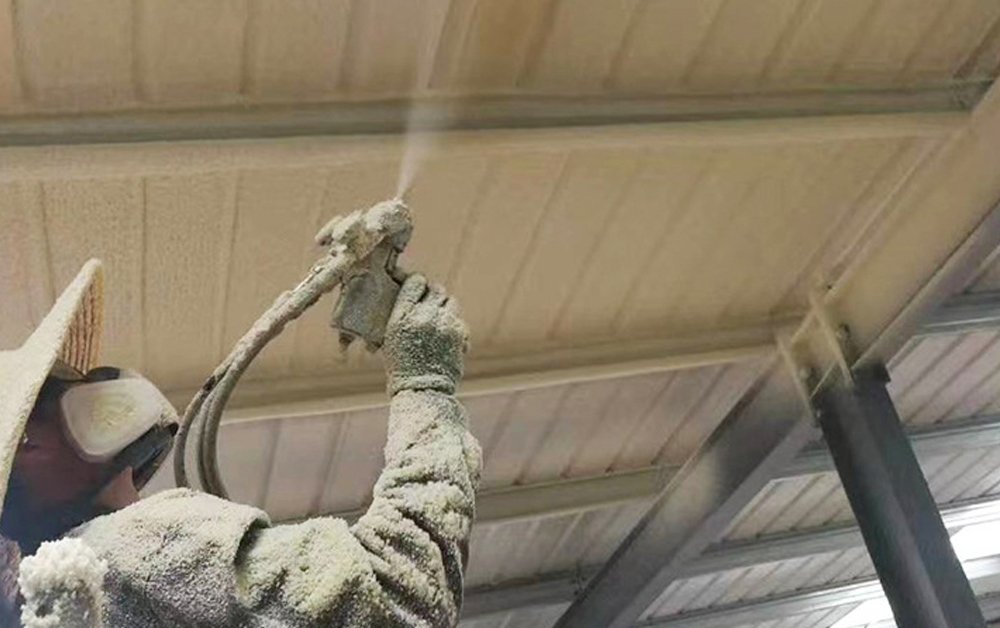
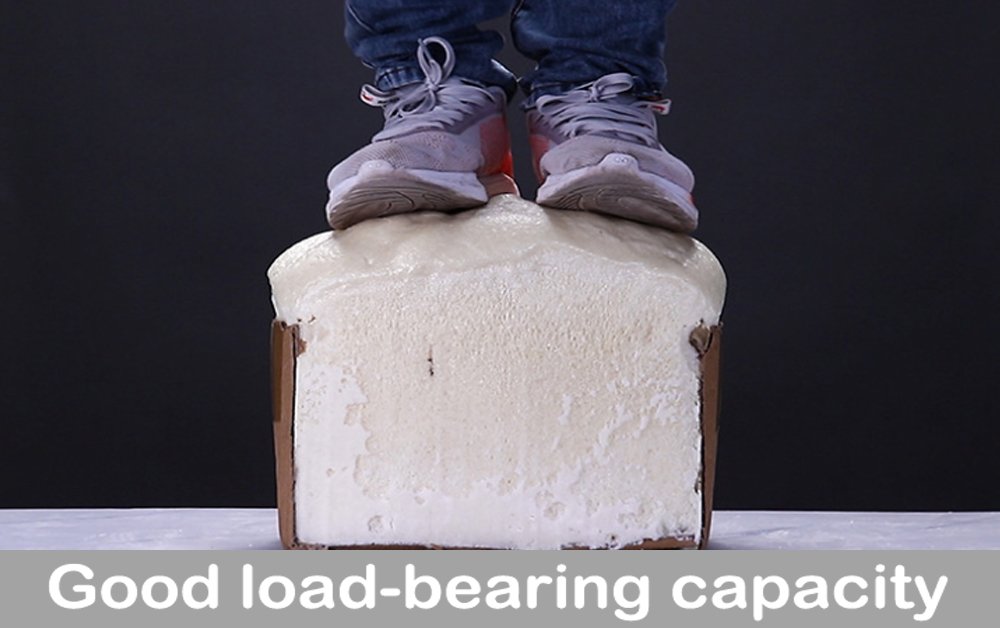
Types of Wall Structures That Can Use PU Foam Insulation
Polyurethane foam insulation is flexibility. It can be used with a wide range of wall types.
Concrete Walls
Concretes are very common in various building, commercial facility, and infrastructure projects. Applying polyurethane foam insulation on concrete walls helps improve thermal resistance.
Brick and Masonry Walls
Traditional masonry walls often require additional insulation. Spray polyurethane foam can be applied to interior wall cavities or exterior surfaces before installed.
Steel Structure Buildings
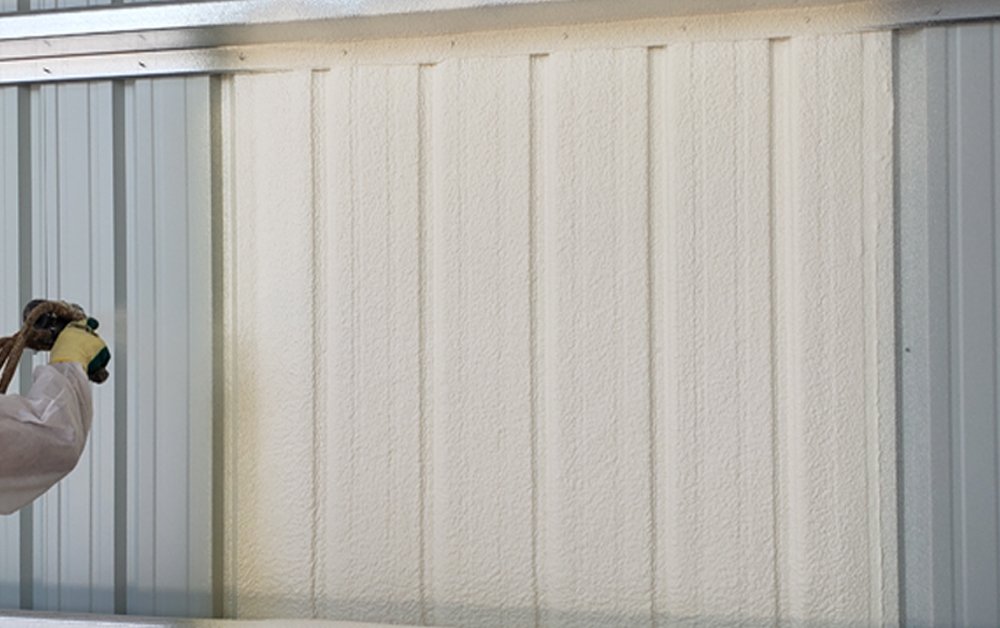
Steel structures are used in industrial plants, warehouses. Because steel conducts heat easily, so the insulation performance is essential. Polyurethane foam insulation can satisfy this requirement.
Prefabricated Wall Panels
Rigid polyurethane foam boards are sometimes integrated into sandwich panels. These panels have structural strength and insulation performance.
How Polyurethane Foam Insulation Is Applied to Wall Systems?
The installation process can affect performance. Proper application ensures effective insulation.
Surface Preparation
Before applying, the wall surface must be clean and dry. Dust, oil, and loose particles should be removed that can ensure proper adhesion.
Spray Application
Using specialized equipment, the construction personnel applies the material in layers, precisely controlling the thickness of the foam layer to achieve the required thickness.
The two liquid components are mixed at the spray nozzle. The mixture expands rapidly when it contacts the wall surface. The expansion process allows the foam to fill cavities.
Thickness Control
Depending on climate conditions and building design, different insulation thicknesses may be required. Professional installers monitor the application carefully to ensure uniform coverage.
Protective Coatings or Finishes
After the foam cures, additional layers such as protective coatings or interior finishes may be applied. These layers not only protect the insulation, but also improve the appearance of the wall.
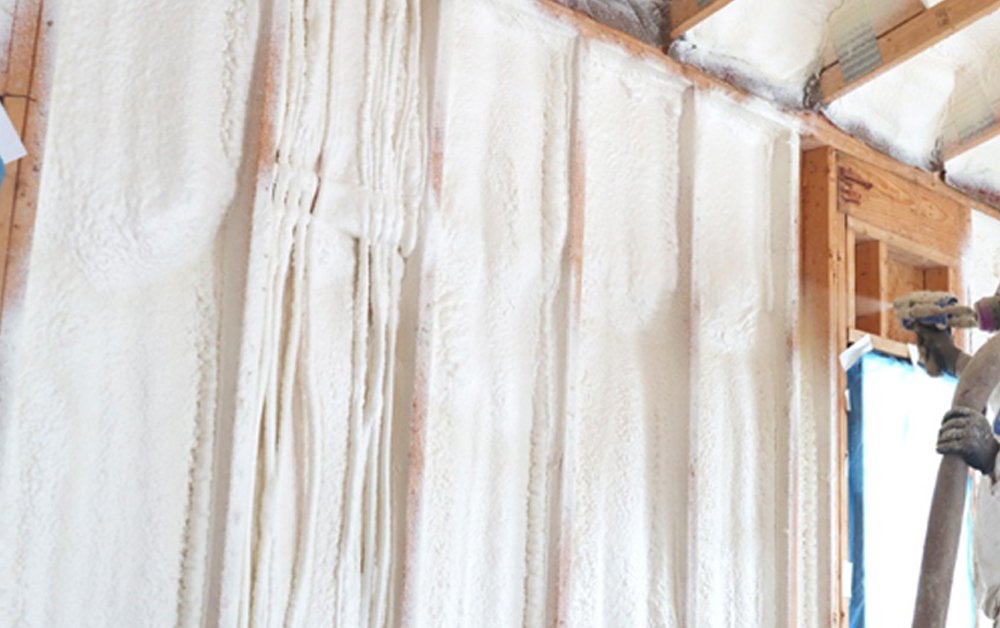
Moisture Protection and Waterproofing Benefits for Walls
Moisture and water leakage is one of the most common causes of building deterioration. Not only can damage structural components, and reduce insulation effectiveness.
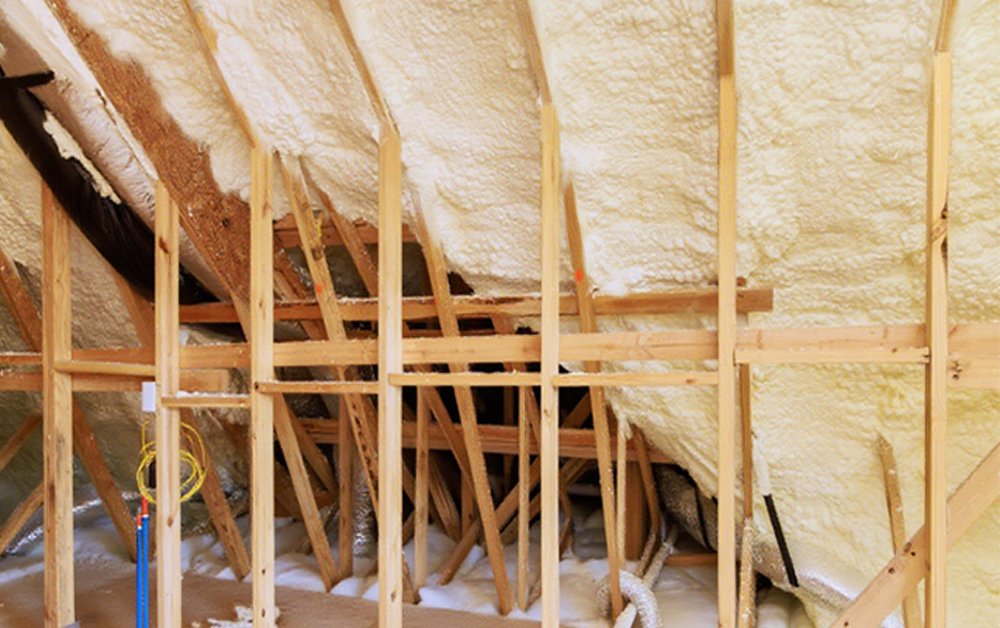
PU foam insulation offers strong resistance to moisture because of its closed-cell structure. Each tiny pore acts as a barrier that slows the movement of water and vapor.
This characteristic provides several advantages for wall systems:
- Reduce the risk of moisture ingress
- Enhance moisture resistance in humid climates
- Minimize the likelihood of condensation forming within wall cavities
By limiting moisture movement, pu foam insulation can maintain stable indoor conditions and protects building.
How to Choose High-Quality Polyurethane Foam Insulation Products?
Selecting the right insulation product is essential for ensuring reliable building performance. Before making a purchasing decision, contractors and project managers should evaluate several factors.
Thermal Performance Ratings
The insulation material should meet the thermal resistance requirements specified by building codes and project specifications.
Density and Cell Structure
Higher density foam generally provides better strength and moisture resistance. Closed-cell structures are often preferred for wall insulation applications.
Fire Safety Compliance
Building materials must comply with local fire safety regulations. It is important to confirm that insulation products meet safety standards.
Manufacturer Experience
Partnering with experienced manufacturers not only can ensure product consistency, also have reliable technical support during construction.
YURU Waterproof: Supporting Reliable Construction Materials
In construction projects, the quality of materials and the reliability of suppliers are crucial factors.
YURU Waterproof is a professional manufacturer specializing in waterproof coatings, grouting materials, and floor coatings, thier products often used in construction and infrastructure projects. The company focuses on providing practical solutions for contractors, distributors, and engineering companies.
YURU Waterproof helps customers obtain reliable materials for construction and renovation projects.
FAQs
1. Can polyurethane foam insulation be used for wall insulation?
Yes. PU foam insulation materials can be used in walls.
2. What types of walls can use pu foam insulation?
It can be used with concrete walls, brick masonry walls, steel structure walls.
3. Is polyurethane foam insulation waterproof?
Closed-cell pu foam provides strong resistance to water and moisture.
4. How long does PU foam insulation last?
If installed properly, polyurethane foam insulation can last for decades.
5. Can polyurethane spray foam insulation be used in renovation projects?
Yes. Spray foam is often used in renovations.
Conclusion
Wall insulation is one of the most important factors influencing a building’s energy efficiency and long-term durability.
Polyurethane foam insulation has proven to be an effective solution for wall insulation. Its high thermal resistance, strong air sealing capability, moisture protection, and versatility make it suitable for construction applications.
From residential housing to large industrial facilities, polyurethane foam insulation can be used in a wide range of settings.
Contact YURU Waterproof can get high-quality products and professional support
YURU Product solutions