Chemical Grout Injection: The Professional Guide to Leak Sealing and Soil Stabilization
Introduction:
Chemical grouting is a proven solution for leak sealing and soil stabilization engineering. From subway tunnels and basements to dams, chemical grouting has been widely used for construction-based leak sealing from within structures or foundations.
This guide will explain the performance of grouting materials, application scenarios, and supplier evaluation, and how YURU Waterproof provides grouting solutions for infrastructure projects worldwide.
1. What Is Chemical Grout Injection?
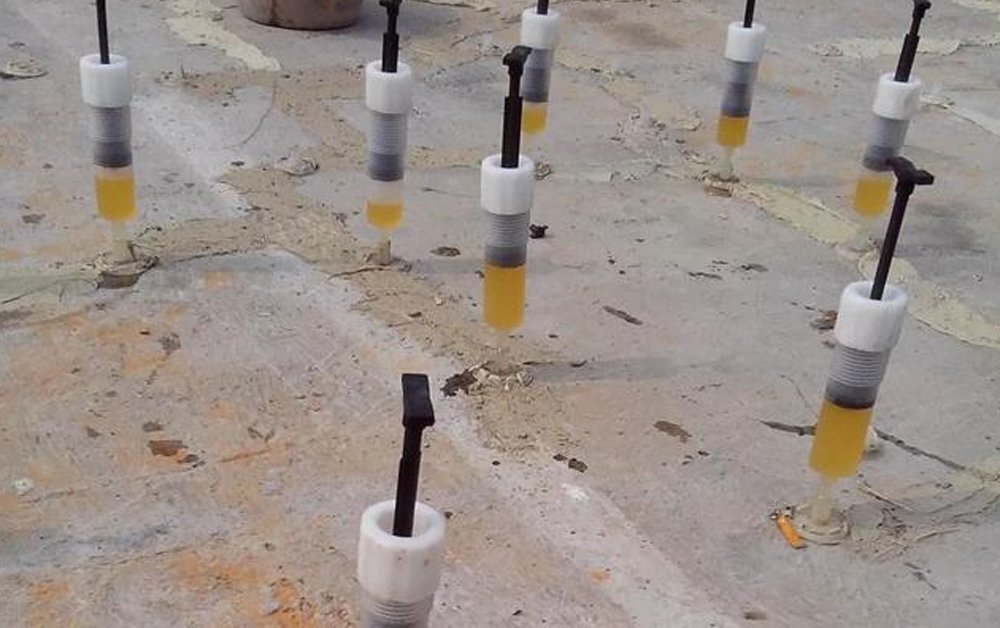
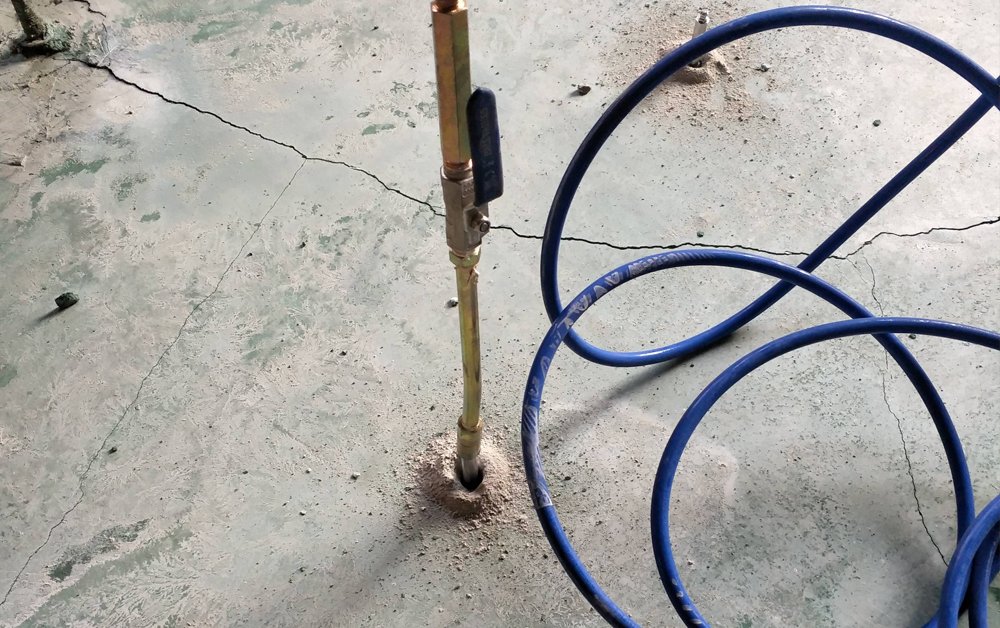
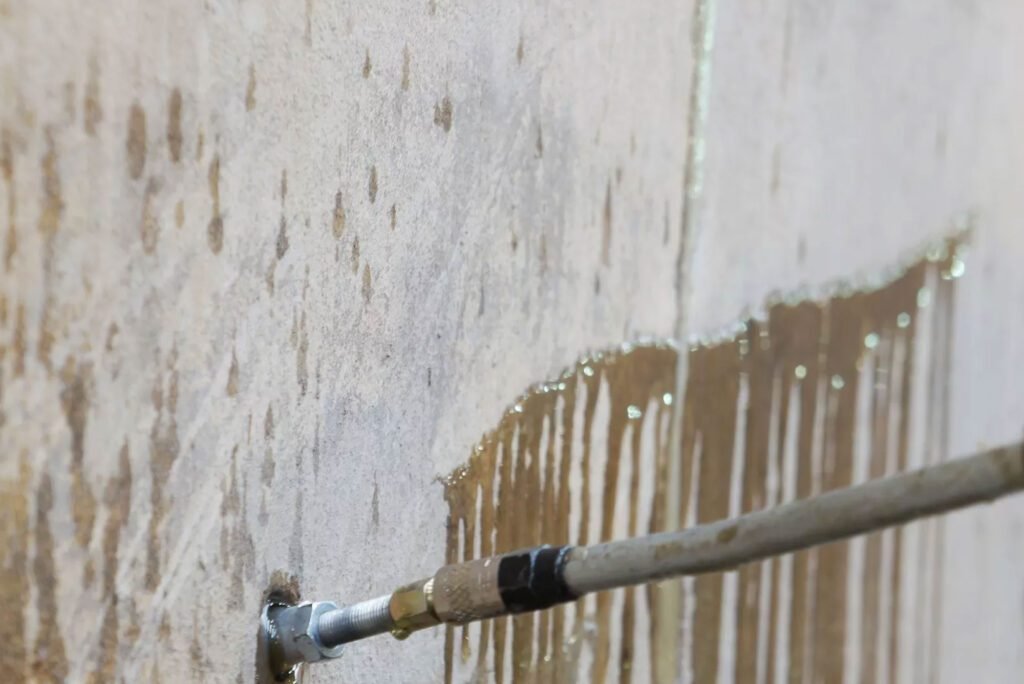
Chemical grout injection is an engineering technique based on the synergistic effect of fluid dynamics and material chemical reactions. It involves injecting a chemical grout into cracks, joints, voids, or soil pores. After injection, the material undergoes a chemical reaction, forming a solid, gel, or elastomer, thereby:
- Blocks water pathways
- Bonds with surrounding substrates
- Improves ground strength or reduces permeability
Chemical Grout Vs Cementitious Grout
| Aspect | Cement Grout | Chemical Grout |
| Viscosity | High | Very low |
| Penetration | Limited | Excellent |
| Reaction | Hydraulic setting | Chemical reaction |
| Crack size | ≥ 0.3 mm | Micro-cracks & pores |
| Elasticity | Low | Adjustable |
Chemical grouts are therefore preferred when fine fissures, active leaks, or soil permeability control are involved.
2. Core Applications: Leak Sealing VS Soil Stabilization
Although the same injection equipment may be used, leak sealing and soil stabilization require fundamentally different material behaviors.
2.1 Leak Sealing (Water Control)
Leak sealing focuses on stopping water movement through:
- Construction joints
- Expansion joints
- Cold joints
- Structural cracks
Key performance priorities include:
- Reaction speed
- Water reactivity
- Adhesion to wet substrates
2.2 Soil Stabilization
Soil stabilization aims to:
- Reduce soil permeability
- Increase shear strength
- Prevent erosion or piping
Penetration depth, flexibility, and long-term durability are often more important than rapid expansion.
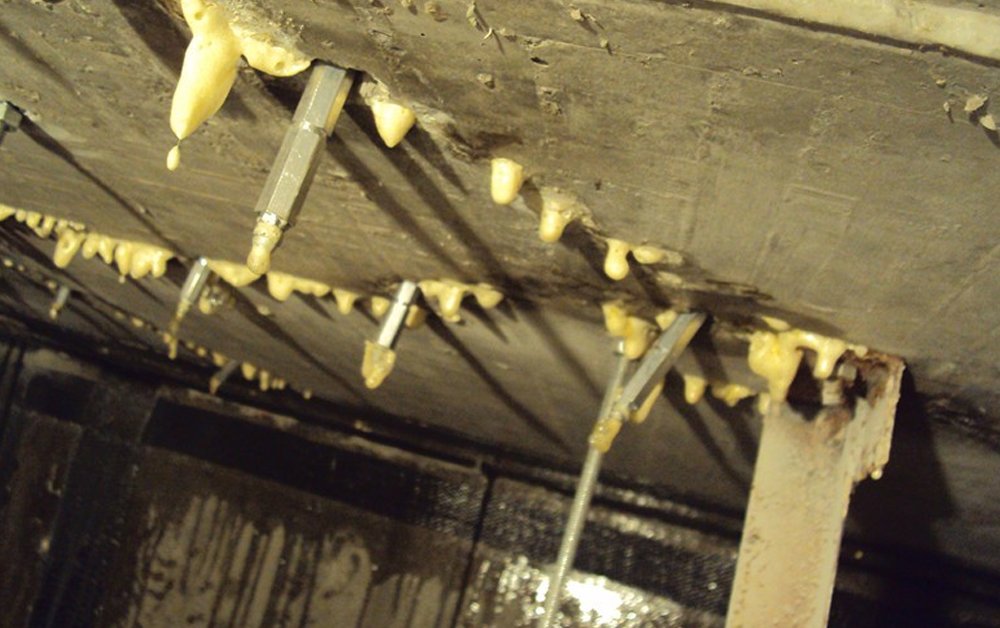

3. Main Types of Chemical Grouting Materials and Their Applications
3.1 Polyurethane (PU) Grouting Materials
Hydrophobic PU Grout
- Reacts with water to form expanding foam.
- Rapid reaction (seconds to minutes).
- Excellent for emergency leak stopping.
Typical applications:
- High-pressure water ingress
- Active flowing leaks
- Temporary or first-stage sealing
Hydrophilic PU Grout
- Reacts with water to form elastic gel.
- Slower, controllable reaction.
- Maintains flexibility over time.
Typical applications:
- Long-term crack sealing
- Joints subject to movement
- Secondary sealing after hydrophobic treatment
3.2 Acrylate Grouting Materials
Acrylate grouts are ultra-low viscosity systems designed for deep penetration.
Key characteristics:
- Water-like viscosity
- Adjustable gel time
- Excellent soil permeability reduction
Typical applications:
- Curtain grouting
- Tunnel linings
- Dam foundations
- Environmental sealing projects
Acrylate grouts are often chosen where uniform soil treatment is required rather than localized leak blocking.
3.3 Epoxy Grouting Materials
Epoxy grouts are structural in nature.
Key characteristics:
- High strength
- Strong adhesion
- Minimal flexibility
Typical applications:
- Structural crack repair
- Load-bearing concrete restoration
They are not ideal for active water leaks but play a role in structural rehabilitation after water control is achieved.
4. How to Select the Right Chemical Grouting Solution?
4.1 Key Selection Parameters
Engineers should evaluate:
- Water pressure level
- Crack or void geometry
- Required service life
- Structural movement expectations
- Environmental and regulatory constraints
4.2 Typical Selection Logic
| Condition | Recommended Approach |
| Active flowing water | Hydrophobic PU |
| Long-term flexible sealing | Hydrophilic PU |
| Soil permeability control | Acrylate grout |
| Structural bonding | Epoxy grout |
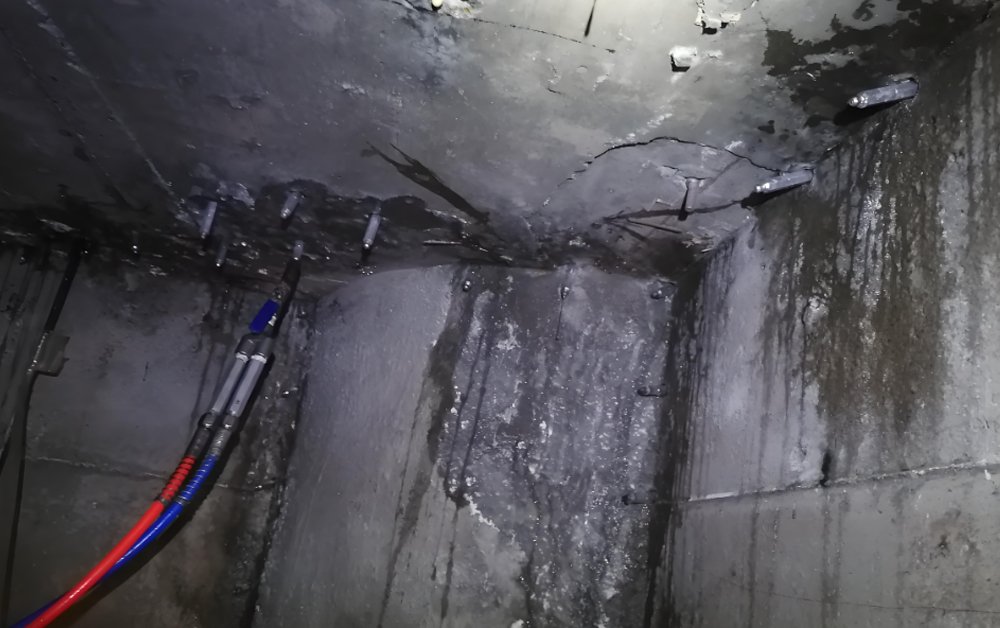
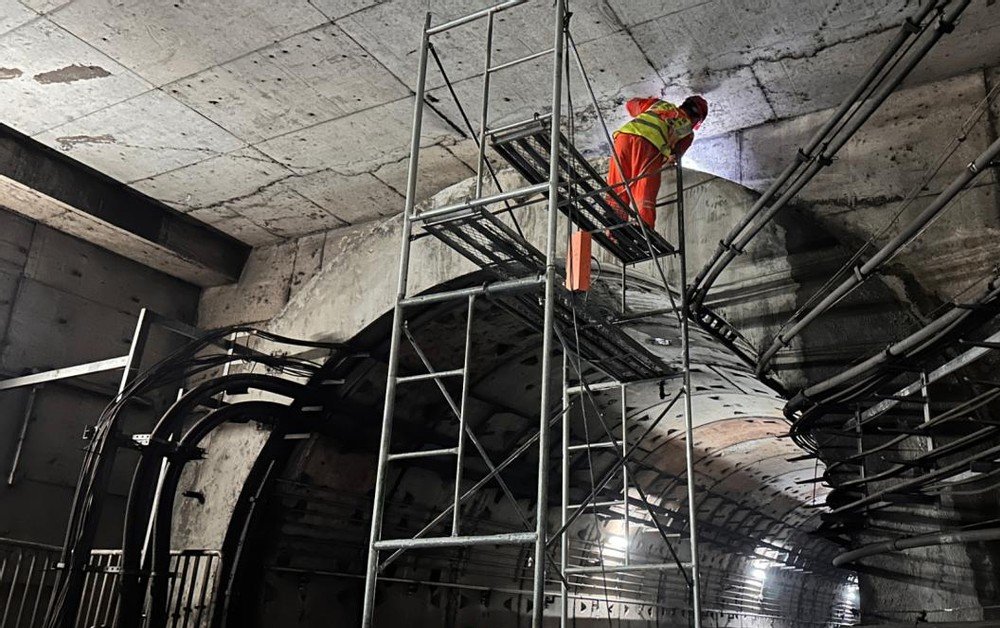
In many infrastructure projects, multi-stage grouting systems deliver the most reliable results.
5. Construction Practicality and Risk Control
From a contractor’s perspective, chemical grouting success depends on predictability and control.
5.1 Reaction Time Control
Materials with adjustable gel time reduce:
- Premature setting
- Equipment blockage
- Incomplete penetration
5.2 Injection Pressure Management
Excessive pressure can:
- Widen cracks
- Cause grout loss
- Damage surrounding structures
Professional suppliers provide clear injection guidelines tailored to each material.
6. Evaluating a Professional Chemical Grout Supplier
Selecting the right supplier is as critical as selecting the material.
Key evaluation criteria include:
- Complete technical datasheets
- Independent test reports
- Multiple material systems
- Engineering support capability
- Proven infrastructure references
7. YURU Waterproof: System-Based Chemical Grouting Solutions
At YURU Waterproof, chemical grouting is approached as a system, not a single product.
Our portfolio includes:
- Hydrophobic PU grouts
- Hydrophilic PU grouts
- Acrylate grouting systems
- Epoxy resin grouts
- Polyurea grouting
Each project is evaluated based on:
- Leak behavior
- Structural conditions
- Environmental requirements
This allows YURU to recommend combined grouting strategies. For example, rapid hydrophobic sealing followed by flexible hydrophilic or acrylate reinforcement, delivering reliable, long-term performance in demanding infrastructure environments.
FAQs – Chemical Grout Injection
1. Can chemical grouting stop high-pressure water leaks permanently?
Yes, when the correct material system and application sequence are used.
2. How long does chemical grouting last?
Depending on material type and conditions, service life can exceed 20 years.
3. Can different grouts be used together?
Yes. Multi-stage systems are common in professional infrastructure projects.
4. What equipment is required for chemical grout injection?
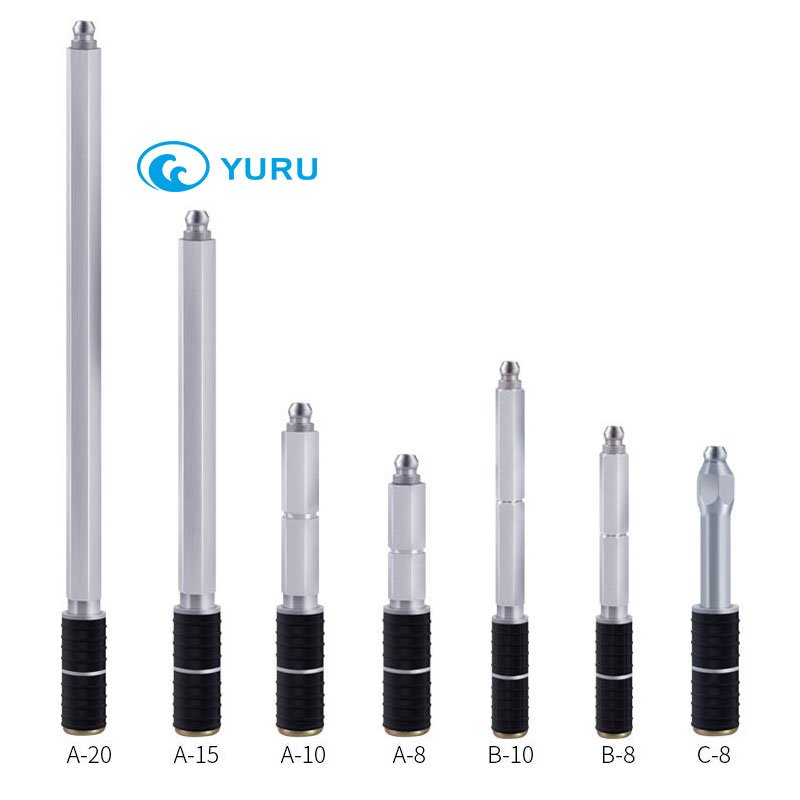
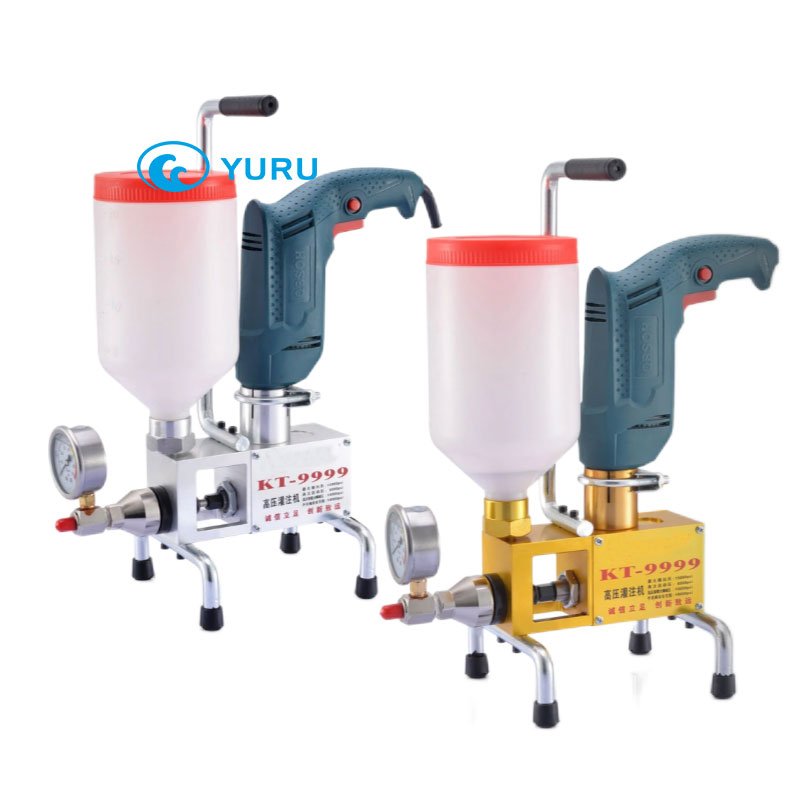
High-pressure injection pumps, packers, and proper safety equipment are essential.
Conclusion
Chemical grout injection is not a shortcut solution. It is a precision engineering method that requires the right material, the right sequence, and the right technical support.
Choosing the correct grouting system is often more important than choosing the most expensive product.
Contact YURU Waterproof today for project-specific chemical grouting recommendations, technical data, and sample support.
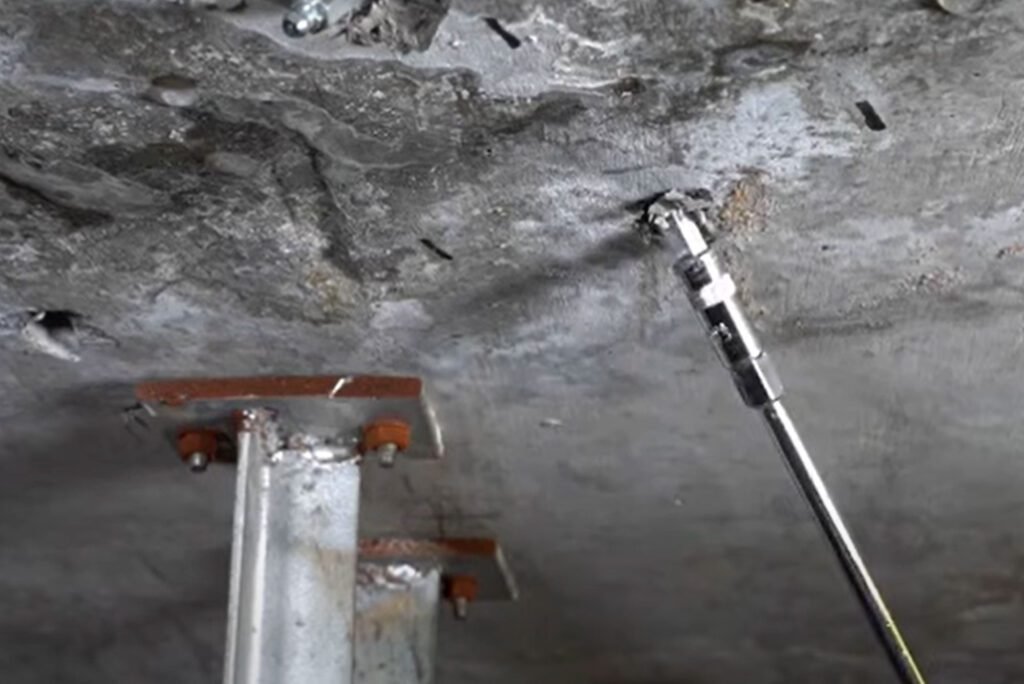
YURU Product solutions