Choosing Chemical Grouting Material for Tunnels | YURU
Introduction:
Water leakage is a persistent and challenging problem in tunnel construction and operation, causing structural damage and impacting the overall project’s usability. This issue exists in urban subway systems, highway tunnels, railway corridors, and hydropower projects. Therefore, the existence of chemical grouting materials can address this problem.
Chemical grouting materials are not merely “leak-stopping products.” They interact with groundwater pressure, geological conditions, and structural displacement, and can persist for decades.
Choosing the wrong grouting material can lead to repeated leaks, repeated repairs, and high costs. Conversely, choosing the right system can effectively stop water leakage, stabilize geological conditions, and extend the tunnel’s lifespan.
This guide focuses on how to select chemical grouting materials specifically for tunnel applications. It also explains how YURU’s multi-resin grouting system supports different tunnel conditions with proven reliability.
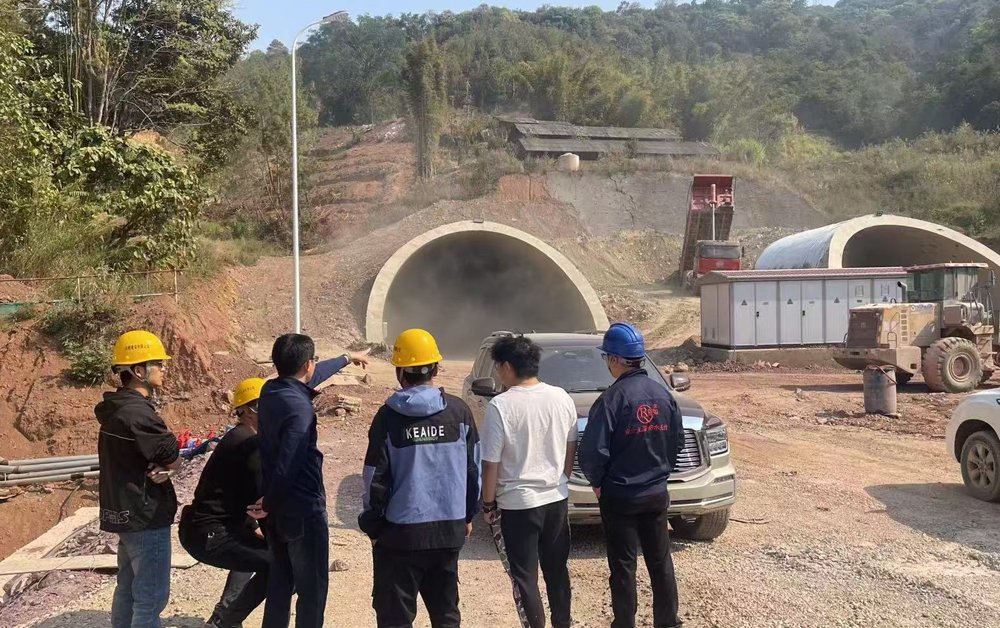
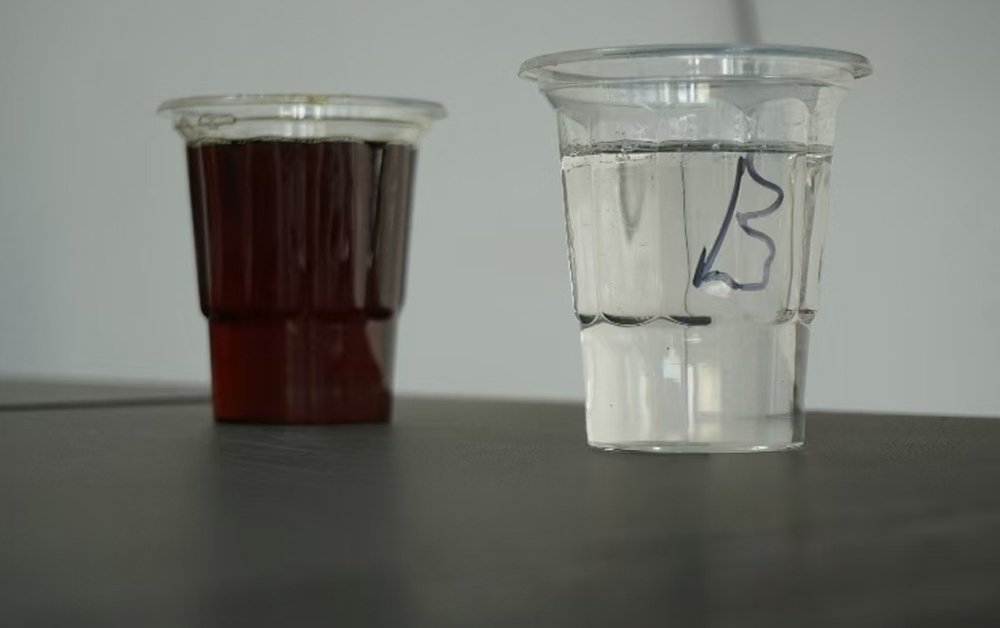
1. Why Tunnel Projects Require Careful Selection of Chemical Grouting Materials?
Unlike surface waterproofing, tunnel grouting must address three simultaneous challenges:
- Active or potential water flow
- Limited accessibility after completion
- Long-term structural movement
1.1 Common Water-Related Problems in Tunnels
Typical leakage scenarios include:
- High-pressure groundwater inflow through rock fissures.
- Seepage along construction joints and cold joints.
- Water migration through segmental lining joints.
- Leakage induced by differential settlement or ground movement.
Each of these conditions demands different material behavior. A fast-expanding grout that works well in emergency situations may fail under long-term deformation.
Conversely, a flexible grout may not withstand sudden high-pressure inflow.
1.2 Why “One Universal Grout” Does Not Exist:
One of the most common mistakes in tunnel projects is the assumption that a single grouting material can solve all leakage problems.
In reality, tunnel grouting must be condition-driven, not product-driven.
The effectiveness of any grouting material depends on:
- Water pressure level
- Crack width and connectivity
- Substrate type (rock, concrete, mixed ground)
- Expected service life
Professional tunnel projects often rely on multiple grouting materials used sequentially or in combination.
2. Five Key Conditions to Evaluate Before Selecting Tunnel Grouting Materials
2.1 Groundwater Pressure and Flow Rate
Water pressure determines whether the grouting material must respond immediately or can penetrate slowly.
- High-pressure inflow requires materials with rapid response and high expansibility.
- Low-pressure seepage allows for deeper penetration and flexible sealing.
A mismatch between response rate and water pressure often results in grouting material being washed away or incomplete sealing.
2.2 Crack Geometry and Pore Structure
Tunnel leakage rarely occurs in simple cracks.
They typically involve:
- Interconnected cracks
- Micropores within concrete or rock
- Surrounding porous soil layers
Low-viscosity materials are crucial when penetration depth is more important than expansibility.
2.3 Structural Displacement and Deformation
Tunnels are dynamic structures.
Thermal cycling, traffic loads, and foundation settlement all contribute to micro-displacements.
If rigid grouting materials cannot adapt to displacement, they may crack again after curing.
Elastic or hydrophilic materials generally perform better in easily deformable areas.
2.4 Environmental and Durability Requirements
The long-term performance of a tunnel depends on its resistance to:
- Continuous immersion in water
- Chemical erosion by groundwater
- Wet-dry cycles
Durability expectations should always be consistent with the tunnel’s design service life, which typically exceeds 50 years.
2.5 Construction Constraints and Accessibility
Once a tunnel is operational, maintenance access becomes limited and costly. Therefore, a successful first attempt is crucial.
Grouting materials must be compatible with existing equipment, the expertise of construction personnel, and the available time window.
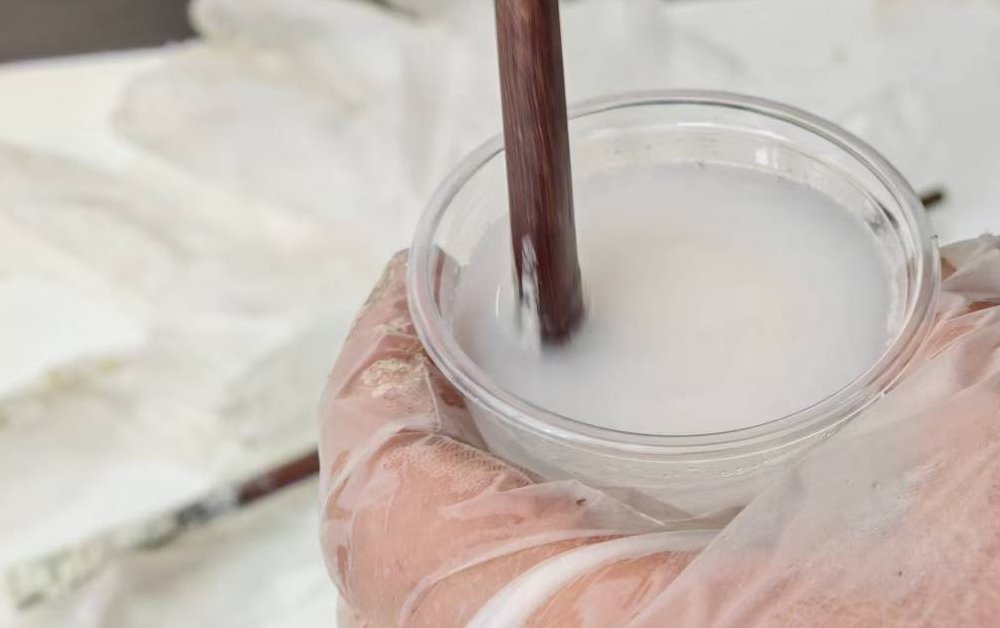
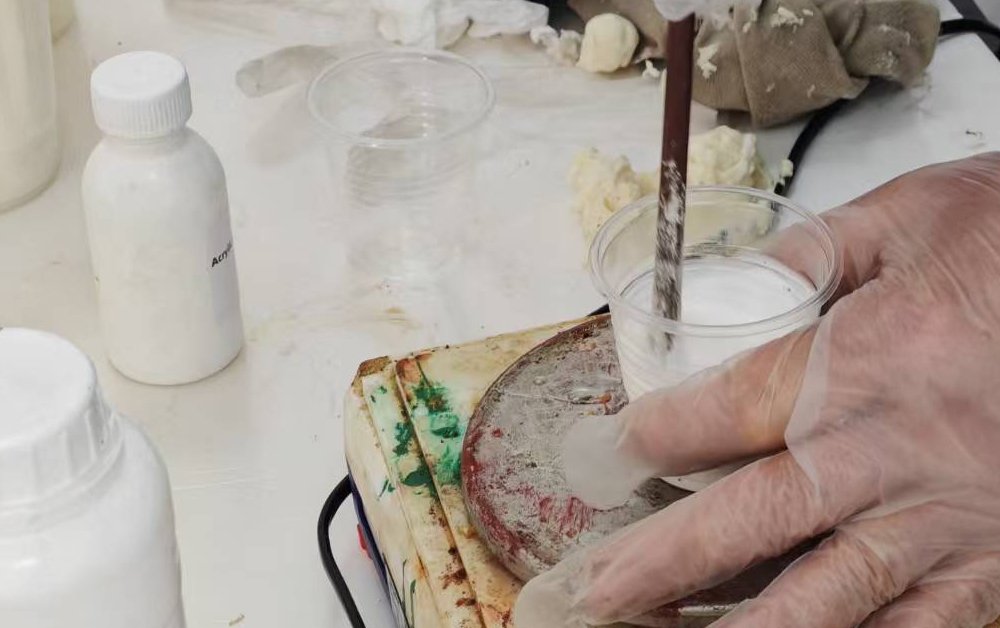
3. Overview of Common Chemical Grouting Materials Used in Tunnels
Chemical grouting materials can be categorized based on reaction mechanism, viscosity, flexibility, and strength. Each category serves a distinct role in tunnel engineering.
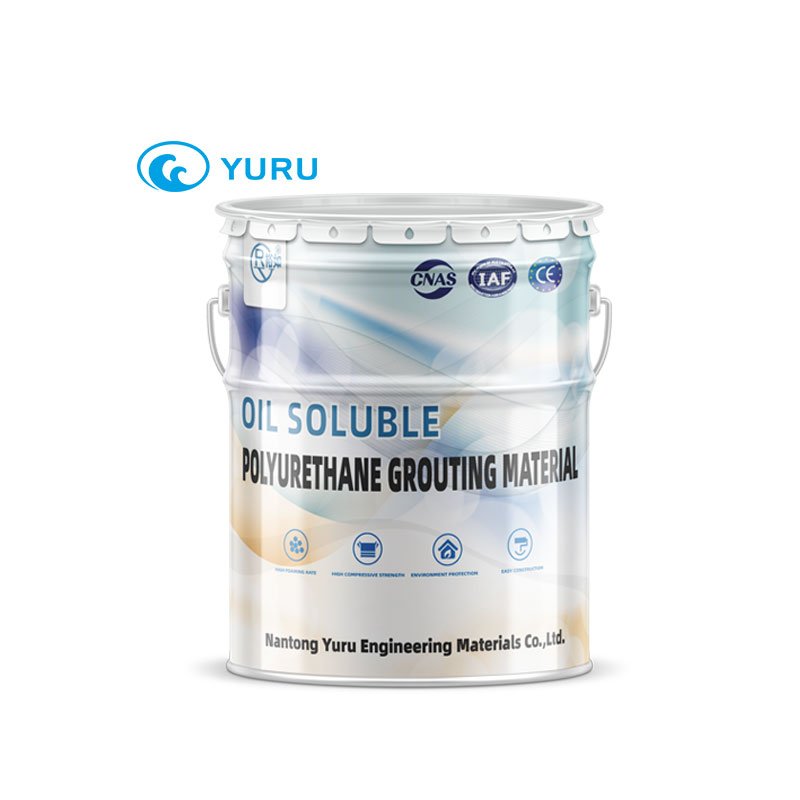
3.1 Hydrophobic Polyurethane Grouting Materials
Hydrophobic polyurethane grouts react rapidly upon contact with water, producing expanding foam that blocks active water flow.
Key characteristics:
- Extremely fast reaction
- High expansion ratio
- Strong water displacement capability
Typical applications:
- Emergency leak sealing
- High-pressure water inflow points
- Sudden groundwater breakthrough
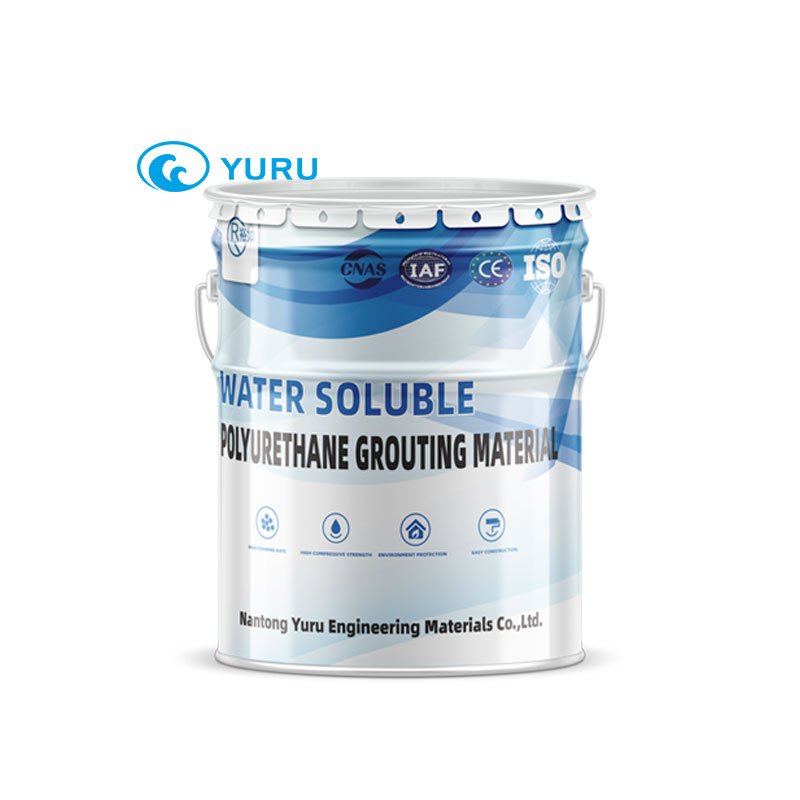
3.2 Hydrophilic Polyurethane Grouting Materials
Hydrophilic polyurethane grouts react with water to form flexible, elastic gels.
Key characteristics:
- Adjustable reaction time
- Low to moderate expansion
- Excellent elasticity
Typical applications:
- Long-term seepage control
- Construction joints and deformation joints
- Areas with repeated wet-dry cycles
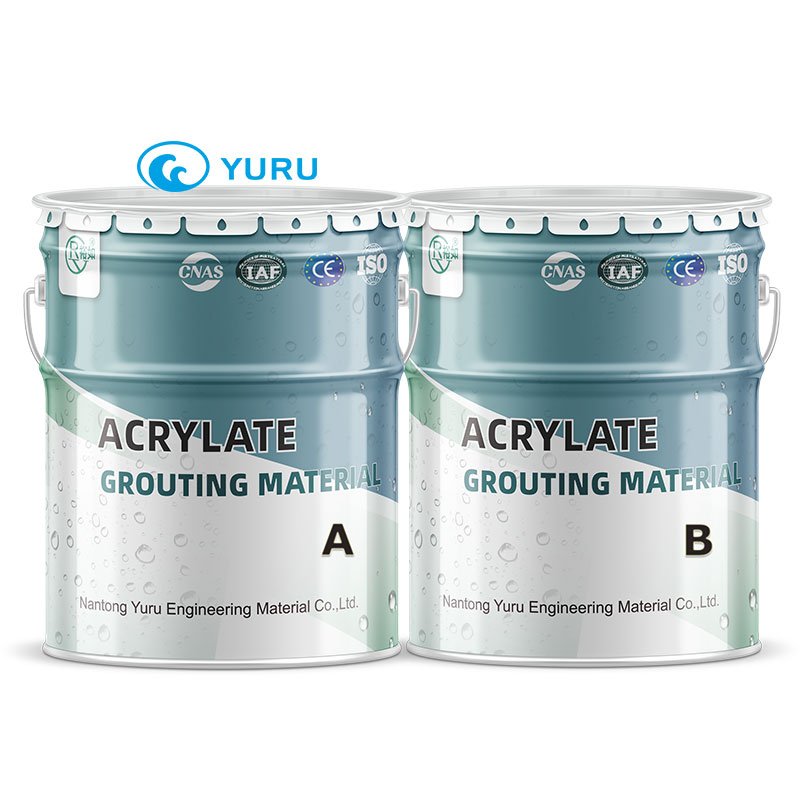
3.3 Acrylate Grouting Materials
Acrylate grouts are known for their ultra-low viscosity, often comparable to water.
Key characteristics:
- Exceptional penetration capability
- Adjustable gel time
- Long-term flexibility
Typical applications:
- Curtain grouting
- Fine fissure sealing
- Groundwater cut-off systems around tunnels
3.4 Epoxy Resin Grouting Materials
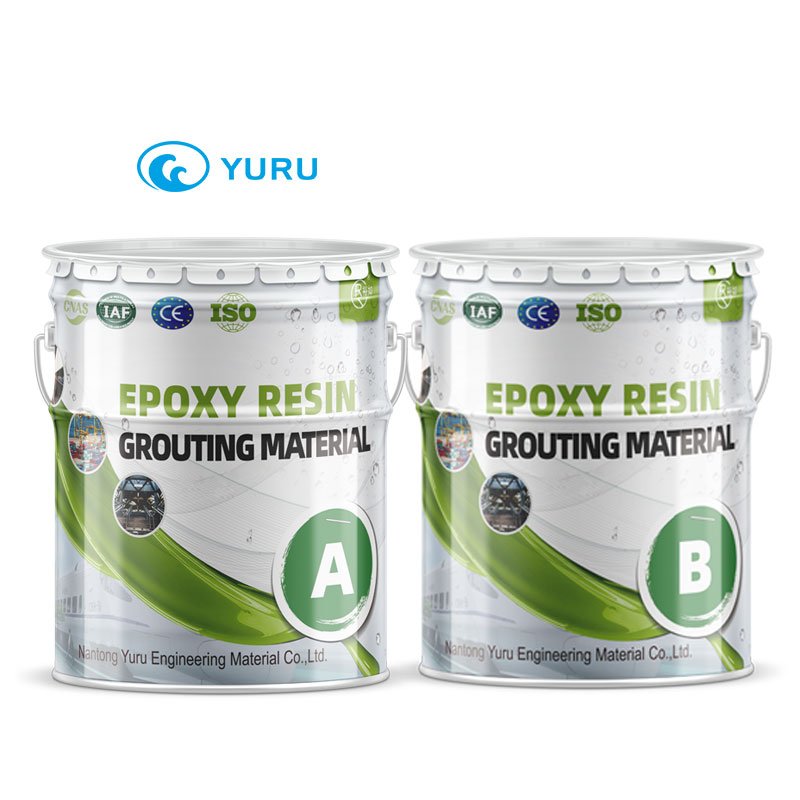
Epoxy resin grouting materials are valued for their structural reinforcement and load-bearing capacity restoration.
Main Characteristics:
- High strength, low shrinkage
- Extremely strong adhesion to concrete
- Forms a rigid structure after curing
Typical Applications in Tunnels:
- Structural repair of concrete cracks
- Areas with cracked lining but no significant water pressure
- Locations requiring extremely high load-bearing capacity and integrity
It should be noted that epoxy resin is not suitable for direct application to cracks with continuous water seepage or high water pressure.
In practical engineering, the common practice is:
- First, use polyurethane or acrylate for waterproofing, then use epoxy resin for structural reinforcement.
This “waterproofing first, reinforcement later” combination significantly improves the long-term stability of the repair.
3.5 Polyurea Grouting Materials
Polyurea grouting materials are a class of high-performance materials that have gained increasing attention in tunnel engineering in recent years.
The core advantages are:
- Fast reaction speed
- Forming a continuous, dense elastomer
- Excellent durability and resistance to chemical corrosion
Compared to traditional polyurethane, polyurea materials exhibit superior stability in long-term water immersion environments.
Applicable scenarios include:
- High-grade tunnel lining water sealing
- Municipal or rail engineering projects with extremely high lifespan requirements
- Highly corrosive groundwater environments
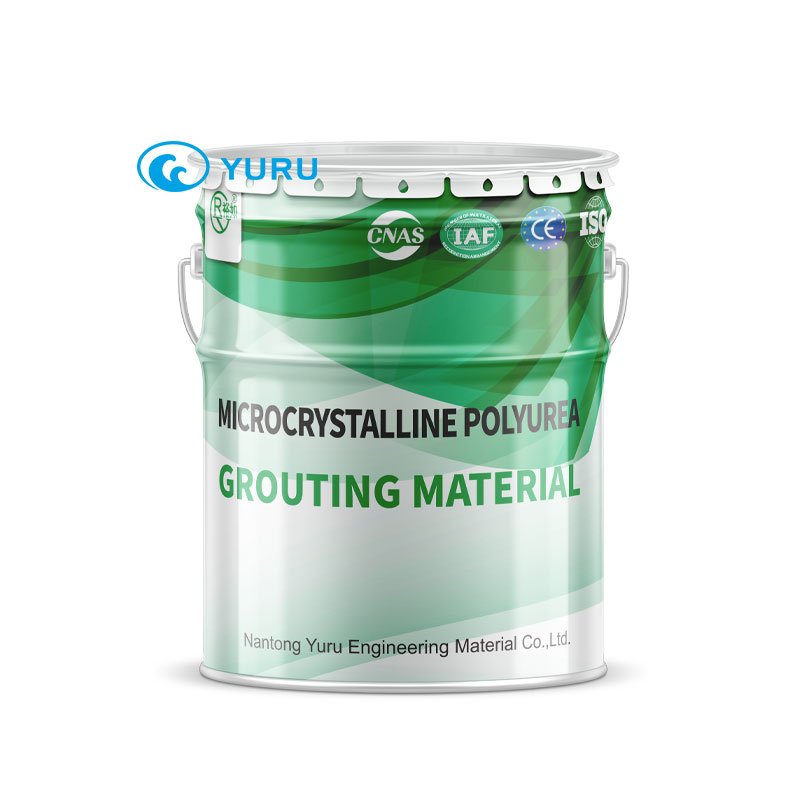
3.6 Microcrystalline Polyurea Grouting Materials
Microcrystalline polyurea is a grouting material based on a further optimized polyurea system, balancing permeability and film-forming properties.
Its technical characteristics include:
- Fineer molecular structure
- Superior crack filling ability
- Good elasticity and fatigue resistance
Applications in tunnel engineering:
- Microcracks and capillary seepage
- Sites requiring extremely high long-term flexible sealing
- Forming composite systems with other grouting materials
In complex tunnel projects, microcrystalline polyurea is often used in the “refined reinforcement” stage, rather than simply for emergency water sealing.
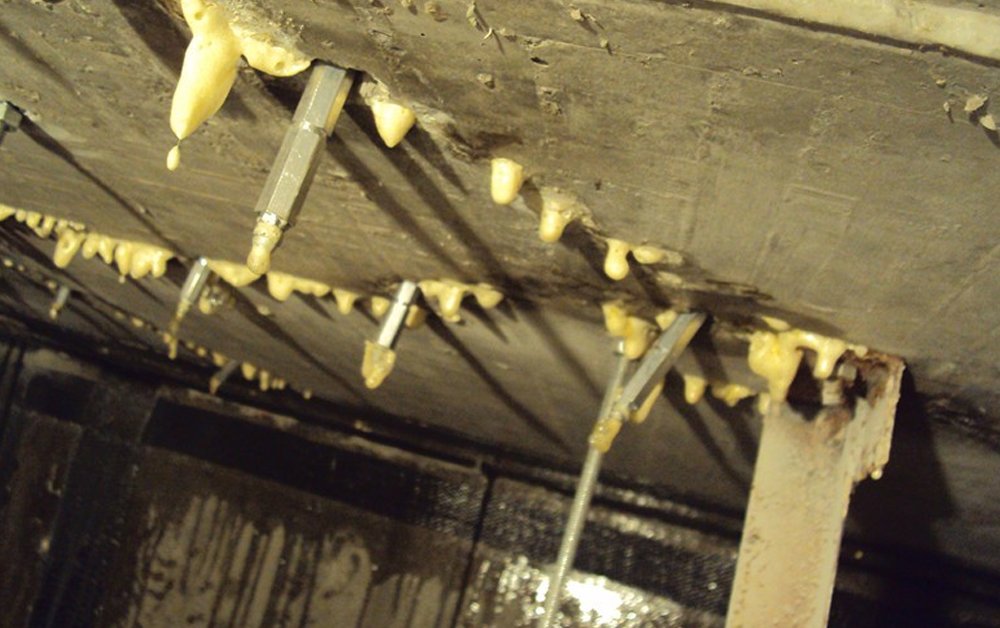

4. Matching Grouting Materials to Typical Tunnel Scenarios
Selecting chemical grouting material for tunnels is never about choosing a “best product.” It is about choosing the right material for a specific failure mode.
4.1 Sudden High-Pressure Water Ingress
This is one of the most critical conditions encountered in tunnel construction and operation.
Typical characteristics:
- Active water flow under pressure
- Rapid deterioration risk to surrounding soil
- Immediate safety concerns for workers
Recommended material strategy:
Primary choice: Hydrophobic PU grouting material
Reason:
- Reacts instantly upon contact with water
- Expands rapidly to block flowing water
- Generates internal pressure to penetrate voids
Hydrophobic PU is often used as the first emergency response material. Its role is not long-term sealing, but fast hydraulic cut-off.
In many projects, this step is followed by secondary grouting to improve durability.
4.2 Continuous Seepage Through Construction Joints or Cold Joints
This condition is common in operational tunnels and metro systems.
Typical characteristics:
- Low to medium water pressure
- Continuous moisture rather than active flow
- Often associated with concrete joints
Recommended material strategy:
Primary choice: Hydrophilic PU or acrylate grouting material
Reason:
- Excellent penetration into fine gaps
- Ability to absorb water and remain flexible
- Long-term compatibility with concrete movement
4.3 Fine Cracks and Capillary Leakage in Tunnel Linings
Some of the most persistent tunnel leaks originate from cracks smaller than 0.2 mm.
Challenges:
- Traditional foaming materials cannot penetrate
- Surface sealing methods are ineffective
Recommended material strategy:
Primary choice: Acrylate grouting material
Alternative: Microcrystalline polyurea
Why acrylates work well:
- Water-like viscosity
- Deep penetration into micro-cracks
- Forms elastic gel with excellent water tightness
4.4 Structural Cracks Without Active Water Pressure
Typical characteristics:
- Dry or slightly damp cracks
- Load-bearing concerns
- No visible water ingress
Recommended material strategy:
Primary choice: Epoxy resin grouting
Epoxy resin restores structural integrity rather than water tightness.
4.5 Long-Term Waterproofing in High-Durability Tunnels
For metro systems, railway tunnels, and critical infrastructure, durability expectations are much higher.
Key requirements:
- Service life exceeding 30–50 years
- Resistance to chemical attack
- Stability under permanent groundwater exposure
Recommended material strategy:
Primary choice: Polyurea or microcrystalline polyurea systems
Why:
- Exceptional chemical resistance
- Long-term elasticity
- Minimal degradation over time
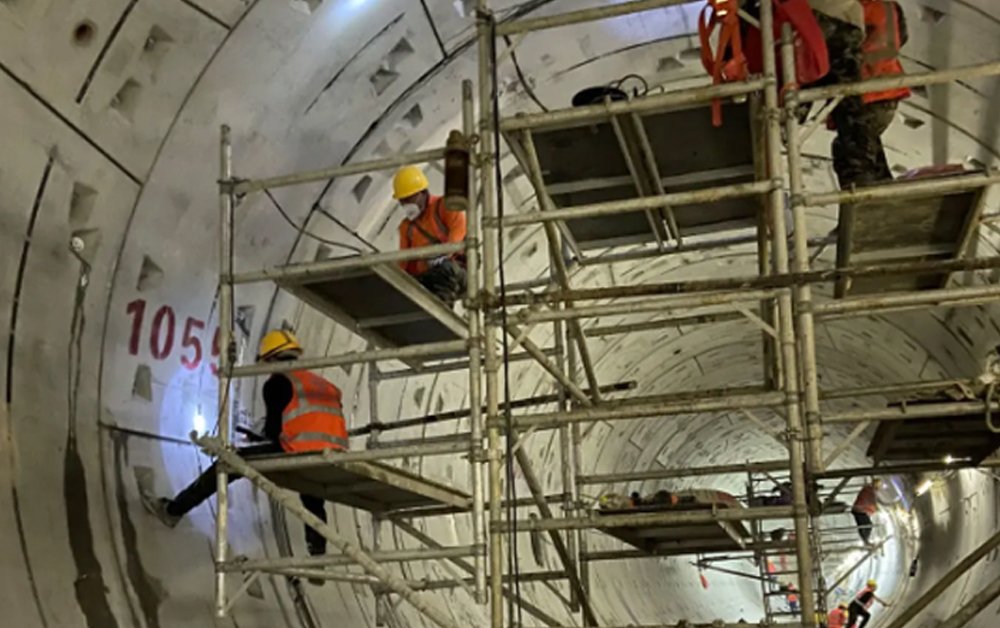
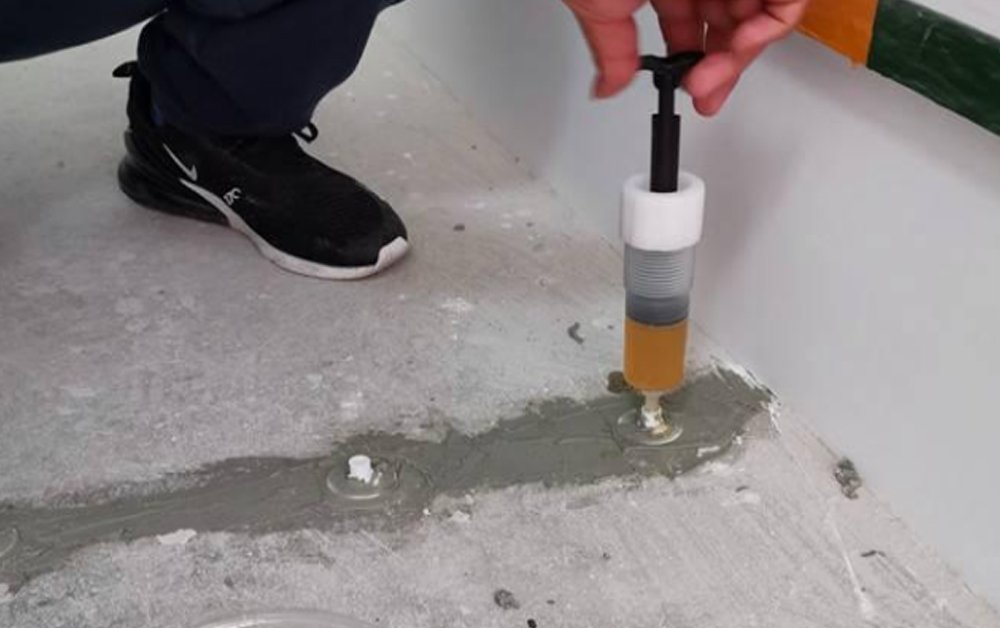
5. Why Combination Grouting Systems Are Often More Effective?
In real tunnel projects, a single material rarely solves every issue.
Experienced engineers increasingly adopt multi-stage grouting strategies, such as:
- Hydrophobic PU for emergency water stop.
- Hydrophilic PU or acrylate for permanent sealing.
- Epoxy or polyurea for structural or durability enhancement.
This layered approach significantly reduces rework and maintenance costs.
6. Key Factors Engineers Should Consider Before Final Material Selection
Before finalizing any chemical grouting system, the following factors must be evaluated:
- Water pressure and flow rate
- Crack size and distribution
- Ground conditions behind lining
- Expected structural movement
- Required service life
Material selection should always be based on engineering data.
7. YURU’s Integrated Chemical Grouting Solutions for Tunnel Projects
YURU Waterproof offers a complete portfolio of chemical grouting materials, including:
- Hydrophobic PU grouting materials
- Hydrophilic PU grouting materials
- Acrylate grouting systems
- Epoxy resin grouting materials
- Polyurea and microcrystalline polyurea grouting systems
YURU supports engineers with system-based recommendations, tailored to tunnel-specific challenges.
Our materials have been applied in:
- Urban metro tunnels
- Railway tunnels
- Hydropower tunnels
- Utility and municipal underground works
Conclusion
Choosing chemical grouting material for tunnels is not about trends or price lists. It is about understanding failure mechanisms, material behavior, and long-term performance.
If you are planning or maintaining a tunnel project and need expert guidance:
Contact YURU Waterproof to receive technical consultation, material samples, and project-specific grouting solutions designed for real underground conditions.
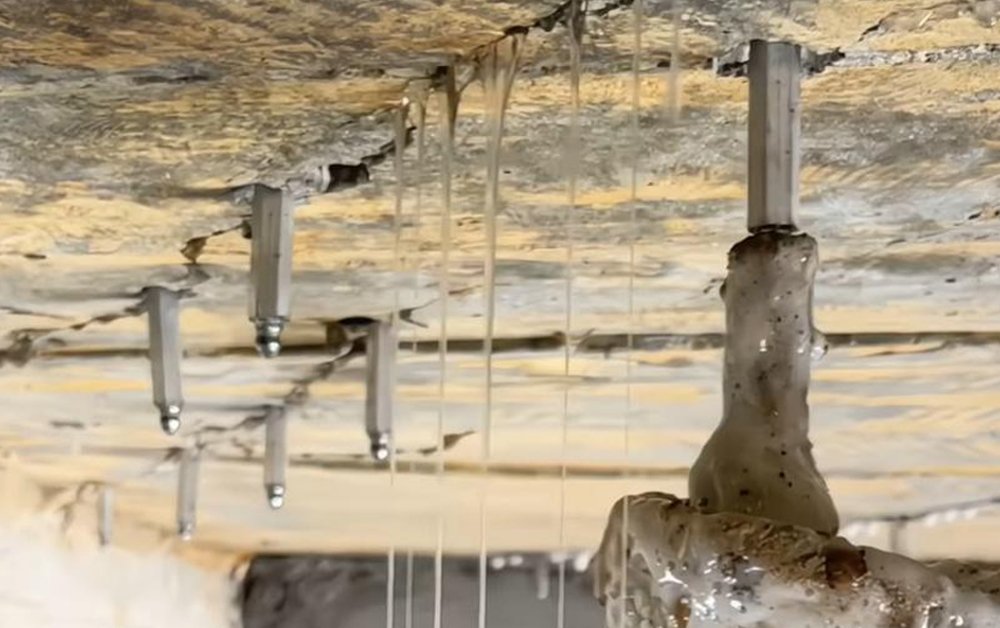
YURU Product solutions