Common Application Mistakes in Polyurea Grouting and Solutions
Key Summary & Engineering Pain Points at a Glance
6 Critical Polyurea Grouting Implementation Challenges for Contractors and Site Engineers
When sealing high-movement structural cracks, expansion joints, or settlement joints, site engineers and industrial waterproofing contractors frequently encounter repetitive failures. While polyurea grouting materials offer next-generation elastomeric performance compared to traditional structural sealants, minor procedural mistakes during on-site execution can compromise the entire chemical barrier. Recognizing these errors before field deployment safeguards project timelines, ensures structural integrity, and eliminates costly warranty re-leakage issues.
Below are the six most common application pitfalls identified across international civil and infrastructure engineering sites:
- Material Waste Due to Premature Surface Crusting: Polyurea grouting material reacts with moisture in the air. Leave a drum open too long, and it forms a skin you can’t pump. That means wasted material and wasted money.
- Delamination and Bonding Failure Caused by Active Pooling Water: Although premium chemical grouts are engineered to react with ambient moisture to cure into a dense elastomeric network, they require proper mechanical anchorage to the concrete pores. Ignoring active pudders or failing to evacuate standing water before chemical injection heavily degrades the bonding interface, leading to future delamination and leakage under hydrostatic pressure.
- Abnormal Polymerization and Curing Anomalies in Cold Weather: Executing chemical injection procedures when the ambient or substrate temperature drops below the recommended structural limit completely disrupts the intended chemical reaction window. Forcing applications in freezing winter conditions slows down the onset of curing and significantly lowers the ultimate physical and mechanical benchmarks of the solidified rubber barrier.
- Material Peeling Triggers by Leftover Concrete Laitance and Slurry: Omitting a rigorous mechanical cleaning pass prior to injection leaves loose dust, efflorescence, and weak cement slurry inside the crack channel. Consequently, the cured polyurea gel adheres strictly to the superficial dirt rather than the sound structural concrete, causing the entire system to peel away under structural load.
- Premature Batch Ruin Due to Compromised Containers or Overheating: Storing specialized chemical grouts in non-hermetic packaging or allowing warehouse temperatures to spike beyond industrial recommendations triggers premature cross-linking inside the stock. This degrades the homogeneous liquid into a gelled mass before it ever reaches the job site.
- Structural Failure via Premature Exposure to Dynamic Construction Traffic: Introducing heavy construction machinery, structural vibrations, or site traffic before the material achieves its necessary surface dry and internal cure states destroys the delicate cross-linking polymer chain. This mechanical disruption permanently damages the un-cured core, creating micro-fissures that invalidate the system’s waterproof properties.
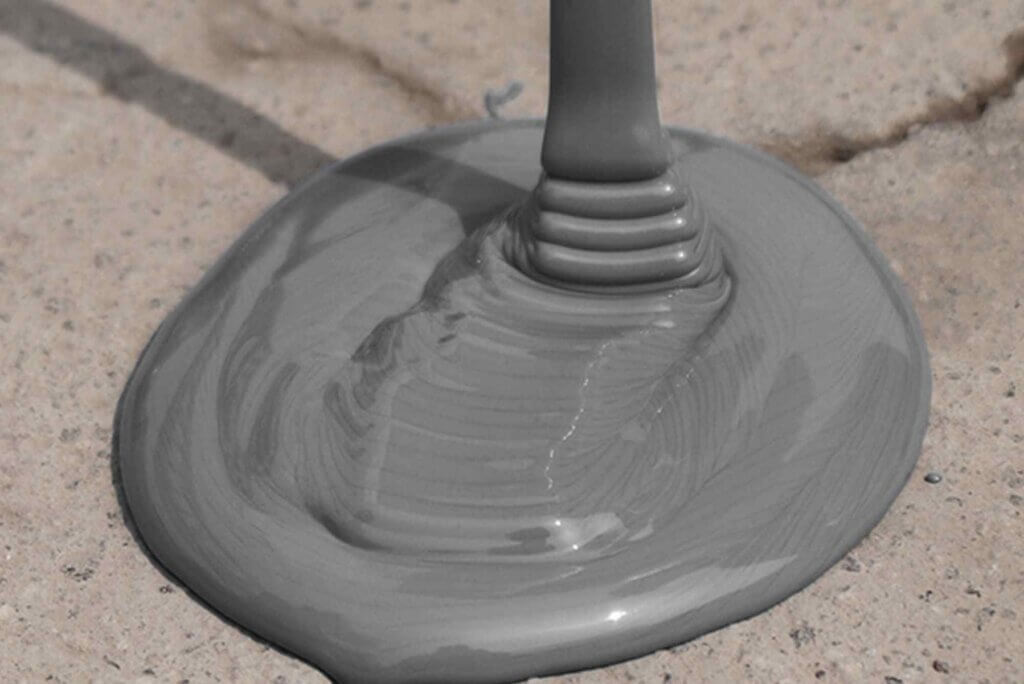
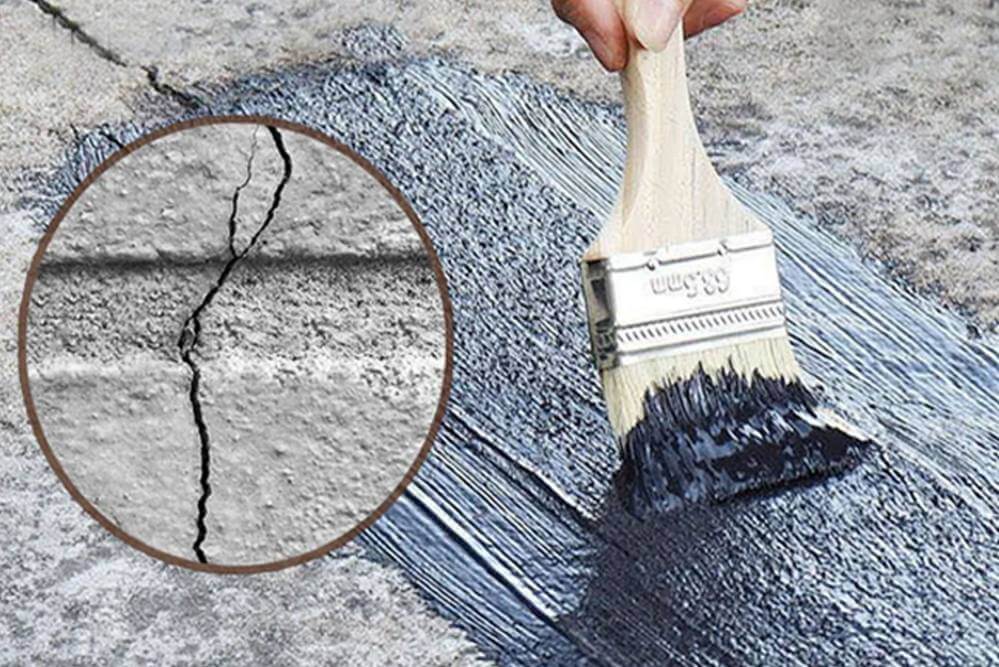
Error 1: Excessive Open-Air Exposure Leading to Material Crusting and Skinning
Understanding the Moisture-Curing Mechanism and Time Management Failures
Many application crews treat polyurea grouts like conventional solvent-based coatings — leaving open drums exposed on site for hours. This lack of strict time management represents a critical field mistake that instantly compromises the material’s properties.
Unlike conventional air-dry paints, YURU premium polyurea grouting sealant is formulated as an active, homogeneous high-molecular polymer resin system designed to chemically react upon contact with ambient moisture. When you break the factory-sealed iron drum, the liquid polymer immediately encounters moisture in the air. This chemical interaction initiates an accelerated, irreversible cross-linking process right on the surface of the liquid layer.
Consequently, if the open container remains directly exposed to atmospheric air for a period exceeding 15 minutes, the rapid chemical polymerization triggers a localized surface hardening phenomenon known as crusting or skinning. This newly formed rubberized crust cannot be re-dissolved into the homogeneous viscous liquid. If an installation crew attempts to pump the material after skinning has begun, the solid polyurea fragments will plug injection lines, jam internal packer nozzles, and cause severe pressure fluctuations in the grouting equipment.
To circumvent premature chemical cross-linking and eliminate expensive material waste, project managers must enforce a rigorous “Open-and-Inject” operational protocol on-site:
- Enforce a Strict 15-Minute Working Window: Field technicians should only unseal a new drum of polyurea grout when the injection pump, mechanical packers, and substrate channels are completely prepared for immediate chemical feed. The entire volume of an opened container must be transferred into the closed pump hopper or injected into the structural joint within a maximum 15-minute timeframe.
- Implement Immediate Hermetic Resealing: If a specific joint repair sequence requires only a fraction of a container, the remaining liquid resin must not be left uncovered. Workers must immediately place the inner lid back onto the iron barrel and secure it with a tight, airtight mechanical seal to block out all atmospheric humidity.
- Prioritize Remaining Batch Consumption: Any partially used drum that has undergone a secondary resealing pass must be flagged on the job site. This remaining stock must be prioritized and completely consumed during the next immediate grouting stage to minimize the risk of cumulative moisture contamination.
Error 2: Neglecting Open Water and Substrate Cleanliness (Substrate Preparation Flaws)
The Fatal Impact of Pooling Water and Leftover Laitance on Bonding Strength
[MISTAKE]: Injecting Over Silt/Laitance → Bonds only to loose dust → Shears off under joint movement (Leakage)
[CORRECT]: Routing out crack to sound concrete → Polyurea cross-links into concrete pores → Permanent elastomeric seal
Many field crews mistakenly treat waterproof chemical grouts as magic fixes that require zero surface preparation. A common misconception on infrastructure job sites is that because a grout reacts with water, it can be pumped directly into dynamic cracks choked with muddy silt, drilling slurry, or standing water. From our technical field audits, this procedural oversight is the single biggest driver of warranty call-backs.
⚠️⚠️⚠️ A Hard Lesson from the Field (YURU Technical Service Case): In 2025, our engineering division audited a failed subway filtration joint project handled by a third-party contractor in eastern China. The crew injected a high-grade polymer resin directly into structural settlement joints without clearing the internal 2mm layer of concrete laitance and dynamic seepage. Within three months, the joint leaked again under hydrostatic pressure. When we cored out the failed joint, the cured chemical gel wasn’t degraded—instead, it stripped away easily like electrical tape. It had bonded entirely to a loose skin of powdered lime and trapped water pockets, failing to ever fuse with the solid, load-bearing concrete structural matrix.
To understand why this happens, look at the physical mechanics of adhesion. Concrete under a microscope is a network of open pores and capillaries. When YURU PG-1 is injected into a pristine, wire-brushed crack, the liquid resin flows deep into these micro-voids, cross-linking to establish an unyielding interlock.
- On a clean, dry concrete base, this root-like mechanical anchor delivers a superb bonding strength of ≥1.2 MPa.
- On a fully saturated, damp concrete surface, it still maintains an industry-leading bond strength of ≥0.8 MPa.
However, if you skip routing out the crack and leave loose cement slurry or dust behind, the liquid resin cannot access the concrete pores. It wraps around the loose powder instead. The moment the structural expansion joint or settlement joint undergoes its natural thermal contraction cycle, the cured high-molecular polymer elastomer stretches, but because it is anchored only to weak dirt, it shears off cleanly along the dust line.
Additionally, while our single-component formula is engineered to synthesize a dense polymer elastomer by reacting with localized environmental water, forcing it into deep pools of unmanaged standing water causes localized washouts and uneven over-foaming before cross-linking can complete. This alters the material’s structural density, pulling it below its verified tear strength specification of >3 N/mm and destroying its long-term impermeability threshold of 0.3 MPa.
Mandated On-Site Correction Standards:
- The 24-Hour Micro-Drainage Rule: There must be no visible, active pooling water or rushing hydro-floods running on the direct engineering surface. If an active blowout is present, relief holes must be drilled and the water diverted or pumped for at least 24 hours to achieve a controllable, damp interface before chemical application.
- Mechanical Slurry Scraped: Technicians must manually or mechanically route out the joint channel, scaling back at least 2-3cm of concrete on both sides of the crack. All weak cement laitance, efflorescence, old caulking, and accumulated site dust must be cleared away via industrial wire-brushing and high-vacuum suction before packers are set.
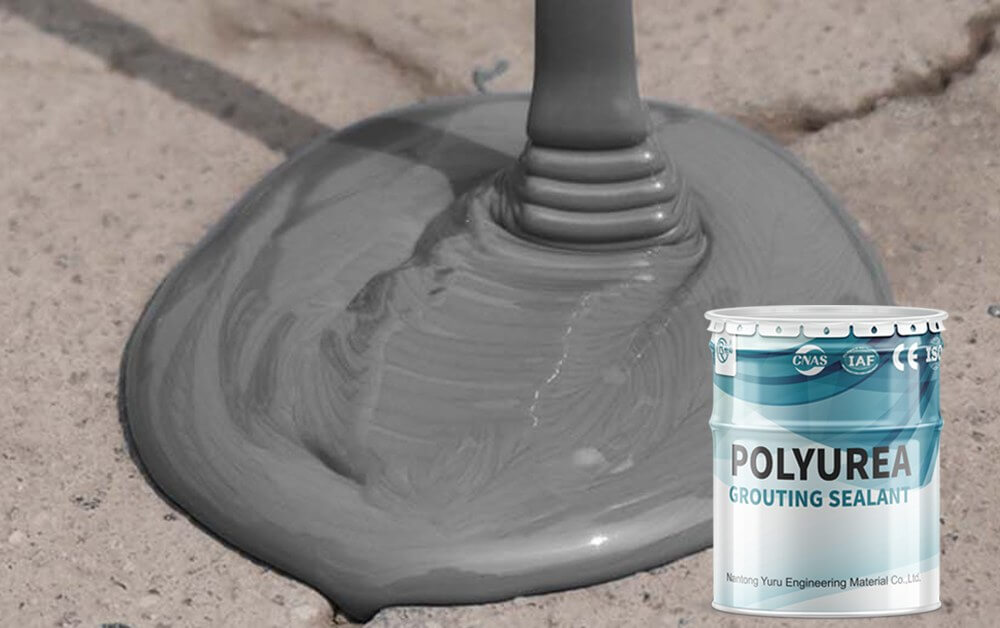
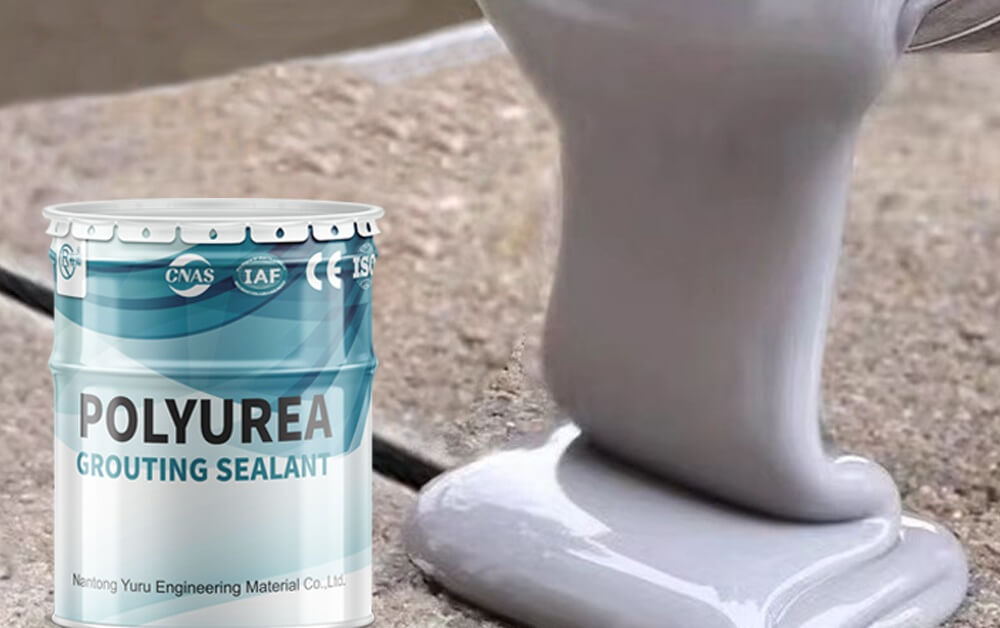
Error 3: Forcing Construction in Extreme Low Temperatures or Unventilated Environments
Ignoring Temperature Thresholds and On-Site Safety Regulations
In infrastructure projects and large-scale industrial waterproofing, meeting tight project deadlines often pushes contractors to continue application work regardless of seasonal weather shifts. Forcing chemical injection operations under non-compliant environmental conditions, however, is a major mistake that directly causes material failure. Field technicians must pay close attention to environmental conditions, particularly when handling premium single-component polymer systems.
According to the official technical data guidelines, executing chemical injection procedures when the ambient or substrate temperature drops below the structural threshold of 5°C must be strictly avoided. Under standard conditions (23°C), the material features a balanced surface drying time of approximately 30 minutes. This controlled window gives the high-molecular polymer resin enough time to penetrate deep into structural fissures before setting.
When the temperature drops below 5°C, the polymerization chemistry changes significantly:
- Sluggish Curing Reaction: The cross-linking process slows down dramatically, heavily extending the surface drying time and leaving the wet resin vulnerable to structural displacement or water washout.
- Viscosity Spikes: The low temperature alters the natural liquid handling state (3500-6500 mPa·s at 25°C), causing the material to thicken. This reduces its ability to flow smoothly into micro-cracks and fill voids.
- Compromised Mechanical Properties: Incomplete polymerization prevents the cured elastomer from reaching its full structural performance baselines, such as its tensile strength of 1.2 MPa and an elongation at break of 150%. This ultimately leads to a weak, brittle seal that cannot handle joint movement.
Alongside temperature limits, site managers must strictly enforce safety regulations when working in confined locations like underground basements, subways, or civil tunnels. Even though high-quality polyurea grouts feature an eco-friendly formula with no irritating smell and no harmful benzene solvents , working in tight spaces requires standard industrial safety practices.
Contractors must implement these two safety and quality baselines on every job site:
- Maintain Continuous Mechanical Ventilation: Thorough ventilation throughout entire injection and curing cycle, prevents moisture and chemical vapor stagnation, ensures safer work environment and helps curing process stay on schedule.
- Mandatory Placement of Fire-Fighting Equipment: Because these are professional chemical compound processes, compliance standards require that approved industrial fire-fighting equipment be placed clearly within the active work zone before unsealing any material. This routine precaution safeguards the engineering assets and fulfills necessary regulatory audit requirements on-site.
Error 4: Improper Resealing of Residual Material and Overheated Storage Environments (Storage Failures)
The Consequences of Loose Iron Drum Resealing and High-Temperature Exposure
Proper warehouse management and container care are just as critical to project success as on-site application techniques. When a grouting project runs in sequential stages, contractors often have remaining material left over in opened drums. Failing to secure these containers or storing them in non-compliant warehouse conditions represents a major operational mistake that directly leads to product spoilage before it can be applied to future structural joints.
According to the data sheet, YURU polyurea grouting material must be stored under strict environmental controls. The product formula is highly sensitive to thermal stress and atmospheric moisture. Leaving stock exposed to ambient temperatures higher than 40°C or allowing drums to be subjected to open rainfall will destabilize the liquid resin, causing it to fail prematurely within its standard shelf life.
High temperatures accelerate the internal molecular activity of the high-molecular polymer resin, which can trigger partial polymerization inside the container. Similarly, contact with rainwater introduces moisture contamination, accelerating surface skinning and thickening the liquid beyond its optimal pumpable viscosity of 3500-6500 mPa·s. Instead of a smooth, homogeneous liquid, the contractor is left with a gelled, hardened mass that cannot be salvaged.
To protect your inventory and keep every batch at full technical properties for its 6-month shelf life, follow these storage rules:
- Execute Immediate Air-Tight Resealing: After drawing the required volume from an iron barrel, any unused material must not sit uncovered. Workers must immediately replace the internal lid and firmly crimp or clamp the outer ring of the iron barrel to establish an absolute, airtight seal. This airtight barrier blocks environmental humidity from entering and prevents a moisture-curing reaction inside the drum.
- Well-ventilated, Dry, Cool facility: The storage environment must be carefully monitored to ensure the ambient temperature never exceeds 40°C.
- Prevent environmental exposure: No outdoor storage in direct sunlight/rainfall, elevate drums on pallets, avoid damp concrete floors — keep packaging intact and uncorroded.
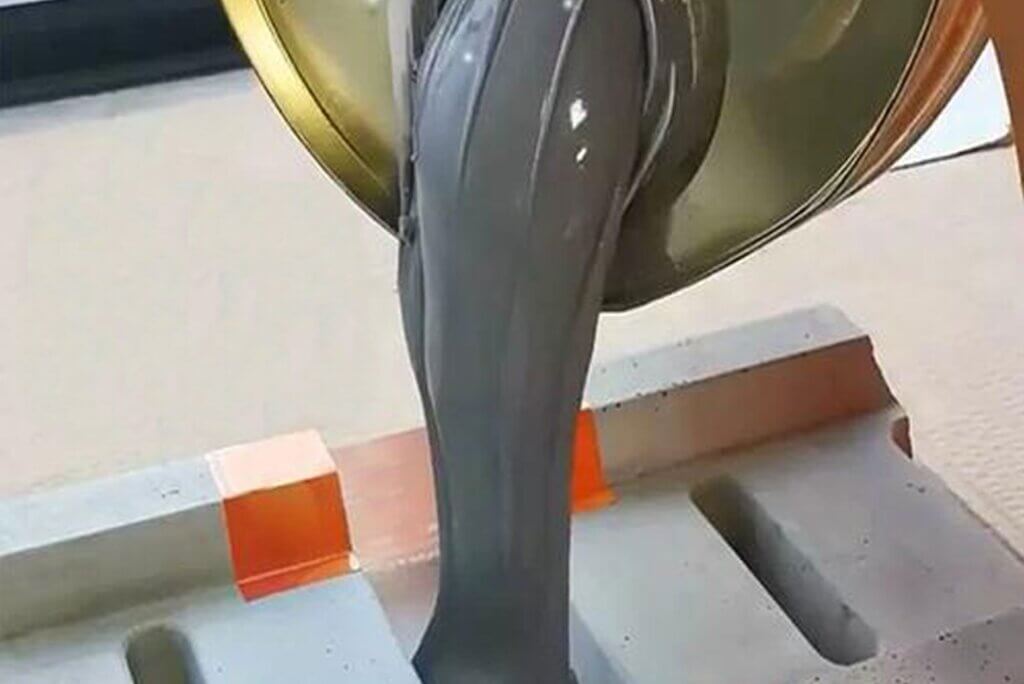
Why Global Buyers Partner with YURU Waterproof?
Eco-Friendly Engineering and Certified Quality Assurance
To address the common on-site mistakes made by application crews — such as short working windows, wet substrate failures, and poor chemical resistance — YURU Waterproof has engineered a high-tolerance solution. By optimizing the chemical molecular chain, we have created a product that offers maximum application forgiveness while maintaining elite industrial performance.
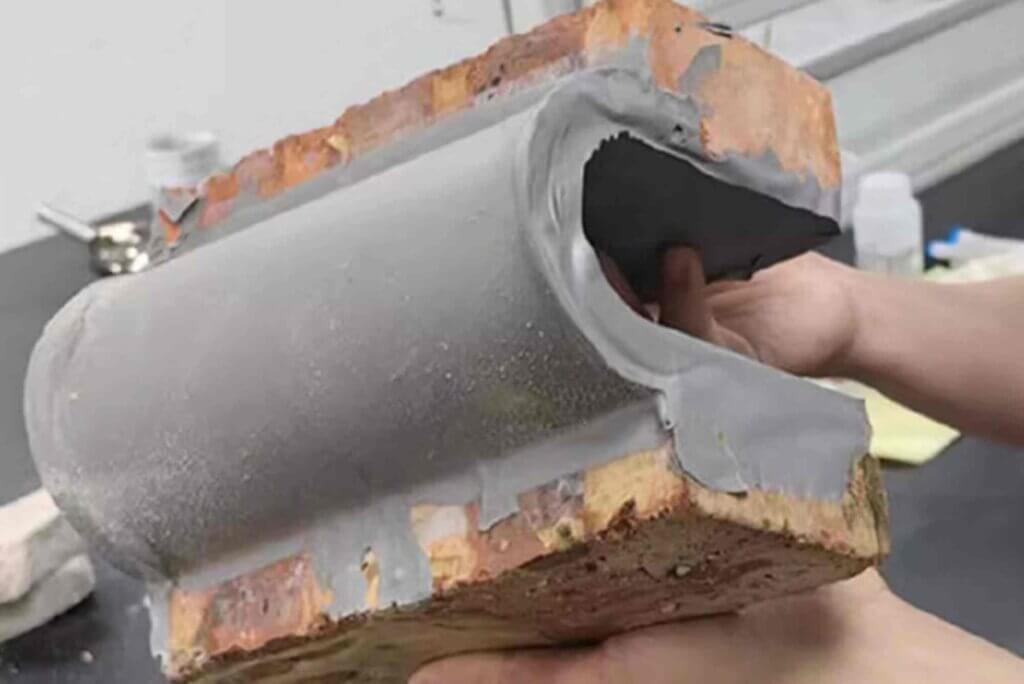
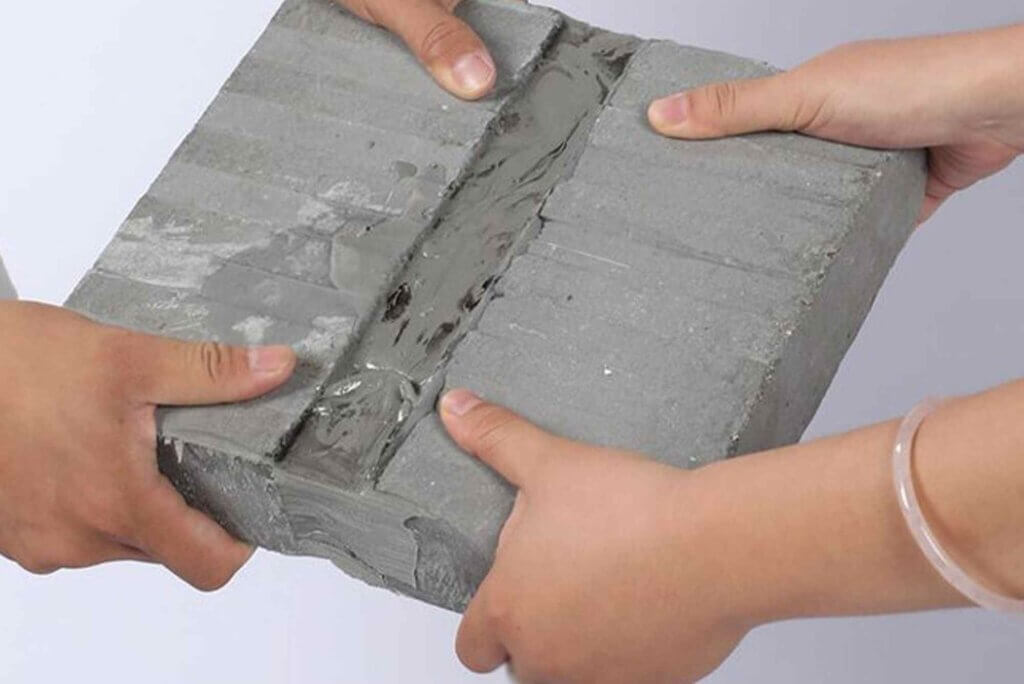
YURU PG-1 Polyurea Grouting Material is a next-generation polymer sealant for joint leakages. Single-component, cold-construction — no complex on-site mixing. Inject it, and it reacts with environmental water to form a high-molecular polymer elastomer. The cured matrix gives you exceptional elasticity for dynamic structural shifting and premium corrosion resistance for harsh chemical environments.
Technical Performance Benchmarks for YURU PG-1
To provide structural engineers, municipal procurement planners, and commercial contractors with verifiable data verification, the key technical properties of YURU PG-1 Polyurea Grouting Material are organized below:
| Technical Performance Indicators | Certified Value | Engineering Significance |
| Material Composition | High-molecular polymer resin | Formulated with no benzene or harmful aromatic solvents; zero irritating odor. |
| Handling State & Viscosity | 3500-6500 mPa·s(25℃) | Optimum homogeneous thickness ensuring deep concrete pore penetration. |
| Tensile Strength | > 1.2 MPa | Heavy-duty structural strength to resist high dynamic traffic loads. |
| Elongation At Break | > 150% | Exceptional high-elastic performance; stretches continuously without dynamic tearing. |
| Chemical Retention Rate | ≥ 80% (After Acid/Alkali/Salt treatments) | Multi-decade structural durability in harsh subterranean soils and coastal zones. |
| Waterproof Rating | 0.3 MPa, 120 min, Impermeable | Confirmed performance under severe hydrostatic pressure heads. |
Global Supply Chain and Quality Assurance
For distributors and industrial buyers, consistency and reliability are everything. YURU (Nantong Yuru Engineering Materials Co., Ltd.) delivers with CE, ISO, and CNAS certifications.
That means fully documented, high-parameter batches that pass municipal audits and civil standards. Partner with YURU — stable supply, lower site failure rates, and protected project margins.
On-Site Standard Operating Procedures
A 5-Step Standard Polyurea Grouting Process for Zero-Failure Execution
To get zero failures on site and make sure the cured polymer performs at its best, crews need to ditch messy application habits. A systematic step-by-step process means consistent waterproofing integrity across all structural moving joints.
- Step 1: Clean the Substrate: Mechanically clean the base surface — remove loose slurry, old laitance, efflorescence, dust. Expose sound concrete — dry bond ≥1.2 MPa, wet bond ≥0.8 MPa.
- Step 2: Plug Pooling Water — 24-Hour Drainage: No open pooling water. If there is flooding, drain, pump, or divert for 24 hours before chemical application.
- Step 3: Ventilation and Temperature Check: Confirm temp >5°C — avoid extended cure or viscosity issues. Verify ventilation and fire-fighting equipment in place.
- Step 4: Inject Within 15 Minutes: Once drum is unsealed, transfer and inject within 15 minutes — prevents surface skinning/crusting. Cover unused material immediately.
- Step 5: Protect Until Fully Dry: Isolate application zone — protect from mechanical disturbance, heavy traffic, impacts — prevents micro-fissures or adhesive detachment.
Secure Your Next Project Supply with YURU Waterproof
Contact Our Engineering Team for Customized Packaging and Wholesale Quotations
Avoiding common on-site installation mistakes is critical to the structural lifespans of your civil engineering, municipal infrastructure, or commercial construction projects. Even the most advanced chemical formulations depend on precise field execution and robust material consistency to perform flawlessly under hydrostatic pressure. Partnering directly with an elite, factory-source manufacturer eliminates the uncertainties of middleman trading, ensuring your crews receive predictable, high-parameter batches every single time.
As a premier global manufacturing partner, YURU Waterproof does more than just supply high-performance polyurea grouting sealants, polyurethane systems, and specialized industrial floor coatings. We recognize that different international markets and heavy-duty projects carry completely unique distribution and volume demands. For this reason, we provide flexible production capabilities and fully support packing according to customer requirements. Whether your distribution network requires specific bulk volume drums or custom-branded retail packaging, our production lines adapt seamlessly to your exact supply specifications.
Every batch we ship carries fully verified quality baselines, including globally recognized CE, ISO, and CNAS certifications. This absolute commitment to regulatory compliance and technical accuracy gives global wholesale distributors, municipal planners, and engineering procurement teams total confidence that their material pipelines are secure and optimized for long-term project margins.
Take Action: Streamline Your Supply Chain Today
- Submit Your Project Material Schedules: Contact our international export division today to request your customized wholesale pricing packages, comprehensive product data sheets, or to arrange physical material samples for independent laboratory validation.
- Send Direct Email Inquiries: Email your bulk RFQs, custom packaging requests, and technical specifications directly to our senior project team at jj2jiangjin@126.com.
- Instant WhatsApp Desk: Message our dedicated global project manager directly via WhatsApp at +86-15051225801 for rapid, real-time commercial and technical support.
YURU Product solutions: