Common Installation Problems of Polyurethane spray foam insulation and Solutions
Summary
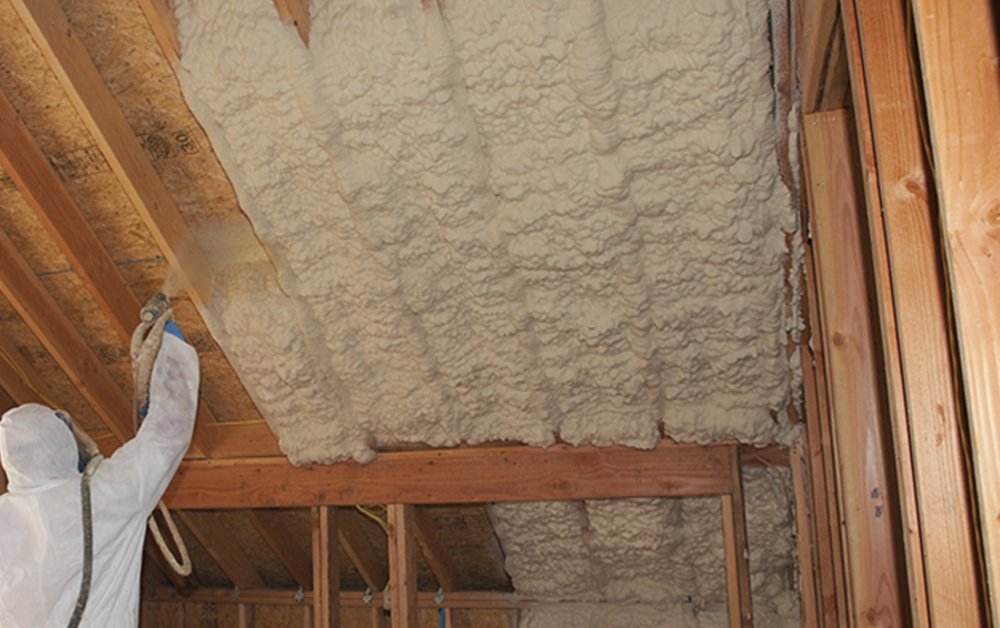
In modern buildings, Polyurethane spray foam insulation materials are the most frequently used for moisture-proofing and energy-saving projects. Thermal insulation, waterproofing, and moisture protection, makes it very advantageous.
However, some problems often arise during the installation of polyurethane sprayed foam insulation materials, such as insufficient surface preparation and improper installation operations. These problems can lead to increased costs and reputational damage for contractors, engineers, and other personnel.
Therefore, this article outlines the most common installation problems of polyurethane sprayed foam insulation materials and provides practical, field-proven solutions.
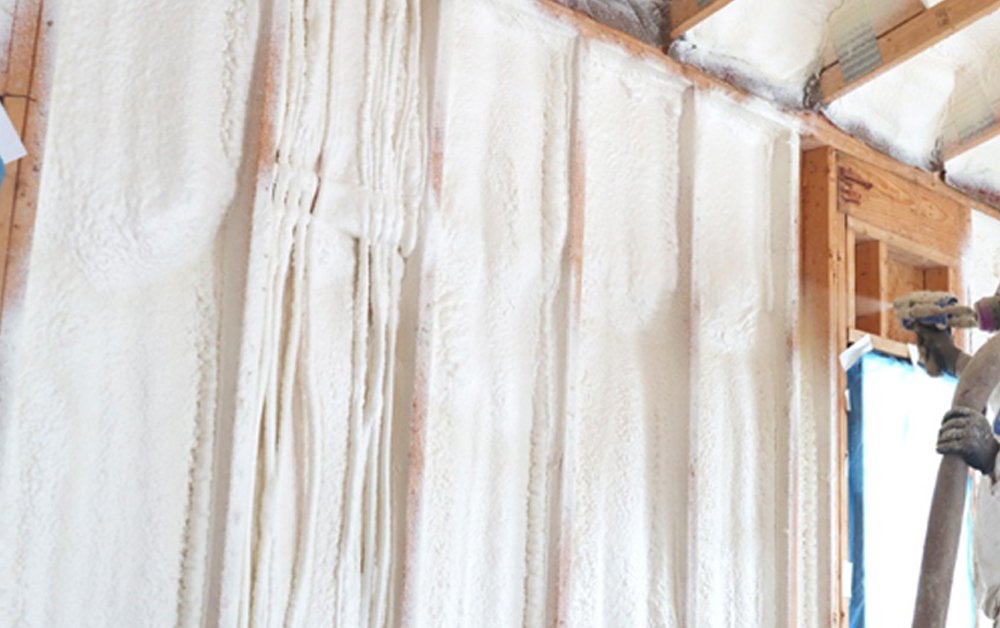
Inadequate Surface Preparation Leading to Poor Adhesion
Concrete substrates often contain dust, oil, and other contaminants; metal substrates may have rust or corrosion; existing waterproofing layers may be aged or loose. These substrate issues can all affect the effectiveness of polyurethane sprayed foam insulation.
Practical solutions include:
- Thorough mechanical cleaning, such as grinding, sandblasting, or polishing.
- Complete removal of loose or aged coatings.
- Ensuring the substrate is clean.
- Applying a compatible primer if necessary to improve adhesion.
Improper Control of Temperature and Humidity During Application
Polyurethane sprayed foam insulation materials have high requirements for environmental conditions. Too low an ambient temperature slows the component reaction, while too high a temperature causes excessive expansion or contraction. High humidity can reduce strength or cause surface defects.
Recommended practices include:
- Monitoring ambient temperature and substrate temperature before construction.
- Avoiding construction in rainy, foggy, or high humidity conditions.
- Using temperature control equipment when necessary.
- Adjusting material storage conditions to maintain viscosity stability.
Proper environmental control can significantly improve foam consistency and long-term durability.
Uneven Spray Thickness Affecting Thermal and Waterproof Performance
Uniform thickness is crucial for polyurethane sprayed foam insulation materials to achieve their intended thermal insulation and waterproofing performance. Uneven coating can lead to thermal bridging, weak points in waterproofing, and stress concentration areas.
Applying too much thickness in a single coat can cause foam cracking or shrinkage. Conversely, applying too little thickness will affect insulation performance and mechanical strength.
Effective solutions include:
- Applying multiple layers of foam
- Maintaining consistent spraying distance and angle
- Using a thickness gauge or marker during application
- Perform regular visual and physical inspections
Uniform thickness not only improves insulation performance but also increases material utilization and controls costs.
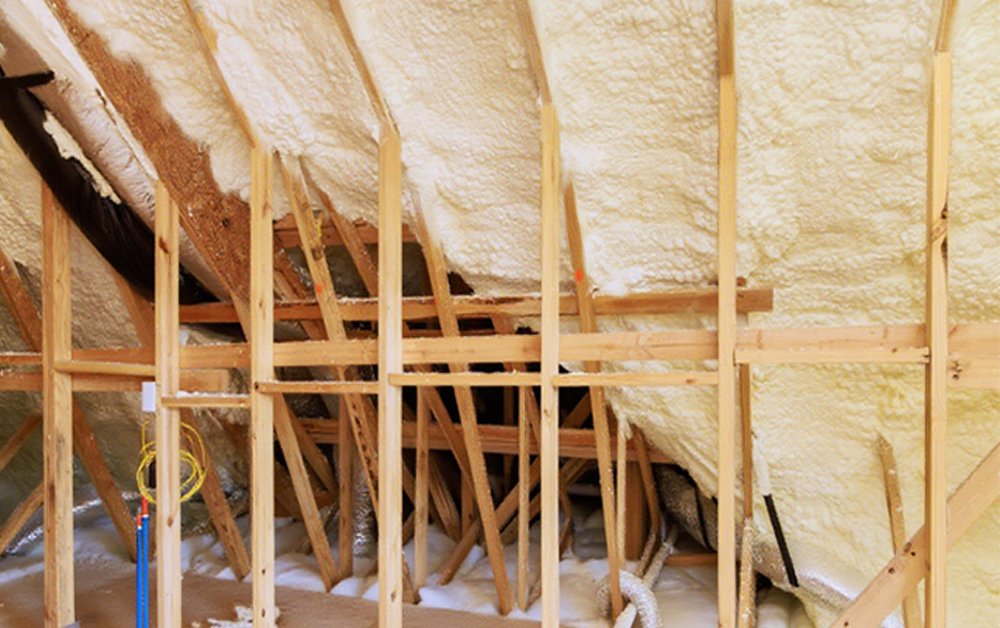
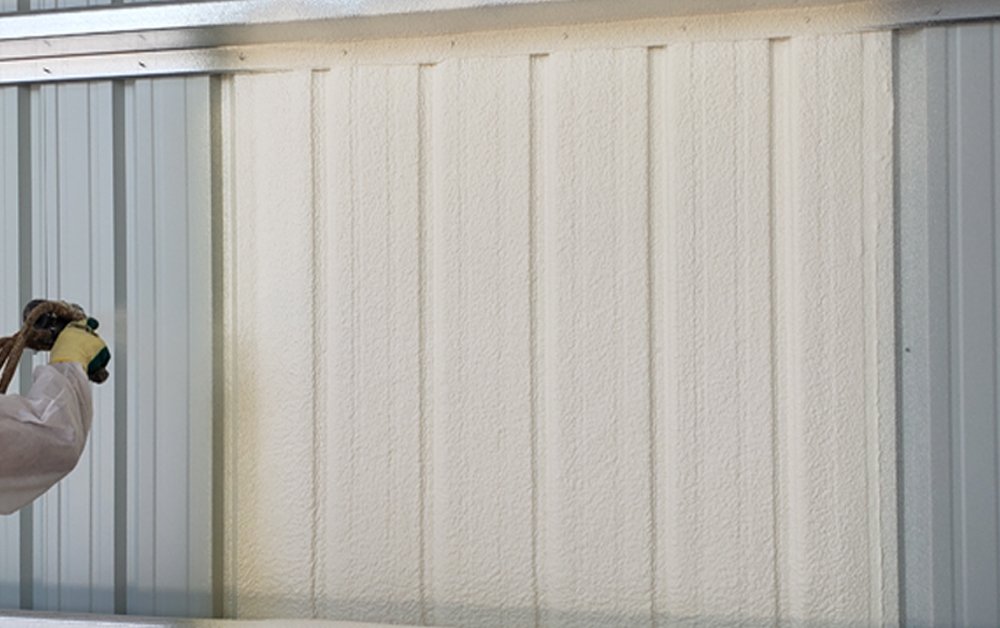
Incorrect Equipment Settings Causing Foam Defects and Material Waste
The mixing settings of spraying equipment must be correctly calibrated.
Improper equipment settings can not only cause incorrect component mixing reactions, but also lead to overspraying, rebound loss, and even material waste. Inadequate operator training and equipment maintenance are also crucial.
Best practices include:
- Calibrate the equipment before each spray.
- Perform a test spray to verify foam quality.
- Regularly maintain hoses, pumps, and spray guns.
- Ensure operators understand the manufacturer’s guidelines.
Incorrect Mixing Ratio Resulting in Unstable Foam Performance
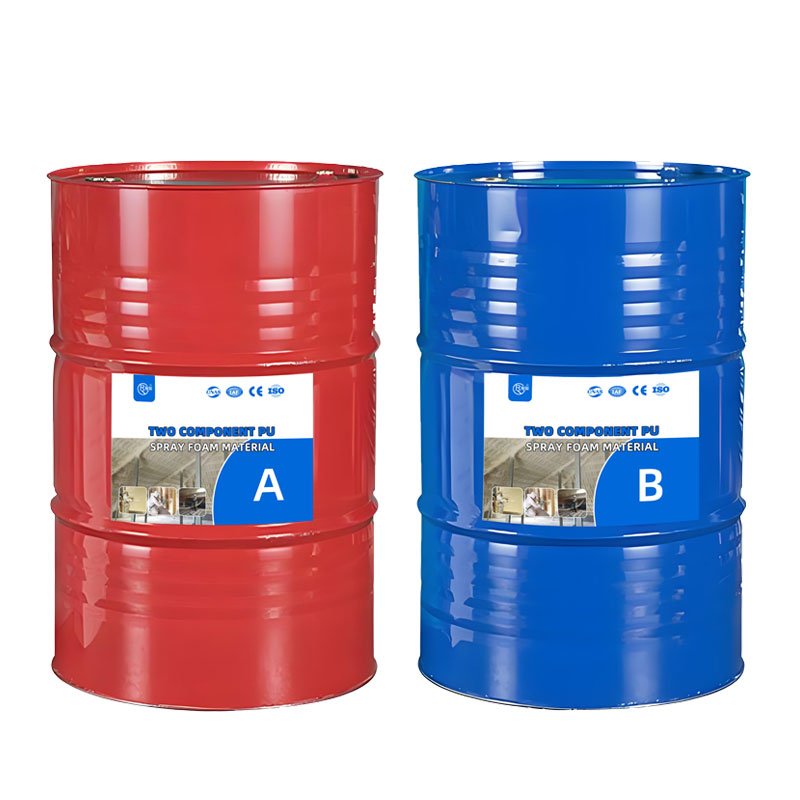
Polyurethane sprayed foam insulation materials consist of component A and component B, which need to be mixed in the correct ratio for application. Incorrect ratios will result in decreased material performance: the foam may be too soft, too brittle, or even fail to cure properly.
Preventive measures include:
- Regularly checking the flow rate of each component.
- Using high-quality materials with stable formulations.
- Training operators to identify visual signs of imbalanced ratios.
- Perform routine quality checks during application.
Neglecting Curing, Protection, and Post-Installation Inspection
After application, polyurethane spray foam insulation requires sufficient curing time and basic protection measures. Many problems arise when newly applied foam is exposed to mechanical damage, UV radiation, or moisture too early.
In addition, skipping post-installation inspection can allow minor defects to develop into serious failures later in the project lifecycle.
Recommended actions include:
- Allowing adequate curing time before subsequent construction activities
- Applying protective coatings or coverings where required
- Inspecting surface continuity, adhesion, and thickness
- Addressing defects promptly before system completion
Proper curing and inspection protect the investment made during installation.
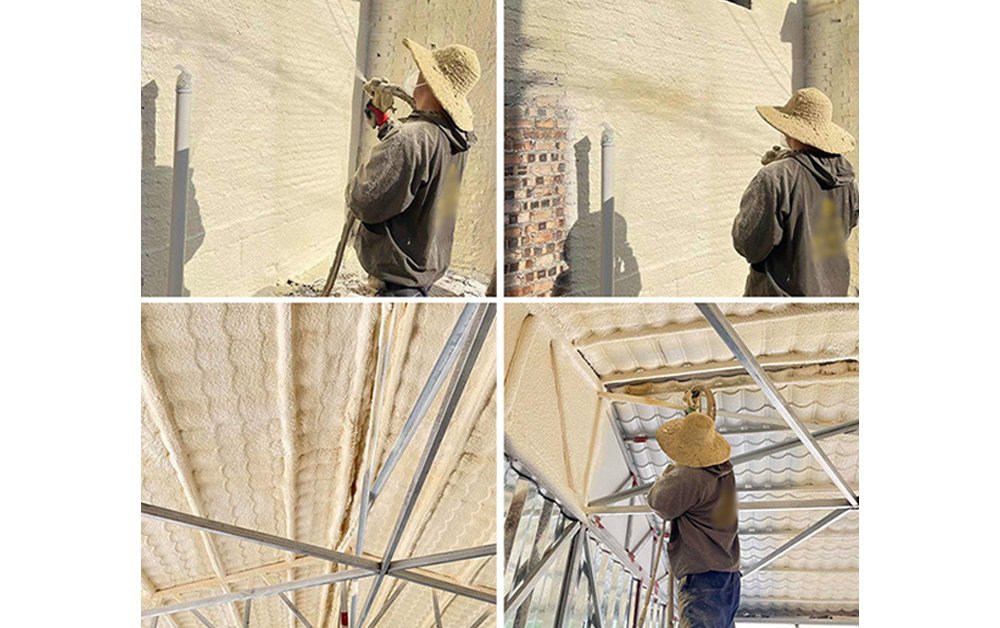
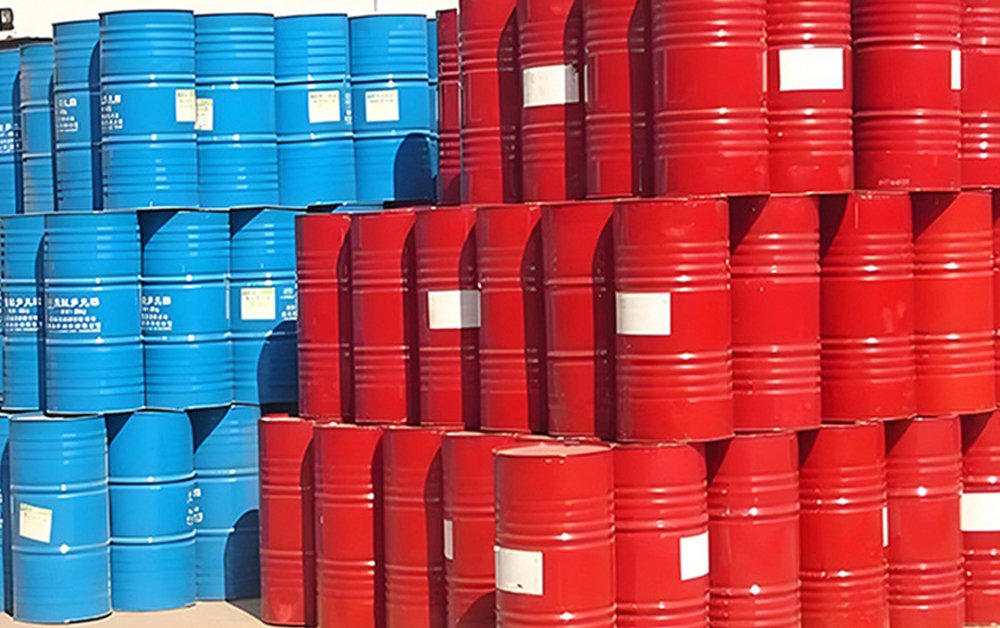
Choosing Inappropriate Materials or Inexperienced Suppliers
General-purpose polyurethane spray foam insulation products have limited applicability. In actual project engineering, different scenarios require matching different performance standards, such as density, flexibility, fire resistance, and water resistance. These specific performance indicators need to be customized.
Therefore, choosing a professional source manufacturer that can support performance customization, has stable production capacity, and sufficient experience is crucial.
YURU Waterproof provides polyurethane-based systems, supplemented by technical documentation and application guidance. This approach helps customers choose materials that meet project requirements, rather than generic solutions.
FAQs
1. What is the most common installation problem with polyurethane spray foam insulation?
Poor surface preparation is the most common issue, leading to weak adhesion and long-term failure.
2. Why does spray foam sometimes crack or shrink?
This often happens due to excessive thickness in a single pass or improper mixing ratios.
3. How can YURU Waterproof support my insulation projects?
YURU provides stable-quality materials, technical support, and project-oriented solutions for professional clients.
Conclusion
Most installation problems related to polyurethane spray foam insulation are preventable.
Proper surface preparation, environmental control, equipment calibration, and material selection further ensure material performance and effectiveness.
YURU Waterproof supports global partners with reliable materials and professional solutions tailored to real construction challenges.
Contact YURU Waterproof today for sample testing and to discuss your project needs.
YURU Product solutions