Common Mistakes in Polyurethane Crack Injection Waterproofing
Introduction:
Polyurethane crack injection waterproofing is one of the most reliable ways to stop active water leaks. Basements, tunnels, retaining walls, water tanks. It works.
But here’s what I’ve seen on too many job sites. The material is good. The technique is the problem.
Wrong port placement, wrong pressure, wrong material for the conditions. The result? The leak comes back. The contractor gets blamed. The customer is unhappy.
This guide walks through the most common mistakes in polyurethane crack injection. Why they happen. How to fix them. And how to make sure your next job is done right.


Why Polyurethane Crack Injection Fails in Real Projects?
Misunderstanding the Material Reaction Mechanism
Polyurethane injection grout works by reacting with water or moisture inside cracks. This reaction causes:
- Expansion (foaming or gel formation)
- Filling of voids and micro-cracks
- Formation of a flexible waterproof barrier
Many failures occur because contractors do not fully understand how fast or how aggressively the material reacts under different conditions.
Expecting Structural Repair Instead of Leak Sealing
One of the most common misconceptions is that injection alone can restore structural integrity.
In reality:
- Injection = sealing water pathways
- Not a substitute for structural reinforcement
When this expectation is wrong, project results are often judged as “failures” even when waterproofing is successful.
Mistake #1 -- Wrong Selection of Polyurethane Injection Material
Confusing Hydrophilic and Hydrophobic Systems
Hydrophilic Polyurethane
- Reacts with water to form elastic gel
- Ideal for long-term sealing
- Works well in damp environments
Hydrophobic Polyurethane
- Expands rapidly into foam
- Best for active, high-flow leaks
- Provides fast blockage
Choosing the wrong type often leads to either over-expansion or insufficient sealing.
Ignoring Site Conditions
Different environments require different formulations:
- Basement leaks → flexible gel systems
- Tunnel water ingress → high-expansion foam
- Water tanks → chemically stable formulations
A “one-product-fits-all” approach is a major cause of failure.
Mistake #2 -- Poor Pre-Injection Assessment
Incomplete Crack Diagnosis
Many contractors skip proper evaluation and fail to identify:
- Crack depth
- Water pressure level
- Crack connectivity
Without this, injection points are poorly placed.
Not Identifying Active Water Paths
Water rarely flows in a straight line. It travels through:
- Capillary channels
- Honeycomb voids
- Structural joints
Failing to trace these paths results in partial sealing only.
Common Mistake #3 -- Improper Surface Preparation
Dirty or Contaminated Surfaces
Common contaminants include:
- Oil
- Dust
- Loose concrete particles
These reduce adhesion and reduce injection effectiveness.
Weak Concrete Zones Not Addressed
If the surrounding concrete is deteriorated:
- Injection pressure escapes
- Material disperses uncontrollably
- Seal integrity is compromised
Proper repair before injection is essential.

Mistake #4 -- Incorrect Injection Pressure Control
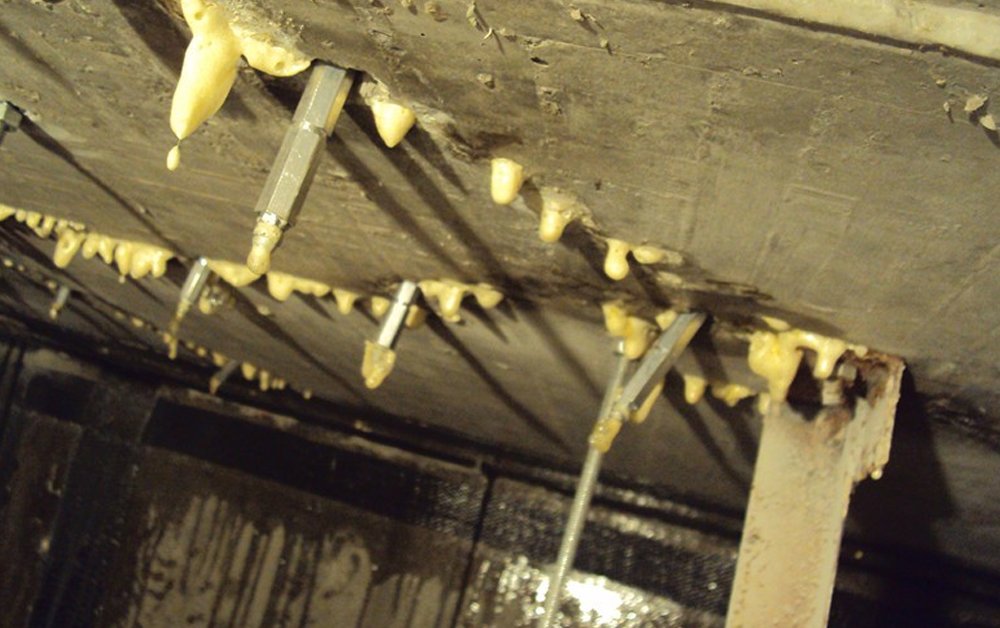
Excessive Pressure Application
High pressure may:
- Damage surrounding concrete
- Create new cracks
- Push material out of the injection zone
Insufficient Pressure
Low pressure leads to:
- Incomplete crack filling
- Weak sealing performance
- Early leakage recurrence
Lack of Pressure Adjustment Strategy
Professional injection requires real-time adjustment based on:
- Crack resistance
- Water flow
- Material reaction speed
Mistake #5 -- Poor Packer Placement and Injection Layout
Incorrect Spacing Between Injection Points
If packer spacing is too wide:
- Cracks remain unfilled in between
- Leakage reappears
Wrong Injection Sequence
Injection should follow:
- Lowest point first
- Gradual upward filling
- Pressure balancing
Skipping this logic leads to trapped voids.
Common Mistake #6 -- Ignoring Environmental Conditions
Temperature Influence on Reaction Speed
- High temperature → faster reaction
- Low temperature → delayed curing
Improper planning leads to premature curing or material waste.
High Water Pressure Conditions
In environments like:
- Underground tunnels
- Deep basements
standard materials may fail without pressure-resistant formulations.

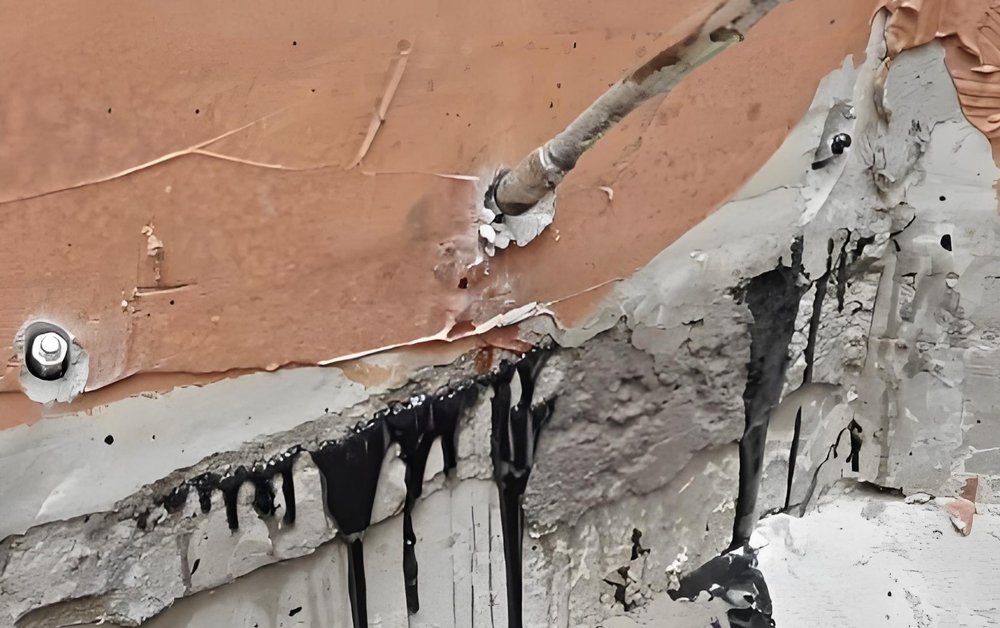
Mistake #7 – Skipping Secondary Injection (Re-Grouting)
Why One-Time Injection Is Not Enough?
Concrete structures often have:
- Hidden voids
- Secondary leakage paths
Without follow-up injection, leaks often reappear.
Importance of Inspection After Curing
Professional practice includes:
- Visual inspection
- Water testing
- Re-injection if needed
Failure Differences Across Application Scenarios
Basement Waterproofing Failures
Common issues:
- Poor crack mapping
- Hydrostatic pressure underestimated
Tunnel Waterproofing Failures
Challenges include:
- Continuous water inflow
- Structural movement
- Limited access areas
Municipal Infrastructure Failures
Often caused by:
- Long construction cycles
- Aging structures
- Mixed material compatibility issues
How to Prevent Polyurethane Injection Failure?
1. Proper Material Selection
Match grout type with:
- Water pressure
- Crack behavior
- Structural type
2. Scientific Injection Planning
Develop a structured plan:
- Packer layout
- Injection sequence
- Pressure control strategy
3. Skilled Operator Training
Even the best materials fail without:
- Proper training
- Field experience
- Real-time decision-making
4. Post-Injection Verification
Always test:
- Leak elimination
- Structural response
- Long-term sealing stability
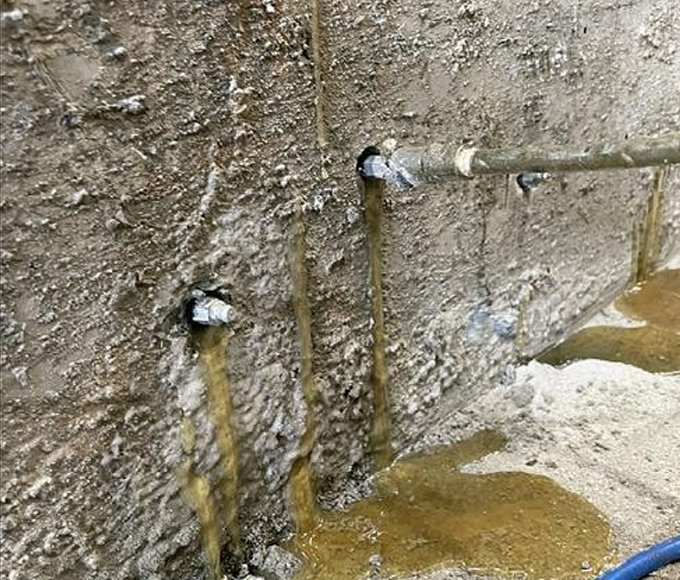
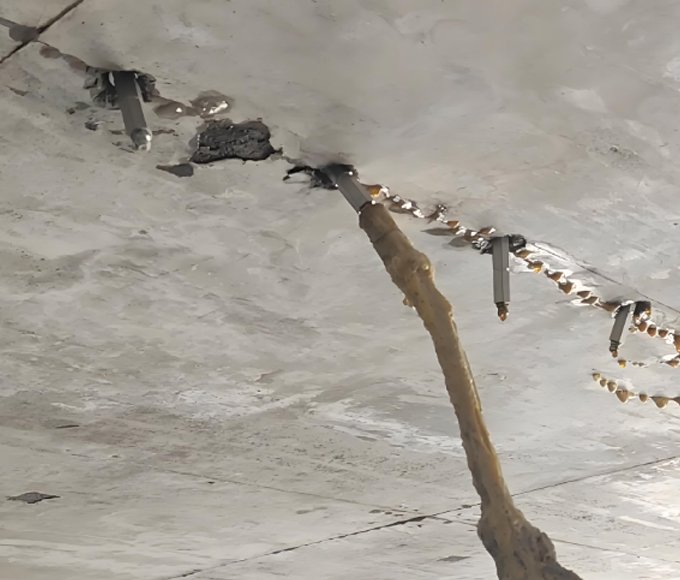
YURU Waterproof – Professional Polyurethane Injection Solutions
Advanced Material Systems
YURU Waterproof provides:
- Hydrophilic polyurethane grout
- Hydrophobic polyurethane grout
- Customized injection formulations
Designed for Complex Engineering Conditions
Our solutions are widely used in:
- Underground engineering
- Metro tunnels
- Water retention structures
- Industrial facilities
Technical Support for Contractors
We offer:
- On-site application guidance
- Injection system recommendations
- OEM and bulk supply services
Focus on Real Engineering Performance
Our goal is not just material supply, but successful project outcomes.
FAQs:
1. What is polyurethane crack injection used for?
It is used to seal active water leaks in concrete cracks.
2. Why does polyurethane injection fail?
Common reasons include wrong material selection and poor pressure control.
3. What is the difference between hydrophilic and hydrophobic grout?
Hydrophilic forms gel; hydrophobic expands into foam.
4. Can injection repair structural cracks?
It seals water leakage but does not restore full structural strength.
5. How long does polyurethane injection last?
Typically 10–20 years depending on conditions.
Conclusion:
Understanding common mistakes in polyurethane crack injection waterproofing is the first step. Avoiding them is the second.
Most failures aren’t material-related. They’re about application, planning, and technical understanding.
If you are dealing with complex leakage problems or large-scale injection projects, choosing the right technical partner is critical.
YURU Waterproof provides professional polyurethane injection solutions designed for demanding construction environments worldwide.
Contact us today for technical consultation, product samples, and customized solutions.
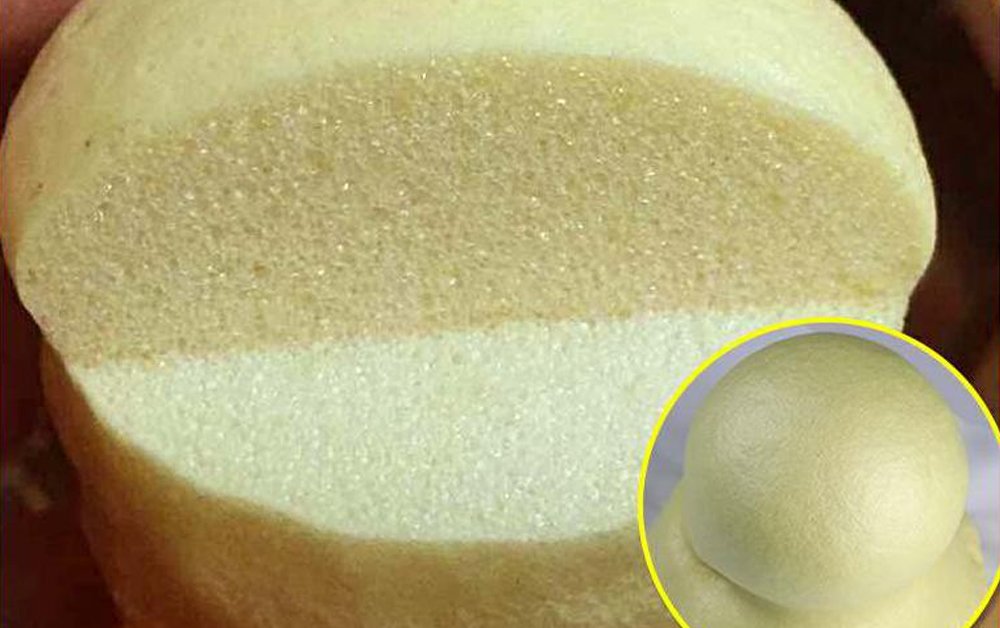
YURU Product solutions