Finding the Best Roof Waterproofing Coating: A Manufacturer’s Technical Analysis
Introduction:
Roof waterproofing failures remain one of the most common and costly problems in the construction industry. Surprisingly, most failures are not caused by poor application or low-quality raw materials. Instead, they result from a fundamental mismatch between the coating system and the roof substrate.
In today’s global market, buyers are often presented with “universal” or “multi-purpose” roof waterproofing coatings. These products promise wide applicability, low cost, and easy installation. In reality, roofs made of metal, concrete, asphalt, or composite materials behave very differently under heat, moisture, and structural stress.
As a manufacturer with extensive international project experience, YURU Waterproof approaches roof waterproofing from a technical and system-based perspective. This article explains how to identify the best roof waterproofing coating by understanding substrate behavior, key performance indicators, production quality, and real-world performance data.
1. Why There Is No One-Size-Fits-All Roof Waterproofing Solution?
1.1 Different Roof Substrates, Different Physical Behavior
Every roof substrate interacts with waterproof coatings in a unique way.
- Metal roofs expand and contract significantly with temperature changes. They are smooth, non-porous, and highly conductive.
- Concrete roofs are rigid, porous, and alkaline. They crack over time due to shrinkage, settlement, and structural movement.
- Asphalt-based roofs soften under heat and age rapidly under UV exposure.
Applying the same coating system to all these surfaces ignores basic material science.
A coating that performs well on concrete may fail prematurely on metal due to insufficient elasticity. Likewise, a coating optimized for metal may not resist long-term ponding water on concrete roofs.
1.2 Why “Universal” Waterproof Coatings Often Underperform?
The idea of a universal waterproof coating is appealing from a sales perspective, but problematic from an engineering standpoint.
Such products typically compromise on:
- Elasticity
- UV resistance
- Chemical stability
- Long-term adhesion
They may pass short-term laboratory tests but struggle in real-world environments.
At YURU Waterproof, coating development always starts with one question: “What is the substrate, and how does it move over time?” Only after answering this question does formulation begin.
2. Three Key Performance Indicators That Determine Roof Waterproofing Quality
When choosing the best roof waterproofing coating, don’t be overly swayed by marketing claims; focus on measurable performance indicators.
2.1 UV Stability: Protection Against Premature Degradation
Ultraviolet radiation is one of the most destructive forces acting on exposed roofs.
Poor UV stability leads to:
- Surface chalking
- Loss of elasticity
- Cracking and embrittlement
- Reduced service life
High-quality roof waterproofing coatings must maintain chemical stability under prolonged UV exposure.
2.2 Elongation: Absorbing Thermal and Structural Movement
Elongation measures how much a coating can stretch before breaking.
For roofs, elongation is not optional—it is essential.
- Metal roofs require high elastic recovery to follow thermal expansion.
- Concrete roofs need crack-bridging capability as microcracks develop over time.
A coating with insufficient elongation will crack under stress, allowing water ingress even if adhesion remains intact.
YURU’s high-performance polyurethane systems typically exceed 300% elongation, providing a balance between flexibility and mechanical strength.
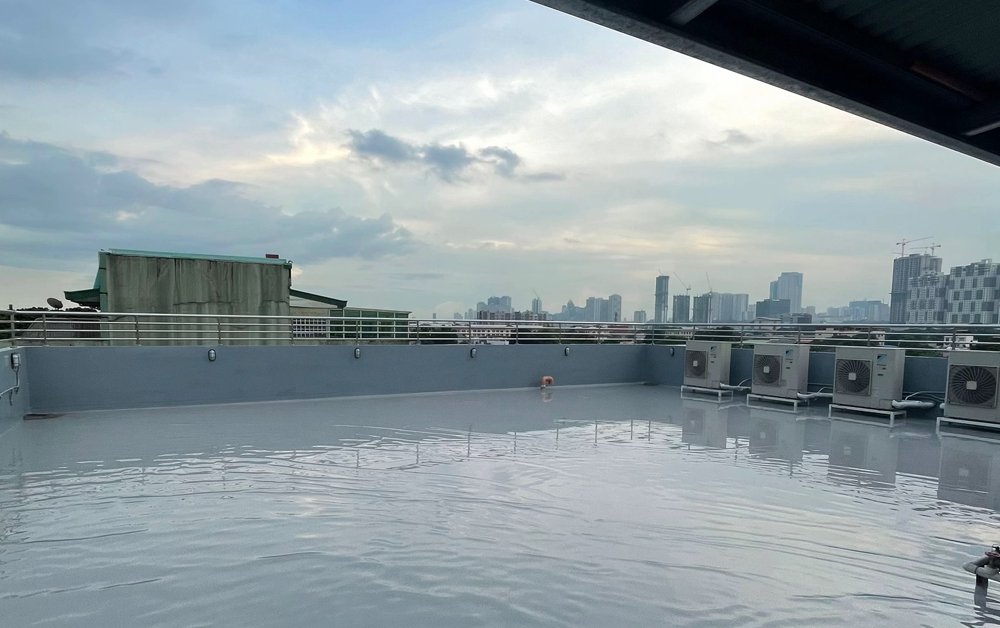
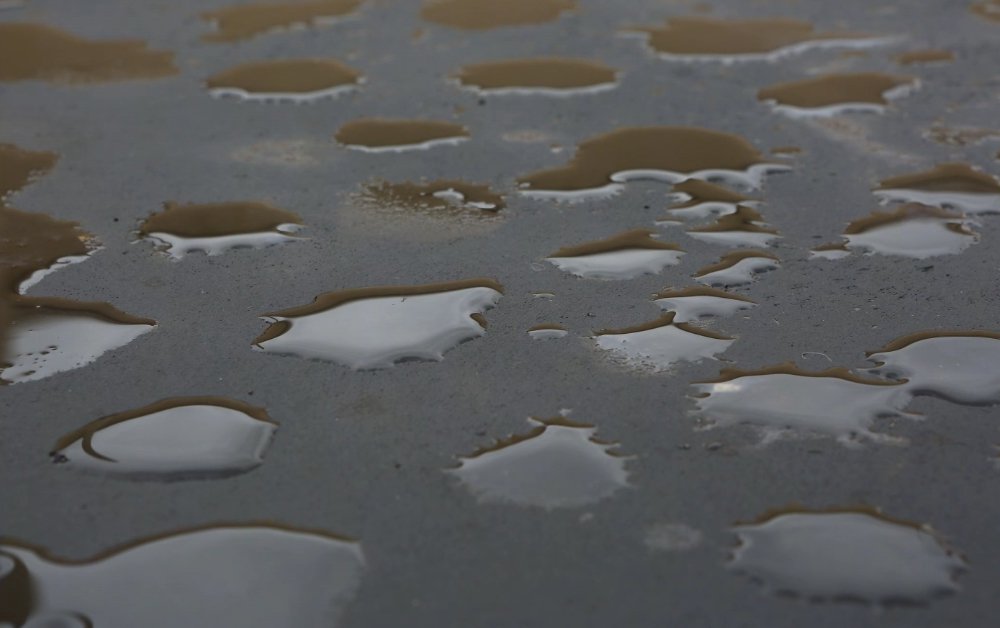
2.3 Standing Water Resistance: Performance Under Ponding Conditions
Many flat roofs experience standing water due to drainage limitations.
Poor resistance to ponding water can cause:
- Blistering
- Softening
- Loss of adhesion
- Chemical breakdown
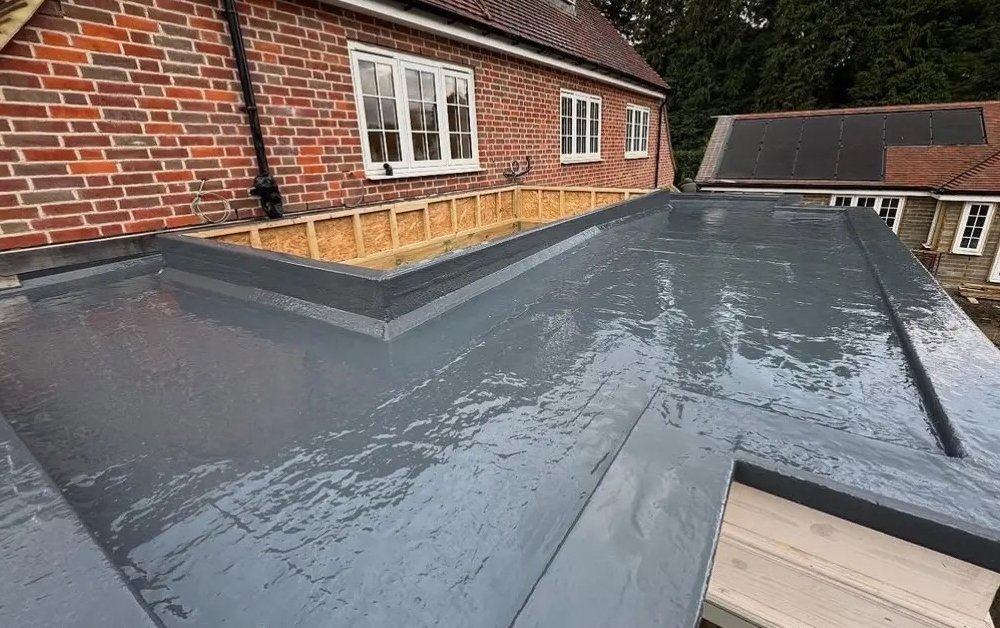
Not all coatings are designed for continuous water exposure. Acrylic coatings, for example, offer excellent UV resistance but may degrade under long-term ponding unless modified.
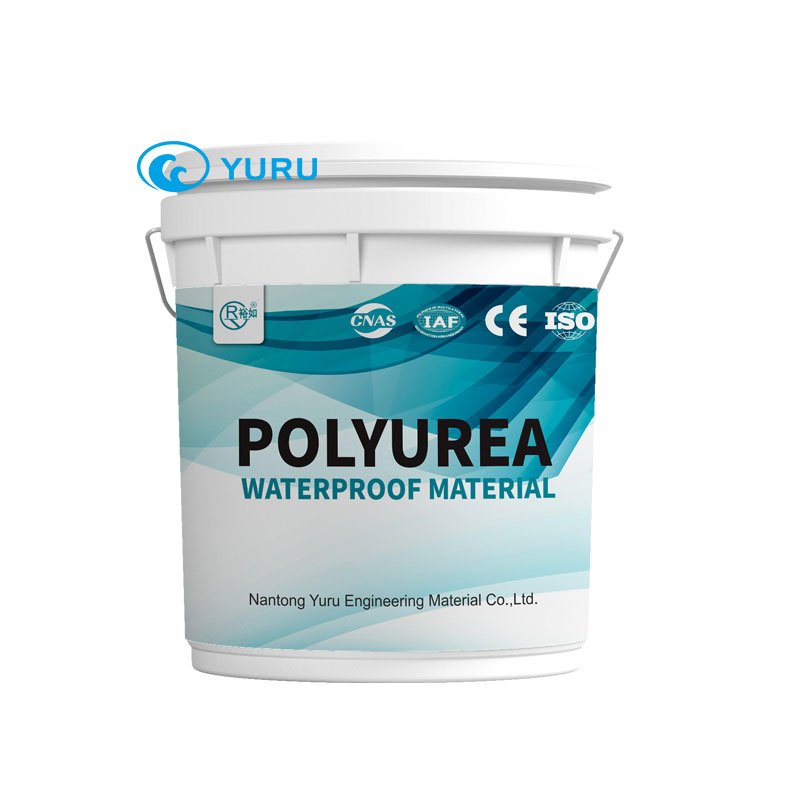
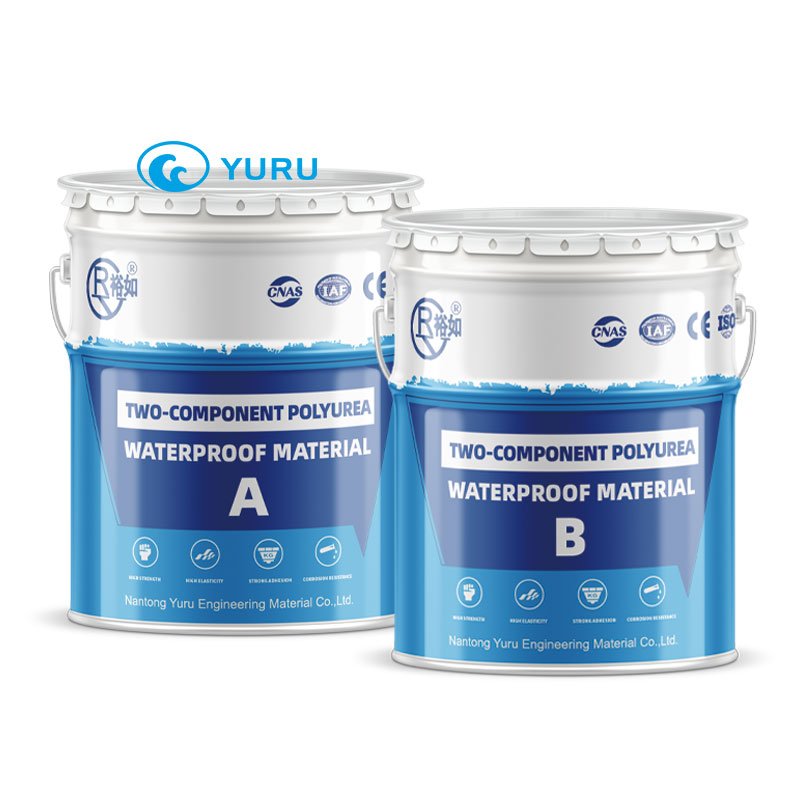
3. Head-to-Head Comparison: Polyurethane vs. Acrylic vs. Polyurea
Understanding the strengths and limitations of major coating technologies is critical for informed selection.
3.1 Technical Comparison Table
| Property | Polyurethane (PU) | Acrylic | Polyurea |
| UV Resistance | Good to Excellent | Excellent | Excellent (Aliphatic) |
| Elongation | High | Medium | Very High |
| Ponding Water Resistance | Excellent | Moderate | Excellent |
| Curing Speed | Medium | Medium | Fast |
| Application Method | Roller / Spray / Bursh | Roller / Spray / Bursh | Spray / Bursh |
| Cost Level | Medium | Low | High |
| Service Life | 15–25 years | 8–15 years | 20–30 years |
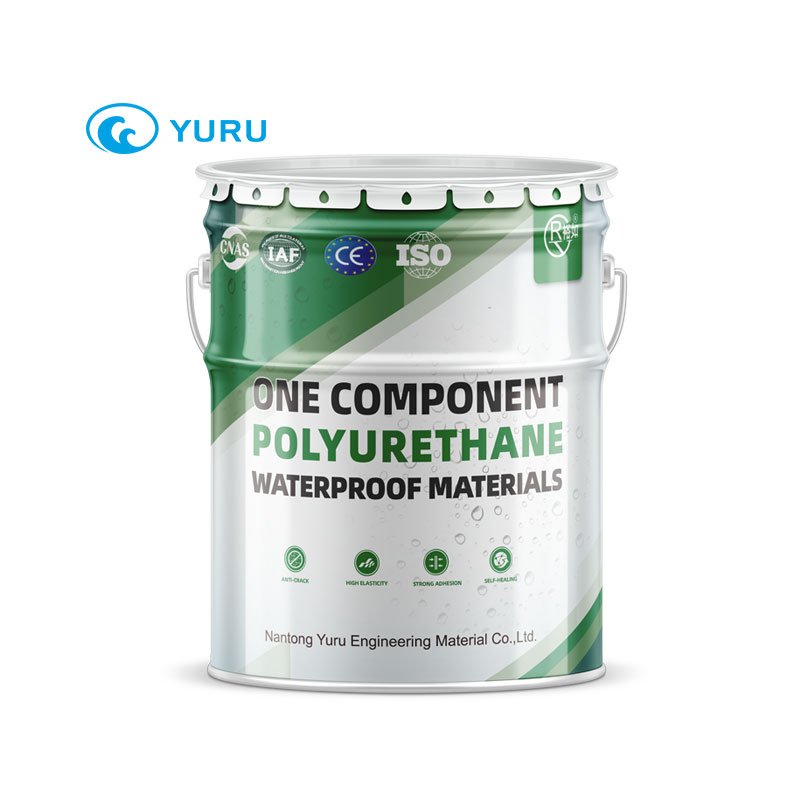
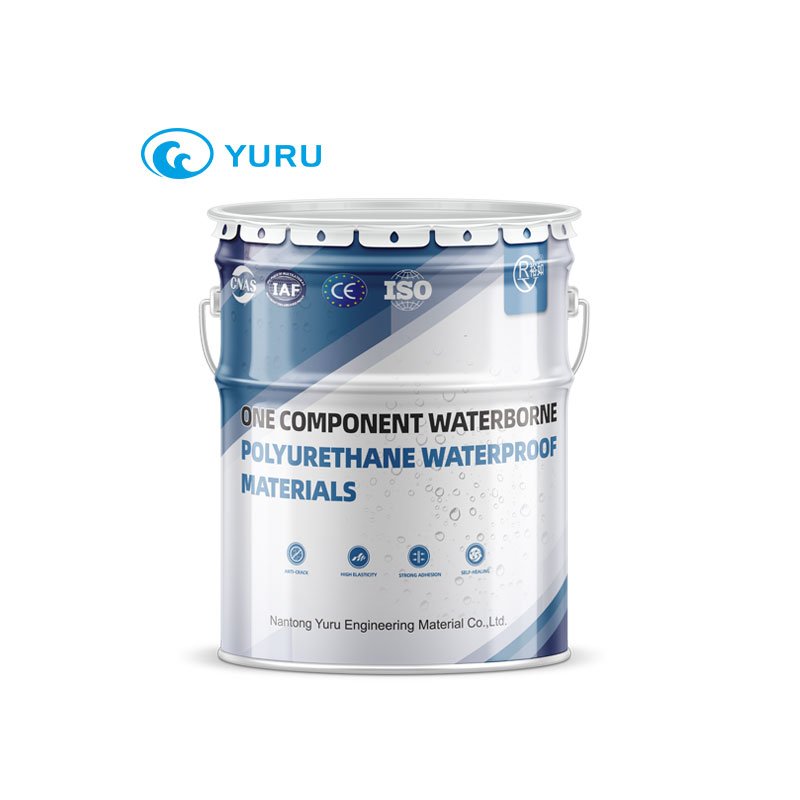
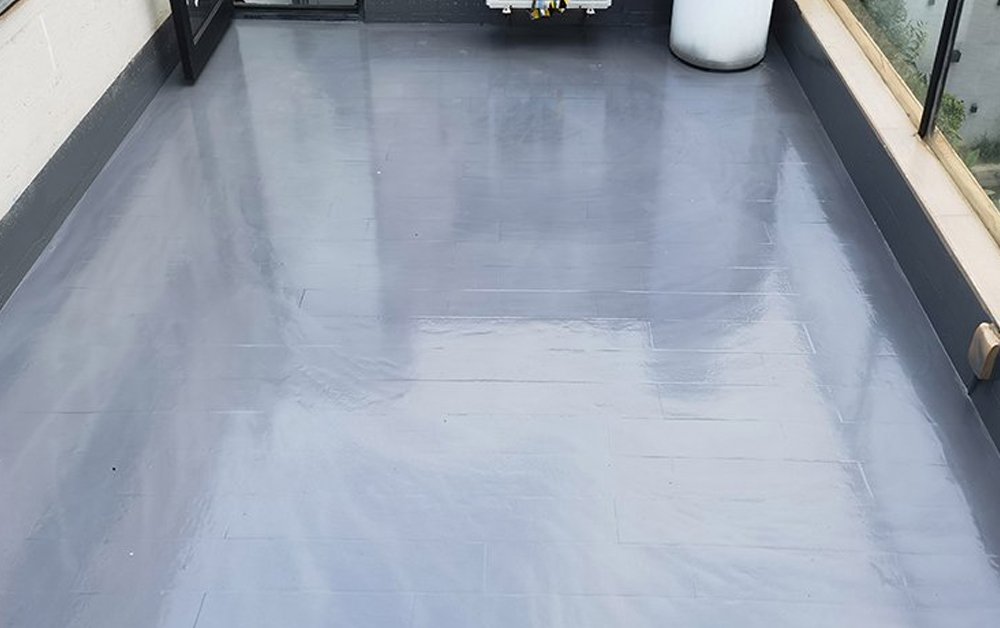
3.2 Why Polyurethane Offers the Best Balance for Most Roofs?
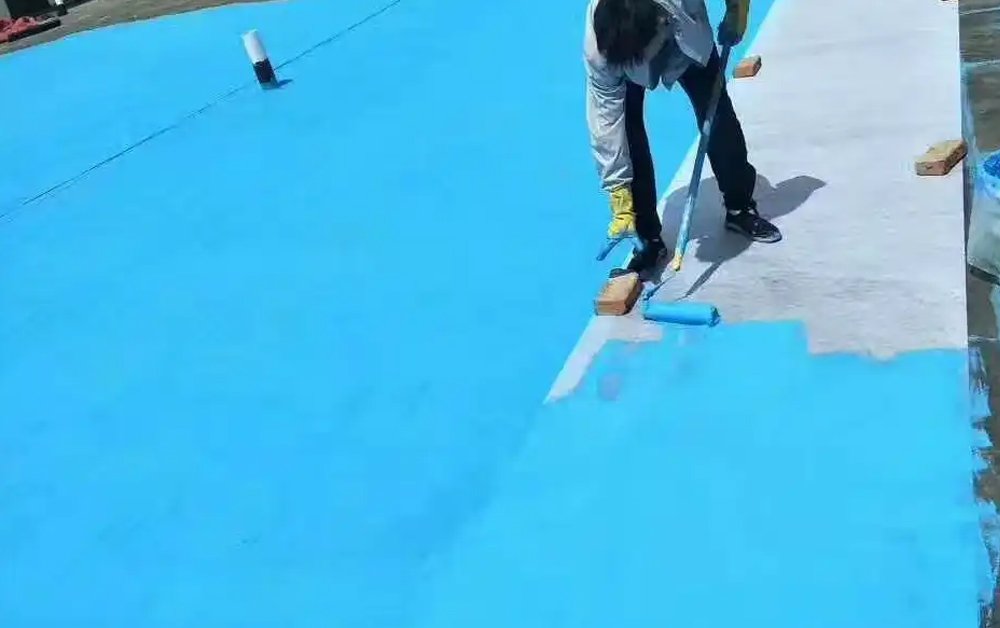
Polyurethane coatings strike a practical balance:
- High elasticity
- Strong adhesion
- Good chemical and water resistance
- Flexible application methods
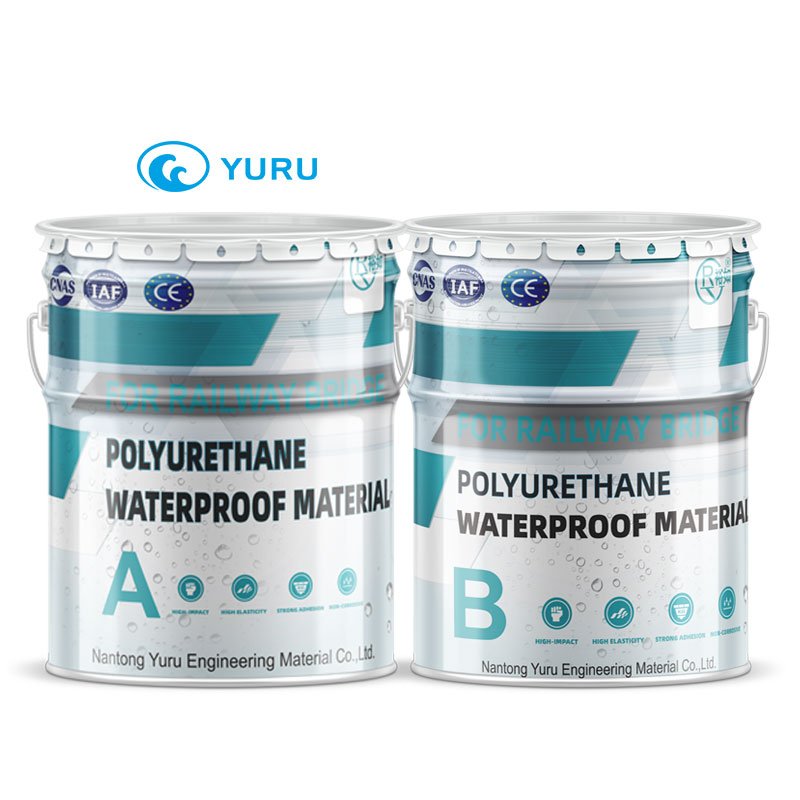
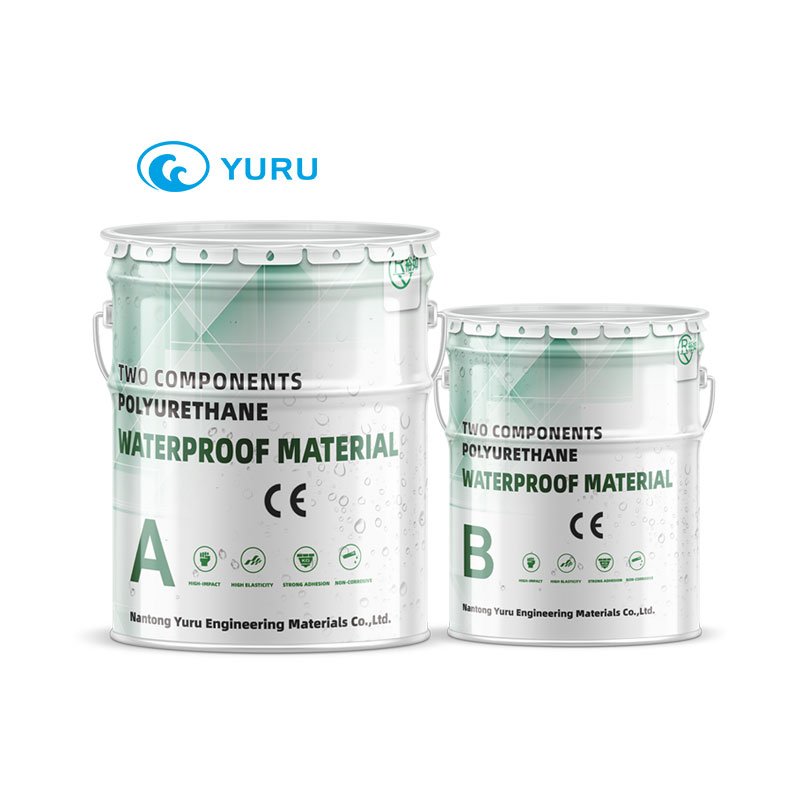
YURU’s polyurethane roof systems are engineered to optimize this balance, offering long-term durability without excessive installation complexity.
4. Evaluating the Manufacturer: How Production Quality Affects Performance
4.1 Why Manufacturing Process Matters More Than Labels
Two coatings with identical datasheets may perform very differently in practice.
The difference often lies in:
- Raw material dispersion
- Mixing consistency
- Particle size control
- Quality assurance during production
Inconsistent mixing leads to weak points within the cured membrane, increasing the risk of failure.
4.2 YURU’s Automated Grinding and Mixing Technology
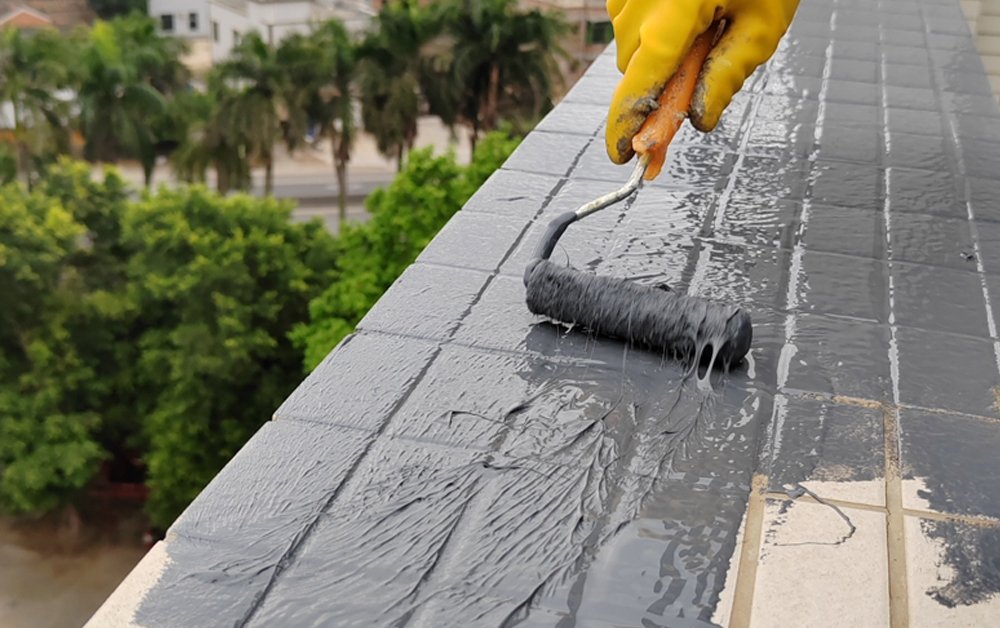
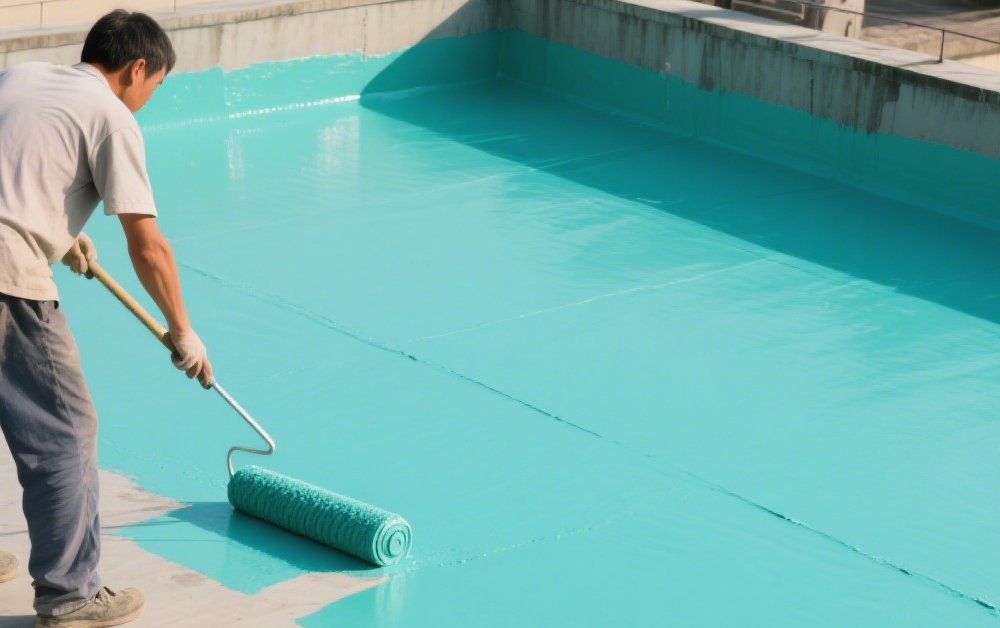
YURU Waterproof employs automated grinding and high-shear mixing systems to ensure uniform molecular distribution.
This process:
- Improves film density
- Enhances mechanical strength
- Reduces micro-defects
- Ensures batch-to-batch consistency
Each production batch undergoes internal testing before release, ensuring performance matches design specifications.
5. Global Track Record: Performance Across Extreme Climates
5.1 High-Temperature Regions (Middle East)
In desert climates, roof surfaces can exceed 70°C.
YURU coatings used in Middle Eastern projects demonstrate:
- Stable elasticity under extreme heat.
- Resistance to UV-induced degradation.
- Reduced surface temperature with reflective systems.
5.2 High-Humidity Regions (Southeast Asia)
Tropical environments present challenges such as:
- Heavy rainfall
- High humidity
- Biological growth
YURU systems used in Southeast Asia emphasize:
- Strong adhesion under humid conditions.
- Resistance to microbial growth.
- Long-term water resistance.
These real-world results validate laboratory performance data.
FAQs
1. Is polyurethane suitable for both metal and concrete roofs?
Yes. Polyurethane offers sufficient elasticity for metal roofs and excellent crack-bridging for concrete roofs when properly formulated.
2. Why do some coatings fail within two years?
Most early failures result from poor UV stability or insufficient elongation relative to substrate movement.
3. Is polyurea always the best choice?
Polyurea offers superior performance, but requires specialized equipment and a higher investment. Polyaspartic polyurea can be applied by roller, but the initial cost will be higher. Polyurea is not necessary for all projects.
4. Can YURU customize roof waterproofing formulations?
Yes. YURU offers OEM and custom formulation services based on climate, substrate, and performance requirements.
5. How long should a high-quality roof waterproofing system last?
With proper selection and application, service life typically ranges from 15 to 30 years.
Conclusion:
There is no shortcut to effective roof waterproofing.
The best roof waterproofing coating is not defined by brand recognition or price alone. It is defined by how well the system aligns with:
- Roof substrate behavior
- Environmental exposure
- Structural movement
- Long-term performance expectations
By focusing on technical fundamentals and manufacturing quality, project stakeholders can significantly reduce lifecycle costs and failure risks.
YURU Waterproof remains committed to engineering-driven solutions that deliver predictable, long-term performance worldwide.
Planning your next roofing project? Contact YURU Waterproof to receive:
- A roof waterproofing system selection guide.
- Project-specific technical recommendations.
- Samples and performance data.
YURU Product solutions