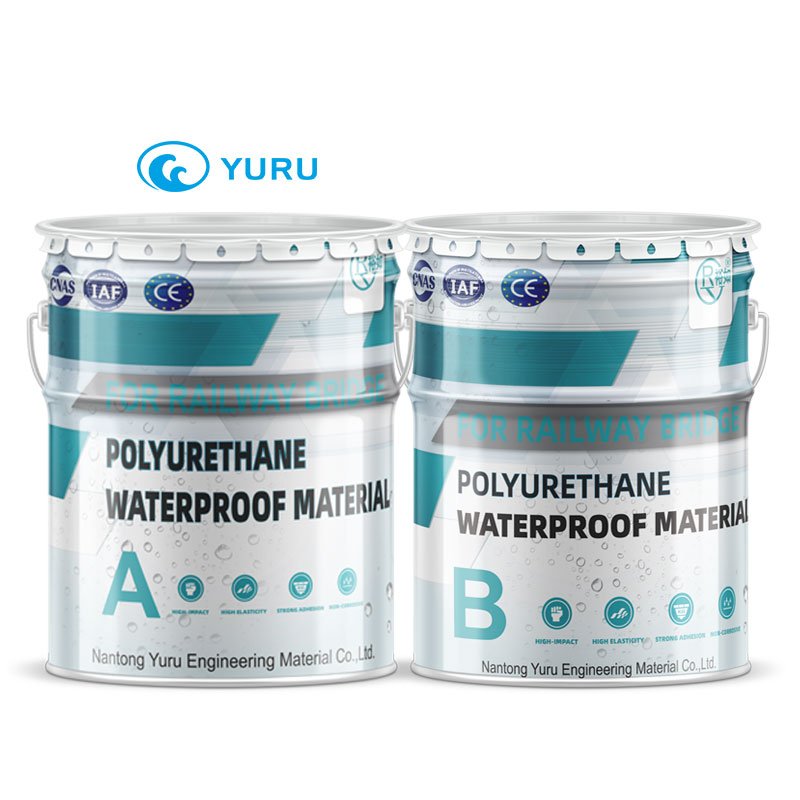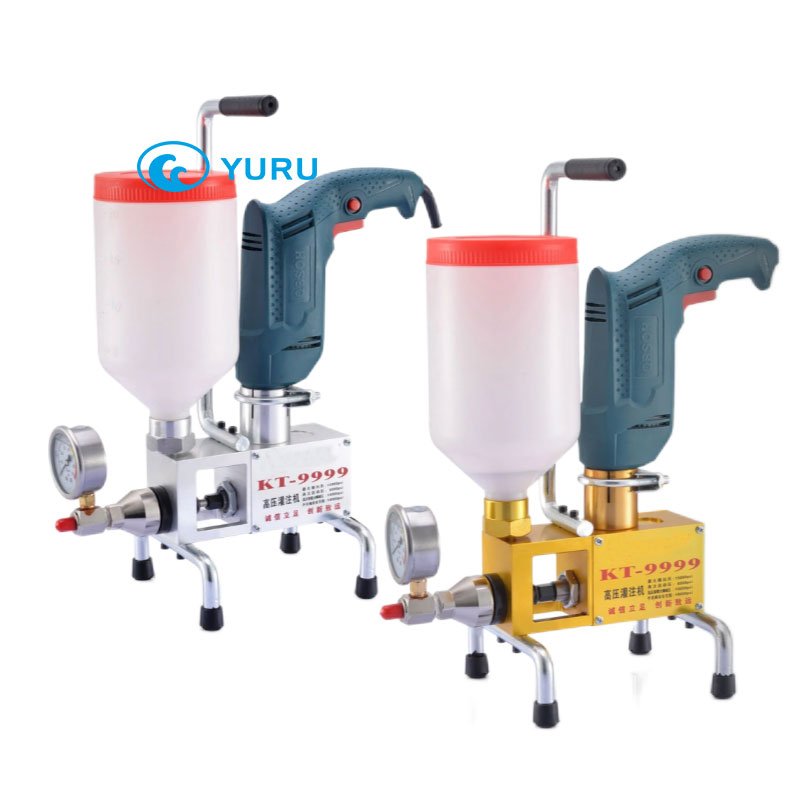
Flexible Polyurea Grout for Structural Repairs
Introduction – The Role of Flexibility in Structural Grouting
Concrete structures naturally experience movement—due to temperature fluctuations, vibrations, loads, or settlement. These shifts can lead to cracking, water ingress, or even long-term structural damage. That’s where flexible polyurea grout for structural repairs plays a vital role.
Unlike rigid epoxy or polyurethane grouts, polyurea-based solutions offer elasticity, strength, and resilience. When cracks shift or stretch, this grout moves with them—preventing failure and ensuring a watertight seal.
Key Advantages of Polyurea Grout in Structural Repairs
High Elasticity and Crack Adaptation
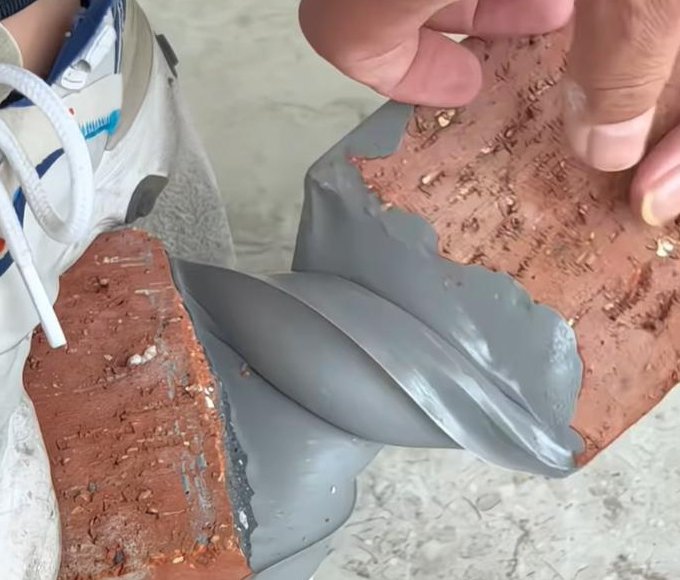
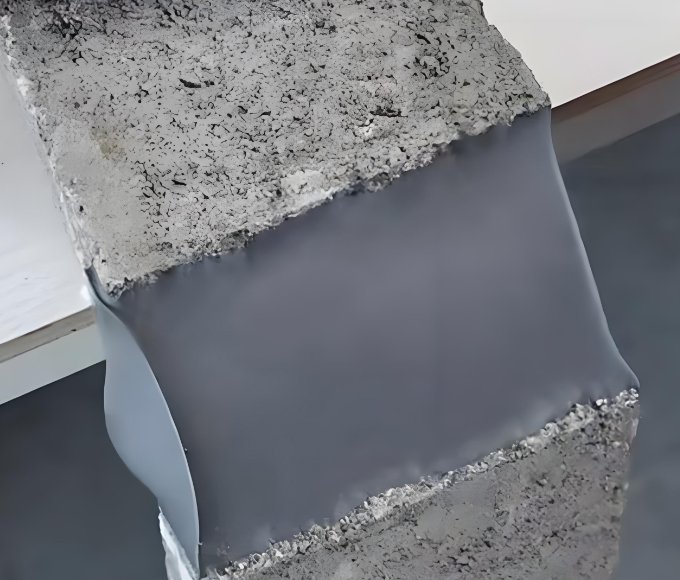
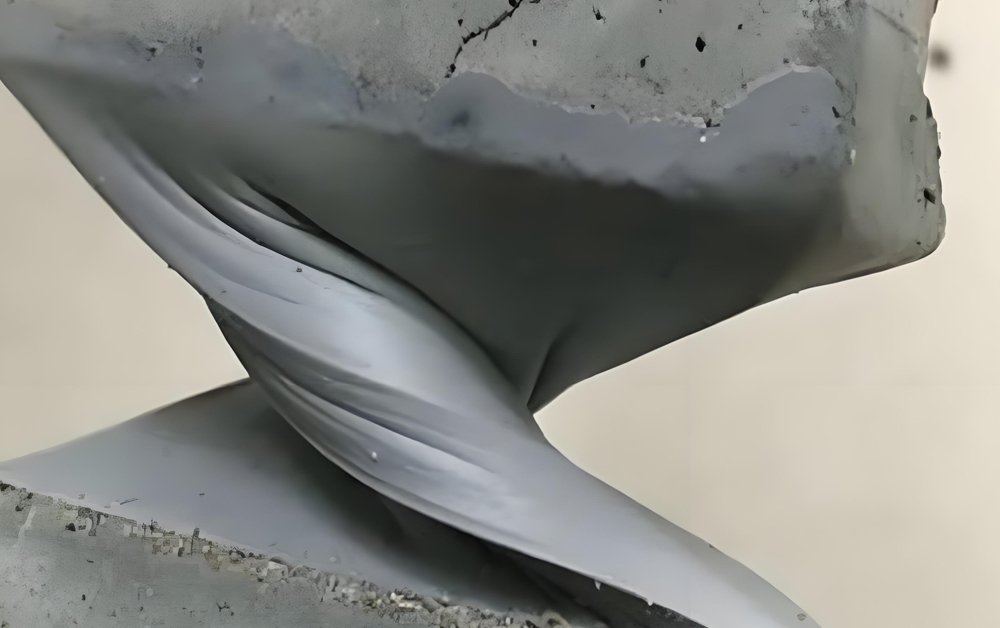
Polyurea elastic grout is designed to stretch and recover without tearing. With elongation rates exceeding 500%, it performs excellently in expansion joints, bridge decks, and high-movement zones.
This makes it ideal for structures exposed to temperature changes or vibrations. It seals gaps while allowing natural movement—crucial for structural longevity.
Fast Curing Time for Onsite Efficiency
Polyurea grout cures quckily, depending on the formulation. This speeds up project timelines and minimizes downtime, especially important in traffic-sensitive areas like highways and subways.
Additionally, it cures well in wet conditions, making it a practical solution for damp cracks or leaking joints.
Typical Applications of Flexible Polyurea Grout
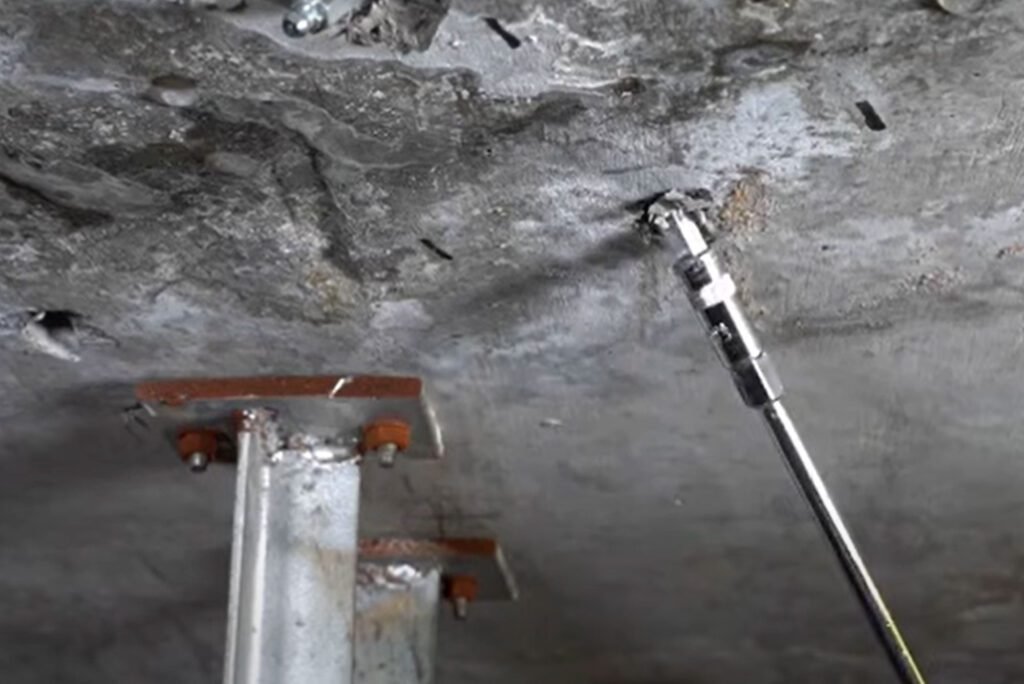
Dynamic Cracks in Bridges and Subways
Bridges and underground tunnels are subject to constant load variations and dynamic forces. Cracks that form in these areas must be sealed with materials that can flex, not just fill.
YURU’s polyurea grout adapts to movement, preventing further cracking or water entry.
Sealing Damp or Leaking Basement Cracks
Basement walls and foundations often face hydrostatic pressure. Traditional rigid materials may delaminate or break down. Polyurea grout, however, bonds tightly and holds up under constant moisture.
It creates a permanent barrier against water ingress—extending the life of below-grade structures.
Waterproofing in Tunnels and Foundations
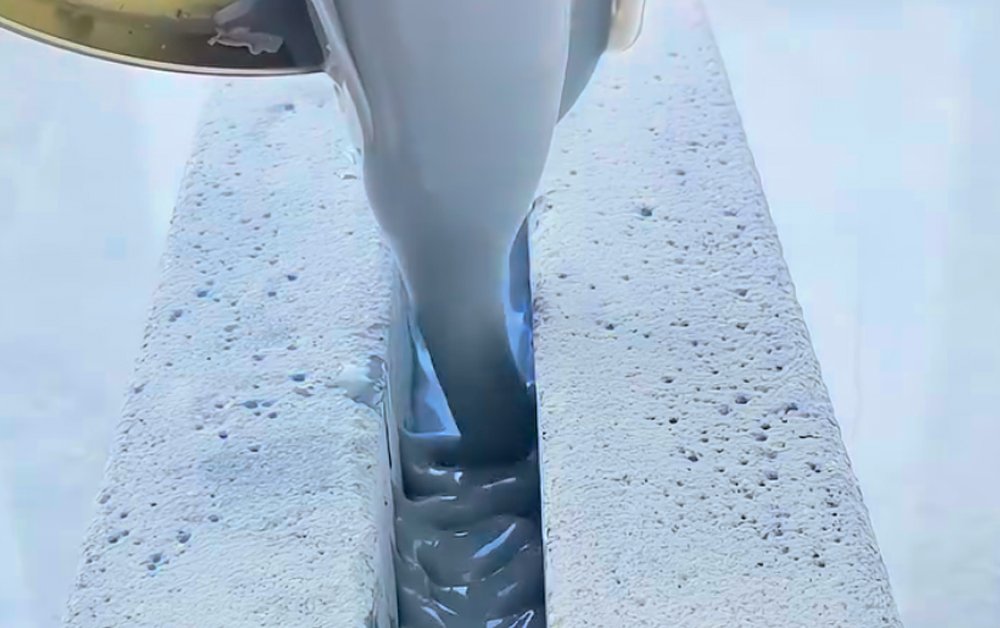
In tunnels, retaining walls, and dams, leaks can occur at joints, pipe penetrations, or shrinkage cracks. Flexible polyurea grout flows into these defects and solidifies rapidly—even under flowing water.
Its waterproofing and chemical resistance properties make it reliable in aggressive environments.
Performance Characteristics You Should Look For
Tensile Strength, Elongation, and Bonding
An ideal structural grout needs both strength and flexibility. Standard performance metrics for quality polyurea grout include:
| Property | Recommended Range |
|---|---|
| Elongation Rate | ≥ 500% |
| Tensile Strength | ≥ 2.5 MPa |
| Application Viscosity | 800–1200 cps |
| Adhesion Strength | Strong on damp concrete |
These values ensure the grout performs under real-world pressures.
Water and Chemical Resistance
Good polyurea grout must resist:
- Water pressure (≥ 1.5 MPa)
- Common construction chemicals
- Temperature cycles (-30°C to +80°C)
- Biological corrosion in wastewater systems
YURU Waterproof’s products are field-tested in harsh environments to ensure durability.
How to Apply Polyurea Grout for Structural Repairs?
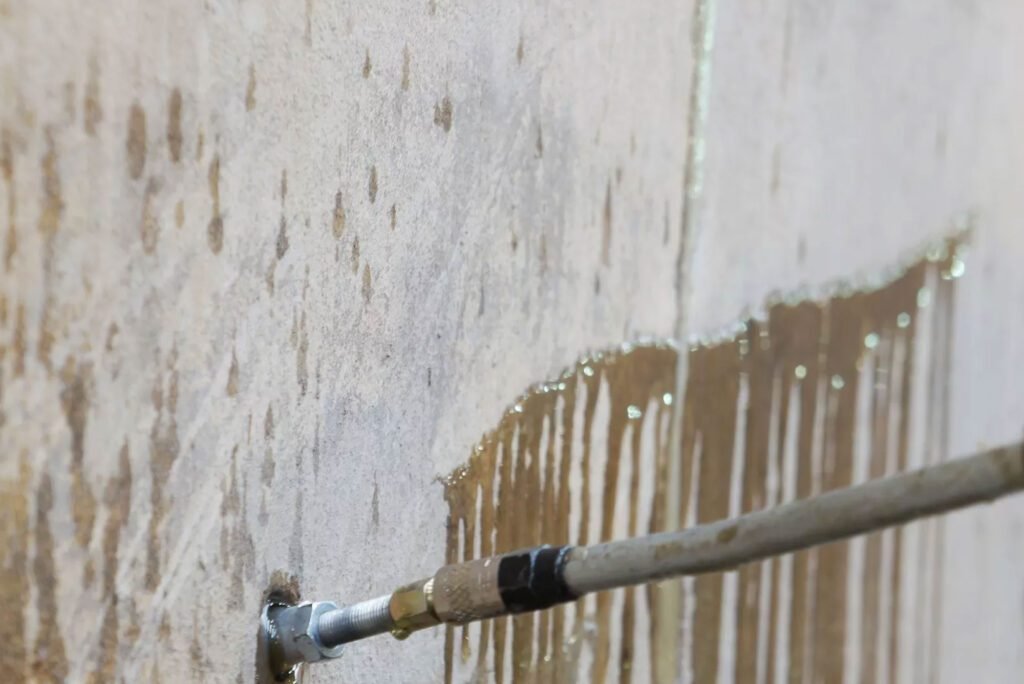
Preparation and Injection Techniques
- Clean crack surfaces and remove loose particles.
- Drill holes and install injection ports if necessary.
- Use dual-component pumps for precise mixing.
- Begin injecting from the lowest point upward.
- Stop once material appears at the next port.
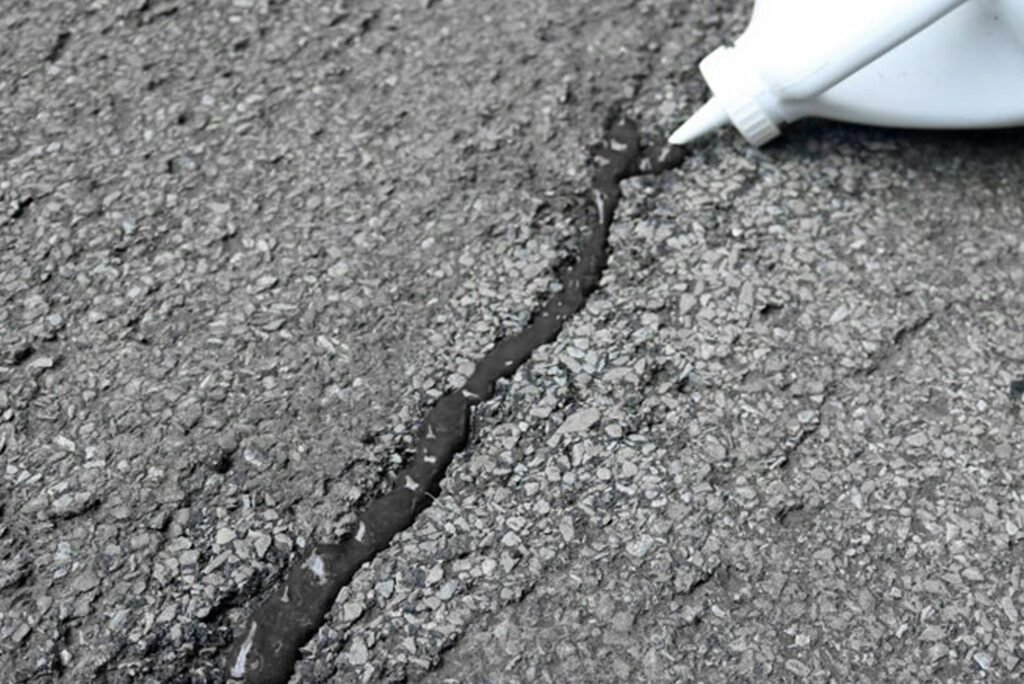
Proper injection ensures deep penetration and total sealing of cracks or voids.
Post-Curing and Quality Inspection
After injection:
- Wait until it is completely solidified.
- Inspect visually and/or with water pressure testing.
- Apply surface treatment if needed after 48 hours.
YURU Waterproof offers application guides and remote tech support for proper installation.

Why Choose YURU Waterproof for Polyurea Solutions?
Custom Formulas and Project Support
At YURU Waterproof, we don’t just sell products—we engineer them to solve real challenges. Our R&D team can adjust curing speed, viscosity, and strength based on your project environment.
Whether you’re working on a subway, a tunnel, or a multi-story basement, we provide the right grout formula for maximum performance.
Global Supply, OEM Options, and Client Success
We ship worldwide and support:
- OEM and private label packaging.
- Technical datasheets and MSDS in multiple languages.
- Fast production and international delivery.
- Real case studies in metro, highway, and industrial projects.
We’re more than a supplier—we’re your strategic material partner.
Conclusion – Build with Confidence Using YURU Polyurea Grout
Flexible polyurea grout for structural repairs is the smart choice for modern construction—offering the strength of traditional grouts with the adaptability today’s infrastructure demands.
Whether you’re sealing basement walls, repairing bridge joints, or waterproofing a subway tunnel, YURU Waterproof provides the durability, elasticity, and trust you need to build with confidence.
Contact YURU Waterproof today to request a quote, receive samples, or discuss your next injection project.
FAQs
1. Can polyurea grout stop active water leaks?
Yes, YURU’s formula cures even under running water and seals fast.
2. Is it safe for confined or indoor spaces?
Yes. It is low-odor and non-toxic once cured, making it safe for indoor use.
3. Can I get a sample before ordering?
Yes, we offer trial kits for material evaluation and field testing.
4. Do you support OEM or distributor cooperation?
Absolutely. We welcome brand partnerships, label design, and local market collaboration.
5. How long does it last?
With proper application, polyurea grout can last over 20 years under normal conditions.


YURU Product solutions