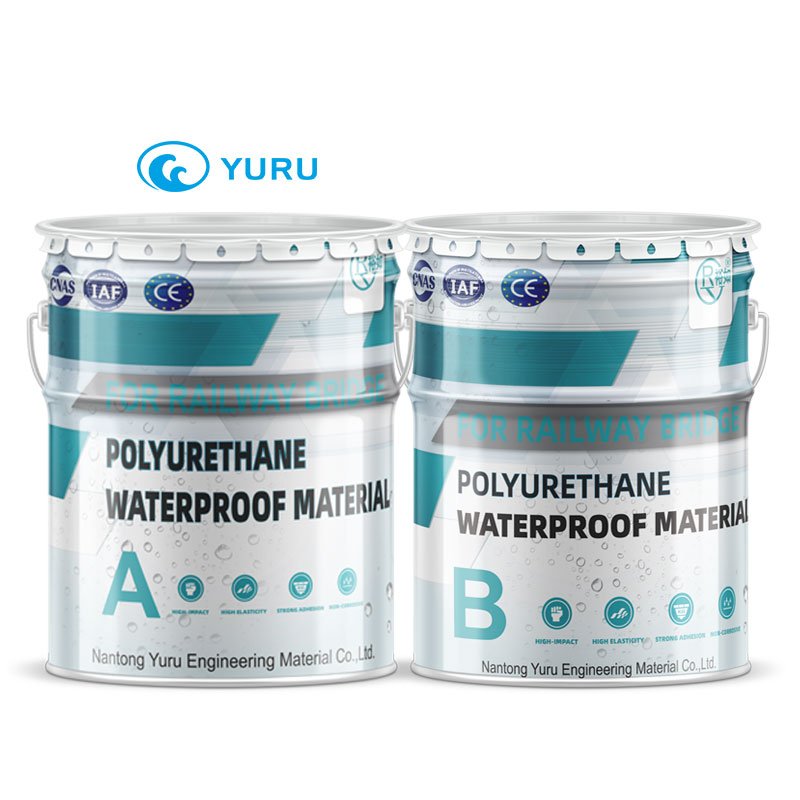
High-Elasticity Polyurea Rubber Grouting Supplier: Durable Leak Solutions
Introduction:
Water leakage is one of the most persistent problems in concrete structures. From underground basements and tunnels to metro systems and retaining walls, leaks not only damage structures but also increase long-term maintenance costs and safety risks.
Many repair projects fail not because of poor workmanship, but because the wrong material was selected. Rigid grouts, cement-based fillers, and low-elastic polyurethane systems may stop water temporarily, yet they often crack again as structures continue to move.
This is where high-elasticity polyurea rubber grouting materials offer a decisive advantage. Designed to move with the structure rather than resist it, polyurea rubber grouting provides a durable, long-term solution for dynamic leaks.
In this article, we explore how high-elasticity polyurea rubber grouting works, where it performs best, what buyers should look for in a supplier, and how YURU Waterproof supports professional leak repair projects worldwide.
1. What Is High-Elasticity Polyurea Rubber Grouting Material?
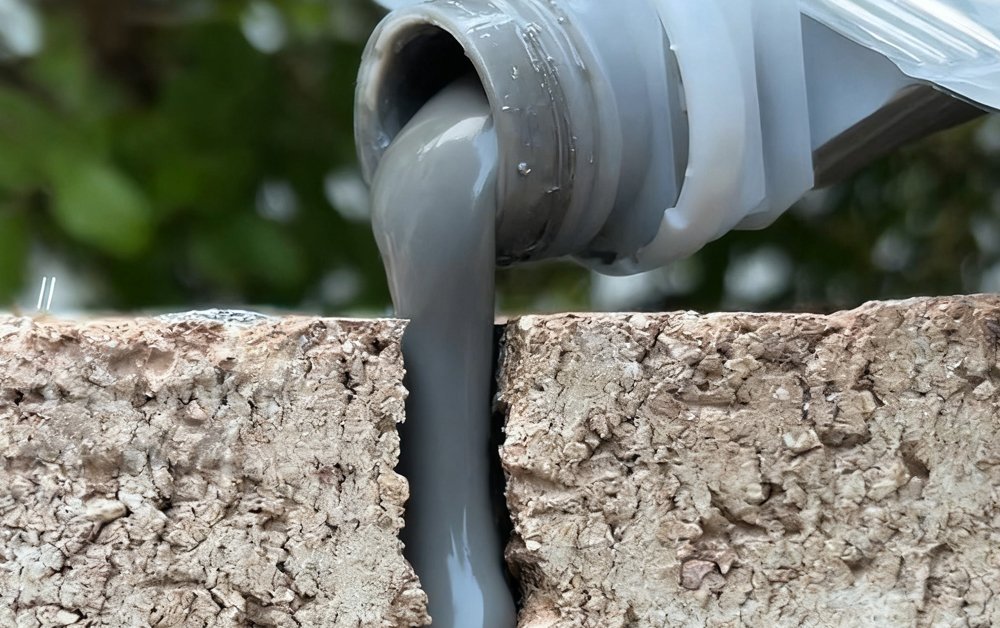
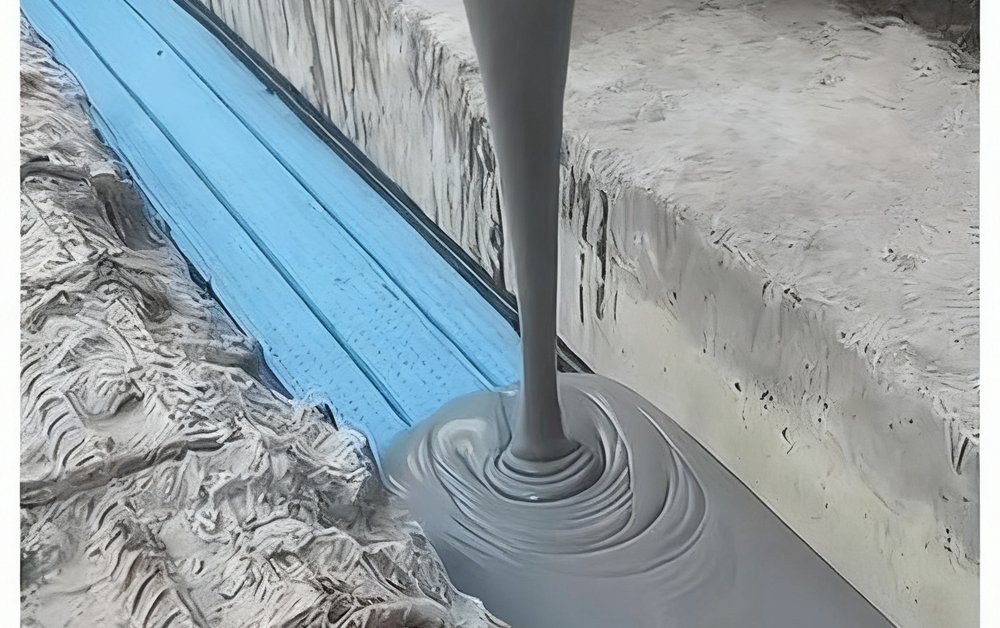
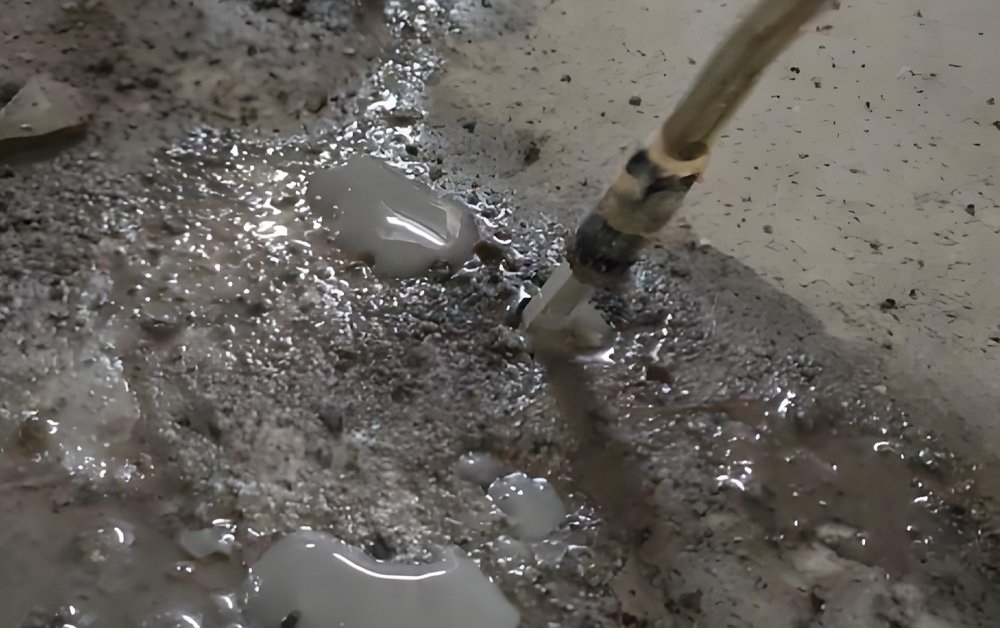
High-elasticity polyurea rubber grouting material is a reactive, elastomeric injection system designed to stop water ingress by forming a flexible rubber-like body inside cracks, joints, or voids.
Unlike cementitious grouts that harden into rigid solids, polyurea rubber grouts cure into highly elastic polymers with excellent recovery and deformation tolerance.
How It Works
- Low-viscosity liquid is injected into cracks or joints.
- Material reacts with moisture or through chemical curing.
- Rapid expansion or elastic solidification occurs.
- A continuous rubber barrier blocks water paths.
The cured material behaves like a flexible seal rather than a brittle plug, making it ideal for structures exposed to movement and vibration.
Polyurea Rubber vs. Traditional Grouting Materials
| Material Type | Flexibility | Durability | Re-cracking Risk |
|---|---|---|---|
| Cement grout | Very low | Medium | High |
| Ordinary PU grout | Medium | Medium | Medium |
| Polyurea rubber grout | Very high | High | Low |
This performance difference explains why polyurea rubber systems are increasingly specified in critical infrastructure repairs.
2. Why High Elasticity Matters More Than Hardness?
The Real Cause of Repeated Leaks
Concrete structures are never static. Over time, they experience:
- Thermal expansion and contraction
- Ground settlement
- Traffic vibration
- Hydrostatic pressure changes
Rigid materials resist movement—and eventually fail.
Elastic Sealing: A Long-Term Strategy
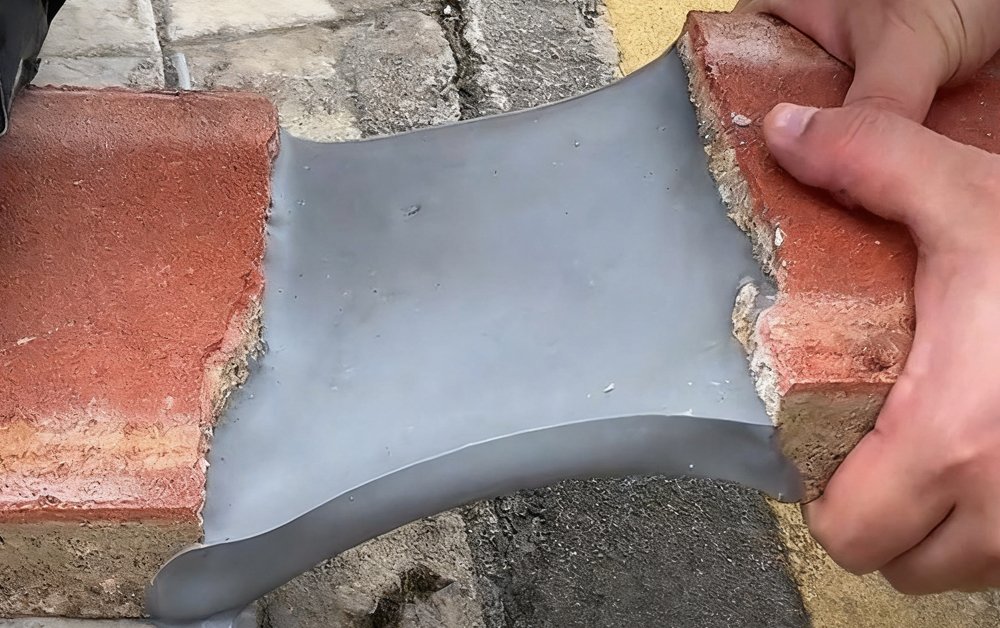
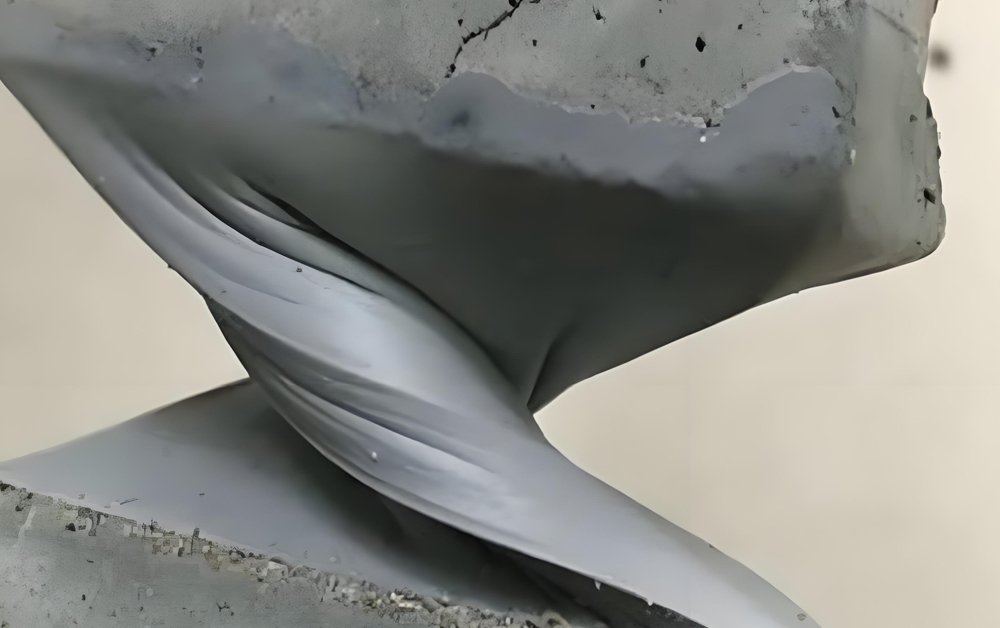
High-elasticity polyurea rubber grouting materials have an elongation rate of up to 300% or more, allowing them to repeatedly stretch and recover without losing their sealing properties.
This elasticity enables:
- Crack-bridging under dynamic movement.
- Long-term water tightness.
- Reduced maintenance cycles.
In practice, this means fewer call-backs, lower repair costs, and improved project reputation.

3. Typical Applications for Polyurea Rubber Grouting
High-elasticity polyurea rubber grouting is not a universal solution—but where movement and water pressure coexist, it excels.
Common Application Scenarios
Basement wall cracks
- Tunnel lining leaks
- Metro segment joints
- Expansion and deformation joints
- Construction cold joints
- Retaining walls and underground galleries
These areas share a common challenge: ongoing structural movement.
Why Engineers Prefer Polyurea Rubber in These Areas?
- Maintains sealing even when cracks widen or narrow.
- Resists washout under active water flow.
- Performs well under negative-side water pressure.
As a result, polyurea rubber grouting is often selected for critical or hard-to-access repairs.
4. Key Performance Indicators Buyers Should Evaluate
Selecting the right polyurea rubber grouting material requires more than reading a product name. Buyers should focus on measurable performance indicators.
Key Technical Parameters
- Reaction time: Determines workability and penetration.
- Expansion ratio (if foaming): Affects void filling.
- Elongation at break: Indicates deformation tolerance.
- Elastic recovery: Measures long-term flexibility.
- Water resistance: Ensures stability under immersion.
- Aging resistance: Predicts service life.
A reliable supplier provides clear technical data, not vague descriptions.
Why Data Transparency Matters:
Inconsistent or exaggerated data is a warning sign. Professional manufacturers test each batch to ensure performance consistency—critical for large-scale or repeat projects.

5. Construction Adaptability and Equipment Compatibility
Injection Equipment Requirements
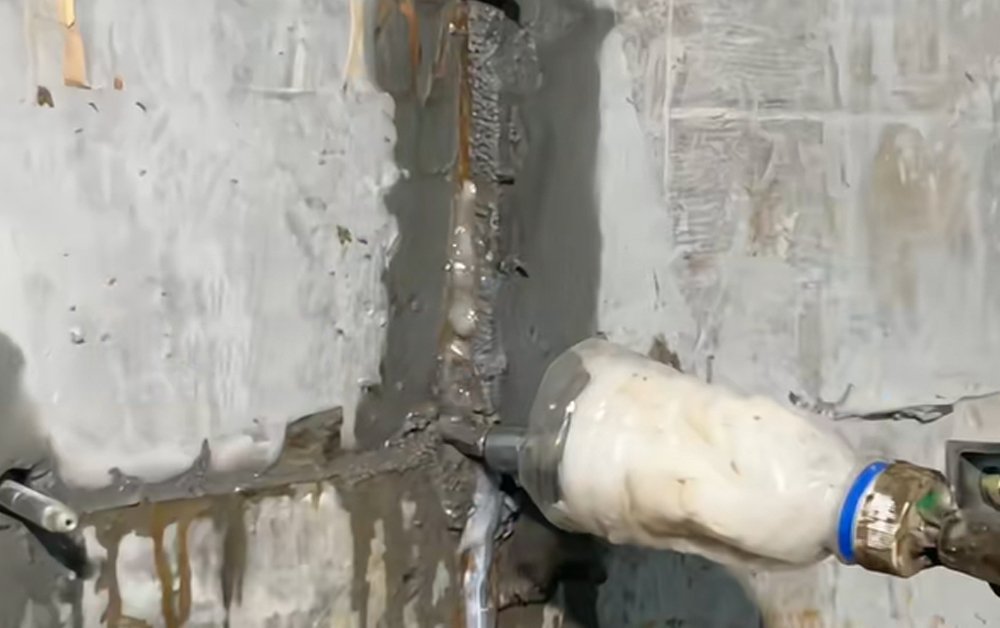
Polyurea rubber grouting materials are typically compatible with:
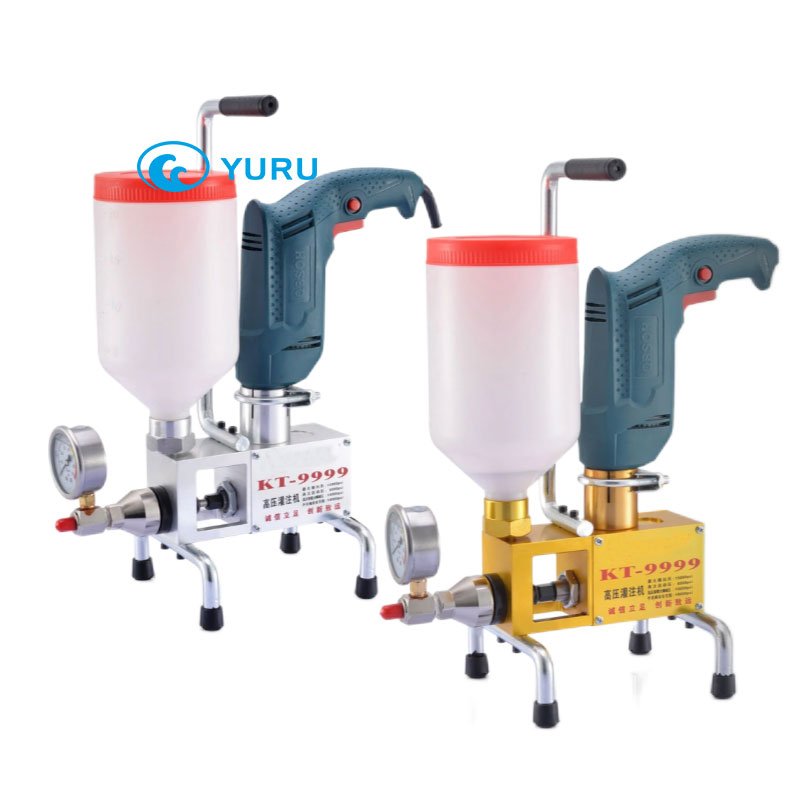
- Standard high-pressure injection pumps
- Mechanical packers or injection ports
This compatibility reduces the need for specialized equipment investment.
On-Site Practicality
Although reaction speed is fast, modern formulations balance:
- Sufficient working time for injection
- Rapid curing to stop active leaks
This balance minimizes downtime while maintaining application control.
The Importance of Construction Friendliness
From a contractor’s perspective, a material must perform reliably under real site conditions—not just in laboratory tests. Stable viscosity and predictable curing behavior reduce application risk.
6. How to Choose a Reliable Polyurea Rubber Grouting Supplier?
Manufacturer vs. Reseller
True manufacturers:
- Control formulations
- Maintain batch consistency
- Provide technical support
Resellers often lack technical depth and long-term accountability.
Key Supplier Evaluation Criteria
- In-house R&D capability
- Stable raw material sourcing
- Proven project references
- Technical service availability
Choosing the right supplier directly impacts project success.
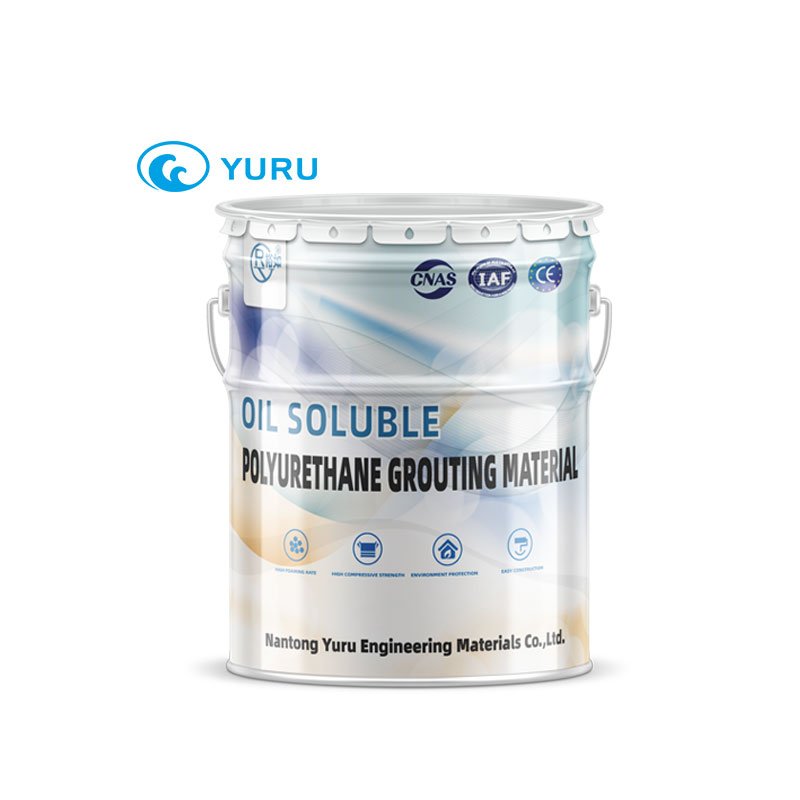
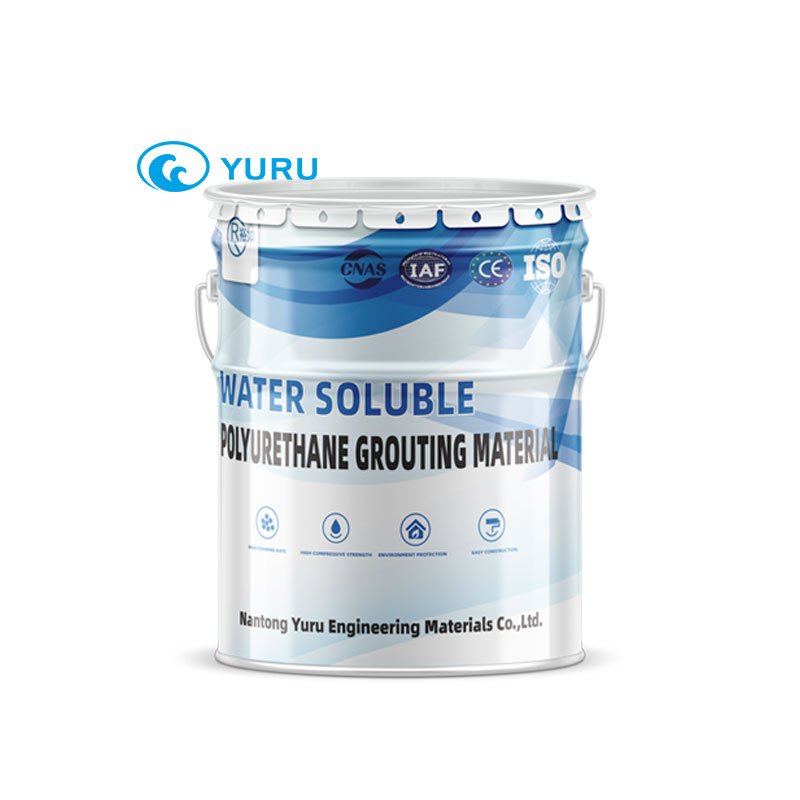
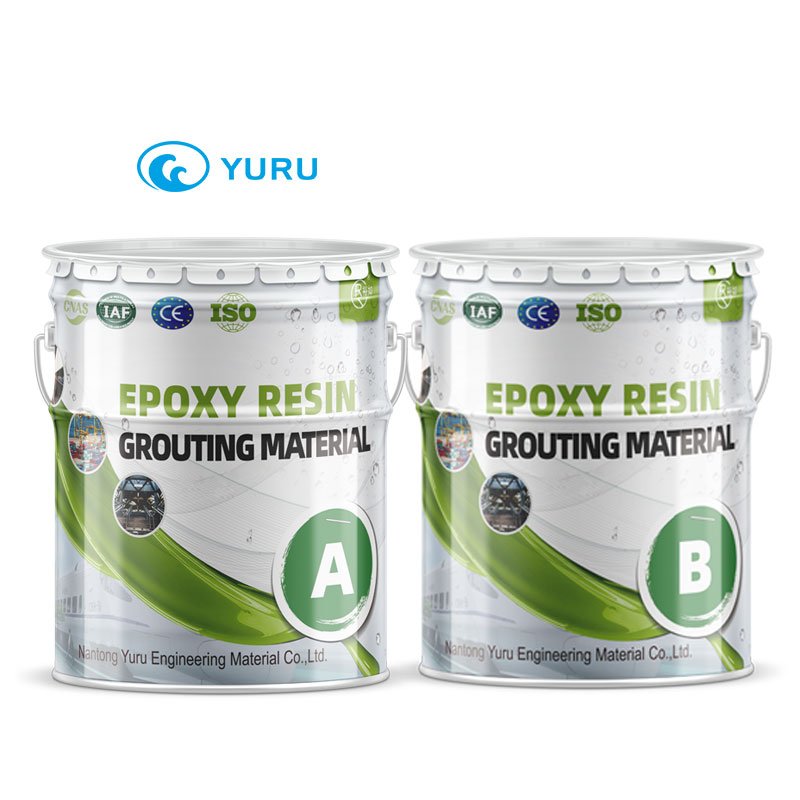
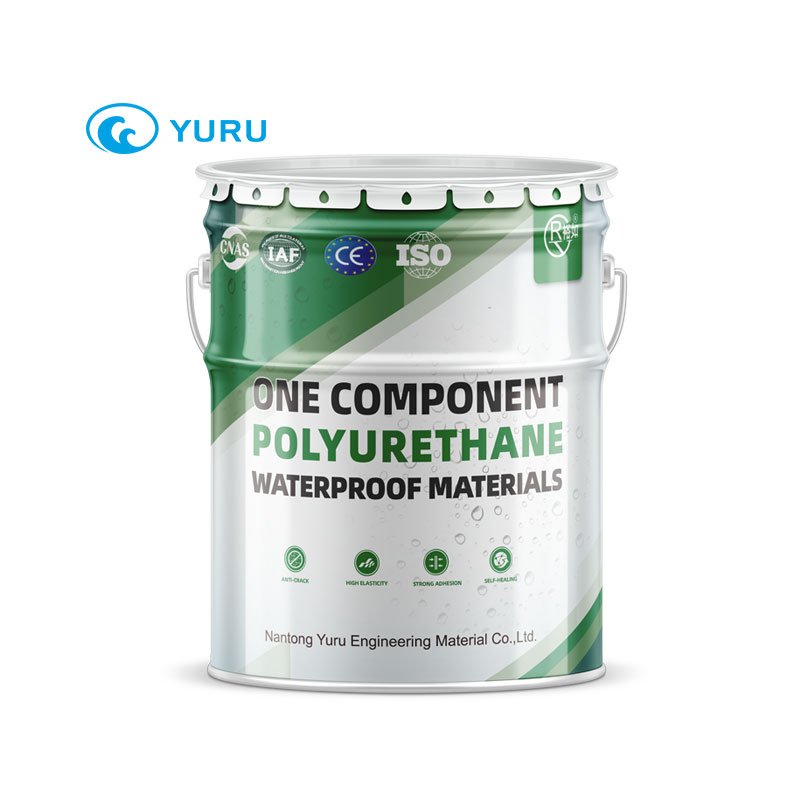
7. YURU Waterproof’s High-Elasticity Polyurea Rubber Grouting Solutions
YURU Waterproof is a factory-based manufacturer specializing in waterproof coatings and grouting materials, including high-elasticity polyurea rubber grouting systems.
What Sets YURU Apart:
- Independent polyurea system development.
- Consistent batch quality.
- Multiple formulations for different leak conditions.
- Support for contractors and municipal projects.
Rather than selling generic materials, YURU provides application-oriented solutions tailored to real-world challenges.

FAQs
1. What makes polyurea rubber grouting different from polyurethane grouting?
Polyurea rubber grouting offers higher elasticity, faster reaction, and better long-term movement tolerance.
2. Can polyurea rubber grouting stop active water leaks?
Yes. Properly formulated systems can seal leaks under active water flow.
3. Is special equipment required?
Standard high-pressure injection pumps are usually sufficient.
4. How long does the repair last?
When applied correctly, polyurea rubber grouting provides long-term sealing with minimal maintenance.
Conclusion
High-elasticity polyurea rubber grouting represents a shift from rigid “plug-and-fix” methods toward flexible, movement-tolerant sealing strategies. For structures exposed to dynamic stresses, this approach significantly improves durability and reduces maintenance.
By selecting the right material—and the right supplier—contractors and project owners can achieve reliable, long-term leak control. YURU Waterproof stands ready to support this goal with proven materials, technical expertise, and dependable supply.
Contact YURU Waterproof to request technical data, samples, or project-specific recommendations for high-elasticity polyurea rubber grouting solutions.
YURU Product solutions