How Long Does Chemical Grouting Last?
Introduction:
Chemical grouting is widely used in underground engineering, infrastructure maintenance, and structural repair projects. So, how long does chemical grouting actually last?
Understanding other repair systems, chemical grouting works on cracks, joints, and within the soil structure. Its effects are largely concealed, making durability and service life crucial.
This article explains why chemical grouting does not have a single “standard lifespan,” how different materials perform over time, and what determines whether a grouting solution lasts for years, decades, or the full service life of a structure.
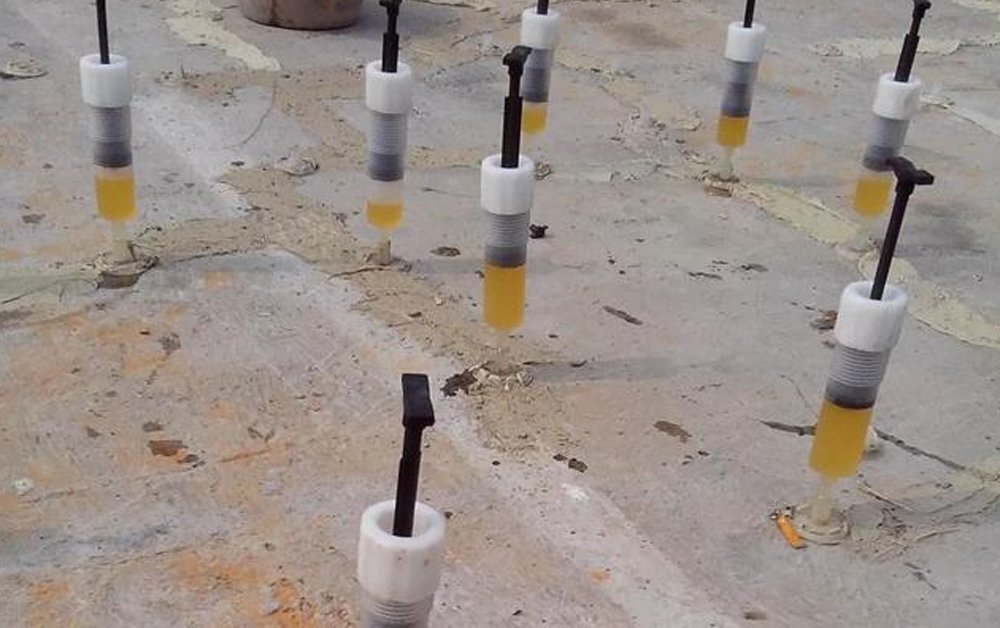
1. What Is Chemical Grouting and Why Does Its Lifespan Matter?
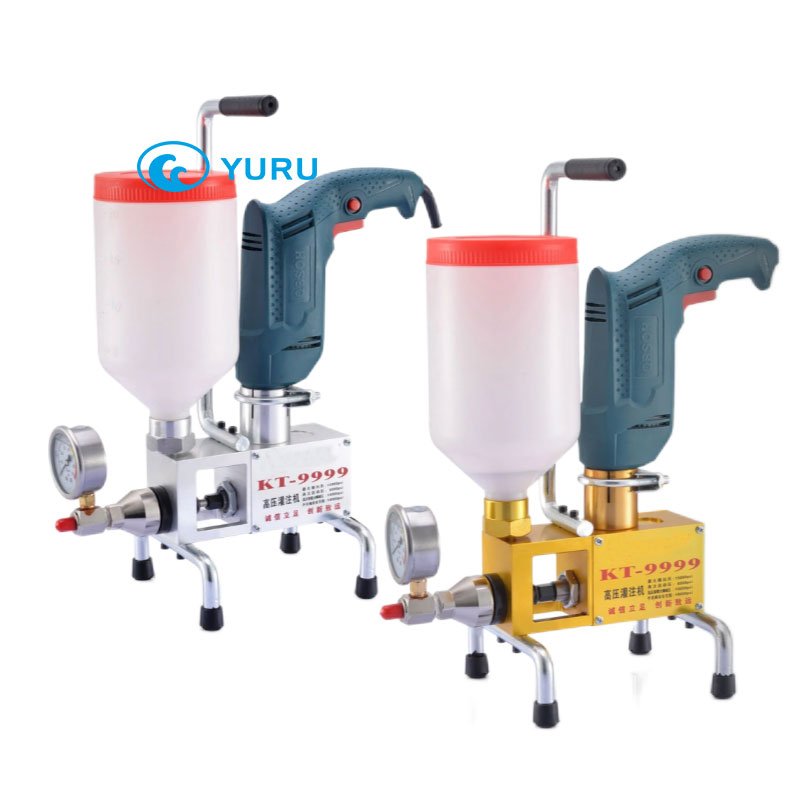
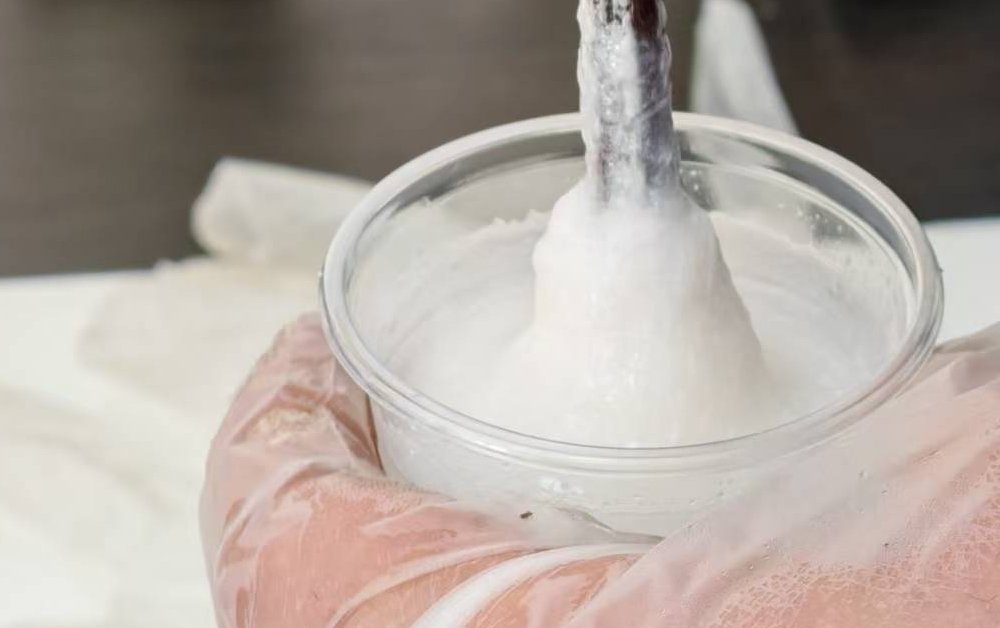
Chemical grouting is a technique in which low-viscosity chemical materials are injected into cracks, joints, voids, or soil to control water ingress, improve structural stability.
1.1 The Real Purpose of Chemical Grouting
In engineering practice, chemical grouting is used for:
- Water leakage control
- Crack sealing and joint treatment
- Soil stabilization and ground improvement
- Structural rehabilitation
Contrary to common belief, chemical grouting is not intended as a temporary patch when properly designed and executed.
1.2 Why “How Long It Lasts” Is a Critical Question?
For asset owners and engineers, lifespan matters because:
- Underground repairs are costly and disruptive.
- Repeated grouting indicates design or selection failure.
- Infrastructure projects are designed for decades, not years.
2. Why There Is No Single Answer to the Lifespan of Chemical Grouting?
One of the biggest misconceptions in the industry is the expectation of a fixed service life number.
2.1 Chemical Grouting Is Not a Single Product Category
The term “chemical grouting” covers a wide range of materials, including:
- Polyurethane grouts
- Acrylate grouts
- Epoxy resin grouts
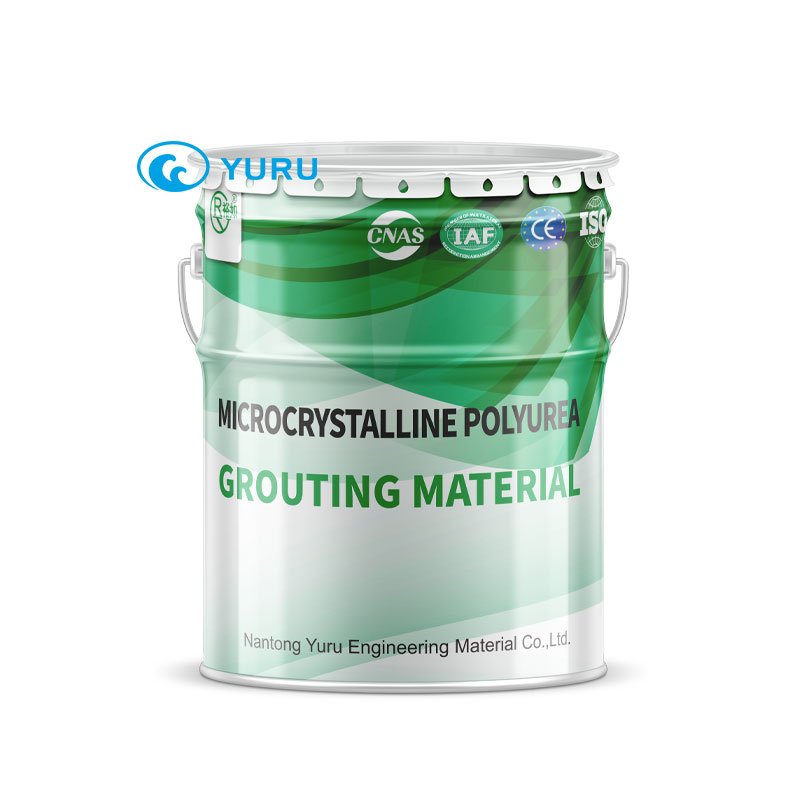
- Polyurea-based grouts
Each material has different properties.
2.2 Lifespan Depends on Multiple Interacting Factors
The durability of chemical grouting is influenced by:
- Material chemistry
- Water pressure and exposure conditions
- Structural movement
- Application quality
2.3 Design Intent Matters More Than Marketing Claims
Some grouts are designed for:
- Rapid water stoppage
- Flexible crack sealing
- Structural bonding


3. Durability Differences Among Common Chemical Grouting Materials
3.1 Polyurethane Grouting Materials
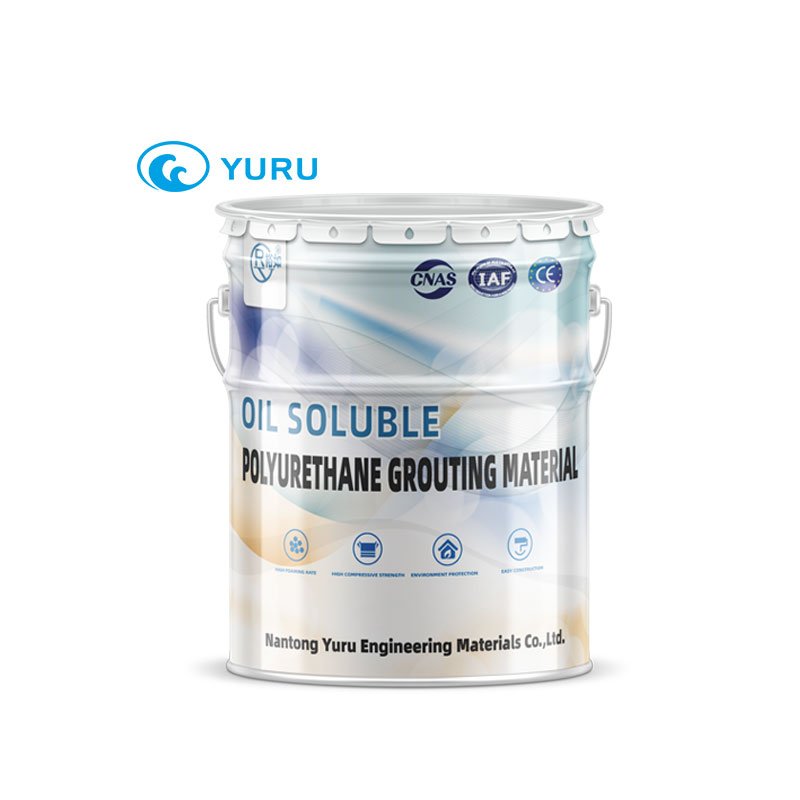
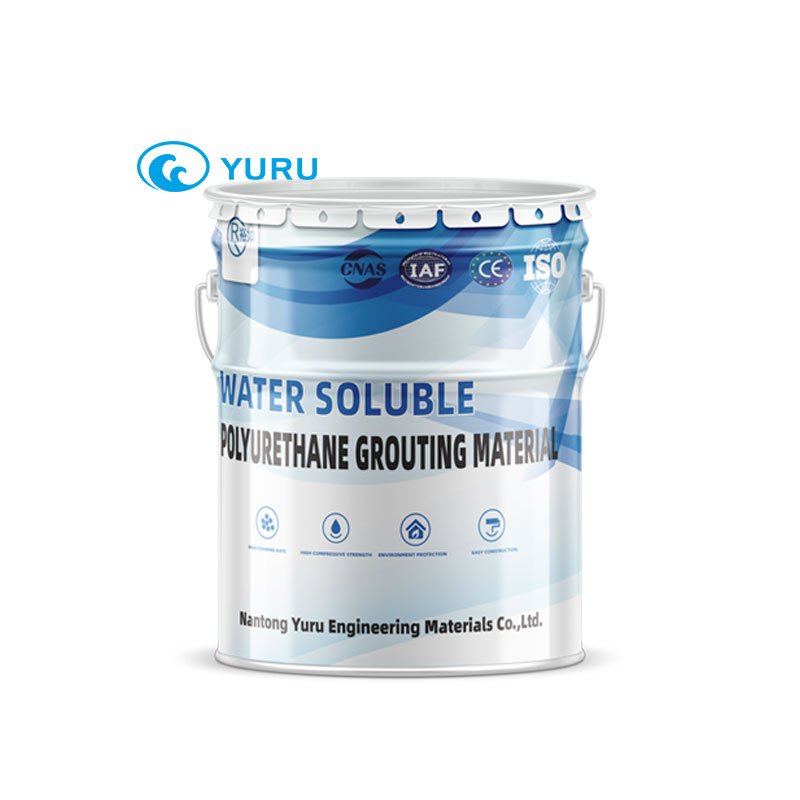
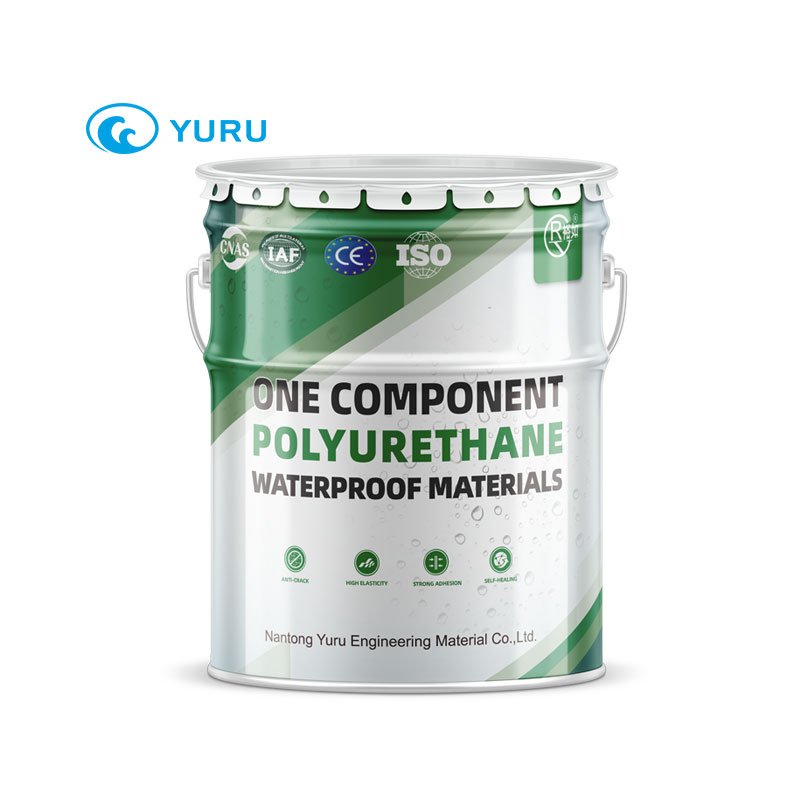
Polyurethane grouts are among the most widely used chemical grouting materials. They are generally divided into:
- Oil-based polyurethane grouts
- React with water and expand
- Excellent for rapid water stopping
- Typically used in active leaks
- Water-based polyurethane grouts
- React with water to form elastic gels
- Capable of secondary water absorption
- Better suited for long-term seepage control
In stable environments, properly selected polyurethane grouting systems can last many years.
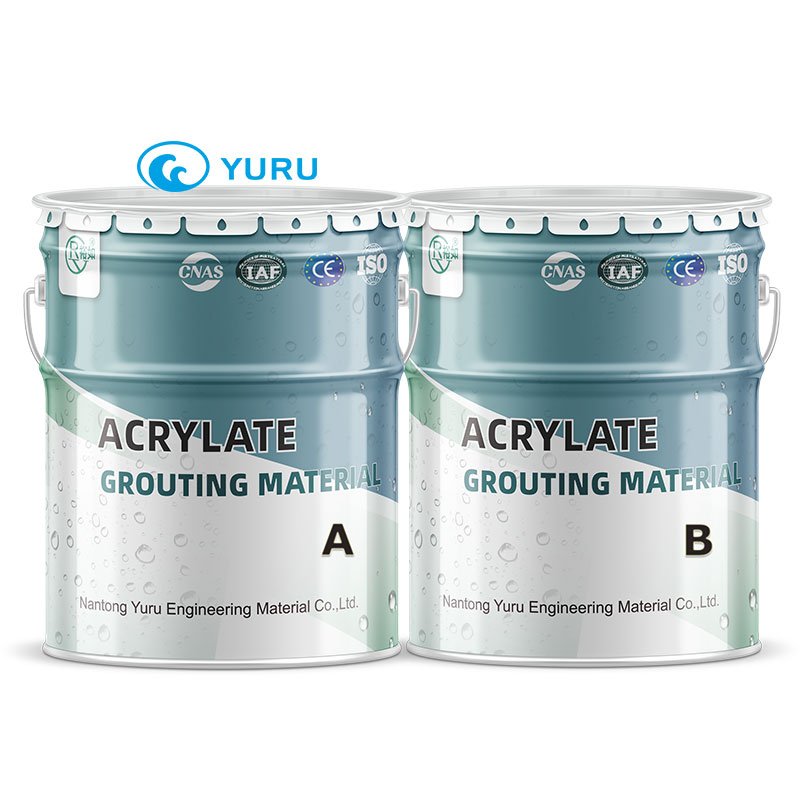
3.2 Acrylate Grouting Materials
Acrylate grouts form low-viscosity gels that can penetrate fine cracks and soils. They are valued for:
- High penetration ability
- Long-term flexibility
- Compatibility with wet environments
In in soil stabilization and curtain grouting applications, acrylate grouting can achieve very long service life.
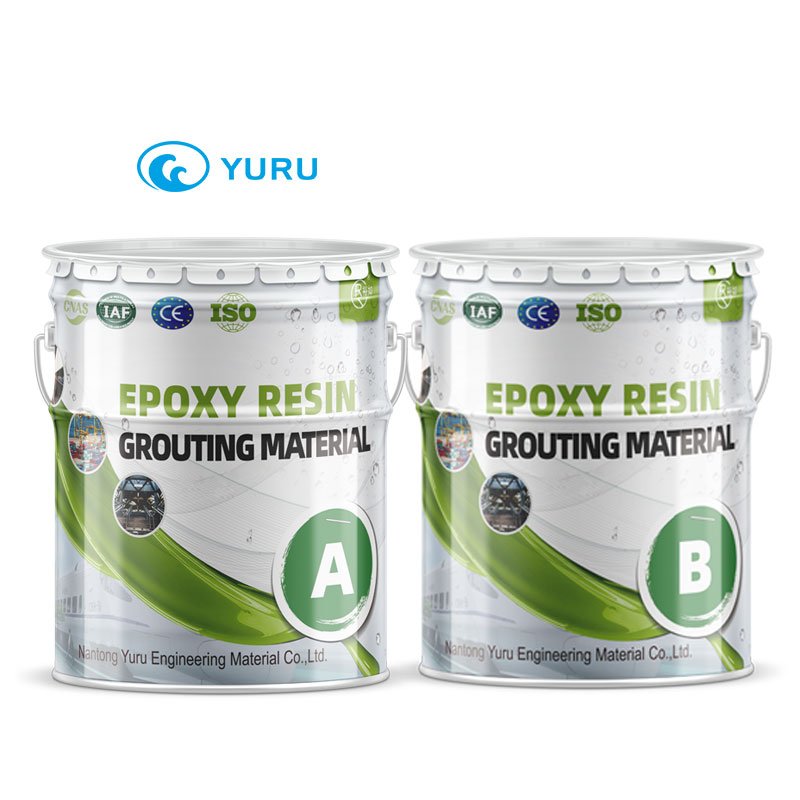
3.3 Epoxy Resin Grouting Materials
Epoxy resin grouting is mainly used for structural bonding and reinforcement. Its characteristics include:
- High mechanical strength
- Strong adhesion to concrete
3.4 Polyurea and Microcrystalline Polyurea Grouting Materials
Polyurea-based grouts represent newer high-performance solutions.
They provide:
- Rapid curing
- High chemical resistance
- Improved durability under harsh conditions
When properly applied, these materials can deliver extended service life in demanding environments.
4. How Environmental Conditions Determine the Real Service Life of Chemical Grouting?
Even the best chemical grouting materials can fail prematurely if environmental conditions are not properly considered. In fact, the environment often has a greater impact on the grout’s lifespan than the material itself.
The most critical factors affecting the durability of chemical grouting include:
- Water exposure, continuous water pressure, and intermittent seepage
- Groundwater chemistry and corrosive environment
- Acidic or alkaline water
- High sulfate or chloride content
- Industrial pollutants
- Structural movement and vibration
- Thermal expansion and contraction
- Settlement
- Traffic or railway vibration
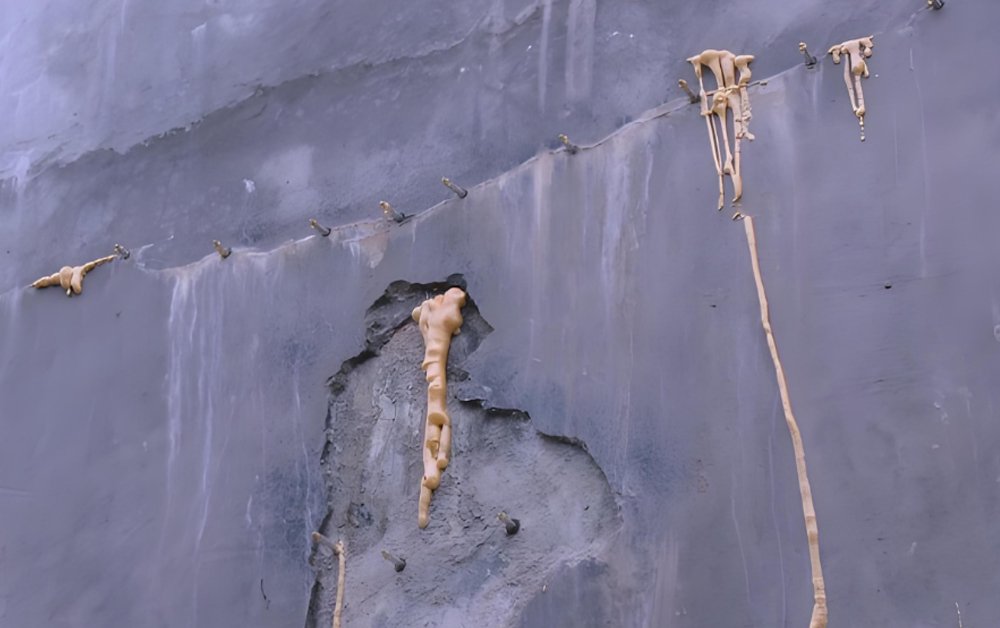

5. Why Application Quality Is Often the Weakest Link in Grouting Durability?
In many failure cases, chemical grouting materials are blamed when the real issue lies in application quality.
5.1 Incomplete Penetration and Poor Grout Distribution
If grout does not fully penetrate the crack, joint, or void:
- Water can bypass the treated area
- Localized pressure can cause re-leakage
5.2 Incorrect Grouting Parameters
Key parameters that influence durability include:
- Injection pressure
- Reaction time and gel time
- Injection sequence and spacing
Improper control of these parameters can result in weak grout bodies or incomplete sealing.
5.3 Lack of System Thinking During Repair
A common mistake is focusing only on stopping visible leakage without addressing:
- The full leakage path
- Adjacent weak zones
- Long-term structural behavior
6. How to Extend the Lifespan of Chemical Grouting Through Proper System Design?
Chemical grouting delivers its best long-term results when used as part of a designed repair system.
6.1 Matching Material Type to Functional Purpose
Different grouting materials are designed for different roles, using the correct material for each role:
- Rapid water stoppage
- Flexible sealing
- Structural reinforcement
6.2 Combining Materials for Long-Term Performance
In many successful projects, multiple grouting materials are used sequentially.
For example:
- Initial water stopping with reactive polyurethane grout
- Long-term sealing with hydrophilic or acrylate grout
- Structural reinforcement where required
6.3 Integrating Grouting With Structural Waterproofing Systems
Grouting works best when combined with other waterproofing measures, such as membranes or coatings.
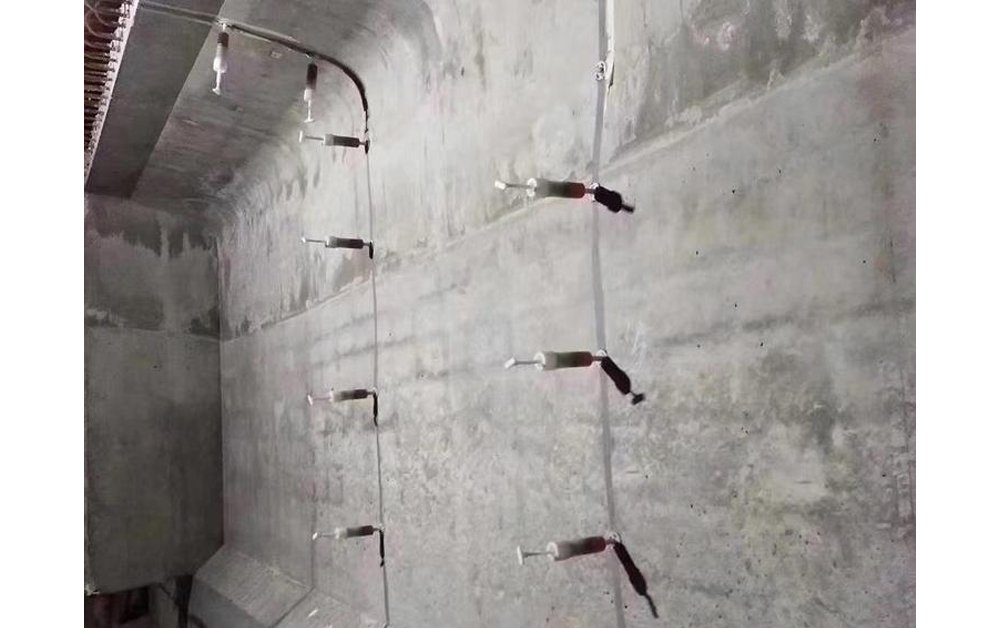

7. YURU’s Approach to Long-Lasting Chemical Grouting Solutions
YURU Waterproof approaches chemical grouting as an engineering solution.
7.1 Comprehensive Chemical Grouting Material Portfolio
YURU provides a full range of chemical grouting materials, including:
- Polyurethane grouting materials
- Hydrophobic polyurethane grouts
- Hydrophilic polyurethane grouts
- Acrylate grouting materials
- Epoxy resin grouting materials
- Polyurea and microcrystalline polyurea grouting materials
This allows material selection to be tailored precisely to project conditions.
7.2 Engineering-Oriented Material Selection Support
- Evaluating water conditions and structure behavior
- Recommending appropriate material systems
- Supporting contractors with technical guidance
7.3 Focus on Durability, Not Temporary Fixes
YURU’s grouting solutions are designed to support:
- Long-term water control
- Reduced maintenance frequency
- Improved lifecycle performance of structures
This philosophy reflects the real needs of infrastructure and underground projects.
FAQs
1. Which chemical grout lasts the longest?
Acrylate and flexible polyurethane grouts often perform well in wet environments, while epoxy is better for structural bonding.
2. Why does chemical grouting sometimes fail early?
Common causes include incorrect material selection, poor penetration, and inadequate application control.
3. Can chemical grouting handle continuous water pressure?
Yes, when appropriate materials are selected and applied correctly.
4. Is chemical grouting a permanent solution?
It can be long-lasting or permanent when properly designed, applied, and matched to project conditions.
5. Does YURU provide technical support for grouting projects?
Yes. YURU supports material selection and application guidance for long-term performance.
Conclusion
There is no universal lifespan for chemical grouting. Its durability depends on a combination of:
- Material chemistry
- Environmental conditions
- Application quality
- System-level design
When these factors are properly addressed, chemical grouting can provide long-lasting or even structure-life performance.
Contact YURU Waterproof to discuss your leakage conditions, structural requirements, and the most suitable chemical grouting materials for your project.

YURU Product solutions