How Long Does Concrete Crack Repair Last?
Introduction:
From residential buildings to bridges and tunnels, concrete structures are widely used. While the structure itself can last approximately 20 years, cracks are prone to appearing, and neglecting them will shorten its lifespan.
When cracks appear, how long does concrete crack repair last?
The best repair results are achieved when the right materials and techniques are used.
This article will explore the lifespan of concrete crack repairs, list the most commonly used repair materials, and compare their performance.
How Long Can Concrete Crack Repairs Really Last?
The lifespan of concrete crack repairs depends on structural and environmental factors.
Generally, concrete crack repairs last from 5 to over 25 years, depending on the repair method.
Typical lifespan estimates are as follows:
- Surface sealant or patch repair: 5-10 years.
- Polyurethane grouting repair: 10-15 years.
- Epoxy injection structural repair: 20+ years.
- Polyurea injection system: 15-25 years, depending on movement.
These figures are just standard data. Actual durability requires case-by-case analysis.
For example, sealing structural cracks with a surface coating rarely provides a long-term solution. On the other hand, for non-moving cracks, structural epoxy grouting can restore the original strength of the concrete.
Other factors affecting the durability of repairs include:
- Structural movement
- Water pressure
- Environmental exposure
- Quality of repair materials
- Skill of the installation team
How Long Can Concrete Crack Repairs Really Last?
The following is a comparison of three of the most commonly used crack repair materials: epoxy resin, polyurethane, and polyurea.
| Material | Primary Function | Flexibility | Waterproofing Ability | Typical Lifespan | Best Application |
|---|---|---|---|---|---|
| Epoxy Resin | Structural bonding | Low | Moderate | 20+ years | Structural cracks |
| Polyurethane | Water stopping | High | Excellent | 10–15 years | Leaking cracks |
| Polyurea | Flexible waterproof sealing | Very high | Excellent | 15–25 years | Moving cracks |
Epoxy Resin Injection
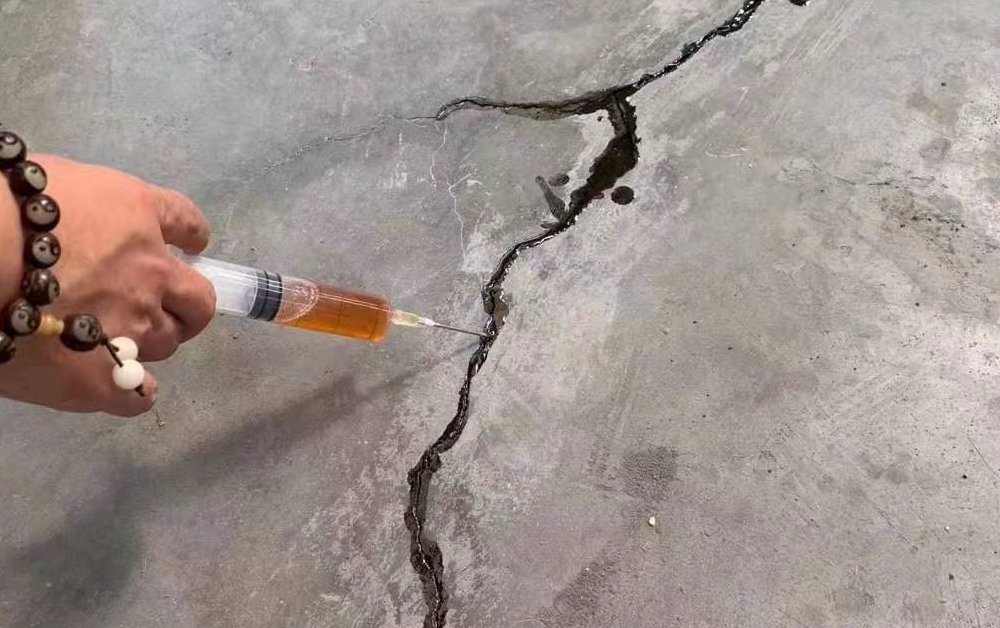
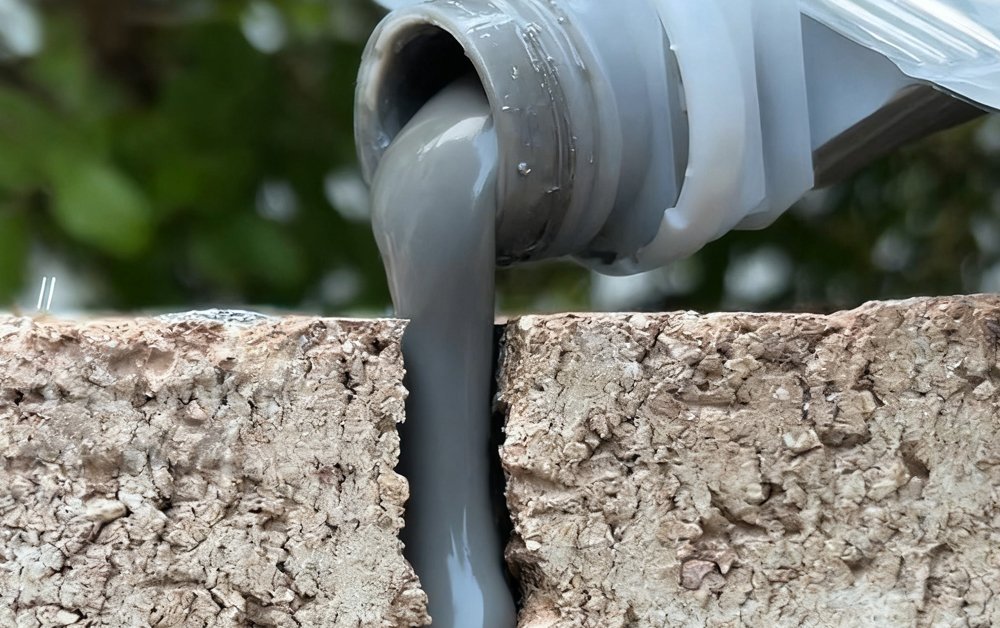
Epoxy resin injection grouting is commonly used for repairing and reinforcing structural cracks. After being injected into the crack, the epoxy resin hardens and bonds to the concrete, restoring the integrity of the structure.
Advantages include:
- High compressive and tensile strength
- Excellent adhesion to concrete
- Long structural service life
However, epoxy resin has poor flexibility and therefore cannot be used for moving cracks.
Polyurethane Grouting
Polyurethane grouting is widely used in waterproofing.
It seals cracks and prevents leaks after curing by reacting with water. This makes it particularly effective for leaks in the following locations:
- Basements
- Tunnels
- Underground structures
- Water-bearing structures
The polyurethane grout is flexible and can withstand moderate structural movement. Its strength is lower than epoxy resin.
Polyurea grouting
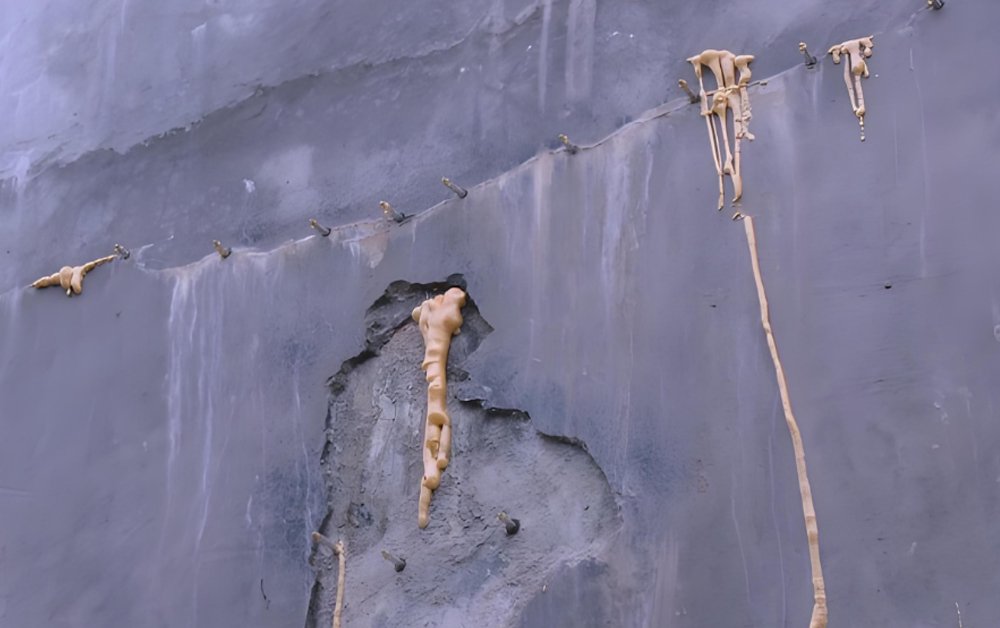
Polyurea grouting, after curing, combines high elasticity with excellent waterproofing performance.
It is widely used in modern infrastructure projects for:
- Dynamic cracks
- High water pressure
- Structural displacement
Polyurea makes it suitable for harsh environments such as subways, tunnels, and foundation systems.
Why Installation Quality Matters More Than You Think?
Improper repair procedures can lead to failure.
The correct installation steps include:
Crack Assessment
Before starting repair work, it is essential to determine:
- The cause of the crack
- Whether the crack is active or dormant
- Whether the crack affects structural integrity
- The presence of water infiltration
Surface Preparation
The crack must be thoroughly cleaned before injection.
Professional repair teams typically use:
- Wire brushing
- Air pressure cleaning
- Grinding or routing
Proper Injection Technique
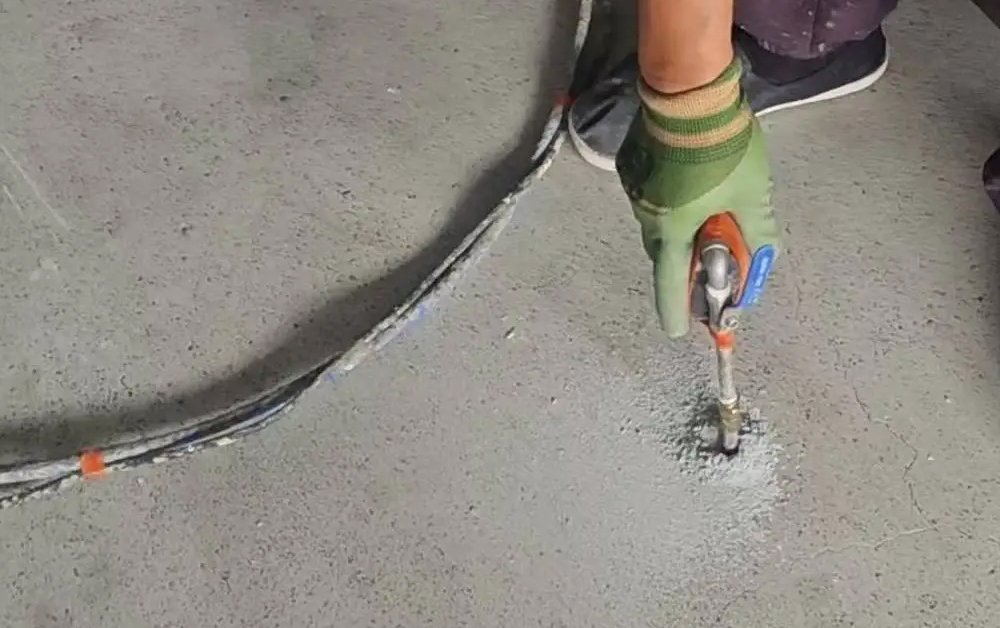
Injection pressure and sequencing are also critical.
Experienced installers will inject the material step-by-step to ensure complete penetration into the crack.
Environmental Conditions
Temperature and humidity can also affect curing and bonding performance.
For example:
- Low-temperature curing slows down the process.
- High humidity affects performance.
- Wet cracks require specialized injection materials
Following proper installation guidelines significantly increases repair durability.
Real-World Lifespan Examples in Different Structures
The following are examples of crack repair life in some real-world scenarios.
Basement Wall Cracks
Basement cracks are typically caused by hydrostatic pressure and soil movement.
Option: Polyurethane or Polyurea Grouting
Typical Service Life:
- ≥10-15 years, depending on water pressure and structural movement.
Bridge and Structural Cracks
Bridge and structural beams often require repair to restore load-bearing capacity.
Epoxy grouting is recommended.
- ≥20 years or longer.
Industrial Concrete Slabs
Industrial slabs bear high traffic and loads.
- ≥5-15 years, repair effectiveness depends on usage intensity and maintenance.
Tunnels and Underground Infrastructure
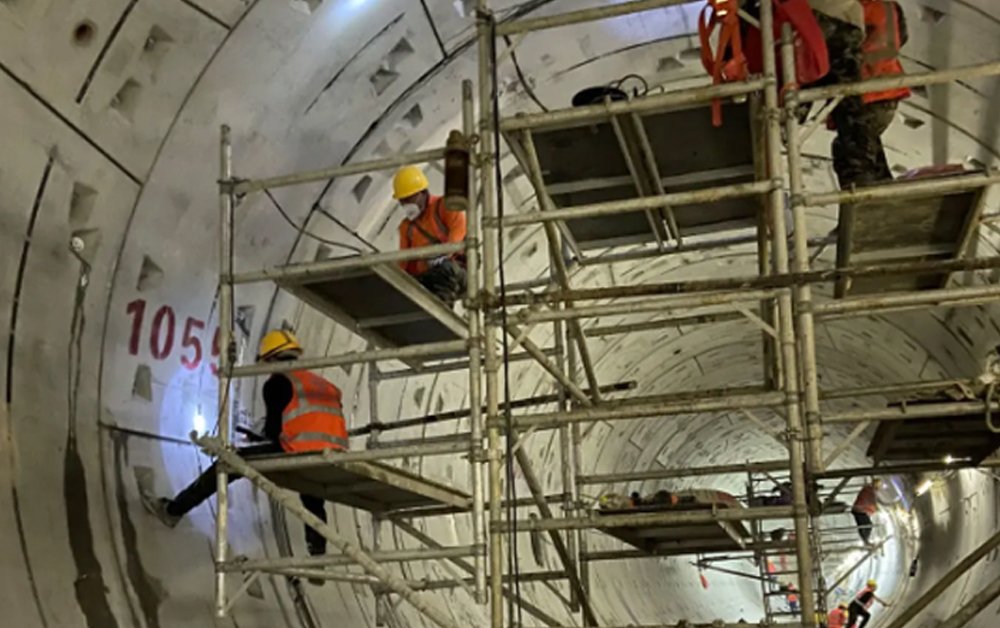
Infrastructure projects such as tunnels and subway systems use a variety of materials and often employ polyurea or polyurethane grouting. This is designed to resist groundwater pressure and structural displacement.
- ≥15-25 years of effectiveness.
How to Extend the Lifespan of Concrete Crack Repairs?
Although no repair lasts forever, several strategies can significantly increase the longevity of crack repairs.
Timely and Early Crack Repair
Selecting the Appropriate Material Based on Crack Type
Key considerations include:
- Structural vs Non-structural Cracks
- Active vs Dormant Cracks
- Presence of Water Leakage
Using a Professional Repair System
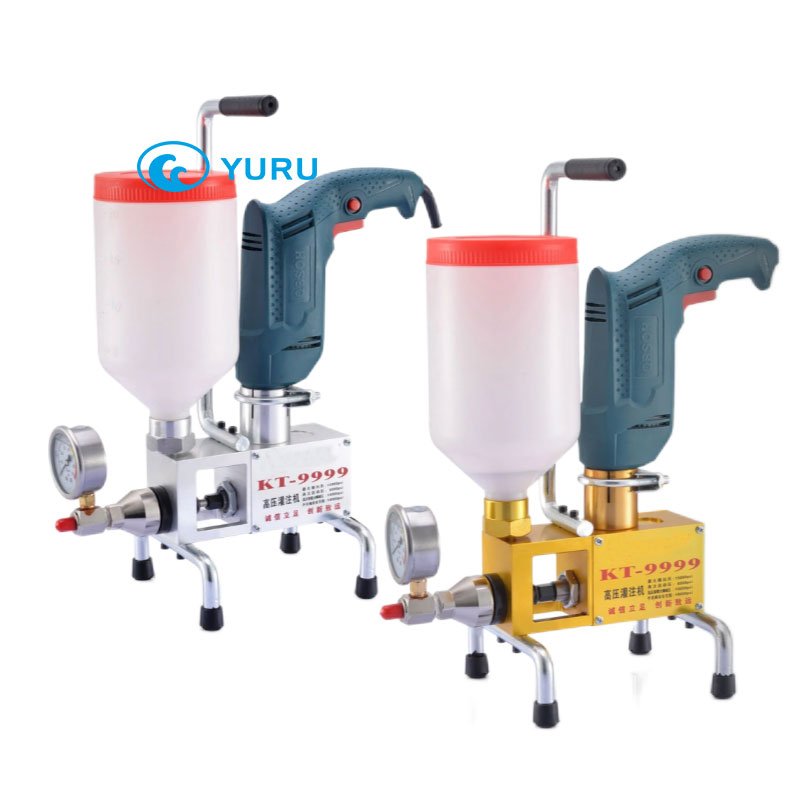
Professional grouting systems ensure proper pressure control and complete crack filling.
Regular Inspections
Regular inspections of concrete structures help detect new cracks or displacements early.
Maintenance plans are particularly important for the following facilities:
- Parking Lots
- Bridges
- Basements
- Industrial Facilities
Choosing Reliable Crack Repair Materials
Professional contractors often prefer materials that offer:
- Strong bonding performance
- Stable chemical composition
- Resistance to water pressure
- Long-term elasticity
Reliable material suppliers also provide technical support, installation guidance, and product consistency.
YURU Waterproof is a manufacturer specializing in waterproofing and structural repair materials. The company develops a range of products used in infrastructure maintenance and concrete repair, including:
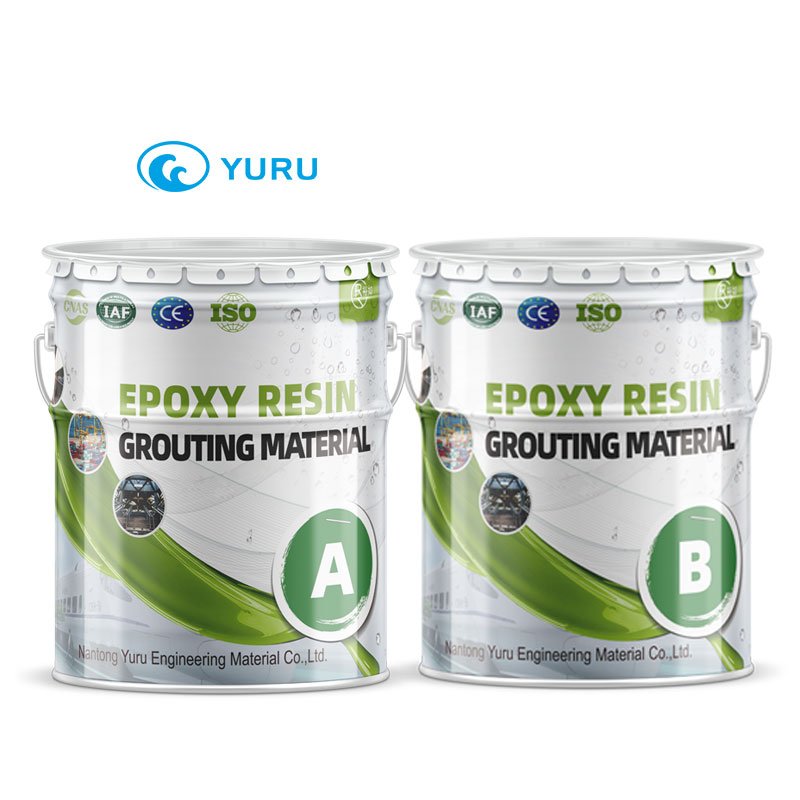
- Epoxy injection resins
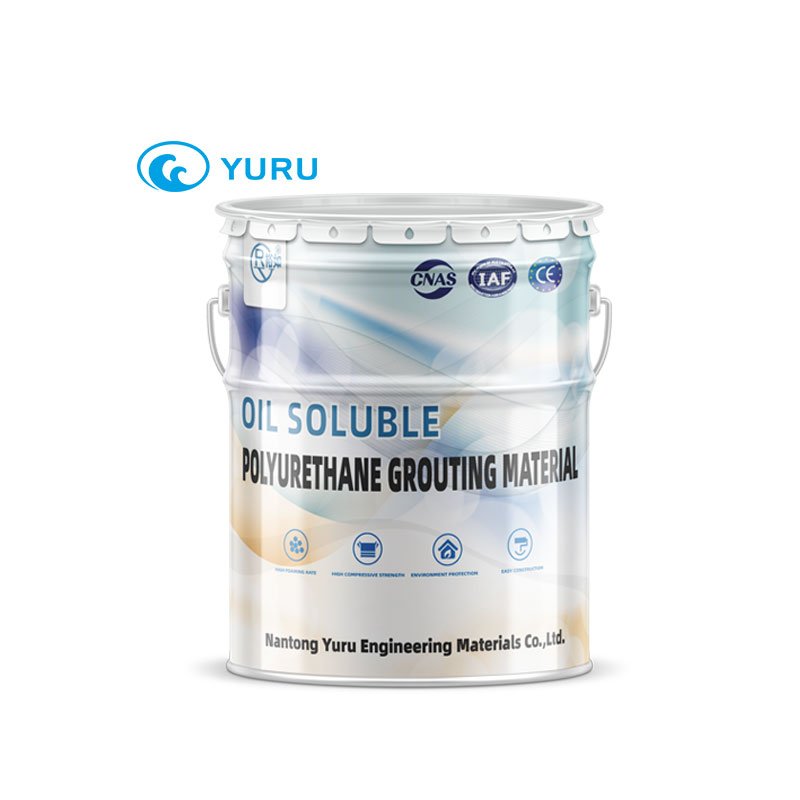
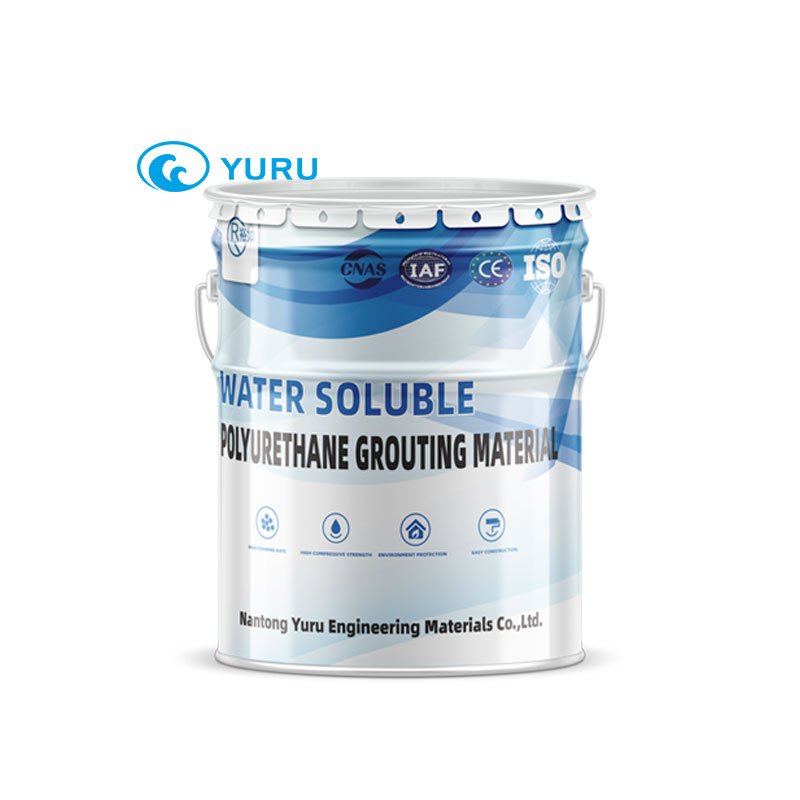
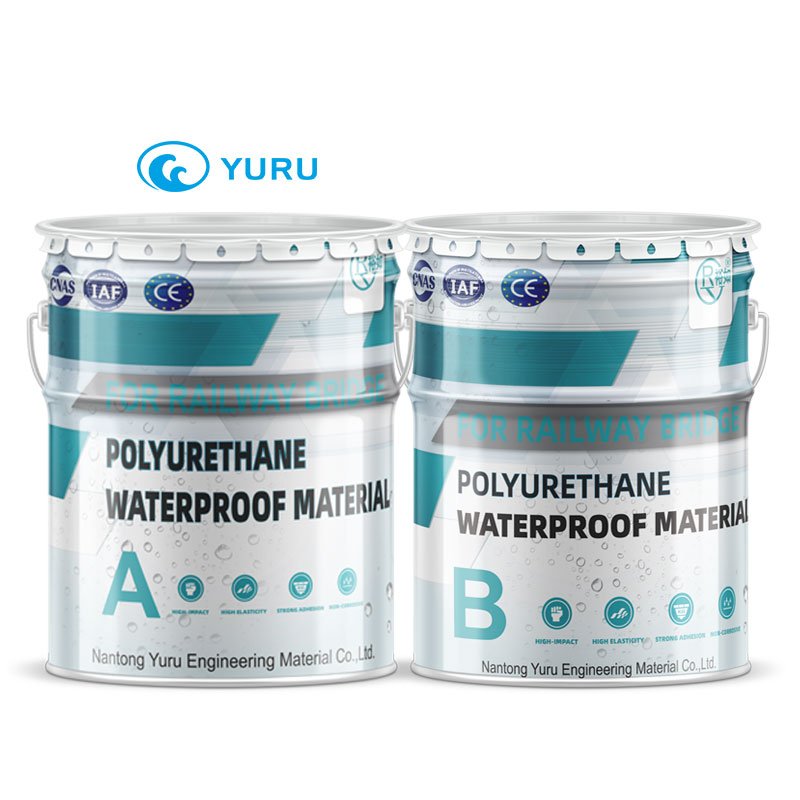
- Polyurethane grouting materials
- Polyurea injection materials
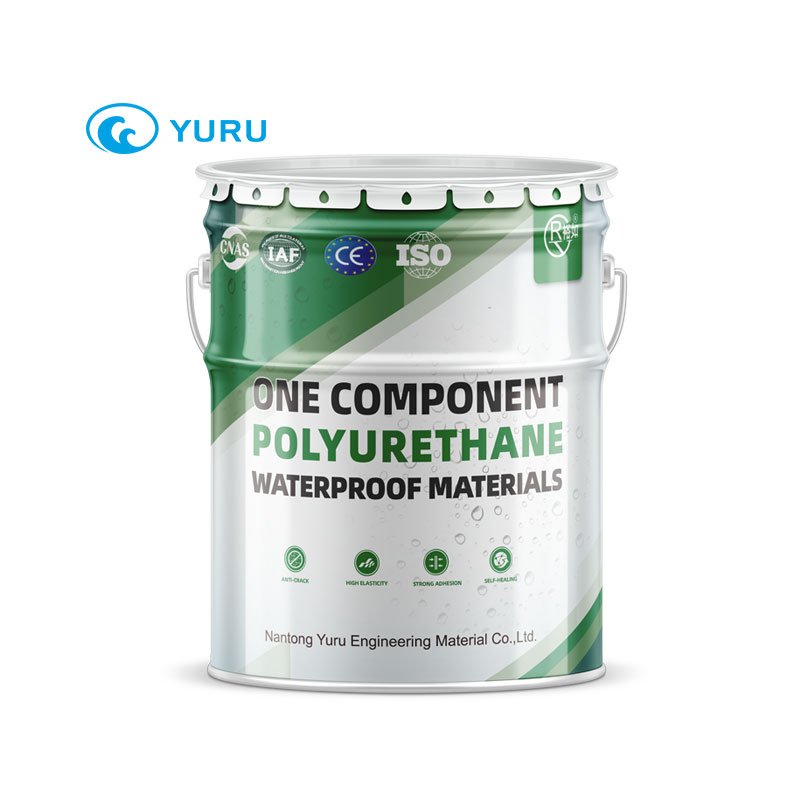
- Waterproofing repair solutions
Final Thoughts: Choosing a Long-Lasting Crack Repair Solution
Concrete cracks are common, but they should never be ignored. When properly repaired, cracks can be stabilized and sealed.
The lifespan of a repair depends on several factors:
- Correct diagnosis of the crack type
- Proper selection of repair materials
- Professional installation techniques
- Environmental conditions
- Ongoing maintenance
Structural injection systems can last decades.
If you are looking for reliable concrete crack repair materials, contact YURU Waterproof can provide specialized products and engineering support tailored to different structural conditions.

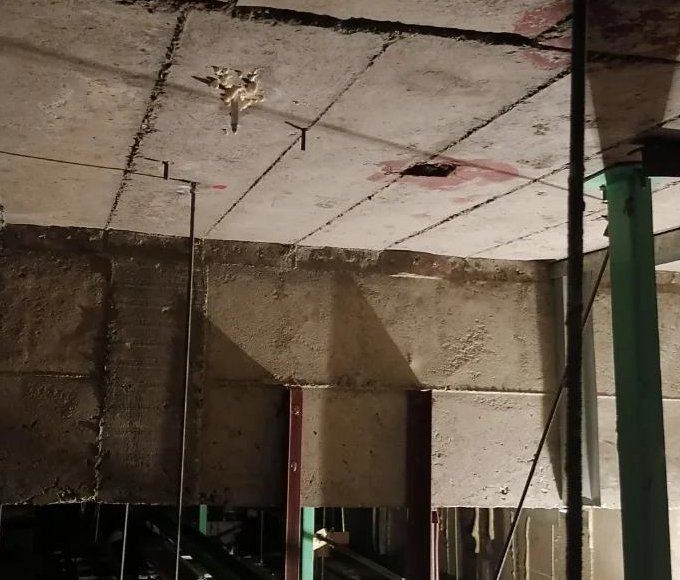
YURU Product solutions