How Many Coats of Polyurethane Does It Take to Waterproof?
Introduction
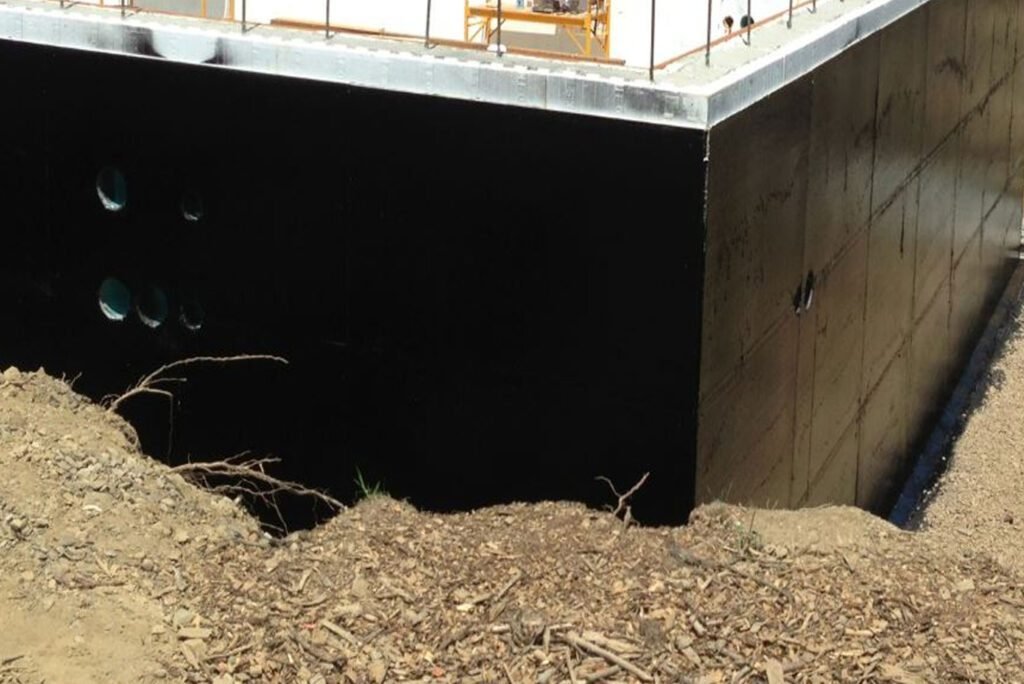
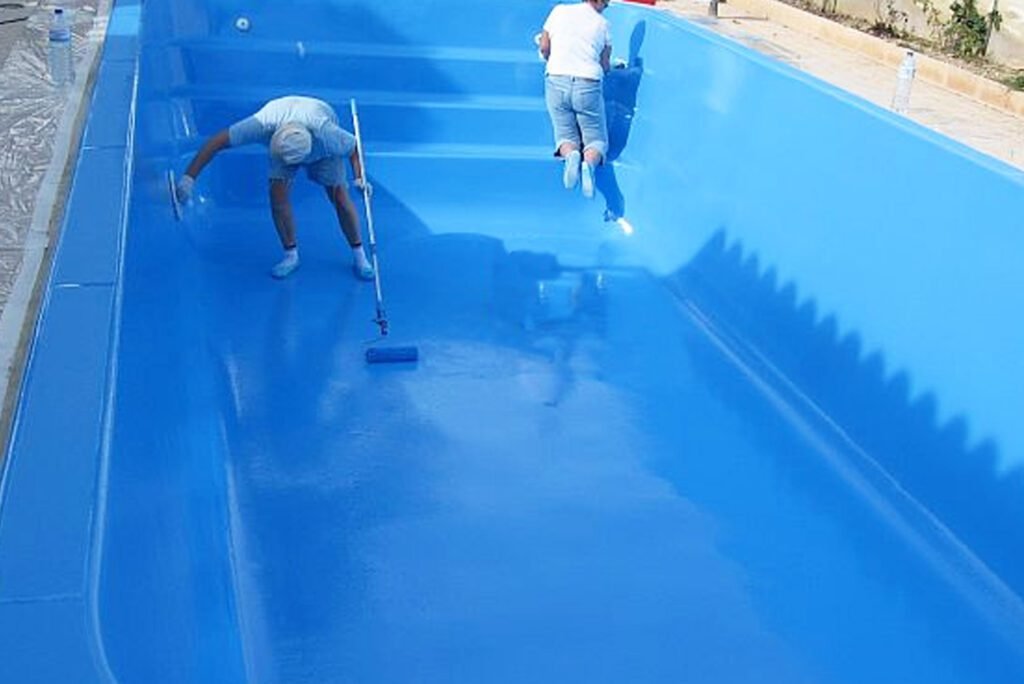
Polyurethane waterproof coatings are widely used for protecting roofs, basements, foundations, and concrete structures. One common question is:
How many coats of polyurethane do you really need to achieve a reliable waterproofing system?
The answer isn’t one-size-fits-all. The required number of coats depends on multiple factors like film thickness, environmental conditions, substrate type, and the specific product used.
In this article, we break down everything you need to know to ensure your polyurethane coating performs as a long-term waterproofing solution.
How Many Coats of Polyurethane Are Typically Needed for Waterproofing?
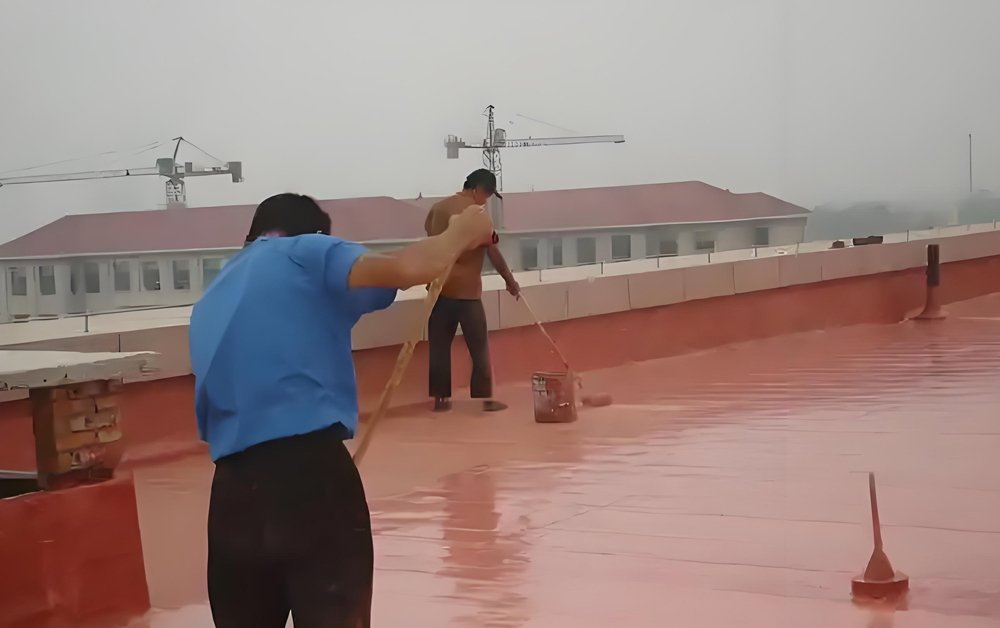
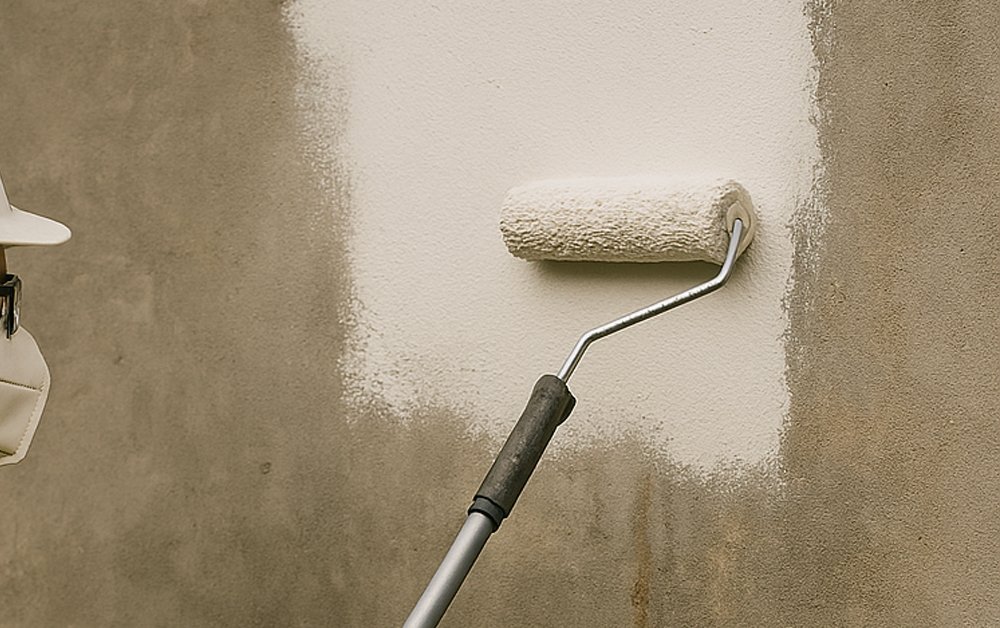
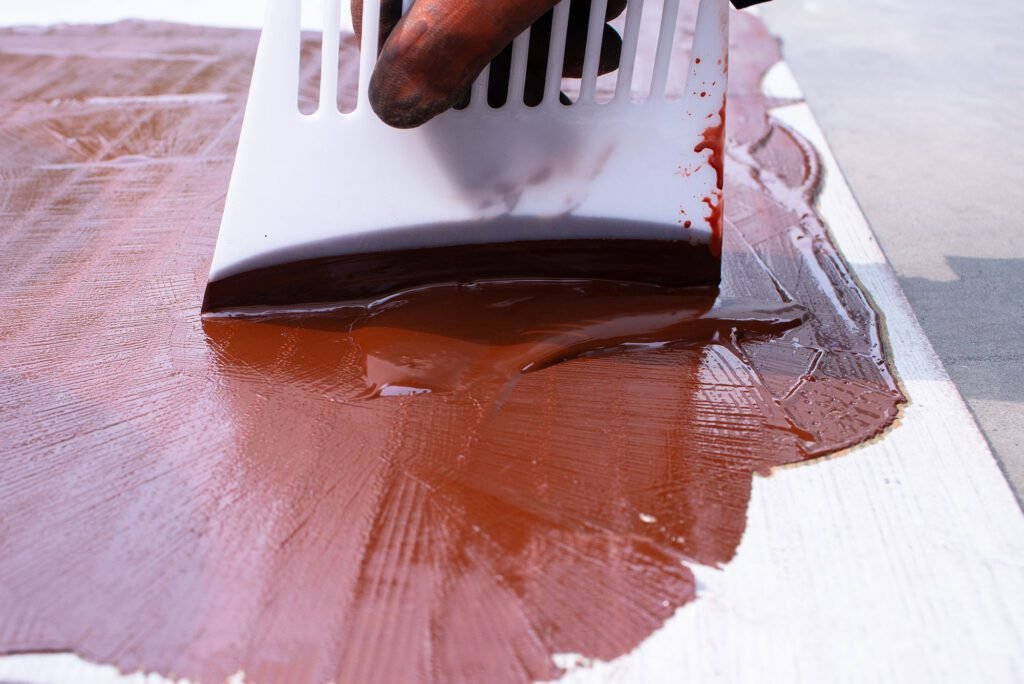
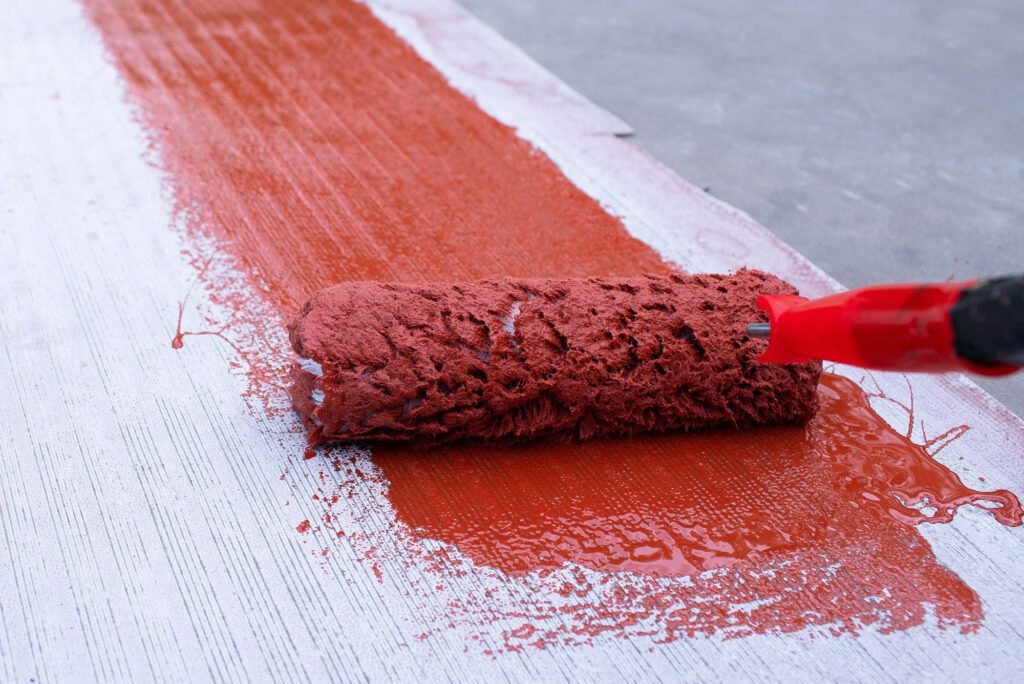
In most waterproofing applications, 2 to 3 coats of polyurethane are recommended to ensure a fully sealed, durable membrane. The first coat acts as a base or primer, improving adhesion. The second coat builds the required film thickness, and the optional third coat enhances surface durability and uniformity.
Applying multiple coats is essential for creating a seamless, pinhole-free barrier, especially in areas exposed to water pressure, movement, or temperature changes. Skipping coats or applying too thinly may compromise long-term performance.
What Factors Affect the Number of Required Coats?
The number of coats needed can vary based on several key factors:
- Required waterproofing thickness: Projects may specify 1.5 to 2 mm dry film thickness, which typically requires 2–3 coats.
- Viscosity of the material: High-viscosity or thick polyurethane may need fewer coats, while lower viscosity products require more layers to build thickness.
- Surface roughness: Uneven or porous substrates absorb more material, increasing coat requirements.
- Exposure level: Below-grade or submerged areas often require thicker systems than exposed roofs.
- Product formulation: Some single-component or fast-drying systems are designed for multi-coat use, while others are high-build in one or two applications.
Always consult product specifications and adjust coat numbers based on actual site conditions and system goals.
How Long Should You Wait Between Coats?
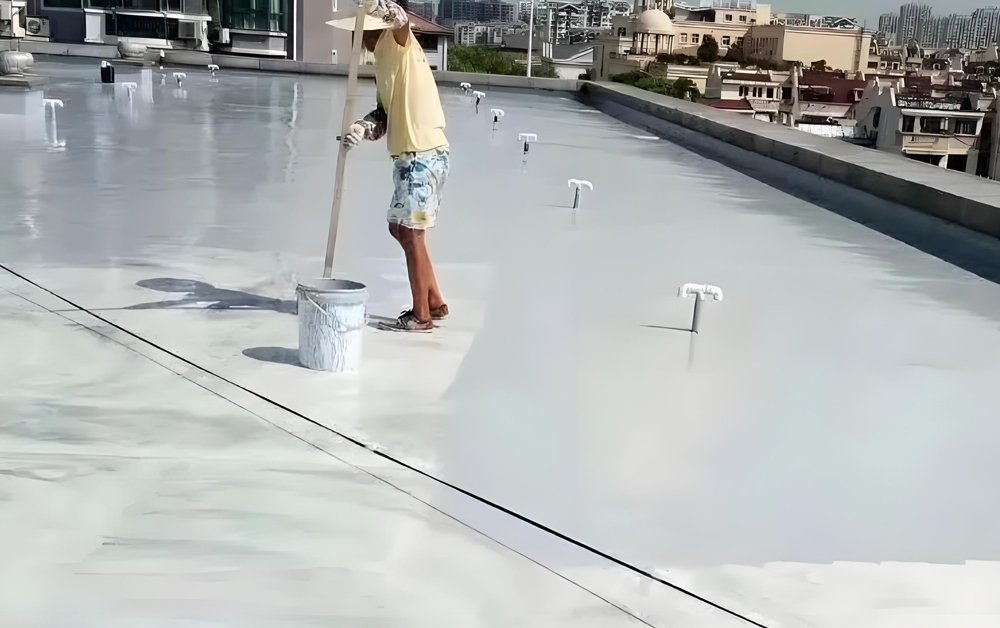
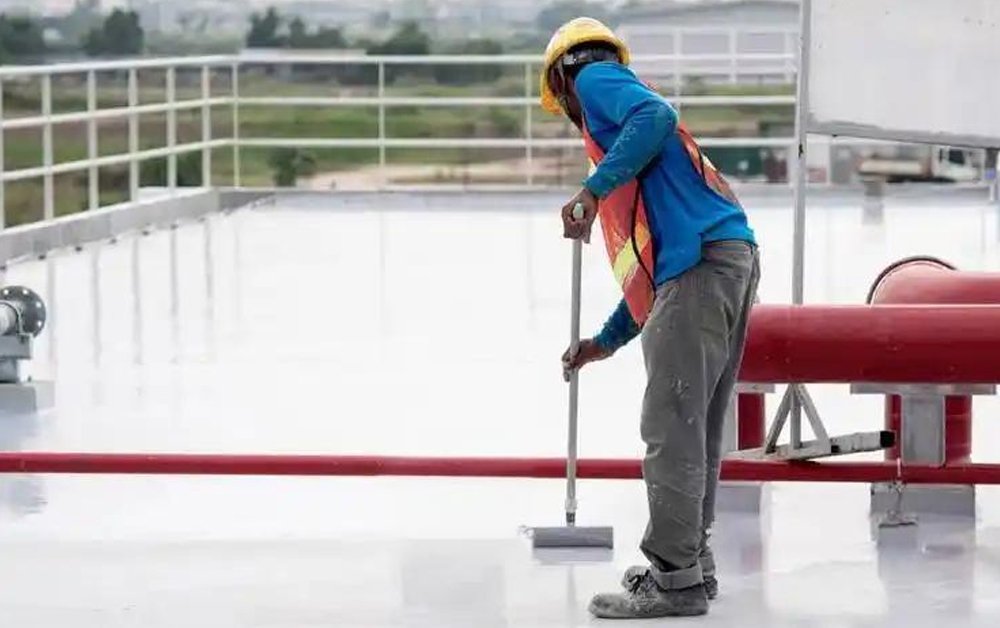
Timing between coats is crucial for layer bonding and membrane strength. Here are general guidelines:
- 8 to 24 hours between coats is ideal, depending on temperature and humidity.
- Wait until the previous coat is dry to the touch and no longer tacky.
- In hot, dry conditions, curing may be faster; in humid or cold conditions, wait longer.
- If more than 24–48 hours pass between coats, light sanding or a re-prime may be required to ensure adhesion.
Applying the next coat too soon can cause inter-layer bubbling, while waiting too long can lead to poor adhesion or delamination.
What Are the Risks of Applying Only One Coat?
While applying one coat might save time and labor, it rarely delivers reliable waterproofing. Common problems with under-coating include:
- Insufficient film thickness, leaving weak spots prone to leakage.
- Uneven coverage with pinholes or voids, especially on textured surfaces.
- Reduced adhesion due to lack of structural buildup.
- Shorter lifespan, leading to costly repairs and maintenance later.
Waterproofing is a system—not a surface treatment. Applying too few coats defeats the purpose and increases long-term project risk.
How Does YURU Waterproof Help Optimize Your Coating System?
At YURU Waterproof, we don’t just supply polyurethane waterproofing products—we help you build smarter systems. Here’s how we support your coating workflow:
- Clear guidance on recommended coat count and dry film thickness (DFT) for each product.
- Formulas available in standard or other options to speed up multi-coat application.
- Professional advice on tools, coverage rates, and coat sequencing (spray, roll, or brush).
- Technical datasheets and training to help you avoid over- or under-coating.
- Real-world case studies and system design support for tunnels, rooftops, basements, and more.
Whether you’re waterproofing 50 m² or 5,000 m², we help you optimize every layer—for efficiency, protection, and peace of mind.
Conclusion
So, how many coats of polyurethane do you need for waterproofing?
Two to three coats is the industry standard for most applications. But remember: the exact number should be based on your project requirements, coating system, and surface condition.
Don’t underestimate the importance of proper layering. With the right application method, waiting time, and support from experts like YURU Waterproof, you can deliver high-performance waterproofing that stands the test of time.
Need help choosing the right polyurethane system for your project?
Reach out to YURU Waterproof today for tailored solutions, and materials you can trust.
YURU Product solutions