
How to Choose the Best Polyurethane Waterproof Coating?
- 02/08/2025
- yuruwaterproof.com
Choosing the suitable waterproofing solution is important for any successful construction site.
Out of numerous options, polyurethane waterproof coatings have become a standout for its high durability and high adaptability level. Regardless of your work at a residential, commercial, or an industrial site, selecting the best polyurethane waterproof coating can make a significant impact in providing long-term protection for your site against water-related damage.
In this article, we’ll know how to select the best polyurethane waterproof coating for your project.
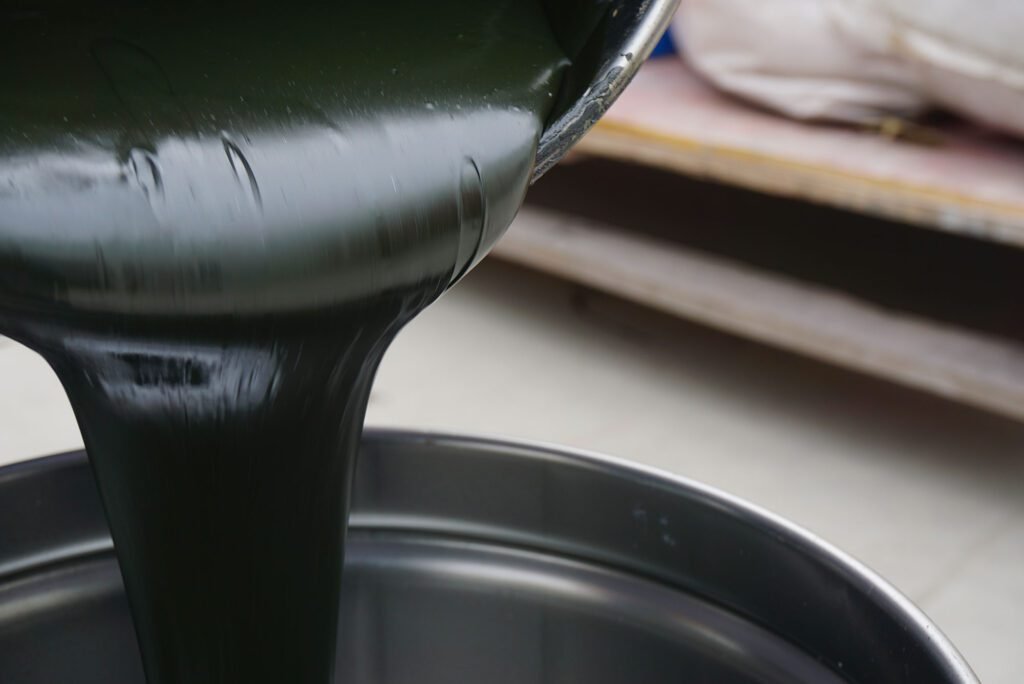
Introduction to Polyurethane Waterproof Coating
Polyurethane waterproof coating is a liquid-applied, elastomeric membrane that cures into a rubber-like layer, offering excellent resistance to water penetration. It is known for its ability to adapt to structural movements, ensuring long-term waterproofing effectiveness.
Key Components of Polyurethane Waterproof Coating
Polyurethane waterproof coatings typically consist of the following components:
| Component | Function |
| Polyurethane Resin | Provides flexibility, adhesion, and waterproofing properties |
| Curing Agent | Reacts with the resin to form a solid, elastic film |
| Fillers & Additives | Enhance strength, UV resistance, and chemical stability |
Why Is Polyurethane Waterproof Coating Important?
Polyurethane waterproof coatings offer several advantages that make them a preferred choice for construction professionals:
- Seamless and Joint-Free Protection: Eliminates weak points where water can seep in.
- High Flexibility and Crack Bridging Ability: Adapts to substrate movements without breaking.
- Strong Adhesion to Various Surfaces: Works well on concrete, metal, wood, and other building materials.
- Long-Term Durability: Resistant to weathering, UV rays, and chemicals.
By understanding the fundamentals of polyurethane waterproof coating, you can make informed decisions on selecting the right waterproofing solution for their specific needs.
How to Evaluate the Quality of Polyurethane Waterproof Coating?
Key Quality Indicators for Polyurethane Waterproof Coating
When assessing the quality of a polyurethane waterproof coating, the following factors should be considered:
| Quality Indicator | Description | Importance |
| Water Resistance | Ability to prevent water infiltration over time | Essential for long-term waterproofing |
| Weather Resistance | Performance under extreme temperatures, UV exposure, and humidity | Ensures durability in outdoor applications |
| Crack Bridging Ability | Flexibility to cover substrate cracks without breaking | Prevents leaks due to structural movements |
| Adhesion Strength | Bonding capability with various surfaces like concrete and metal | Affects coating stability and longevity |
| Chemical Resistance | Resistance to oils, acids, and alkalis | Important for industrial and chemical environments |
How to Choose the Right Quality Level for Your Project?
The quality level of polyurethane waterproof coatings should be selected based on the specific needs of the project:
- For Roofs and Outdoor Areas: Choose coatings with high UV resistance and excellent weather durability.
- For Basements and Foundations: Opt for coatings with superior water resistance and adhesion to concrete.
- For Bridges and Industrial Use: Ensure coatings have strong chemical resistance and high tensile strength.
- For Bathroom and Kitchen Waterproofing: Use coatings with good crack bridging ability and adhesion on tiles.
By understanding these quality factors, testing methods, and project-specific requirements, you can confidently select the best polyurethane waterproof coating for their construction needs.
Applications of Polyurethane Waterproof Coating in Various Engineering Projects
Polyurethane waterproof coatings have become a staple in most construction and engineering works for their high level of flexibility, durability, and water repellency. Depending on the project type, the coating can be applied to various structures to enhance their waterproofing performance.
Below, we explore key applications and real-world advantages of polyurethane waterproof coatings in different engineering scenarios.
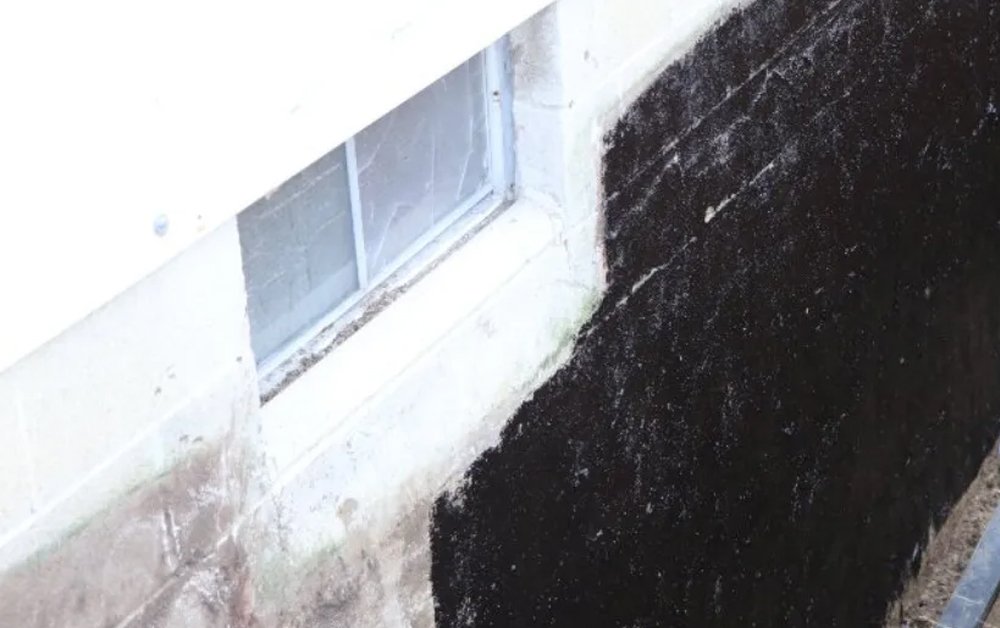
1. Underground Structures: Basements, Tunnels, and Foundations Application:
Application:
- Prevents groundwater infiltration in basements and tunnels.
- Protects foundations from moisture-induced deterioration.
- Ensures structural longevity in high-humidity environments.
Case Study:
A large commercial building in a high-water-table area faced severe basement leaks. After applying a polyurethane waterproof coating, the leakage was completely sealed, and the basement remained dry even during heavy rains.
Advantages:
✅ Strong adhesion to concrete and masonry surfaces.
✅ Seamless and flexible membrane that adapts to structural movement.
✅ Excellent resistance to hydrostatic pressure.
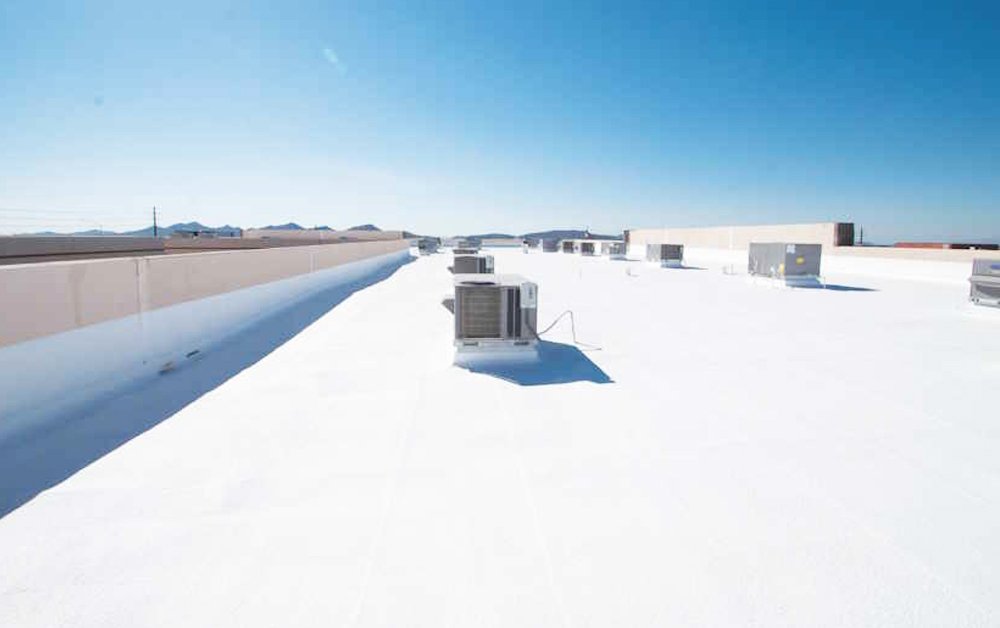
2. Roof Waterproofing: Flat and Sloped Roofs
Application:
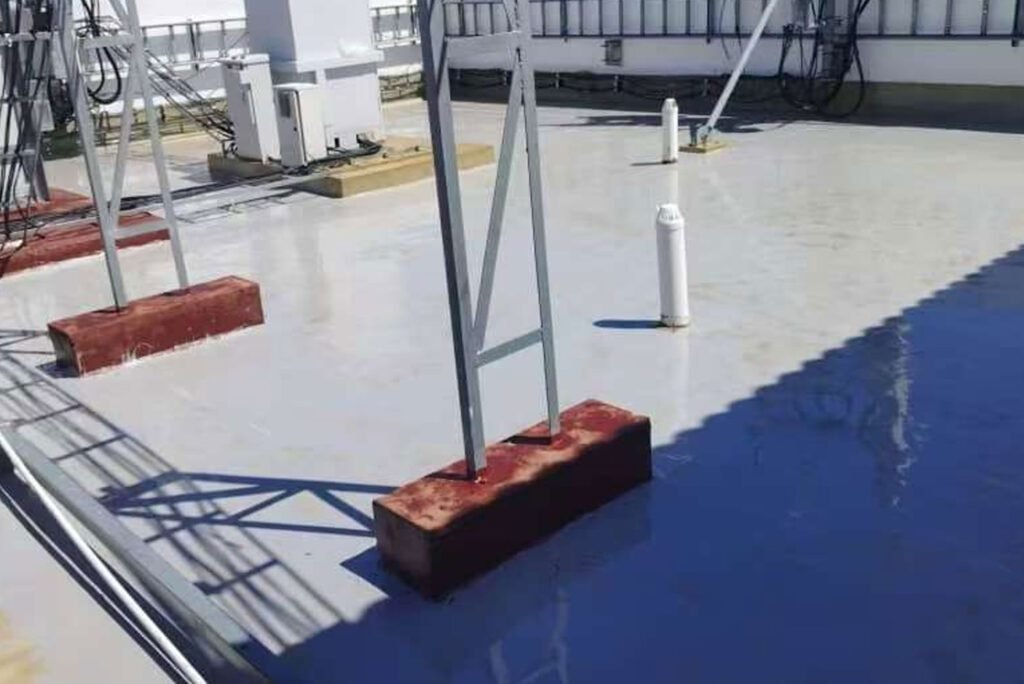
- Creates a waterproof barrier against rain and weather exposure.
- Extends roof lifespan by preventing water-induced degradation.
- Suitable for commercial, industrial, and residential buildings.
Case Study:
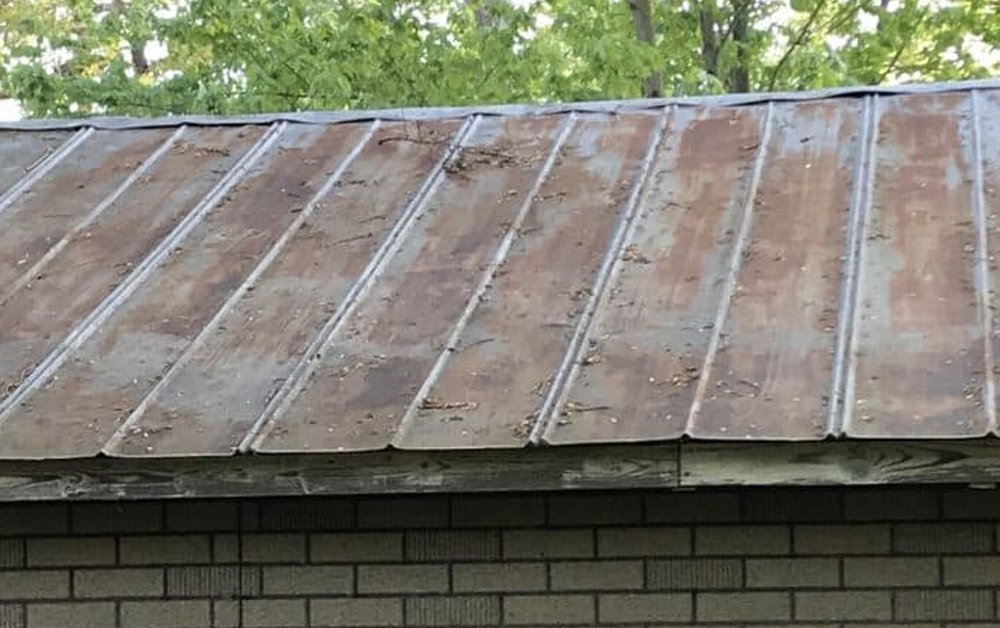
A warehouse with frequent roof leaks due to cracks and weather exposure was treated with a polyurethane waterproof coating. The seamless application eliminated leaks, reducing maintenance costs significantly.
Advantages:
✅ UV-resistant and highly durable in extreme weather conditions.
✅ High elasticity prevents cracking due to temperature fluctuations.
✅ Can be applied over existing roofing materials for cost-effective renovation.
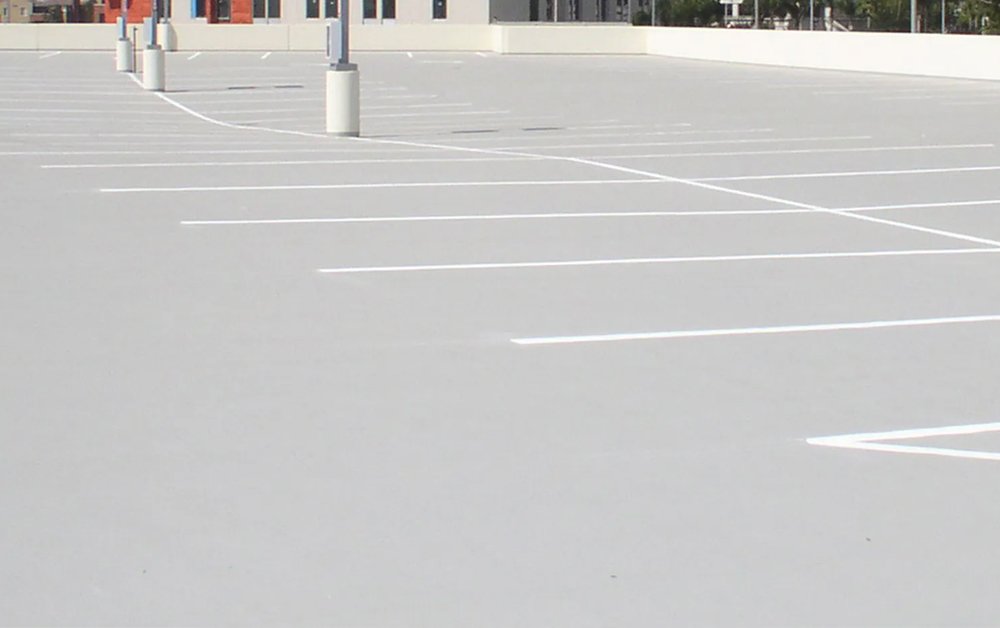
3. Floor Waterproofing: Parking Decks, Industrial Floors, and Balconies
Application:
- Protects concrete floors from water, oil, and chemical damage.
- Prevents cracks and surface deterioration in high-traffic areas.
- Reduces maintenance costs in industrial and commercial spaces.
Case Study:
A parking deck in a coastal city suffered from surface cracks and water pooling. After applying a polyurethane waterproof coating, the deck became more resistant to vehicle load stress and weather conditions.
Advantages:
✅ High mechanical strength and abrasion resistance.
✅ Chemical-resistant, making it ideal for industrial settings.
✅ Non-slip finishes available for enhanced safety.
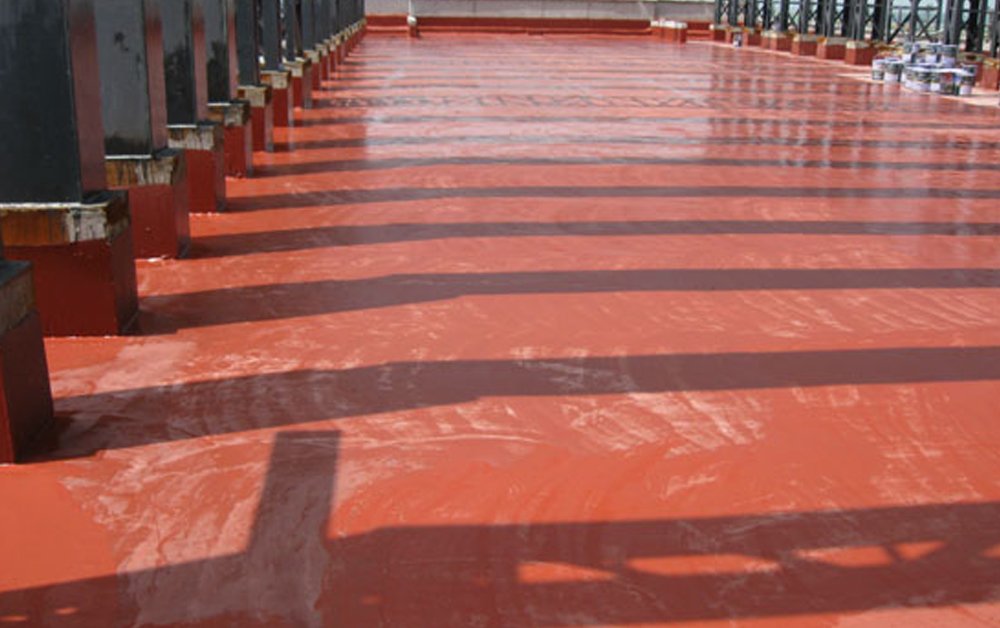
4. Bridges and Infrastructure Projects
Application:
- Provides waterproofing for bridge decks to prevent structural weakening.
- Enhances resistance to saltwater and chemical corrosion.
- Ensures longevity of infrastructure exposed to heavy loads and weather extremes.
Case Study:
A highway bridge exposed to frequent rainfall and road salts was experiencing surface degradation. A polyurethane waterproof system was applied, significantly improving its durability and reducing maintenance frequency.
Advantages:
✅ High tensile strength withstands heavy vehicle loads.
✅ Resistant to de-icing salts, oils, and extreme weather.
✅ Flexible enough to bridge minor substrate cracks.
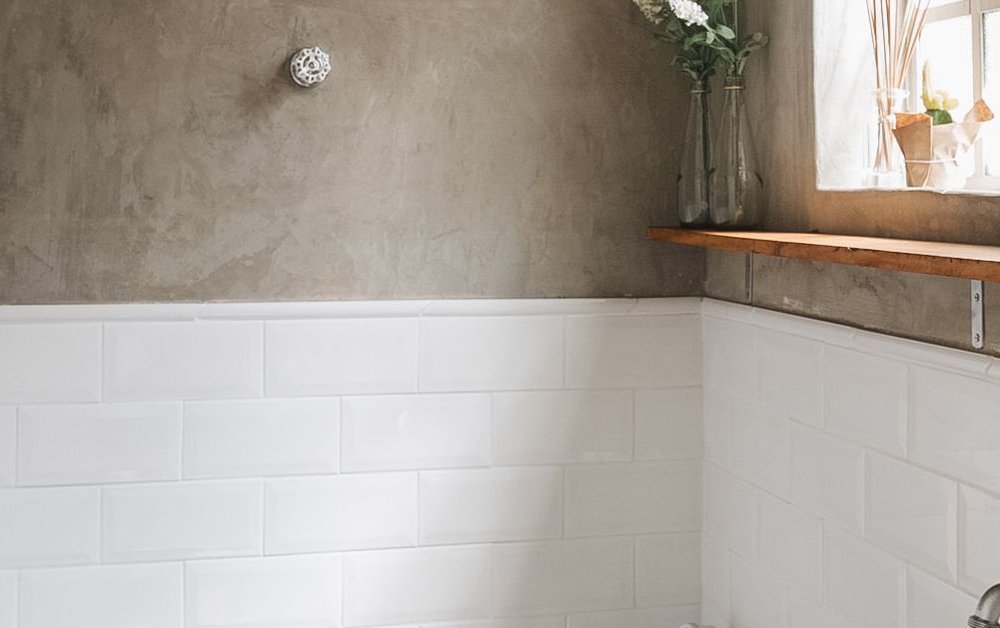
5. Interior Waterproofing: Bathrooms, Kitchens, and Swimming Pools
Application:
- Prevents water leakage in wet areas like bathrooms and kitchens.
- Ensures long-lasting waterproofing for swimming pools and spa areas.
- Protects walls and floors from mold and moisture damage.
Case Study:
A hotel experiencing frequent bathroom leaks leading to wall damage used polyurethane waterproof coatings. The solution effectively stopped leaks, improving the durability of the interiors.
Advantages:
✅ Seamless application prevents water seepage through tile joints.
✅ Resistant to mold, mildew, and humidity.
✅ Compatible with tile adhesives and finishing layers.
Polyurethane waterproof coatings play a critical role in various engineering projects, from underground structures and roofs to industrial floors and infrastructure. Their versatility, durability, and superior waterproofing capabilities make them a preferred choice for engineers and contractors. By selecting the right type of polyurethane coating based on project needs, construction professionals can enhance building longevity, reduce maintenance costs, and improve overall waterproofing performance.
Common Issues and Challenges When Choosing Polyurethane Waterproof Coatings
Selecting the right polyurethane waterproof coating is essential for long-term performance and durability. However, during the selection and application process, various challenges can arise, leading to ineffective waterproofing and costly repairs.
Below, we outline the most common issues encountered and their potential impacts.
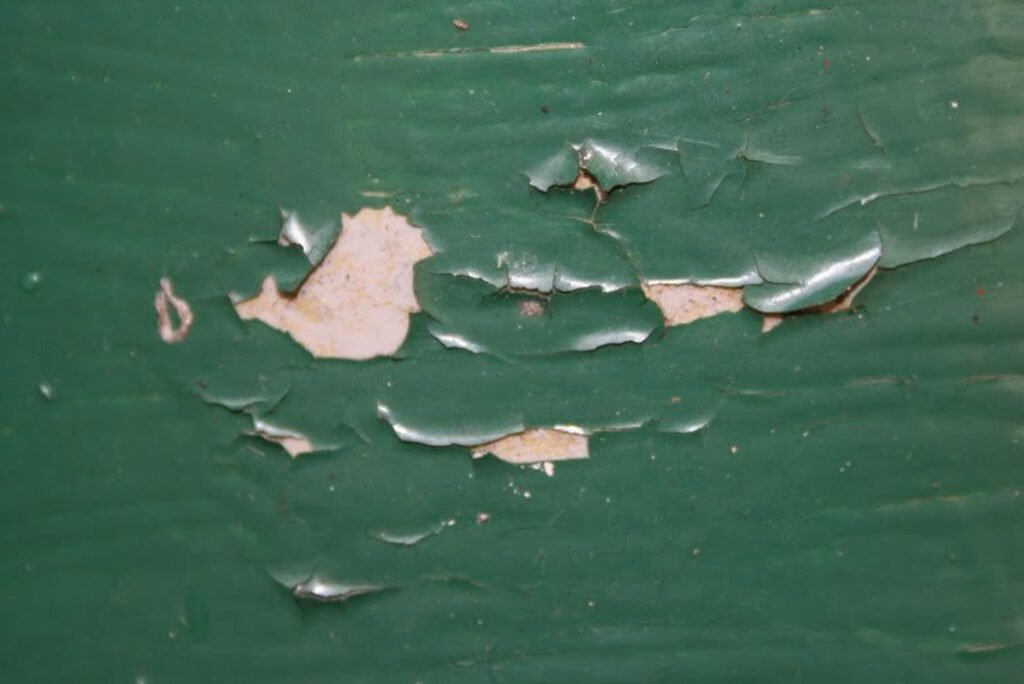
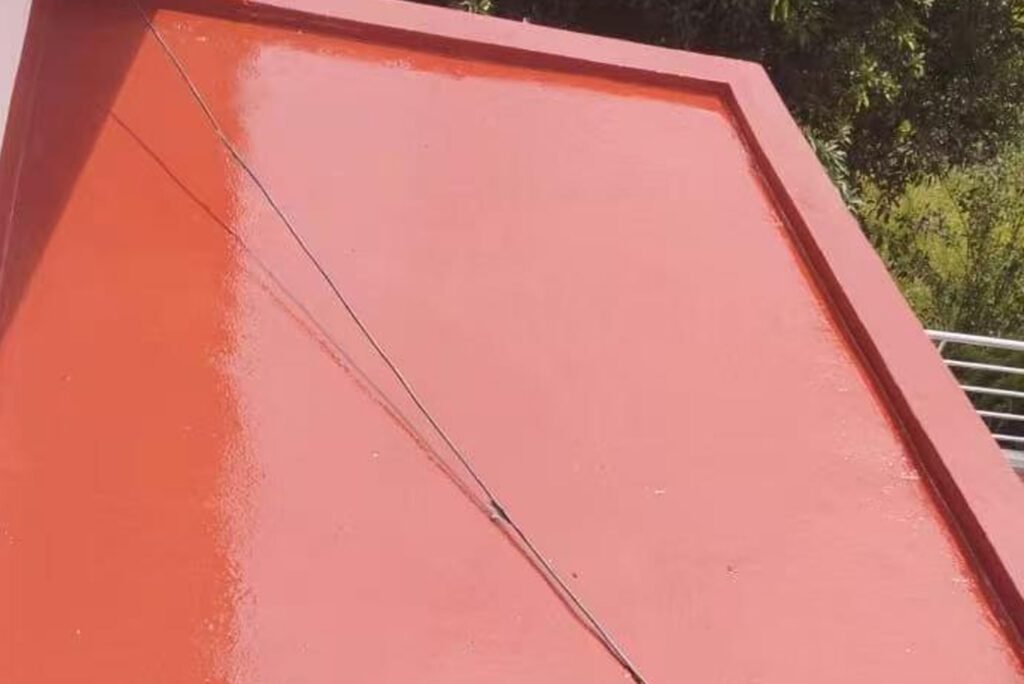
1. Poor Product Quality and Non-Compliance with Standards
The type of project and the specific areas that require waterproofing will determine which type of coating is most suitable. Different parts of the building, such as roofs, basements, and bathrooms, have different exposure levels to moisture and require coatings with varying properties.
Issue:
- Some polyurethane waterproof coatings may not meet industry standards, leading to reduced effectiveness.
- Low-quality formulations may lack sufficient flexibility, adhesion, or durability.
- Inferior coatings may deteriorate quickly, requiring frequent maintenance.
Potential Impact:
❌ Shortened lifespan of the waterproofing system.
❌ Increased risk of water infiltration and structural damage.
❌ Higher long-term costs due to repairs and replacements.
Solutions:
✅ Choose polyurethane coatings that comply with international standards such as ISO certifications.
✅ Verify product specifications, including elasticity, adhesion strength, and water resistance.
✅ Purchase from reputable manufacturers and suppliers with proven track records.
2. Incorrect Application and Installation Errors
Issue:
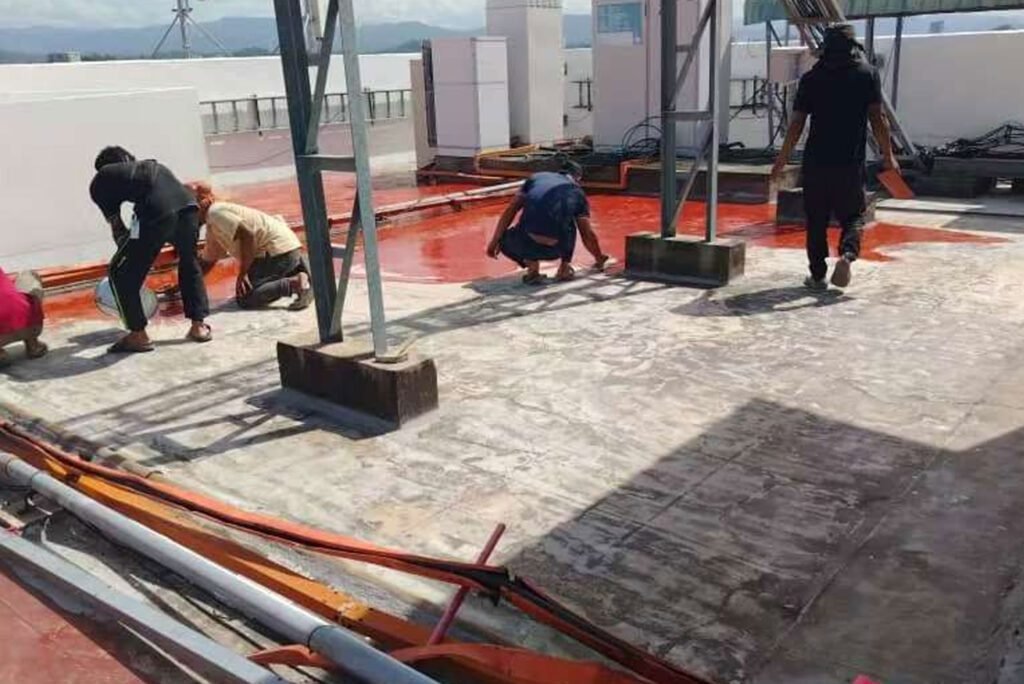
- Inadequate surface preparation, such as failure to remove dust, oil, or moisture.
- Incorrect mixing ratios of two-component polyurethane coatings.
- Uneven application, leading to thin or thick spots that compromise waterproofing performance.
- Failure to allow proper curing time before exposure to water.
Potential Impact:
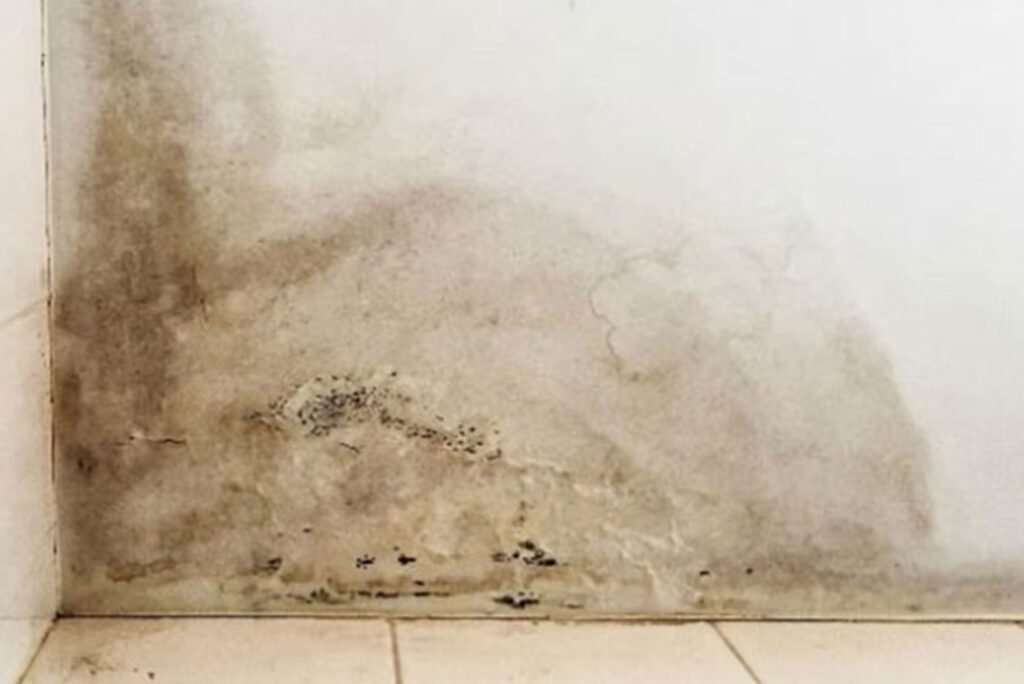
❌ Weak adhesion, leading to peeling or blistering.
❌ Uneven coverage, causing water leakage.
❌ Reduced waterproofing effectiveness due to premature degradation.
Solutions:
✅ Surface Preparation: Clean and dry the substrate before application to ensure strong adhesion.
✅ Correct Mixing Ratios: For two-component coatings, follow the manufacturer’s instructions precisely.
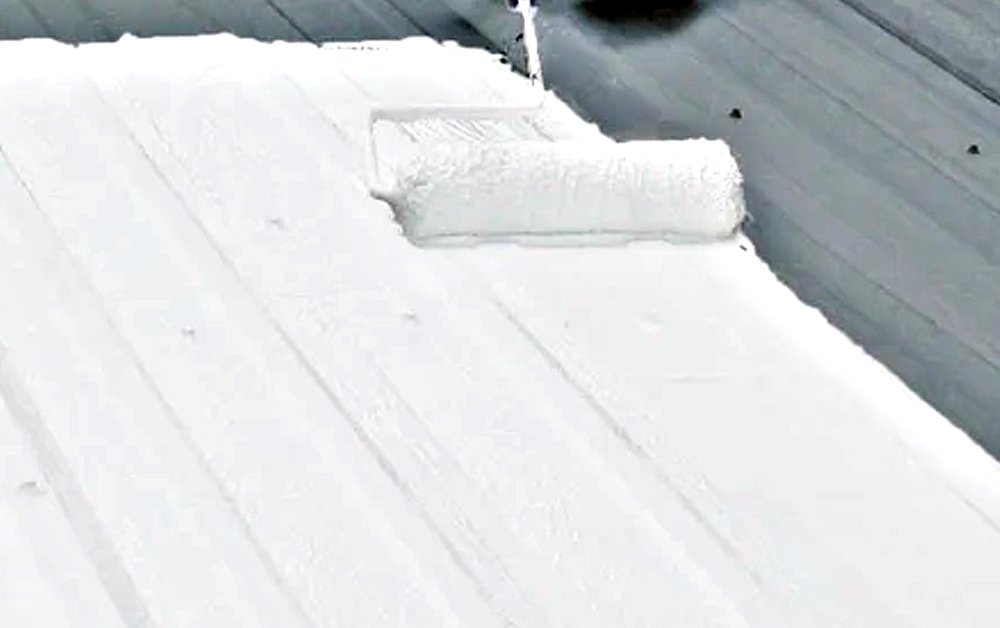
✅ Uniform Application: Use appropriate tools (rollers, brushes, or sprayers) to achieve even coverage.
✅ Proper Curing Time: Allow sufficient drying and curing time before exposing the surface to moisture.
3. Incompatibility with Substrates and Environmental Conditions
Issue:
- Some coatings may not adhere well to specific surfaces, such as metal, old coatings, or damp concrete.
- Environmental factors such as extreme temperatures or high humidity can affect the curing process.
- Incorrect selection of coating type for the project’s specific needs.
Potential Impact:
❌ Delamination or detachment of the coating over time.
❌ Incomplete curing, reducing durability.
❌ Increased application time and costs due to rework.
Solutions:
✅ Conduct adhesion tests to ensure compatibility with the substrate before full application.
✅ Choose coatings with high flexibility and chemical resistance for demanding environments.
✅ Consider environmental conditions such as temperature, humidity, and UV exposure when selecting the coating.
4. Lack of Proper Quality Control and Maintenance
Issue:
- Failure to conduct quality inspections during and after application.
- Lack of scheduled maintenance to check for wear and tear.
- Ignoring early signs of coating failure, such as cracks or blisters.
Potential Impact:
❌ Reduced waterproofing effectiveness over time.
❌ Costly repairs that could have been prevented with regular maintenance.
❌ Increased risk of severe water damage to the structure.
Solutions:
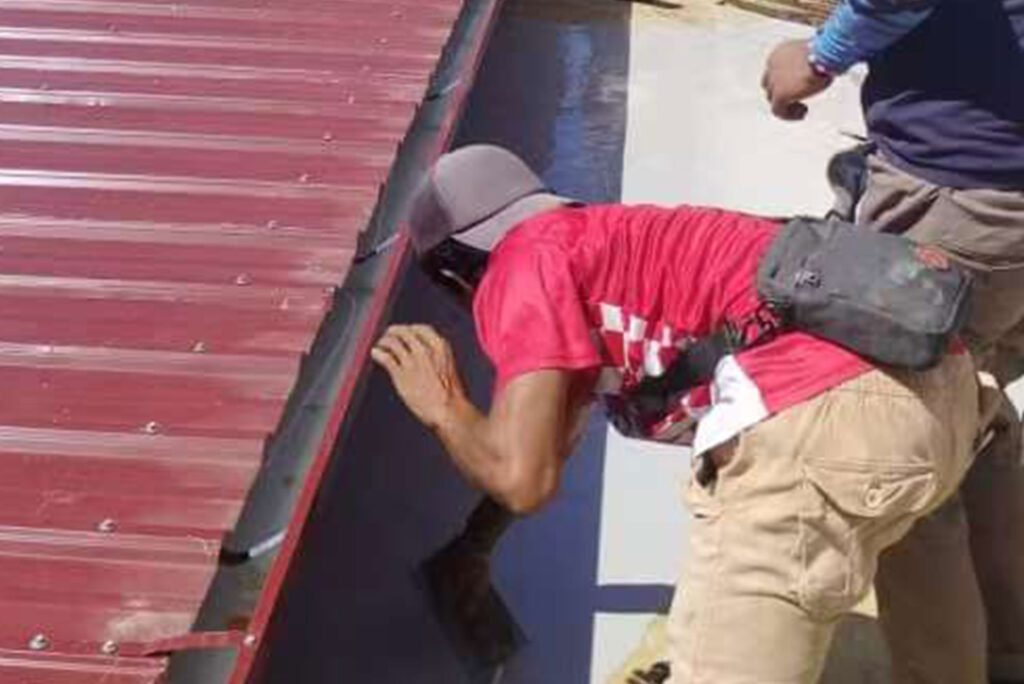
✅ Perform on-site quality checks during and after application to detect defects early.
✅ Schedule regular inspections and maintenance to extend the coating’s lifespan.
✅ Address minor issues such as cracks or peeling immediately to prevent major failures.
Choosing and applying polyurethane waterproof coatings requires careful consideration of product quality, application techniques, and long-term maintenance.
By understanding common challenges and implementing best practices, you can ensure a durable and effective waterproofing system, reducing risks and minimizing costly repairs.
In conclusion, selecting the correct polyurethane waterproof coating is a key consideration in offering a long-term and efficient construction job. With its superior flexibility, durability, and water resistance, polyurethane coatings offer a reliable solution for a wide range of applications, from underground structures and rooftops to industrial floors and infrastructure.
Investing in a proper polyurethane waterproof coating and following proper application protocols will produce structures that will stand strong and long-lasting, resistant to weather and safeguard buildings and structures from unnecessary water damage expenses. With proper planning, you can maximize full value out of polyurethane waterproofing technology, delivering long-term performance at its best.