How to Waterproof Basement in Canada?
Introduction:
If you live or work in Canada, you already know the drill. Basements here aren’t like basements in milder climates. They take a beating.
Heavy snowfall, spring thaw. Groundwater that rises and falls throughout the year. All of that adds up to one thing: moisture problems.
The freeze-thaw cycles can cause concrete to expand and crack. Over time, even minor imperfections turn into entry points for water. Water gets in, mold grows. The structure weakens and repairs get expensive.
So: How to waterproof basement in Canada effectively?
We’re going to walk through the causes, the solutions, the materials, and the professional strategies that actually work in Canadian conditions.
Why Basements in Canada Are More Prone to Water Problems?
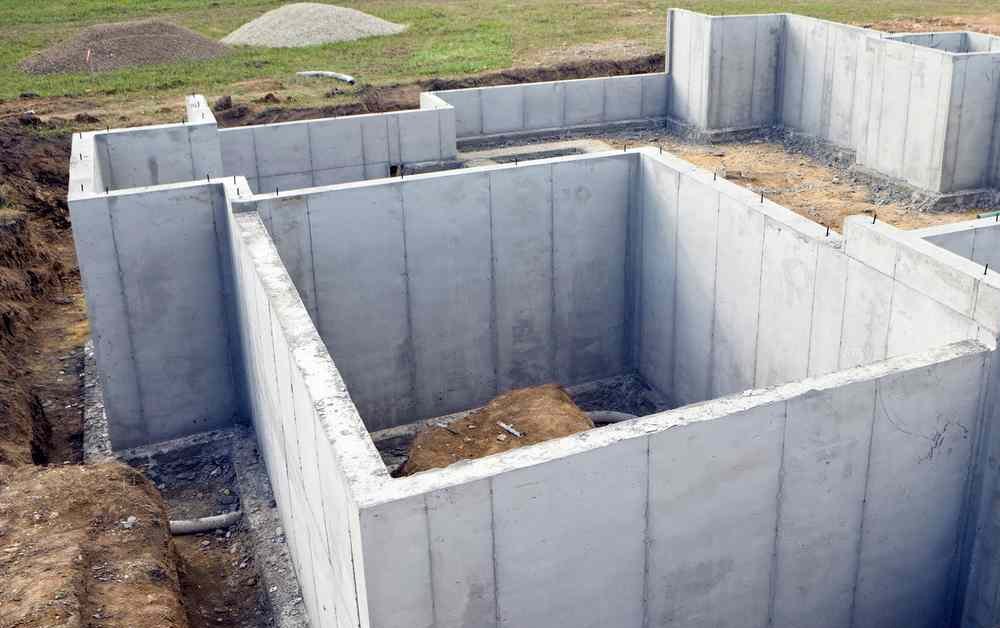
Understanding the root of the problem is the first step toward solving it.
Freeze-Thaw Cycles
| Problem | Causes | Long-term impact |
| Cracks grow over time | Water freezes and expands annually | Structural weakening, water entry points |
High Groundwater Levels
| Problem | Causes | Long-term impact |
| Persistent dampness or seepage | Water table presses against foundation | Chronic moisture, mold, efflorescence |
Snowmelt and Rainfall
| Problem | Causes | Long-term impact |
| Seasonal leaks, especially spring | Sudden volume of water around foundation | Flooding, damage to interior finishes |
Aging Infrastructure
| Problem | Causes | Long-term impact |
| Unexpected failure | Old waterproofing has deteriorated | Emergency repairs, costly damage |
Together, these factors make basement waterproofing in Canada is essential.
Why Basements in Canada Are More Prone to Water Problems?
Foundation Cracks
Some cracks are structural, they mean the foundation is moving or settling. Others are non-structural, shrinkage cracks from when the concrete cured. But here’s the thing: both let water in.
A crack is a crack. Structural or not, water will find it. Don’t assume a small crack is harmless.
Construction Joints
Where one concrete pour meets another, that’s a weak spot. Also where the wall meets the floor.
If your leak follows a straight line, you’re probably looking at a joint problem.
Failed Waterproof Membranes
Many basements have a waterproof coating on the outside of the foundation — a bituminous or rubberized membrane. It’s designed to keep water out.
But nothing lasts forever. Over time, these coating membranes can crack, peel. It stops working.
The problem is, you can’t see it. The coating is buried underground. So you don’t know it’s failed until water shows up inside.
Poor Drainage Systems
Blocked or insufficient drainage leads to water accumulation around the foundation.
Soil Conditions
Clay-rich soils retain water, increasing pressure on basement walls.
Main Basement Waterproofing Methods
When it comes to waterproofing a basement, there are two primary ways to go. Each has its pros and cons.
Exterior Waterproofing
This is the first line of defense.
How it works:
Excavate around the foundation, all the way down to the footing. Then you apply waterproof membranes directly to the exterior wall. Add drainage boards to channel water away. Backfill.
The advantages:
- Long-term effectiveness
- Prevents structural damage
The limitations:
- Higher cost
- Requires extensive labor
Interior Waterproofing -- Managing Water Inside
This approach doesn’t stop water from coming through the wall. Instead, it catches it and moves it away before it causes damage.
How it works:
You install drainage channels around the perimeter of the basement floor. Water that seeps in hits the channels, flows to a sump pit, and gets pumped out. Sealants and coatings can help, but the core of the system is drainage and pumping.
Advantages:
- Cost-effective
- Less invasive
Limitations:
Does not stop external water pressure.
Combined Waterproofing Systems
A lot of professionals recommend both. Stop most of the water outside. Catch the rest inside. This integrated approach provides comprehensive protection.
Best Waterproofing Materials for Canadian Basements
Material selection plays a critical role in long-term success.
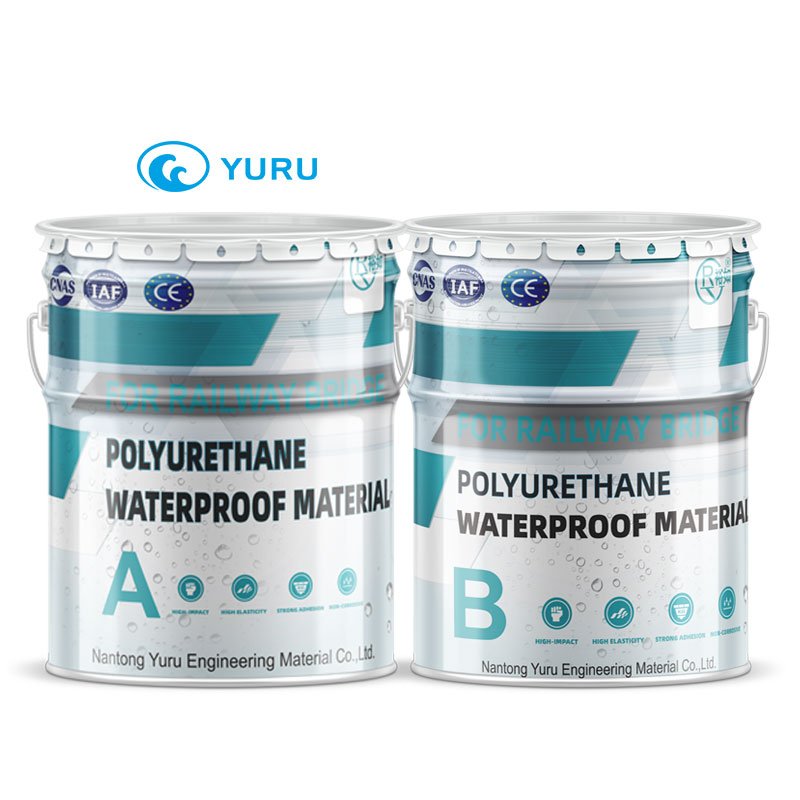
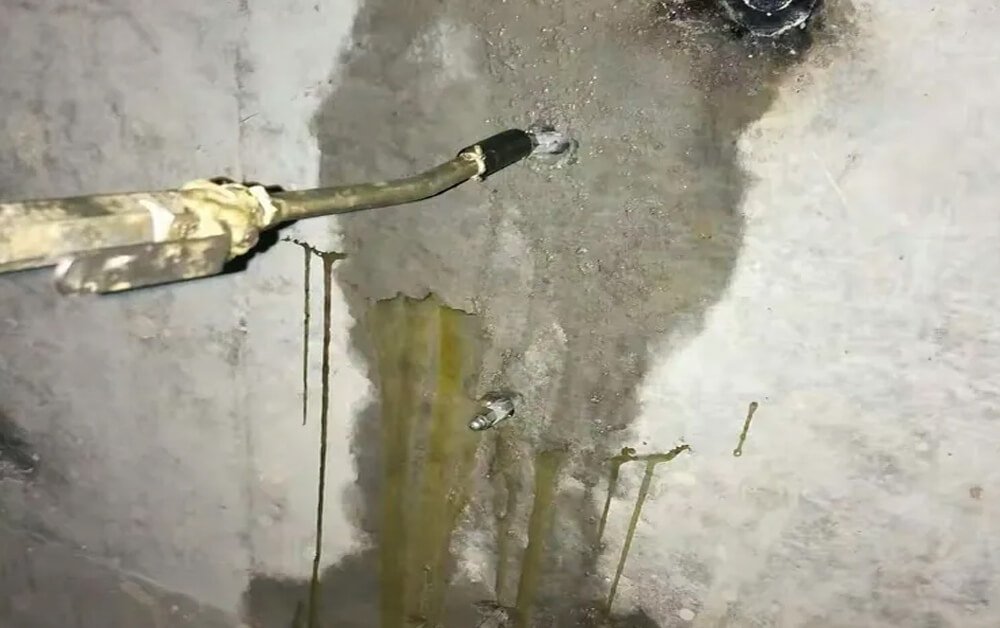
Polyurethane (PU) Grouting Materials
Working principle:
- Expands upon contact with water
- Seals active leaks quickly
Best Use:
- Crack injection
- Emergency leak repair
Polyurea Waterproof Coatings
Work Principle:
- Excellent flexibility in low temperatures
- High durability and chemical resistance
Best Use:
- High-performance waterproofing systems
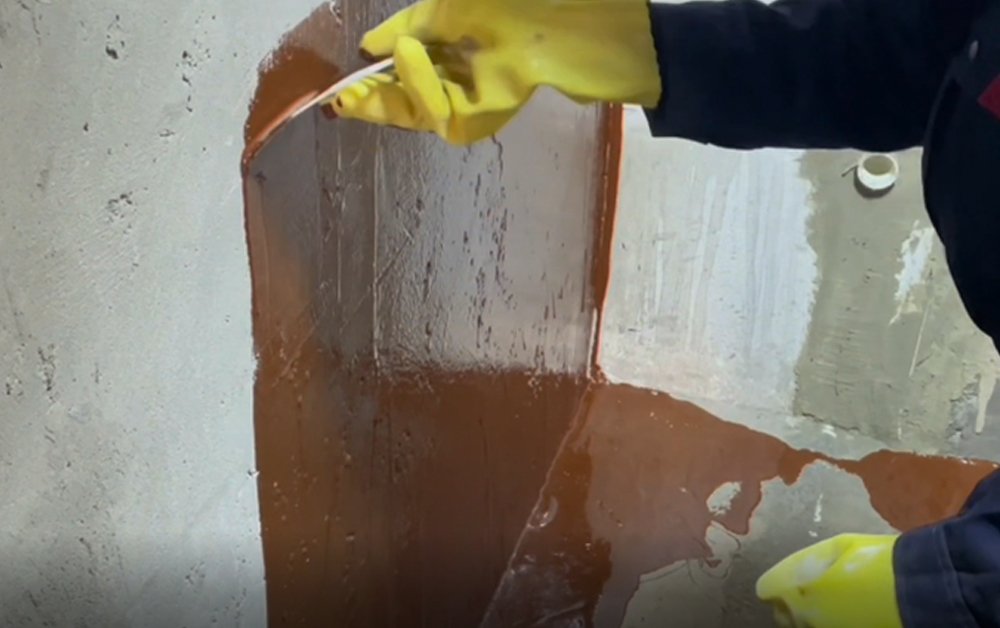
Cement-Based Waterproofing Materials
Why It Works:
- Strong adhesion to concrete
- Reliable waterproof barrier
Use:
- Base layer waterproofing
Silicone-Based Waterproof Coatings
Why It Works:
- Breathable yet water-repellent
- Resistant to harsh weather
Use:
- Exterior wall protection
Step-by-Step Guide: How to Waterproof Basement in Canada
Here’s the sequence that works.
1. Inspection and Assessment
- Identify all leak sources
- Document crack types and locations
- Measure moisture levels
- Assess drainage conditions outside
A thorough inspection make sure you apply the right solution to the right problem.
2. Surface Preparation
- Surface cleaned (no dirt, dust, efflorescence)
- Debris and contaminants removed
- Visible damage repaired (spalls, loose concrete)
- Surface dry before proceeding
Proper preparation improves adhesion and performance.
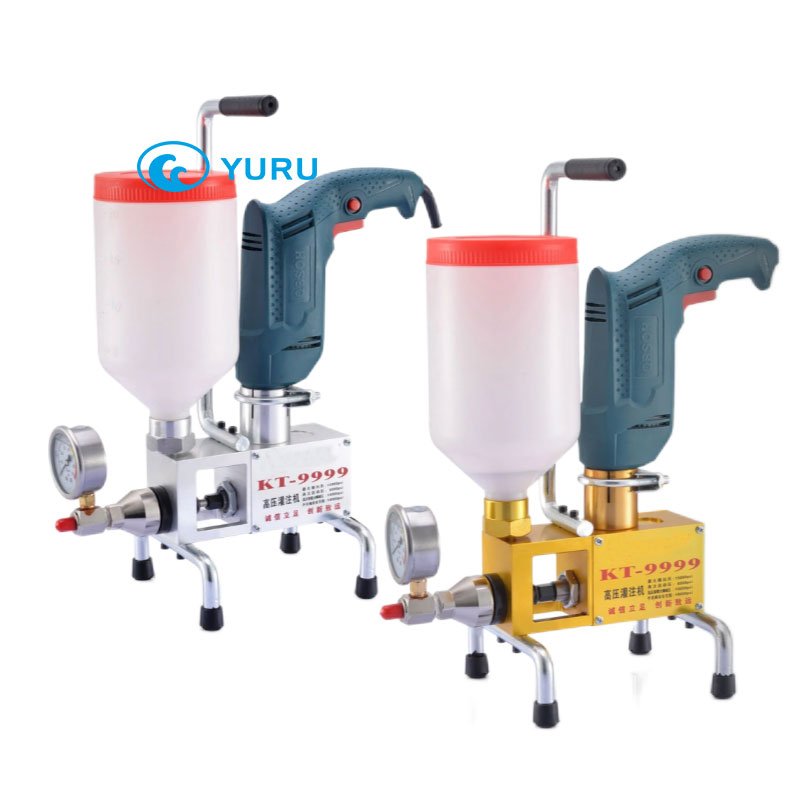
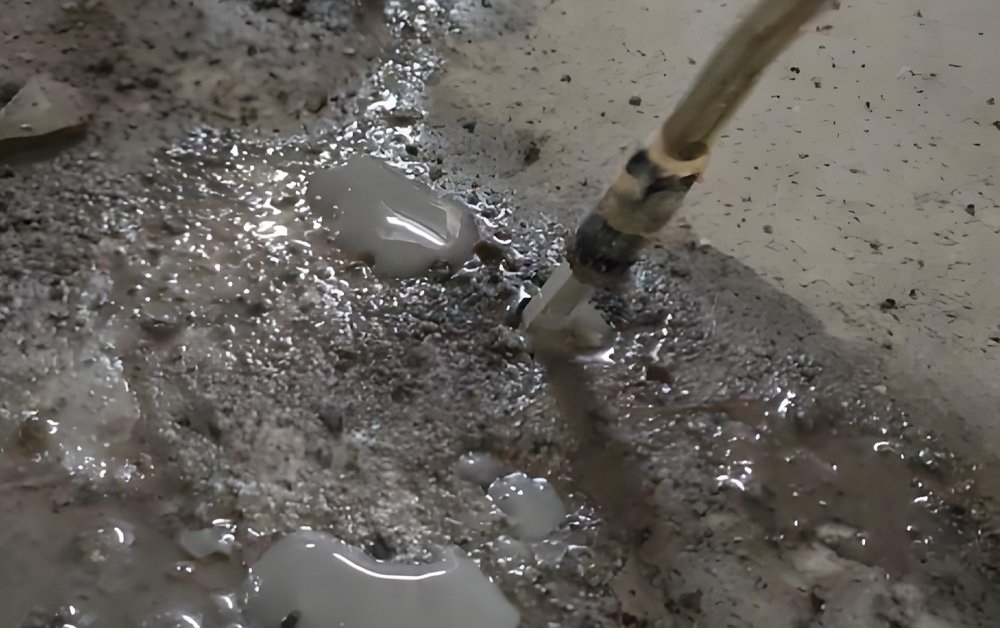
3. Crack Injection (Chemical Grouting)
For cracks that are actually leaking, you need injection. Surface coating won’t stop flowing water.
Inject polyurethane or similar materials into cracks.
Benefits:
- Stops active leaks
- Fills internal voids
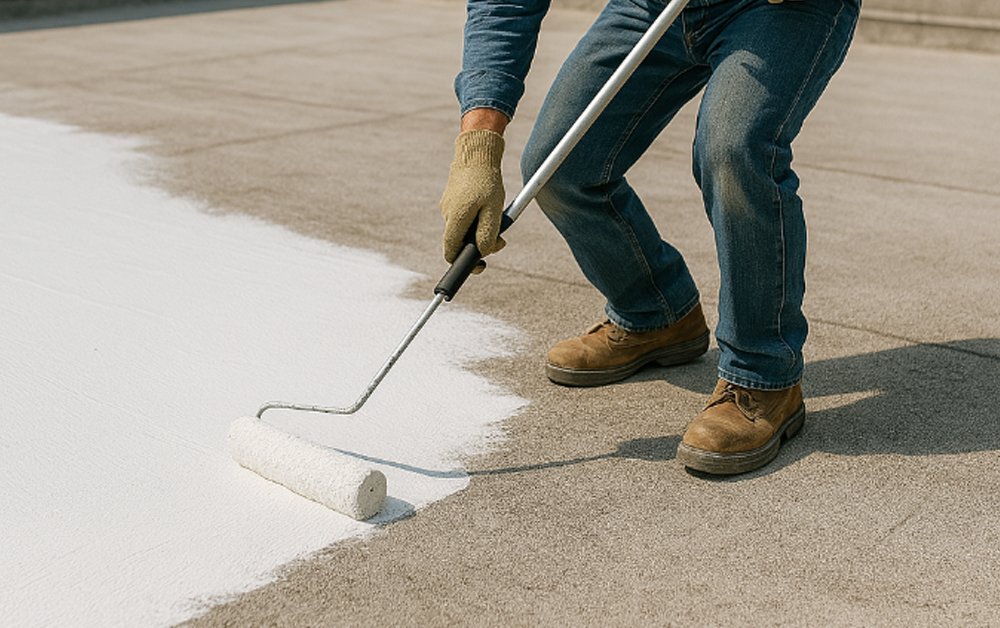
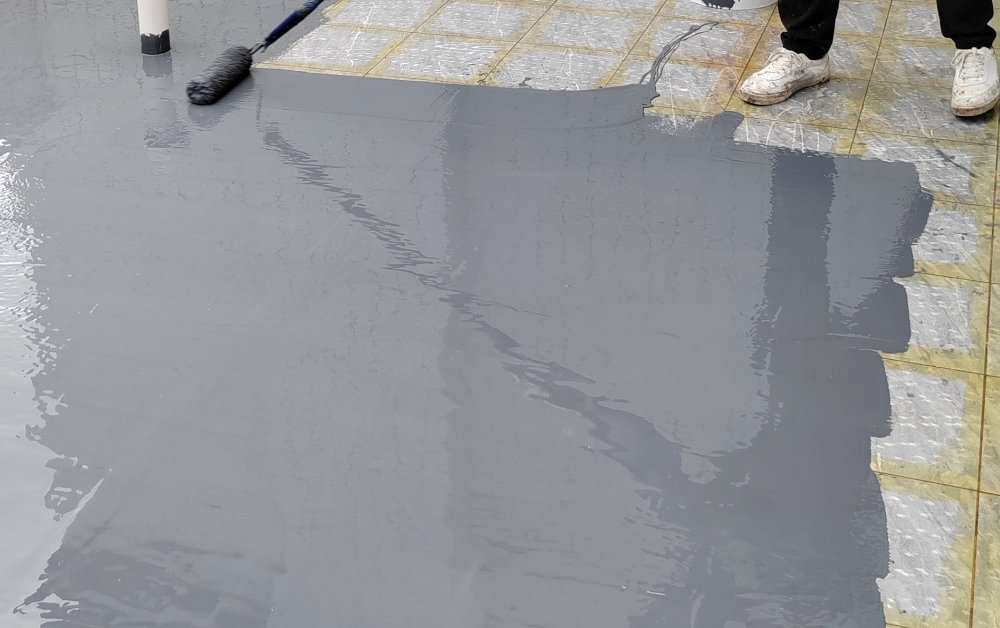
4. Apply Waterproof Coating
- First coat applied evenly
- Proper thickness achieved
- Multiple coats applied as specified
- Details (corners, joints) properly coated
- Full cure time allowed
5. Improve Drainage System
Install or upgrade:
- Drain tiles
- Sump pumps
- Drainage boards
Good drainage takes the pressure off your waterproofing system. Don’t skip it.
Challenges of Waterproofing Basements in Canadian Winters
Cold weather introduces additional complexities.
Low Temperature Effects
- Slower curing times
- Reduced material flexibility
Moisture and Ice Formation
Frozen surfaces reduce adhesion.
Solutions:
- Use cold-resistant materials
- Schedule work during suitable conditions
- Preheat surfaces if necessary
Common Problems and How to Fix Them?
Recurring Leaks
- Cause: Incomplete sealing
- Solution: Secondary grouting
Coating Peeling
- Cause: Poor surface preparation
- Solution: Reapply with proper cleaning
Water Accumulation
- Cause: Drainage system isn’t working.
- Solution: Clean the gutters. Extend the downspouts. Fix the drain tiles. Upgrade the drainage system.
Cost of Basement Waterproofing in Canada
Costs vary depending on the method used.
Typical Cost Factors
- Size of basement
- Severity of damage
- Type of materials
- Labor requirements
Cost Comparison
| Method | Cost Level | Durability |
|---|---|---|
| Interior Waterproofing | Moderate | Medium |
| Exterior Waterproofing | High | Long-term |
| Combined System | Higher | Best |
Investment Perspective:
High-quality waterproofing reduces long-term repair costs and increases property value.
Why Clients Prefer System-Based Waterproofing Solutions?
Contractors and developers are increasingly choosing integrated systems.
Advantages:
- Better performance
- Reduced maintenance
- Higher reliability
System Approach Includes:
- Grouting + coatings
- Multi-layer protection
- Customized solutions
YURU Waterproof: Your Reliable Partner for Basement Waterproofing
Choosing the right supplier is just as important as choosing the right method.
YURU Waterproof provides:
- Advanced waterproof coatings
- High-performance grouting materials
- Industrial-grade flooring solutions
Why Choose YURU:
- Products designed for harsh environments.
- Stable quality and supply.
- Technical support for global projects.
- Customized solutions for contractors and distributors.
YURU solutions are widely applied in:
- Basement waterproofing
- Underground structures
- Infrastructure projects
FAQs:
1. What is the best method to waterproof a basement in Canada?
A combination of exterior waterproofing and interior drainage systems provides the best results.
2. How long does basement waterproofing last?
High-quality systems can last 10–25 years or more.
3. Can basement waterproofing be done in winter?
Yes, but special materials and precautions are required.
4. How do I fix basement wall cracks?
Chemical grouting is an effective solution for sealing cracks.
5. Is interior waterproofing enough?
It helps manage water but does not eliminate external pressure.
Conclusion:
So, how to waterproof basement in Canada?
The answer lies in a combination of proper diagnosis, suitable materials, and professional execution.
Key Takeaways:
- Understand the root cause of leaks
- Choose materials suited for cold climates
- Combine interior and exterior solutions
- Work with experienced suppliers
Need reliable waterproofing materials for Canadian conditions? YURU Waterproof is ready to support your projects. Contact YURU today!
YURU Product solutions