Is Polyurea Grout Waterproof?
Introduction:
Polyurea grout materials are gaining increasing attention in modern grouting materials, widely used for waterproofing and leak sealing in tunnels, bridges, and subways. However, a key question remains:
Is polyurea grout truly waterproof?
In short, the answer is yes. This article explores the working principle, applications, limitations, and selection criteria of polyurea grouting materials.
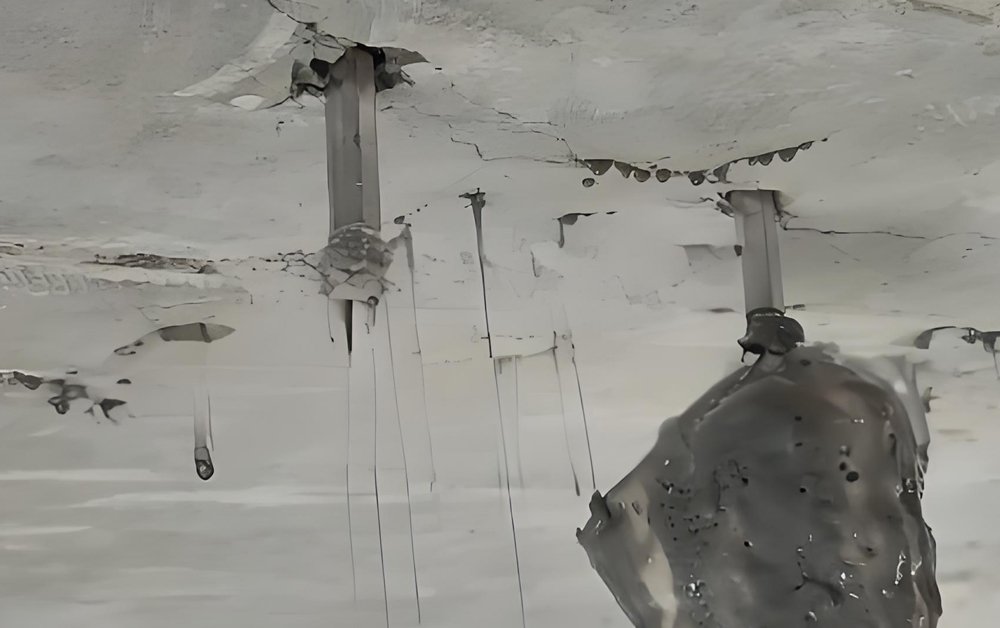
What Is Polyurea Grout?
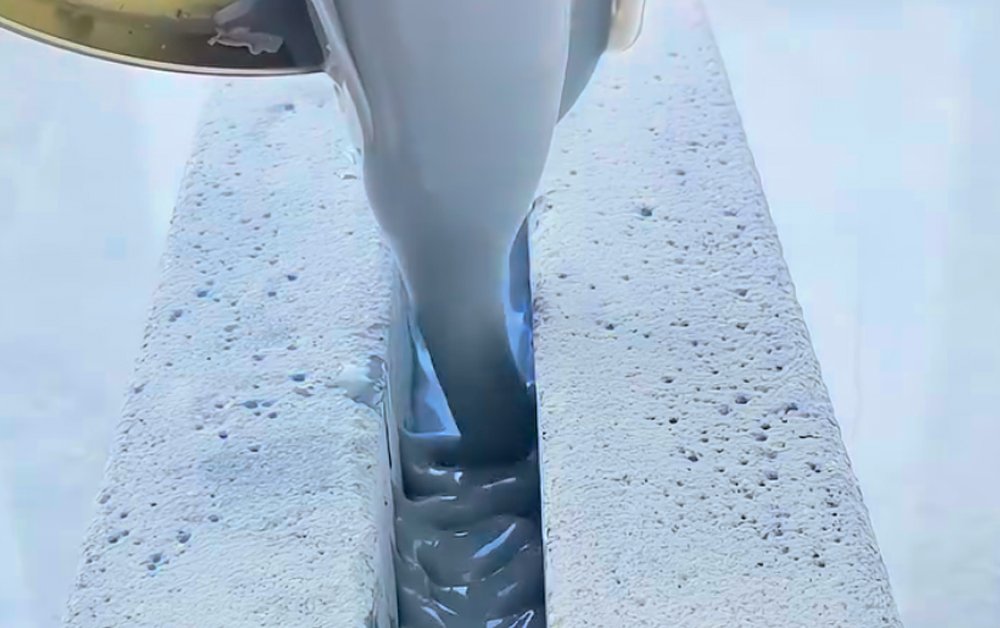
Polyurea grout is produced by reacting isocyanate and amino compound components. These components react to form a flexible and durable elastomer.
Unlike cement-based grouts, polyurea is formed through a chemical polymerization reaction. This reaction produces:
- A dense molecular structure
- Low permeability
- High elasticity
- Strong adhesion to concrete
Depending on formulation, polyurea grout can be designed for:
- Crack injection
- Joint sealing
- Structural waterproof reinforcement
- Chemical-resistant protection
Polyurea is a family of materials engineered for performance in demanding environments.
Is Polyurea Grout Truly Waterproof?
Waterproof materials typically possess the following characteristics:
- Impermeability
- Resistance to water pressure
- Chemical stability in humid environments
- Long-term moisture resistance
Polyurea grout meets these standards.
1. Impermeability
Polyurea undergoes a cross-linking reaction, forming a three-dimensional network structure. After curing, it provides significant waterproofing.
2. Resistance to water pressure
High-quality polyurea materials maintain structural integrity under continuous hydrostatic pressure.
3. Resistance to chemical corrosion
Polyurea exhibits excellent resistance to acid, alkali, and salt solutions, making it suitable for corrosive environments such as sewage treatment plants.
4. Elastic waterproof layer
Polyurea retains its flexibility after curing and does not shrink.
Therefore, provided the correct product and application conditions are met, polyurea grout can serve as a durable waterproofing solution.


How Does Polyurea Compare with Polyurethane and Epoxy?
Waterproofing and crack repair often involve three primary injection materials:
- Polyurethane
- Epoxy
- Polyurea
Each serves different purposes.
Polyurethane Grout
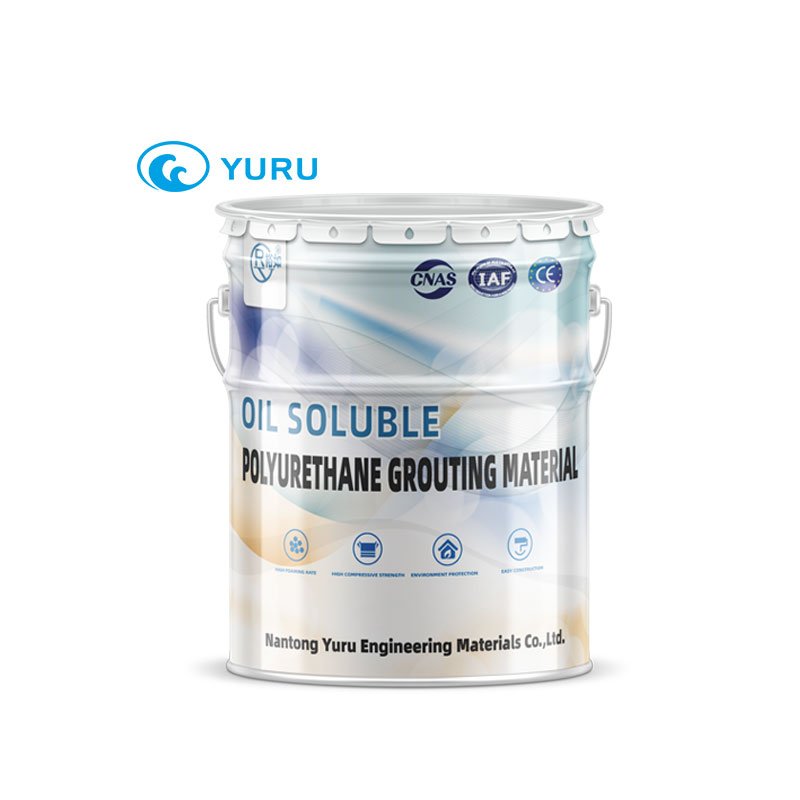
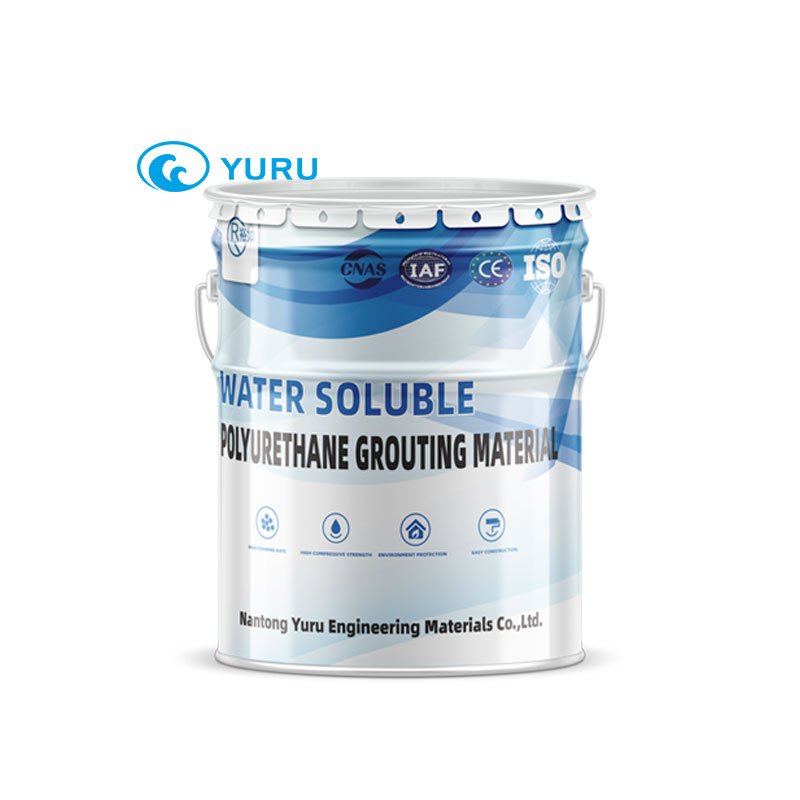
Polyurethane is widely used for active water stop and sealing.
Characteristics:
- Reacts with water
- Can foam and expand
- Effective for emergency leak stopping
- Flexible after curing
However, it loses strength if continuously exposed to water pressure.
Epoxy Grout
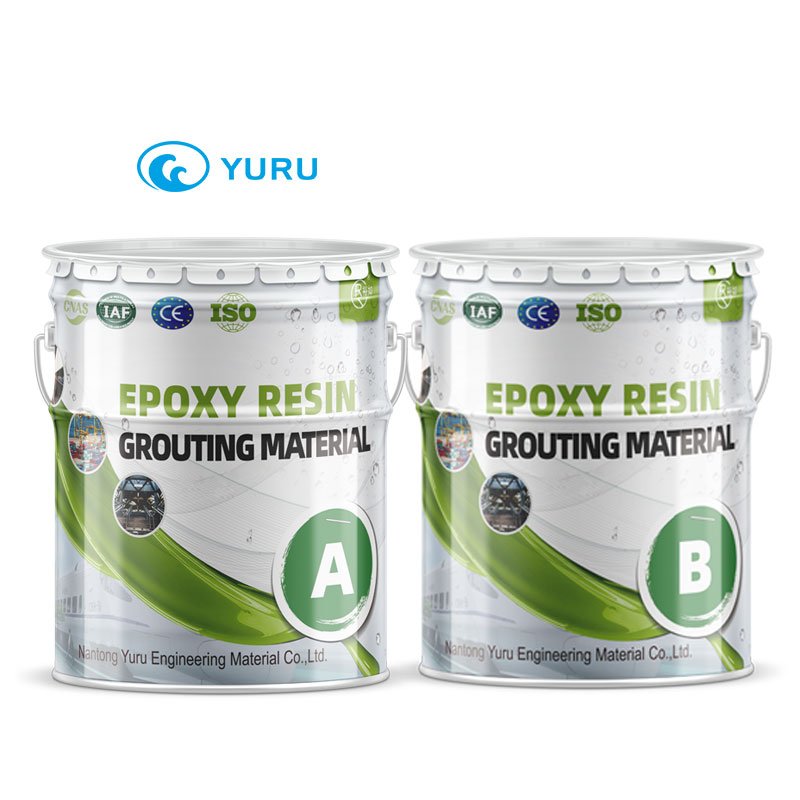
Epoxy injection is primarily used for structural reinforcement.
Characteristics:
- High compressive strength
- Rigid after curing
- Strong bonding capability
Epoxy is ideal for restoring load-bearing capacity but is not suitable for moving cracks due to its rigidity.
Polyurea Grout
Polyurea combines advantages of elasticity and durability.
Characteristics:
- High flexibility
- Strong adhesion
- Excellent waterproof performance
- Durable chemical resistance
Polyurea is often a better solution for requiring long-term waterproofing with moderate structural movement tolerance projects.
Where Is Polyurea Grout Commonly Used?
Polyurea grouts are widely used in the following areas:
1. Crack and Gap Treatment
Polyurea grouting can plug and seal leaks, effectively preventing recurring leaks.
2. Tunnels and Subway Systems
Underground transportation systems are subjected to continuous water pressure. Polyurea can be used for waterproofing and can adapt to minor structural displacements and vibrations.
3. Bridge Expansion Joints
Bridges can deform due to temperature changes. Polyurea expansion joint filling materials provide excellent sealing and reinforcement.
4. Industrial Buildings
Polyurea has excellent waterproof and corrosion-resistant properties, operate stably in factories and chemical plants.
5. Utility Tunnels and Pipeline Corridors
Water seepage can damage infrastructure. Polyurea grout can provide a durable seal without significantly altering the structure.
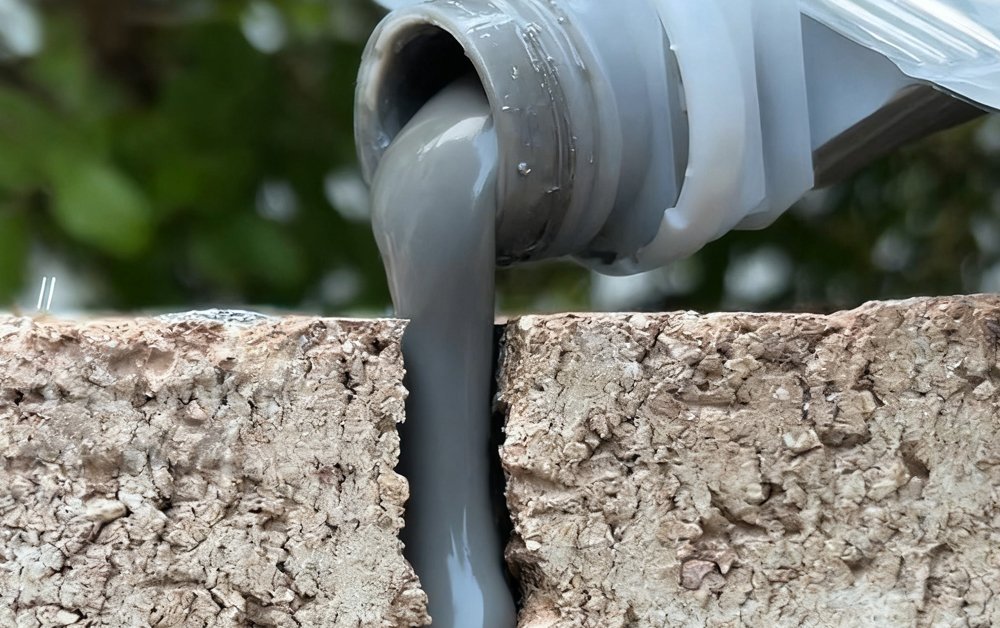

What Factors Affect Waterproof Performance?
Even the best material can fail if applied improperly. The waterproof effectiveness of polyurea grout depends on several variables.
1. Material Formulation Quality
Not all polyurea grouts are identical. Variations in resin composition affect elasticity, viscosity, and durability.
2. Crack Characteristics
Width, depth, and movement behavior of cracks influence material selection. Excessive structural movement may require specialized formulations.
3. Injection Technique
Correct injection pressure ensures full penetration without widening cracks. Experienced technicians are essential.
4. Surface Preparation
Dust, oil, or debris inside cracks reduces bonding efficiency. Proper cleaning is necessary.
5. Environmental Conditions
Temperature and humidity affect reaction speed and curing characteristics.
Waterproof performance is the result of both material science and proper execution.
How to Choose a Reliable Polyurea Grout Manufacturer?
For contractors and distributors, supplier reliability determines project success.
Key evaluation criteria include:
- Stable manufacturing capacity
- Consistent batch quality
- Technical documentation availability
- Application guidance support
- Export and logistics experience
A professional manufacturer should provide:
- Technical Data Sheets
- Safety Data Sheets
- Performance testing results
- Application recommendations
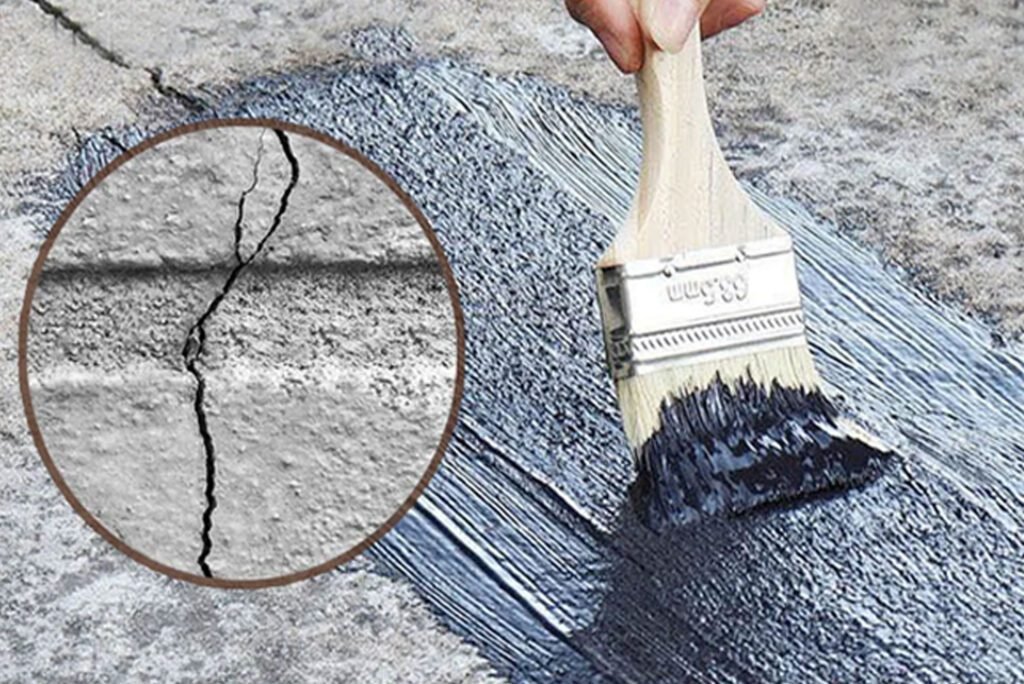

Why YURU Is a Reliable Polyurea Grout Partner?
YURU Waterproof specializes in waterproofing and injection materials for infrastructure and construction applications.
Comprehensive Product Range
YURU offers:
- Polyurea grouting systems
- Microcrystalline polyurea materials
- Polyurethane injection materials
- Epoxy injection systems
- Waterproof coatings for structural applications
This diversified portfolio allows contractors to source integrated waterproofing solutions from one manufacturer.
Stable Production and Quality Control
YURU implements strict quality control procedures throughout production, from raw material inspection to final batch verification.
Technical Support
The company provides:
- Product recommendations based on project conditions.
- Application guidance.
- Performance documentation.
- Custom formulation support.
OEM and International Cooperation
YURU supports private labeling, customized packaging, and export logistics coordination, serving international distributors and engineering contractors.
By combining manufacturing capability with cooperative flexibility, YURU offers a practical alternative for long-term supply partnerships.
FAQs:
1. Is polyurea grout better than polyurethane for waterproofing?
Polyurea generally provides greater durability and chemical resistance, while polyurethane is often preferred for rapid leak stopping.
2. Can polyurea grout handle structural movement?
Yes. Polyurea remains flexible after curing and can accommodate moderate crack movement.
3. How long does polyurea grout last?
If applied correctly, polyurea systems can provide long-term performance, typically lasting over 20 years under stable conditions.
4. What industries use polyurea grout?
Common sectors include underground construction, infrastructure, industrial facilities, and municipal engineering.
Conclusion:
So, is polyurea grout waterproof?
Yes — high-quality polyurea grout provides excellent waterproof performance due to its chemical resistance, and elastic properties.
However, performance depends on:
- Proper material selection
- Professional installation
- Suitable environmental conditions
- Manufacturer reliability
For infrastructure projects, basement repairs, tunnels, and industrial facilities requiring durable waterproof injection systems, polyurea grout represents a strong technical solution.
If you are evaluating reliable polyurea grout suppliers for engineering or wholesale cooperation, YURU offers comprehensive waterproof injection solutions designed for long-term performance and international partnership support.
Contact YURU to request technical data, samples, or customized cooperation proposals.
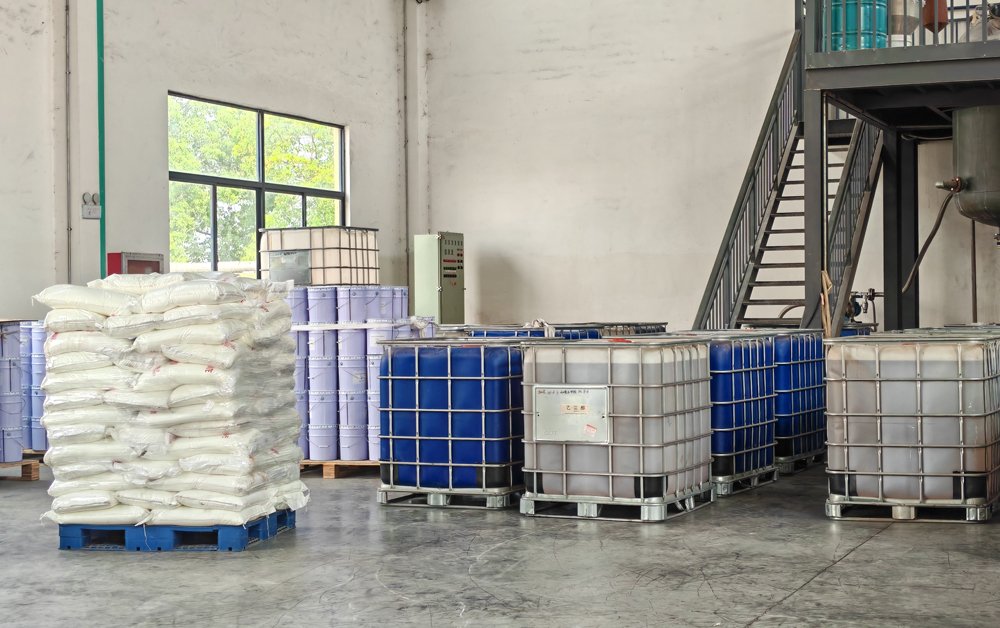
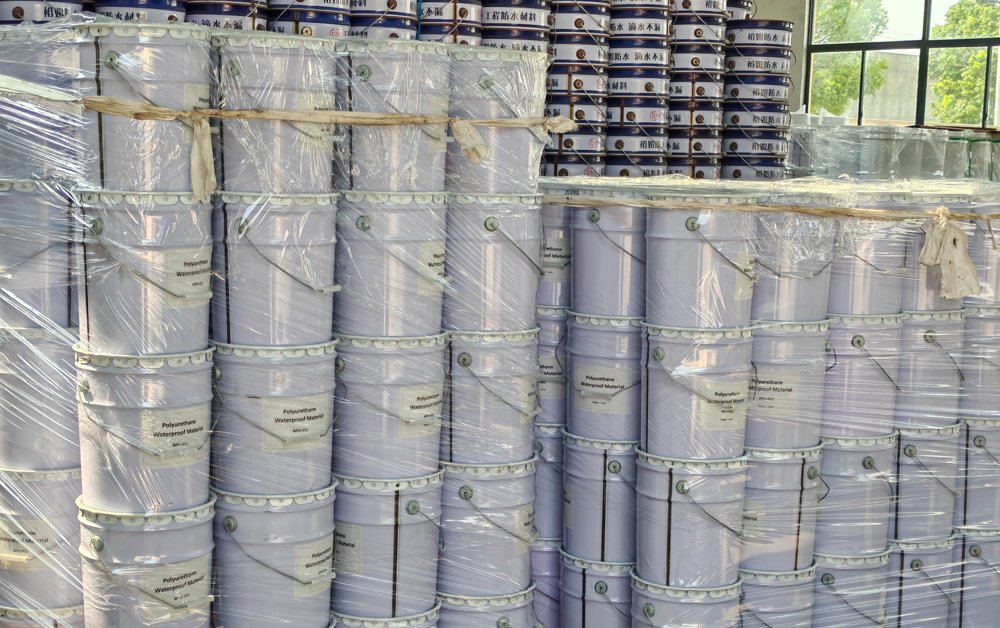
YURU Product solutions