Is Polyurea Grouting Sealant Environmentally Safe?
Environmental awareness in construction and waterproofing engineering has increased rapidly in recent years. Project owners, contractors, and government agencies are pushing for safer, more sustainable materials—especially in underground spaces, tunnels, and municipal environments where leakage repair materials come in direct contact with soil and groundwater.
This naturally raises an important question:
Is Polyurea Grouting Sealant environmentally safe?
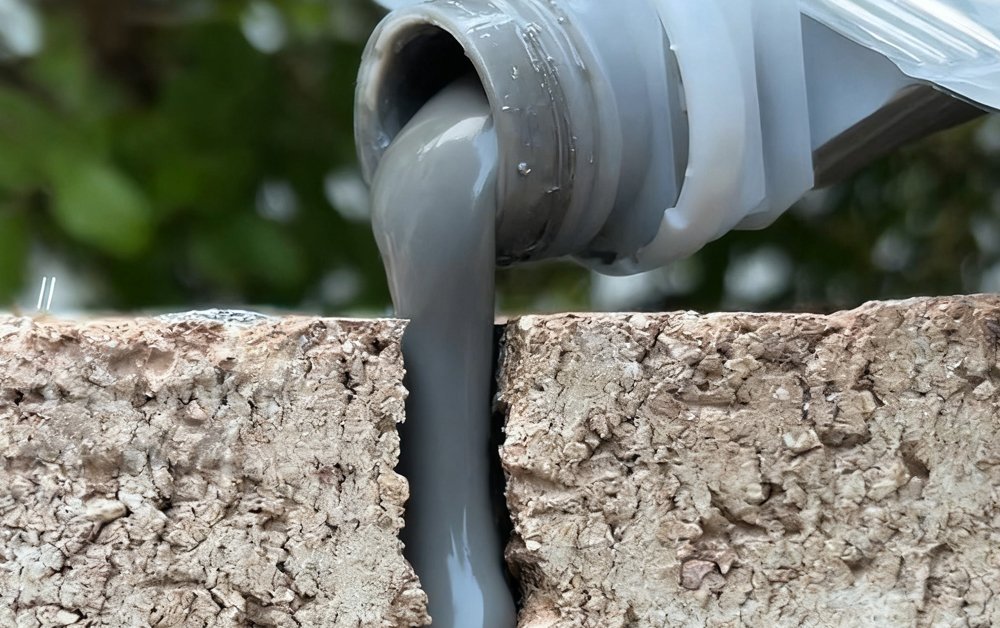
Polyurea Grouting Sealant, known for its single-component structure, strong adhesion, and long-lasting waterproofing performance, is widely used in basements, tunnels, shafts, drainage pipelines, and industrial facilities. Yet, many buyers want to understand whether the material impacts air quality, water systems, or long-term ecological stability.
This article provides a full, engineering-grade explanation based on material science, construction practices, and industry experience—helping you confidently determine whether Polyurea Grouting Sealant is a safe and environmentally responsible choice.
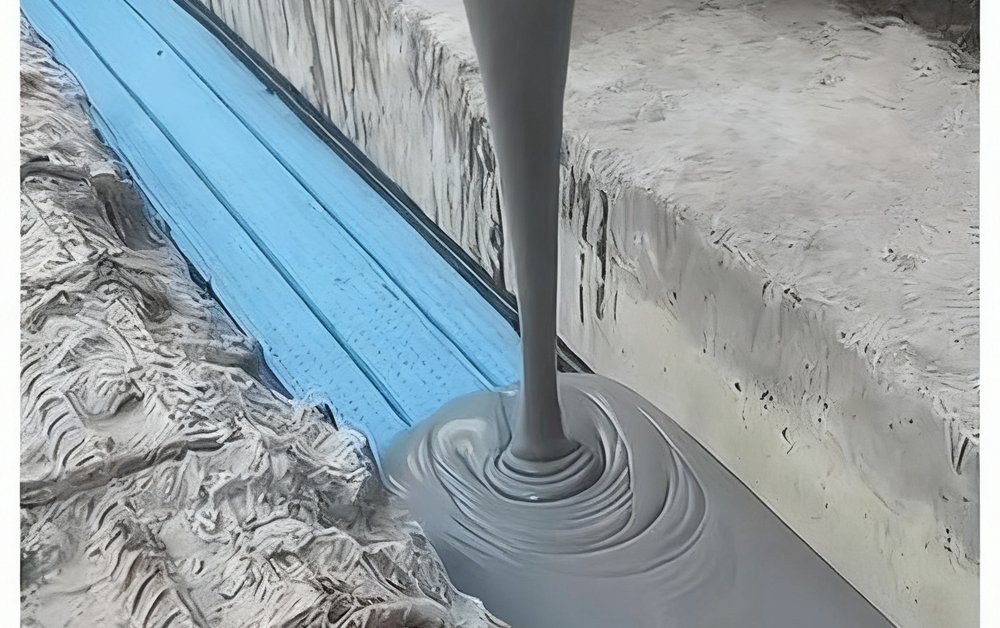
Chemical Composition and Environmental Attributes of Polyurea Grouting Sealant
To understand the environmental safety of Polyurea Grouting Sealant, it’s essential to start with its chemical nature. Unlike multi-component resin systems, Polyurea Grouting Sealant used in waterproofing applications is typically a single-component formulation. This means:
- No on-site mixing
- No blending of hazardous components
- No reaction-related emissions
- More consistent curing performance
Polyurea features a stable prepolymer structure designed to react with moisture during injection. Importantly, it does not release strong odors or harmful volatile organic compounds (VOCs) under normal operating conditions.
Because VOC emissions remain low, Polyurea Grouting Sealant is generally considered safer than many older-generation injection materials used in the industry.
From an environmental standpoint, this chemical stability is a major advantage—it supports cleaner construction sites, reduces harm to workers, and limits material release into surrounding ecosystems.
Environmental Safety During the Injection Process
One of the most common concerns among contractors and inspectors is whether grouting materials release fumes or hazardous substances during construction. Polyurea Grouting Sealant performs extremely well in this regard.
Key advantages during application include:
- Low to no odor during injection
- No solvent evaporation
- No harmful smoke, vapor, or dust
- Safe operating conditions for workers
Because the material is single-component, there is no chemical mixing reaction on-site, meaning the risk of accidental overreaction or fumes—often seen in polyurethane or epoxy systems—is greatly reduced.
Additionally, Polyurea Grouting Sealant does not require aggressive cleaning agents after injection, further contributing to a safer construction environment.
For indoor or enclosed engineering sites such as:
- Basements
- Utility tunnels
- Water tanks
- Underground parking structures
This minimal emission profile makes Polyurea particularly suitable for sustainable engineering practices.

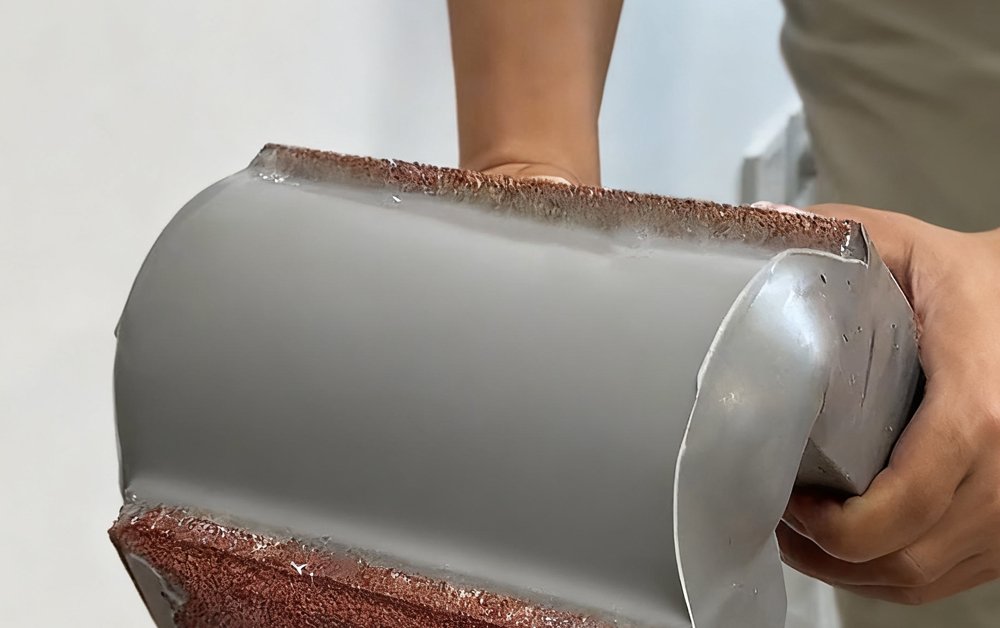
Environmental Impact After Curing: Stability and Groundwater Safety
Once Polyurea Grouting Sealant cures, it transforms into a stable, elastic, water-resistant solid that bonds firmly with surrounding concrete or soil structures.
After curing, Polyurea shows:
- No dissolution in water
- No harmful chemical leaching
- Strong resistance to hydrolysis
- Long-term chemical stability
- Non-toxic interaction with groundwater systems
This stability is crucial for environmentally sensitive applications such as:
- Metro tunnels
- Municipal drainage systems
- Water-retaining structures
- Mine shafts
- Underground civil engineering
Because cured Polyurea does not break down in water or release contaminants, it becomes a safe long-term material for sealing leaks without posing risks to underground ecosystems.
Its resistance to corrosion and chemicals further prevents degradation—meaning fewer micro-particles and waste material enter the environment over time.
Comparison with Other Grouting Materials in Terms of Environmental Safety
To better understand Polyurea’s environmental performance, it helps to compare it with other commonly used injection materials:
Polyurethane (PU) Grouting
- May contain VOCs
- Typically one-component and two-component (mixing required)
- Can release odor during reaction
- Cured material can degrade in aggressive environments
Epoxy Grouting
- Usually requires two-component mixing
- May release fumes during curing
- Higher environmental and worker safety concerns
- Strong but less flexible
Acrylate Grouting
- Can produce chemical runoff if not cured properly
- Lower mechanical strength
- Shorter lifespan may require frequent repairs
Polyurea Grouting Sealant (Single-Component)
- Low VOCs & minimal odor
- No mixing = safer construction
- Strong chemical stability after curing
- Long lifespan means fewer repairs
- Reduced waste from rework and maintenance
This makes Polyurea one of the most balanced materials in modern waterproofing for both environmental safety and overall performance.


Do Polyurea Grouting Sealants Meet Modern Environmental Engineering Standards?
Most new infrastructure projects have strict requirements relating to:
- VOC emissions
- Worker safety
- Soil pollution
- Groundwater protection
- Indoor air quality
- Long-term ecological impact
Single-component Polyurea Grouting Sealant aligns well with these standards because:
- It contains low volatile compounds
- It does not require on-site chemical reaction
- It forms a chemically stable solid
- It prevents secondary leakage that could damage the environment
- It passes many industrial environmental testing requirements
For projects needing high environmental compliance—such as subway tunnels, water facilities, and urban underground structures—Polyurea is now often recommended over traditional injection materials.
Material Longevity and Sustainability Contribution
Environmental safety also includes long-term sustainability. A material that performs reliably over many years reduces:
- Repeated construction interruptions
- Consumption of additional repair materials
- Labor and energy use
- Waste generated by failed or short-lived repairs
Polyurea Grouting Sealant is known for a long service life, often 10–25 years depending on the environment. This extended lifespan significantly contributes to sustainability by reducing the frequency of interventions.
By choosing a durable, stable material, project owners can reduce environmental impact across the entire lifecycle of a structure—not only during installation.
Choosing an Environmentally Responsible Supplier
Selecting the right supplier is crucial when environmental safety and long-term performance matter.
A trustworthy provider should offer:
- Verified environmental compliance reports
- Stable, high-quality single-component polyurea
- Technical support for safe construction
- Bulk supply and custom packaging options
- Product traceability and transparency
YURU Waterproof (YURU) supplies environmentally responsible, high-performance Polyurea Grouting Sealant designed for demanding engineering conditions. Our materials are tested for low emissions, stable curing, and long-term safety in underground structures.
YURU also provides technical guidance, environmental documentation, and professional project support—ensuring that contractors, project owners, and wholesalers can achieve both waterproofing reliability and environmental compliance.

FAQs
1. Is Polyurea Grouting Sealant environmentally safe?
Yes. It is low in VOCs, does not release harmful fumes, and forms a stable, non-toxic solid after curing.
2. Does Polyurea affect groundwater or soil after curing?
No. The cured material is chemically stable and does not dissolve in water or release pollutants.
3. Is Polyurea a single-component material?
Yes. It is a single-component injection material, which makes it safer and more environmentally friendly to apply.
4. Does Polyurea release odor during construction?
Very minimal. Unlike PU or epoxy systems, Polyurea produces almost no noticeable odor or fumes.
5. Is Polyurea suitable for environmentally sensitive projects?
Yes. It is often used in tunnels, basements, water facilities, and municipal structures due to its safety profile.
6. Why choose YURU Waterproof for Polyurea materials?
YURU offers high-quality, environmentally compliant single-component polyurea materials along with technical guidance and reliable support for engineering projects.
Conclusion
Polyurea Grouting Sealant is widely considered environmentally safe due to its low emissions, single-component formulation, and excellent long-term stability after curing. With no harmful leaching, minimal odor, and solid chemical resistance, it offers a responsible and durable choice for modern underground and civil engineering.
Whether you are overseeing a tunnel, municipal drainage system, basement waterproofing, or large-scale infrastructure project, Polyurea Grouting Sealant offers a balance of performance, safety, and sustainability that aligns with today’s engineering standards.
With expert support and high-quality materials from YURU Waterproof, you can ensure your project meets both durability and environmental requirements—now and for many years to come.

YURU Product solutions