
Is there a waterproof paint for bathroom?
- 01/17/2025
- yuruwaterproof.com
When it comes to maintaining a bathroom, one of the biggest concerns is dealing with moisture and water damage. That’s where waterproof paint comes into play. But is there a waterproof paint specifically designed for bathrooms? In this article, we’ll explore the different types of waterproof paint available, their benefits, and how you can choose and apply the best option for your bathroom. Whether you’re renovating or simply looking to enhance your bathroom’s durability, understanding the role of waterproof paint is essential for creating a long-lasting and mold-resistant space.
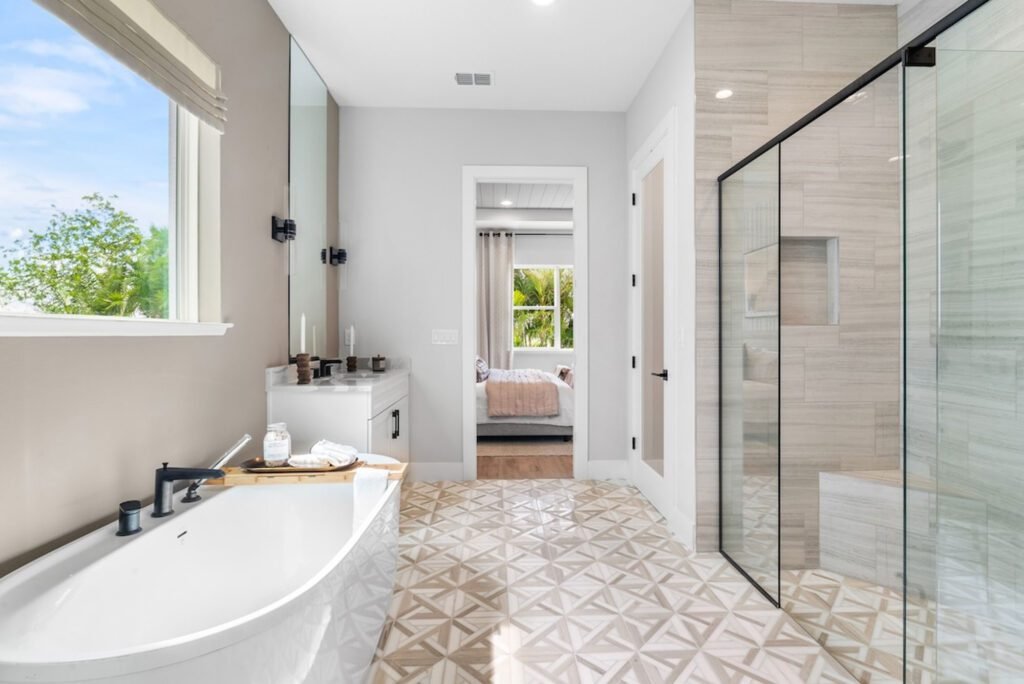
What is Waterproof Paint for Bathrooms?
Waterproof paint is a specialized type of coating designed to protect surfaces from water damage. In a bathroom, where moisture levels are consistently high, waterproof paint plays a crucial role in preventing water from penetrating walls, ceilings, and floors. It forms a protective barrier that stops water from seeping into materials, which can cause damage over time. This is particularly important in areas exposed to constant water flow, such as showers, sinks, and bathtubs.
Waterproof paint is formulated to withstand moisture and prevent mold and mildew growth, both of which thrive in humid environments. Unlike standard paints, waterproof coatings contain ingredients that make them more resistant to water, making them ideal for use in bathrooms, kitchens, and other high-humidity spaces.
Types of Waterproof Paint for Bathrooms
When selecting waterproof paint for your bathroom, it’s important to consider the different types available. Each type has its own unique properties and advantages based on your specific needs.
| Type of Waterproof Paint | Description | Best for |
| Water-based Paint | Easy to apply, dries quickly, and is low in odor. | Small bathrooms, DIY projects |
| Solvent-based Paint | More durable and moisture-resistant but has a odor. | High-humidity areas, commercial bathrooms |
| Epoxy Paint | Provides a tough, long-lasting barrier and excellent water resistance. | Showers, bathtubs, and tiled surfaces |
| Acrylic-based Paint | Flexible, breathable, and offers good water resistance. | Tiled surfaces, Surfaces that need to breathe, like drywall |
Understanding these options helps you make the right choice based on the bathroom’s specific conditions and how long-lasting the protection needs to be.
Benefits of Waterproof Paint for Bathrooms
Waterproof paint offers several benefits that make it an essential addition to any bathroom. Some of the main advantages include:
- Water Resistance: It prevents water from soaking into walls, ceilings, and floors, protecting surfaces from damage and deterioration.
- Mold & Mildew Prevention: The paint’s water-resistant properties also help prevent the growth of mold and mildew, which are common problems in damp environments.
- Durability: Waterproof paints are designed to be long-lasting, making them a cost-effective solution for protecting your bathroom.
- Easy Maintenance: Surfaces treated with waterproof paint are easier to clean and maintain, as they resist stains and grime build-up.
- Aesthetic Appeal: Many waterproof paints are available in a variety of finishes and colors, allowing you to maintain the visual appeal of your bathroom while also ensuring protection.
How to Choose the Right Waterproof Paint for Your Bathroom?
Choosing the right waterproof paint depends on a few important factors. Here’s what to keep in mind:
- Humidity Levels: If your bathroom is constantly exposed to steam, such as in a shower, you’ll need a more durable, water-resistant option like epoxy paint, transparent waterproof glue.
- Surface Type: Some paints are better suited for specific surfaces. For example, tile surfaces might require a specific kind of waterproof coating to adhere properly.
- Color & Finish: While functionality is key, aesthetics matter too. Many waterproof paints come in a variety of finishes, such as matte, glossy, or satin.
- Environmental Concerns: Consider eco-friendly options that are low in volatile organic compounds (VOCs) for a healthier indoor environment.
How to Apply Waterproof Paint for Bathrooms?
Applying waterproof paint correctly is essential for achieving the best results. Follow these steps to ensure that the paint adheres properly and provides lasting protection:
- Prepare the Surface: Clean the surface thoroughly to remove any dirt, soap scum, or mold. Use a mild cleaner and allow the surface to dry completely.
- Apply the Paint: Use a paintbrush, roller, or spray gun to apply the waterproof paint evenly across the surface. Be sure to apply at least two coats for maximum effectiveness.
- Allow Drying Time: Let the paint dry thoroughly between coats, following the manufacturer’s instructions for drying times.
- Inspect & Maintain: Regularly inspect the painted areas for signs of wear or water penetration, and maintain the coating as needed to ensure long-term protection.
By following these steps, you can achieve a durable, water-resistant finish that will keep your bathroom surfaces protected and looking great for years to come.
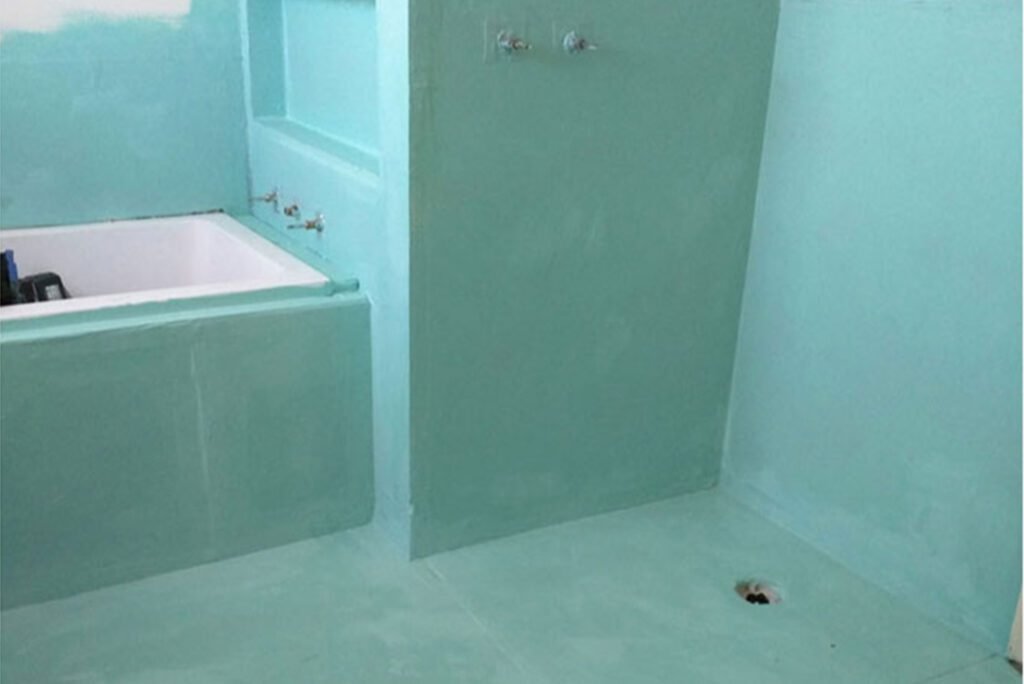
Types of Waterproof Paint for Bathrooms
When choosing waterproof paint for your bathroom, it’s important to understand the different types available. Each type has its unique characteristics, advantages, and ideal applications. Below, we’ll dive into the most common types of waterproof paints: water-based paint, solvent-based paint, and epoxy paint. This will help you select the best option for your specific needs.
| Type of Waterproof Paint | Description | Advantages | Disadvantages | Best For |
| Water-based Paint | A paint that uses water as its solvent. It dries quickly and has low odor. | – Fast-drying – Low odor – Easy to clean – Environmentally friendly | – Less durable than solvent-based or epoxy paints – May require more coats for optimal protection | Small bathrooms, DIY projects, low-humidity areas |
| Solvent-based Paint | A paint that uses organic solvents such as oil. | – Highly durable – Excellent moisture resistance – Long-lasting finish | – Has odor – Takes longer to dry | High-humidity areas, commercial bathrooms, areas exposed to frequent water flow |
| Epoxy Paint | A thick, durable coating that provides a strong, long-lasting barrier against water. | – Durable – Excellent water resistance – Great for heavy-duty use | – Has chemical odor – Requires careful application – Takes longer to cure | Showers, bathtubs, tiled surfaces, high-traffic areas |
Water-based Paint
Water-based paint is a popular choice due to its ease of application and environmental benefits. It is ideal for smaller bathrooms or DIY projects where quick drying times are important. However, while it offers good water resistance, it may not provide the same level of durability as other types, making it less suitable for high-humidity areas or surfaces with heavy water exposure. When apply it three times when using it, it will be more waterproof after proper operation.
Solvent-based Paint
Solvent-based paint is highly durable and resistant to moisture, making it perfect for bathrooms that experience high humidity. This type of paint provides a tough, long-lasting finish and is especially effective in areas with heavy water exposure, such as commercial bathrooms. However, it has a odor and takes longer to dry, so proper ventilation is essential during application.
Epoxy Paint
Epoxy paint is one of the most durable options for waterproofing bathroom surfaces. It provides an extremely tough coating that resists water, chemicals, and wear. Epoxy is perfect for surfaces exposed to heavy moisture, such as shower walls, bathtubs, and floors. Its high durability makes it ideal for long-term protection, but it requires careful application and has a strong odor during use. It also takes longer to cure compared to other types of paint.
By understanding the differences between these types of waterproof paint, you can make an informed decision about which one best suits your bathroom’s needs and moisture exposure levels.
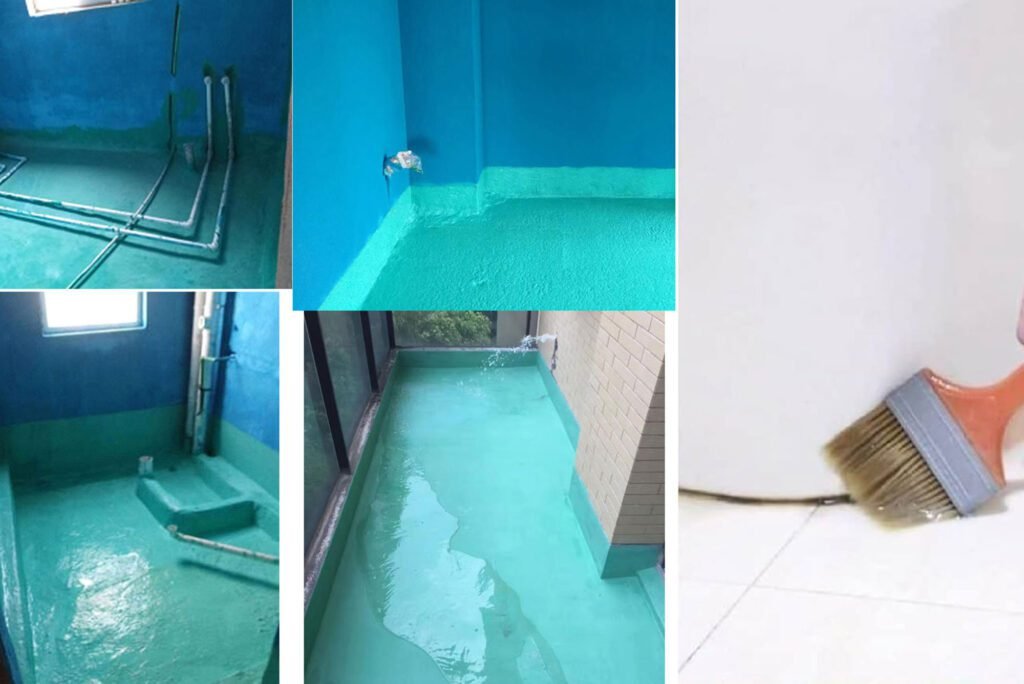
Benefits of Waterproof Paint for Bathrooms
Waterproof paint offers a range of key advantages that make it an essential product for bathroom maintenance. Whether you are renovating an existing bathroom or protecting a new one, applying waterproof paint can significantly enhance both the functionality and aesthetic of your space. Below, we’ll explore the primary benefits of using waterproof paint in the bathroom.
| Key Benefit | Description |
| Enhanced Water Resistance | Waterproof paint creates a protective barrier that prevents water from penetrating surfaces, reducing the risk of damage from moisture. |
| Increased Durability | It strengthens walls and surfaces, ensuring they withstand the daily wear and tear of a bathroom, including moisture, scrubbing, and occasional bumps. |
| Prevention of Mold & Mildew | Waterproof coatings help prevent the growth of mold and mildew by creating an environment where moisture cannot easily penetrate, which is crucial in high-humidity areas. |
| Easy Maintenance & Cleaning | Surfaces coated with waterproof paint are smoother and more resistant to stains, making them easier to clean and maintain over time. |
| Improved Aesthetic Appearance | Available in various colors and finishes, waterproof paint can enhance the visual appeal of your bathroom, keeping it looking fresh and clean. |
| Cost-Effective Long-Term Solution | While the initial investment may be higher, the long-lasting protection and reduced need for repairs make waterproof paint a cost-effective solution over time. |
Enhanced Water Resistance
One of the most important benefits of waterproof paint is its ability to provide exceptional water resistance. Bathrooms are exposed to constant moisture, which can cause significant damage to surfaces over time. Waterproof paint forms a protective barrier that keeps water from soaking into walls, ceilings, and floors, preventing damage like peeling paint, warping, and rotting.
Increased Durability
Waterproof paint not only protects against water but also increases the durability of bathroom surfaces. It strengthens materials, making them more resilient to daily wear and tear. Whether it’s frequent cleaning, steam exposure, or minor impacts, waterproof coatings ensure that your bathroom surfaces hold up well over time.
Prevention of Mold & Mildew
In humid bathroom environments, mold and mildew are common problems. Waterproof paint helps to prevent these issues by sealing surfaces, making it harder for moisture to penetrate. This reduces the conditions in which mold and mildew can grow, creating a healthier environment for you and your family.
Easy Maintenance & Cleaning
Bathrooms require regular cleaning, and surfaces exposed to moisture are particularly prone to stains, soap scum, and grime buildup. Waterproof paint makes it easier to clean these surfaces, as it creates a smooth, non-porous finish that resists staining. Cleaning becomes more efficient, reducing the need for frequent scrubbing or expensive cleaning products.
Improved Aesthetic Appearance
In addition to its functional benefits, waterproof paint also improves the visual appearance of your bathroom. With a variety of colors and finishes available, you can select a paint that complements your bathroom’s style while also providing essential protection. The sleek, finished look can keep your bathroom looking fresh and modern for years.
Cost-Effective Long-Term Solution
While waterproof paint may cost more upfront than regular paint, its long-lasting effects make it a smart investment. The durability, mold resistance, and water protection it provides reduce the likelihood of costly repairs and maintenance down the road. Over time, the savings on repairs and the need for less frequent reapplication of paint make waterproof coatings a cost-effective solution.
By choosing waterproof paint for your bathroom, you can ensure that your space remains protected, functional, and visually appealing for years to come.

How to Choose the Right Waterproof Paint for Your Bathroom?
Selecting the appropriate waterproof paint for your bathroom involves considering several key factors to ensure optimal performance and longevity. Below, we’ll provide practical advice on what to look for when choosing a bathroom waterproofing paint, helping you make an informed decision based on your unique requirements.
| Factor | Considerations | Recommended For |
| Water Resistance | Choose a paint that offers strong water resistance to protect surfaces from moisture and water damage. | Areas with frequent exposure to water (showers, bathtubs) |
| Durability | Look for a paint that is long-lasting and can withstand the wear and tear of daily bathroom use. | High-traffic bathrooms, commercial spaces |
| Eco-Friendliness | Consider low-VOC or zero-VOC paints to reduce indoor air pollution and improve the environment. | Homeowners with health concerns, eco-conscious users |
| Ease of Application | Choose a paint that is easy to apply and dries quickly, especially for DIY projects. | DIY projects, small bathrooms, low-budget renovations |
| Finish & Aesthetics | Select the desired finish (matte, satin, glossy) to complement your bathroom’s style and decor. | Homeowners focusing on aesthetics and design |
| Surface Compatibility | Ensure the paint is compatible with the surface you intend to coat (tiles, drywall, etc.). | Specific surfaces like tiles, concrete, drywall |
Water Resistance
The most important factor when choosing waterproof paint for your bathroom is its water resistance. Since bathrooms are exposed to constant moisture, it’s crucial to select a paint that can create an effective barrier against water infiltration. Look for products that specifically mention enhanced waterproofing properties, as these will help protect your bathroom surfaces from long-term water damage.
Durability
Durability is essential for bathroom paints, as these surfaces undergo frequent exposure to water, steam, and regular cleaning. A durable waterproof paint will resist peeling, chipping, and fading over time, ensuring that your bathroom stays in good condition for years. Choose a paint that offers strong resistance to moisture and is designed to withstand the demands of a bathroom environment.
Eco-Friendliness
With growing environmental awareness, many homeowners are opting for eco-friendly paints that contain fewer harmful chemicals. Low-VOC (volatile organic compounds) or zero-VOC paints are ideal for indoor spaces like bathrooms, where ventilation can be limited. These eco-friendly options reduce indoor air pollution and are better for both your health and the environment.
Ease of Application
For those who are taking a DIY approach to their bathroom renovation, choosing an easy-to-apply paint is crucial. Water-based paints, for example, are generally easier to work with, dry quickly, and have a lower odor than solvent-based alternatives. If you’re planning to tackle the project on your own, selecting a paint that is easy to apply will make the process smoother and less time-consuming.
Finish & Aesthetics
The finish of the waterproof paint can significantly impact the overall look and feel of your bathroom. Whether you prefer a matte, satin, or glossy finish, the right paint can enhance your bathroom’s aesthetics. A glossy finish, for instance, may be ideal for high-moisture areas like shower walls, as it provides a shiny, easy-to-clean surface. On the other hand, a matte or satin finish can offer a more subtle, modern look that still provides protection.
Surface Compatibility
Before purchasing waterproof paint, ensure that it is compatible with the surface you plan to coat. Some paints are designed specifically for tiles, drywall, or concrete, so selecting the right paint for your bathroom’s materials is essential for proper adhesion and long-term durability. Be sure to check the manufacturer’s recommendations to ensure you are using the right product for your surfaces.
By considering these factors, you’ll be able to choose the best waterproof paint for your bathroom, ensuring it remains protected, durable, and aesthetically pleasing for years to come.
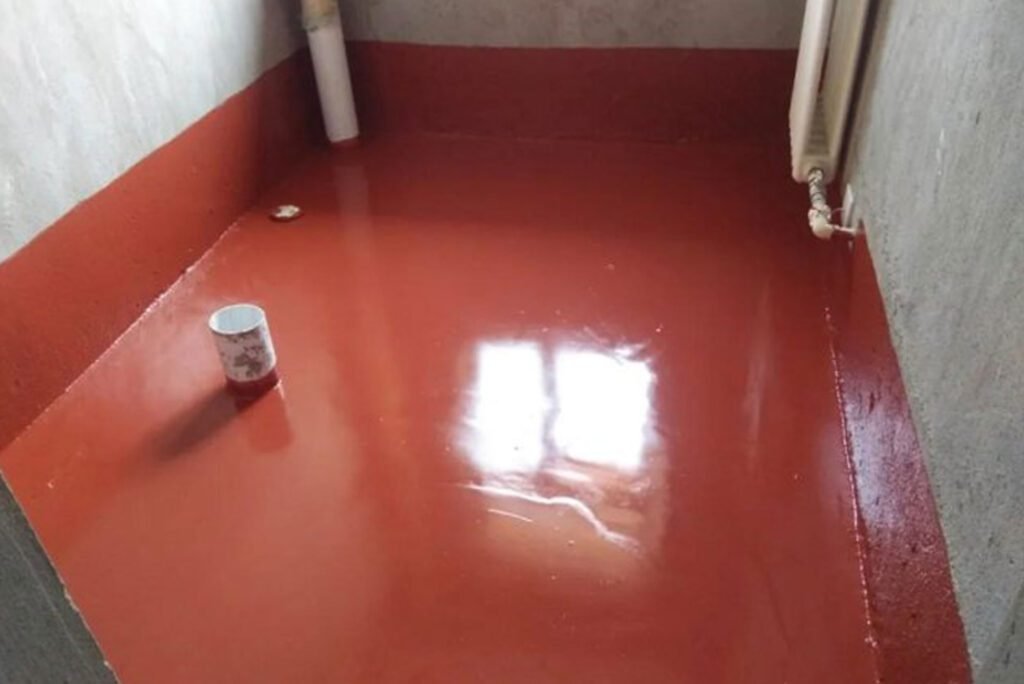
How to Properly Apply Waterproof Paint for Bathrooms?
Proper application of waterproof paint is essential to ensure that the coating performs effectively and provides long-lasting protection for your bathroom surfaces. In this section, we’ll walk you through the correct steps for surface preparation, paint application, and tips to ensure the waterproofing effect is durable. By following these guidelines, you can achieve professional-level results and safeguard your bathroom from water damage.
1. Surface Preparation
Proper surface preparation is critical for the paint to adhere effectively and create a durable waterproof barrier. Begin by thoroughly cleaning the surfaces to remove any dirt, grime, soap scum, or mold that may interfere with the paint’s adhesion. Use a mild cleaner or a mixture of water and vinegar for mold removal. After cleaning, ensure the surfaces are completely dry.
For rough or uneven surfaces, such as concrete or plaster, lightly sand the area to create a smoother texture. This will allow the paint to adhere more easily and prevent peeling or flaking later on. For areas with existing peeling paint or old coatings, consider scraping or sanding them off before applying the new waterproof paint.
2. Paint Application
When it comes to applying the waterproof paint, you have several tools to choose from, including brushes, rollers, or spray guns. Brushes are ideal for corners and detailed areas, while rollers are perfect for larger, flat surfaces. Spray guns provide a smooth, even coat, especially on textured walls.
Regardless of the application method, apply the paint in thin, even layers. Avoid overloading the brush or roller, as this can result in drips or uneven coverage. For optimal waterproofing, it’s usually necessary to apply three or more coats. Allow each coat to dry fully before applying the next one to ensure the paint is setting properly.
3. Allow Adequate Drying Time
After applying the first coat, allow sufficient drying time as recommended by the manufacturer. Most waterproof paints require a few hours between coats, and full curing may take up to 24 hours, depending on the product and environmental conditions.
Make sure the room is well-ventilated during the drying process to promote faster evaporation. Humidity and temperature can impact drying times, so if you’re in a particularly humid or cold environment, give the paint extra time to dry thoroughly.
4. Inspect & Maintain
Once the paint has dried and cured, it’s important to inspect the bathroom regularly for signs of wear or damage. Look for areas where the paint may have started to peel or where water might have begun to seep through. If you notice any issues, perform touch-ups as necessary to maintain the waterproof barrier.
To maintain the integrity of the waterproof paint, avoid harsh cleaning chemicals and abrasives. Clean the surfaces gently with a non-abrasive cleaner and a soft cloth to prevent damaging the coating. Periodically check the painted areas and reapply paint every few years, depending on the wear and tear in your bathroom.
By following these steps carefully, you can ensure a successful application of waterproof paint and maintain the lasting protection of your bathroom surfaces against water damage.

Maintenance and Care of Waterproof Paint for Bathrooms
To maximize the lifespan and effectiveness of waterproof paint in your bathroom, regular maintenance and care are essential. Although waterproof coatings are designed to provide long-lasting protection, they still require periodic inspection and cleaning to ensure they continue to perform optimally. In this section, we’ll discuss how to properly clean and maintain your bathroom’s waterproof paint to prevent damage and moisture penetration, keeping your bathroom dry, clean, and protected.
| Maintenance Task | Description | Frequency | Tips |
| Regular Cleaning | Clean the painted surfaces regularly to remove dirt, soap scum, and grime. | Weekly or as needed | Use mild, non-abrasive cleaners to avoid damaging the paint. |
| Inspect for Damage | Check for signs of peeling, cracking, or water infiltration. | Every 3-6 months | Look for any moisture buildup behind walls or around corners. |
| Touch-Up Areas | Reapply paint to any areas showing signs of wear or damage. | Annually or as needed | Make sure the surface is dry and clean before touch-ups. |
| Prevent Mold and Mildew Growth | Address any mold or mildew growth promptly to prevent surface damage. | Monthly or as needed | Use a mold-killing cleaner and ensure proper ventilation. |
| Maintain Bathroom Ventilation | Keep the bathroom well-ventilated to reduce moisture buildup. | Ongoing | Use exhaust fans or open windows to ensure proper airflow. |
Regular Cleaning
Regular cleaning of the painted surfaces is essential to maintain both the appearance and functionality of the waterproof coating. Over time, soap scum, dirt, and grime can accumulate on bathroom walls and ceilings, potentially affecting the paint’s ability to repel water.
To clean the surfaces, use a mild, non-abrasive cleaner, as harsh chemicals or scrubbing tools can damage the paint and reduce its effectiveness. A soft cloth or sponge is ideal for cleaning, as it won’t scratch or wear down the paint. Aim to clean your bathroom walls and surfaces at least once a week or as needed, depending on the level of moisture and dirt buildup.
Inspect for Damage
Periodically inspect the waterproof paint for signs of wear or damage. Look closely for any peeling, cracking, or discoloration, especially in high-moisture areas like around the bathtub or shower. Water infiltration behind the paint can indicate that the protective layer has been compromised, and it may be time for a touch-up or reapplication.
Regular inspections every 3-6 months will help catch any early signs of deterioration before they become more serious problems. Make sure to pay attention to corners, edges, and any seams where moisture may be more likely to penetrate.
Touch-Up Areas
If you notice any sections of the paint that are peeling or wearing down, it’s important to touch them up to maintain the integrity of the waterproof barrier. Before touching up, ensure that the area is clean and dry to allow for proper adhesion.
You may need to reapply the waterproof paint to small areas as often as once a year or whenever you observe damage. This will help maintain consistent protection against water damage and mold growth. Always use the same type of paint for touch-ups to ensure the paint layers bond properly.
Prevent Mold and Mildew Growth
Bathrooms are especially prone to mold and mildew growth due to the high humidity levels. Although waterproof paint helps prevent moisture from penetrating surfaces, it does not entirely eliminate the possibility of mold growth on the surface if conditions are right.
To prevent mold and mildew, ensure that your bathroom is well-ventilated and that any moisture is promptly wiped up after showers or baths. If you notice any mold or mildew growth, clean the affected area with a mold-killing cleaner. Addressing mold issues promptly will prevent further damage to the paint and keep your bathroom sanitary.
Maintain Bathroom Ventilation
Proper ventilation is crucial in maintaining the effectiveness of waterproof paint. Bathrooms without adequate ventilation can accumulate moisture, which increases the risk of water damage and mold growth, even with waterproof coatings.
Use an exhaust fan to remove moisture from the air, or open windows during and after showers to allow the space to dry out. Keeping your bathroom well-ventilated will help maintain the integrity of the paint and prevent excess humidity from compromising the waterproof barrier.
By following these maintenance steps, you can ensure that your waterproof paint continues to protect your bathroom surfaces for years to come. Regular cleaning, inspections, and proper care will help you maintain a dry, clean, and well-preserved bathroom environment.
Conclusion: The Future of Waterproofing
Waterproof paint is an essential solution for protecting your bathroom from the damaging effects of water and moisture. From understanding its benefits and types to learning how to apply, maintain, and care for it, using the right waterproof paint ensures your bathroom remains functional, aesthetically pleasing, and free from mold or water damage.
At YURU Waterproof, we specialize in providing high-quality waterproof coatings and customized solutions tailored to meet the needs of wholesale distributors, retailers, and construction professionals. Whether you’re upgrading a residential bathroom or working on a large-scale construction project, our advanced waterproof materials ensure maximum durability and protection.
By choosing YURU Waterproof products, you gain access to expert guidance, premium-quality materials, and long-lasting results. Trust us to help you create a dry, clean, and resilient bathroom environment with our specialized waterproof solutions. For more information or to explore our product offerings, visit YURU Waterproof today!

