Oil-based vs Water-based Polyurethane: Which Applications Are They Suitable For?
Polyurethane coatings are widely used in construction, waterproofing, flooring, and industrial protection due to their durability, elasticity, and strong surface performance. As engineering projects evolve and environmental standards become stricter, contractors and wholesalers frequently ask the same question:
“Should we choose oil-based polyurethane or water-based polyurethane for our project?”
While both materials share a polyurethane backbone, their chemical structures, performance behavior, application methods, durability, and environmental characteristics vary significantly. These differences directly affect long-term performance, especially in waterproofing and protective coating systems.
This comprehensive guide breaks down the technical distinctions between oil-based and water-based polyurethane, their ideal applications, and the critical engineering considerations needed in real-world environments.
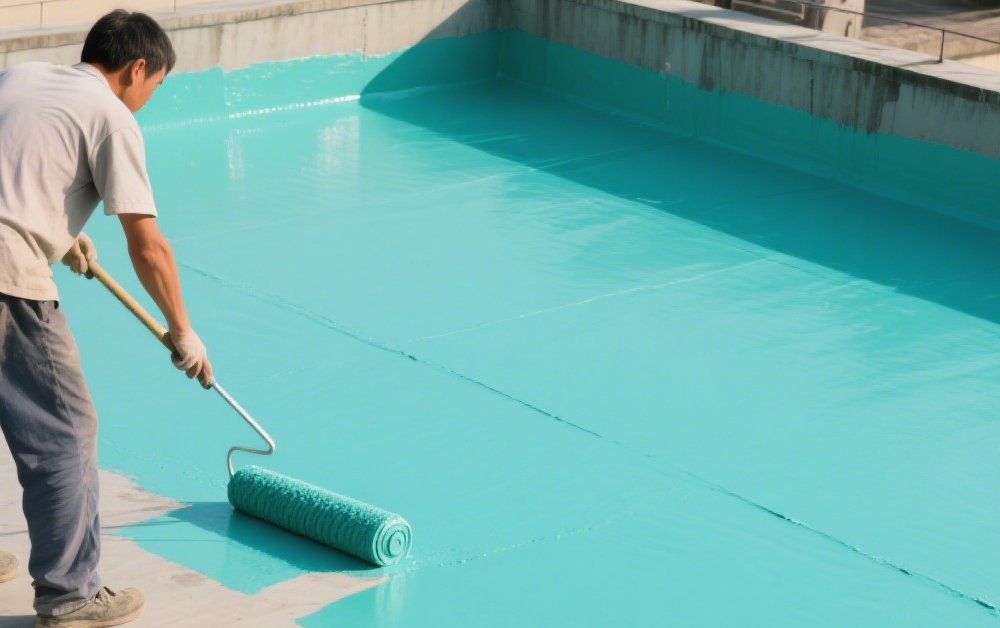
1. Core Differences Between Oil-based and Water-based Polyurethane
Although both coatings fall under the polyurethane family, their formulation structure makes them behave differently in waterproofing, flooring, and protective applications.
1.1 Solvent System
- Oil-based polyurethane uses organic solvents as the carrier.
- Water-based polyurethane uses water as the primary carrier.
This affects:
- VOC emissions
- Odor
- Curing behavior
- Safety
- Environmental impact
1.2 Appearance and Finish
Oil-based polyurethane usually provides:
- A deeper color tone
- A richer glossy finish
- Slight ambering over time
Water-based polyurethane typically offers:
- A clearer, more natural finish
- Better color retention
- Minimal yellowing
1.3 Hardness and Durability
Oil-based polyurethane forms a harder film, making it suitable for:
- High-wear flooring
- Heavy traffic areas
- Industrial applications
Water-based polyurethane forms a flexible, yet durable film, ideal for:
- Indoor environments
- Surfaces requiring low odor and fast curing
- Eco-sensitive areas
1.4 Drying Time
- Oil-based PU: Slow curing, longer waiting times
- Water-based PU: Quick drying, ideal for tight schedules
2. Applications Suitable for Oil-based Polyurethane
Oil-based polyurethane remains a preferred material for environments requiring high abrasion resistance, chemical durability, and strong protective performance.
2.1 Industrial and Commercial Flooring
Oil-based polyurethane is widely applied in:
- Warehouses
- Garages
- Workshops
- Logistics corridors
- Mechanical rooms
Because it forms a tougher, more impact-resistant coating.
2.2 Wooden Flooring and Heavy Traffic Surfaces
Oil-based PU enhances:
- Wood grain depth
- Overall finish richness
- Long-term abrasion resistance
This makes it suitable for high-load wooden structures and flooring.
2.3 Outdoor Wooden Structures (with Additional Protection)
Decks, pergolas, and external wooden frames can use oil-based coatings only when sealed with an additional protective topcoat.
3. Applications Suitable for Water-based Polyurethane
Water-based polyurethane has become increasingly popular due to environmental regulations, improved performance, and user-friendly characteristics.
3.1 Schools, Hospitals, Hotels and Interior Public Spaces
Because it has:
- Low odor
- Low VOC
- Faster curing
- Safer indoor application
It is ideal for projects with tight timelines and strict safety standards.
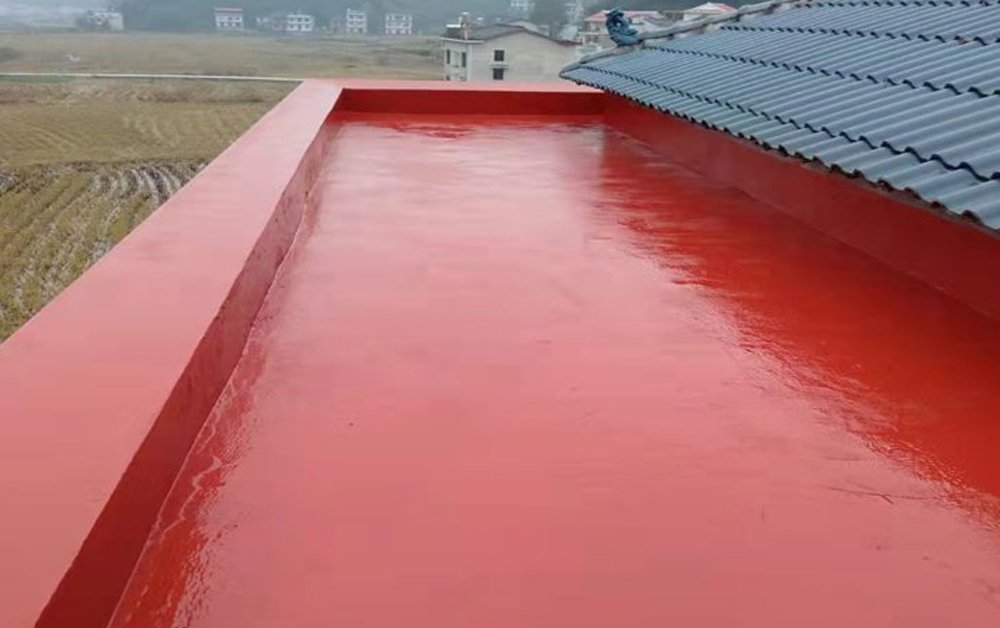
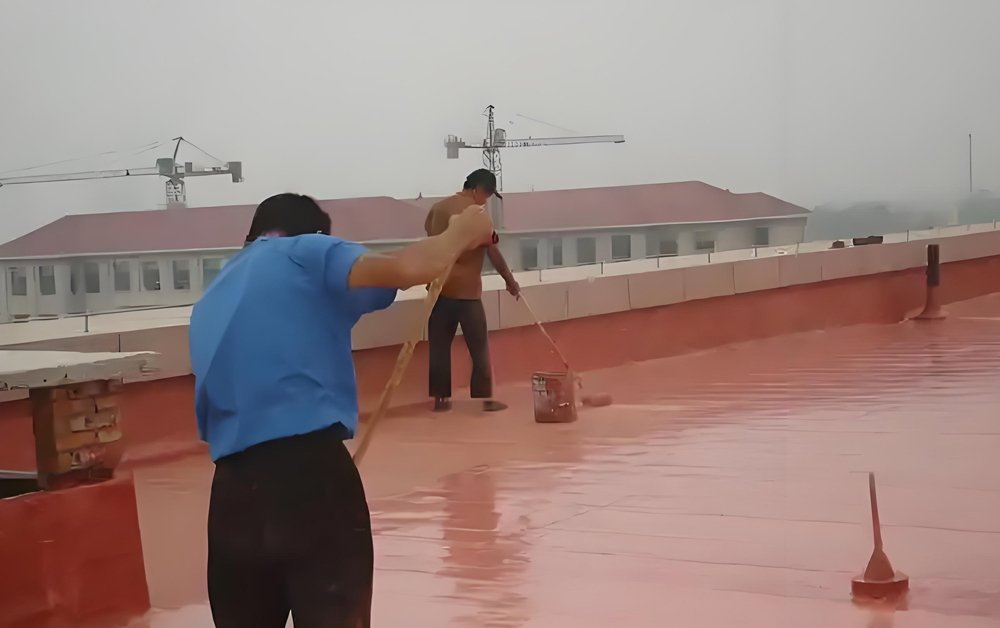
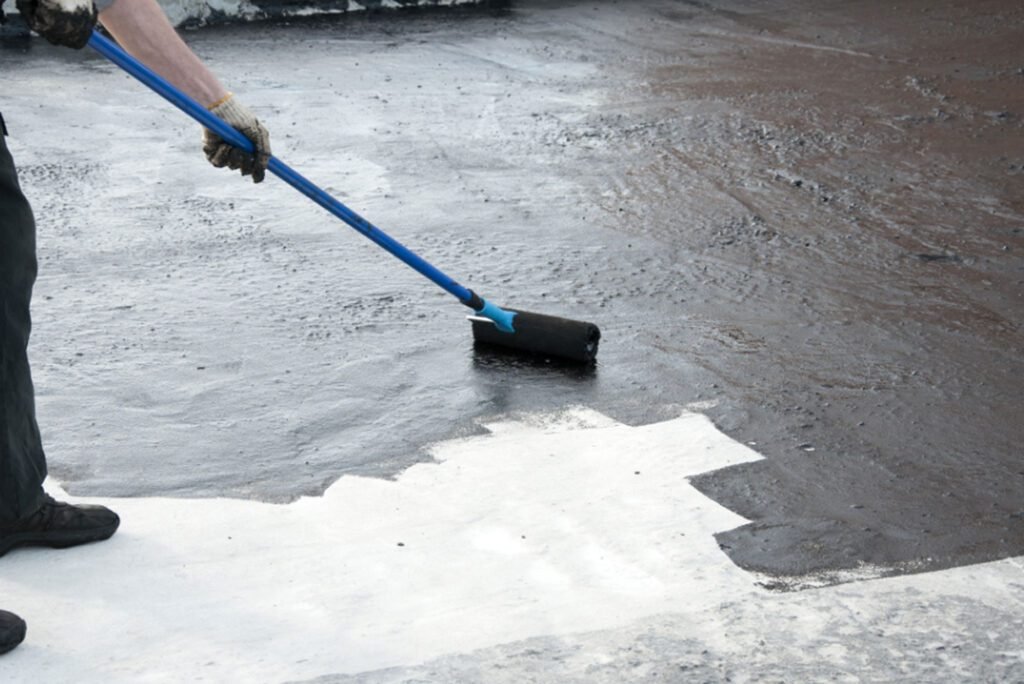
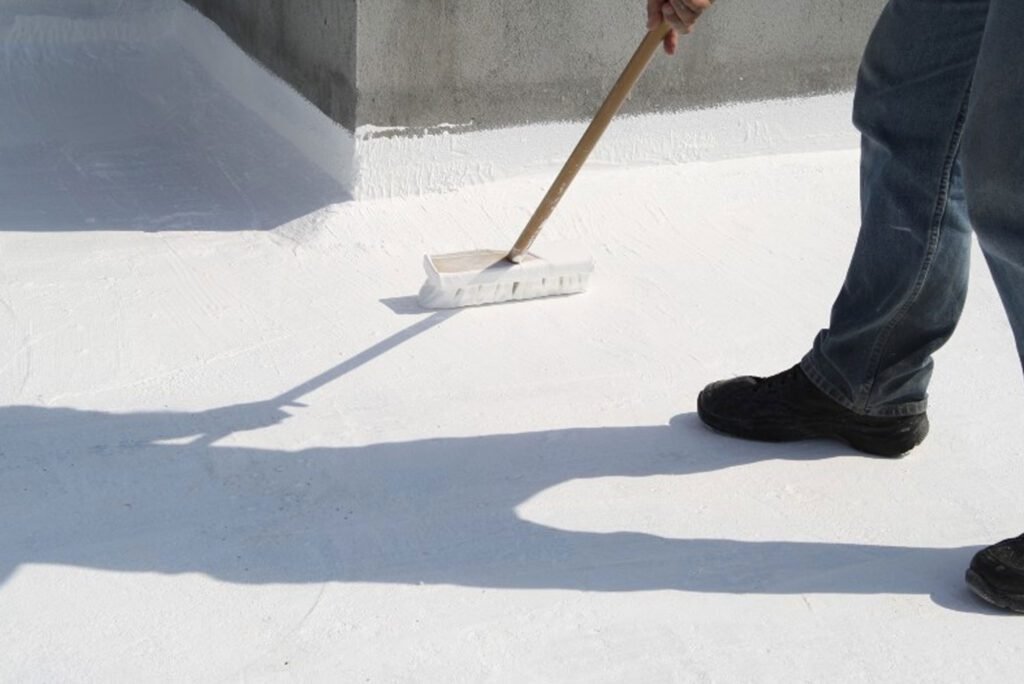
3.2 Exposed Roof Waterproofing Systems
This is a major difference compared with oil-based PU.
Water-based polyurethane:
- Can be directly exposed
- Has superior UV resistance
- Maintains color and flexibility longer
Thus it is commonly used in:
- Rooftops
- Outdoor decks
- External walkways
- Building facades
3.3 Green Buildings
Water-based polyurethane complies with international green building standards because of:
- Reduced emissions
- Less odor
- Better environmental compliance
4. Durability and Life-cycle Comparison: Which Lasts Longer?
Contractors often base their coating selection on durability and maintenance cost.
4.1 Oil-based Polyurethane Performance
Strengths:
- Excellent abrasion resistance
- High hardness
- Chemical resistance
- Longer service life indoors
Limitations:
- Poor UV stability
- Requires protective coating for exposed use
- Strong odor and VOC
4.2 Water-based Polyurethane Performance
Strengths:
- UV resistant
- Flexible and resilient
- Can be used as exposed top layer
- Environmentally friendly
- Lower maintenance costs
Limitations:
- Slightly lower hardness
- Higher initial material cost in some markets
5. Very Important Engineering Difference: Exposed Usage & Protection Layer Requirements
This section incorporates the crucial technical content you provided.
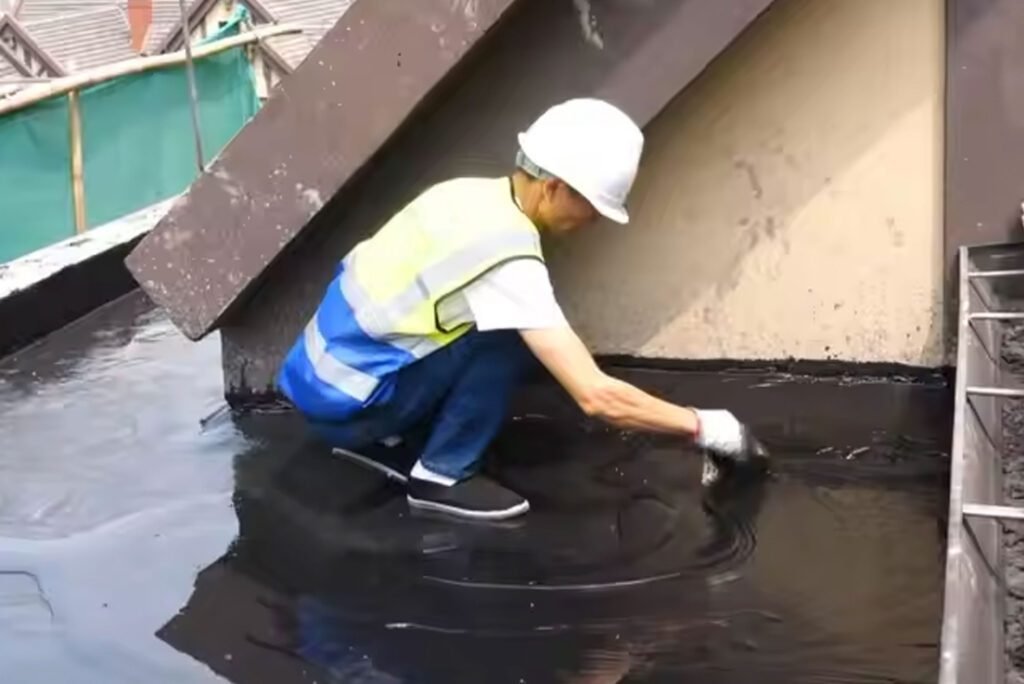
5.1 Oil-based Polyurethane Must Add a Protective Layer for Exposed Use
Oil-based PU cannot be directly exposed because:
① UV Resistance Is Weak
Oil-based PU film gradually breaks down under UV, causing:
- Powdering
- Yellowing
- Brittleness
- Cracking
② Faster Aging in Outdoor Conditions
Heat and sunlight accelerate degradation.
Therefore:
➡ Oil-based polyurethane requires an additional protective layer
such as:
- Acrylic topcoat
- Polyurea finish
- Aliphatic polyurethane topcoat
- Colored weather-resistant layer
- Ceramic tile
This layer blocks sunlight and improves durability.
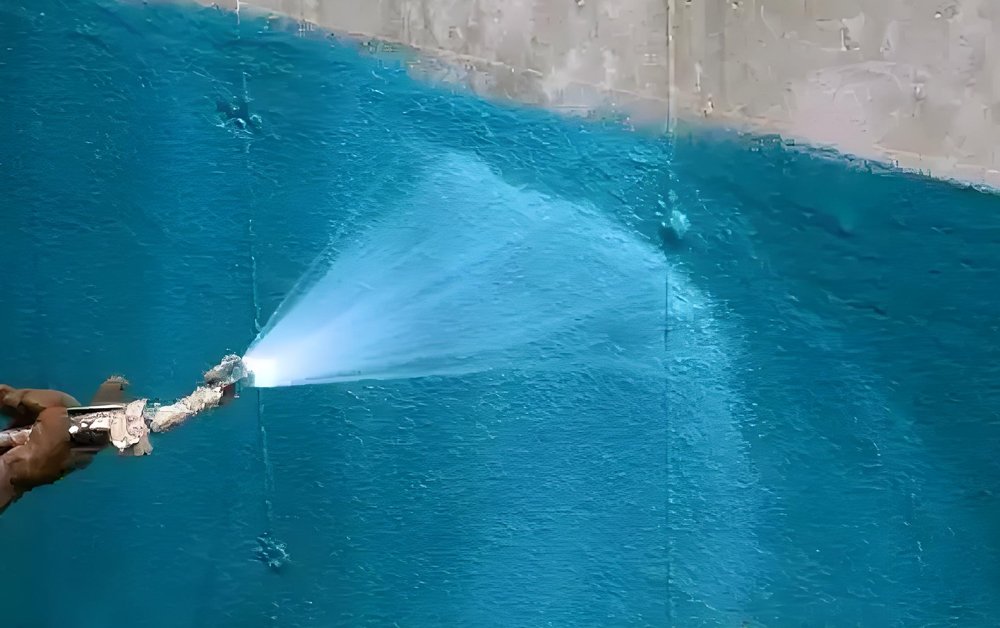
5.2 Water-based Polyurethane Can Be Directly Exposed
Water-based PU has superior UV and weather resistance because of its polymer structure.
Advantages for exposed use:
- Doesn’t crack easily
- Doesn’t yellow quickly
- Maintains elasticity
- Less likely to powder
- Better long-term adhesion
Therefore:
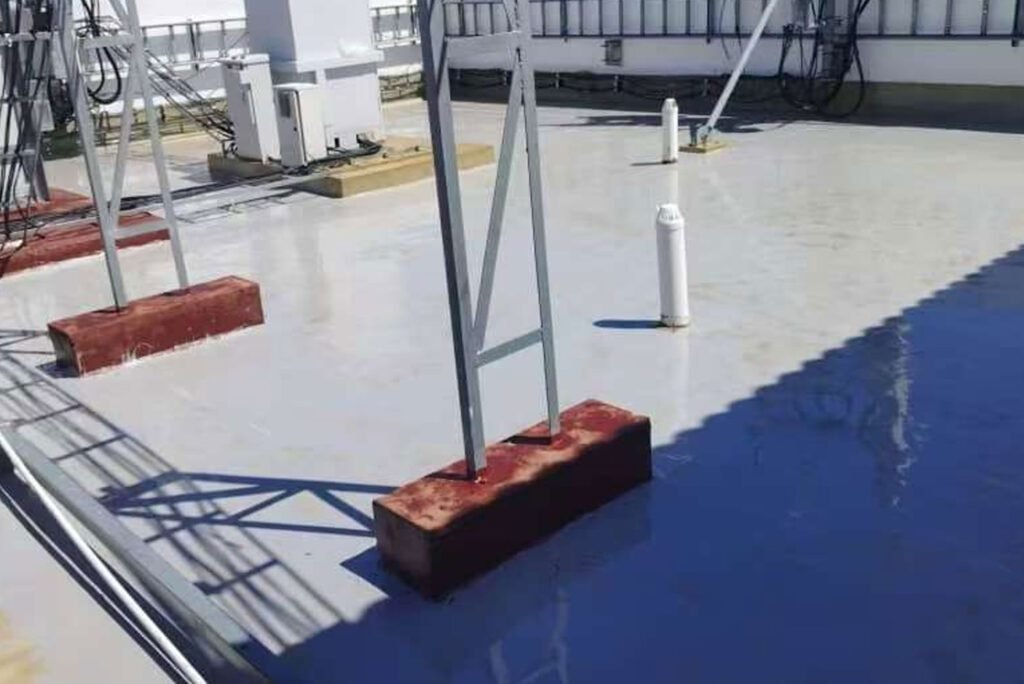
➡ Water-based polyurethane can be used directly as the final exposed layer, especially on rooftops and exterior surfaces.
This makes water-based PU the modern choice for outdoor waterproofing.
6. Cost, Construction Efficiency, and Maintenance Comparison
6.1 Material and Labor Costs
- Oil-based PU: lower material cost, higher labor cost
- Water-based PU: higher material cost, lower labor cost (fewer coats, faster drying)
6.2 Construction Time
Water-based PU cuts project duration significantly.
6.3 Long-term Maintenance
Water-based coatings reduce maintenance frequency and cost due to better weather durability.
7. Key Technical Indicators to Evaluate When Selecting Polyurethane Coatings
Contractors and wholesalers should consider:
Performance Indicators
- Solids content
- Hardness
- Elongation
- Abrasion resistance
- VOC emissions
- UV stability
Application Indicators
- Drying time
- Substrate compatibility
- Recommended primer
- Temperature tolerance
Durability Indicators
- Anti-yellowing
- Anti-cracking
- Water resistance
- Chemical resistance
Premium manufacturers such as YURU Waterproof provide complete technical data and certificates for engineering use.
8. Why Choose YURU Waterproof as Your Polyurethane Coating Supplier?
YURU Waterproof is a professional manufacturer specializing in waterproof coatings, polyurethane systems, and engineering-grade protective products.
Our Advantages:
- Experienced in both oil-based and water-based polyurethane production
- Provides custom formulations for contractors and wholesalers
- Strong UV-resistant water-based PU systems
- Industrial-grade oil-based PU for heavy-duty surfaces
- Bulk supply and fast delivery
- OEM / ODM customization
- Export-ready packaging with global shipping support
YURU Waterproof has become a trusted supplier for engineering projects worldwide.
FAQs
1. Is water-based polyurethane more environmentally friendly than oil-based?
Yes. Water-based PU has lower VOC, less odor, and complies with global environmental standards.
2. Can oil-based polyurethane be used outdoors?
Yes, but it must have a protective topcoat.
3. Is water-based polyurethane durable enough for high-traffic areas?
Modern formulas provide strong abrasion resistance and excellent UV stability.
4. Does YURU Waterproof supply both oil-based and water-based polyurethane?
Yes. YURU offers both systems with engineering-grade durability.
5. Can water-based polyurethane be used on rooftops?
Yes. It is suitable for exposed outdoor environments.
6. Do you support bulk wholesale for contractors and distributors?
Absolutely. YURU Waterproof specializes in bulk supply and engineering procurement.
Conclusion
The choice between oil-based and water-based polyurethane depends on project requirements, environmental conditions, and long-term performance needs.
- Oil-based polyurethane provides strong abrasion resistance but requires added protection outdoors.
- Water-based polyurethane is UV-stable, environmentally friendly, and suitable for direct outdoor exposure.
For contractors, wholesalers, and engineering firms seeking reliable polyurethane systems, YURU Waterproof offers high-quality, customizable, bulk-oriented solutions designed for durability and professional performance.
YURU Product solutions