Polyaspartic vs. Standard Polyurea Waterproofing: Which Is Best?
Introduction
Selecting the right waterproofing system is one of the most critical decisions in construction and infrastructure projects. A poor choice can lead to premature failures, costly repairs, and long-term structural risks. Among high-performance waterproofing technologies, polyaspartic and standard polyurea waterproofing are often compared because they share similar chemistry but perform very differently in real-world conditions.
So, which one is best?
The answer depends on project requirements, construction environment, application method, and long-term performance expectations. This article provides a clear, professional comparison of polyaspartic vs. standard polyurea waterproofing, helping decision-makers choose the most suitable solution for their projects.
Why Compare Polyaspartic and Standard Polyurea Waterproofing?
Polyaspartic coatings are technically a modified form of polyurea, designed to slow down reaction speed while maintaining strong performance characteristics. Standard polyurea waterproofing, on the other hand, focuses on ultra-fast reaction and extreme durability.
Because both systems are often marketed as “polyurea,” confusion is common among buyers and project owners. However, their behavior during application and long-term performance can differ significantly.
Comparing these systems is not about identifying a universal winner. Instead, it is about understanding where each technology performs best and how they fit into different construction strategies.
Reaction Speed and Application Window
Polyaspartic Waterproofing: Controlled Reaction
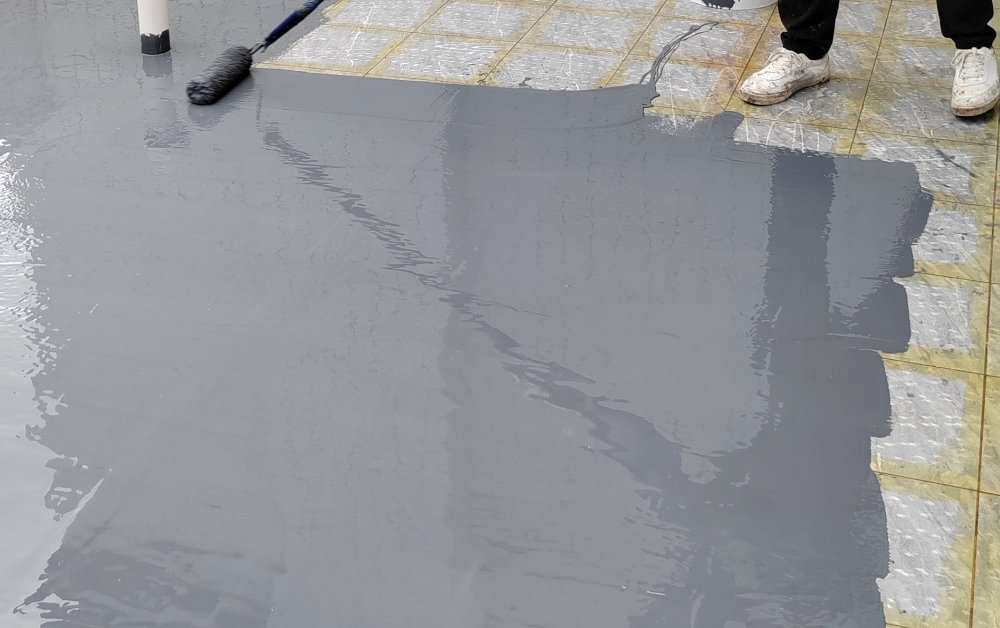
Polyaspartic waterproofing systems are known for their extended working time compared to standard polyurea. This slower reaction allows installers more control during application, making it easier to achieve uniform thickness and smooth finishes.
This characteristic is especially beneficial for:
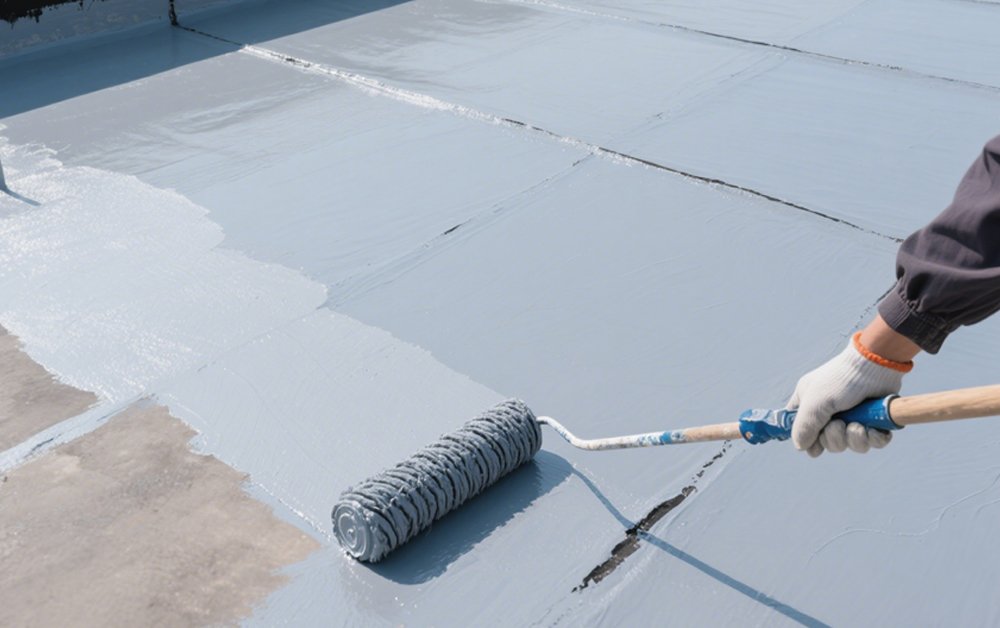
- Manual, roller-applied or spary applications
- Projects requiring detailed workmanship
- Installations with less specialized equipment
Standard Polyurea Waterproofing: Ultra-Fast Cure
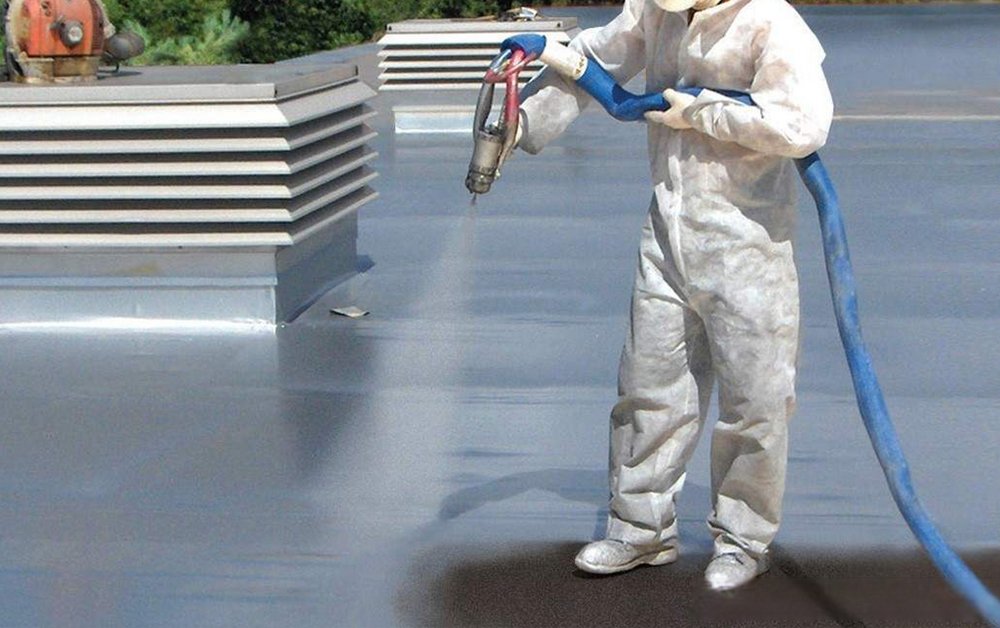
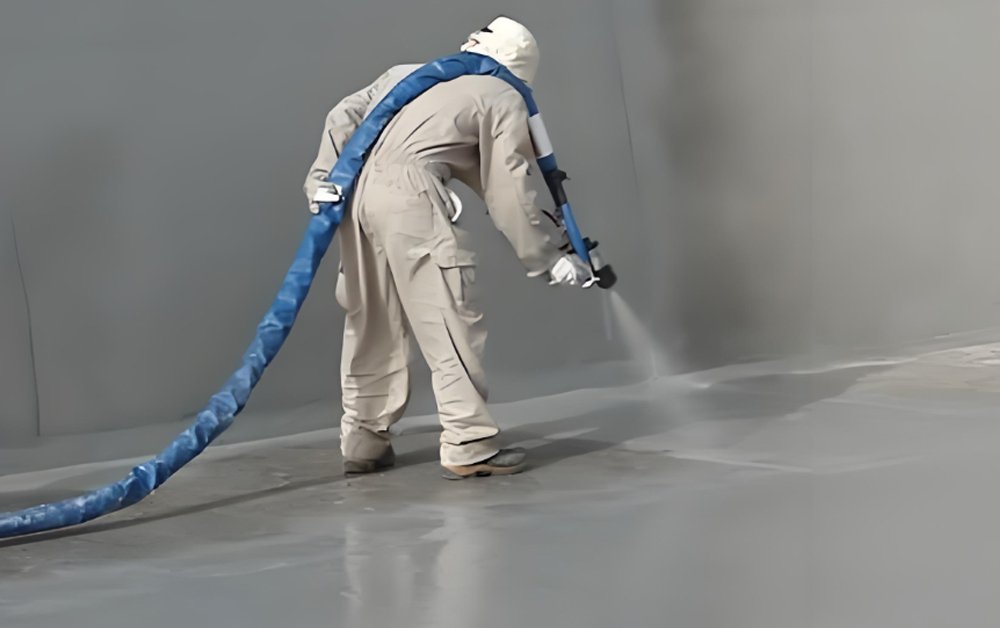
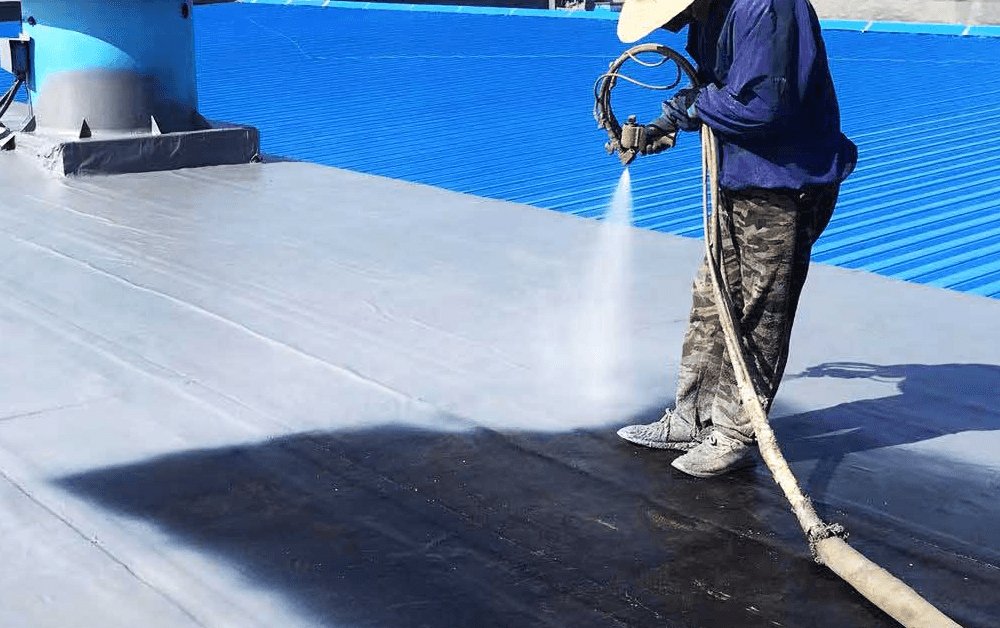
Standard polyurea waterproofing reacts within seconds once the two components are mixed. This rapid cure enables extremely fast project turnaround, but it also requires professional spray equipment and experienced operators.
It is ideal for:
- Large-scale projects
- Tight construction schedules
- Industrial or infrastructure environments
Key difference: Polyaspartic systems offer flexibility and control, while standard polyurea prioritizes speed and productivity.
Coating Performance and Long-Term Durability
Elasticity and Crack Bridging
Both polyaspartic and standard polyurea waterproofing systems provide excellent elasticity. However, standard polyurea typically offers higher elongation, making it more suitable for structures experiencing continuous movement or vibration.
Abrasion and Impact Resistance
Standard polyurea waterproofing generally performs better in environments subject to heavy mechanical wear, such as parking decks, bridges, and industrial floors. Polyaspartic systems still offer strong durability but are often optimized for balance rather than extreme resistance.
Environmental Resistance
Polyaspartic coatings are often formulated with improved UV resistance, making them suitable for exposed applications without additional topcoats. Standard polyurea may require UV-stable topcoats when used outdoors for aesthetic or long-term color stability.
Adaptability to Different Construction Environments
Temperature and Humidity Tolerance
Polyaspartic waterproofing performs well across a wide temperature range and is more forgiving in variable site conditions. This makes it a practical choice for renovation projects or sites with limited environmental control.
Standard polyurea waterproofing can also be applied in challenging conditions, but precise control of application parameters is more critical due to its fast reaction speed.
Substrate Compatibility
Both systems bond well to properly prepared concrete and steel. However, polyaspartic systems are often preferred for projects involving multiple substrate types, as they allow more time to address surface irregularities.
Application Scenarios and Typical Use Cases
Roofing and Exposed Surfaces
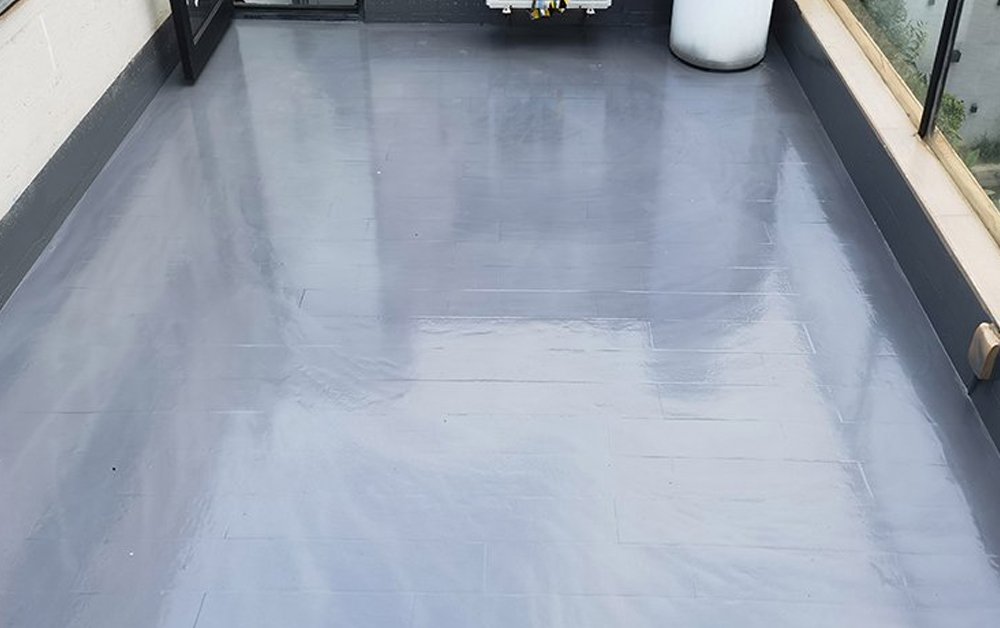
Polyaspartic waterproofing is commonly used on roofs and exposed decks where UV resistance and aesthetic appearance are important.
Basements and Underground Structures
Standard polyurea waterproofing is often selected for basements, tunnels, and foundations due to its seamless nature and superior crack-bridging performance.
Industrial and Infrastructure Projects
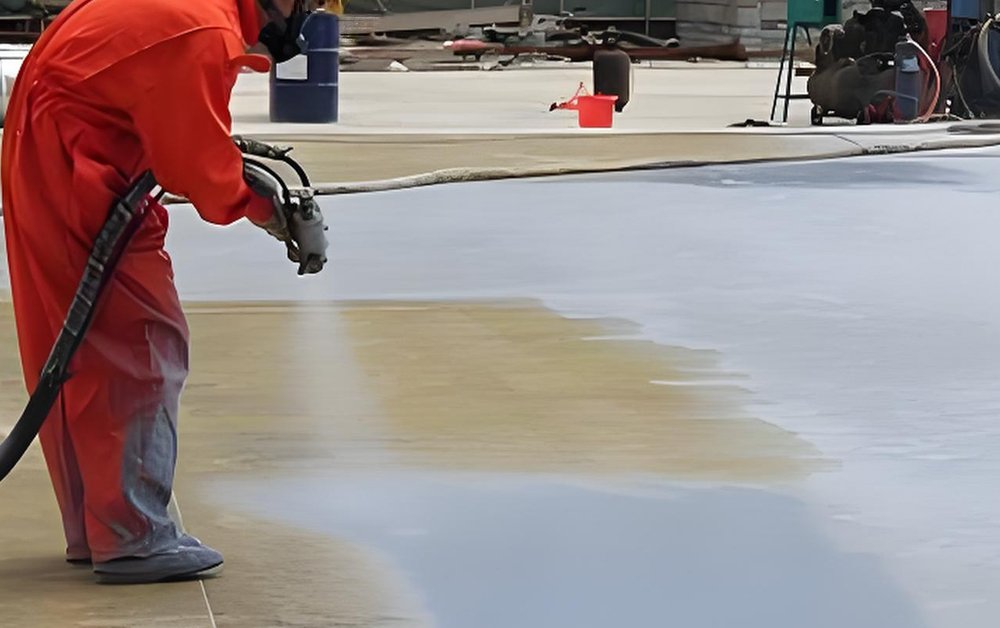
For bridges, parking garages, and industrial facilities, standard polyurea waterproofing is frequently chosen because of its durability and fast return-to-service capability.
Detail Work and Repairs
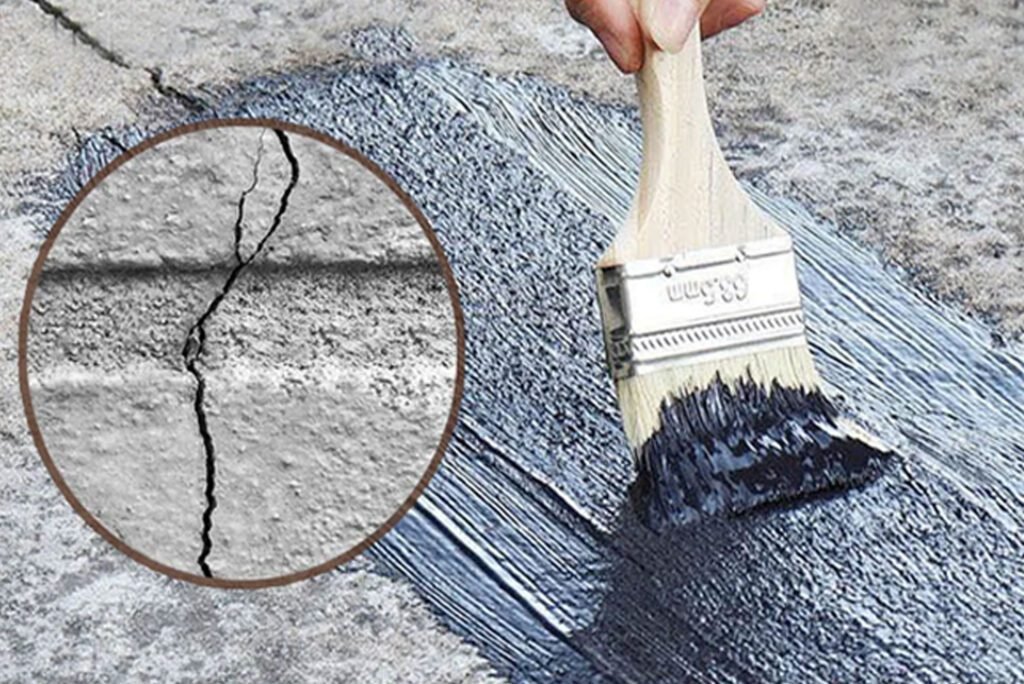
Polyaspartic systems are often favored for detail reinforcement, repairs, and areas where spray equipment is impractical.

Cost, Risk, and Overall Project Value
Material and Equipment Costs
Polyaspartic waterproofing systems typically require less specialized equipment, reducing initial setup costs. Standard polyurea systems involve higher equipment investment but offer greater productivity on large projects.
Labor and Quality Control
The extended working time of polyaspartic systems lowers the risk of application defects. Standard polyurea requires skilled applicators but delivers consistent quality when applied correctly.
Lifecycle Cost Perspective
While standard polyurea may involve higher upfront costs, its long-term durability often results in lower lifecycle costs for demanding projects.
Side-by-Side Comparison Overview
2. Durability Requirements
| Aspect | Polyaspartic Waterproofing | Standard Polyurea Waterproofing |
|---|---|---|
| Reaction Speed | Moderate | Extremely fast |
| Application Method | Roller, brush, spray | Professional spray only |
| Working Time | Longer | Very short |
| Durability | High | Very high |
| UV Resistance | Typically better | Topcoat |
| Best For | Details, roofs, renovations | Large-scale, heavy-duty projects |
How YURU Helps You Choose the Right Polyurea System?
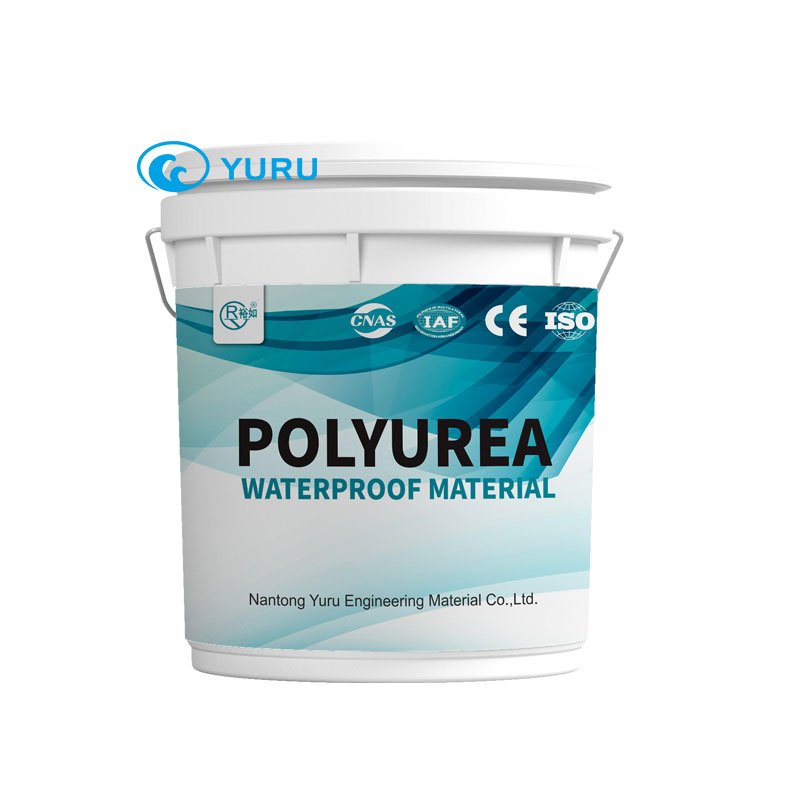
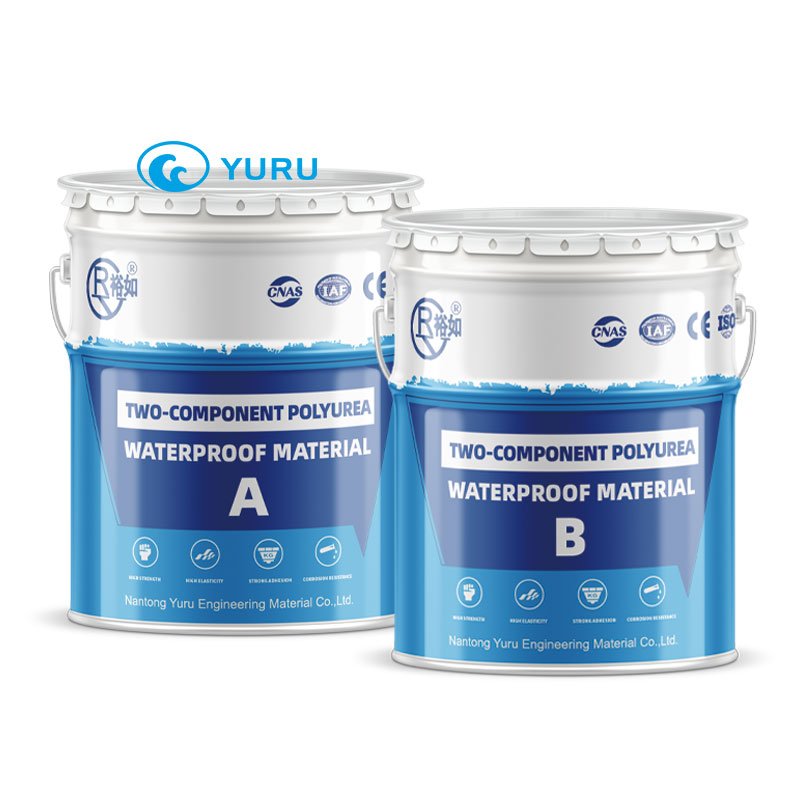
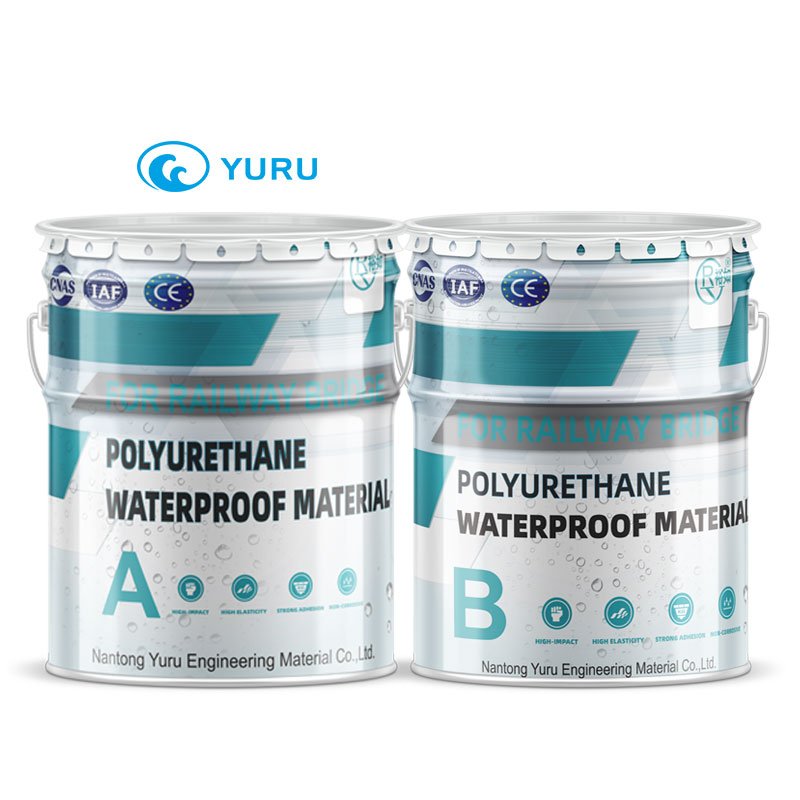
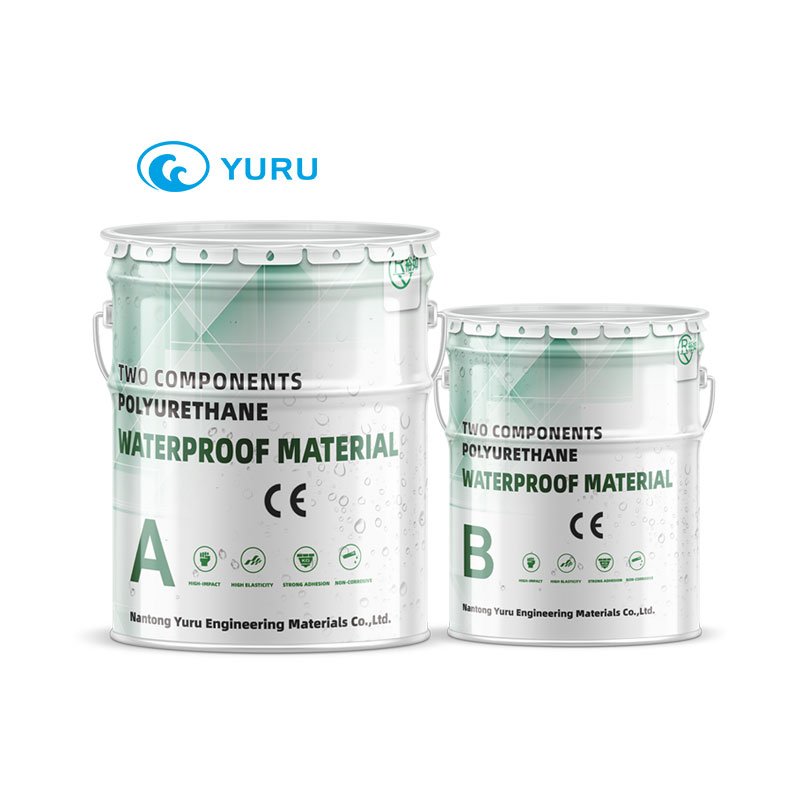
YURU Waterproof is a professional manufacturer specializing in polyaspartic coatings, standard polyurea waterproofing systems, injection grouting materials, and floor coatings. Rather than promoting a single solution, YURU focuses on helping clients choose the most appropriate system based on real project conditions.
By supporting wholesalers, contractors, engineers, and municipal project owners, YURU provides:
- Both polyaspartic and standard polyurea systems
- Technical guidance for system selection
- Application support across different project types
This system-based approach helps reduce risk and improve long-term project outcomes.
FAQs
1. Is polyaspartic the same as polyurea?
Polyaspartic is a modified type of polyurea with slower reaction speed.
2. Which system cures faster?
Standard polyurea waterproofing cures much faster than polyaspartic.
3. Which is better for large projects?
Standard polyurea is usually better for large, time-sensitive projects.
4. Can polyaspartic be used outdoors?
Yes, it is often chosen for UV-exposed applications.
Conclusion: Which Waterproofing System Is Best?
When comparing polyaspartic vs. standard polyurea waterproofing, there is no universal answer. Each system excels under different conditions.
- Choose polyaspartic waterproofing when control, flexibility, and ease of application are priorities.
- Choose standard polyurea waterproofing when speed, durability, and large-scale performance are essential.
The best results come from selecting the system that aligns with your project’s technical, environmental, and economic requirements.
If you need expert guidance, YURU Waterproof is ready to help you evaluate your project and select the most effective polyurea waterproofing solution.
Contact YURU Waterproof today to request technical documentation, samples, or project-specific recommendations.
YURU Product solutions