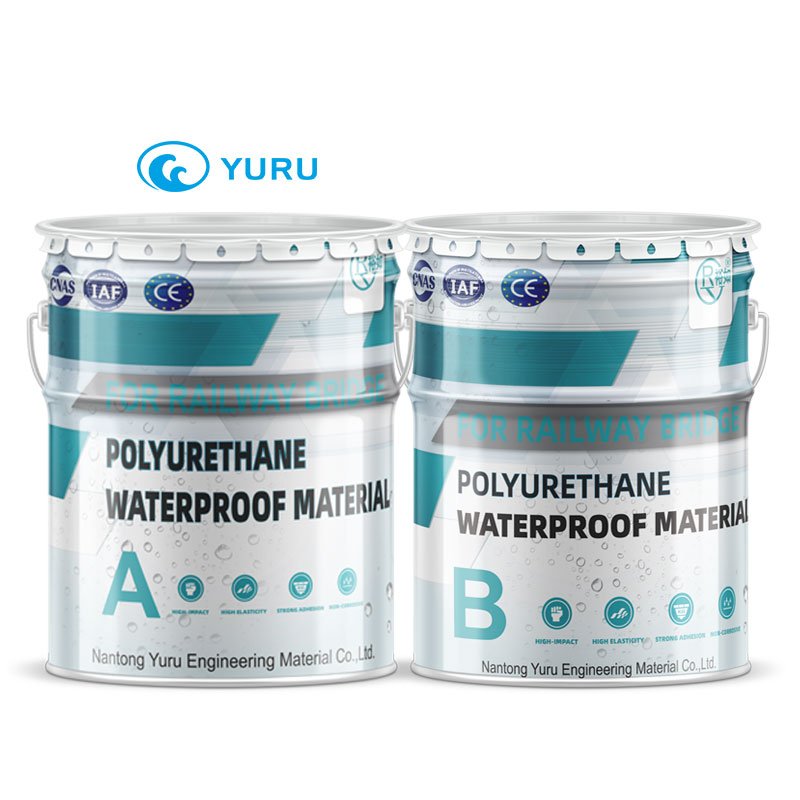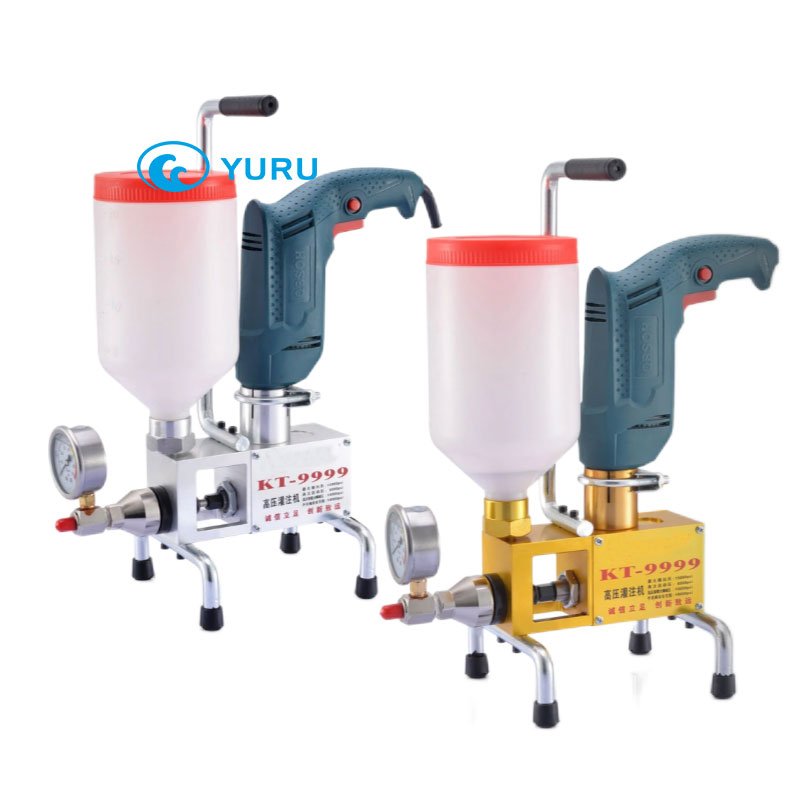
Polyurea Grouting vs. PU Injection: Which Is Best for Your Project?
In waterproofing and concrete repair, grouting is often the last line of defense against persistent water ingress. Contractors and project managers frequently compare Polyurea Grouting Sealant and PU (Polyurethane) Injection to decide which material delivers better long-term performance.
Although both materials fall under chemical grouting solutions, their internal chemistry and working mechanisms differ significantly. These differences influence durability, flexibility, chemical resistance, installation workflow, and ultimately the total cost of ownership.
If you’re choosing a material for tunnels, basements, shafts, infrastructure, or municipal pipelines, understanding these core distinctions will help you avoid premature failures and unnecessary repair costs. Let’s break it down.
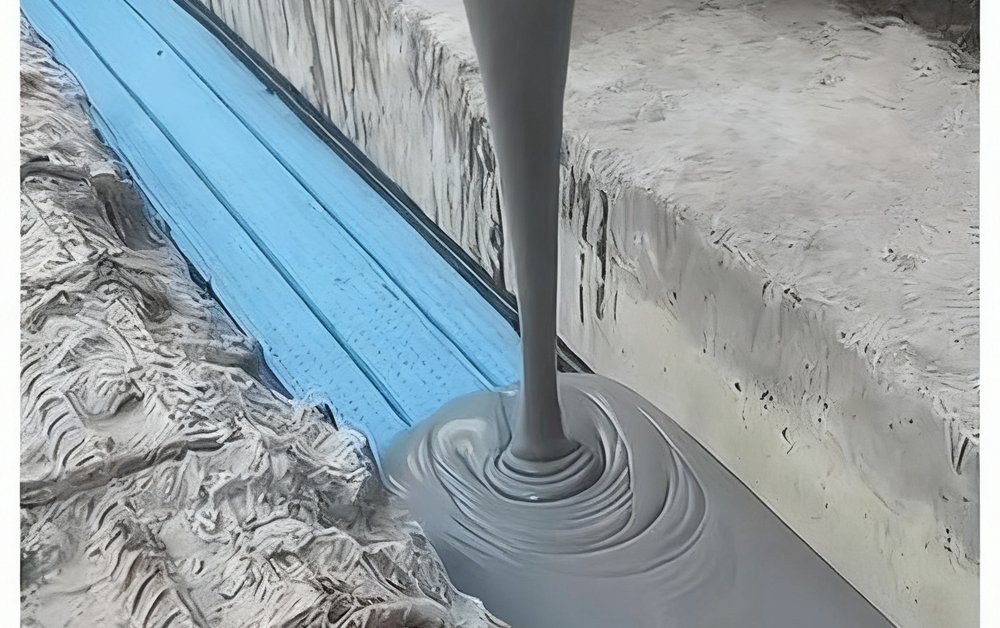
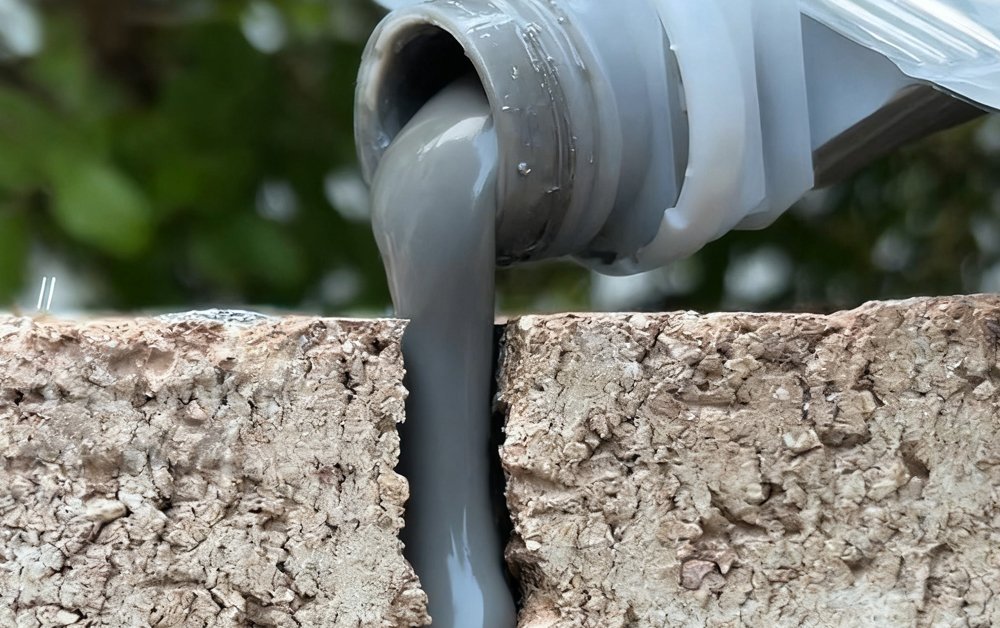
Core Definitions: More Than Just Two Names
At first glance, Polyurea Grouting and PU Injection seem similar—they both seal cracks and stop active leaks. But their molecular structure and curing mechanisms reveal two very different materials.
Traditional PU Injection: Foam-Based and Expansion-Driven
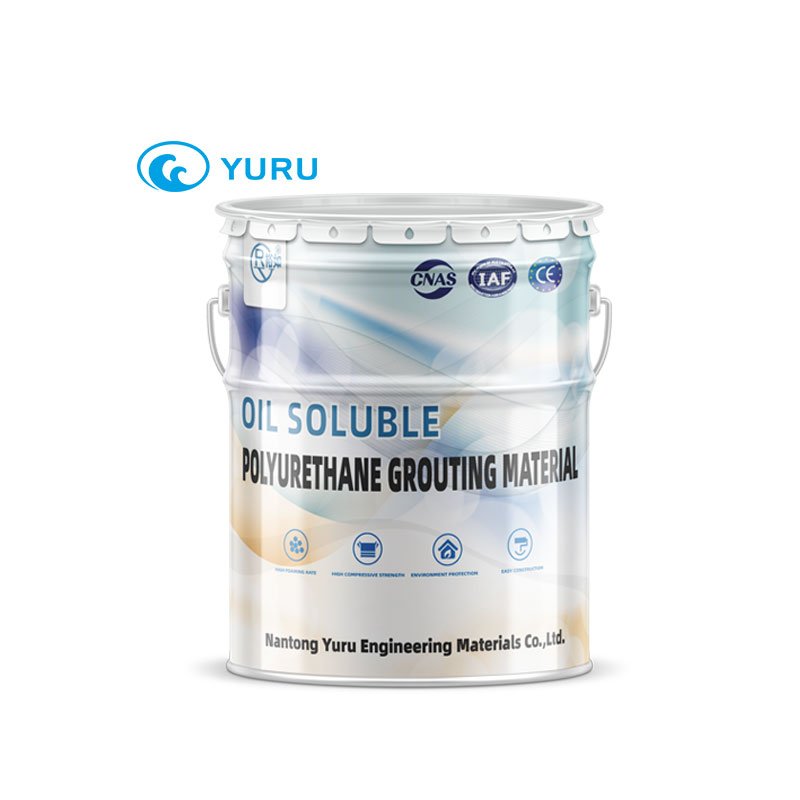
Polyurethane grouting materials typically react with water to produce foam. This foam expands rapidly, filling voids and stopping water flow. The benefits are clear:
- High expansion rate
- Good performance for emergency leak-stopping
- Rapid reaction under high water pressure
However, PU foam has inherent limitations:
- It becomes brittle after drying.
- Its volume may shrink over time.
- It may require re-injection when cracks move.
Polyurea Grouting: An Elastomer, Not a Foam
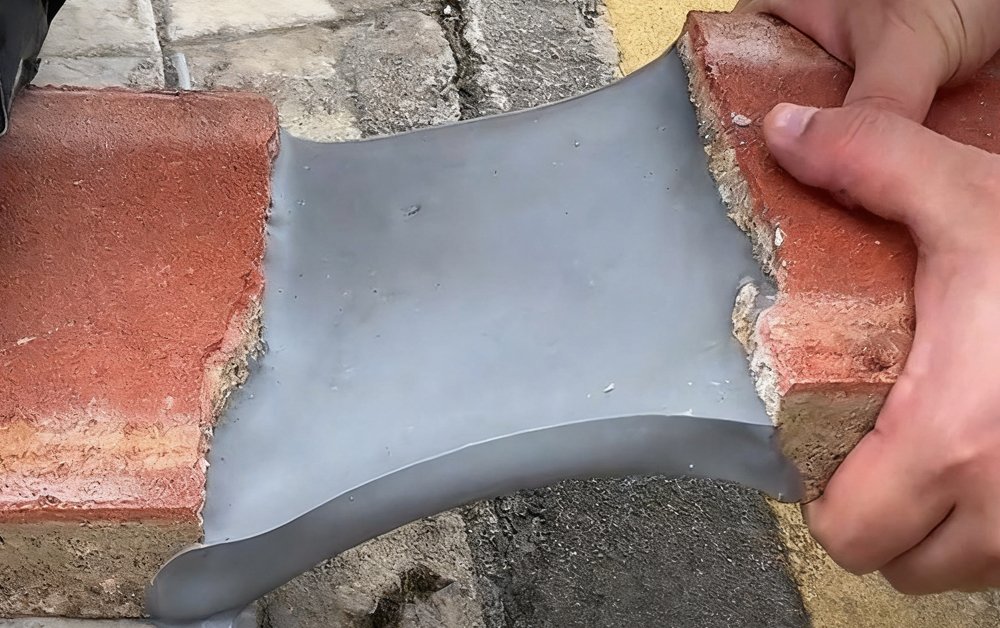
Engineered as an elastomeric moisture-curing material, Polyurea forms a dense, flexible membrane inside cracks. Instead of expanding aggressively like foam, Polyurea creates a solid, rubber-like seal.
Its performance is driven by:
- High elasticity
- Dense cross-linked molecular network
- Strong adhesion to concrete
- Long-term stability
Why This Matters:
While PU relies on expansion and foaming, Polyurea relies on resilience and mechanical strength. For long-term waterproofing, this difference plays a decisive role.
Single-Component Innovation: Why Polyurea Makes Installation Easier?
Many engineers hesitate to switch materials because they assume Polyurea requires sophisticated two-component machinery. In reality, single-component Polyurea has changed the game.
Common Pain Point in Grouting: Mixing Ratios
Two-component systems require:
- Precise A/B ratio
- A double-cylinder pump
- Skilled labor
- Risk of incorrect mixing
For contractors managing multiple sites, this increases training, time, and operational costs.
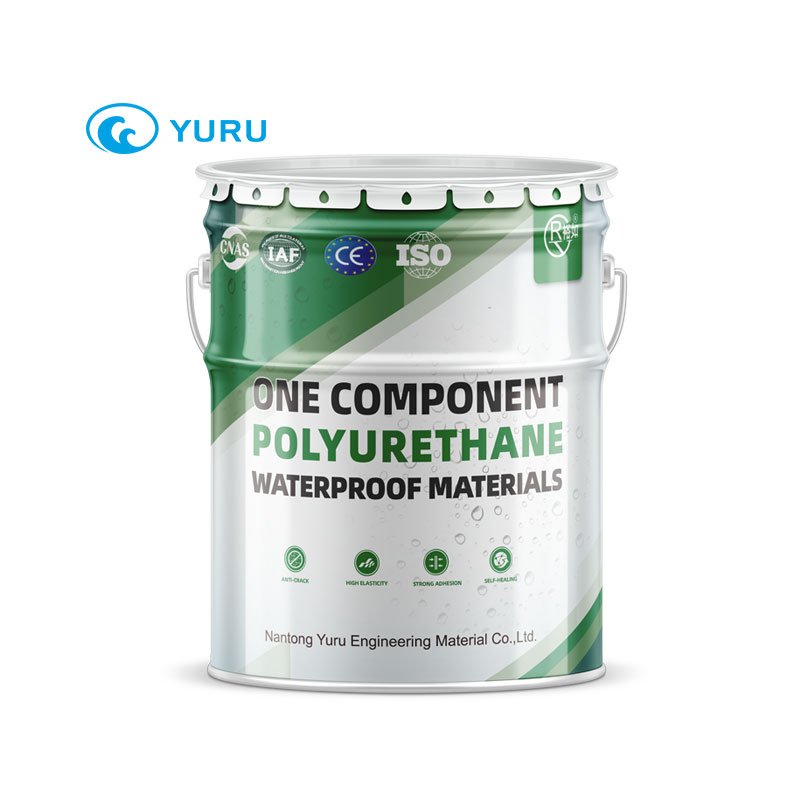
YURU’s Single-Component Polyurea: Designed for Simplicity
Single-component Polyurea eliminates these concerns:
- No mixing required
- Open the bucket and inject directly
- Stable curing reaction triggered by moisture or water
- Compatible with common PU grouting machines
This means contractors can upgrade their materials WITHOUT upgrading their equipment—reducing investment and eliminating operational risk.
Practical Benefit
Less complexity → fewer errors → more predictable results on-site.

Durability Showdown: Elasticity vs. Brittleness
Concrete structures are never static. Temperature changes, vibration, settlement, and load stress all create micro-movements in cracks.
Why PU Falls Short:
Once PU foam cures:
- It becomes rigid.
- It cannot adapt to crack movement.
- It fractures easily under tension.
When a crack reopens or expands even slightly, the PU filling breaks—leading to secondary leakage.
Polyurea’s Superior Elasticity
Polyurea behaves like a high-performance rubber seal. It offers:
- High elongation (can stretch significantly without breaking)
- Excellent tear resistance
- Ability to absorb crack movement
This flexibility allows Polyurea to remain intact even when the structure shifts. For contractors, this translates to:
- Fewer callbacks
- Less “double work”
- Higher project reliability
For high-value structures, elasticity is more important than expansion—Polyurea wins decisively.
Chemical Resistance and Environmental Durability
Not all project environments are equal. Grouting materials face challenges such as:
- Acidic groundwater
- Saline environments
- High humidity
- Wastewater chemicals
- Constant immersion
PU Material Limitations
Typical PU foams:
- Can absorb water over time.
- May degrade in chemical-rich environments.
- Can shrink or soften after prolonged immersion.
Polyurea’s Dense and Stable Structure
Polyurea is known for:
- High resistance to acids, alkalis, and salts.
- Minimal water absorption.
- Long-term hydrolysis stability.
- Consistent performance in wastewater plants, tunnels, and underground utilities.
Because the material does not degrade easily, it ensures long-term protection even under extreme environmental conditions.


Balancing Expansion and Penetration: Why Bigger Isn’t Always Better?
A common misunderstanding among buyers is:
- “Higher expansion rate means better performance.”
Not necessarily.
Problems With Over-Expansion (PU)
PU foam expands aggressively—sometimes 30x–50x its original volume. But:
- The foam’s internal structure becomes porous
- Strength decreases
- Adhesion weakens
- Voids may form within the foam
This can result in short-lived repairs.
Polyurea’s Balanced Behavior
Polyurea offers:
- Moderate expansion
- Low viscosity for deep crack penetration
- Dense structure for strong bonding
This allows it to infiltrate micro-cracks and adhere tightly to concrete surfaces, forming a long-lasting waterproof barrier.
Long-Term Cost Efficiency (ROI): The Real Decision-Maker
While Polyurea may have a slightly higher upfront cost per unit, the total cost across a structure’s lifespan tells a different story.
If Choosing PU
You may face:
- Re-injection every 2-3 years
- Labor and equipment costs
- Downtime for repairs
- Complaints or warranty claims
If Choosing Polyurea
You benefit from:
- Rarely needing rework
- Reduced maintenance costs
- Long-term waterproofing stability
For municipal projects, tunnels, high-end commercial buildings, and infrastructure, long-term ROI matters far more than material price. Polyurea provides better value throughout the full lifecycle.
Why YURU Waterproof Is the Trusted Partner for Polyurea Grouting?
Choosing the right material is one step—choosing the right supplier is the next.
YURU’s Strengths in Polyurea Technology
YURU Waterproof has invested heavily in Polyurea formulations optimized for:
- Single-component convenience
- High elasticity
- Strong adhesion
- Chemical durability
- Deep penetration
Support Beyond Materials
YURU offers technical assistance such as:
- Selecting injection pressure
- Handling fast-flow leaks
- Matching materials with equipment
- On-site troubleshooting guidance
Built for Wholesalers and Contractors
- On-site troubleshooting guidance
- Built for Wholesalers and Contractors
- Stable production capacity
- Global shipping capability
- ISO-certified manufacturing
- Competitive bulk pricing
- Custom packaging and OEM options
Dealing with a challenging leakage project?
Contact YURU’s technical team to request samples or download the latest Polyurea Grouting TDS.
FAQs
1. Is Polyurea better than PU for long-term waterproofing?
Yes. Polyurea offers superior elasticity and stability, making it more suitable for structures that experience crack movement.
2. Can Polyurea be used with the same machine as PU injection?
Yes. Single-component Polyurea from YURU is compatible with standard single-liquid PU injection pumps.
3. Does Polyurea expand as much as PU foam?
No. Polyurea expands moderately but forms a denser and more durable seal.
4. Which material is better for chemical-rich environments?
Polyurea, due to its strong resistance to acids, alkalis, and long-term immersion.
5. Is Polyurea environmentally safe?
Yes. It is low in VOCs and forms a stable, non-toxic solid after curing.
Conclusion
Both Polyurea Grouting and PU Injection have their place in waterproofing. PU is effective for quick emergency leak control, but its foaming nature limits long-term durability.
Polyurea, especially single-component formulations, stands out as a next-generation solution designed for elastic sealing, chemical resistance, and long-term reliability.
For contractors and wholesalers striving for fewer callbacks, better customer satisfaction, and more consistent project results, Polyurea offers a superior balance of performance and cost efficiency.
With YURU Waterproof providing advanced Polyurea technology and robust technical support, you can achieve sustainable, high-quality waterproofing results across your projects.


YURU Product solutions